

Published January 19, 2026 · Updated February 18, 2026
Key Takeaways
- What “near me” meansDefinitions and the Houston factors that make “near” realistic.
- Two couples housing modelsCo-ed units versus coordinated nearby placements.
- Choosing the right homeA practical checklist plus red flags to avoid.
- Couples boundariesVisitation, communication, money, and relapse planning.
- Costs and logisticsBudgeting for two placements and planning transportation.
- Next stepsHow to coordinate placements and start the intake process.
On This Page · 26 Sections
Sober Living
Houston
1010 Waverly St, Houston, TX
Searching “sober living near me for couples” in Houston usually means you want two things at once: safety for recovery and a way to stay connected as partners, even when housing is gender-specific and not co-ed.
Because many recovery residences are not designed for couples, a couples sober living house often means two coordinated placements with shared planning and separate accountability.
This guide explains how that works in Houston, what to ask before move-in, and how to judge top sober homes using objective signals rather than labels.
What “sober living near me for couples” means in Houston
Quick definitions you can use
Sober living is alcohol- and drug-free housing that supports recovery through structure, accountability, and peer support. It is not medical treatment, but it often works alongside outpatient care and recovery meetings.
A halfway house is a broader term. Some are time-limited or tied to reentry, public funding, or specific eligibility rules. When people search couples halfway houses near me, they may really mean structured housing where both partners can stabilize.
Couples sober living usually means one of two things: a rare co-ed/couples unit, or two nearby placements with clear boundaries and coordinated rules.
Recovery is commonly defined as an ongoing process of change that improves health, wellness, and quality of life. For a plain-language overview of that definition, see the National Institute on Drug Abuse’s recovery summary: NIDA: Recovery.
“Near me” should match your real routine
In Houston, near me should be practical, not emotional. The city is spread out, traffic is real, and your schedule matters. For couples, near usually means:
- close enough for consistent, approved contact without long drives
- near work, probation requirements (if applicable), or family responsibilities
- near the recovery supports you will actually use each week
If one partner has early-morning work and the other has evening treatment groups, near may mean near the freeway, not near a specific neighborhood. A workable plan reduces daily friction, because stress can become a relapse trigger for both people.
Couples sober living houses in Houston: two common models
When people picture sober living homes for couples, they often imagine a shared unit where both partners live together. In reality, most couples options fall into two models. The best choice depends on stability, safety, and how each person handles conflict.
Model 1: A true couples or co-ed unit
This is the simplest setup on paper: both partners share a residence, follow the same house rules, and build routines in the same space. It can work when both people are stable, both agree to boundaries, and the home has strong conflict policies.
It can also create risks, because if the relationship becomes the main coping tool, cravings and stress can rise when conflict hits. A quality program will still expect individual meetings, individual accountability, and individual consequences.
Model 2: Coordinated nearby placements
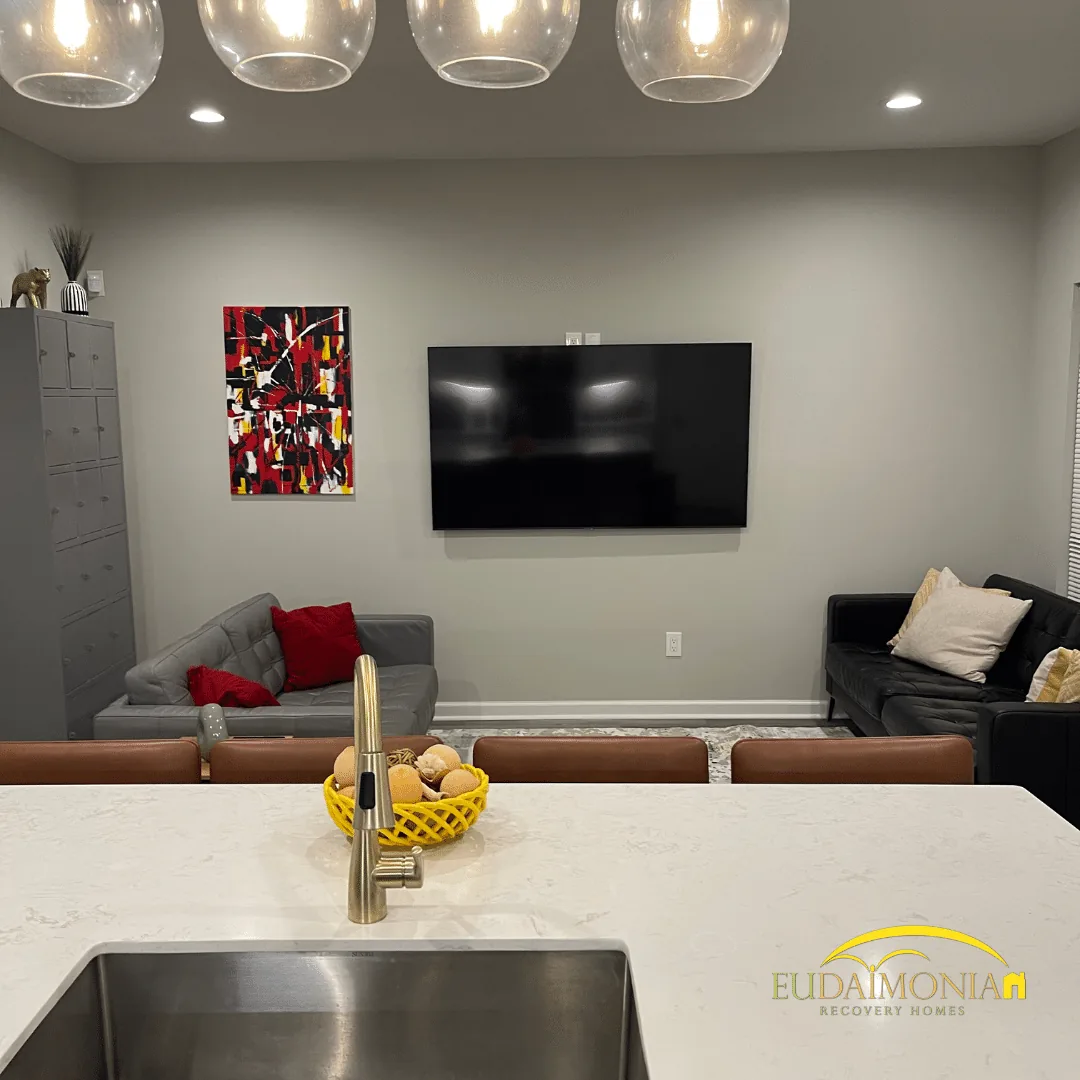
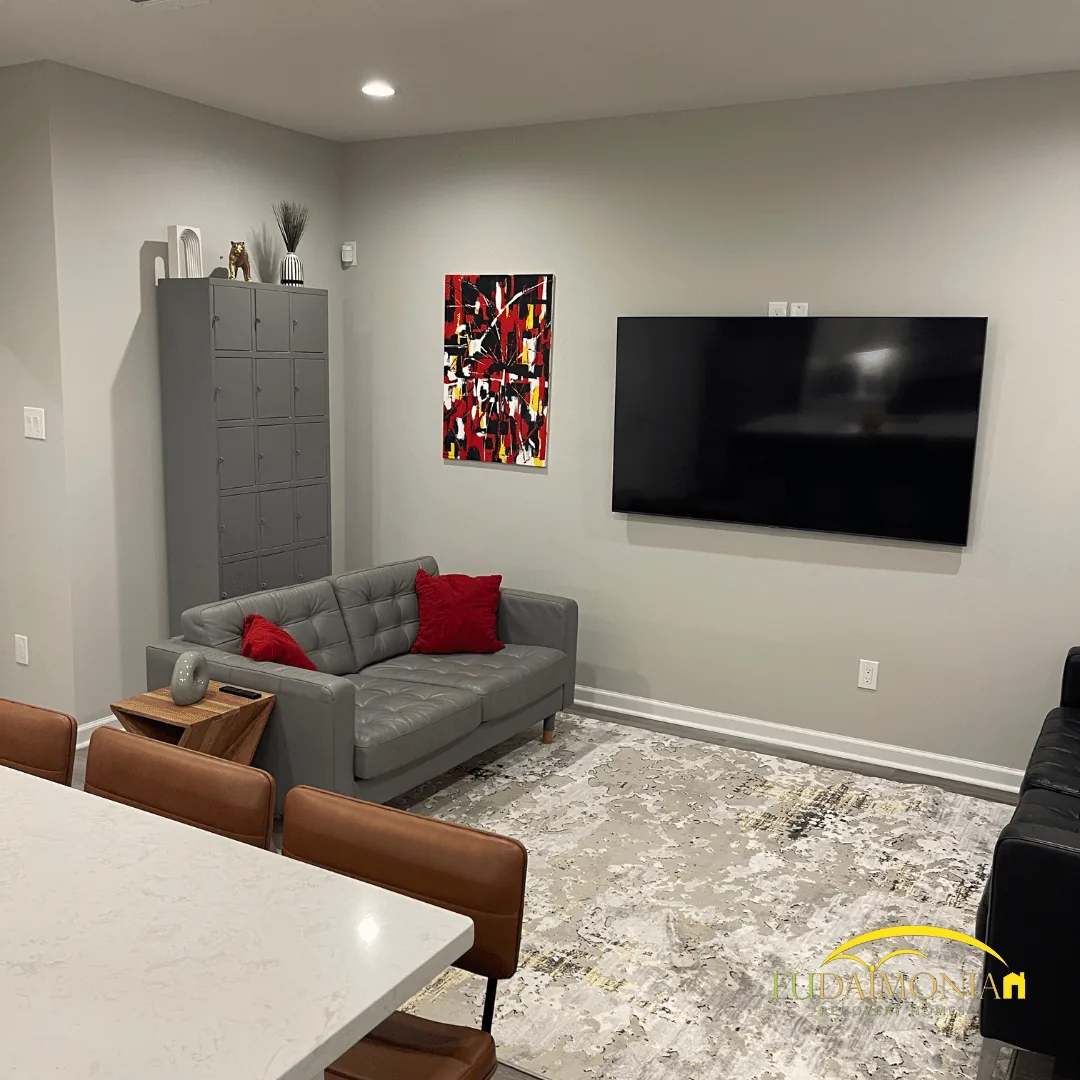
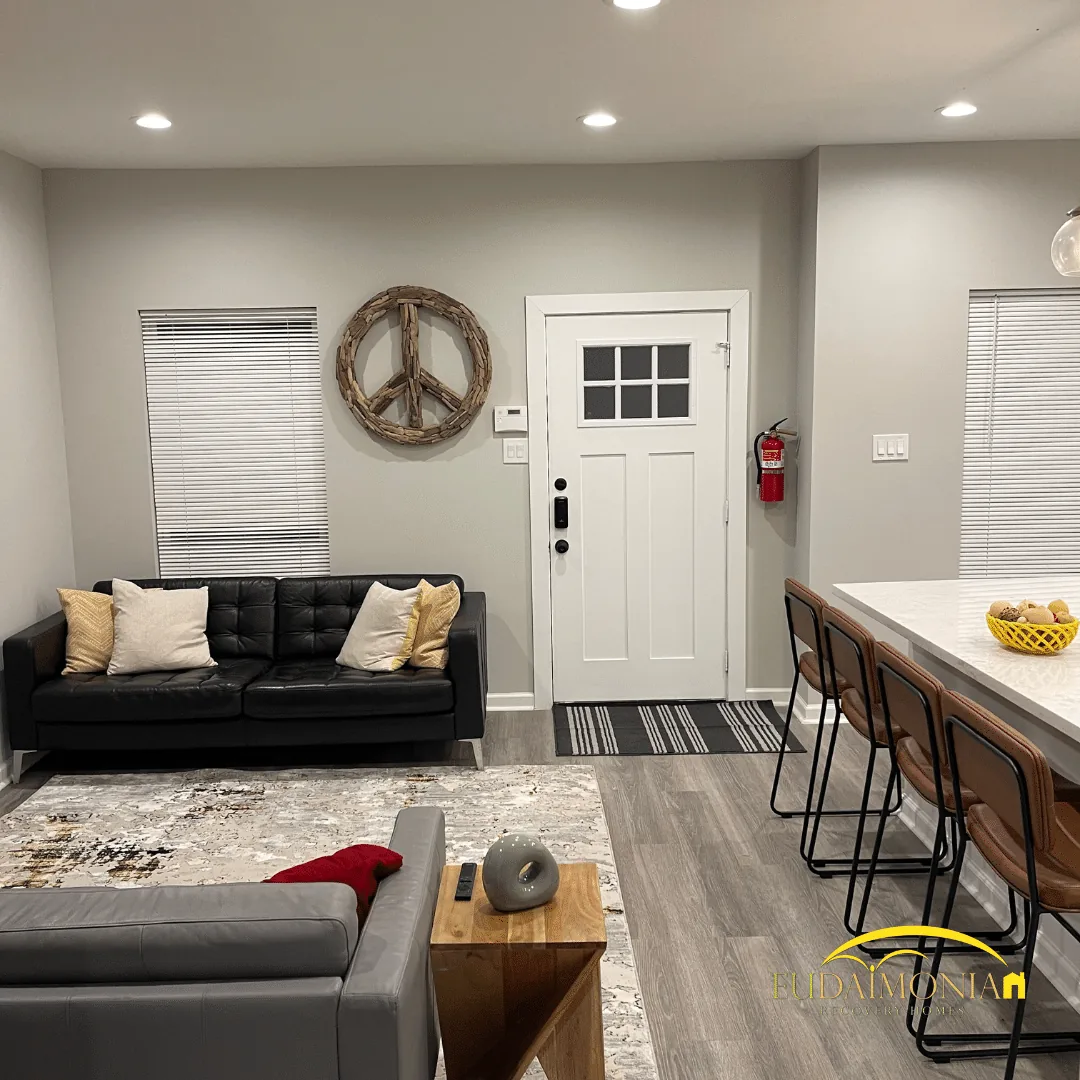
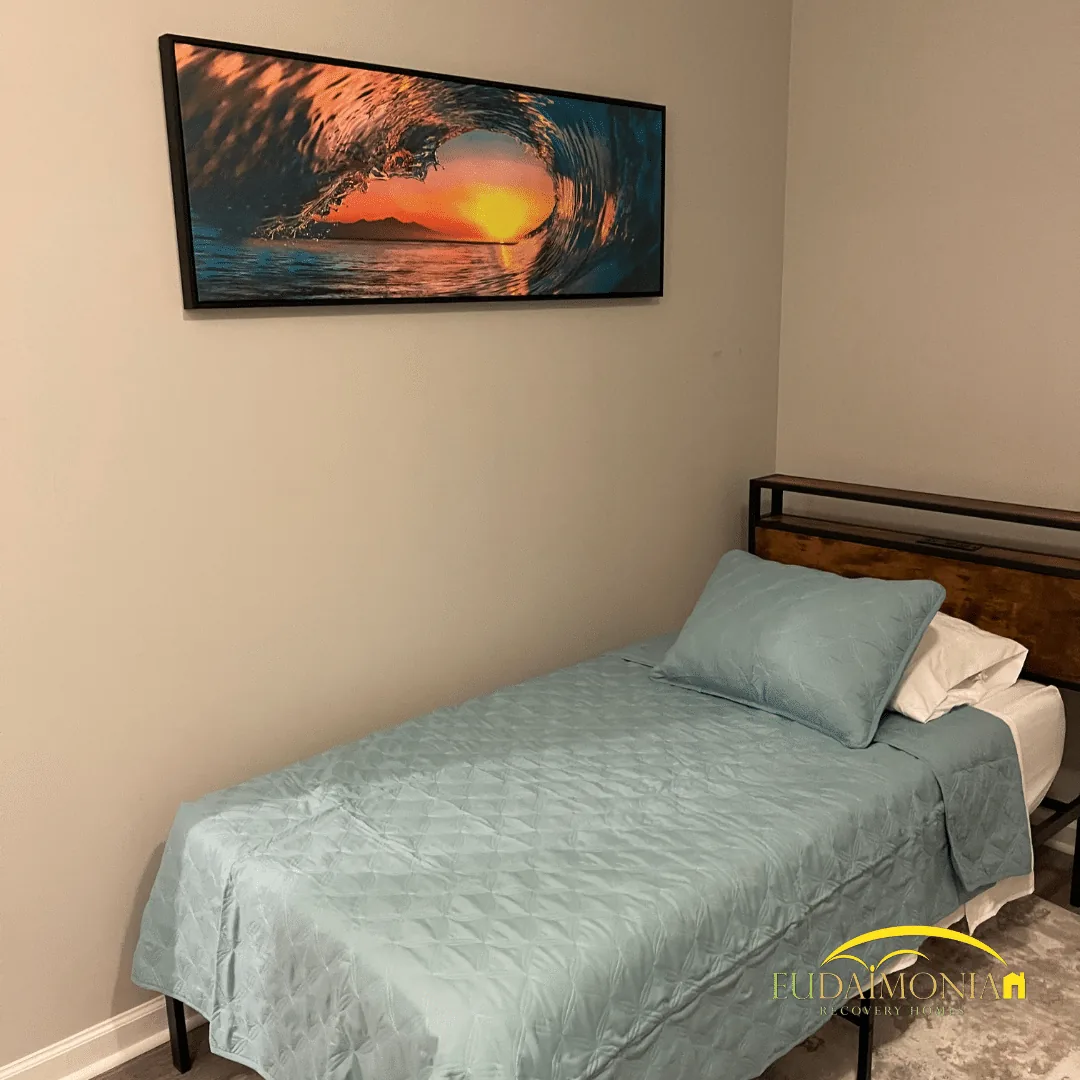
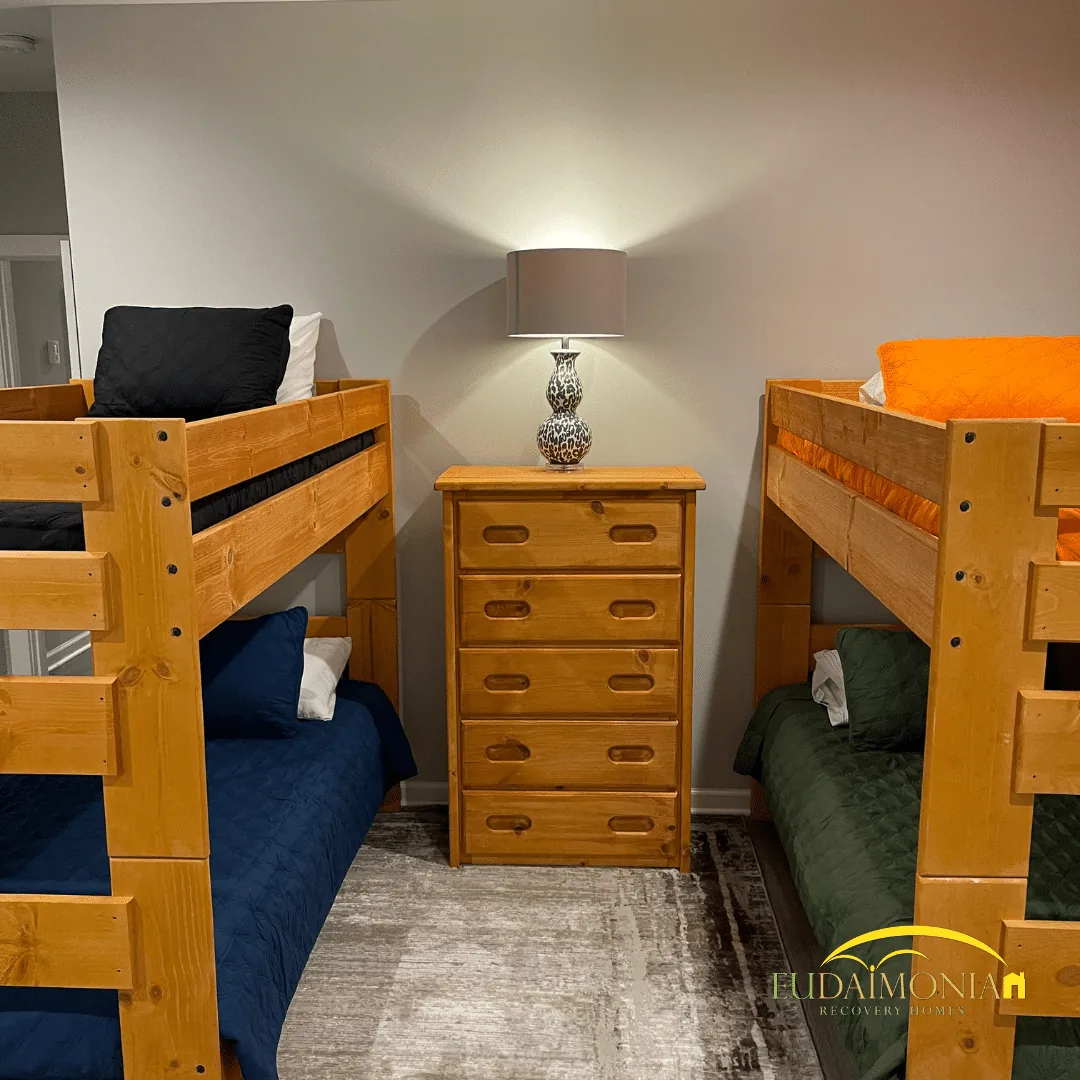
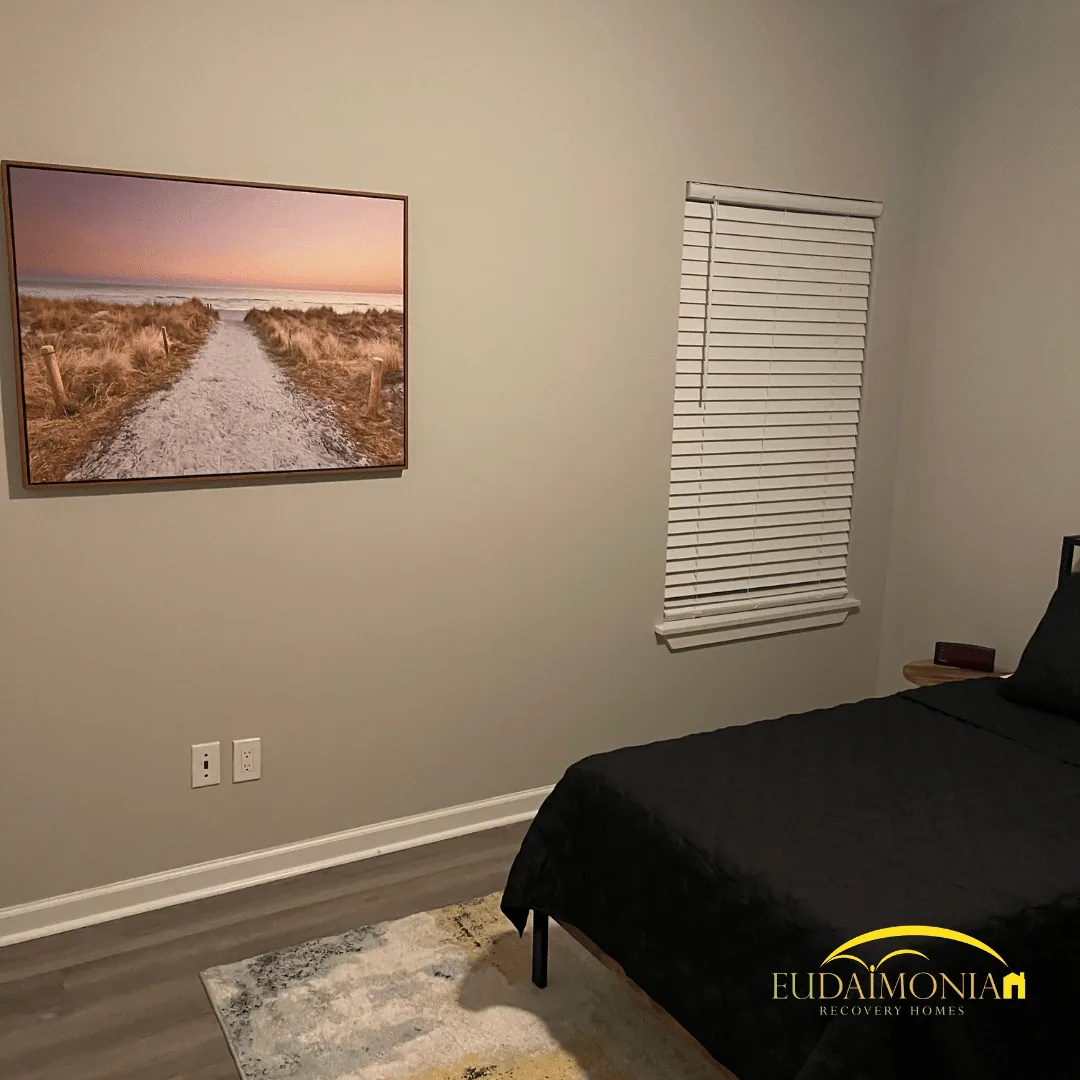
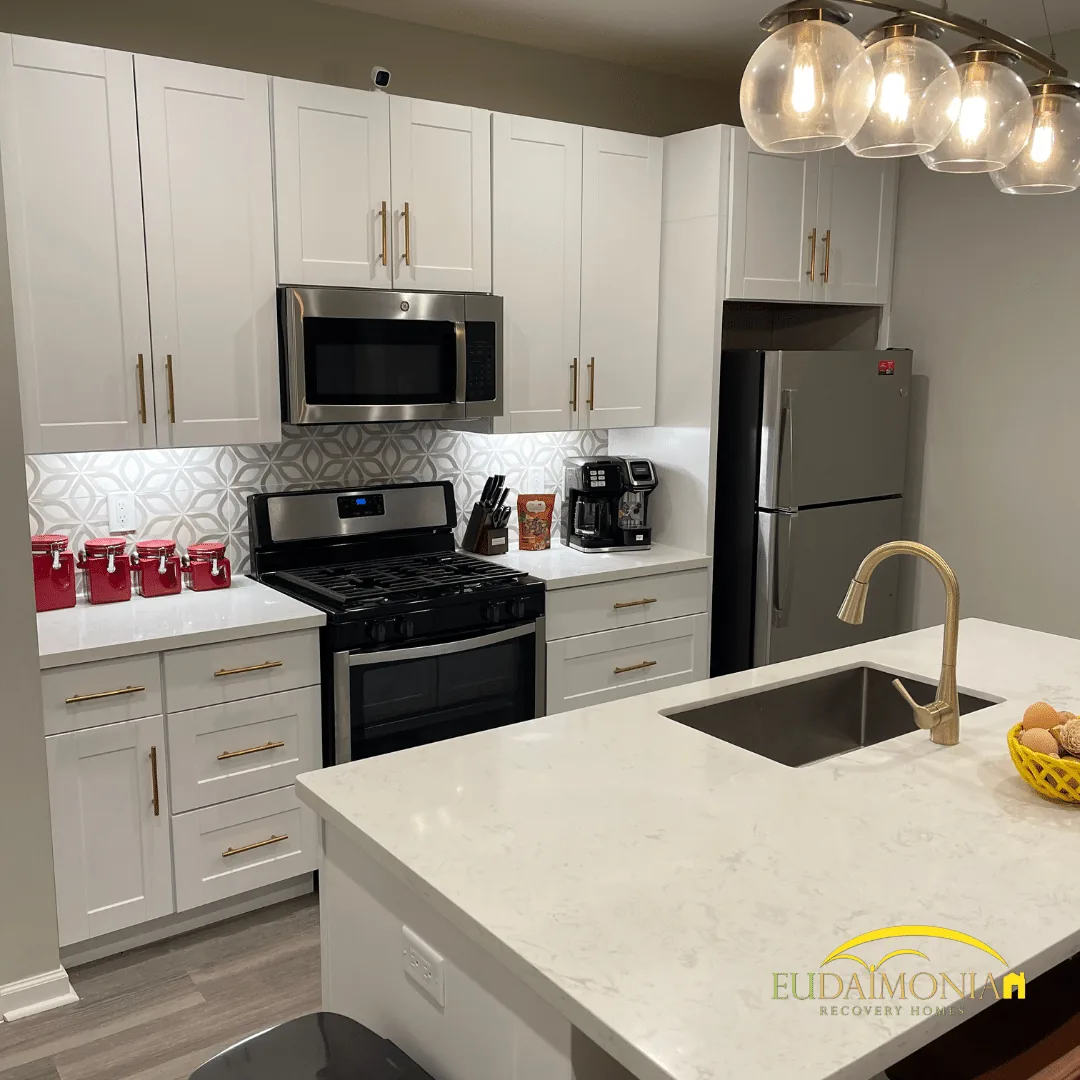
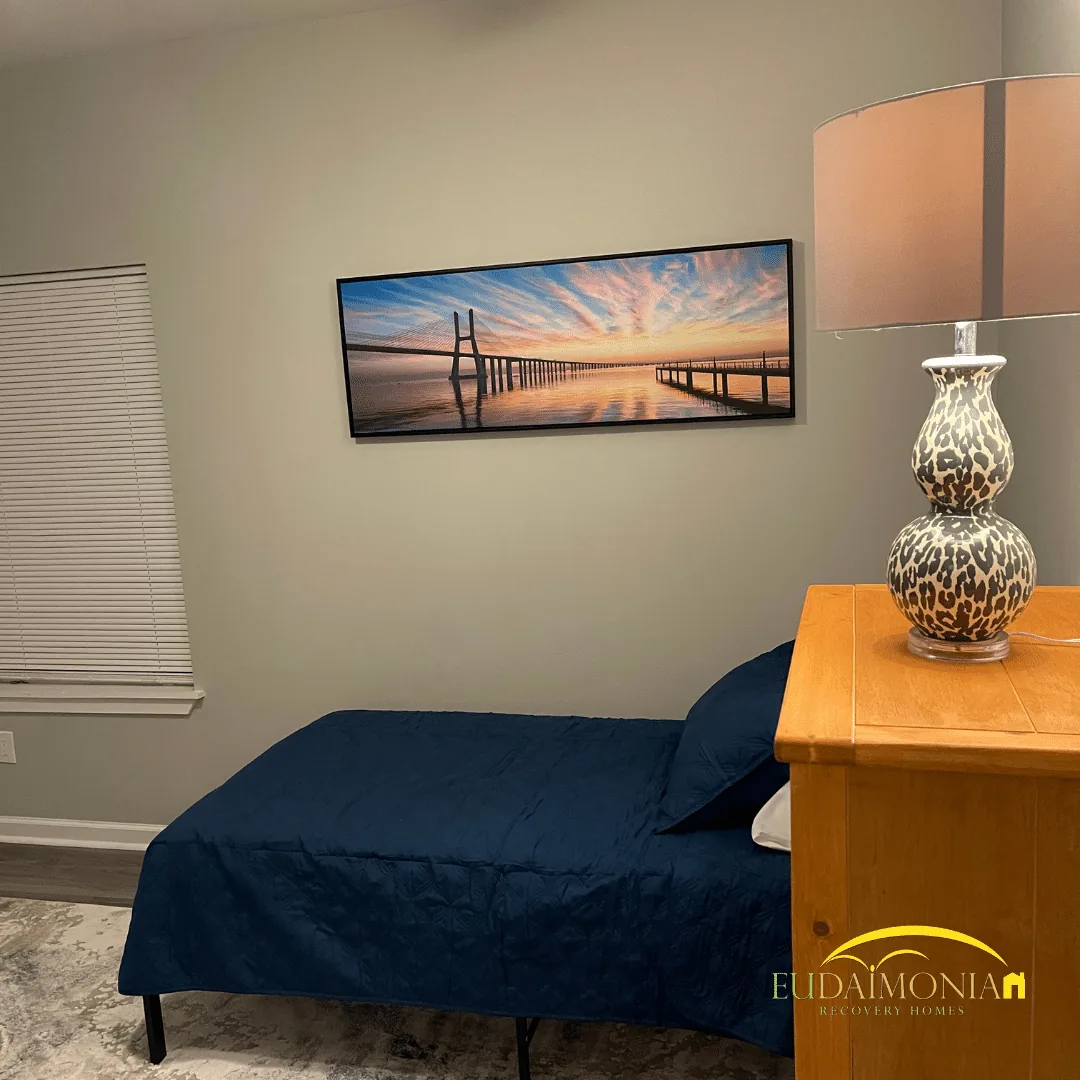
This is the most common solution in Houston. Each partner lives in a gender-specific house, sometimes in the same neighborhood, while the couple coordinates schedules, visitation rules, and recovery commitments. This model can protect early recovery because it keeps accountability individual, not dependent on the relationship.
Eudaimonia’s admissions FAQ explains its approach clearly. It does not offer transitional housing specifically for couples, but it operates gender-specific houses located in the same neighborhood so couples enrolled at the same time can live within walking distance of each other. You can read that policy here: Eudaimonia admissions FAQ.
How to choose the right model as a couple
A simple way to decide is to ask one question: do we stay stable when we disagree? If conflict escalates fast, separate placements with structured, approved contact usually protect both partners.
If there has been violence, coercion, stalking, or fear, couples housing is not the priority; safety and stabilization come first, and separate placements with professional support are usually the safest step.
Eudaimonia's Success Stories – Real People, Real Freedom
A couples checklist for choosing sober living in Houston
Searches like top sober homes and top sober house are common, but top is not a regulated label. For couples, the best home is usually the one that is consistent: clear expectations, predictable enforcement, and a culture that supports safety.
Use this checklist when comparing couples sober living houses in Houston. It is written to work whether you are touring one home or coordinating two.
- Written rules you can keep: ask for house rules in writing, including curfew, chores, testing, and visitor policies.
- Testing that is routine and fair. Screening should be clear, consistent, and focused on safety.
- Conflict and relapse procedures, ask what happens after a positive test and how safety is protected.
- Medication policy: ask how prescriptions are stored, verified, and supported.
- Privacy and resident protections, ask how concerns are reported and what grievance process exists.
- Staffing and supervision, ask who enforces rules and how after-hours support works.
- Couples contact rules: clarify visits, calls, and how contact is approved, especially during the first month.
- Transportation realism: in Houston, compare location to work, meetings, and each other.
If you want to see an example of how expectations are organized, Eudaimonia publishes community rules and expectations here: sober living community rules.
Red flags that matter more for couples
- rules are verbal only, or “we’ll explain later” replaces written policies
- staff cannot explain what happens after relapse, conflict, or missed curfew
- the house discourages outside support, therapy, or meetings
- the cost is vague, changes mid-call, or comes with surprise fees
- you are pressured to move in immediately without a clear intake screen
In early recovery, predictability is a safety feature. A couples plan needs consistency from both homes, not mixed messages.
Rules and boundaries that matter most for couples
A couples sober living plan works best when both partners treat the relationship as one support, not the only support. That means each person needs their own recovery routine, their own peer network, and their own accountability.
Visitor rules and “together time”
Many houses allow visitors only with approval, only during certain hours, and only when the visitor follows house rules. For couples, that structure can be helpful. It reduces impulsive decisions and keeps the home predictable for everyone.
Ask a direct question: if we are both residents in separate houses, what does approved contact look like in week one? You want specifics, not general reassurance.
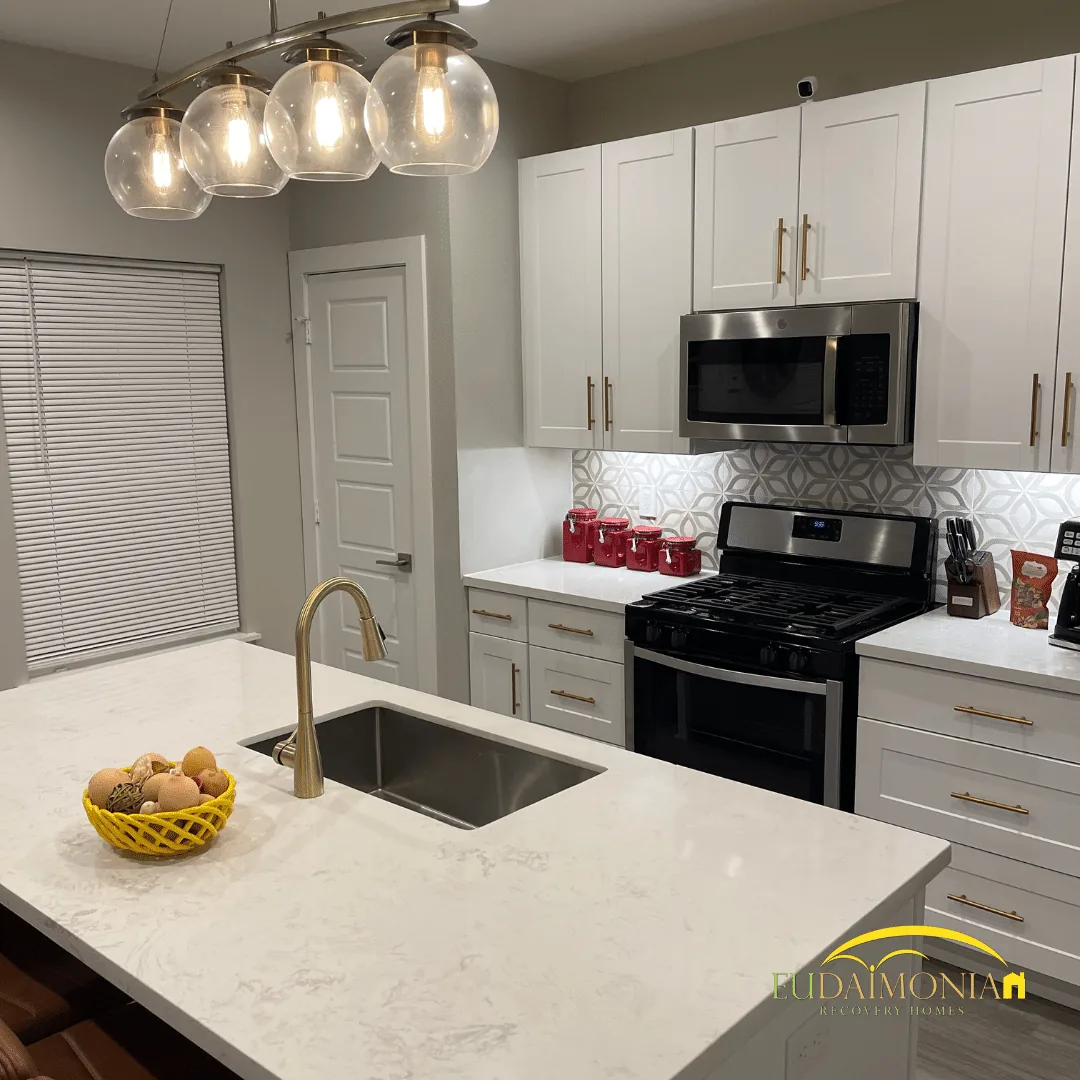
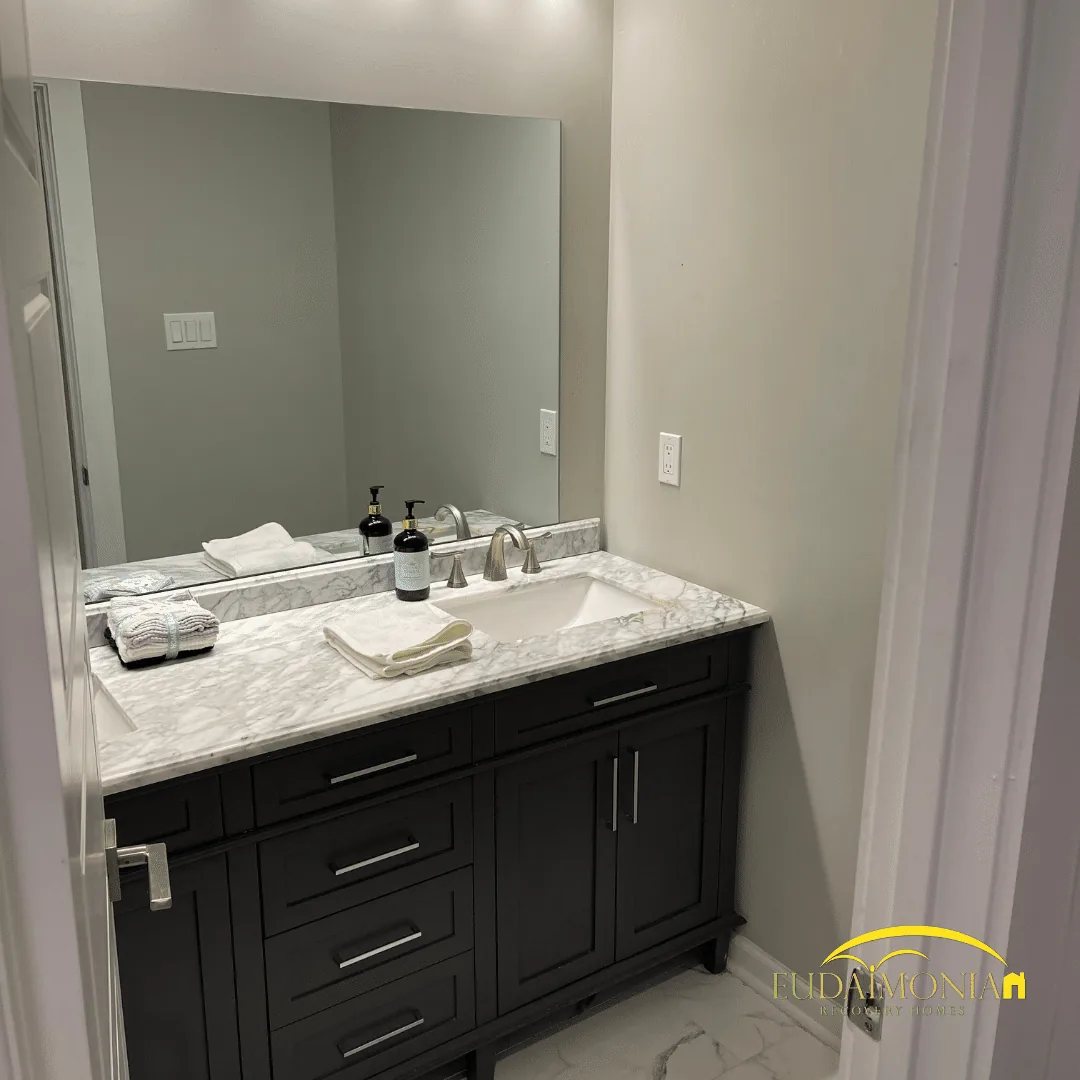
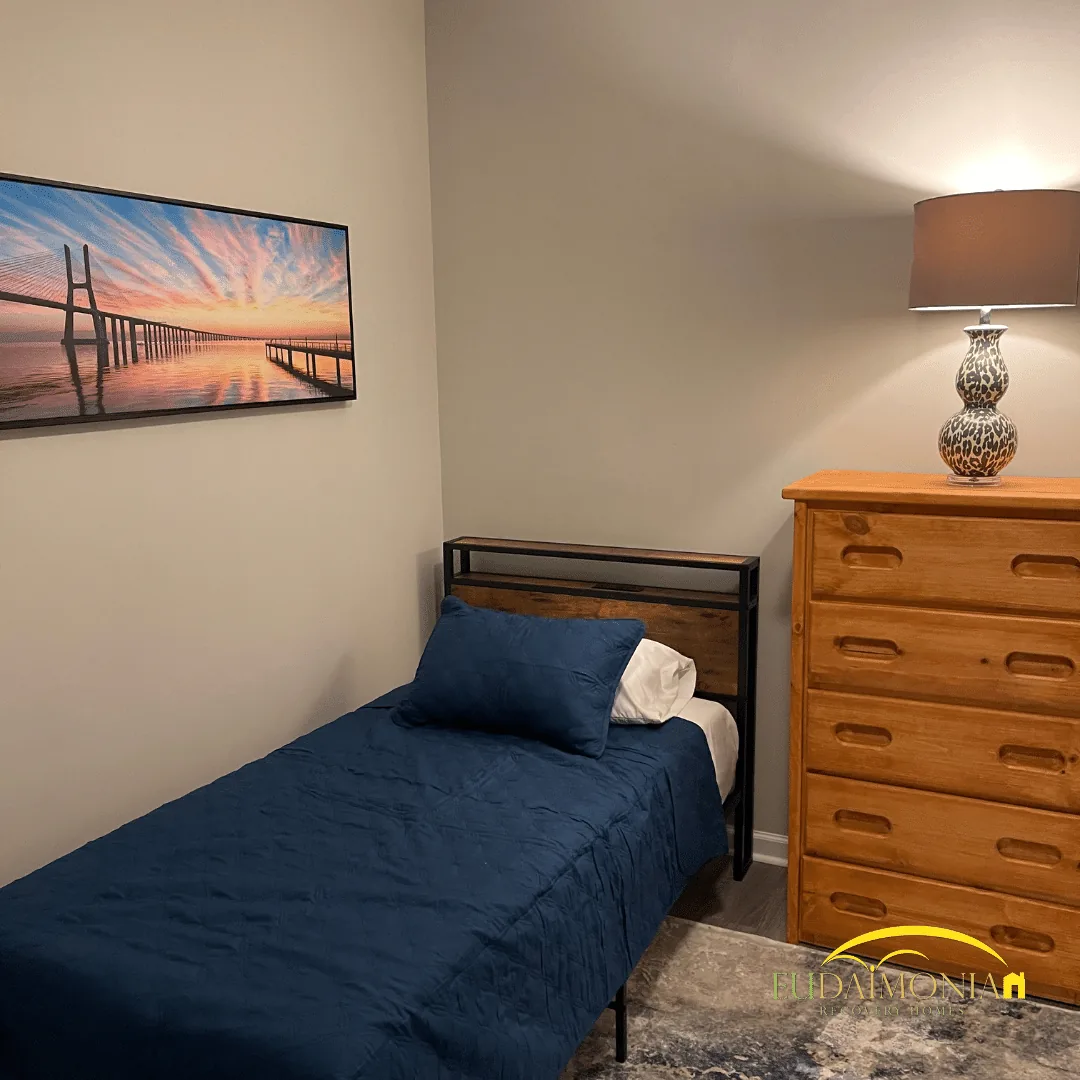
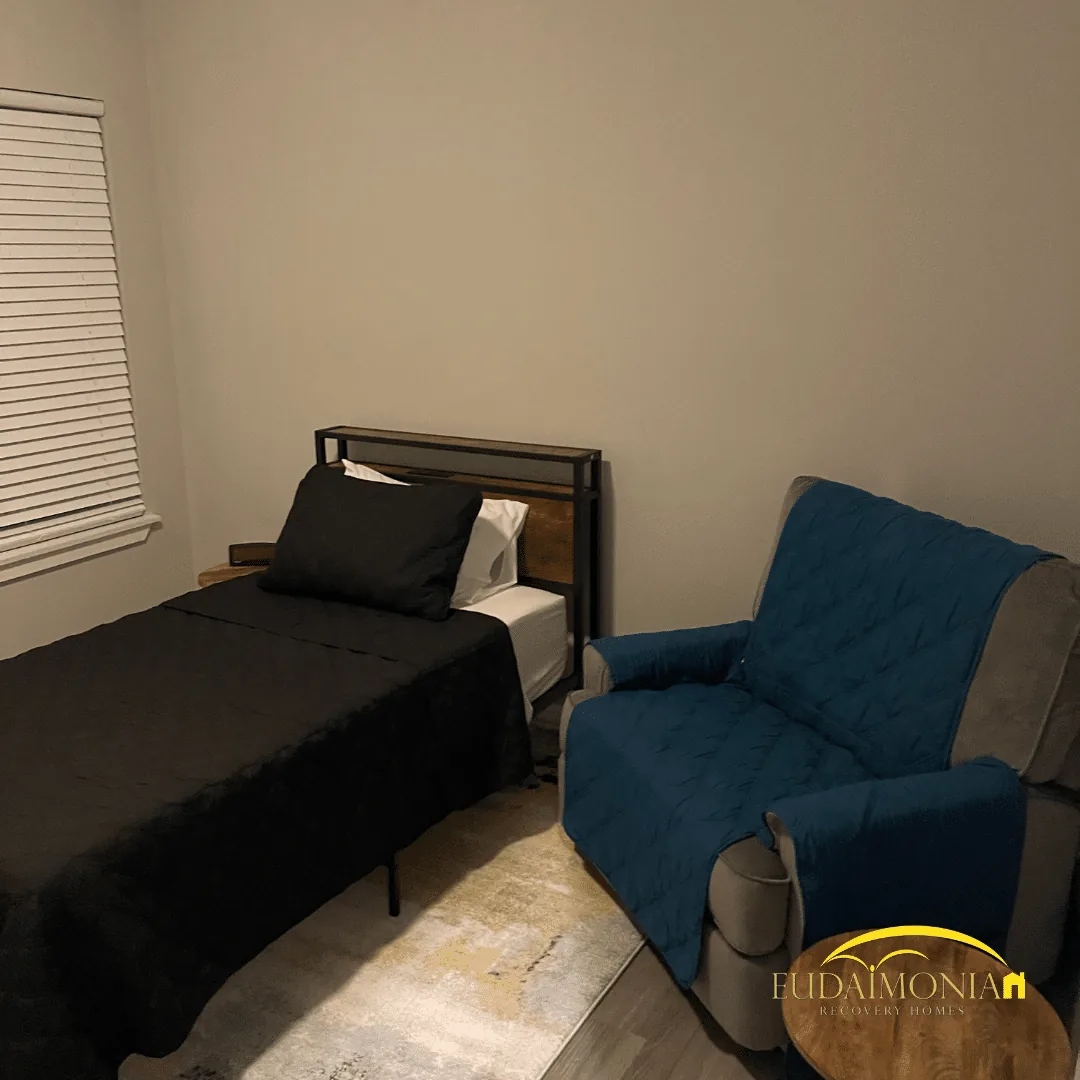
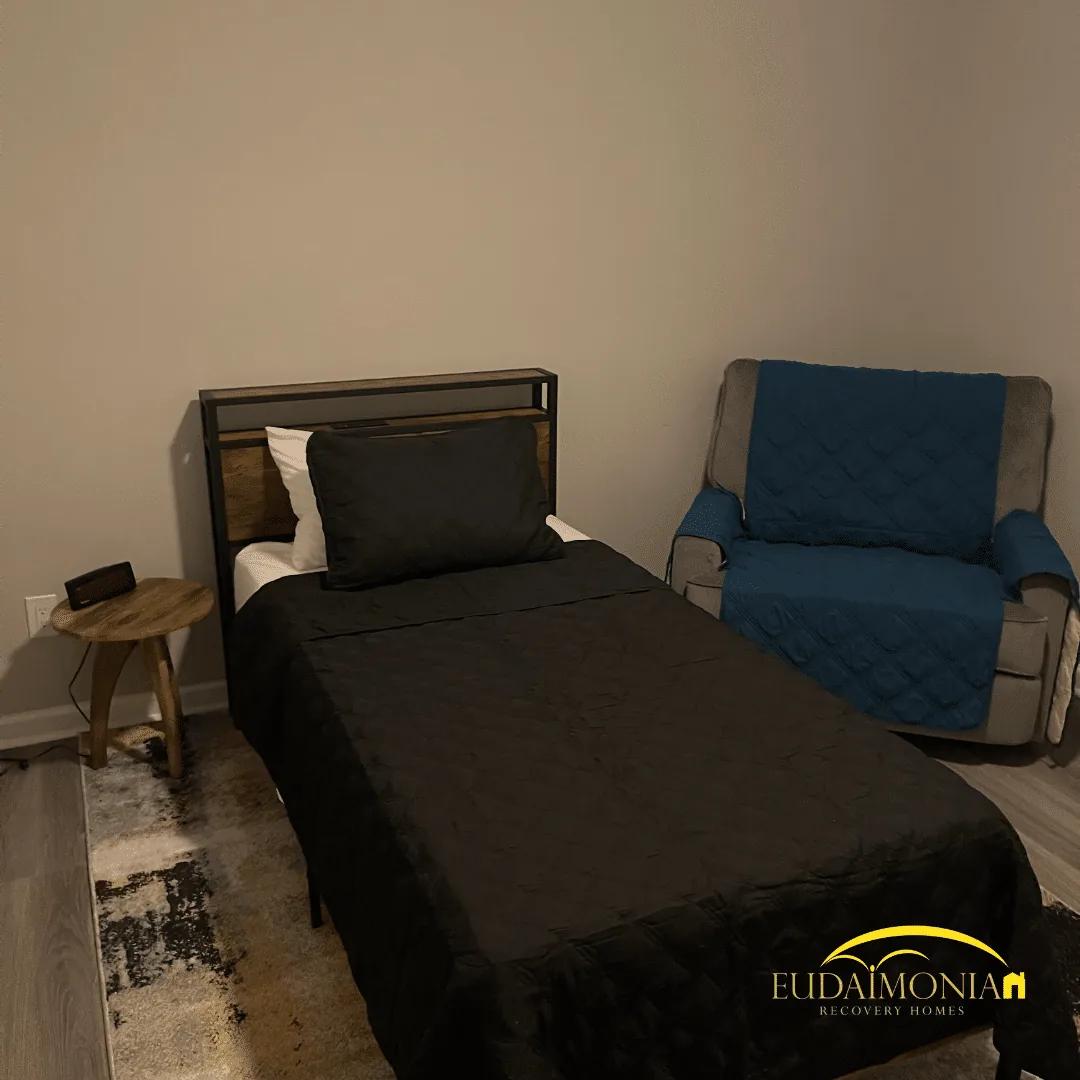
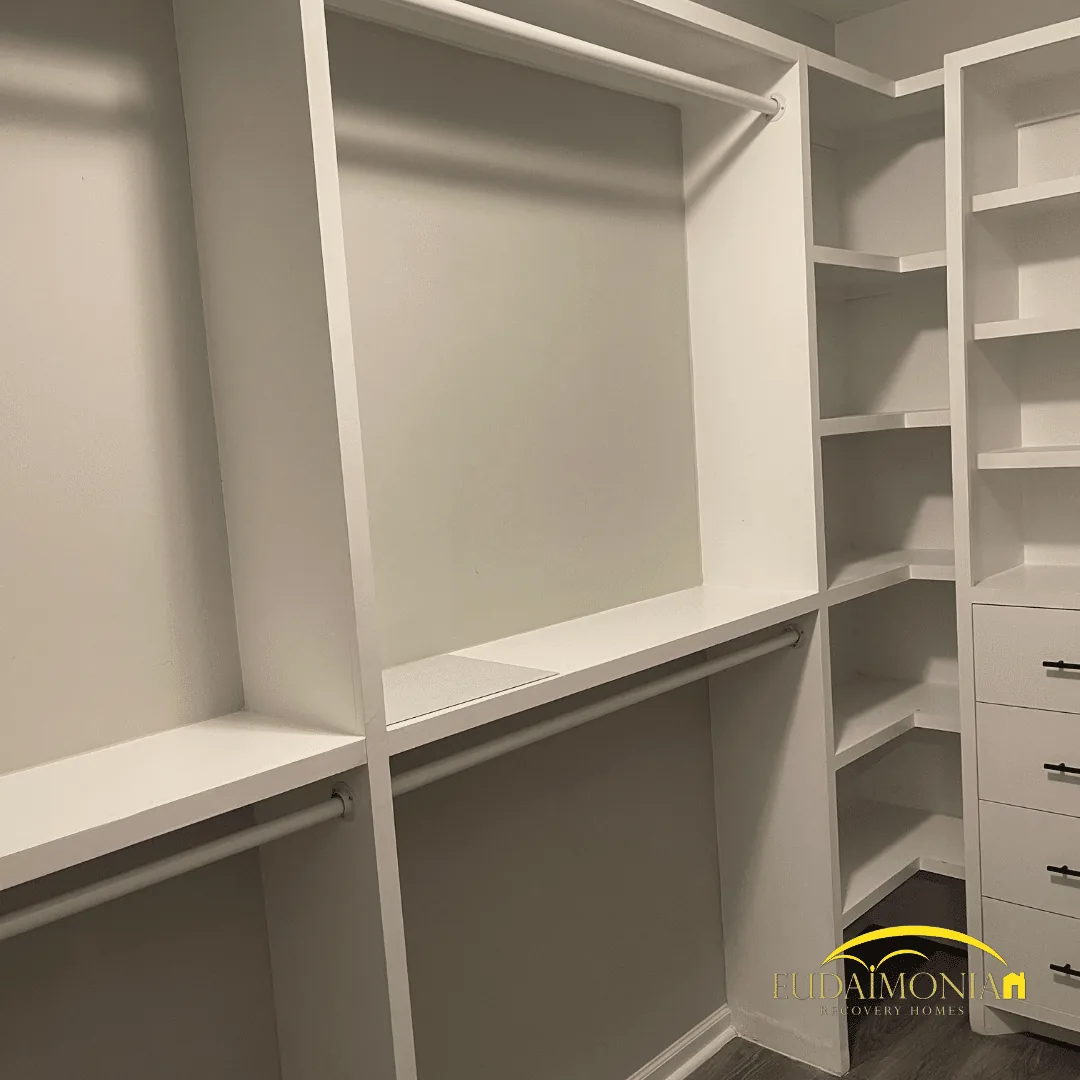
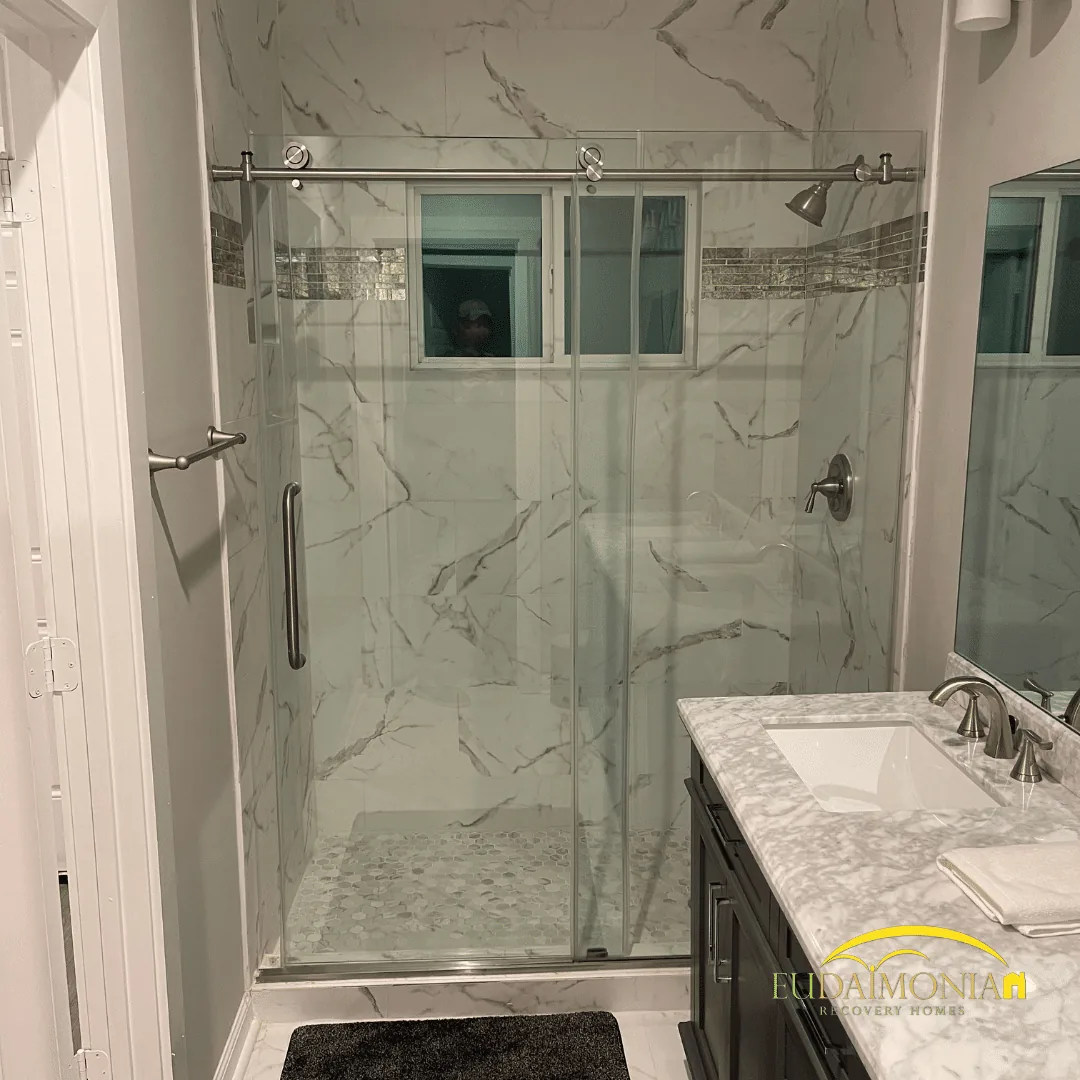
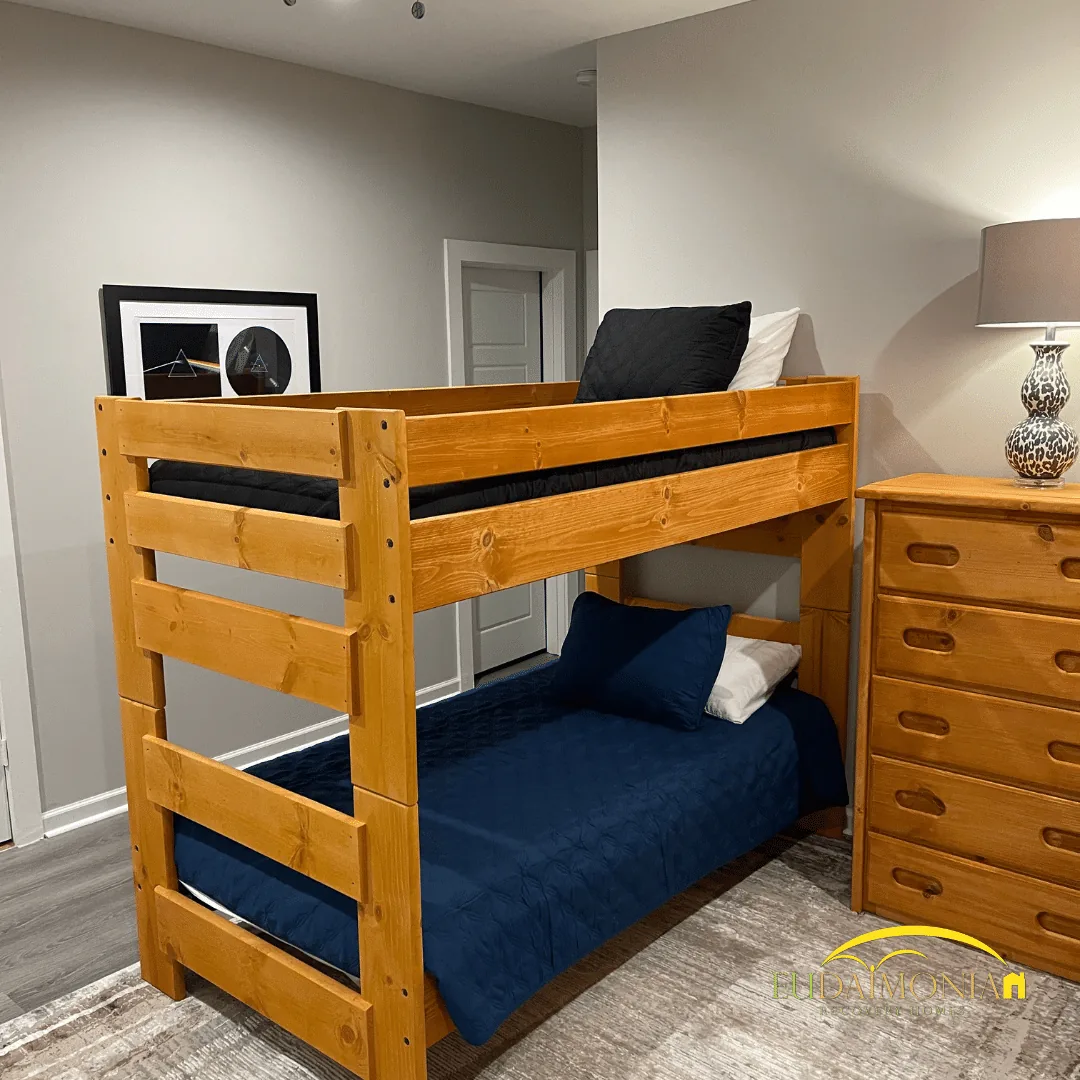
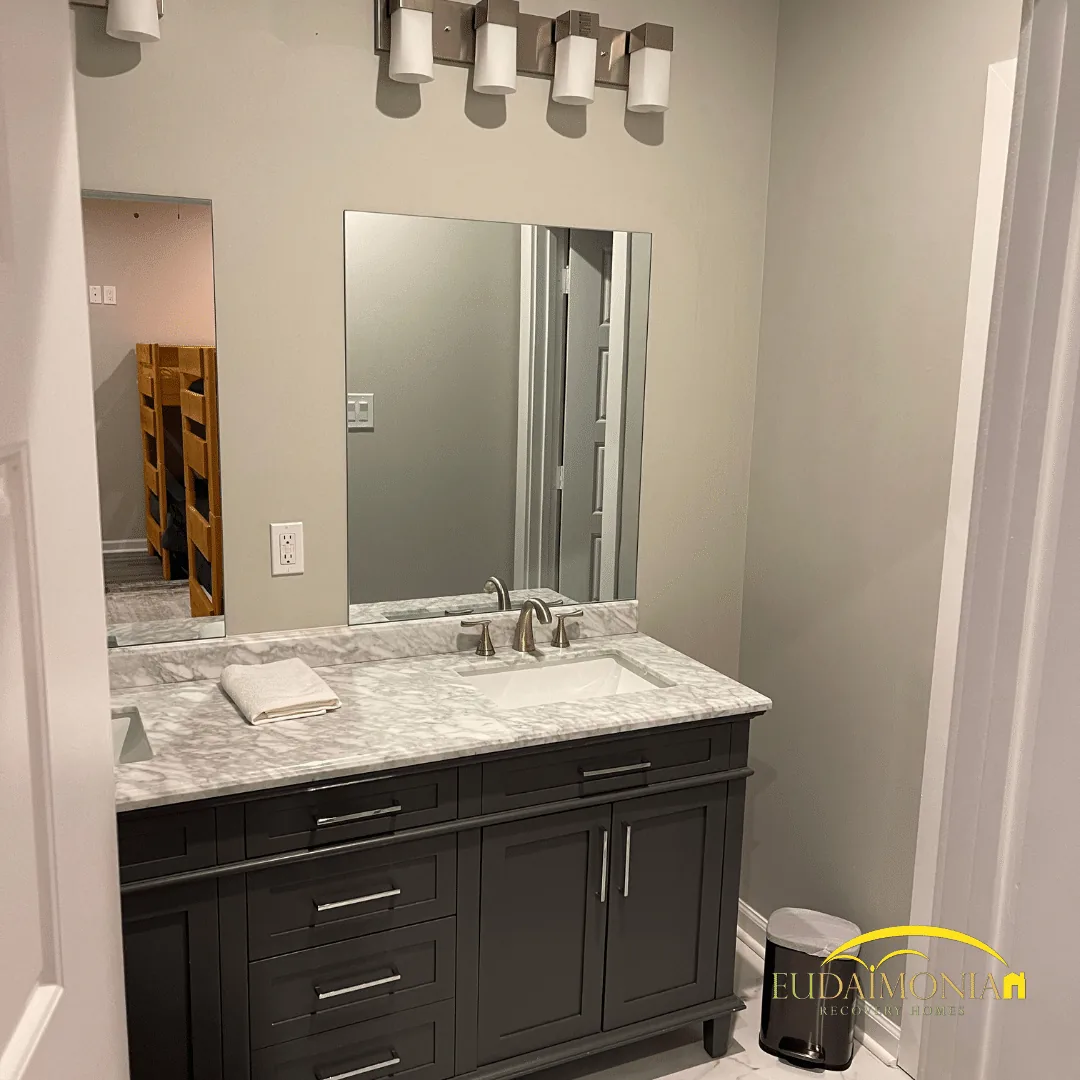
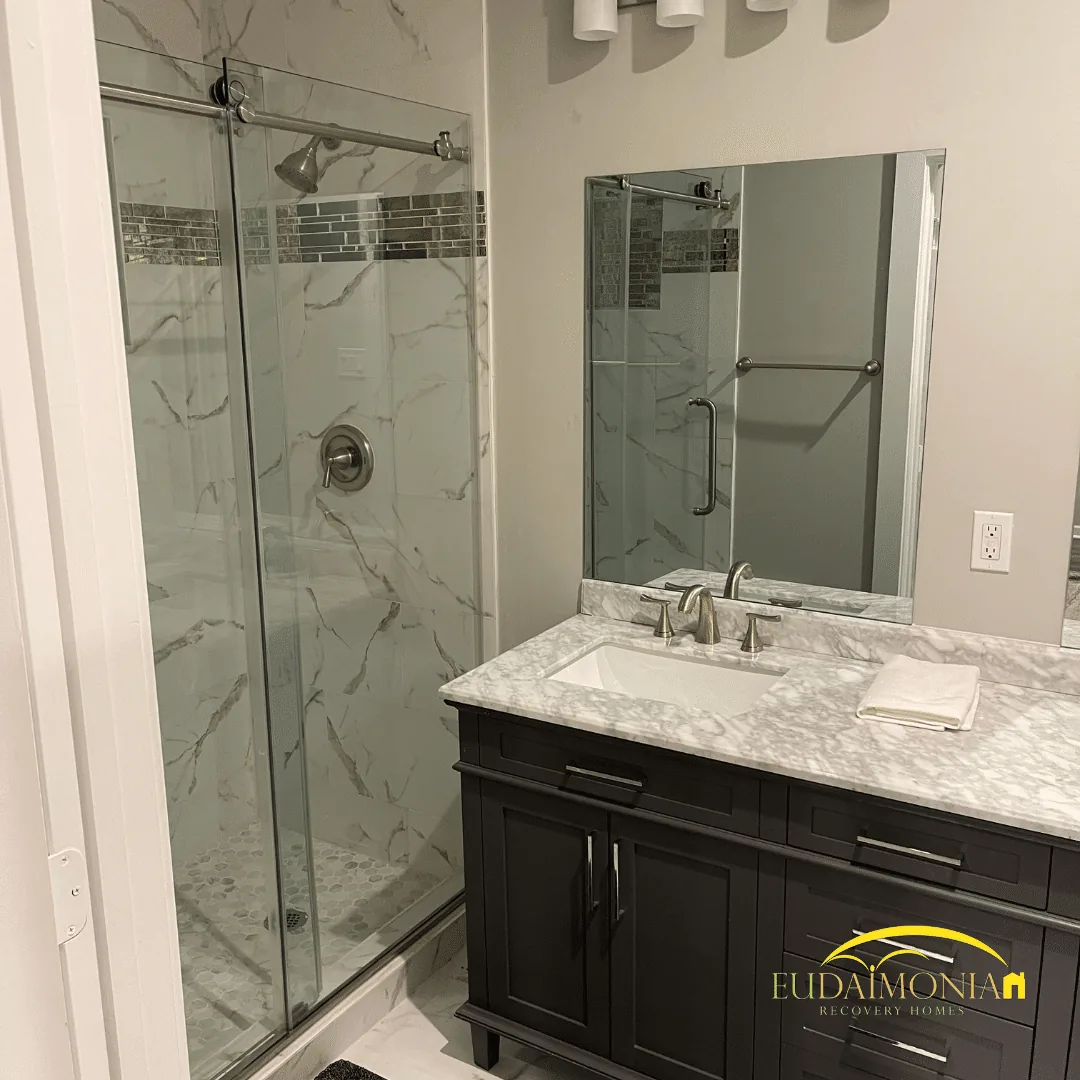
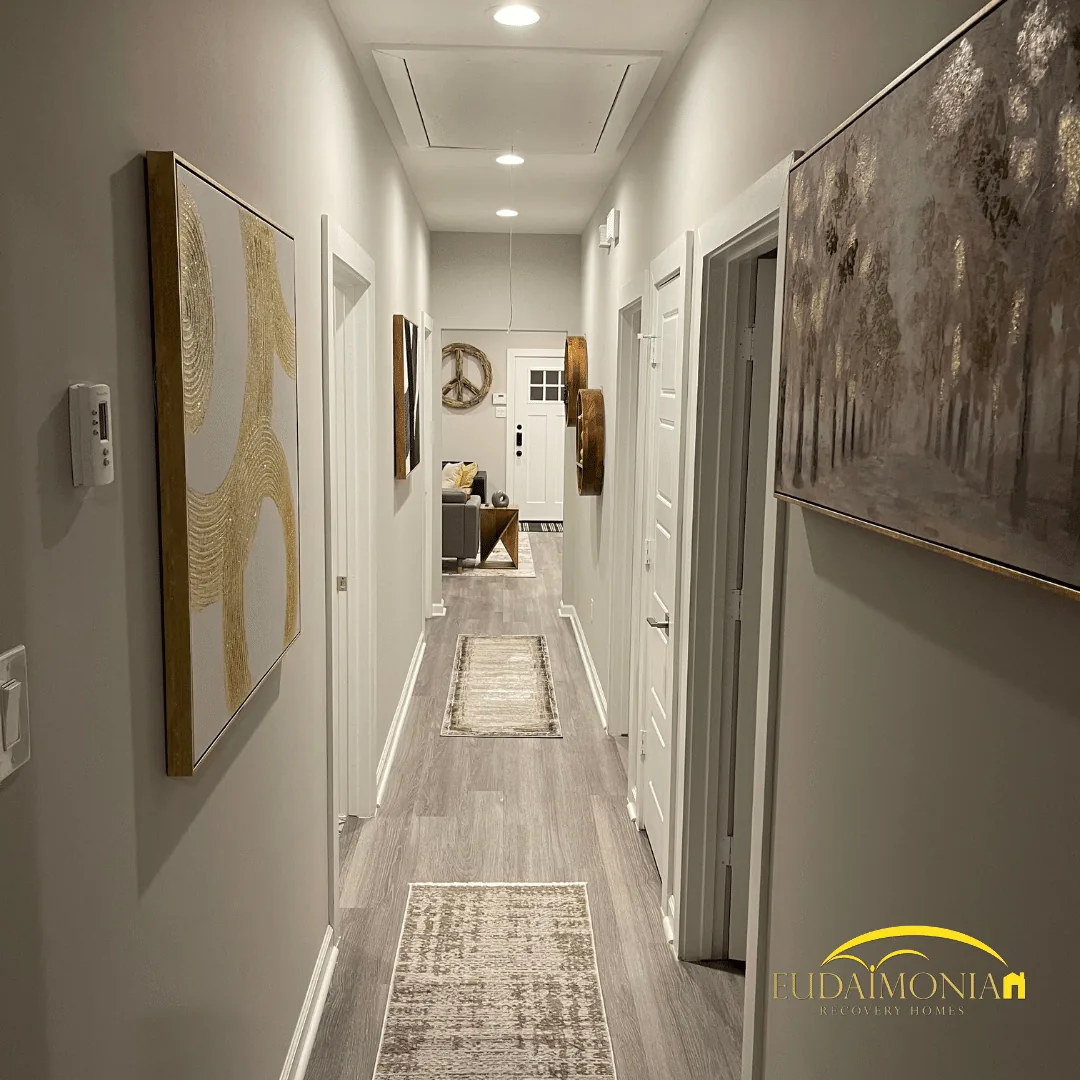
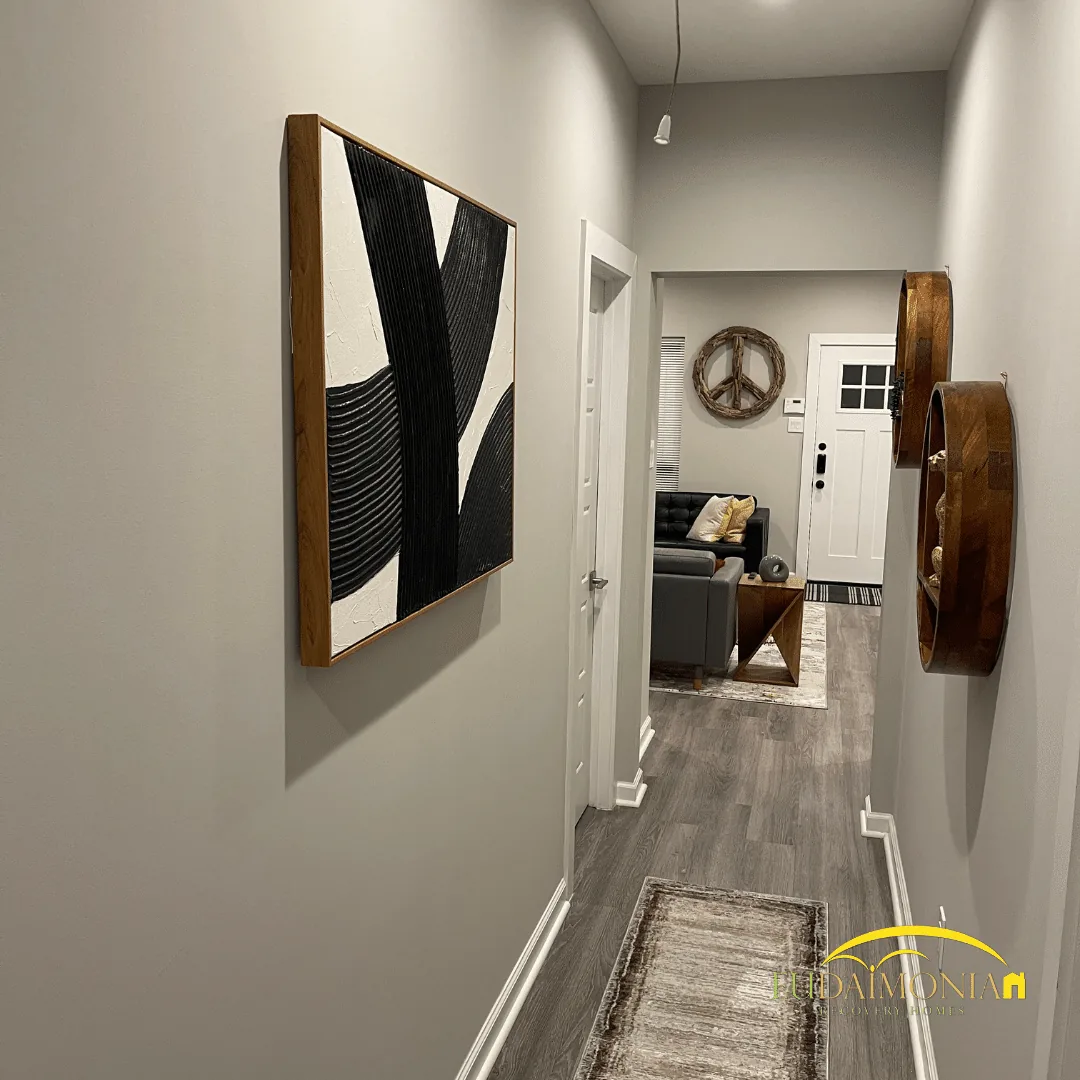
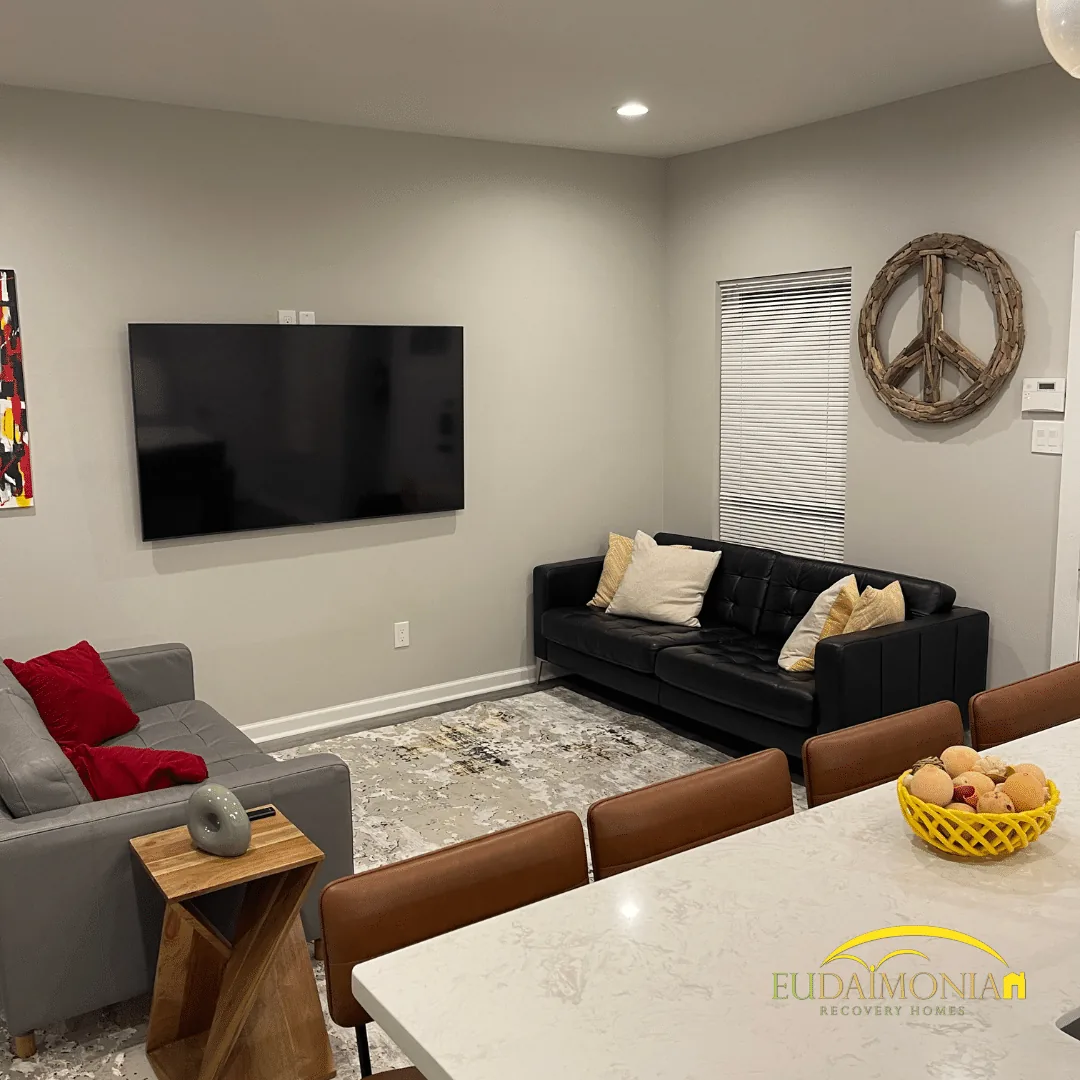
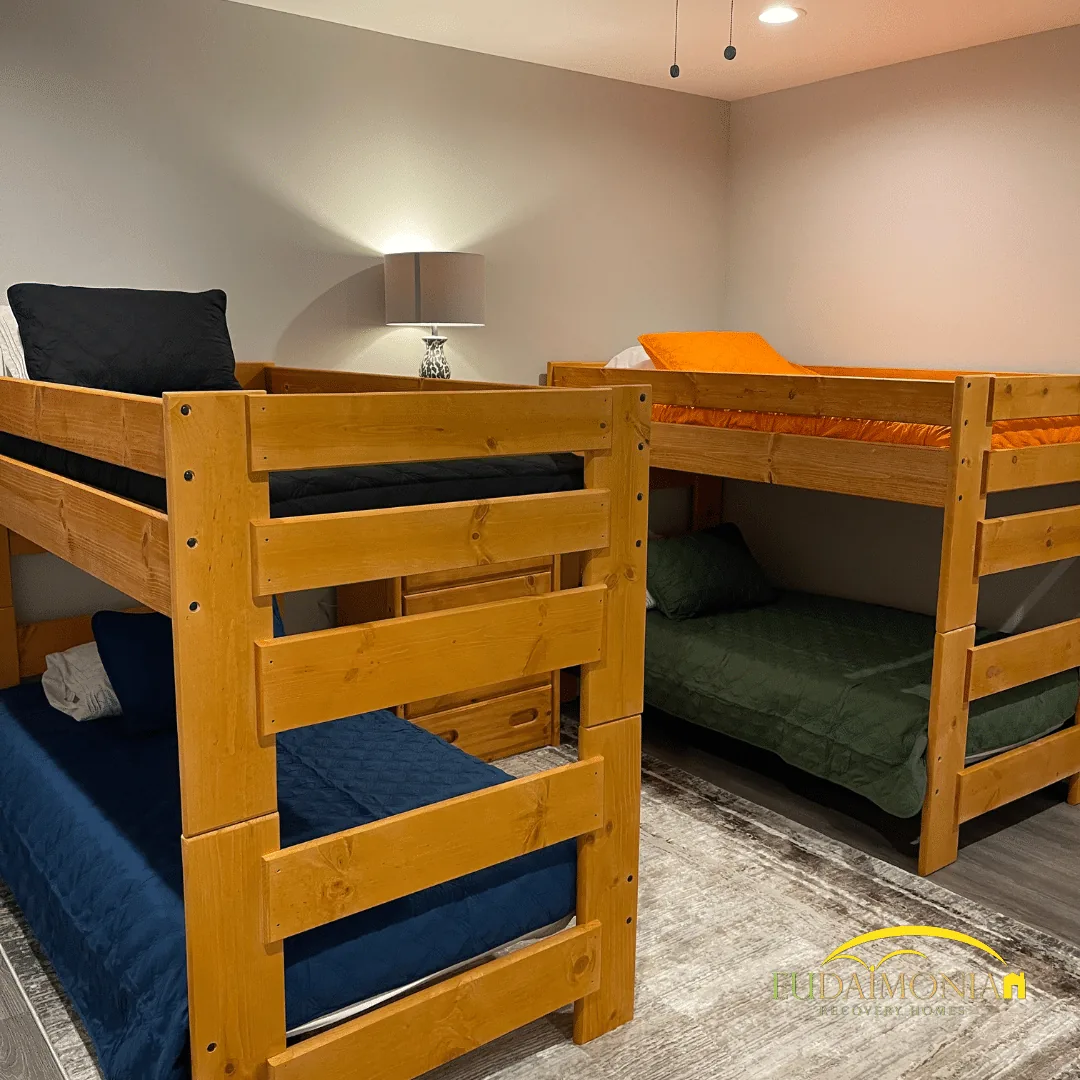
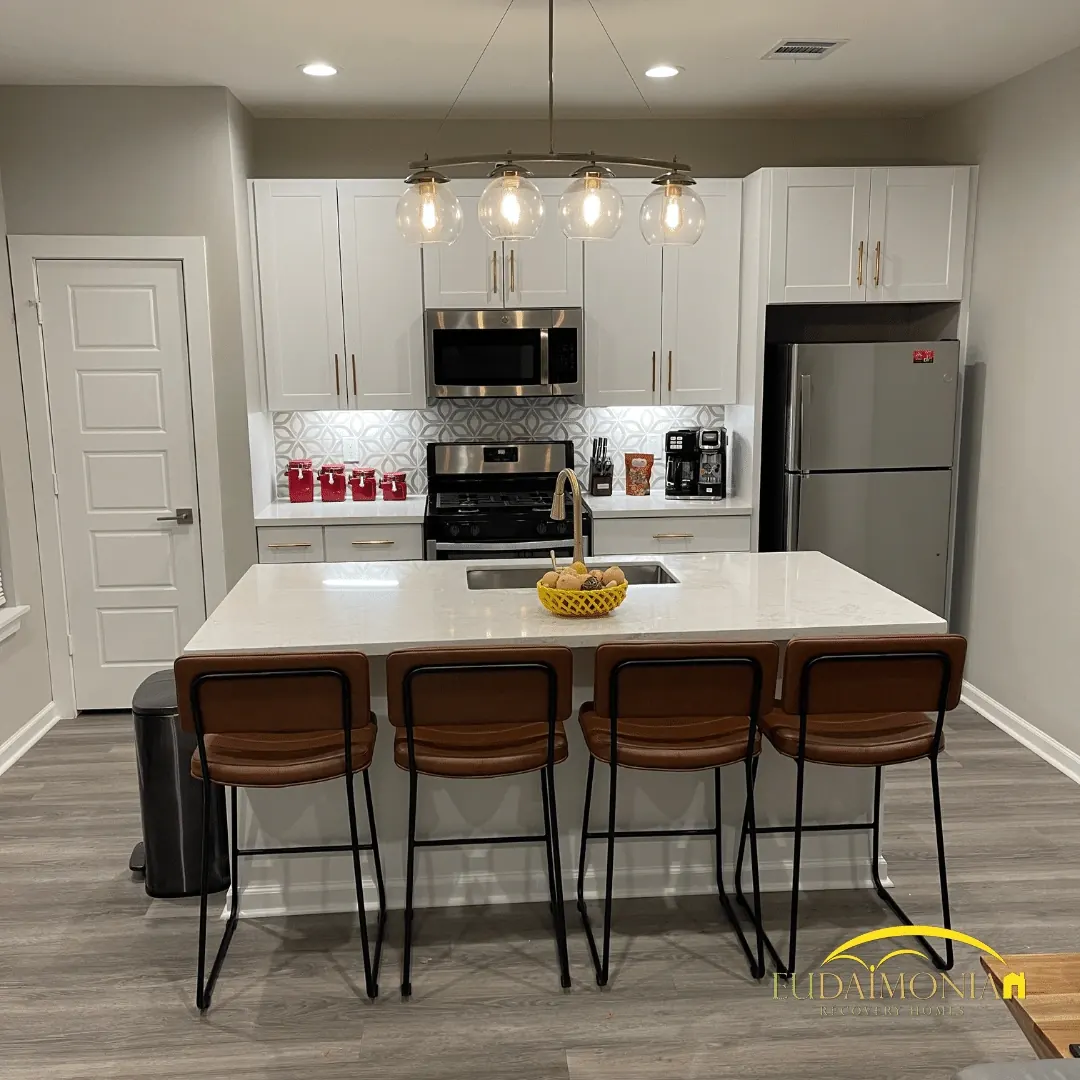
Communication plans that prevent escalation
Early recovery can change sleep, mood, and stress tolerance. A simple plan can reduce fights that spiral. Many couples do better with:
- a short daily check-in at a set time
- a rule that serious topics wait until both partners are calm
- a shared calendar for meetings, work, and approved visits
- a pause plan, such as “we take 20 minutes and then return to the topic”
Money boundaries and practical stress
Money fights can show up fast when two placements begin at the same time. Couples often stay steadier when each partner has a basic weekly budget and a shared plan for big items like deposits, transportation, and food.
If one partner controls all the money, the other partner may feel trapped. In recovery housing, that dynamic can increase stress and risk. A balanced plan is usually safer for both people.
What happens if one partner relapses?
This is uncomfortable, but it is essential. A safe home will have a clear response to use, including immediate steps to protect the environment. For couples, the key is to avoid going down together. Plan now for who you call, where you stay, and what boundaries apply if one person returns to use.
Recovery is a long-term process, and supportive services can strengthen outcomes when housing and treatment work together. SAMHSA’s overview of recovery and support provides helpful context: SAMHSA: Recovery and support.
Cost and planning for two placements in Houston
For couples, budgeting is not just rent times two. It is also transportation, move-in costs, and the cost of staying consistent with recovery. Planning reduces last-minute stress, which is when people often quit or choose a poor fit.
Questions to ask about total monthly cost
- What is the monthly fee for each partner’s placement?
- What is included (utilities, Wi-Fi, furnishings, supplies)?
- Are there deposits, admin fees, or testing fees?
- What happens if one partner leaves early or is discharged?
It also helps to understand why housing is often paid out of pocket. Medicaid generally cannot pay for rent or room-and-board, with limited exceptions, which is one reason sober living fees are usually separate from clinical care. MACPAC summarizes that policy context here: MACPAC: Medicaid’s Role in Housing.
Couples planning that protects recovery
- Protect sleep, late-night visits and long drives can wreck routine fast.
- Keep meetings first, do not replace recovery activities with constant together time.
- Plan two support systems, each partner needs peers and mentors outside the relationship.
Houston logistics that can make or break a couples plan
- Transportation: if one car is shared, plan how each partner gets to work, meetings, and appointments.
- Time blocks: choose together time that does not replace meetings, sleep, or work shifts.
- Neighborhood fit: a calmer routine is easier when groceries, transit, and meetings are not a daily fight.
If you are coordinating two placements, write the plan down. A simple one-page schedule can prevent misunderstandings and reduce stress.
If you need a practical packing checklist, Eudaimonia publishes a detailed list here: what to bring to sober living.
Next steps for couples looking for sober living in Houston
If you are ready to move forward, focus on clarity and coordination. The goal is not just to find a bed; it is to build a stable routine for two people at the same time.
- Confirm the model you need. Decide whether you are seeking a true couples unit or two nearby placements.
- Review rules in writing. Pay special attention to visitation, testing, and relapse procedures.
- Plan the first two weeks. Set work plans, meeting plans, and contact rules so the start is predictable.
- Choose the right placements. Each partner should match the home’s structure to their needs.
- Apply and schedule move-in. Choose a date that both partners can meet and prepare for.
Start with the right Houston options for each partner
If one partner is looking for a men’s placement, start here: men’s sober living in Houston.
If the other partner needs a women’s placement, start here: women’s sober living in Houston.
What to expect in the first week
Most couples do better when the first week is simple. Focus on sleep, meals, meetings, and showing up on time. Keep contact structured and approved. If either partner feels overwhelmed, slow down and ask for support rather than pushing through alone.
When you are ready to take the next step, you can start the intake process online: sober living program application.
Couples can recover together without living together, especially when both partners commit to structure, honesty, and independent accountability. With the right setup in Houston, sober living near me can become a stable base for long-term change.
How Eudaimonia Recovery Homes Supports Sober Living Near Me for Couples in Houston, TX
Eudaimonia Recovery Homes can support people searching for sober living near me for couples in Houston by offering a structured, recovery-focused living environment designed to reinforce daily accountability. While many couples expect to live in the same home, Eudaimonia helps couples pursue sobriety in a realistic way by coordinating gender-specific placements that can keep both partners close while maintaining healthy boundaries.
This approach allows each person to focus on individual recovery responsibilities, like house expectations, testing, and routines, without putting the relationship under pressure to be the only source of support. For couples, that balance can be especially important in early sobriety, when stress, triggers, and conflict can easily affect both partners. Eudaimonia’s emphasis on clear rules and community standards also creates consistency, which can reduce uncertainty and help couples plan their week around work, meetings, and recovery commitments.
Their Houston locations can make it easier for partners to stay connected through approved, structured time together while still building independent support systems. If you’re trying to transition out of treatment or stabilize after a relapse, having predictable housing and expectations can help you focus on the next right steps instead of constant housing stress. With an admissions process that can clarify availability, fit, and house structure, couples can make decisions based on practical details rather than guesswork.
Your Future Is Waiting
Tell us what you are looking for and admissions will walk you through the houses, the phases, and what a room actually costs.