

Published October 15, 2025 · Updated September 29, 2025
On This Page · 13 Sections
Sober Living
Houston
1010 Waverly St, Houston, TX
Sober living houses Houston (also called recovery residences or “halfway houses”) are drug- and alcohol-free homes where residents commit to accountability and community while rebuilding routines. The home itself isn’t a medical facility. Treatment (like detox, residential, or IOP) happens elsewhere; the house provides a stable, peer-supported environment with rules that promote sobriety (curfews, chores, UA testing, meeting attendance, and progressing responsibilities). Quality homes make expectations crystal-clear from day one and track them with house meetings, check-ins, and graduated privileges.
Accreditation & charters are useful signals of quality. In Texas, NARR standards (administered locally via TROHN) define levels of support and operational best practices. Oxford House is a parallel, long-standing peer-run model with democratic governance and no outside house manager.
A Note on Texas Law
Texas passed Health & Safety Code, Chapter 469, aligning “recovery housing” accreditation to NARR and Oxford House quality standards. It’s voluntary accreditation, not licensure, but it’s helpful for consumers: look for providers moving toward certification, a designated responsible party, and compliance with advertising rules in the chapter.
Why Houston Is a Strong Place to Choose Sober Living
Houston’s size means lots of meeting options, diverse employers, and more than one sober-living “style”—from peer-run Oxford Houses spread across the metro to manager-run residences tied to outpatient programs. The city’s recovery ecosystem includes community programs, academic partnerships (e.g., UTHealth’s Project HOMES working with Texas recovery homes), and a growing number of providers that publish transparent pricing and house rules online.
Models of Houston Sober Living (So You Can Pick the Right Fit)
Peer-Run, Democratically Managed (Oxford House)How it works: Residents vote on membership, budgets, and rules. No outside house manager.
Strengths: High peer accountability, clear due-process rules, and a statewide network for referrals and vacancies.
Where to find: Texas-wide directory and vacancy portal list Houston houses by gender and availability.
How it works: Operator follows NARR Standard 3.0, with written policies for safety, drug testing, governance, resident rights, and ethical marketing; a responsible party oversees compliance.
Strengths: Predictable operations, transparent grievance processes, and external quality review.
Where to find: Look for TROHN certification or providers stating alignment with NARR 3.0 standards.
How it works: You live in the house and attend an affiliated outpatient program (IOP or therapy).
Strengths: More clinical structure (case management, groups), convenient transportation, stepped-down care.
Note on pricing: Bundled fees can look higher because they include services, verify what’s rent vs. care.
Neighborhoods & Practical Considerations in Houston
Commute & meetings: Choose a location near your job or school and close to preferred meetings. Central areas (Heights, Montrose, Midtown) have frequent meetings and transit; suburbs offer quieter settings.
Transportation: Proximity to bus routes or light rail can help if you’re rebuilding finances.
House culture: Tour if possible. Ask about expectations (curfew, chores, community dinners), relapse policy, and how conflict is handled.
MAT policy: If you use buprenorphine, methadone, or naltrexone, confirm the house’s MAT-friendly stance in writing; Texas initiatives like Project HOMES explicitly support medication-supported recovery in community housing.
What Does It Cost in Houston?
Houston pricing spans budget to premium. Examples shown on third-party aggregator pages range from ~$625/month shared living up to $5,700, $12,000 in premium, services-bundled programs. Treat those as estimatesAlways confirm current rent, deposits, included services, and required program attendance. Insurance rarely covers room/board; it may cover outpatient treatment, which is separate.
Tip: Ask operators for a line-item breakdown:
Weekly or monthly program fees (if any) vs. rent
What utilities, Wi-Fi, and testing costs are included
Refund policy, deposit, and move-out notice
House Rules You Should Expect
Abstinence: Drug/alcohol testing with clear consequences after any positive screen.
Safety & structure: Curfews; sign-in/out; guest policy; roommate & cleanliness standards.
Community: Required 12-step or mutual-aid meetings; weekly house meetings; chores and shared responsibilities.
Progression: Phased privileges as you demonstrate reliability (work/school, service commitments).
These are all consistent with NARR 3.0 and Texas’s emerging Chapter 469 framework encouraging high-quality, ethical operations.
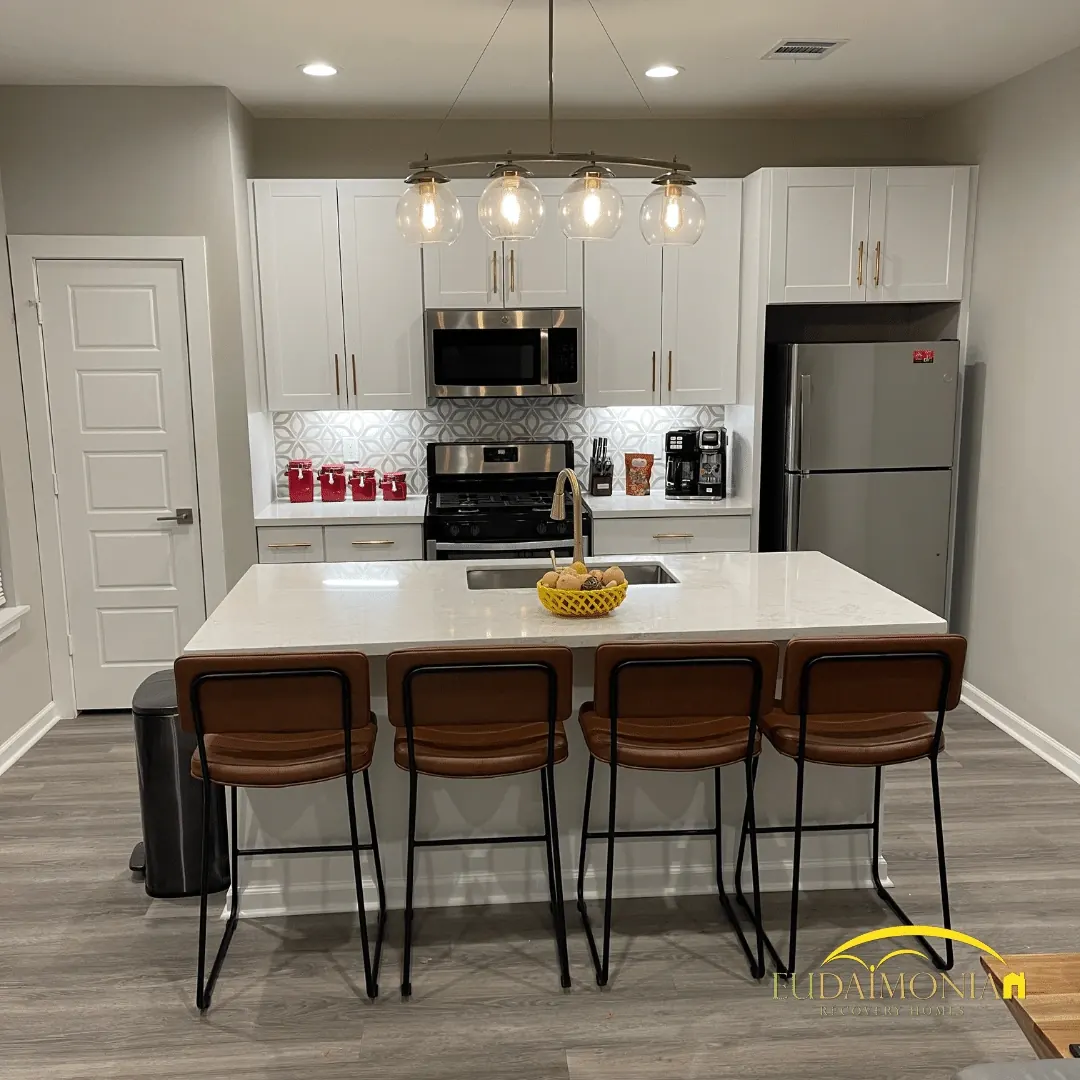
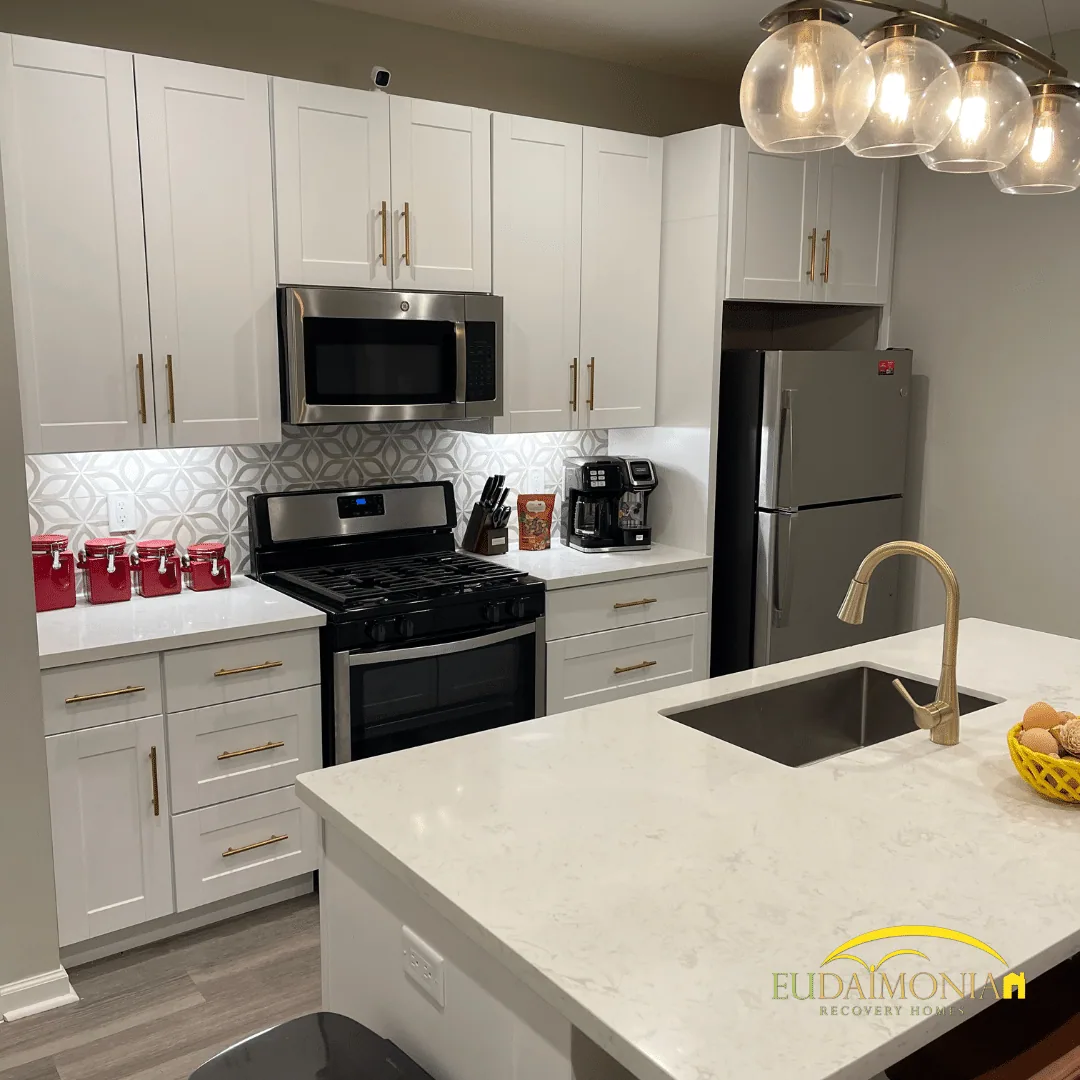
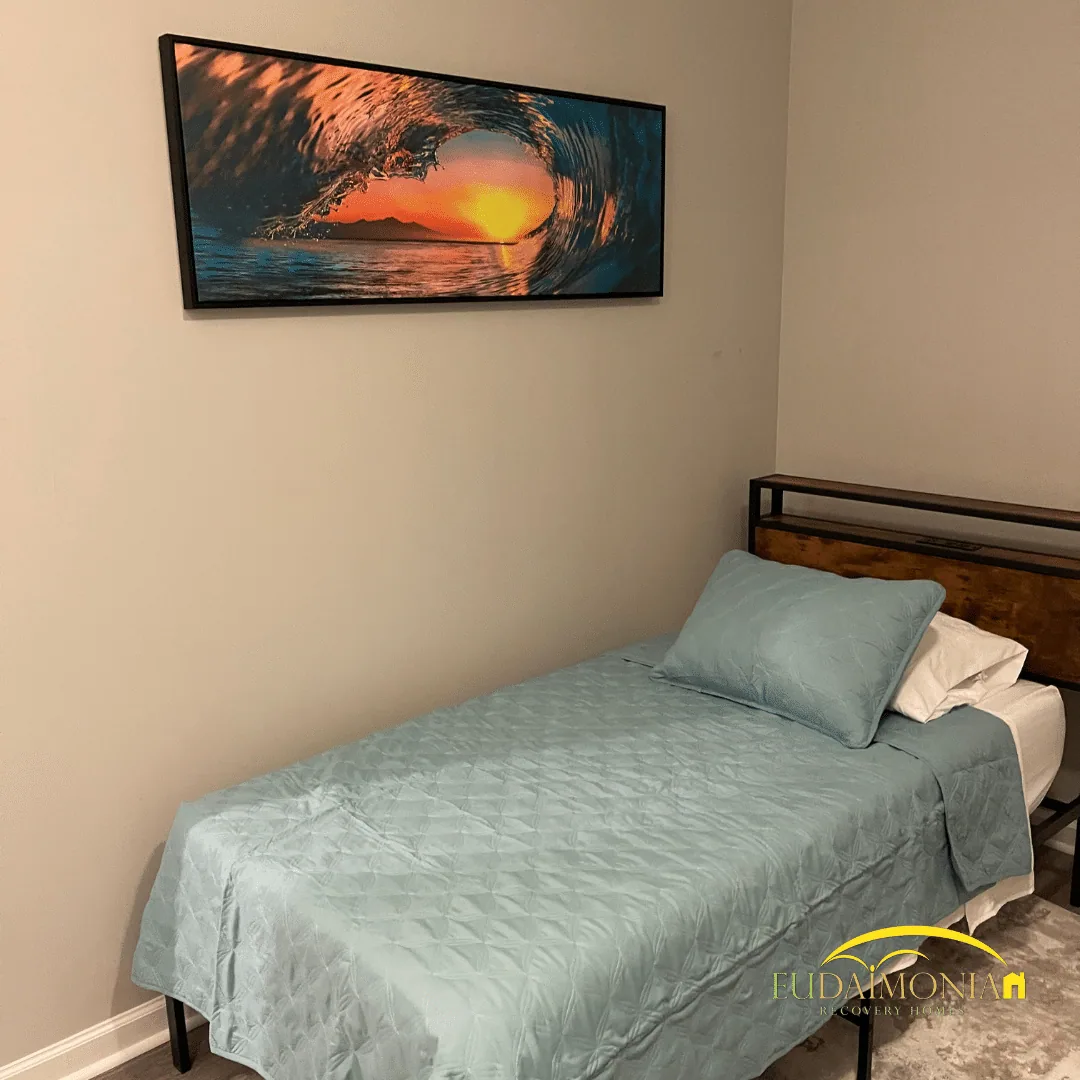
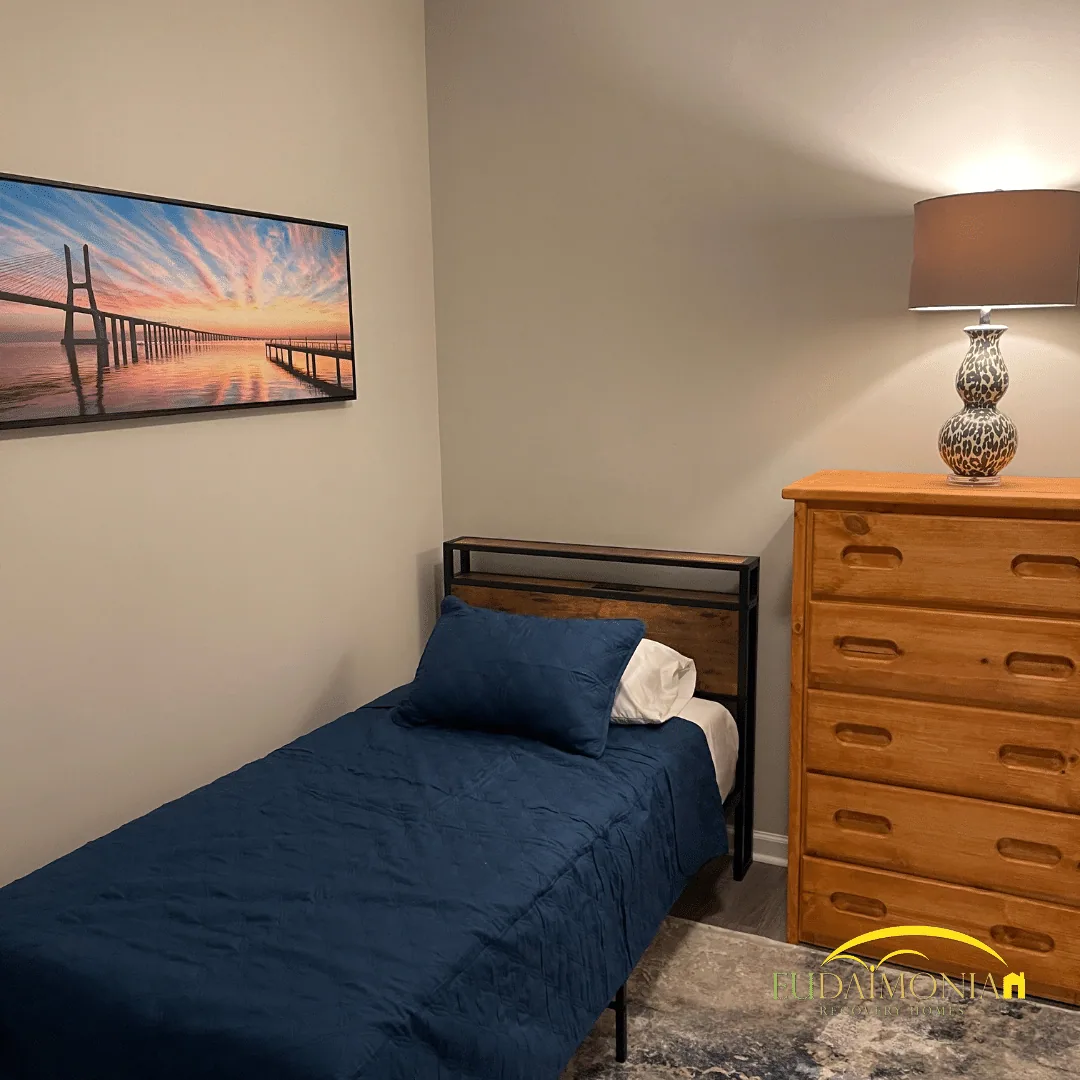
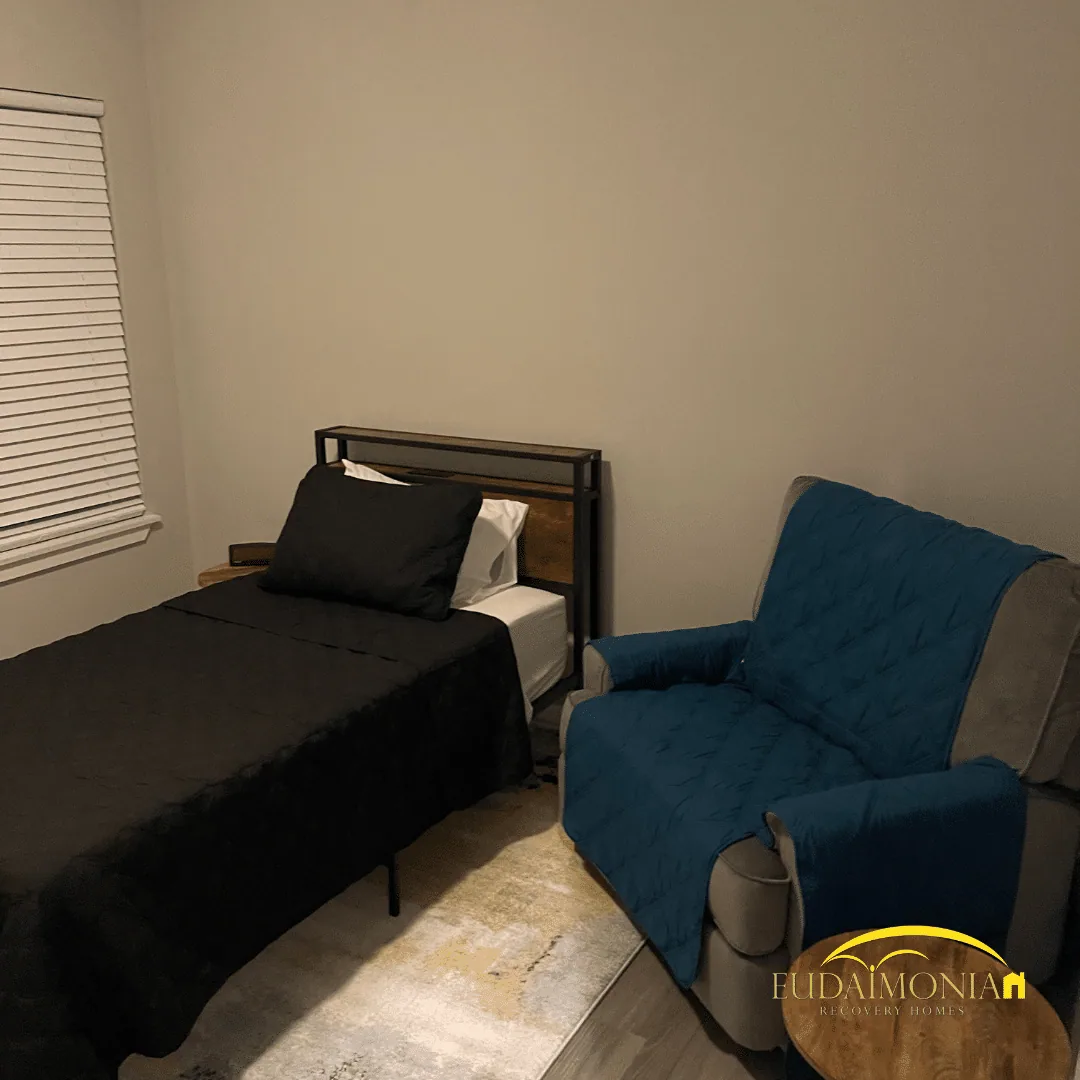
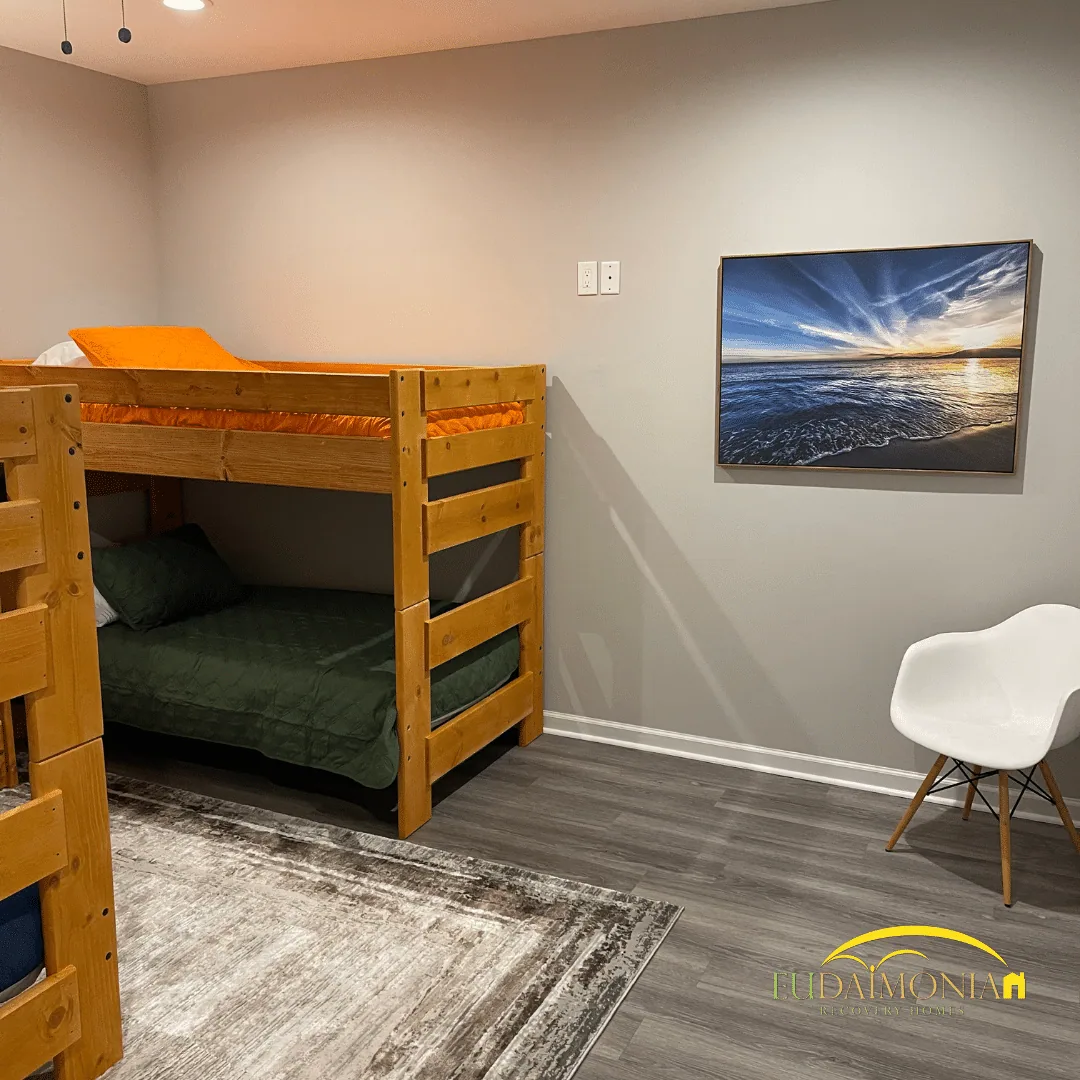
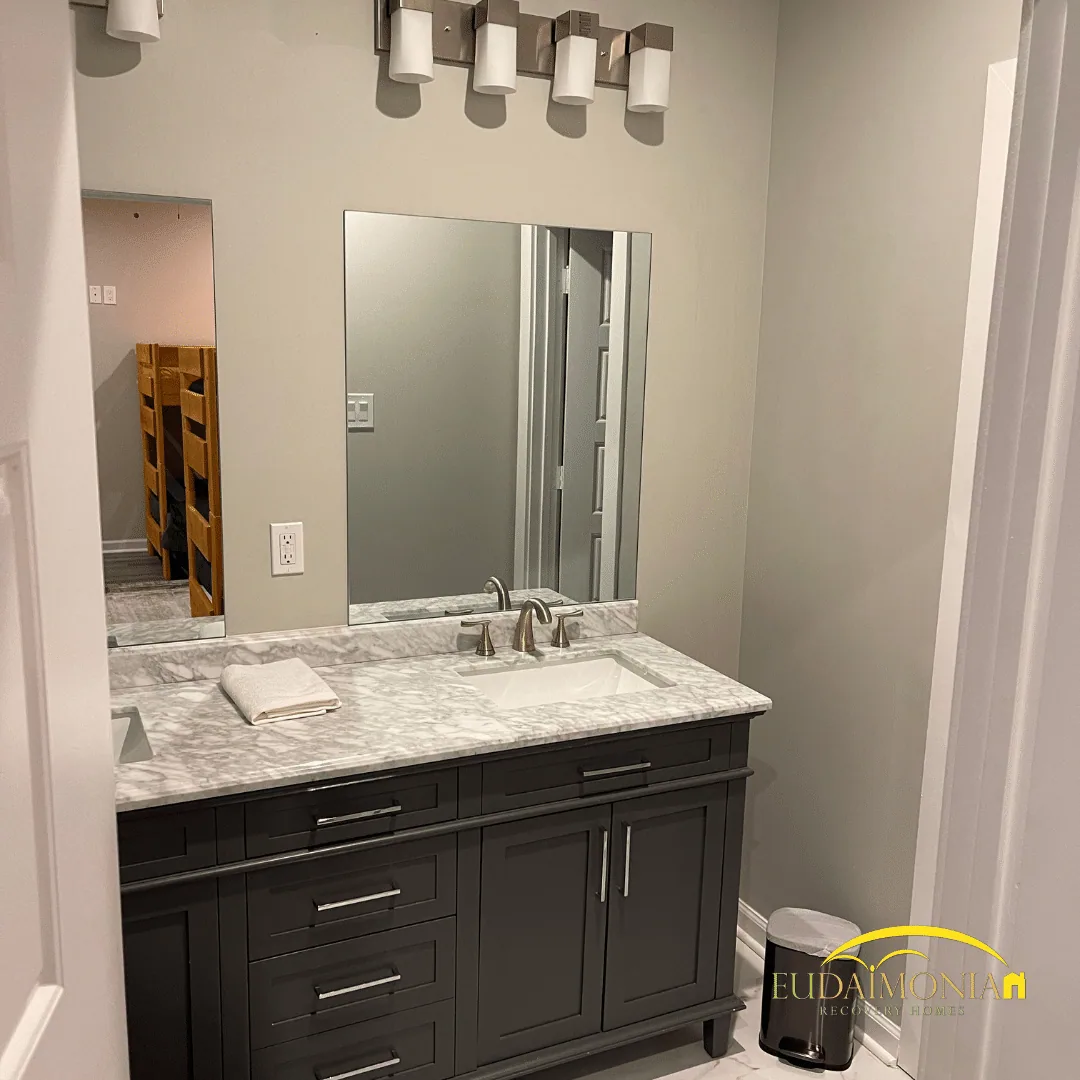
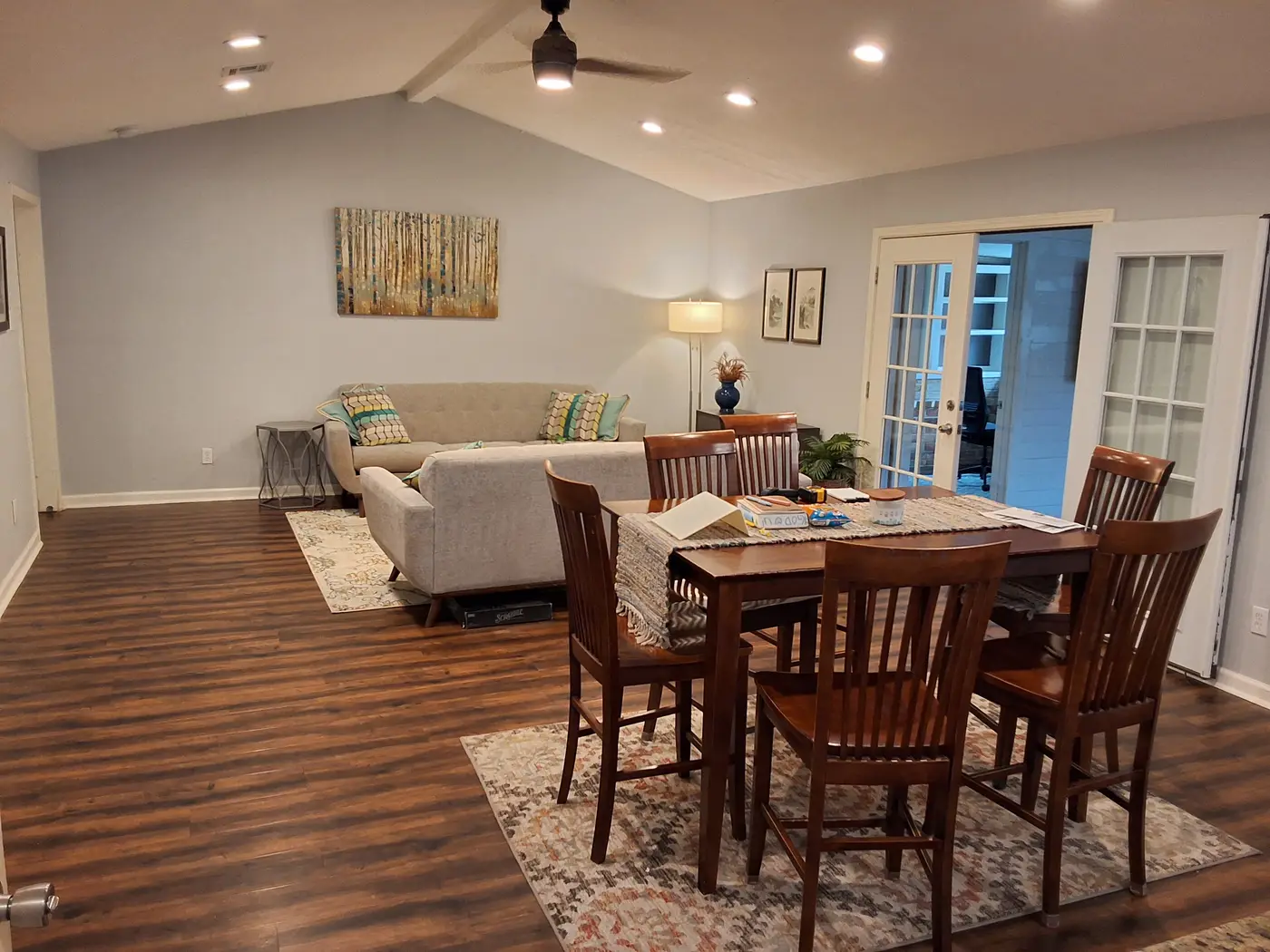
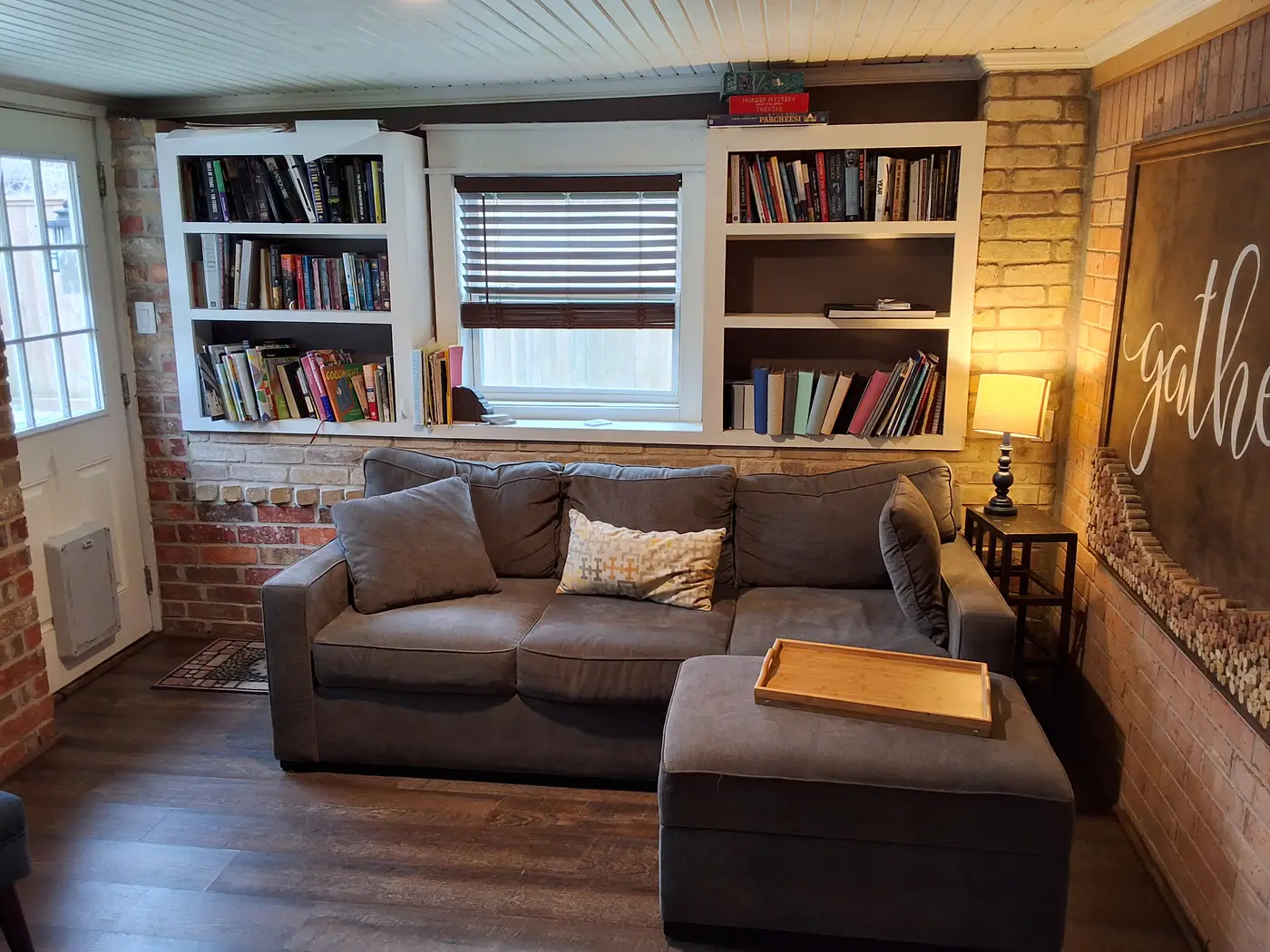
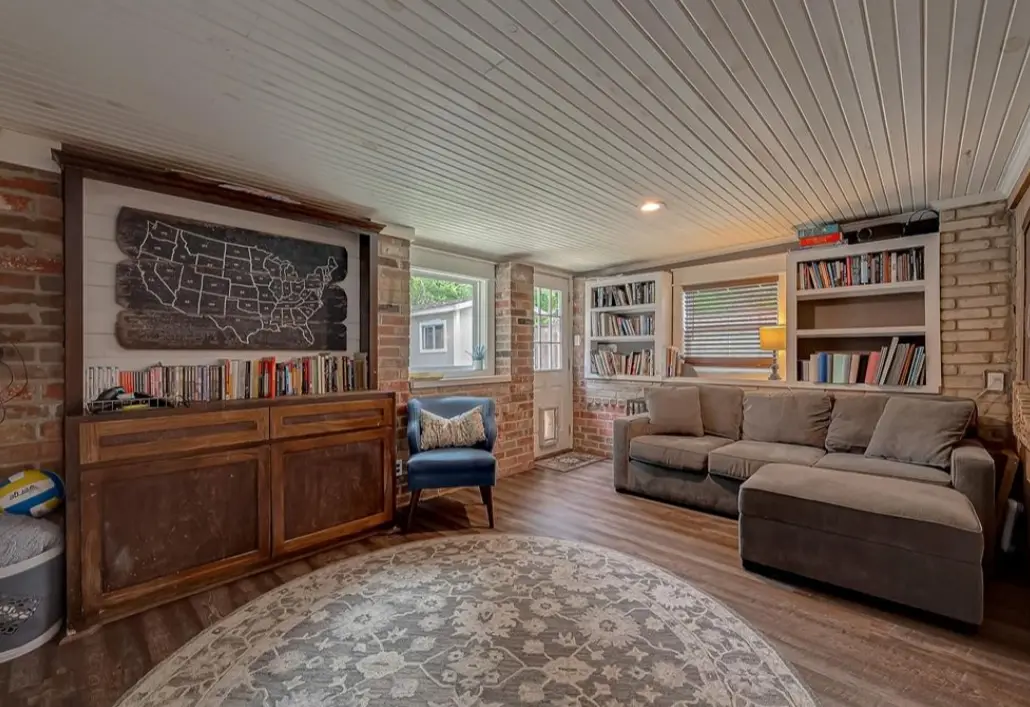
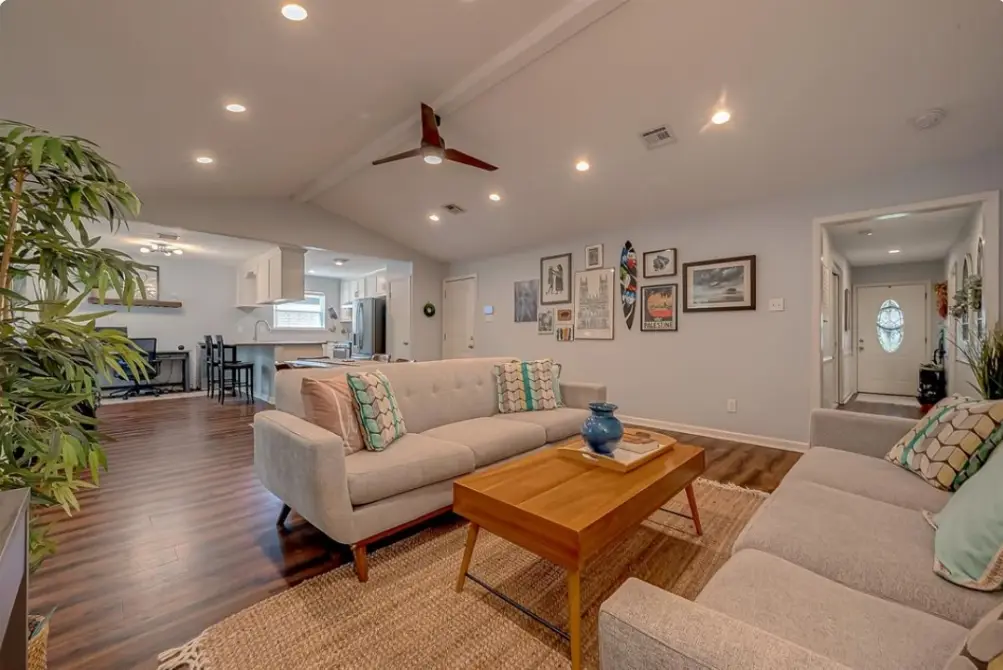
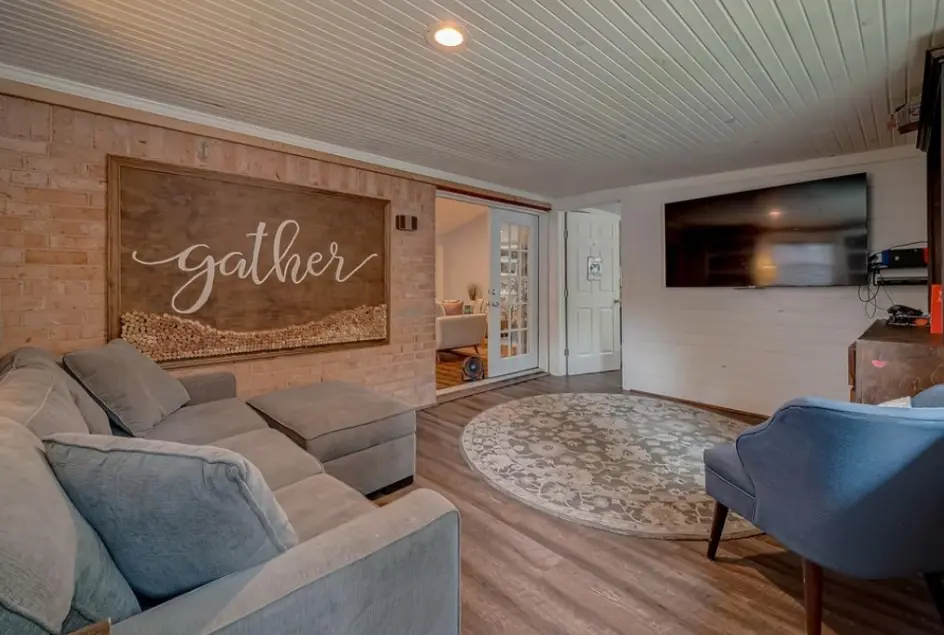
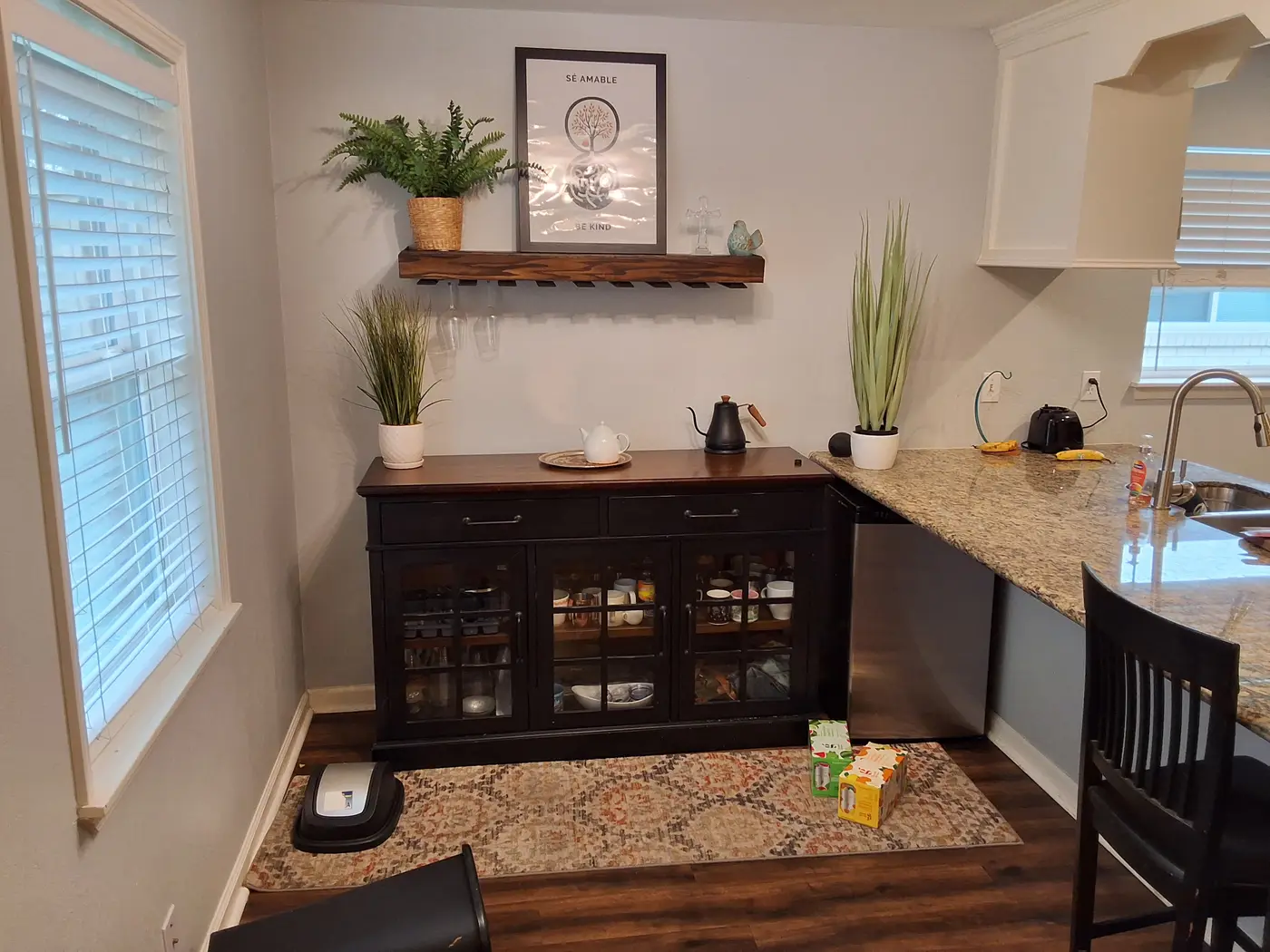
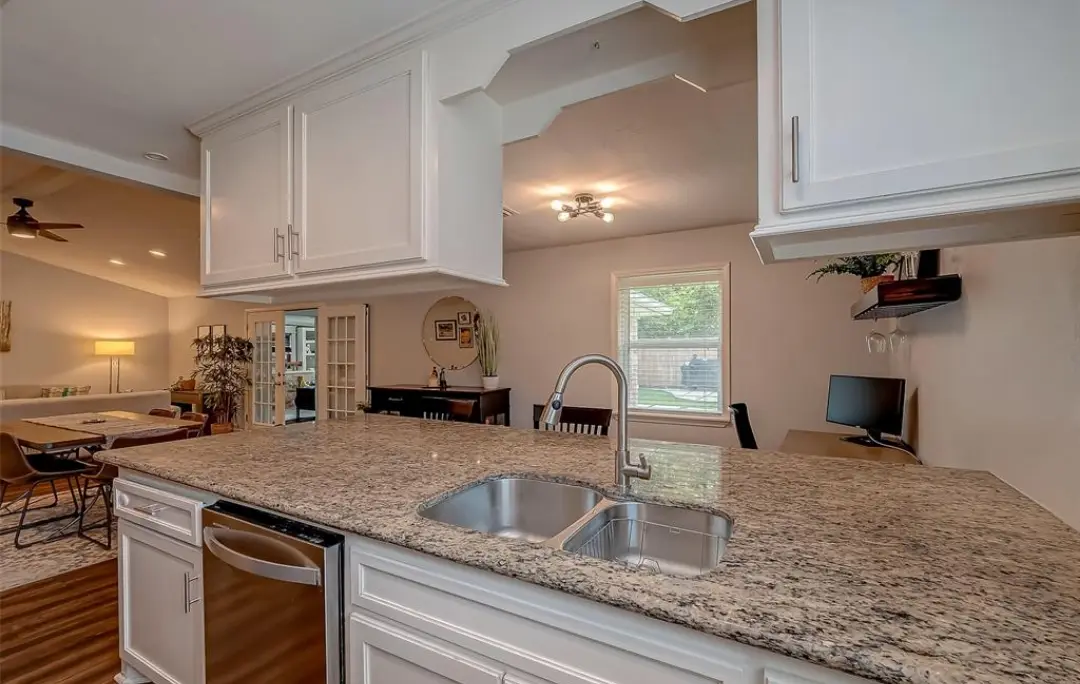
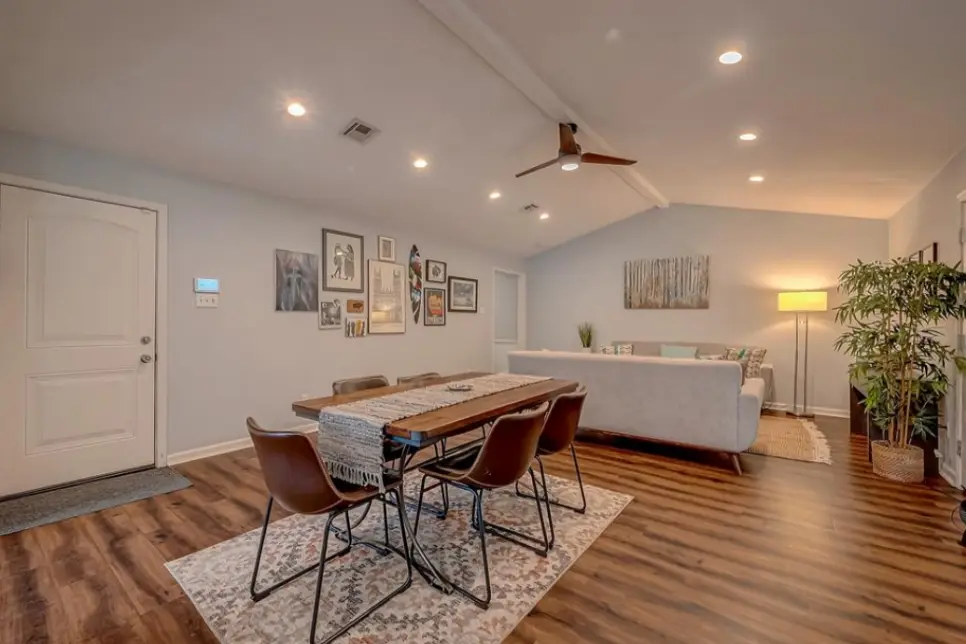
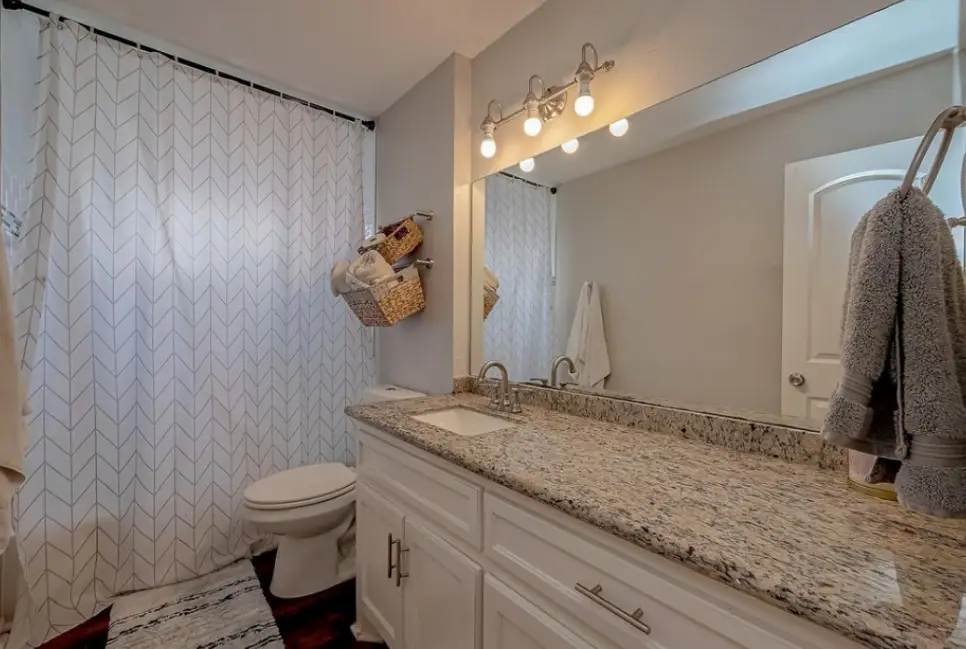
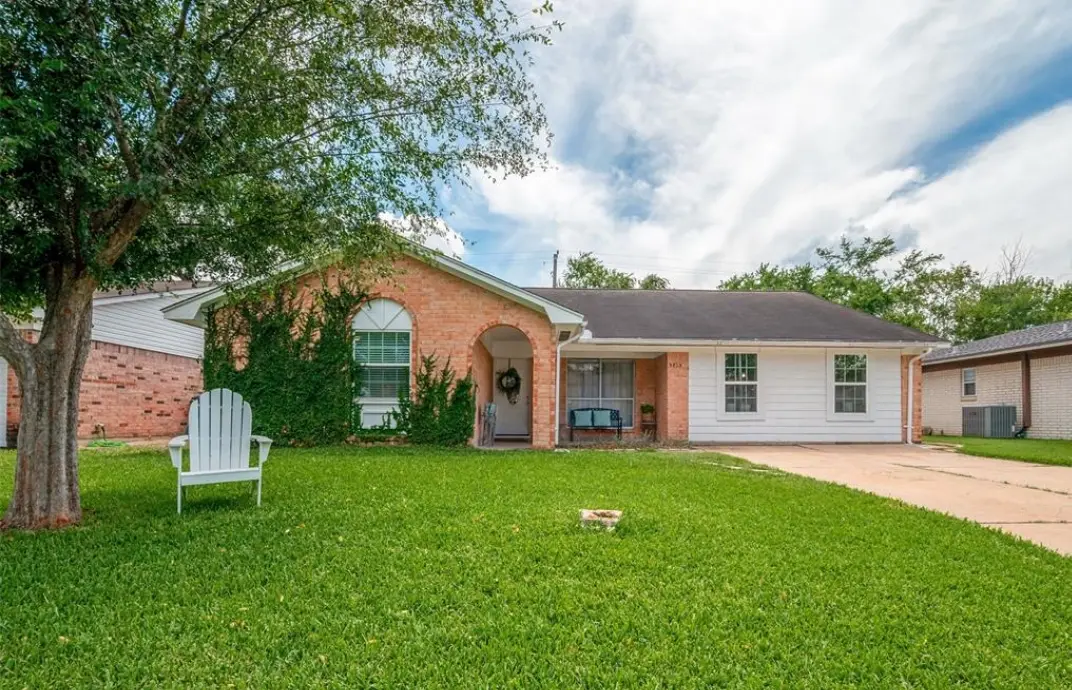
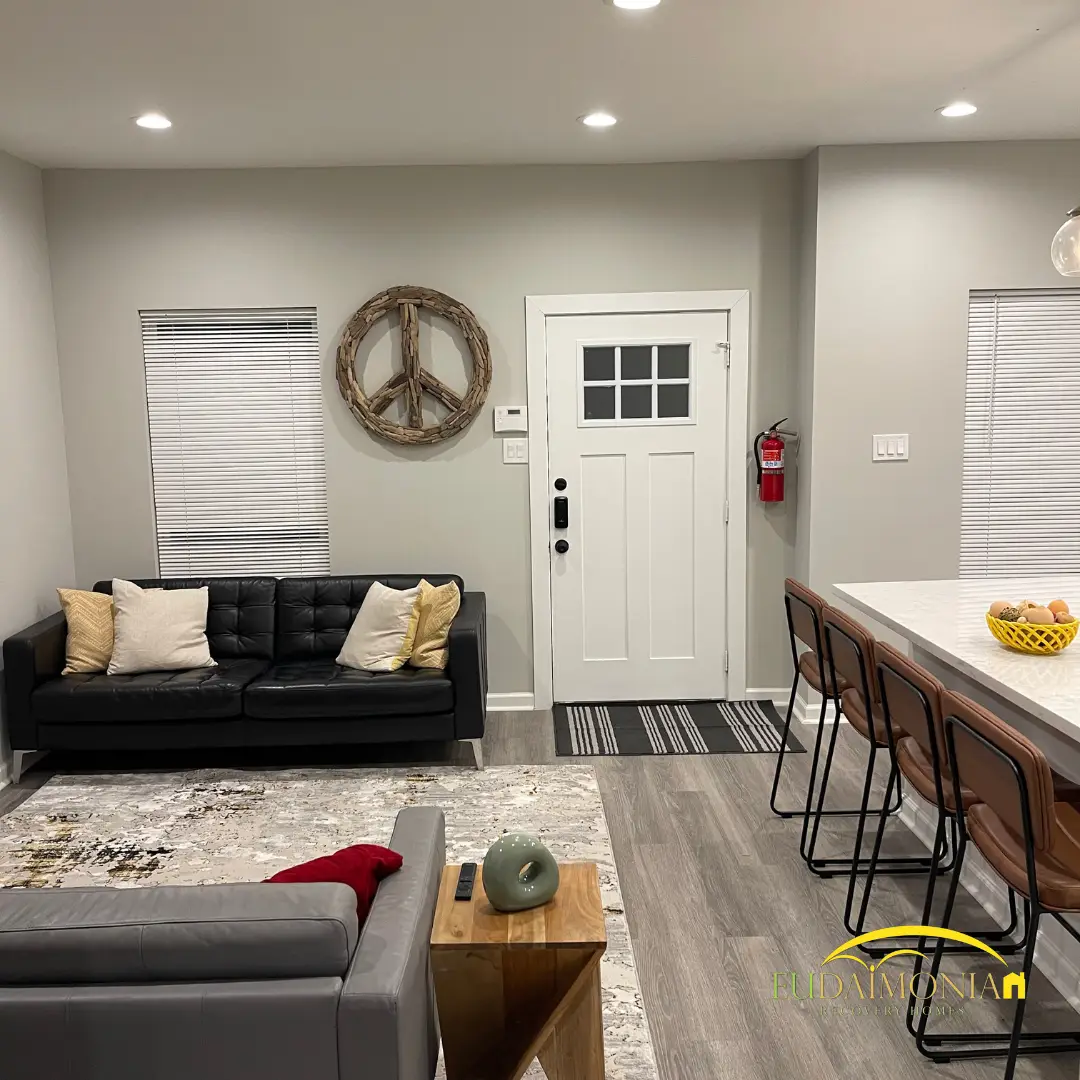
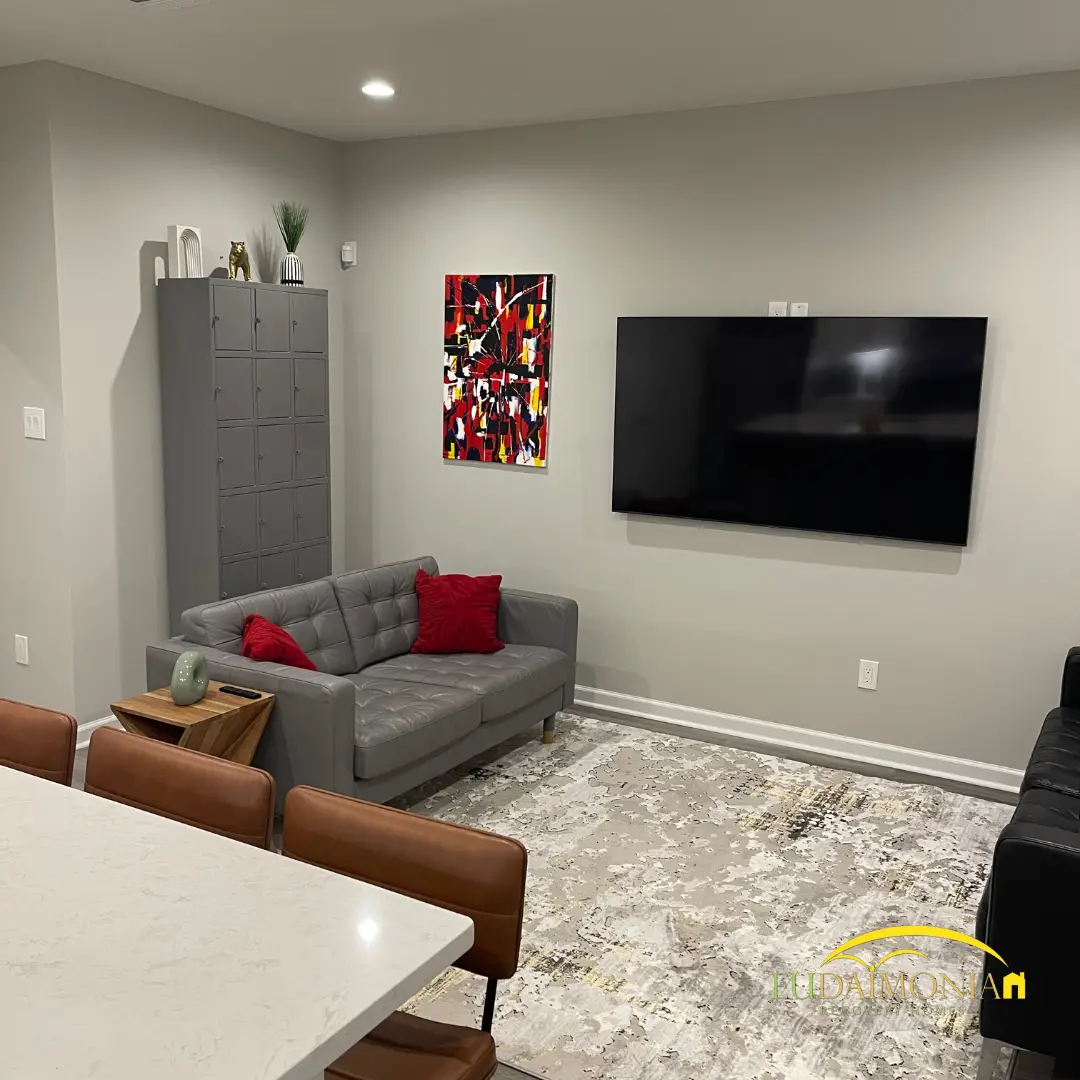
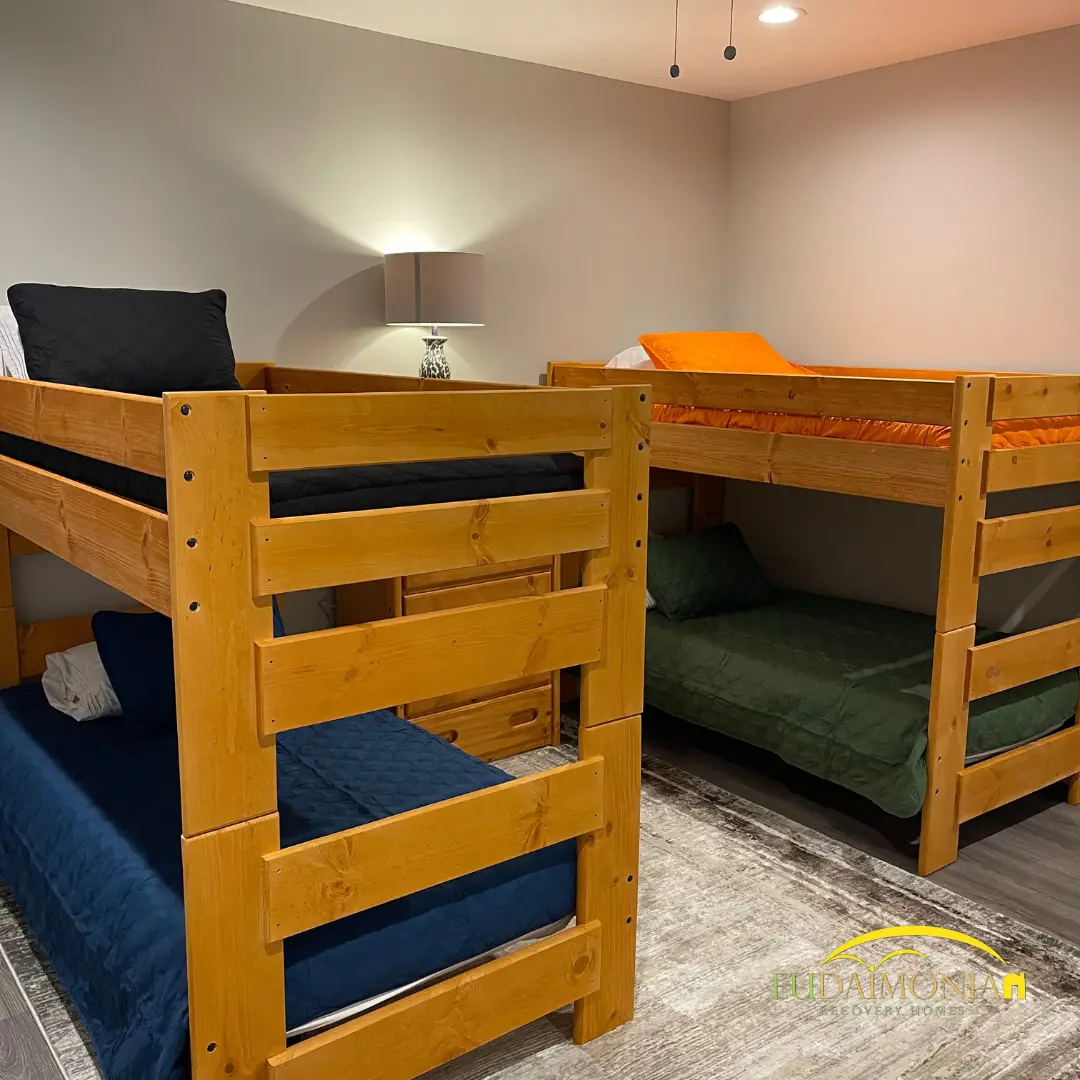
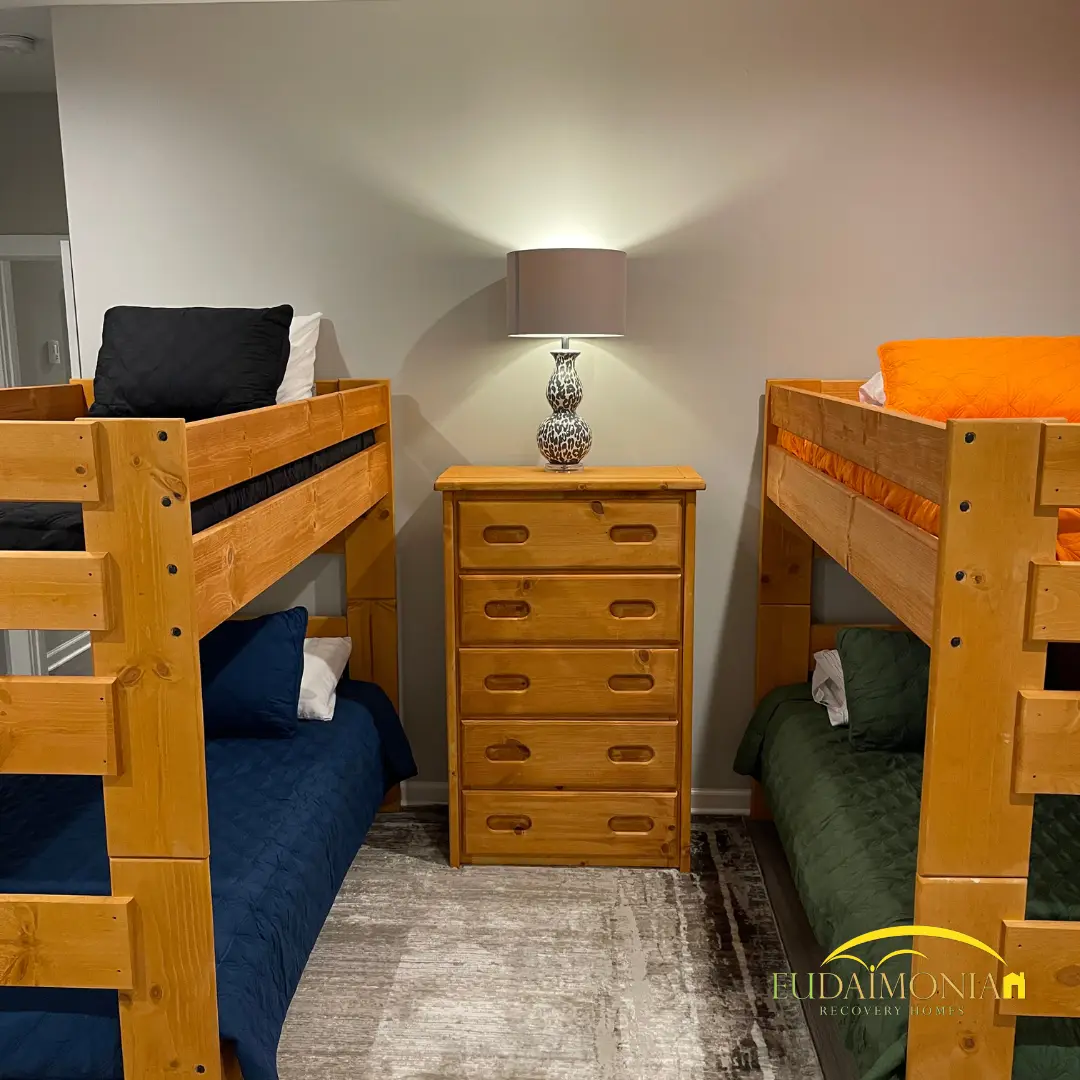
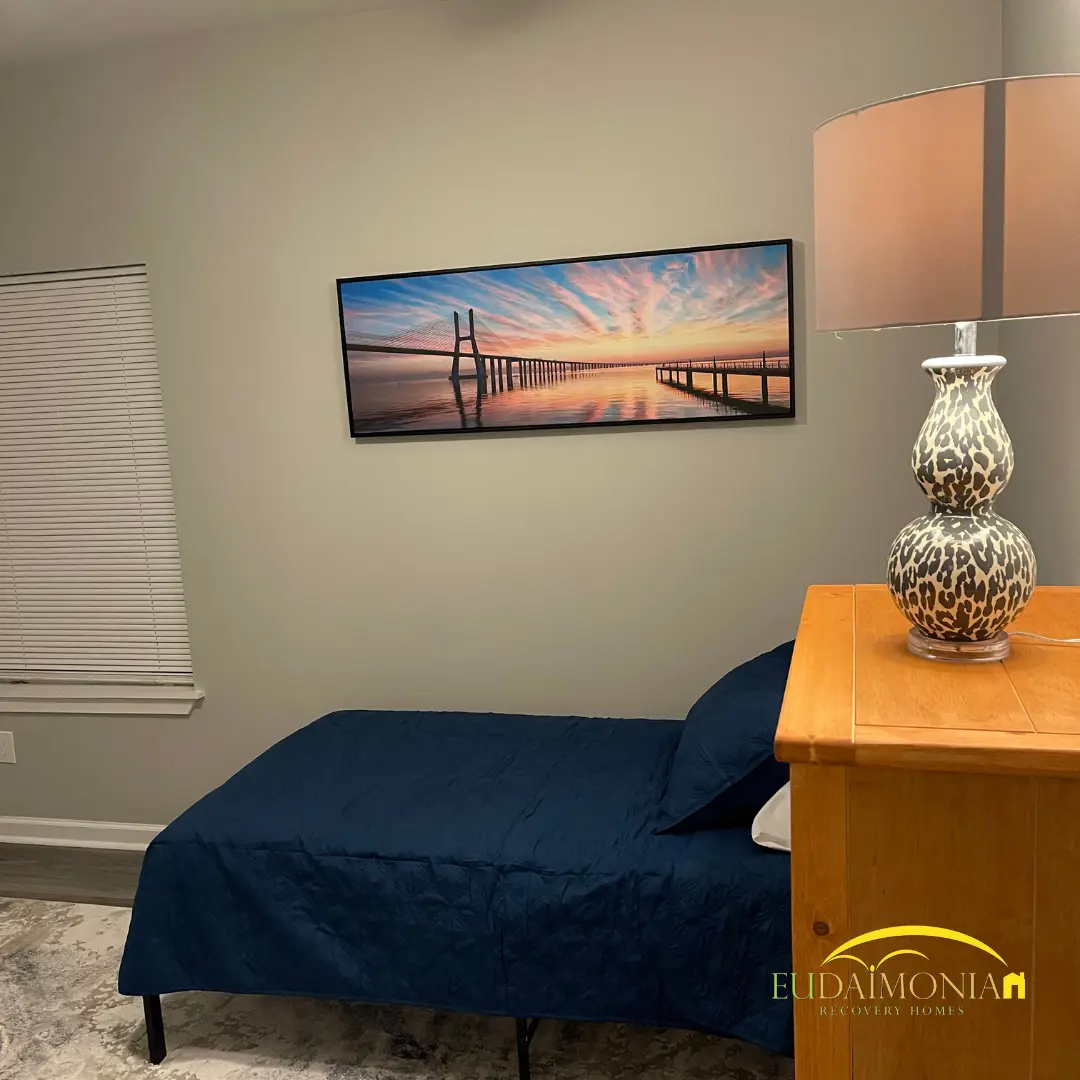
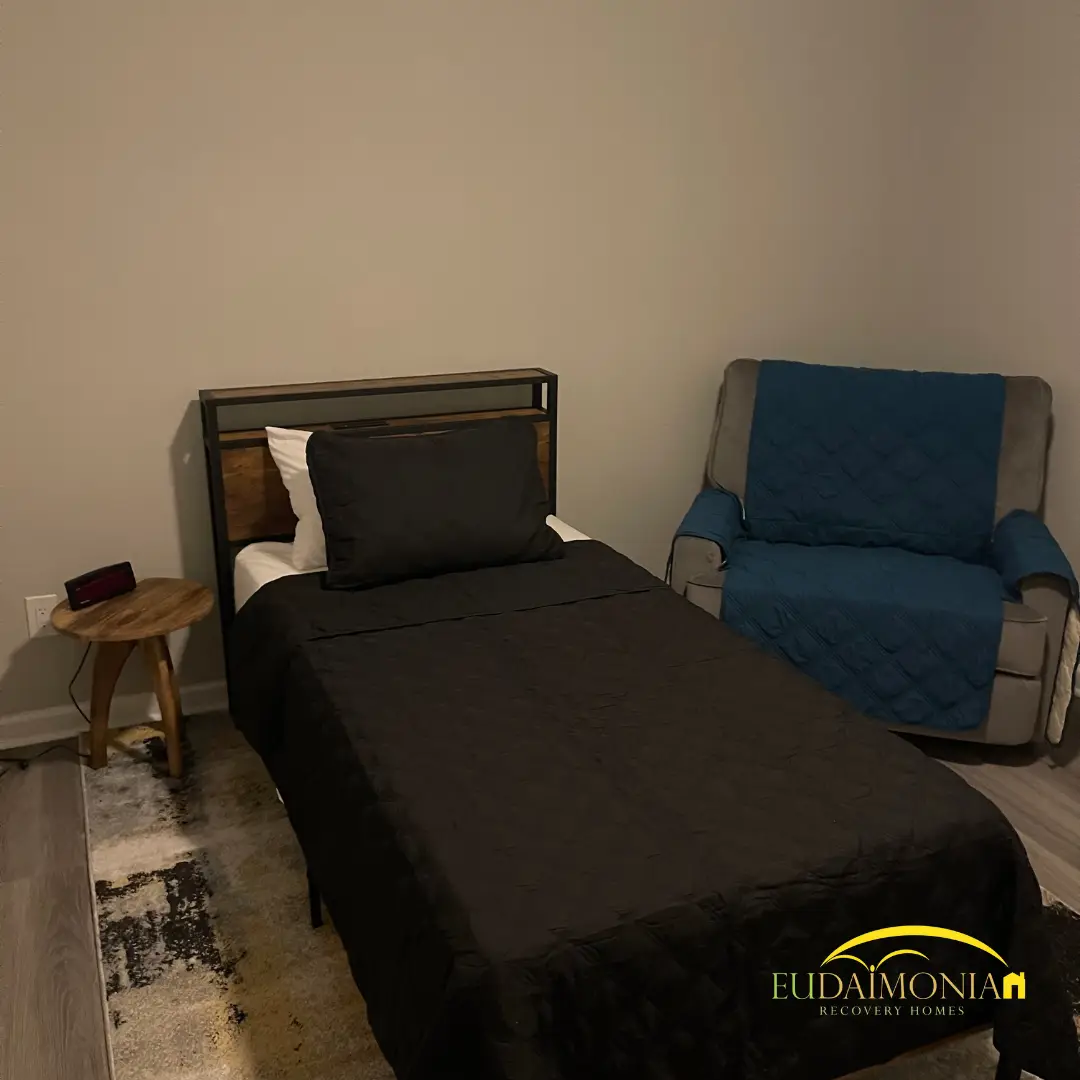
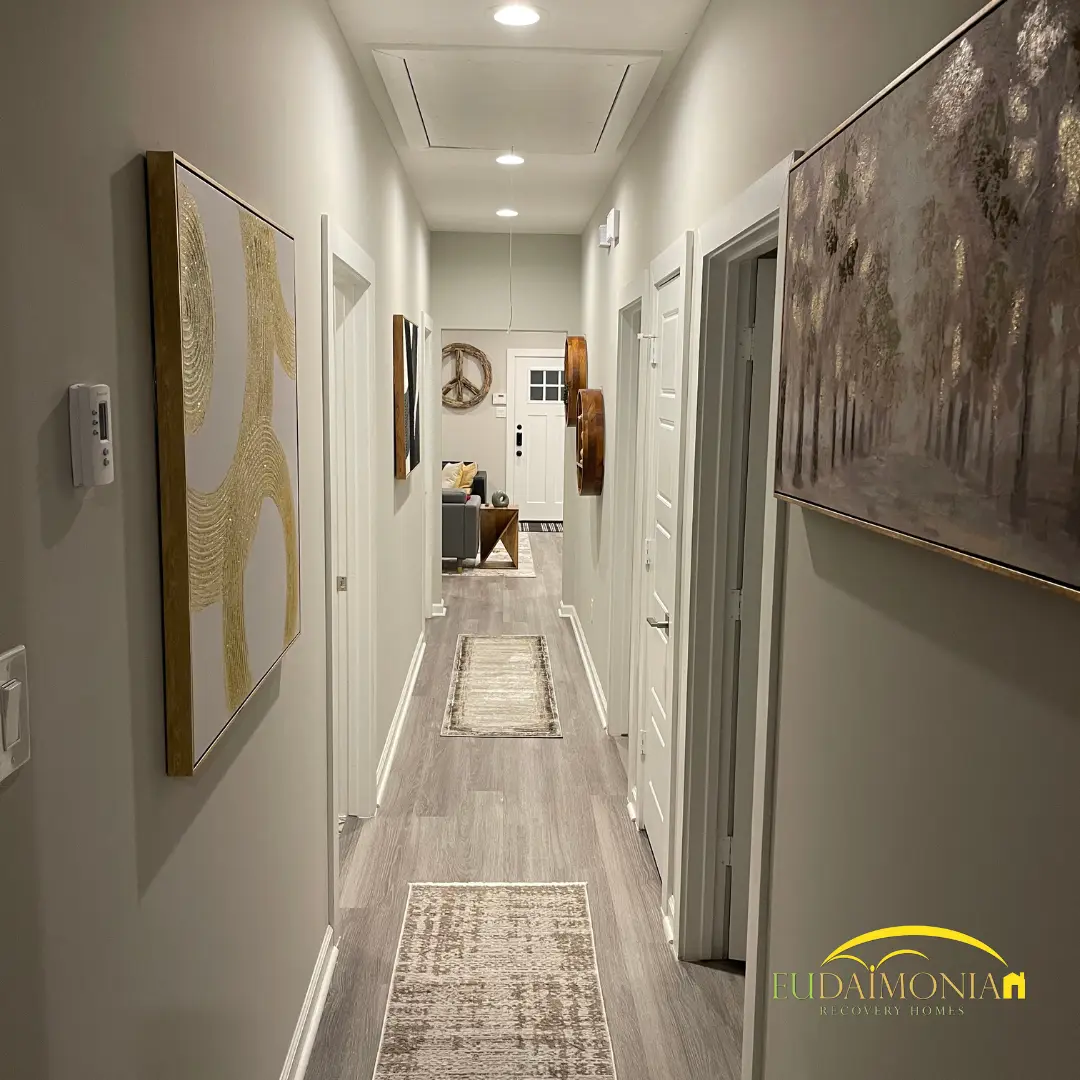
Inside the Houston homes







How Long Should You Stay?
Most people benefit from 6–12+ months, with many staying longer while they stabilize work, save money, and strengthen sober networks. Peer-run homes like Oxford House allow residents to stay as long as they remain abstinent, pay their share, and follow rules, which can be ideal for people who value autonomy with accountability.
Special Populations & Considerations
Women’s houses: Prioritize safety, peer support, and childcare considerations; Houston has women-specific options and program-integrated residences.
Men’s houses: Often emphasize vocational structure, sponsorship, and step-work within a high-accountability setting.
Reentry & halfway houses: If you’re on parole/probation, confirm supervision requirements and whether the address qualifies; state directories list Residential Reentry Centers separately from recovery residences.
Youth/young adults (18–24): For broader housing context, Houston has youth-focused supportive housing in Montrose; while not “sober living,” it’s part of the local ecosystem serving high-risk populations.
Eudaimonia's Success Stories – Real People, Real Freedom
Red Flags (Walk Away If You See These)
No written rules or house agreement; vague relapse policy.
No receipts and cash-only payments without a lease or ledger.
No transparency on what’s housing vs. treatment fees.
Aggressive advertising Or misrepresentations, prohibited under Texas Ch. 469 enforcement provisions.
Sample Week in a Houston Sober Living House
Mon, Fri: Work/school search 9, 5, evening meeting 7, 8 pm, curfew check-in.
Saturday: Chores, grocery run, peer activity; optional sponsor work.
Sunday: House meeting (progress updates), laundry, meal prep for the week.
Throughout: Random UAs, daily accountability text, and service/sponsorship as you advance.
How to Compare Houses (Scorecard You Can Use)
Rate each 1–5 and pick the highest total:
Safety & cleanliness (inspections, shared-space rules)
Structure (curfews, testing, documented phases)
Community (house culture, mutual-aid nearby)
Transparency (fees, written rules, grievance policy)
Accreditation/charter (NARR/TROHN or Oxford House)
Frequently Asked Questions (FAQ)
What is a sober living house, and how is it different from rehab?A sober living house is alcohol- and drug-free housing with rules and peer accountability. Rehab is clinical treatment (detox, residential, IOP). Many Houston homes complement outpatient treatment but aren’t medical facilities themselves.
How much do sober living houses cost in Houston?Expect a wide range, from budget shared rooms under ~$700/month to premium houses $5,700, $12,000 when bundled with services; ask for a line-item breakdown and what’s covered.
How long can I stay in a sober living house?It depends on the model and progress; many stay 6–12+ months. Oxford House has no fixed end date as long as you remain abstinent, respectful, and current on expenses.
Are Houston sober living homes accredited or licensed?Texas created a voluntary accreditation path (Ch. 469) aligned with NARR/Oxford House standards; look for TROHN certification or an Oxford House charter.
Do any Houston sober living houses allow MAT (Suboxone, methadone, Vivitrol)?Policies vary—ask explicitly. Texas initiatives like Project HOMES support medication-supported recovery in community settings.
What are typical house rules in Houston sober living?Curfews, UA testing, meeting attendance, chores, and phased privileges, all consistent with the NARR Standard 3.0.
Can I work or go to school while in sober living?Yes, most Houston homes require work/school or job search, plus meetings and house responsibilities. (See example expectations in reputable provider listings.)
Where can I find openings right now?Check Oxford Vacancies for peer-run homes and ask certified operators for their current availability.
Is there a difference between “sober living,” “recovery residence,” and “halfway house”?Colloquially people mix them. In practice, recovery residence is the umbrella term; halfway house sometimes refers to reentry (parole) settings, which are distinct from peer-recovery housing.
What should I bring when I move in?Government ID, basic clothing, hygiene items, any approved medications, a lockbox if required, bedding (if not provided), and a plan for meetings/work search. Ask the house for its move-in checklist.
Your Future Is Waiting
Tell us what you are looking for and admissions will walk you through the houses, the phases, and what a room actually costs.