

Published March 13, 2026 · Updated March 18, 2026
On This Page · 15 Sections

Sober Living
Houston
1010 Waverly St, Houston, TX
Leaving rehab is a major milestone, but it is not always the easiest part of recovery. Many men finish treatment feeling hopeful while also feeling unsure about what comes next. Questions about housing, work, routine, independence, and relapse prevention can all show up at once.
That is why sober living for men in Houston after rehab can be such an important next step. It creates a structured place to land while recovery continues to grow in real life.
Instead of moving directly from treatment into a completely unstructured environment, many men benefit from a transition period. Sober living can provide accountability, stability, peer support, and a daily routine that helps protect progress after discharge. If you are comparing Houston sober living options, it helps to understand what the transition process looks like from rehab discharge through move-in and beyond.
Why the Time Right After Rehab Matters
The days and weeks after rehab can feel uncertain. While treatment provides structure, support, and a clear daily schedule, life outside treatment often moves fast. Men may suddenly need to think about transportation, employment, appointments, family relationships, finances, and where they will live. Without a stable plan, that pressure can increase the risk of returning to old routines.
This is one reason transitional housing matters. Recovery does not end at discharge. In many ways, the work becomes more practical after treatment because sobriety now has to fit into everyday life. Sober living helps bridge that gap by giving men a supportive environment where they can continue building healthy habits instead of trying to manage everything alone from day one.
For many residents, the goal is not just to avoid relapse for a few weeks. It is to create a stable foundation for long-term recovery. That often starts with choosing the right living environment right after treatment ends.
Step 1: Make a Housing Plan Before Discharge
One of the most important parts of discharge planning is deciding where you will live. Going back to an unstable, triggering, or unsupported environment can make early recovery much harder. A sober living home gives men a place to continue their progress in a setting built around accountability and support.
Ideally, this step begins before you leave rehab. Talk with your clinical team, discharge planner, case manager, or family about next-step housing options. Ask whether sober living is recommended based on your relapse history, support system, and current level of independence. Men who do best after rehab often have a specific plan in place before discharge day arrives.
If you are exploring location-specific options, take time to review our men’s homes in Houston so you can better understand available housing support and the type of environment that may fit your next stage of recovery.
Step 2: Understand What Sober Living Actually Provides
Some men leave rehab unsure about what sober living really is. It is not the same as inpatient treatment, but it is also more supportive than simply renting an apartment or staying with friends. Sober living gives residents a drug- and alcohol-free environment with expectations that help protect recovery while they transition back into daily life.
That support may include house rules, peer accountability, sober community, shared responsibilities, and a more structured rhythm than general housing. Men in sober living often work, attend outpatient treatment, participate in recovery meetings, and begin rebuilding practical life skills while living in a stable home.
This kind of environment can be especially helpful after rehab because it reduces the sudden pressure of total independence. Instead of managing everything at once, residents can move forward in stages while still having structure around them.
Eudaimonia's Success Stories – Real People, Real Freedom
Step 3: Address the Biggest Fear — “Will I Have a Job?”
For many men leaving rehab, one of the first worries is employment. Some are returning to a previous job. Others need to start over completely. Many are concerned about income, routine, confidence, and how to explain a gap in work history. These concerns are common, and they can feel overwhelming in early recovery.
The good news is that sober living can support this transition. A structured home provides stability while residents search for work, begin working again, or adjust to a new schedule. Instead of trying to handle job pressure in isolation, men can return each day to a sober environment that reinforces healthy decisions and accountability.
Employment support can also play an important role in the recovery process. If work and long-term independence are part of your next step, review our employment support resources through SEV employment support to see how career growth can fit into your recovery plan.
Step 4: Learn the Rules Before You Move In
Another common anxiety point is uncertainty about house rules. Men often want to know what will be expected of them and how daily life will work. That is a good question to ask because structure is one of the main reasons sober living works.
Rules are there to protect the home environment and support residents as they build consistency. While each house may differ, expectations often involve sobriety, respectful conduct, participation in recovery, household responsibilities, and following the overall standards of the home. Clear rules help create a more stable setting for everyone living there.
Understanding expectations before move-in can reduce anxiety. It also helps men choose a home that matches their stage of recovery. A good sober living environment should be transparent about how it operates, what residents are responsible for, and what kind of accountability is built into daily life.


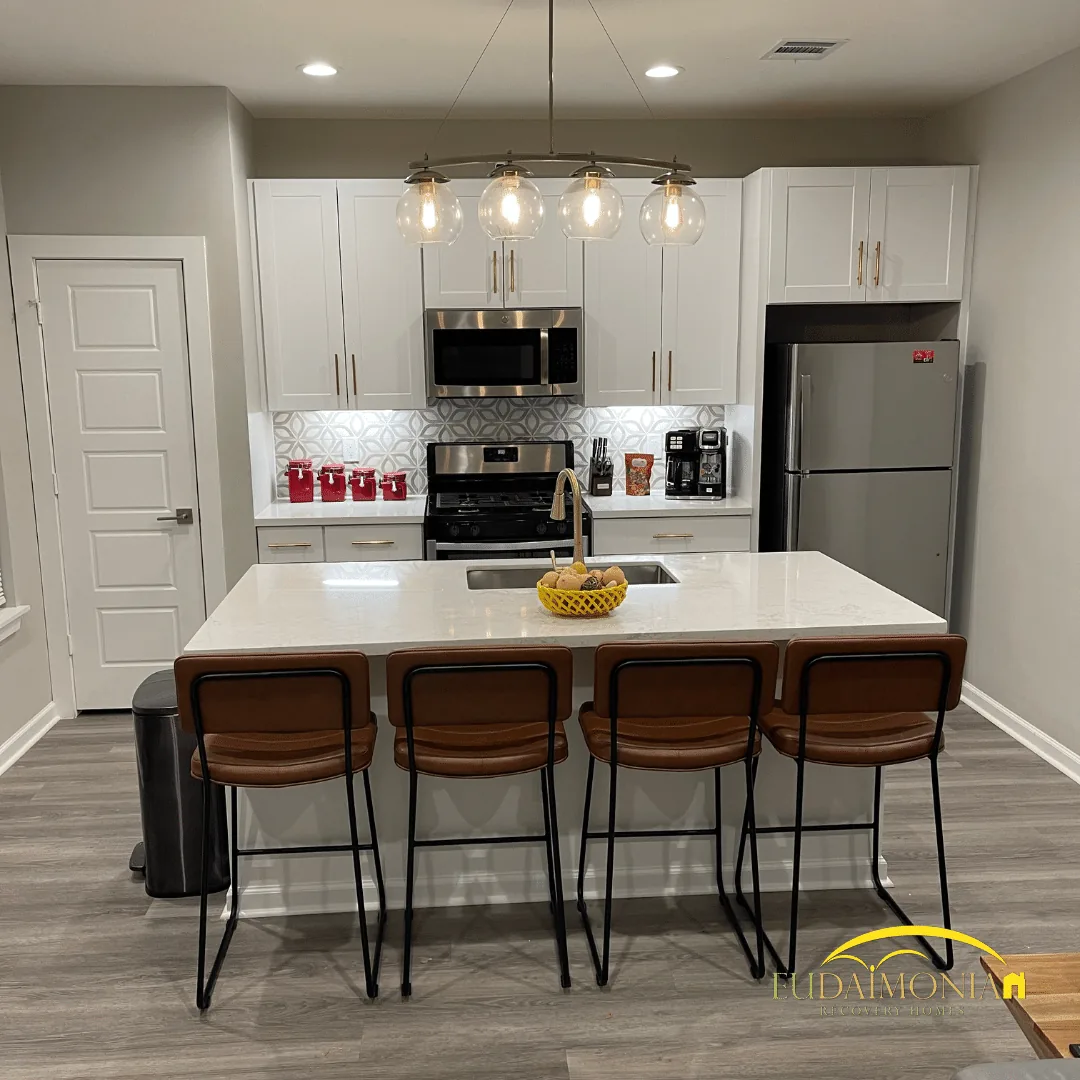

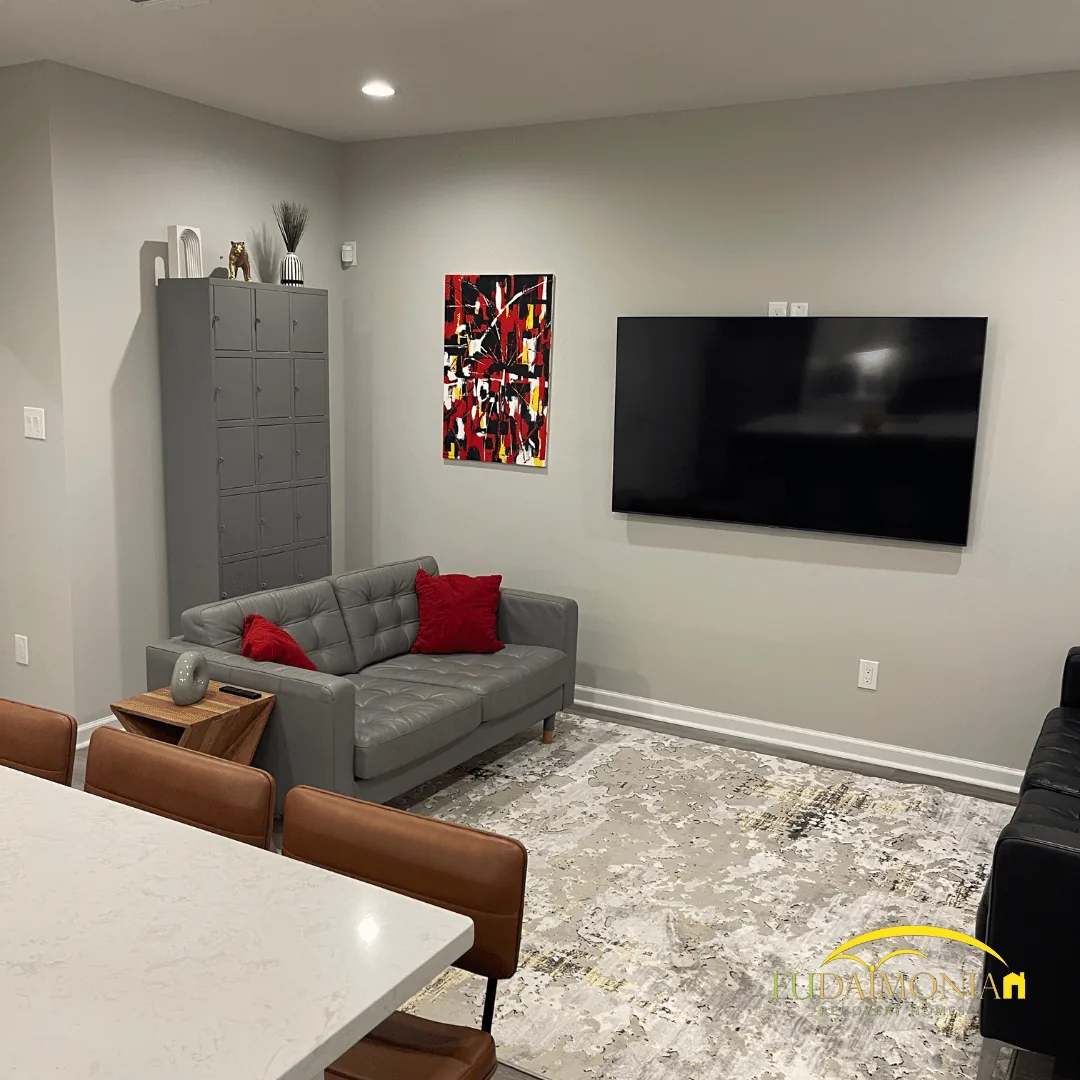
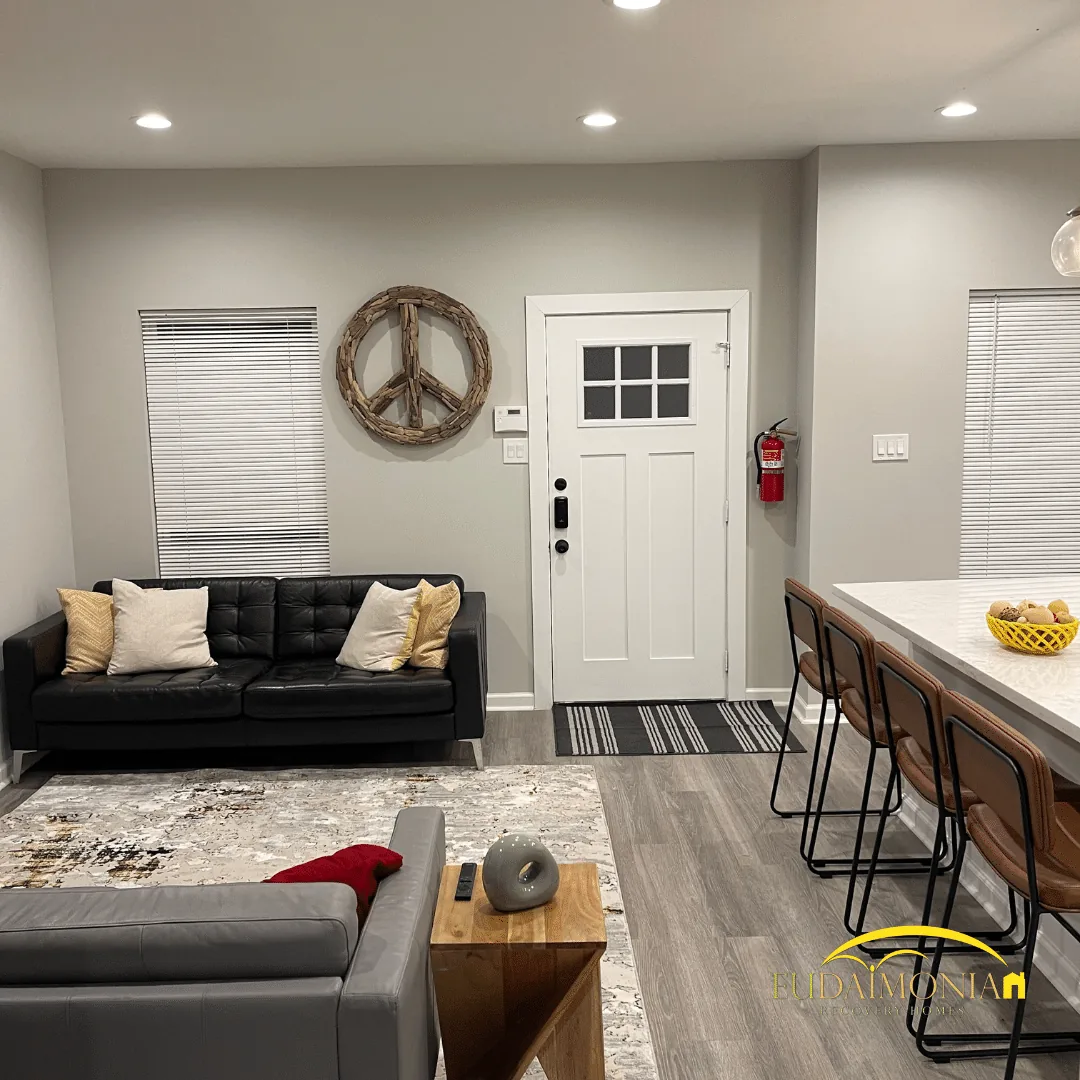
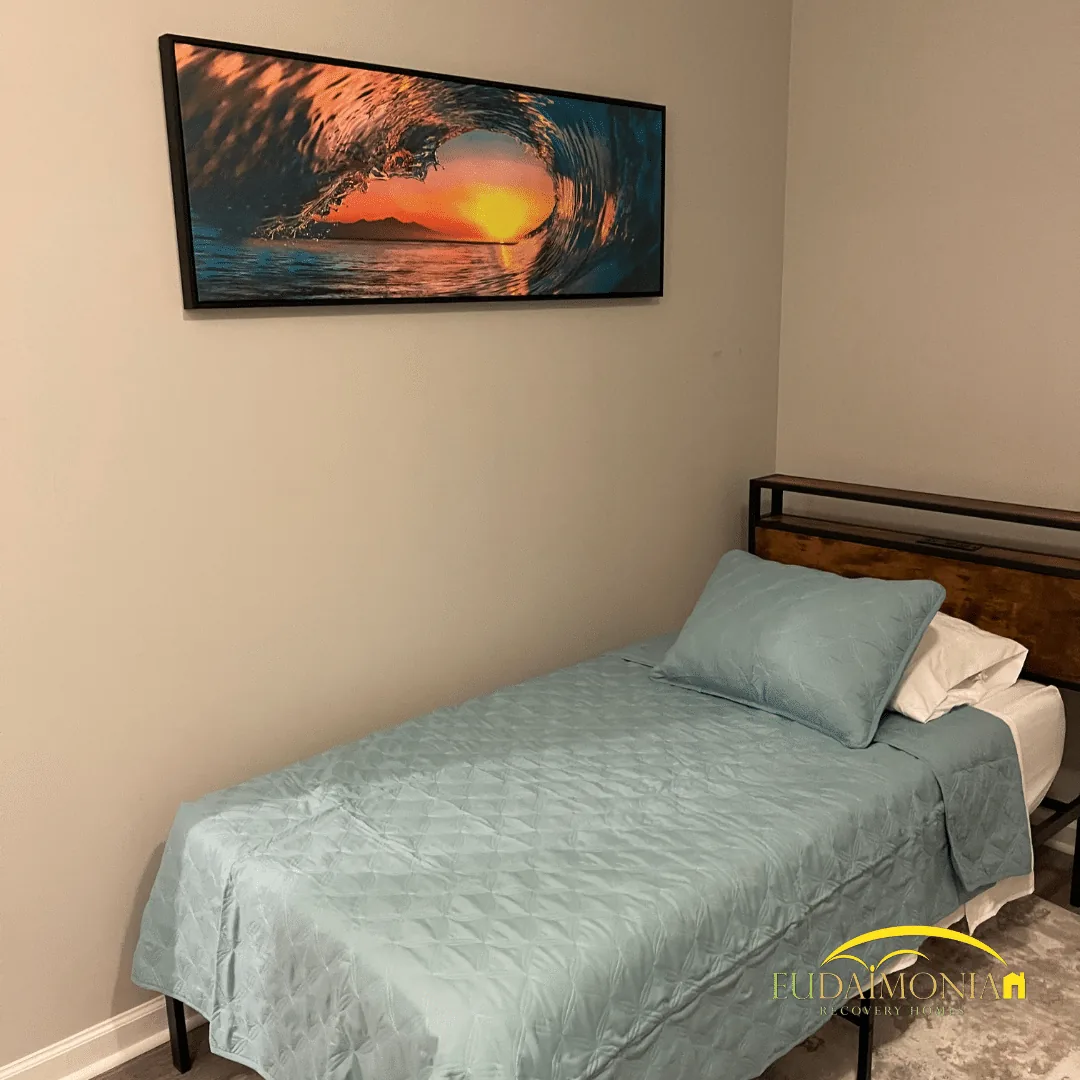














Step 5: Know What Move-In Day Usually Looks Like
Move-in day is often less complicated than people expect, especially when the process has been discussed in advance. In most cases, the goal is to help a new resident settle into a stable environment with clarity about expectations and next steps.
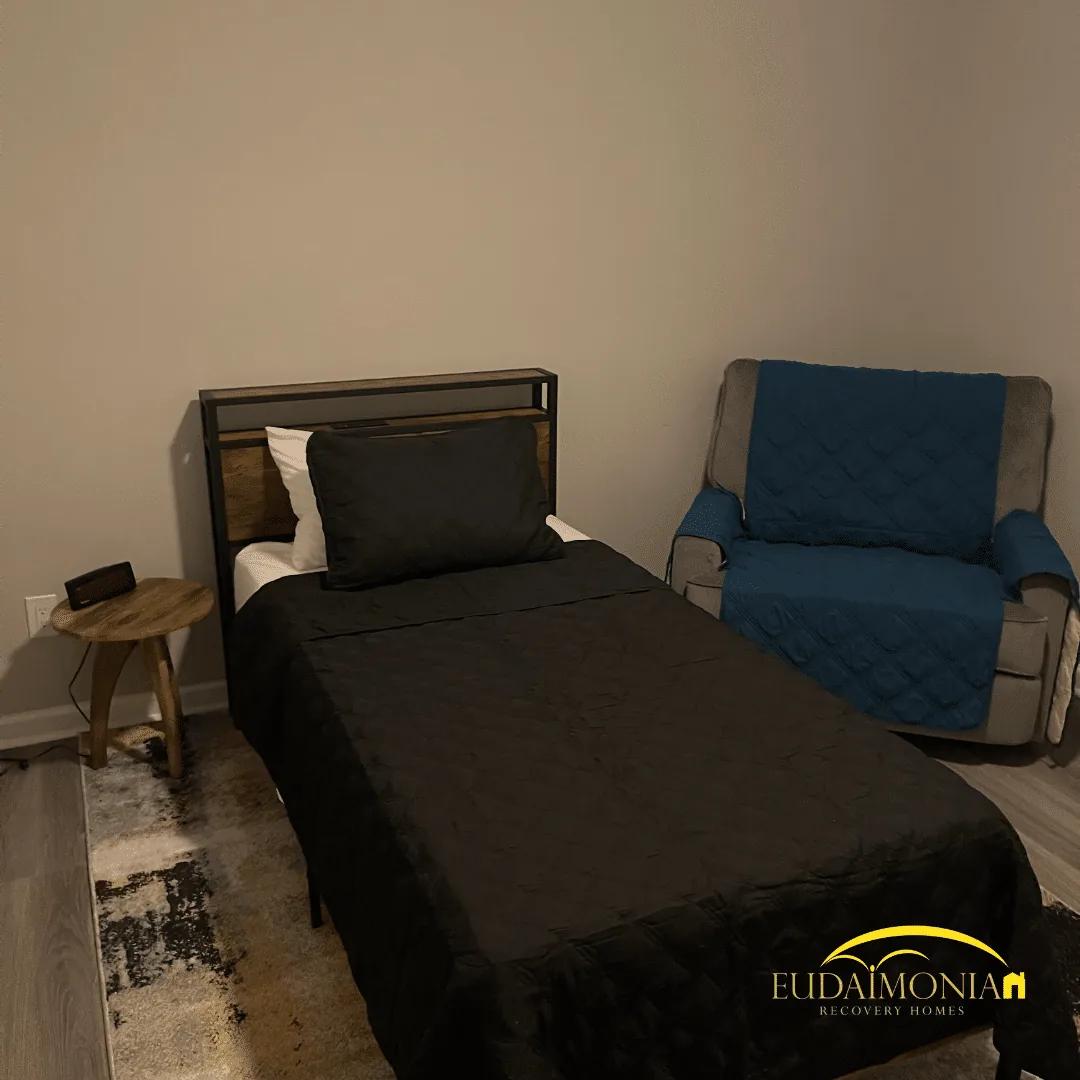
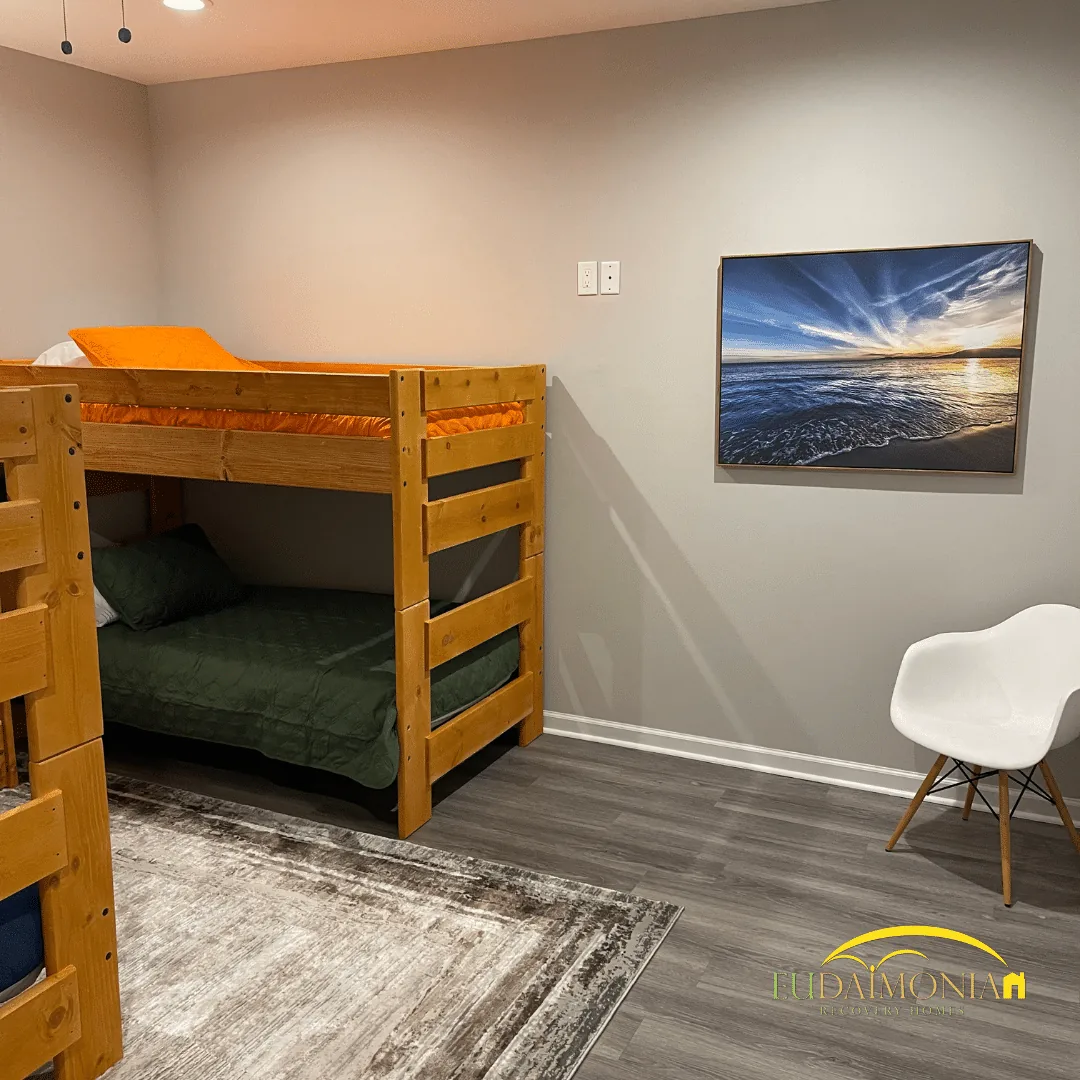
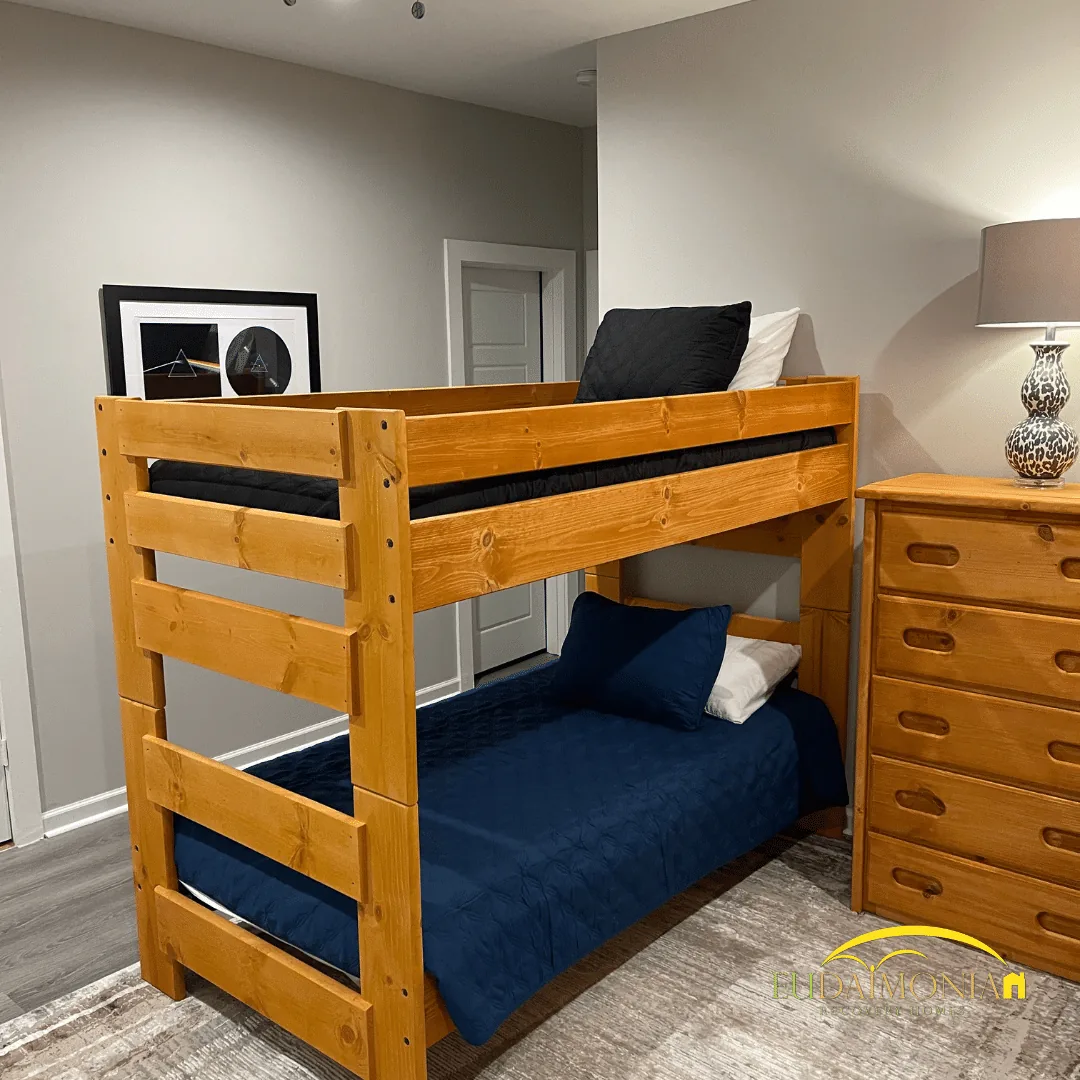
On move-in day, men may review house guidelines, receive practical information about daily living, get oriented to the home, and begin adjusting to the rhythm of the environment. For some, the first few days are about simply getting settled. For others, it is about quickly stepping into work, treatment, meetings, and a new daily routine.
The most important thing is that move-in day creates a transition, not a disruption. Instead of leaving rehab and feeling unanchored, men move into a recovery-focused setting with structure and support already in place.
Step 6: Understand the Phase-Based Recovery Process
Many men want to know how sober living progresses over time. They do not just want housing. They want to understand how recovery becomes more stable and independent month by month. That is where a phased approach can be helpful.
A phase-based model gives residents a framework for progress. Instead of treating sober living as a static experience, it helps men move through stages of accountability, responsibility, and independence. This can make long-term recovery feel more achievable because growth is organized in a practical way.
If you want to understand how progress may be structured over time, review our phase program to see how residents can build momentum through clearly defined stages of recovery support.
Step 7: Figure Out How Long You Should Stay
Many men ask the same question after rehab: “How long do I stay in sober living?” The answer depends on individual needs, but in most cases, longer stability leads to better long-term outcomes than rushing back into independent living too early.
Some residents need a shorter period of support while they return to work and build routine. Others benefit from more time to strengthen sobriety, repair relationships, stabilize finances, and build confidence before taking on a less structured environment. The right length of stay depends on recovery history, current stability, relapse risk, and life responsibilities.
It helps to think of sober living as a recovery investment rather than a temporary stop. The purpose is not simply to stay housed. The purpose is to create enough consistency that the next transition is healthier and more sustainable.
Step 8: Build a Routine That Supports Real Life
One reason sober living works so well after rehab is that it helps men practice recovery in everyday life. Residents are not separated from the world. They are learning how to function within it while still having support around them.
That may include waking up on time, attending treatment or meetings, going to work, budgeting money, managing transportation, completing house responsibilities, and returning to a sober environment each evening. Over time, those repeated habits build a stronger foundation for independence.
This is especially important after rehab because structure often drops off quickly once treatment ends. Sober living helps replace that lost structure with a practical routine that supports long-term progress.
What Makes Sober Living for Men Different After Rehab
Men-specific sober living can create a more focused environment for the transition out of treatment. Many men feel pressure to appear strong, independent, or fully ready before they actually are. Living with other men who are also rebuilding can reduce isolation and create more honest accountability.
That peer environment matters. Residents can encourage one another, share experience, and better understand the daily challenges of early recovery. A men-focused setting can also support more open discussion around work, family pressure, responsibility, identity, and rebuilding confidence after addiction.
For men leaving rehab, that shared environment can make sober living feel less like a holding place and more like an active next step in recovery.
How Families Can Support the Transition
Families often want to help, but they may not know what kind of support is most useful right after rehab. In many cases, the best support is helping a loved one move into an environment with structure, accountability, and room to grow. Family members can assist by encouraging a clear discharge plan, asking practical housing questions, and helping the resident stay focused on long-term stability instead of short-term comfort.
It is also helpful for families to understand that sober living is not a setback. It is often a strong clinical and practical recommendation for people who still need support during the transition back into daily life. A stable move after rehab can protect progress and reduce unnecessary risk.
How Admissions Works After Rehab
Admissions usually begins with a conversation about your current stage of recovery, discharge timeline, housing needs, and preferred Houston location. This first step helps determine whether sober living is a strong fit and what options may be available.
From there, the process may include reviewing current availability, discussing house expectations, answering questions about daily life, and identifying the most appropriate next step based on work needs, treatment involvement, and recovery goals. The process should feel clear, supportive, and focused on making the transition out of rehab smoother.
If you are ready to plan your next step, you can begin through our admissions page.
Your Future Is Waiting
Tell us what you are looking for and admissions will walk you through the houses, the phases, and what a room actually costs.