

Published December 4, 2025 · Updated February 18, 2026
Key Takeaways
- Recovery housing in Austin provides a structured, substance-free bridge between intensive treatment and fully independent living.
- Restore-style detox and rehab focus on medical stabilization and clinical care, while housing supports the ongoing practice of daily sober living.
- Transitioning from treatment into recovery housing helps many people maintain momentum after a restore treatment center and reduce the risk of returning to use.
- Choosing recovery housing means looking closely at safety, house rules, accountability, location, and how well the home supports your long-term goals.
- Daily structure and community in recovery housing give residents predictable routines, peer support, and access to Austin’s wider recovery resources.
- Deciding if this step is right involves weighing your home environment, support system, and need for extra accountability in early recovery.
- Eudaimonia Recovery Homes offers recovery housing in Austin that combines sober living, structure, and peer support to reinforce progress made in treatment.
On This Page · 25 Sections

Sober Living
Austin
10506 Parkfield Dr, Austin, TX 78758
When people first start looking for help, they often type phrases like “restore detox centers,” “restore health rehab center,” or “restore treatment center” into a search bar.
Those searches usually lead to information about medical detox and residential rehab, but not always about what comes next.
Recovery housing in Austin fills that next step. It offers a sober place to live, daily structure, and a built‑in community while a person continues outpatient treatment, works, or returns to school. Research on recovery housing shows that stable, substance‑free housing and peer support can help people maintain long‑term recovery.
This guide explains how recovery housing in Austin fits with the type of care offered at a restore‑style treatment center and what to look for if you’re considering this option.
What Is Recovery Housing in Austin?
A bridge between treatment and independent living
“Recovery housing” is a broad term for group homes that are drug‑ and alcohol‑free, support residents’ recovery, and emphasize peer accountability.
Common features include:
- A strictly substance‑free environment
- Clear house rules and expectations
- Regular house meetings or check‑ins
- Shared chores and responsibilities
- Encouragement to attend support groups or counseling
National guidance from behavioral‑health agencies notes that housing is a key part of recovery, especially for people leaving treatment who need a safe, stable place to live.
For a broader overview of different program types and how they fit together, our recovery housing and Austin rehab center options guide explains common paths people take after detox and rehab.
An 18‑month study of 300 people in sober living houses found significant improvements in substance use, employment, legal outcomes, and mental health symptoms over time.
How Austin’s recovery community shapes housing
Austin has a strong recovery community with frequent peer‑support meetings, sober events, and multiple transitional housing options. Local sober living and transitional homes often highlight:
- Access to public transit, jobs, and schools
- Proximity to outpatient programs and support groups
- Gender‑specific homes or apartment‑style housing
- A structured daily routine focused on accountability and life skills
To see how these features come together in real life, explore our sober living in Austin, TX options.
For people returning to Austin after treatment elsewhere, recovery housing can provide a familiar city and a new, healthier living environment at the same time.
How Restore‑Style Detox and Rehab Work
What people mean by “restore detox centers”
When someone talks about “restore detox centers,” they’re usually referring to medical detox programs that focus on helping people stop using alcohol or other drugs safely. In evidence‑based detox:
- Medical staff evaluate a person’s health and substance use history
- Withdrawal symptoms are monitored and treated
- The goal is to stabilize the person and prepare them for ongoing care
Detox is an important first step, but it is not a complete treatment plan. Most people still need counseling, skills building, and long‑term support afterward.
Inside a “restore health rehab center”
A “restore health rehab center” usually refers to a residential or intensive outpatient program that follows detox. These programs often include:
- Individual and group therapy
- Education about addiction, relapse prevention, and mental health
- Family involvement or family education
- Planning for next steps, such as sober housing or outpatient care
Residential programs are structured and time‑limited. They focus on building a foundation for recovery, then helping people transition to less intensive support.
Why treatment alone is not always enough
Studies on recovery housing show that people leaving treatment can struggle when they return to environments where substances are present or support is limited. Recovery homes give residents extra time to practice new coping skills while surrounded by others who are also focused on sobriety.
That’s where recovery housing in Austin comes in after a stay at a restore treatment center or similar program.
Recovery Housing in Austin After Restore Treatment Center
Common paths people take
A typical recovery path might look like this:
- Medical detox at a restore‑style detox center
- Residential or intensive outpatient rehab at a restore treatment center
- Step‑down to recovery housing in Austin, often while continuing outpatient therapy or mutual‑help meetings
- Gradual move to independent living once routines and supports are stable
If you’re planning what comes after treatment, this step‑by‑step guide on how to transition from rehab to sober living explains common challenges and practical tips.
Some people complete detox and rehab out of state and then choose Austin recovery housing because it’s closer to home, work, or family. Others complete care in Texas and stay in local recovery housing to build a sober life in the city.
If you are still comparing Austin rehab center options and recovery housing, that guide can help you see how detox, residential treatment, IOP, and sober living can be combined in a realistic plan.
Who benefits most from this combination
Recovery housing plus previous care at a restore detox or restore health rehab center may be especially helpful if you:
- Don’t have a stable, substance‑free place to live
- Are early in recovery and want extra accountability
- Feel nervous about going straight home after rehab
- Want time to rebuild work, school, or family routines before living alone
Research indicates that structured housing and peer support can improve outcomes for people in early recovery and reduce the chances of returning to use.


Eudaimonia's Success Stories – Real People, Real Freedom
What to Look For in Austin Recovery Housing
Safety, structure, and accountability
When you compare recovery housing options in Austin, look beyond the address and the rent. Key elements to ask about include:
- Substance‑free rules: Are regular drug and alcohol screenings used? What happens if someone breaks the rules?
- Staffing or leadership: Is there an on‑site manager or peer leader? How are conflicts handled?
- House schedule: Are there curfews, required meetings, or designated quiet hours?
- Length of stay: Is there a minimum commitment or a recommended stay (for example, 90 days or more)?
Clear expectations make it easier for everyone in the home to feel safe and supported.
Community, services, and location
The “feel” of a house can matter just as much as policies. Consider:
- Type of residents: Mixed‑gender, gender‑specific, or LGBTQ‑focused homes
- Supportive services: Access to peer‑support meetings, life‑skills workshops, job or education assistance, or recovery coaching
- Neighborhood: Proximity to bus routes, grocery stores, work opportunities, and colleges in the Austin area
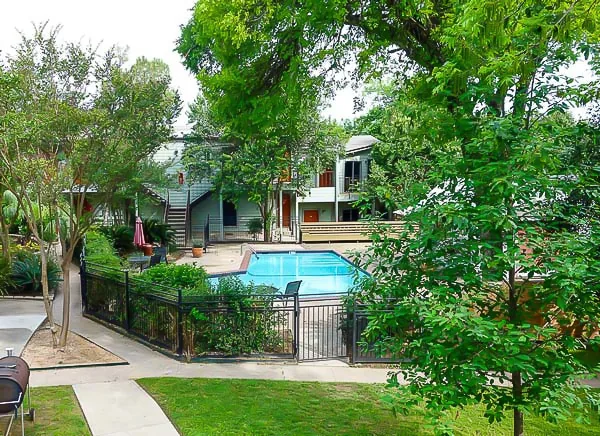
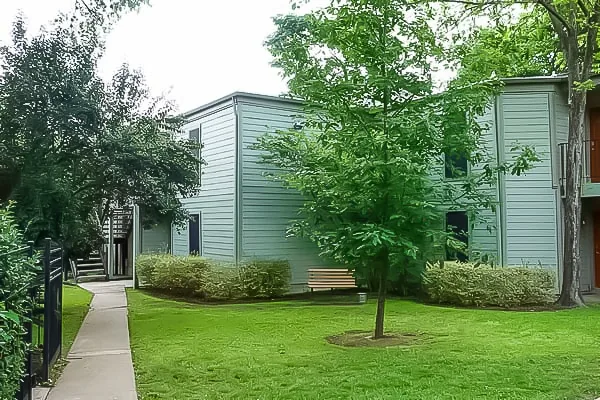
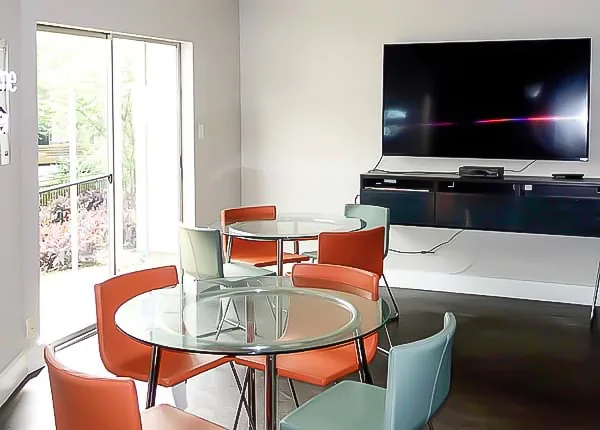
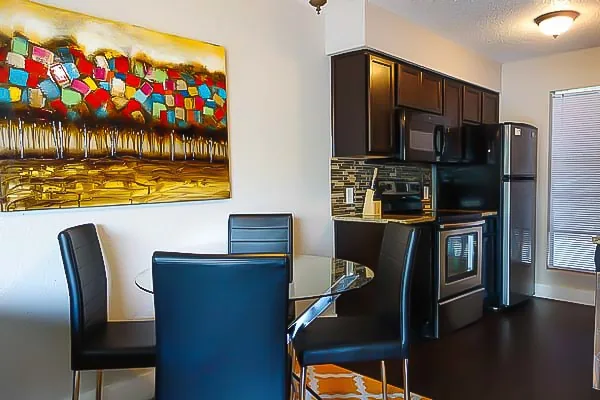
Some providers, including Eudaimonia Recovery Homes, highlight fully furnished spaces, structured programs, and peer‑supportive communities within Austin’s broader recovery network.
If you’re trying to balance recovery needs with a realistic budget, our affordable recovery housing in Austin, TX guide walks through price ranges and what you actually get for your monthly fees.
Questions to ask before you move in
Before choosing a home, it can help to ask:
- What does a normal weekday look like here?
- Are residents required to work, volunteer, or attend school?
- How are rent and fees handled, and what’s included?
- What happens if I relapse while living here?
- How does the house coordinate with outside providers, such as a therapist or restore treatment center?
Thoughtful questions up front can prevent misunderstandings later.
Daily Life in Austin Recovery Housing
Typical routines and expectations
Most recovery homes in Austin balance structure with independence. A typical day might involve:
- Morning routines and chores
- Work, classes, or outpatient treatment during the day
- Evening support groups, recovery activities, or house meetings
- Curfew and quiet time at night
This structure mirrors what research describes as “social model recovery,” where people learn from peers and practice sober living in a real‑world environment. Recent research on social model recovery housing describes peer‑based, community‑focused homes as a key resource for maintaining sobriety after treatment.
Making the most of local resources
Austin offers a range of community resources that residents in recovery housing can tap into:
- Frequent 12‑step and alternative mutual‑help meetings across the metro area
- Sober or “sober‑curious” social events, such as alcohol‑free meetups and wellness gatherings
- Employment, training, and housing services supported by local nonprofits and city programs, including efforts to expand housing for people exiting homelessness or treatment
Residents who stay engaged with these resources often find it easier to rebuild daily routines and social circles that support sobriety.
In Texas, state‑funded recovery support services help people connect with peer support, housing, and ongoing treatment options.
Is Recovery Housing Right for You?
Signs this step may help
Recovery housing in Austin may be a good fit if:
- Your home environment includes active substance use or high conflict
- You’ve left treatment before and relapsed quickly
- You feel isolated or unsure how to structure your time
- You want peers who understand what early recovery feels like
Experts describe sober living homes as a practical next step for people who want accountability and connection after treatment, especially when their current housing doesn’t support recovery.
To compare specific recovery housing and rehab options in Austin, you can review different levels of care, program features, and questions to ask before you decide.
When another level of care might be better
Recovery housing is not the right level of care for everyone. Someone might need a higher or different level of support if they:
- Are experiencing severe withdrawal symptoms and have not completed detox
- Have acute mental‑health symptoms that require intensive treatment
- Need medical supervision that a housing program cannot provide
In those situations, a medically supervised detox, inpatient treatment program, or supportive housing model with more on‑site services may be more appropriate.
A healthcare professional or treatment provider can help determine the safest next step.
How Eudaimonia Recovery Homes Supports Recovery Housing in Austin
Eudaimonia Recovery Homes offers structured, sober housing in Austin that directly supports the goals of Recovery Housing in Austin & Restore Treatment Center. Residents move into a stable, drug‑ and alcohol‑free environment that reinforces the progress they made in detox, residential care, or a restore treatment center, style program.
House rules, curfews, and routine drug and alcohol screening help create clear expectations, which many people find reassuring in early recovery. On‑site leadership and peer accountability encourage residents to practice communication, conflict resolution, and responsible decision‑making. Eudaimonia Recovery Homes also supports ongoing care by making it easier for residents to attend outpatient counseling, medical appointments, and local recovery meetings.
Daily schedules and shared responsibilities give residents time to work, study, or volunteer while still prioritizing sobriety. Over time, this combination of structure, independence, and community can help residents build confidence in their ability to live substance‑free in Austin. By linking safe housing with continued connection to services, Eudaimonia Recovery Homes helps bridge the gap between intensive treatment and fully independent living.
Your Future Is Waiting
Tell us what you are looking for and admissions will walk you through the houses, the phases, and what a room actually costs.


