

Published December 3, 2025 · Updated February 26, 2026
Key Takeaways
- Recovery housing in Austin gives people a sober, structured home environment where they can practice daily recovery skills between treatment and fully independent living.
- Affordable recovery housing Looks at total value, not just rent, by considering what is included in the monthly cost, from utilities and furnishings to peer support and recovery-focused structure.
- Different types of recovery homes include peer-run, monitored, supervised, and service-provider models, as well as specialized options like gender-specific or LGBTQ+ housing that offer varying levels of structure and support.
- Choosing a recovery home means looking closely at safety standards, house rules, expectations, and how well the home fits with your work, school, and family responsibilities.
- Paying for recovery housing usually involves planning a realistic budget, exploring scholarships or sliding-scale options, and coordinating housing costs with treatment, transportation, and other essentials.
- Eudaimonia Recovery Homes in Austin provides multiple sober living options with clear pricing, on-site support, and a recovery-focused community to make structured housing more accessible.
On This Page · 28 Sections

Sober Living
Austin
10506 Parkfield Dr, Austin, TX 78758
Finding an affordable recovery home in Austin can feel complicated. You may be balancing rent, transportation, treatment costs, and a new routine in recovery, all at the same time. This guide explains what affordable recovery housing is, how it works in Austin, and how to evaluate options without losing sight of your budget or your sobriety goals.
If you are also comparing treatment options, our Austin recovery center and housing guide explains how recovery homes fit alongside local rehab programs and outpatient services.
Understanding Recovery Housing in Austin
Recovery housing (often called “recovery residences” or “sober living homes”) describes a spectrum of alcohol‑ and drug‑free homes that use a social-model approach: residents support one another, share responsibilities, and participate in recovery-focused activities while living in a home-like setting.
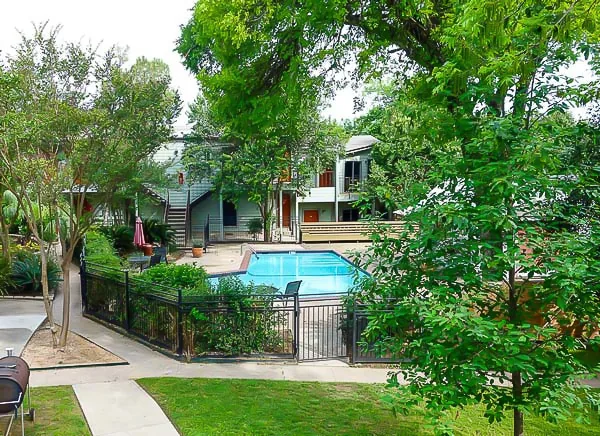
In Austin, recovery housing ranges from small peer-run houses to larger apartment-style communities with staff. The goal is the same: provide a safe, stable place to live while you practice the skills needed to maintain sobriety in everyday life.
Texas has adopted a statewide definition of recovery housing and created a voluntary certification program that aligns with national standards developed by the National Alliance for Recovery Residences (NARR).
Certification helps confirm that a home follows recognized guidelines for safety, operations, and ethical conduct, even though not every residence is certified.
For a broader view of how recovery homes connect with local treatment programs, our guide to recovery housing and Austin rehab options shows how housing, recovery centers, and outpatient care can work together.
Core features of recovery homes
Most Austin recovery homes share several common elements:
- Substance-free environment. Residents agree not to use alcohol or illicit drugs, with drug testing or breathalyzers used to support accountability.
- House rules and structure. Curfews, chore lists, guest policies, and meeting attendance requirements give each day a predictable rhythm.
- Peer support. Residents often attend 12‑step or other mutual-help meetings, share transportation, and lean on one another for encouragement.
- Connection to services. Many homes coordinate with outpatient programs, therapy, job assistance, or education support in the Austin area.
What “Affordable Recovery Housing” Really Means
Rent ranges and typical costs
While exact prices change over time, public listings show a wide range of recovery housing costs in Austin. Some homes advertise rates around $850 per month, while others list $1,500: $2,500 or more, especially for upscale amenities or private bedrooms.
When you hear the phrase “affordable recovery housing,” it usually refers to homes on the lower end of this range, often with shared rooms and more modest amenities. Affordability also depends on your personal situation: a rent that is manageable for someone working full time may be out of reach for another person who is just re-entering the workforce.
For a deeper look at price ranges, fees, and what each level of support includes, see our detailed cost breakdown for sober living in Austin.
What drives the price up or down?
Several factors influence monthly cost:
- Location in Austin. Proximity to downtown, bus routes, or certain neighborhoods can raise or lower rent.
- Room type. Shared rooms are often significantly cheaper than private ones.
- Level of staffing. Houses with 24/7 staff, case management, or on-site clinical services typically charge more.
- Included services. Utilities, Wi‑Fi, recovery coaching, transportation, or gym access may be bundled into rent.
- Length of stay. Some homes offer reduced rates for longer commitments or step‑down pricing over time.
Balancing affordability and quality
A lower rent is not automatically a better choice if it compromises safety or support. When comparing options, look for clear written rules, transparent expectations, and a stable, respectful community. Ask whether the home follows NARR-aligned standards or holds certification through a state-recognized credentialing organization.
Types of Affordable Recovery Homes in Austin
NARR describes four levels of recovery housing: peer‑run, monitored, supervised, and service provider residences. These levels differ in how much structure, staffing, and formal services they provide.
In practice, many affordable Austin homes fall into the first two levels, offering strong peer support with varying degrees of oversight.
Peer-run and monitored homes
Peer-run or monitored homes are often smaller and feel like traditional shared houses. Residents manage chores, attend meetings, and support one another, sometimes with a house manager who enforces rules and conducts drug testing. These homes may be among the more affordable options, especially when several people share a room.
Supervised and service-provider residences
Supervised or service-provider homes offer more intensive support. Staff may help with recovery planning, life skills, and coordination with outpatient treatment. These residences can be helpful for people with higher needs or less stable early recovery, but they often come with higher monthly costs due to staffing and programming.
Specialized recovery housing
In Austin, many programs provide recovery housing that is:
- Gender-specific (men-only or women-only homes)
- LGBTQ+‑affirming, with communities designed for LGBTQ+ residents
- Geared toward young adults, working professionals, or students
These specialized homes use the same core recovery principles but tailor their environment to the needs of particular groups.
Eudaimonia's Success Stories – Real People, Real Freedom
How to Choose an Affordable Recovery Home in Austin
Choosing a recovery home is both a financial decision and a recovery decision. Taking time to evaluate options can prevent surprises later.
If you want a checklist of questions to ask both homes and treatment providers, our article on choosing recovery housing and an Austin recovery center walks through licensing, support levels, schedules, and costs in more detail.
Focus on safety and standards
When you contact a potential home, consider asking:
- How do you maintain a substance‑free environment?
- What happens if someone relapses?
- Do you follow any formal standards, such as NARR-aligned guidelines or state-recognized certification programs?
- How are conflicts between residents handled?
In Texas, the Texas Recovery Oriented Housing Network serves as the NARR-affiliated organization that reviews policies, conducts document and onsite inspections, and certifies recovery homes that meet national best-practice standards.
Clear, consistent answers suggest that the home has thought through these issues instead of reacting only when problems arise.
For a side‑by‑side look at neighborhoods, quality standards, and admission steps, our complete guide to Austin sober living homes walks through those details in more depth.

Check whether the structure fits your needs
Some people do best in a highly structured environment with curfews, required meetings, and regular check-ins. Others need more flexibility for work schedules, childcare, or school. During your search, ask about:
- Curfew times
- Chore expectations
- Required meetings or appointments
- Policies on visitors, overnight passes, and time away
Try to imagine what your average weekday would look like in each setting.
Evaluate the environment and culture
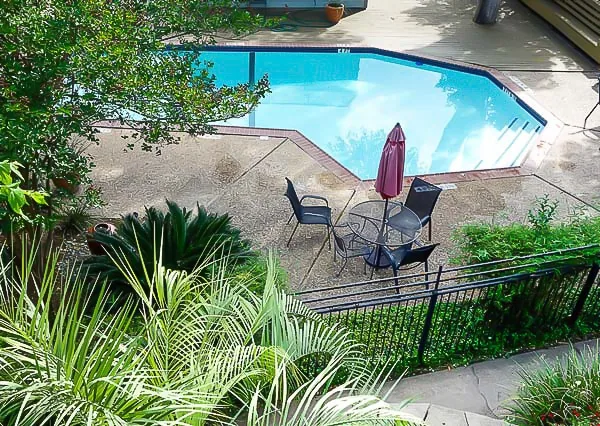
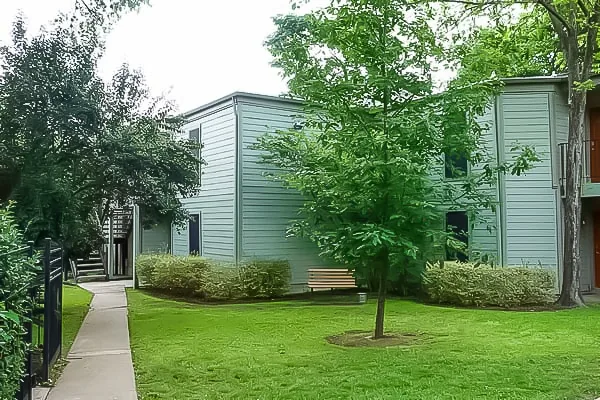
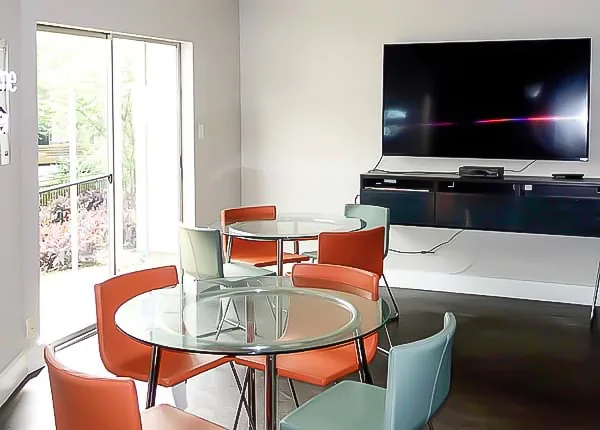
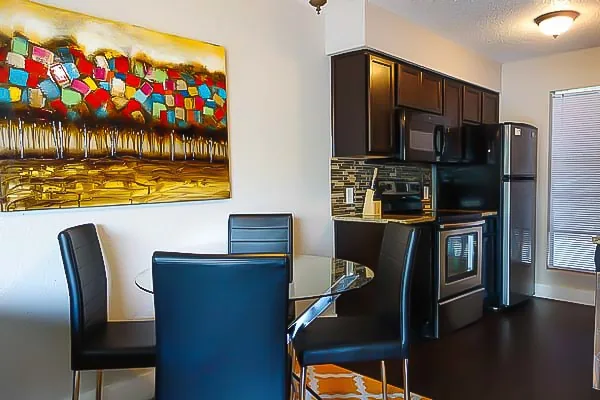
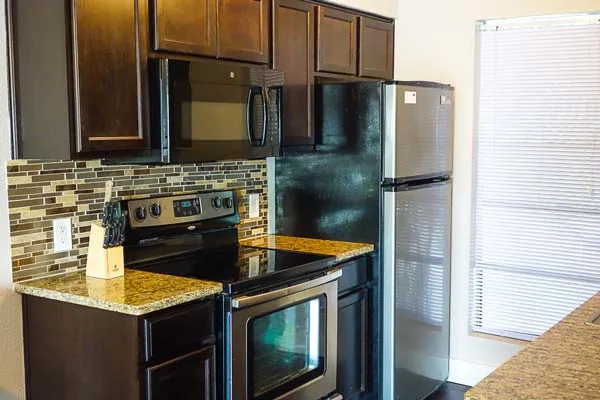
If possible, visit in person or schedule a video tour. Notice how residents interact, whether shared areas are well maintained, and whether the atmosphere feels respectful. A clean, calm, and organized space often reflects a healthy recovery culture.
Paying for Recovery Housing: Practical Strategies
Build a realistic budget
Start by comparing monthly rent with your income, savings, and expected expenses like food, transportation, therapy, and co-pays. Some homes include utilities and Wi‑Fi in the price; others charge extra. Ask for a written breakdown of all costs so there are no surprises.
If you are working with a counselor, case manager, or peer recovery coach, share your numbers and get feedback. They may see options you have missed.
To see how costs line up with what you actually get each month, you can review our article on affordable sober living options in Austin, which breaks down what typical program fees cover and why they can be a worthwhile investment in recovery.
Explore scholarships, sliding scales, and external help
Several recovery housing providers and nonprofit programs in Texas offer financial support:
- Sliding-scale payments. Some homes adjust monthly rent based on income, especially for early months in recovery.
- Scholarships or grants. Central Texas organizations and scholarship funds sometimes help with deposits or first month’s rent, particularly for people transitioning from treatment or homelessness.
- Family or community support. Loved ones, faith communities, or local charities may be willing to sponsor part of your stay, especially when they understand the structure and accountability the home provides.
As you gather information, keep notes on which homes offer payment plans, partial scholarships, or referrals to outside funding.
Coordinate housing with treatment and work
Affordable recovery housing works best when it fits into a larger recovery plan. When you talk with potential homes, ask how they coordinate with:
- Outpatient or intensive outpatient programs
- Work schedules, job search, or school
- Transportation needs, including bus routes or carpool options
Many Austin homes intentionally locate near recovery meetings, public transit, and employment hubs to make it easier for residents to attend treatment and maintain jobs
Life in an Affordable Recovery Home
Daily structure and expectations
Most recovery homes expect residents to:
- Wake up at a reasonable time
- Attend work, school, or job search activities
- Participate in house meetings and recovery groups
- Complete assigned chores
This structure is meant to support independence rather than control. Over time, many residents report that consistent routines make it easier to manage cravings, mood, and responsibilities.
Building community and support
Living with others in recovery can feel challenging at first. There may be different personalities, coping styles, and habits. Over time, though, shared experiences, late-night talks, group meals, and car rides to meetings, can create a strong sense of community. Many people stay connected to housemates long after moving out.
Planning your next step
Recovery housing is usually a bridge, not a final destination. As you progress, you may:
- Save for your own place
- Reunite with family members
- Take on more responsibility at work or school
Before you move out, make a concrete plan that includes housing, income, peer support, and ongoing treatment as needed. This transition plan can reduce the risk of feeling overwhelmed once you live more independently.
Is Affordable Recovery Housing Right for You?
Affordable recovery housing in Austin is not a one‑size‑fits‑all solution, but it can be a strong option if you:
- Want a structured, substance‑free environment
- Need accountability while you build or rebuild your life
- Prefer to live with others who understand recovery firsthand
- Are willing to follow house rules and participate in community life
If you are unsure, consider discussing your options with a counselor, treatment provider, or trusted sober support. They can help you weigh the costs, benefits, and timing.
If you are ready to look at specific homes and room options, you can explore our sober living homes in Austin, TX to find a setting that matches your budget and recovery needs.
Recovery housing is ultimately about giving yourself a better chance, time, stability, and community, to practice living sober in the middle of real life. For many people in Austin, an affordable recovery home is the place where that practice becomes a lasting way of living.
A recent systematic review of recovery housing research found that residents often have better abstinence, employment, and justice outcomes than people in usual care, and that recovery housing can be more cost-effective than other continuing-care options.
How Eudaimonia Recovery Homes Supports Affordable Recovery Housing in Austin
Eudaimonia Recovery Homes can support people seeking affordable recovery housing in Austin by providing structured, drug‑ and alcohol‑free homes at a range of price points. The organization operates recovery residences where rent, utilities, and basic furnishings are included in a single program fee, which can make monthly costs easier to plan for.
On‑site house managers and clearly written rules help create a stable environment, while peer support from other residents adds day‑to‑day encouragement and accountability. Eudaimonia connects residents with local recovery meetings, outpatient providers, and community resources so that housing, treatment, and support services work together. For people concerned about cost, staff can review room options, discuss any available financial assistance, and help residents think through realistic budgets.
Homes are located near employment opportunities, public transportation, and recovery resources, which can reduce extra transportation expenses. Residents are encouraged to work, study, or volunteer while living in the home, allowing them to rebuild income and savings during recovery. By combining predictable housing costs with a recovery‑focused environment, Eudaimonia Recovery Homes offers a practical option for individuals who need both structure and affordability in Austin.
Your Future Is Waiting
Tell us what you are looking for and admissions will walk you through the houses, the phases, and what a room actually costs.


