

Published December 3, 2025 · Updated February 18, 2026
Key Takeaways
- Recovery housing in Austin provides safe, substance‑free living and peer support that helps bridge the gap between treatment and fully independent life.
- Austin recovery centers deliver clinical services such as assessment, counseling, and medication management that can work alongside recovery housing.
- Outpatient rehab in Austin allows people to attend alcohol and drug treatment while maintaining work, school, and family responsibilities.
- Choosing recovery housing involves looking at support level, house culture, location, and cost so the setting realistically matches your needs and goals.
- Eudaimonia Recovery Homes offer structured sober living, built‑in accountability, and coordination with outpatient programs to support long‑term recovery in Austin.
On This Page · 24 Sections

Sober Living
Austin
10506 Parkfield Dr, Austin, TX 78758
Searching online for austin recovery, austin rehab, or phrases like austin recovery center austin tx can feel overwhelming. You may see long lists of treatment programs, recovery residences, and outpatient options without a clear sense of how they fit together. This guide explains how recovery housing in Austin works alongside local recovery centers and outpatient rehab. The goal is to help you sort through options, understand common terms, and make decisions that match your needs, not to promote one “right” path for everyone.
Whether you’re comparing recovery homes, looking for outpatient alcohol rehab Austin TX programs, or trying to understand the broader austin recovery texas landscape, this article breaks the process into practical steps.
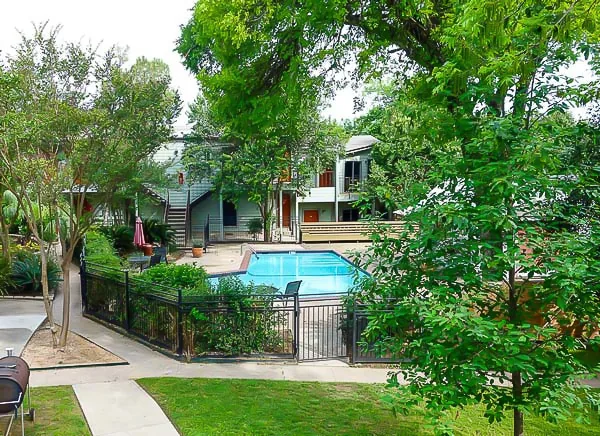
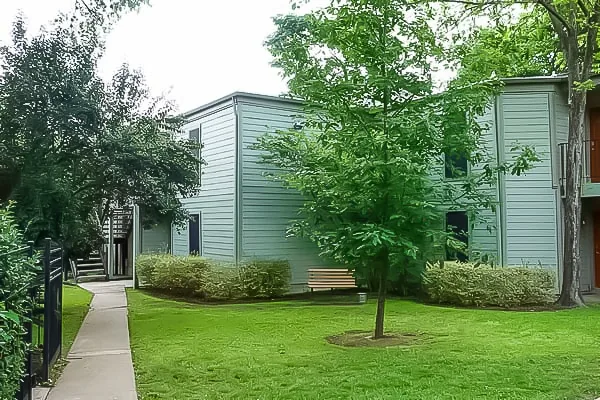
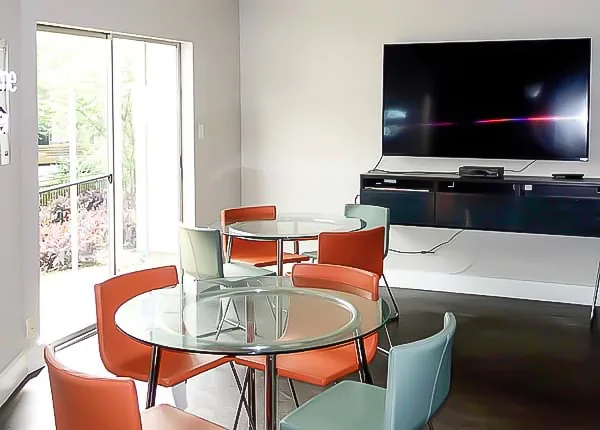
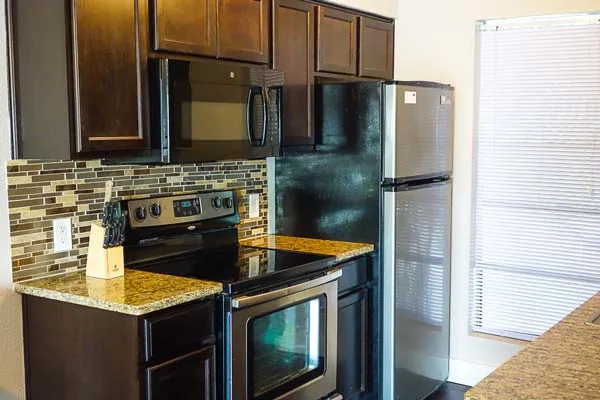
For a closer look at specific homes, layouts, and amenities, visit our sober living in Austin, TX overview page.
Why Recovery Housing Matters in Austin
Austin has a strong recovery community, but it also faces familiar challenges: rising housing costs, limited affordable rentals, and long waiting lists for some services. These pressures can make it hard to find a stable, substance‑free place to live after treatment. Recent work by the Recovery Housing Sustainability Project at The University of Texas at Austin shows that limited access to safe, stable housing is a major barrier for people leaving time‑limited addiction treatment. Researchers at The University of Texas at Austin note that access to recovery housing is a key piece of long‑term recovery, especially after time‑limited treatment. To respond, local and state partners are working on new models to sustain recovery housing so it remains available to people leaving treatment programs.What recovery housing is
Recovery housing, also called recovery homes or sober living homes, is housing where:
- Residents commit to living free from alcohol and other drugs.
- There is some level of structure, peer support, and accountability.
- People can stay long enough to stabilize work, school, and relationships.
The National Alliance for Recovery Residences (NARR) describes four broad “levels of support,” from peer‑run homes to service‑provider residences that include on‑site clinical services. This spectrum helps explain why some Austin recovery housing feels more like shared housing with rules, while other homes operate more like structured programs.
If you are still learning how these homes work, our main about sober living guide walks through what sober living homes are, how they differ from rehab, and what to expect day to day.
Who uses recovery housing in Austin
People who choose recovery housing in Austin often:
- Have completed detox, inpatient rehab, or intensive outpatient care.
- Need a break from environments where alcohol or drugs are common.
- Want a community that supports recovery while they return to work or school.
- Are waiting for a spot in another program and need short‑term stability.
Because substance use disorders are long‑term health conditions, recovery housing offers ongoing support after time‑limited clinical treatment ends.
What Is an Austin Recovery Center?
When people type austin recovery, austin recovery center, or austin recovery austin tx into a search engine, they usually mean a licensed treatment program that provides clinical services for substance use disorders. In this guide, “recovery center” refers to that kind of treatment provider, whether it offers inpatient, outpatient, or both.
Typical services and levels of care
Texas Health and Human Services describes an array of services for adults with substance use disorders, including withdrawal management, residential treatment, outpatient services, and recovery support.
Within that system, an Austin recovery center might offer:
- Assessment and individualized treatment planning
- Individual and group counseling
- Medication‑assisted treatment where appropriate
- Family or couples sessions
- Case management and connection to housing or employment supports
Clinical guidelines break outpatient and intensive outpatient treatment into stages that include treatment engagement, early recovery, maintenance, and community support. The exact schedule and length of stay vary by program.
Austin rehab and the role of outpatient care
You will see many search results for austin rehab and austin recovery texas that include both residential and outpatient options. In practice, many people move through several levels of care:
- Detox or withdrawal managementShort‑term medical stabilization.
- Residential or inpatient rehab24‑hour support in a structured setting.
- Partial hospitalization (PHP) or intensive outpatient (IOP)Several hours of therapy on multiple days each week, while living at home or in recovery housing.
- Standard outpatient counseling and community supporT, less frequent therapy plus mutual‑help groups or other peer supports.
If you want more detail on this step‑down level of care, our Austin intensive outpatient program (IOP) page explains how IOP works, what a typical weekly schedule looks like, and who it is designed to help.
The National Institute on Drug Abuse Notes that remaining in treatment for at least several months, whether residential or outpatient, is linked to better outcomes, which is why step‑down care and ongoing support are so important.
Recovery housing can support any of these steps, but it is especially common during and after outpatient care, when people are rebuilding daily routines while still attending treatment.
Eudaimonia's Success Stories – Real People, Real Freedom
Outpatient Rehab in Austin, Texas
You might search for outpatient rehab austin, outpatient rehab austin texas, or outpatient rehab austin tx if you need help but cannot pause work, school, or caregiving for an extended residential stay.
Outpatient services in Texas are typically provided at licensed community‑based treatment centers and can include counseling, group therapy, and other recovery supports.
According to the Texas adult substance use outpatient treatment guidelines, these services are delivered in licensed community settings and may combine individual and group counseling, case management, peer support, and other recovery supports.



When outpatient alcohol rehab Austin TX is appropriate
Outpatient alcohol rehab Austin TX programs may be considered when:
- Withdrawal risks have been safely managed or are mild.
- The person has a relatively stable place to live, whether at home or in recovery housing.
- There is some daily structure and support, such as family, peers, or a sober roommate.
- Safety concerns (such as self‑harm or severe medical issues) can be addressed without 24‑hour care.
In many intensive outpatient programs, people attend several sessions a week, often around three hours per day on set days, while continuing daily responsibilities.
What to expect in outpatient drug rehab Austin
Outpatient drug rehab Austin programs share many features with alcohol‑focused services. Common elements include:
- Individual counseling focused on coping skills, triggers, and relapse prevention
- Group therapy to practice new behaviors in a peer setting
- Education on substance use, mental health, and medications
- Coordination with primary care or psychiatry when needed
- Planning for ongoing support after the program ends
The scheduled intensity can range from weekly sessions to intensive formats that meet several times a week. For some people, outpatient care is the first step; for others, it is a step‑down level after residential treatment.
How outpatient rehab Austin TX connects with recovery housing
Combining outpatient rehab with recovery housing can help bridge the gap between treatment and full independence:
- Treatment sessions occur during the day or evening at an Austin recovery center.
- Residents return to a sober living environment with house rules, curfews, and peer support.
- Skills learned in therapy, like communication, boundary‑setting, and craving management, can be practiced in real time with housemates, coworkers, and family.
For many people, this mix of structure and real‑world practice is more sustainable than trying to maintain sobriety alone.
Choosing Recovery Housing and an Austin Recovery Center
There is no single path through Austin’s recovery system. When you compare options, the goal is to find a realistic match between your needs, your responsibilities, and the support available.
Key questions to ask providers
When you contact an Austin recovery center or recovery residence, maybe after searching austin recovery center austin tx, you can ask:
Licensing and accreditation
- Is the program or home licensed or certified by the state or a recognized body?
Level of support
- Is this peer‑run housing, a monitored home, or a supervised/service‑provider model with staff on site?
Schedule and expectations
- How many therapy sessions or house meetings happen each week?
- Are there curfews, chore lists, or meeting requirements?
Recovery philosophy
- Do they use 12‑step, cognitive‑behavioral, or other approaches?
- How do they view relapse and return to use?
Coordination of care
- Can they coordinate with doctors, therapists, or medication providers?
Cost and payment
- What is included in housing or program fees?
- Are there sliding‑scale, state‑funded, or other assistance options?
Taking written notes can make it easier to compare different Austin rehab and housing choices later.
Practical factors: location, cost, and fit
Beyond clinical services, practical details matter:
- Location and transportation. Is the home near bus lines, workplaces, schools, and recovery meetings? For some, staying close to existing support is important; others prefer distance from old routines.
- House culture. Some homes feel more structured and quiet; others feel more social. The best environment is the one that supports your goals and temperament.
- Length of stay. Ask whether there are minimum or maximum stays and how step‑down plans work as you become more independent.
- Financial planning. Recovery housing usually involves rent and basic living costs, while outpatient care may be billed to insurance or paid privately. Texas HHS and other public agencies can sometimes connect people to lower‑cost options.
For detailed numbers and examples, you can review our guide to sober living costs in Austin, which breaks down typical rents, deposits, and other common fees.
How Eudaimonia Recovery Homes Can Help in Austin
Eudaimonia Recovery Homes can support your Austin recovery journey by providing stable, substance‑free housing that fits within the wider network of Austin recovery centers and outpatient services. Each home offers clear expectations, routine, and peer support, which can make it easier to apply what you learn in treatment sessions to everyday life.
Our homes also include a structured recovery support program with accountability, monitoring, and life‑skills services that are designed to complement outpatient treatment in Austin.
Staff members help residents stay connected to local resources, including outpatient rehab and community‑based support groups, so care does not end when a program session is over. The structure of shared chores, curfews, and regular house meetings encourages accountability while still allowing room for work, school, or family responsibilities.
For people stepping down from inpatient or intensive outpatient care, living in a recovery home can reduce the stress of returning directly to an old environment that may contain triggers. Residents can also practice new coping skills in a real‑world setting while having sober peers nearby who understand the challenges of early recovery.
Over time, this combination of housing, routine, and community can help residents rebuild confidence and move toward more independent living at a pace that feels realistic. Families and loved ones often find reassurance in knowing that their relative has both professional treatment connections and a sober living space that supports long‑term stability.
Your Future Is Waiting
Tell us what you are looking for and admissions will walk you through the houses, the phases, and what a room actually costs.


