

Published November 6, 2025 · Updated February 18, 2026
Key Takeaways
- Recovery works when structure, peer support, and intensive outpatient care move in the same direction. This is the pattern shown in the composite Houston story.
- Sober living is housing with rules and peer accountability, not treatment itself. Treatment happens in IOP or therapy while you live in the house.
- Men’s sober living in Houston relies on curfews, testing, chores, and a house leader to keep days predictable. Many homes sit near jobs, transit, and meeting hubs.
- Truly free sober living in Houston is rare and usually tied to nonprofits or faith‑based programs. Always confirm fees, eligibility, and waitlists.
- IOP fits with sober living by delivering structured care while leaving room for work and daily life. The two supports reinforce each other.
- Plan on roughly 9+ hours per week of IOP spread over 3–5 days, and check your insurance rules before you start. Schedules vary by provider and need.
- Houston offers multiple IOP options, so match program schedules and transportation with your house rules. Ask about virtual or evening tracks if needed.
- Use the checklist to choose a men’s sober living community that fits your needs and stage of care. It helps you compare options consistently.
- Use local directories and nonprofits to find openings, compare costs, and verify details. Examples include Recovery.com, Oxford House, and Houston‑area charities.
- Daily routinesMorning tasks, afternoon appointments, and evening meetings, turn early sobriety into stability. Consistency is a protective factor.
- Change levels of care as needed: step up when risks rise and step down as stability holds. Make these moves with your clinician.
On This Page · 19 Sections
Sober Living
Houston
1010 Waverly St, Houston, TX
A composite story of recovery (men, outpatient care, sober living in Houston)
He had a job, a place to sleep, and a secret that kept growing. When the drinking turned to pills, the losses stacked up: work warnings, a broken lease, strained family calls. After detox, “E.”* didn’t feel ready for home. He chose a men sober living community in Houston and enrolled in intensive outpatient care (IOP). The house gave him curfews, chores, and peers who noticed if he skipped meetings
IOP gave him a schedule, group work, and a counselor who named the patterns he couldn’t see. Six months later, E. still checked in with his sponsor and paid his share of the bills. Recovery wasn’t quick. It was repeated, ordinary effort in a city big enough to start over. Composite, anonymized scenario based on common experiences in Houston sober living and IOP; no personal details or specific individuals are described.
What “Houston sober living” means, and how it supports men
Sober living (often called “recovery residences”) are alcohol‑ and drug‑free homes that emphasize structure, peer support, and accountability. Nationally recognized standards describe recovery residences as safe, healthy living environments built on a social model of recovery (peer accountability, house rules, and community).
Men’s sober living community in Houston: what you’ll typically find
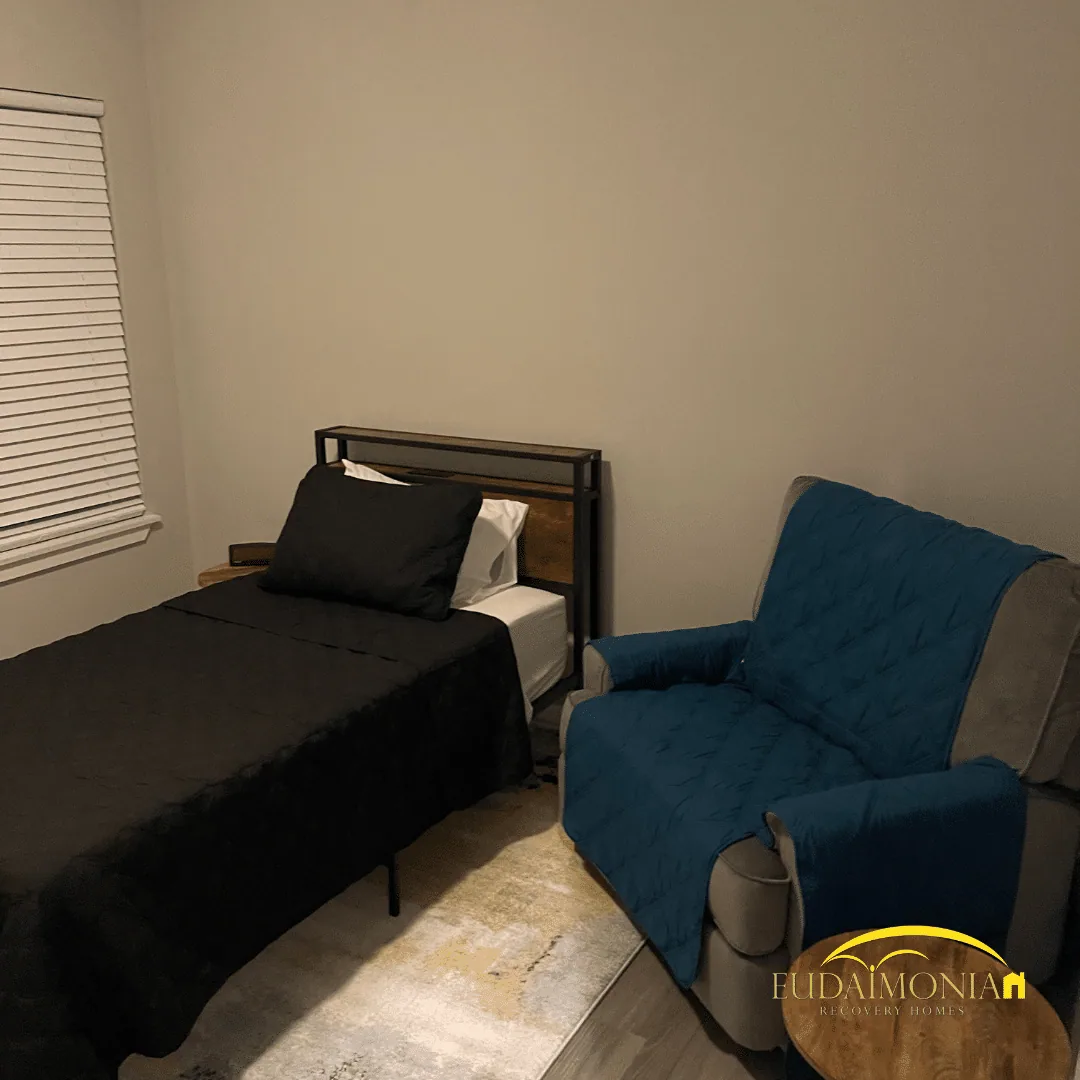
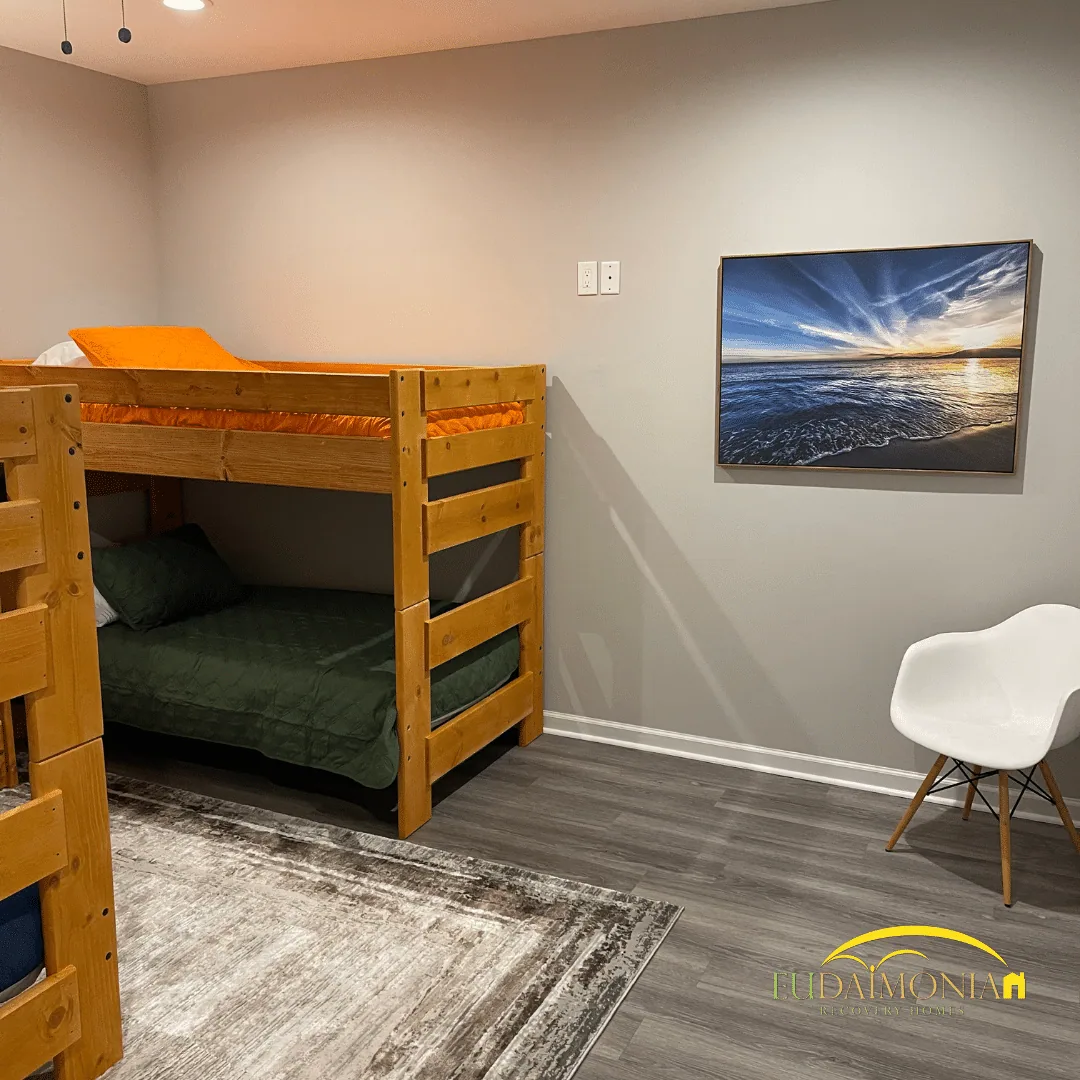
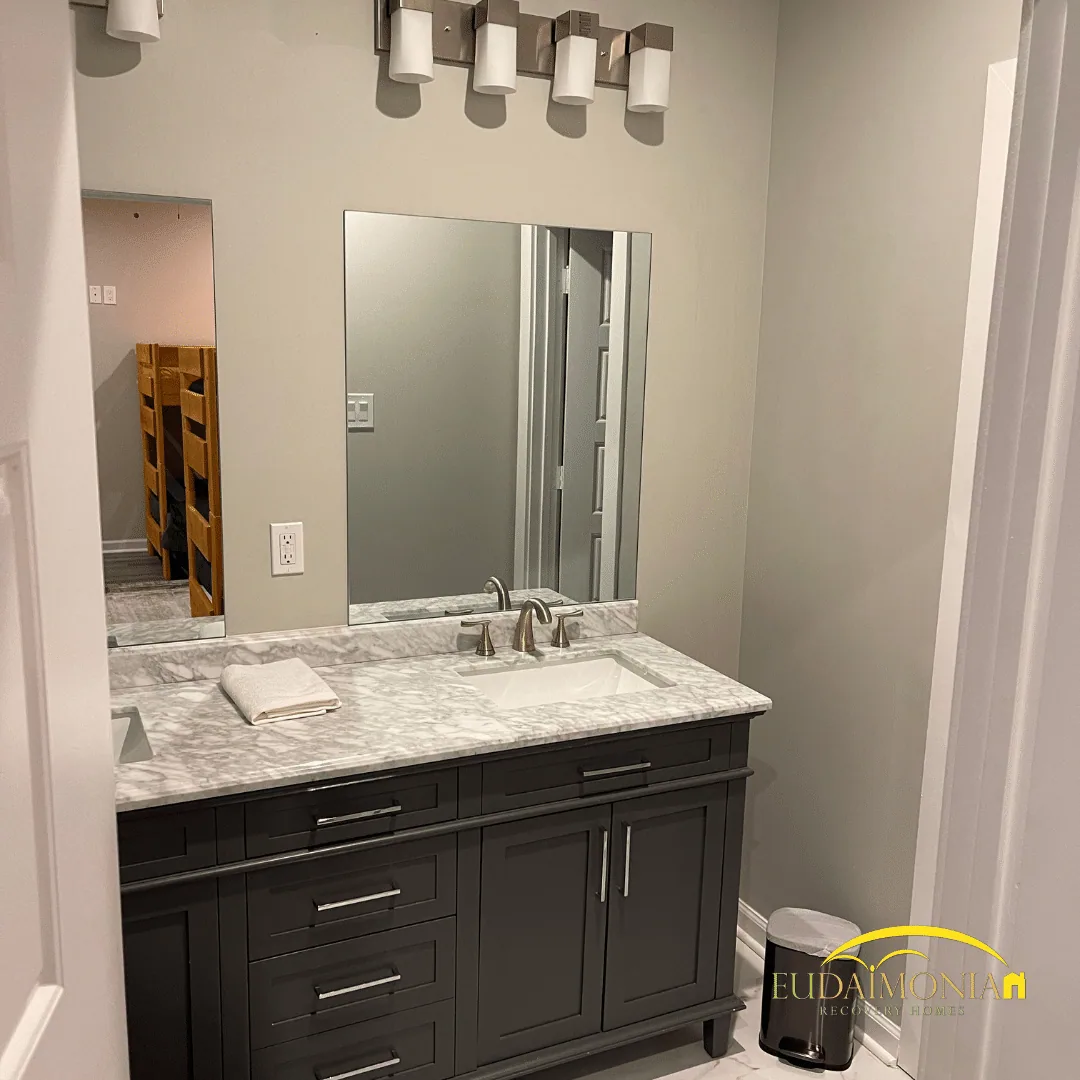
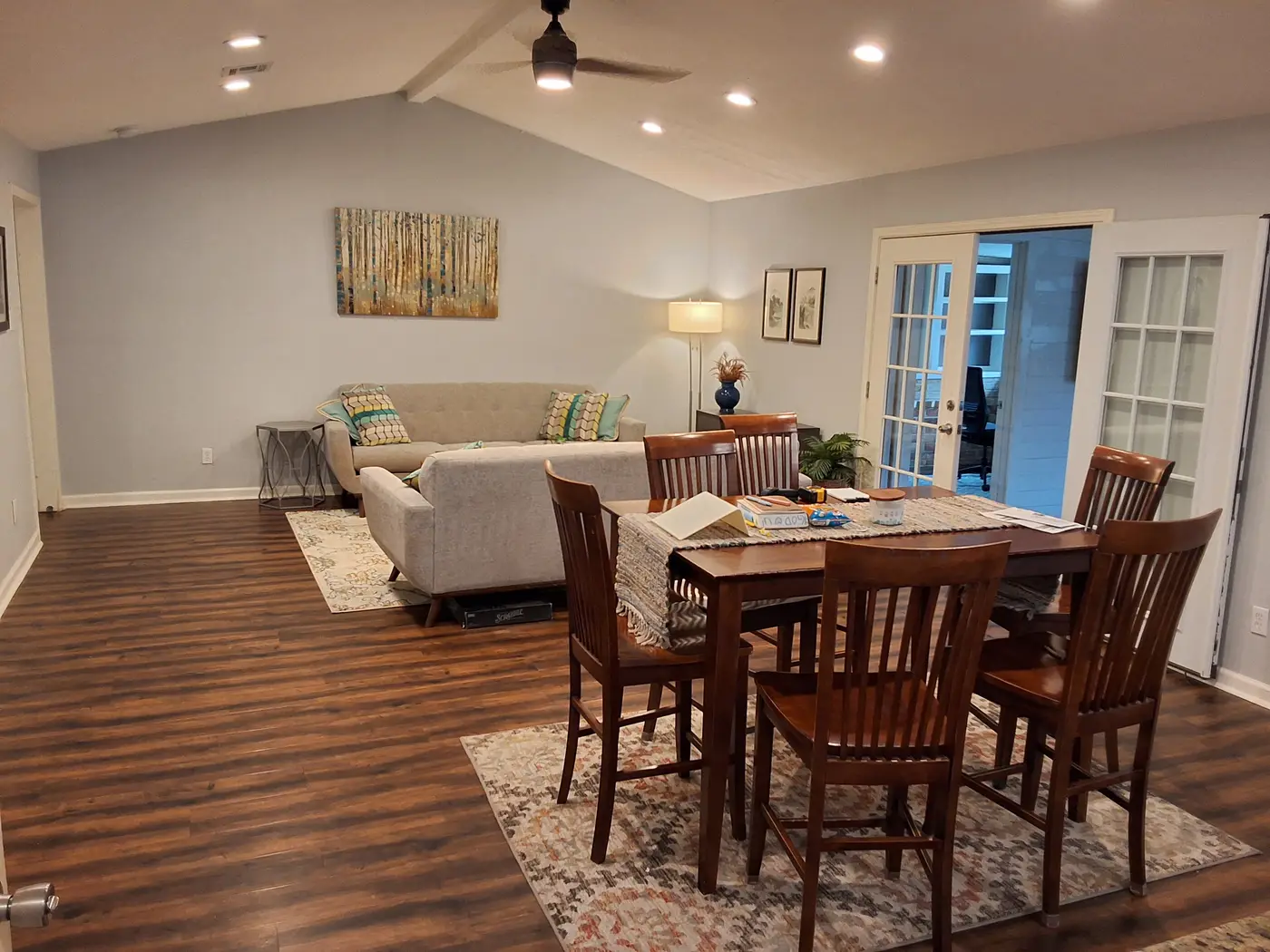
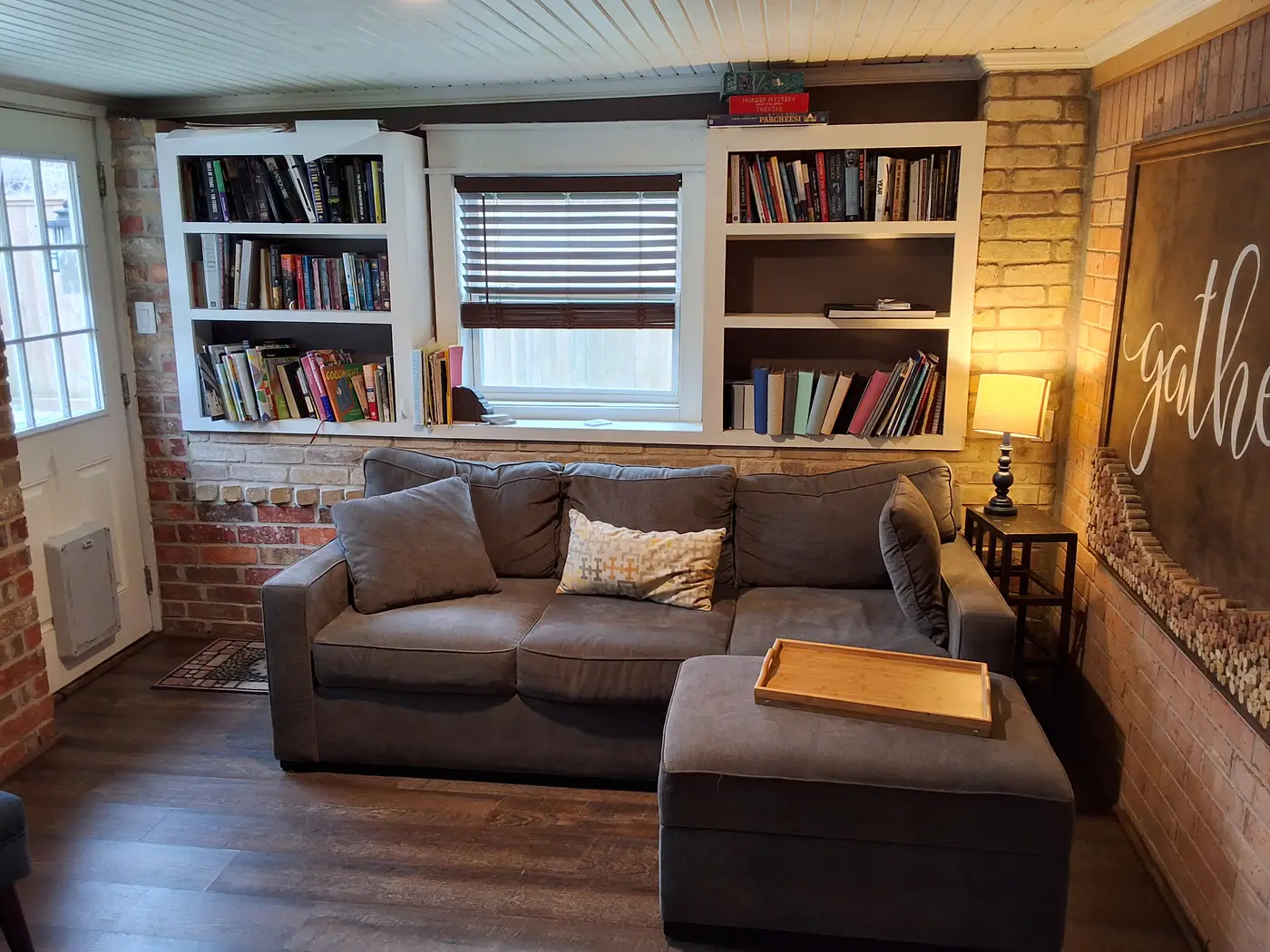
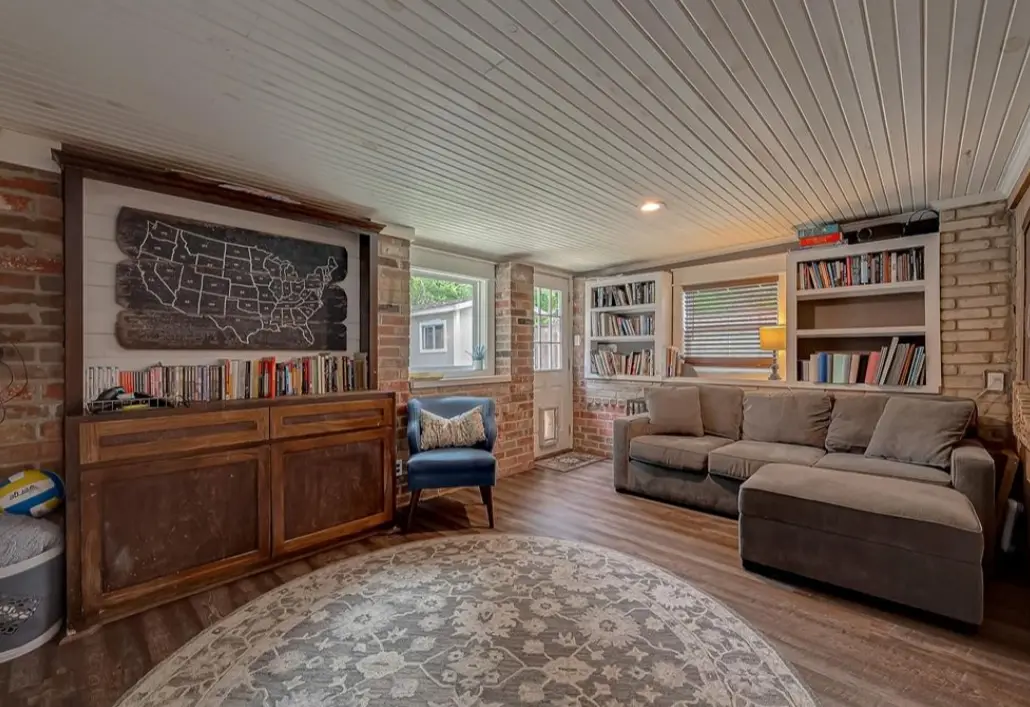
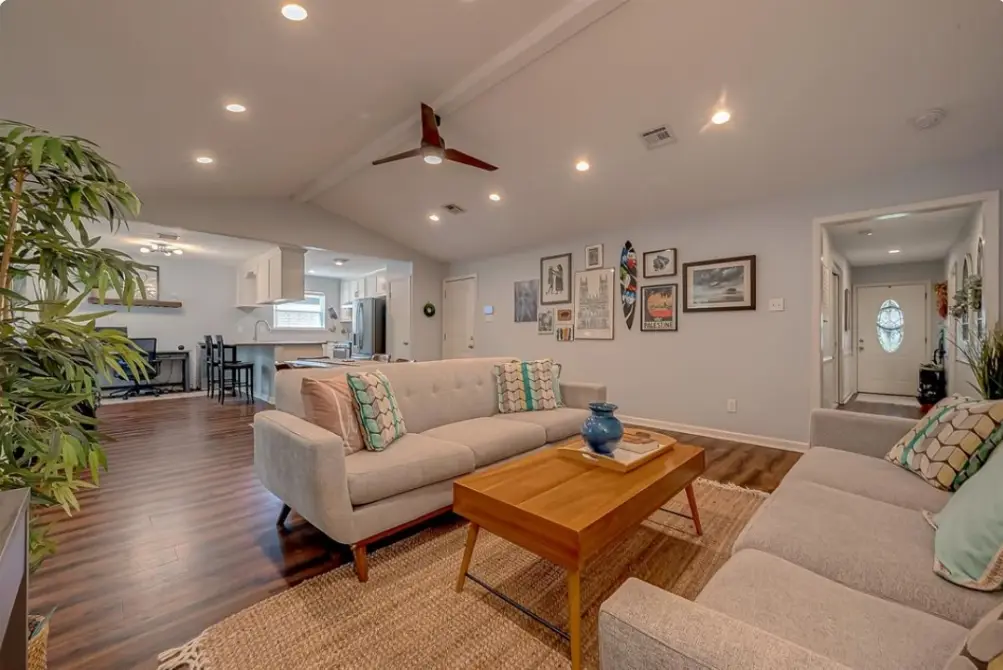
A men’s sober living house in Houston commonly includes shared rooms, routine drug/alcohol testing, curfews, meeting requirements, and a house manager or peer leadership. Some homes cluster near employment, public transit, and meeting hubs, the Heights is one example highlighted by several providers for access and walkability, while others operate across Greater Houston. Example amenities and staffing models (including 24/7 support in some homes) appear in leading providers’ pages and directories.
Costs, and where “free sober living Houston” is realistic
Costs vary widely. Public listings for Houston-area sober living show examples from a few hundred dollars per month into the low thousands, depending on location, room type, and services. (Representative examples and cost ranges appear in third‑party directories and provider pages.)
Truly free sober living is limited but not impossible. Some nonprofits and faith‑based programs advertise no‑funds‑needed admission or donation‑supported stays. For instance, Sober Living America’s Houston page states “No Funds Needed for Admission,” while also listing a monthly program fee for a specific track; availability and terms can change.
Two long‑standing men‑focused nonprofits connected to Greater Houston are Open Door Mission (free, faith‑ and evidence‑based residential rehabilitation with transitional housing for program graduates) and The Wheelhouse in Deer Park (donation‑supported men’s recovery; materials show suggested donation amounts and a past statement describing 30 days at no cost). These are not typical “sober living” in the commercial sense, but they can function as low‑ or no‑cost pathways tied to housing and aftercare. Always verify current criteria, costs, and waitlists.
Note: Oxford Houses operate as democratically run, self‑supporting sober homes, members share expenses, which means they’re usually low‑cost rather than free.
How intensive outpatient care (IOP) fits with sober living
Intensive outpatient care Is a structured, nonresidential program, often 9 or more hours per week, combining group therapy, individual sessions, family work, psychoeducation, and relapse‑prevention skills. It’s designed for people who don’t need inpatient care or are stepping down from a higher level of care. This format allows men in sober living to keep working or job‑hunting while staying engaged in treatment.
Time commitment, format, and insurance notes
Typical schedules run 3–5 days per week, ~3 hours per day, for several weeks; specifics vary by program and clinical need. Medicare’s coverage guidance also uses a 9‑hours‑per‑week threshold for IOP‑level services (check your plan and diagnosis). Private insurance policies vary on coverage for substance use vs. mental health IOPs.
Local IOP examples in Houston
Local providers publish program outlines, such as:
- Houston Behavioral Healthcare Hospital (in‑person and virtual IOP; group topics include mood, boundaries, grief, relapse‑prevention, and dual‑diagnosis support).
- Meadows Outpatient Houston (location offering addiction and co‑occurring care; week‑structured curriculum).
- Many Houston sober living homes align with or refer to partner IOPs; verify that scheduling, transport, and house rules fit your work and recovery plan.
How to choose a men sober living community in Houston (checklist)
1) Verify standards and oversightAsk if the residence follows National Alliance for Recovery Residences (NARR) standards or holds certification through the Texas Recovery Oriented Housing Network (TROHN)Texas’s NARR affiliate. Certification signals baseline policies for safety, support, operations, and good‑neighbor practices.
2) Understand the house modelPeer‑run (e.g., Oxford House), monitored/managed, or provider‑run? Each has trade‑offs in cost, structure, and services. Peer‑run is often least expensive but requires more self‑management; provider‑run homes may have staff on site and coordinated services.
3) Confirm IOP compatibilityCheck meeting requirements, curfews, transportation, and whether the home supports your IOP schedule (and any work hours). Some homes offer or coordinate rides; others expect residents to self‑manage.
4) Ask about medication policiesIf you’re on medications for opioid use disorder (MOUD) or other prescriptions, ensure the home’s policy is MAT‑friendly and consistent with your prescriber’s plan. Many reputable Houston homes accommodate MAT, but policies vary, confirm in writing.
5) Budget clearly, then seek aid if neededCompare move‑in fees, weekly/monthly rent, testing fees, and required meeting or transportation costs. For free sober living Houston leads, review nonprofit and faith‑based options (noting eligibility), seek scholarships, and search verified directories to compare openings and rates. Resources and directories (examples below) can help.
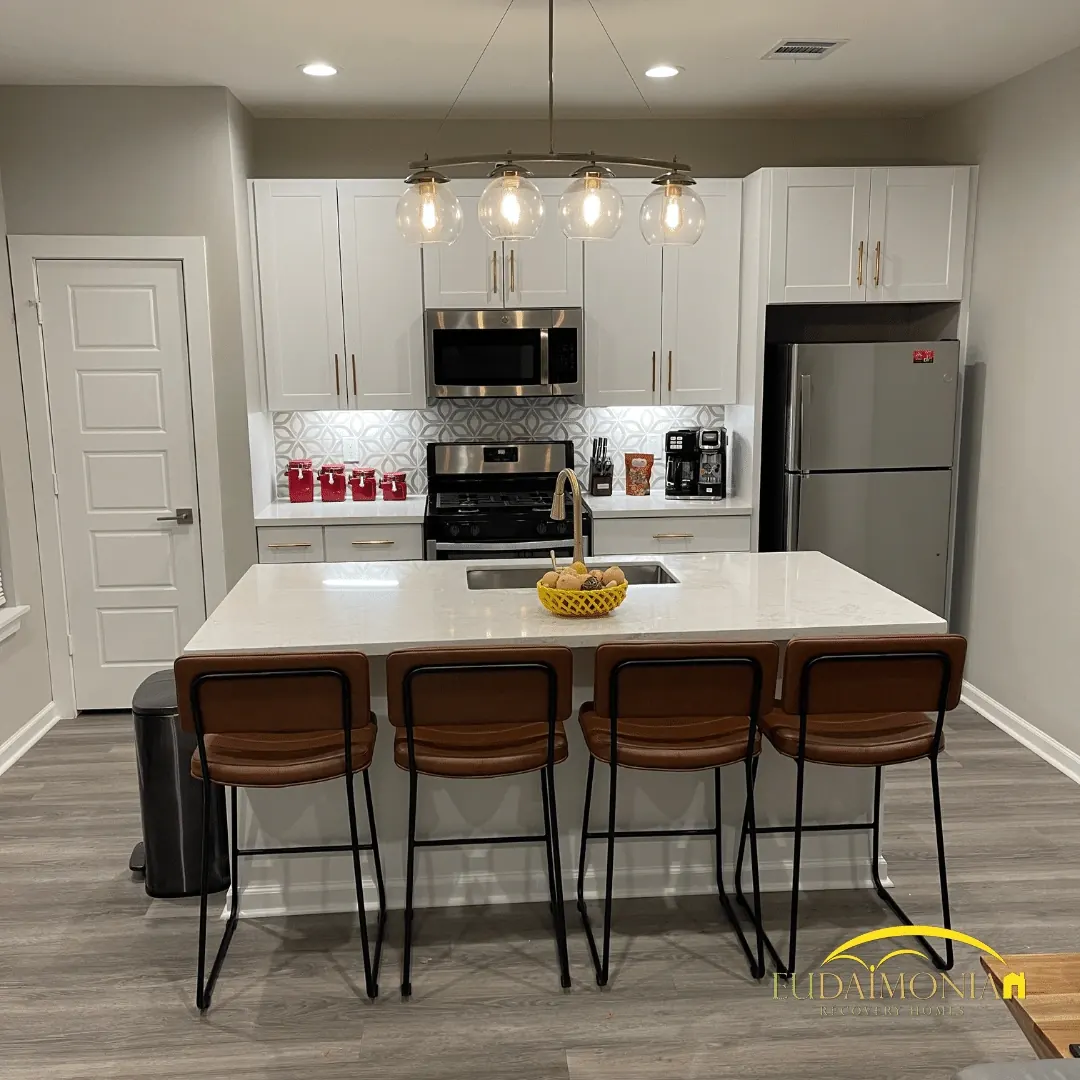
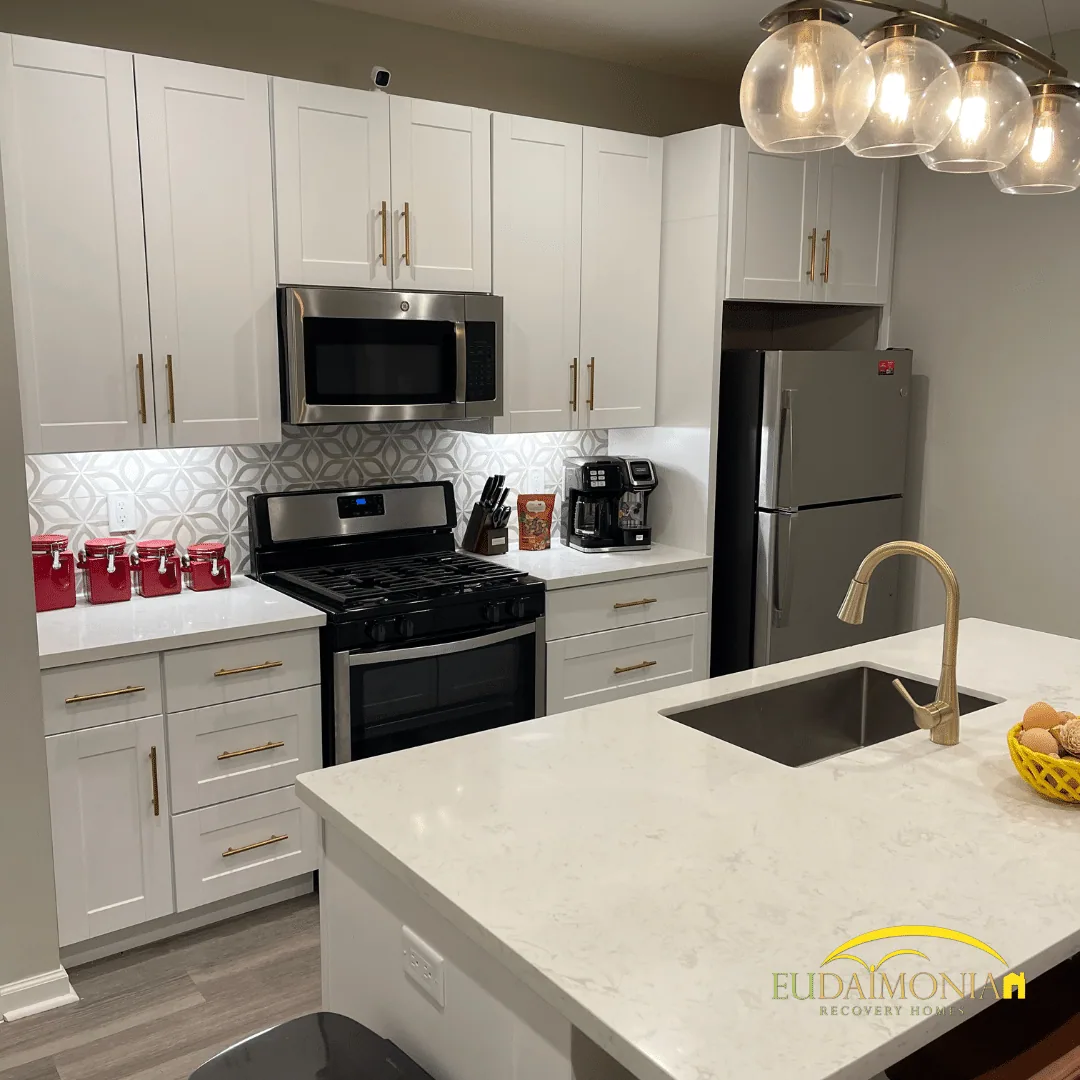
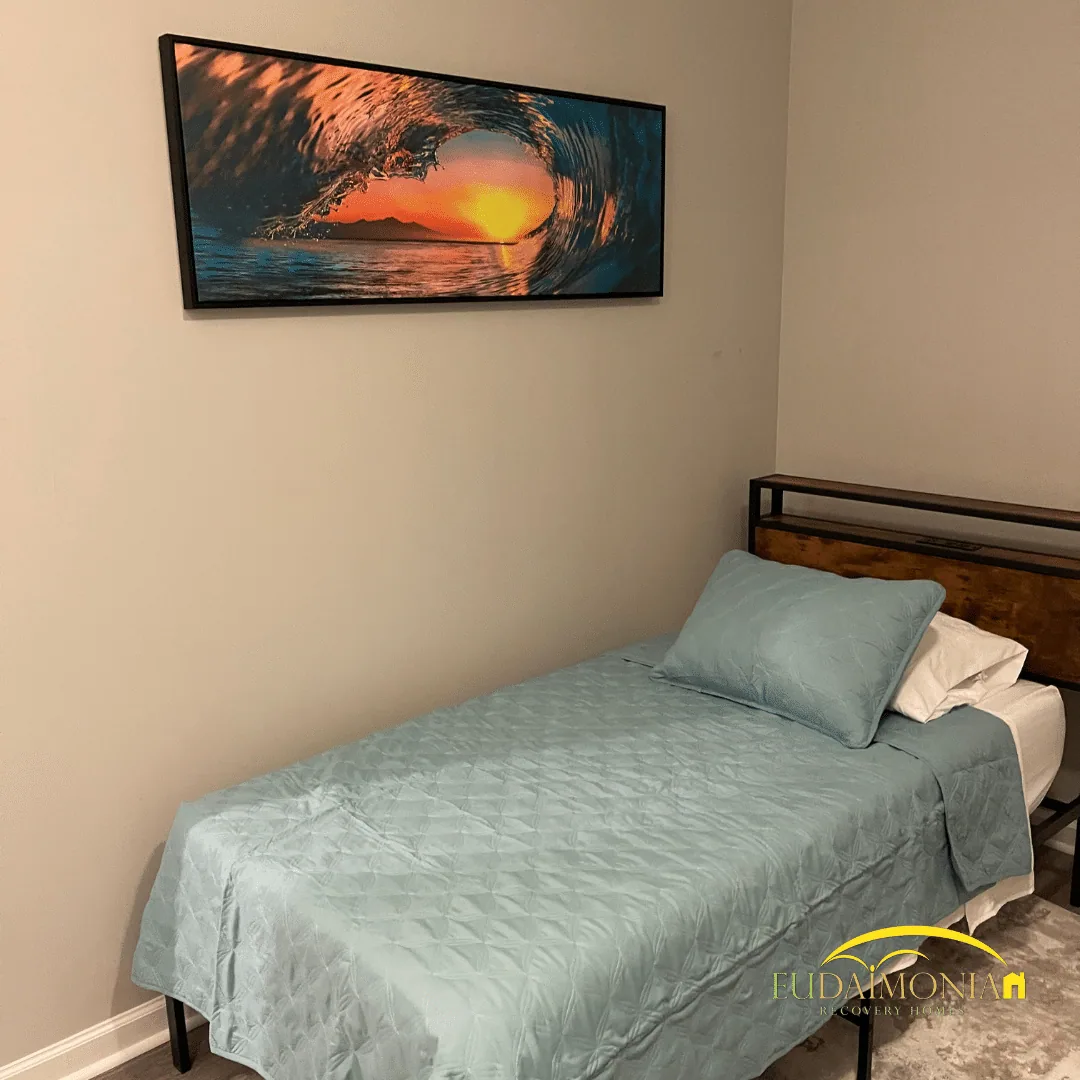
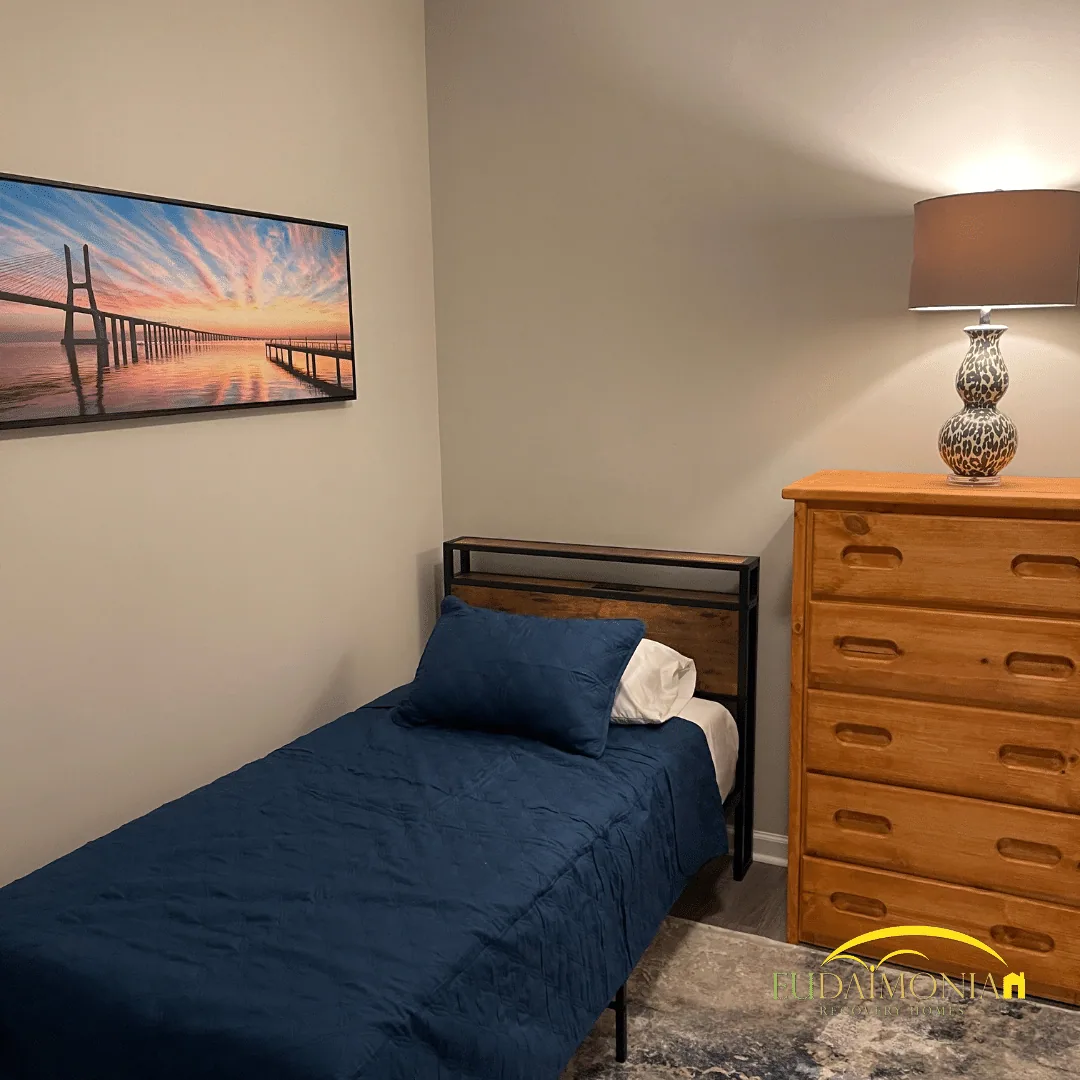
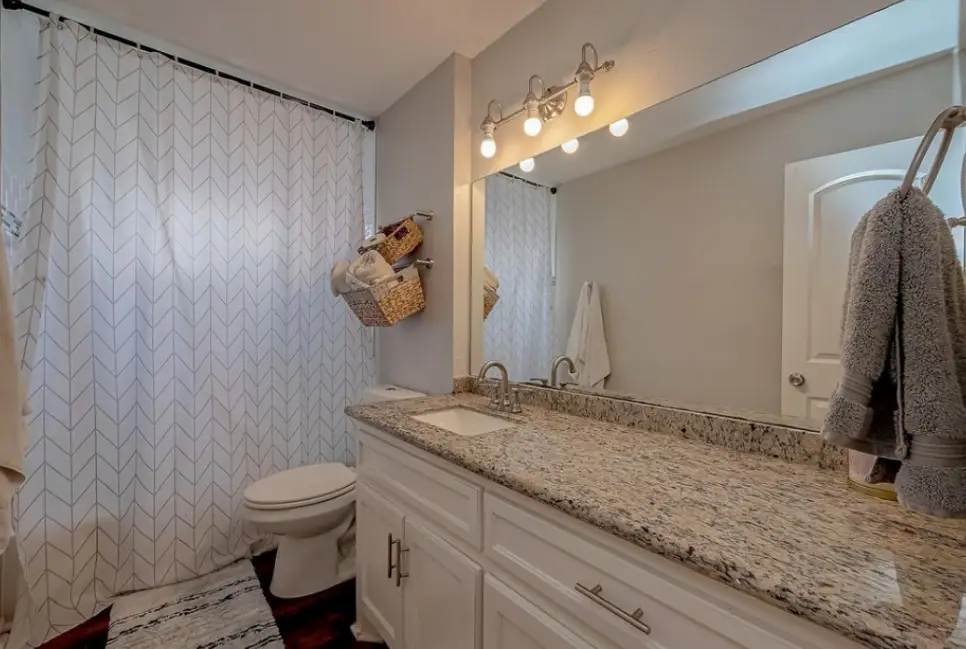
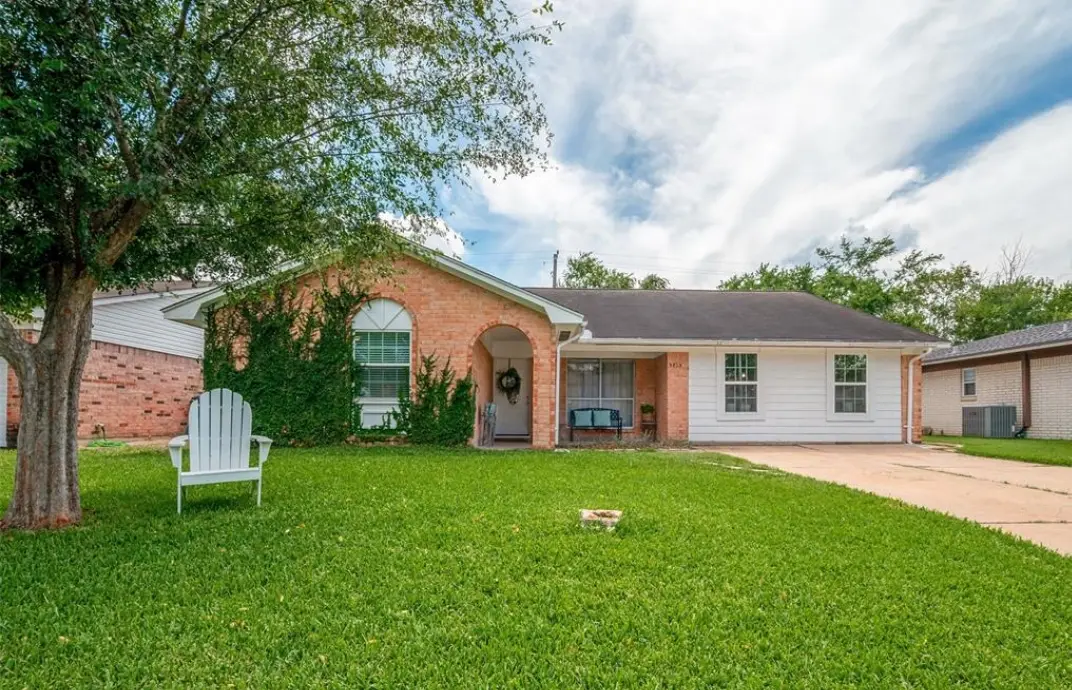
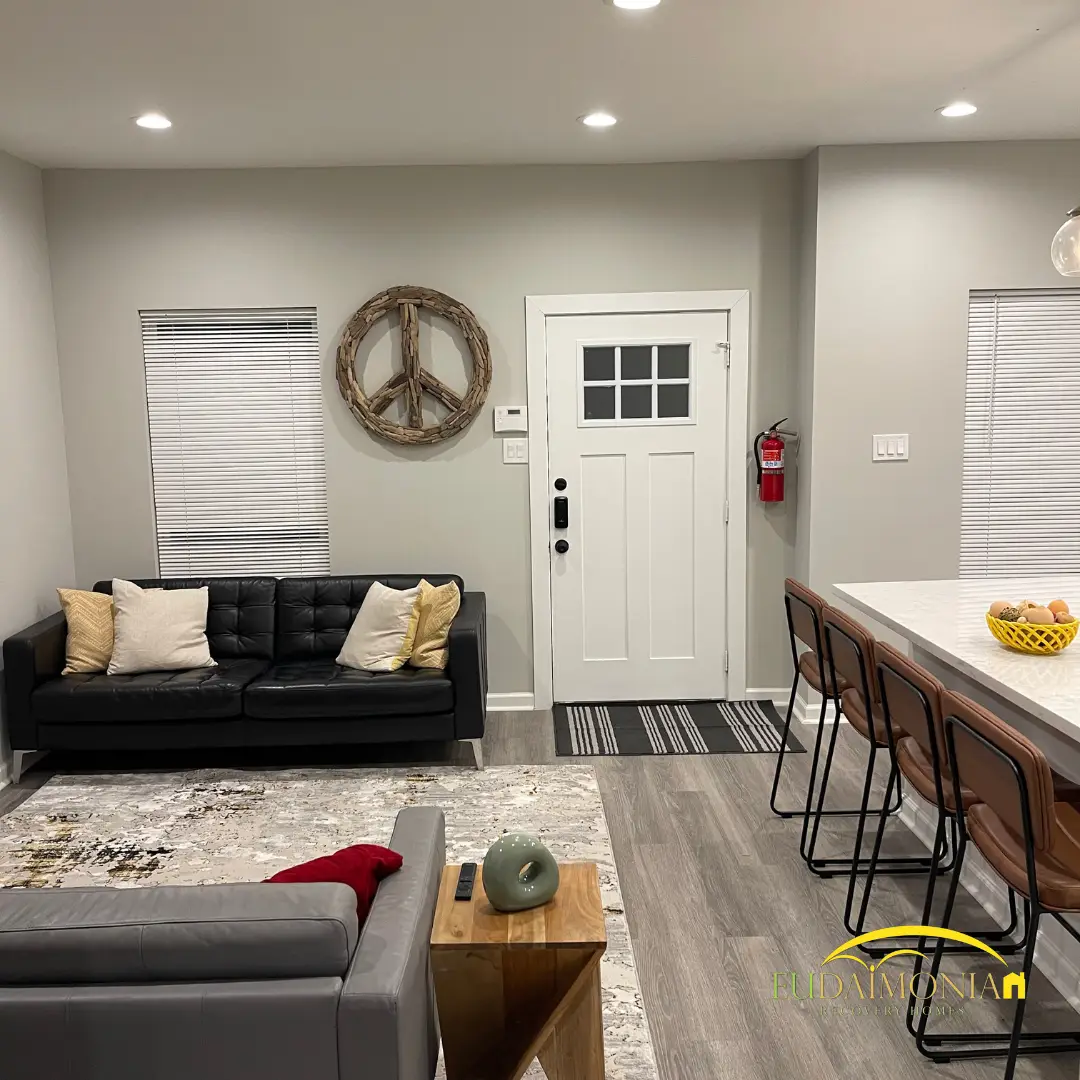
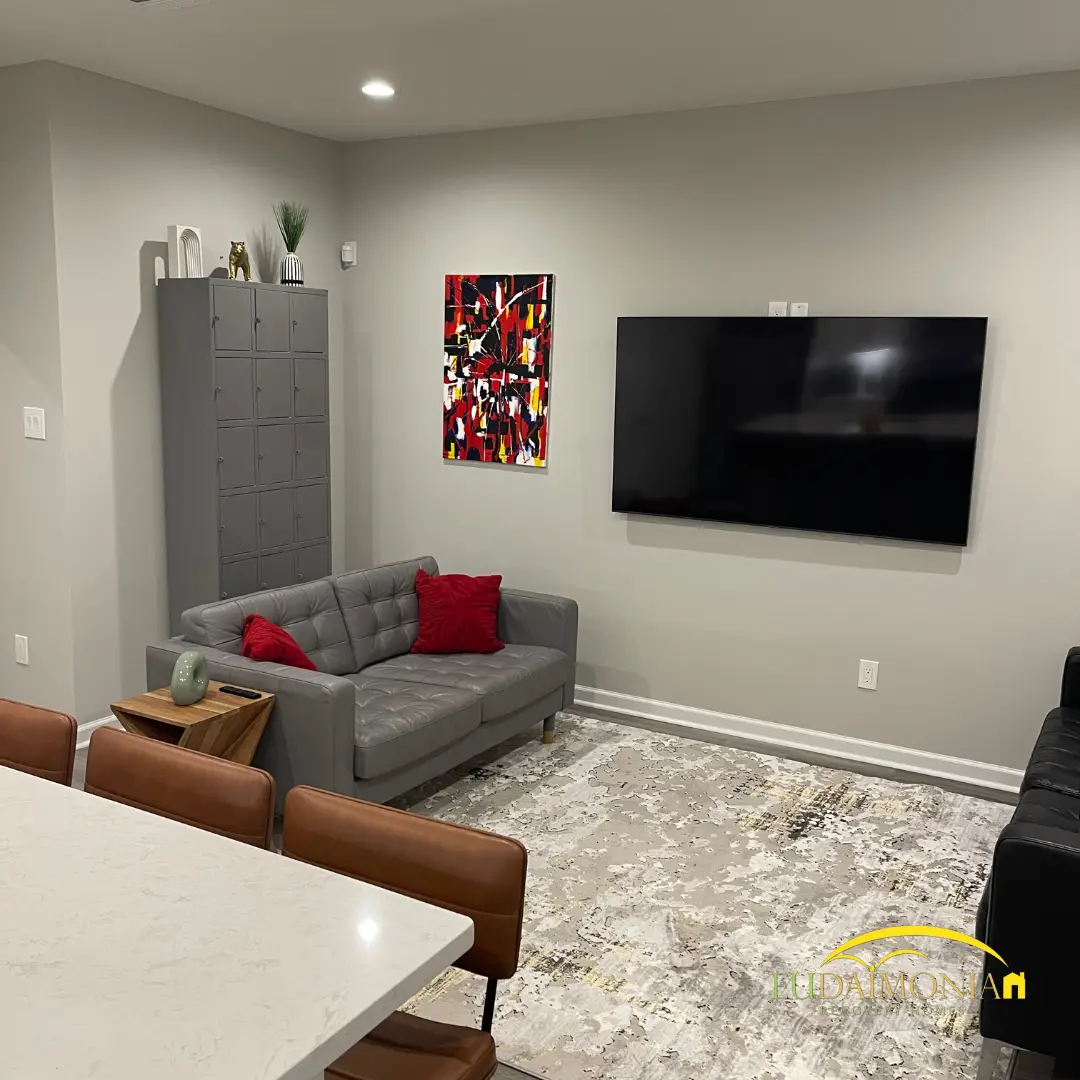
Inside the Houston homes






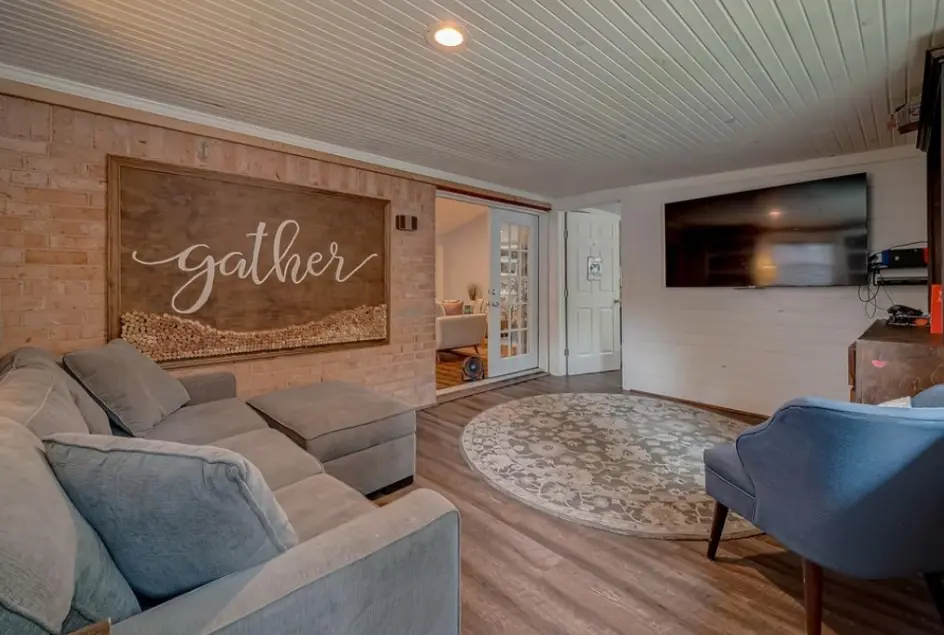
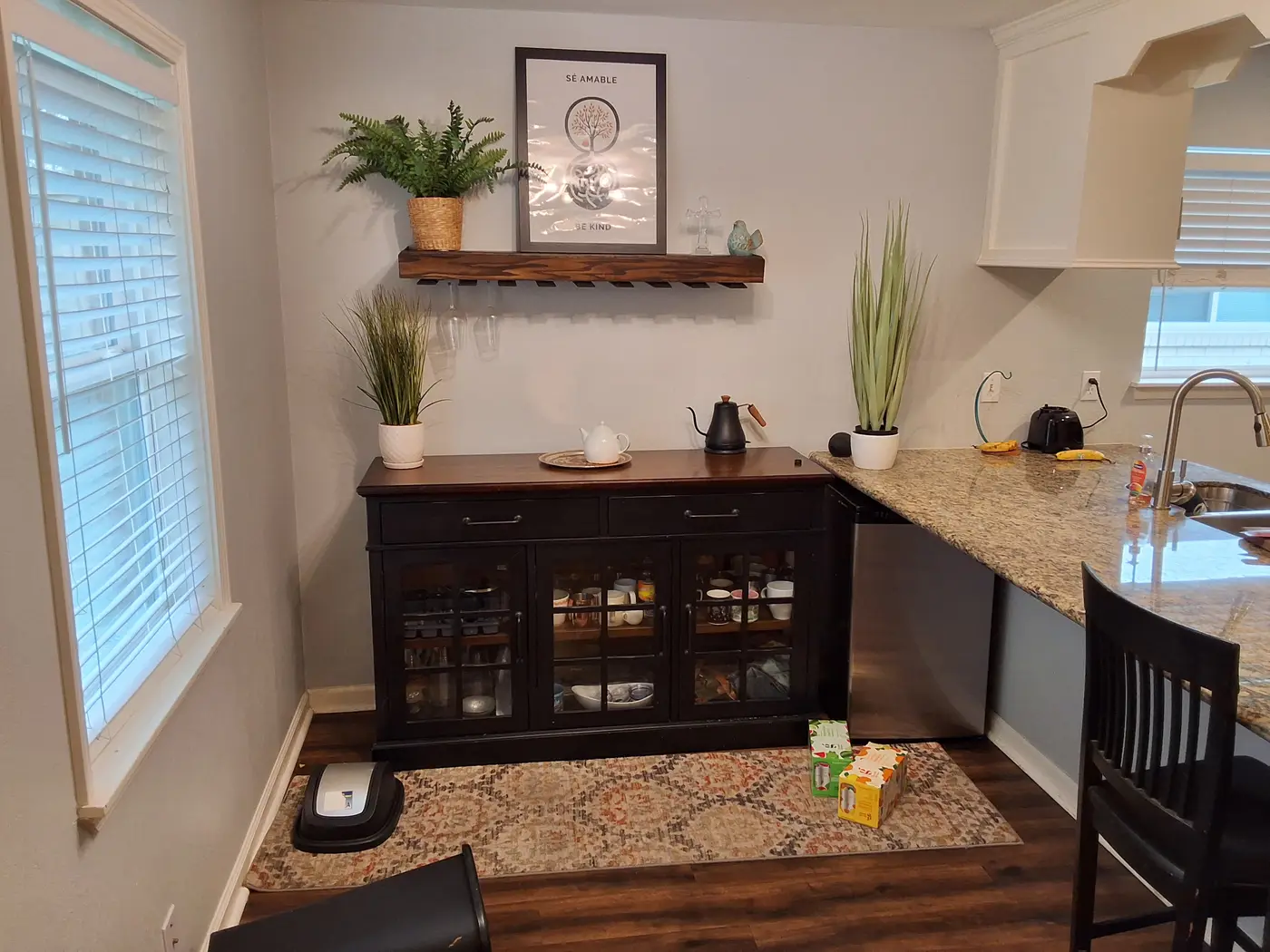
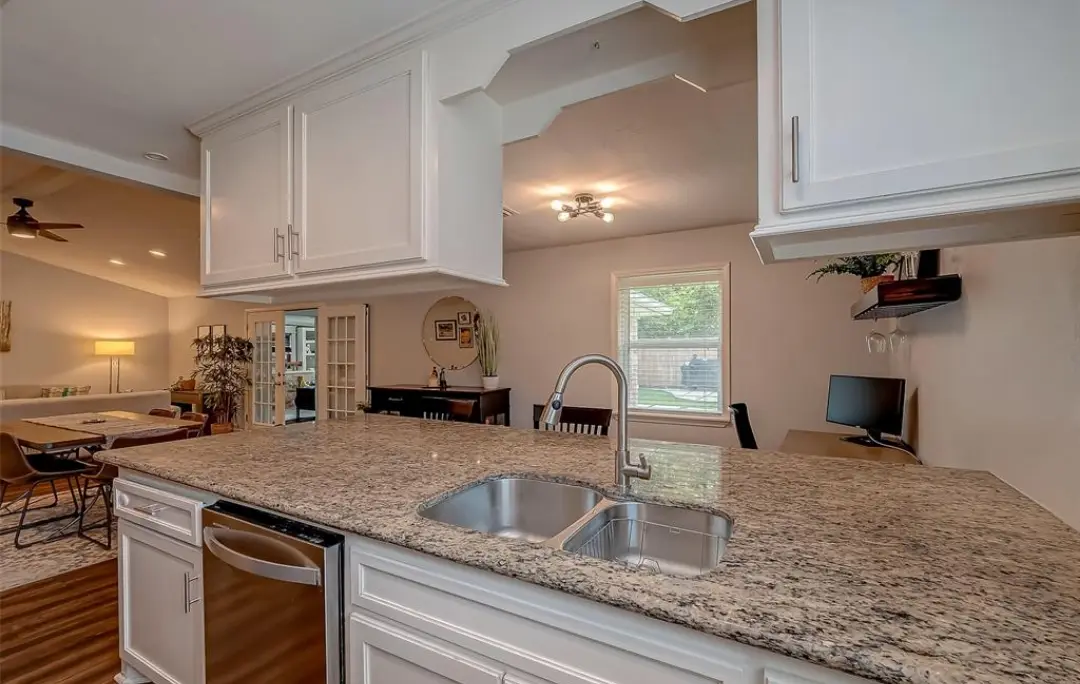
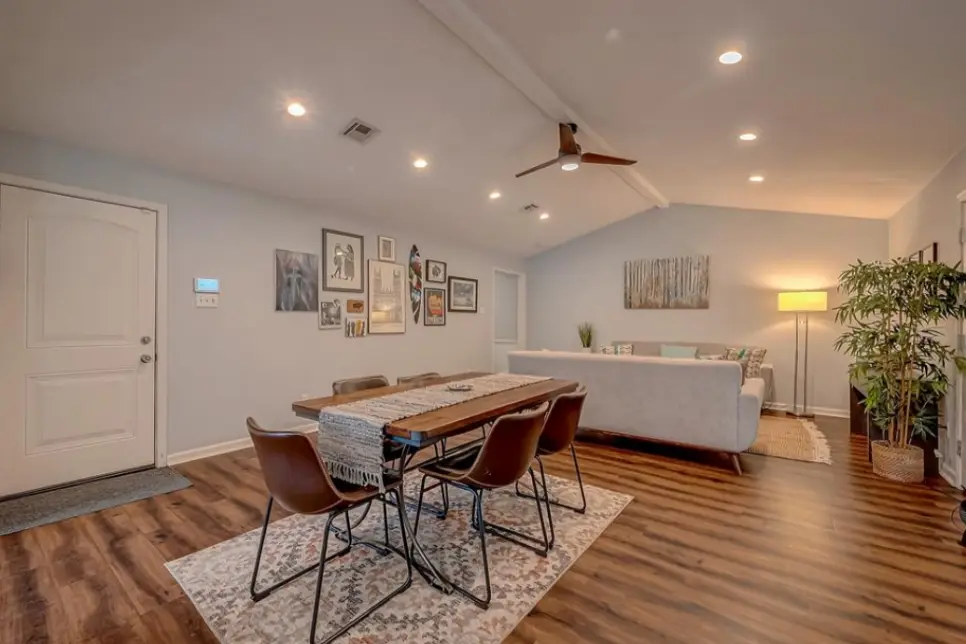

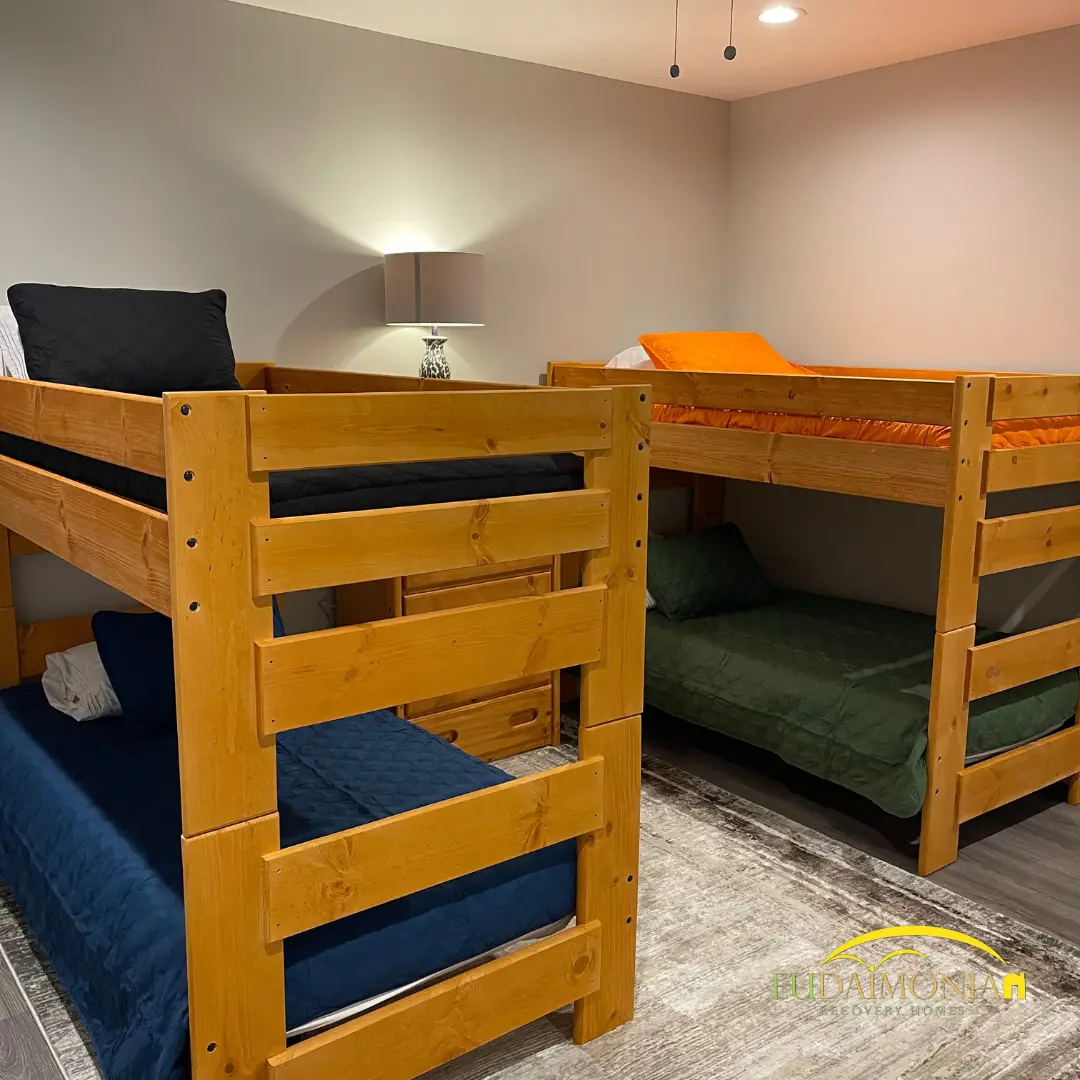
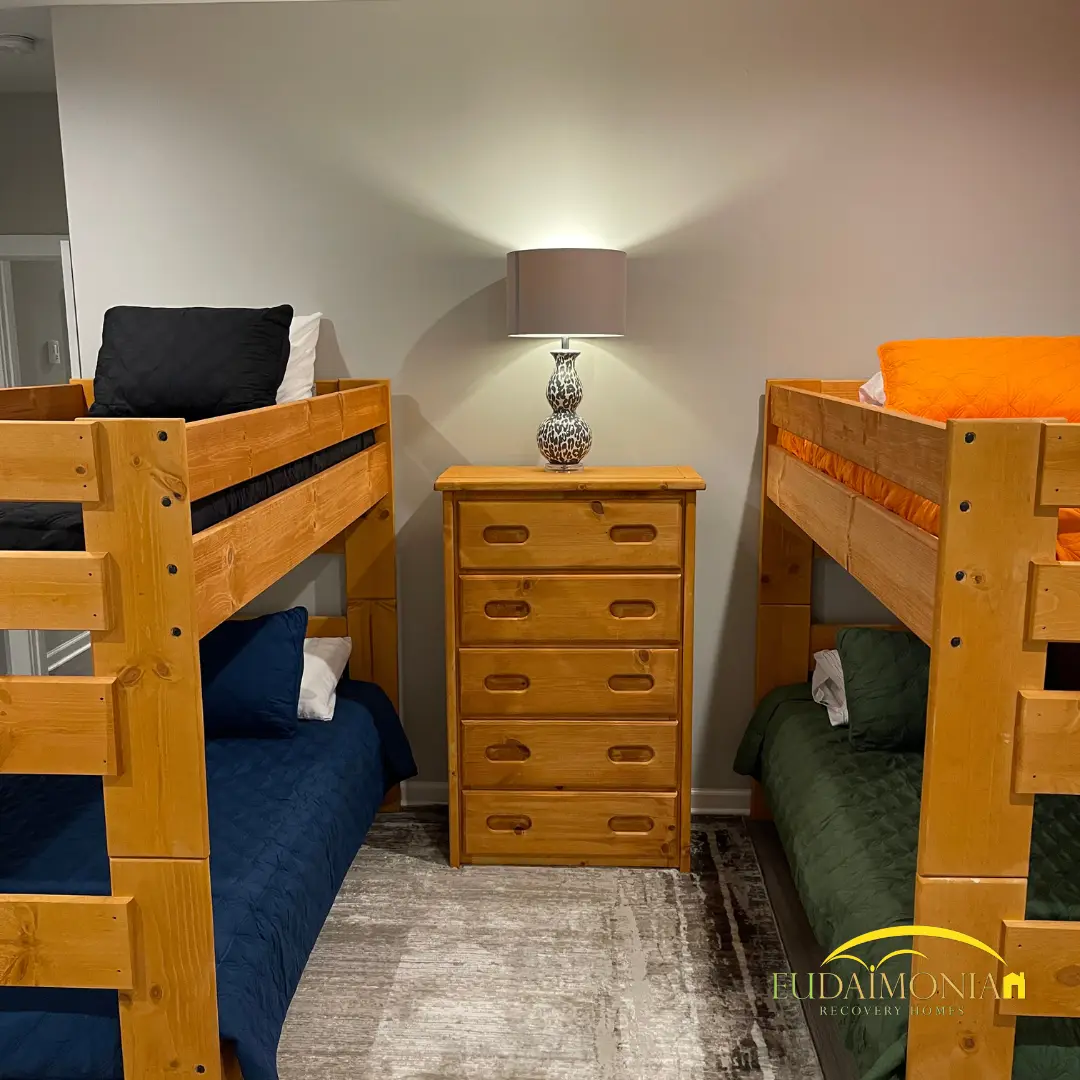

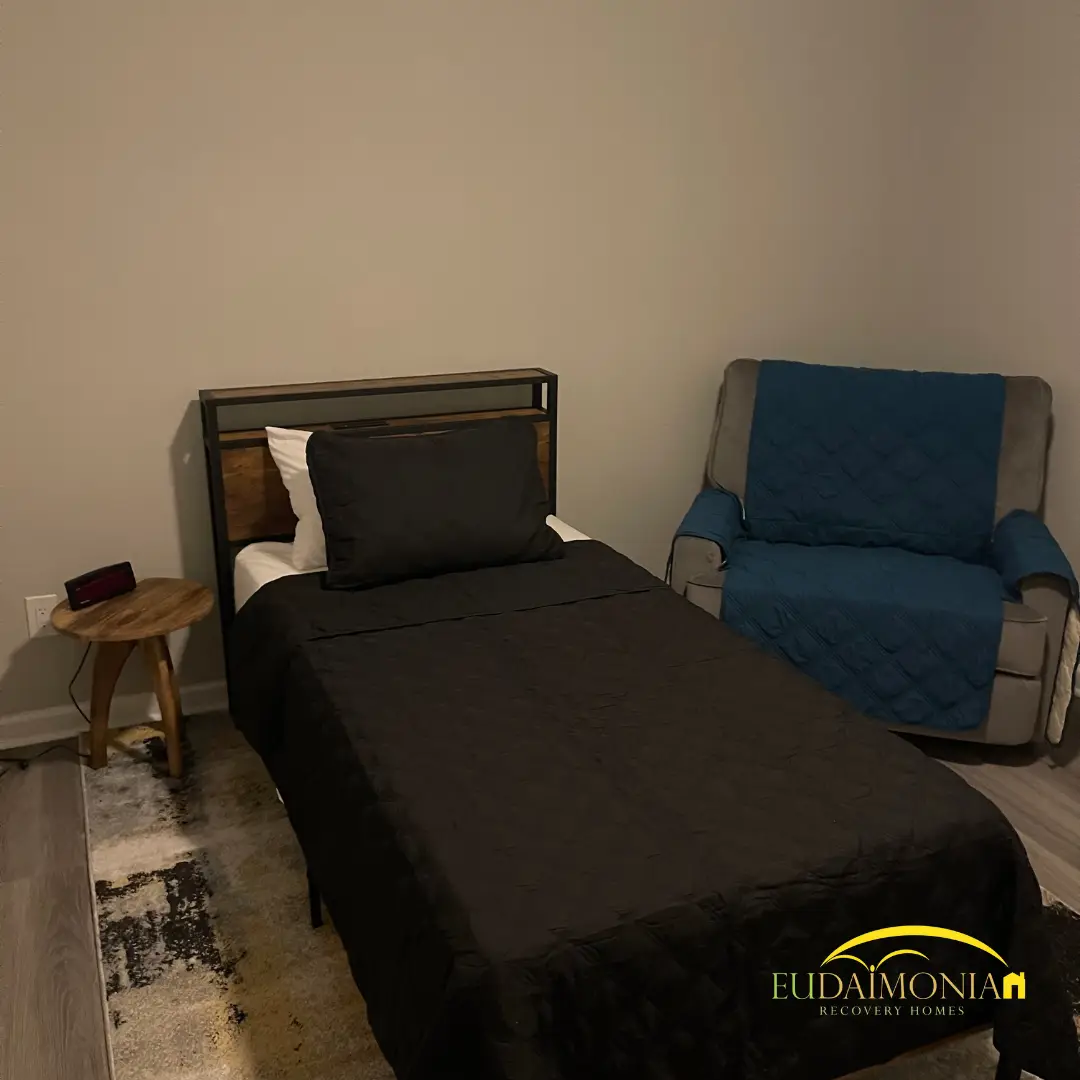
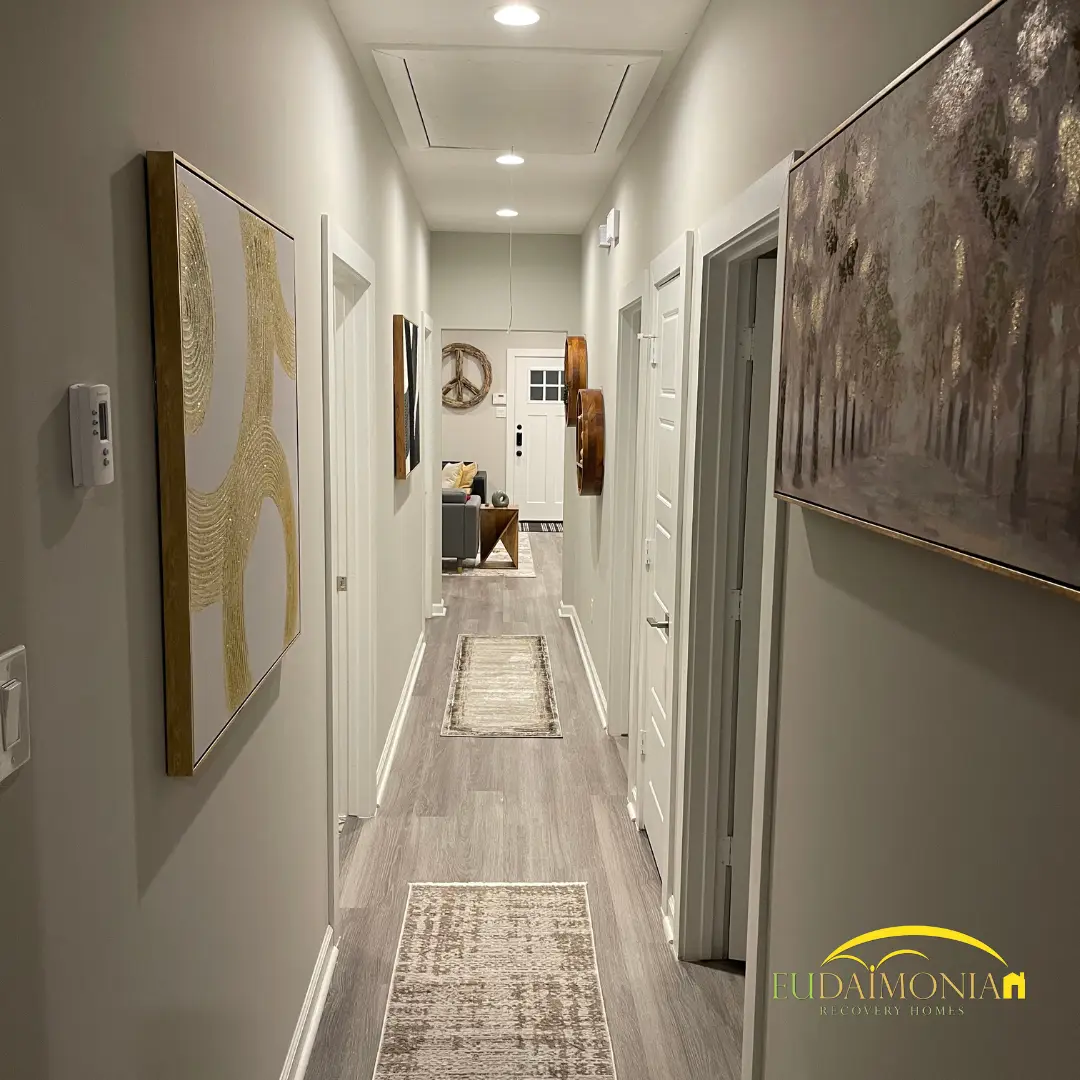
Houston resources and directories
- Recovery.com’s Houston sober living list (examples and price snapshots; not exhaustive).
- Oxford House Texas + OxfordVacancies.com (peer‑run, self‑supporting houses; filters for Texas and by gender).
- Open Door Mission (men) and The Wheelhouse (men, Deer Park)Faith‑based/donation‑supported pathways with housing components; confirm requirements and availability.
- Houston Recovery Center (sobering and navigation to services; not a sober living provider, but a local access point to assessments and support).
Building a stable routine: daily life that supports sobriety
- Mornings: work search or shifts, IOP blocks on scheduled days, check‑ins with peers.
- Afternoons: appointments, chores, skills practice (budgeting, cooking, transport routes).
- Evenings: mutual‑aid meetings, house group, journaling, call with sponsor.
These ordinary, repeating steps are what turn early stability into a livable plan.
When to step up, or step down
If cravings, high‑risk use, or mental‑health symptoms spike, consider stepping up to partial hospitalization or residential care. If stability holds across months, step down to standard outpatient and fewer required meetings. Your counselor and physician can help time these changes within a continuum of care.
Medical Disclaimer
The information on this page is intended for educational and informational purposes only. It should not replace professional medical advice, diagnosis, or treatment. Individuals recovering from addiction should always consult a licensed healthcare provider before making decisions about treatment plans, medications, or changes to prescribed care. Never start, stop, or modify any medication or recovery program without guidance from your doctor or treatment team. If you are experiencing a medical emergency, severe withdrawal symptoms, or thoughts of self-harm, call 911 Immediately in the United States. For free and confidential emotional or mental health support, you can also call or text 988 to reach the Suicide & Crisis Lifeline, available 24 hours a day, seven days a week.
Select Our 1010 Waverly St, Houston, TX Location
Select LocationVisit Our 6824 Dumble St, Houston, TX Location
Select LocationChoose Our 10506 Parkfield Dr, Austin, TX Location
Select LocationEudaimonia's Success Stories – Real People, Real Freedom
How Eudaimonia Supports Sober Living
Eudaimonia Recovery Homes offers men a stable, alcohol‑ and drug‑free place to rebuild daily life after treatment. Clear house rules, regular check‑ins, and peer accountability reduce isolation and help keep early recovery on track. Residents follow routines, work or job search, meetings, chores, and evening groups, that replace crisis with structure. House leaders help with goal setting, life skills, and relapse‑prevention practices suited to each stage of recovery.
The homes can coordinate with outpatient providers and intensive outpatient programs, so treatment plans continue while residents work or attend school. Drug and alcohol testing, curfews, and a calm environment create guardrails without removing personal responsibility. Housemates who share similar experiences offer practical advice and encouragement, which helps turn a “heartbreaking story” into a workable plan.
Alumni connections and community resources extend support beyond move‑out, reinforcing progress in the months ahead. For many men, this mix of structure, support, and accountability turns recovery from a painful past into a steady, sustainable path forward.
Your Future Is Waiting
Tell us what you are looking for and admissions will walk you through the houses, the phases, and what a room actually costs.