

Published December 8, 2025 · Updated October 2, 2026
On This Page · 9 Sections
Sober Living
Philadelphia
“Halfway house” in Philadelphia can mean three different things, and only one of them is something you choose. The other two are placements made by the state or federal system. Knowing which one you are looking for saves a lot of wasted calls.
To be clear about what we are: Eudaimonia Recovery Homes runs a private men’s recovery house just outside the city. We are not a Department of Corrections facility or a federal reentry center, and nothing here should be read as saying a stay with us satisfies a parole or court condition. That is your parole agent’s or your judge’s decision.
What does "halfway house" mean in Philadelphia?
A state halfway house, for parole from a Pennsylvania prison
People released from a Pennsylvania state prison on parole may be placed in a community corrections center or a facility the Department of Corrections contracts with, usually because they need a supervised address while they find work and housing. The placement is made for you as part of your release. It is not something a member of the public applies to. If this is your situation, ask your parole agent or your institutional counselor.
A federal halfway house, for the end of a federal sentence
The Federal Bureau of Prisons calls these residential reentry centers. People nearing the end of a federal sentence may spend their last months in one. Residents are still serving their sentence, and the Bureau of Prisons decides who goes and for how long. Your case manager is the route in, not a search engine.
A recovery house you choose
A privately run house for adults in recovery: you apply, you pay rent, and you agree to written house rules, including no alcohol or drugs and regular testing. Nobody is in custody. In Philadelphia this is usually called a recovery house, and we explain how that term overlaps with sober living in men’s recovery houses in Philadelphia.
Are recovery houses licensed in Pennsylvania?
Some are. Pennsylvania’s Department of Drug and Alcohol Programs licenses drug and alcohol recovery houses, and houses that take referrals or funding from state or county agencies are expected to hold that license. A privately run house that takes no public referrals or funding may not be licensed at all.
The city also funds a network of recovery houses for people referred through its own programs. If you are in treatment, ask your counselor or caseworker whether you qualify for one of those places before paying for a private bed.
Whichever house you are considering, ask directly whether it is licensed, by whom, and if not, why not. A good house will give you a straight answer.
Inside the Philadelphia homes

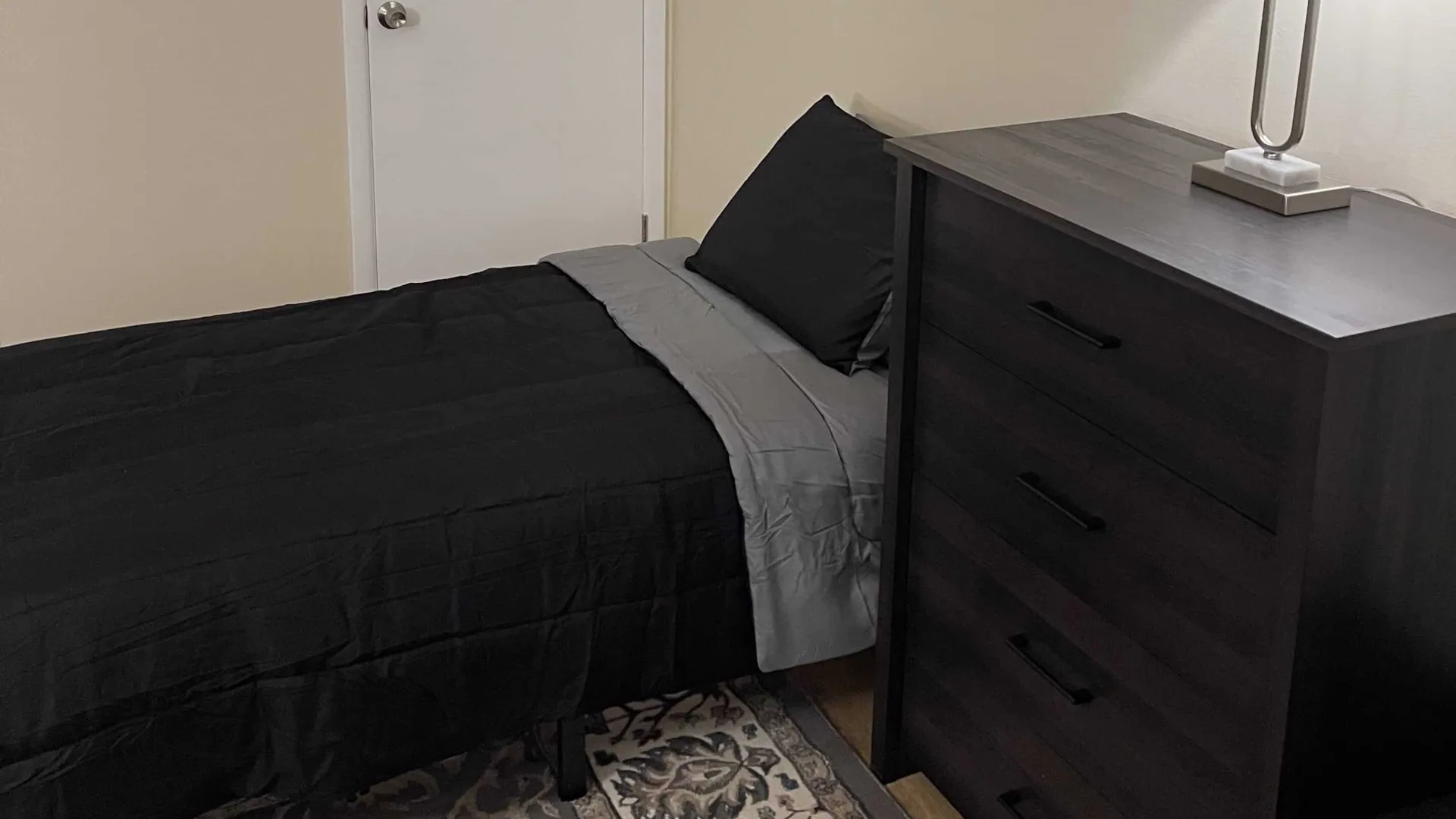
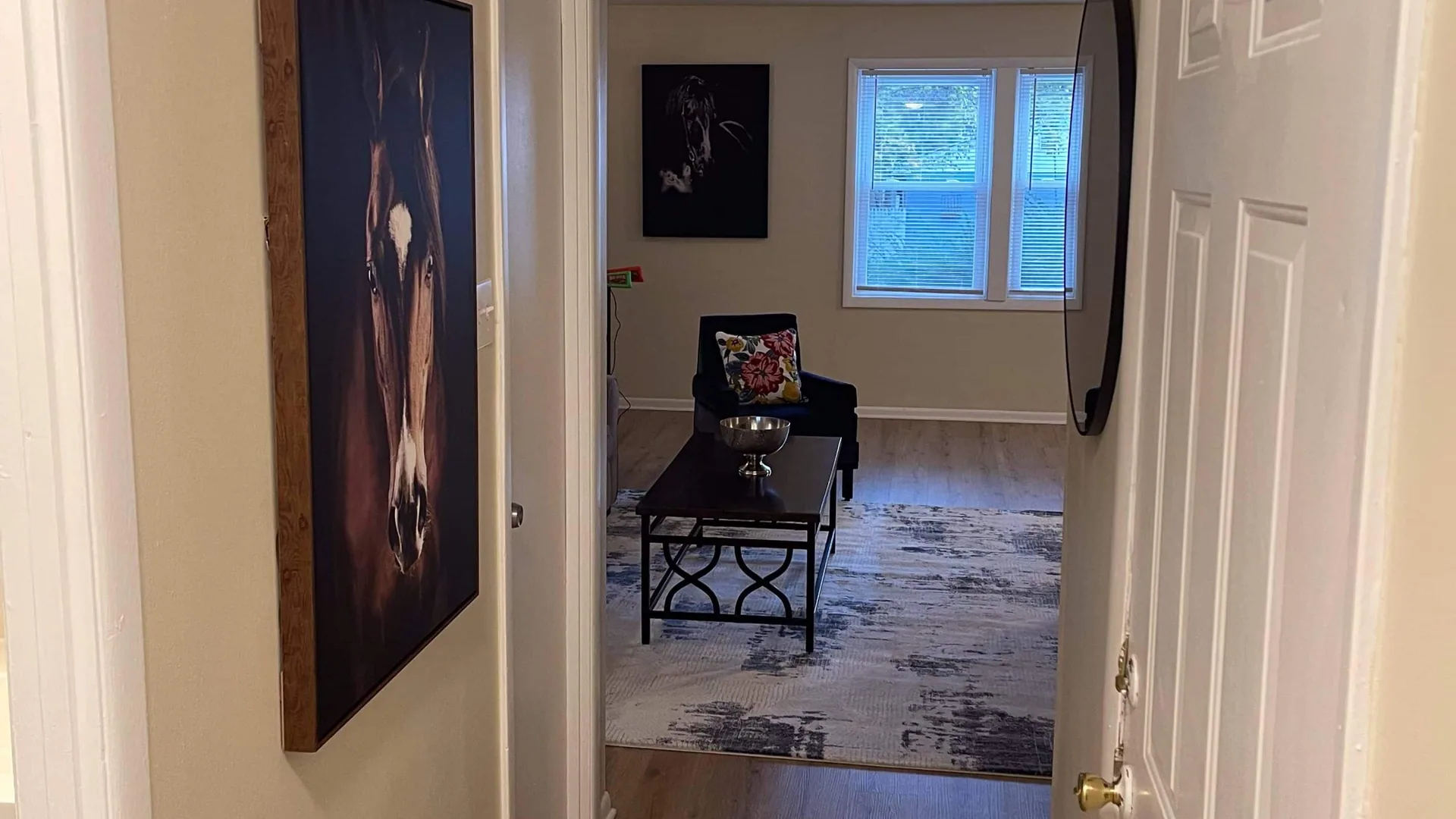
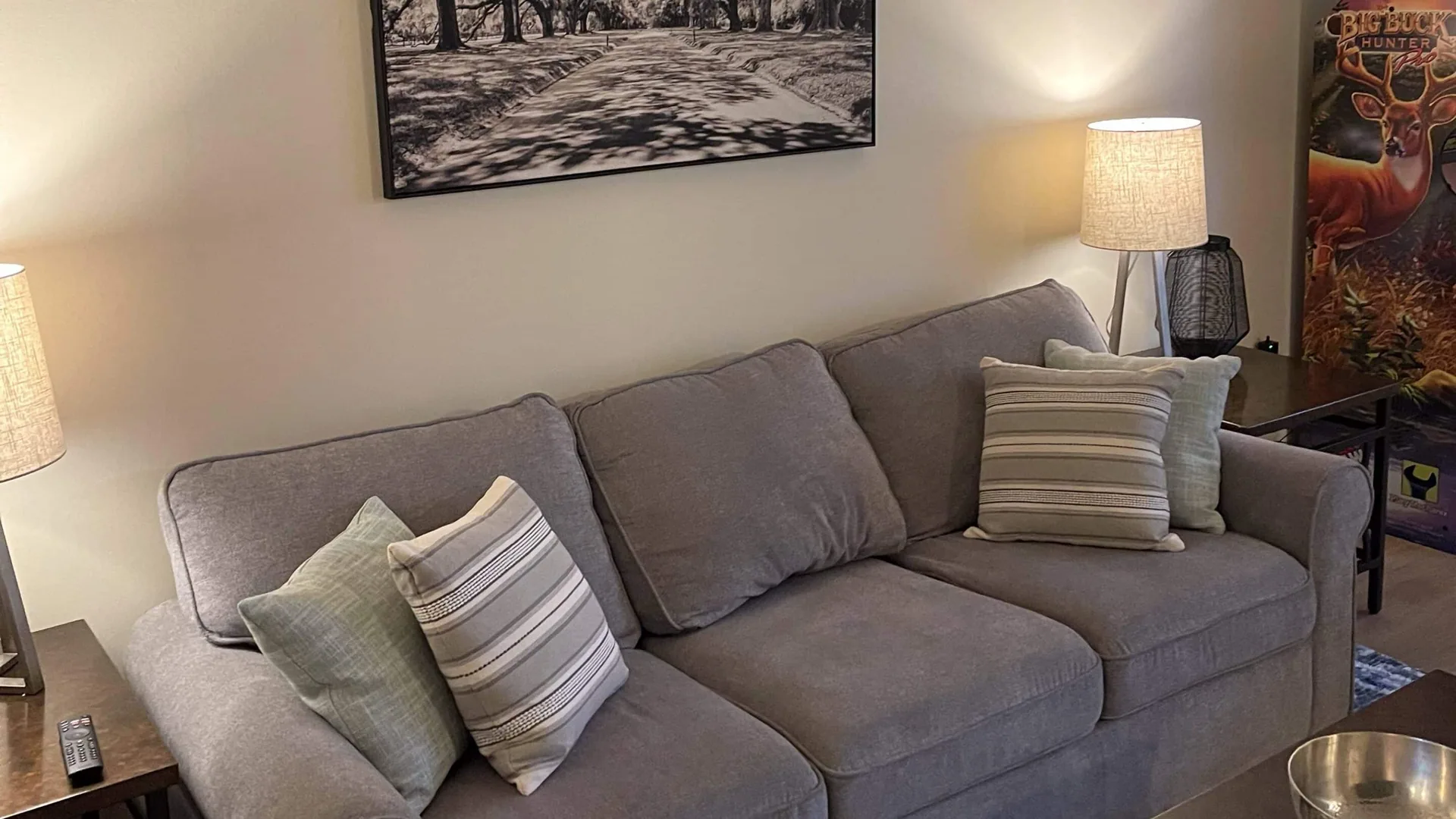


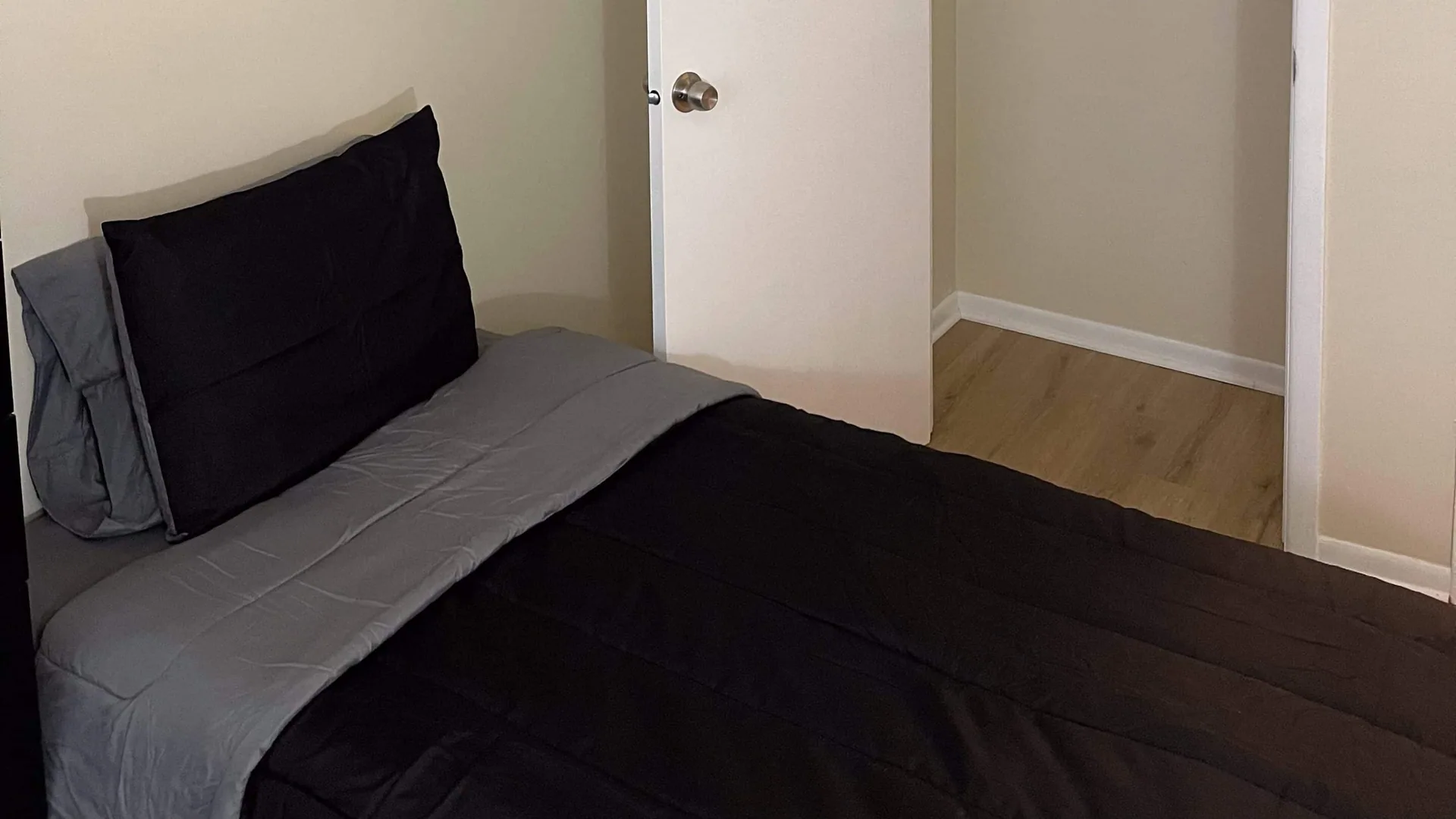


Can you live in a recovery house while on probation or parole?
It can be possible, but it depends on two decisions: your supervising officer’s and the house’s. Ask your officer before you apply anywhere whether a private recovery house would be an approved address, and be open with the house about your situation from the start.
Our application asks directly. It asks whether you have pending charges, whether you have felony convictions, whether you are on probation or parole, whether your officer makes site visits, and whether you have arson, burglary, assault or sex offenses. Every application is reviewed by our admissions team, and answering yes to one of these is not the same as being turned down.
Our men's house near Philadelphia
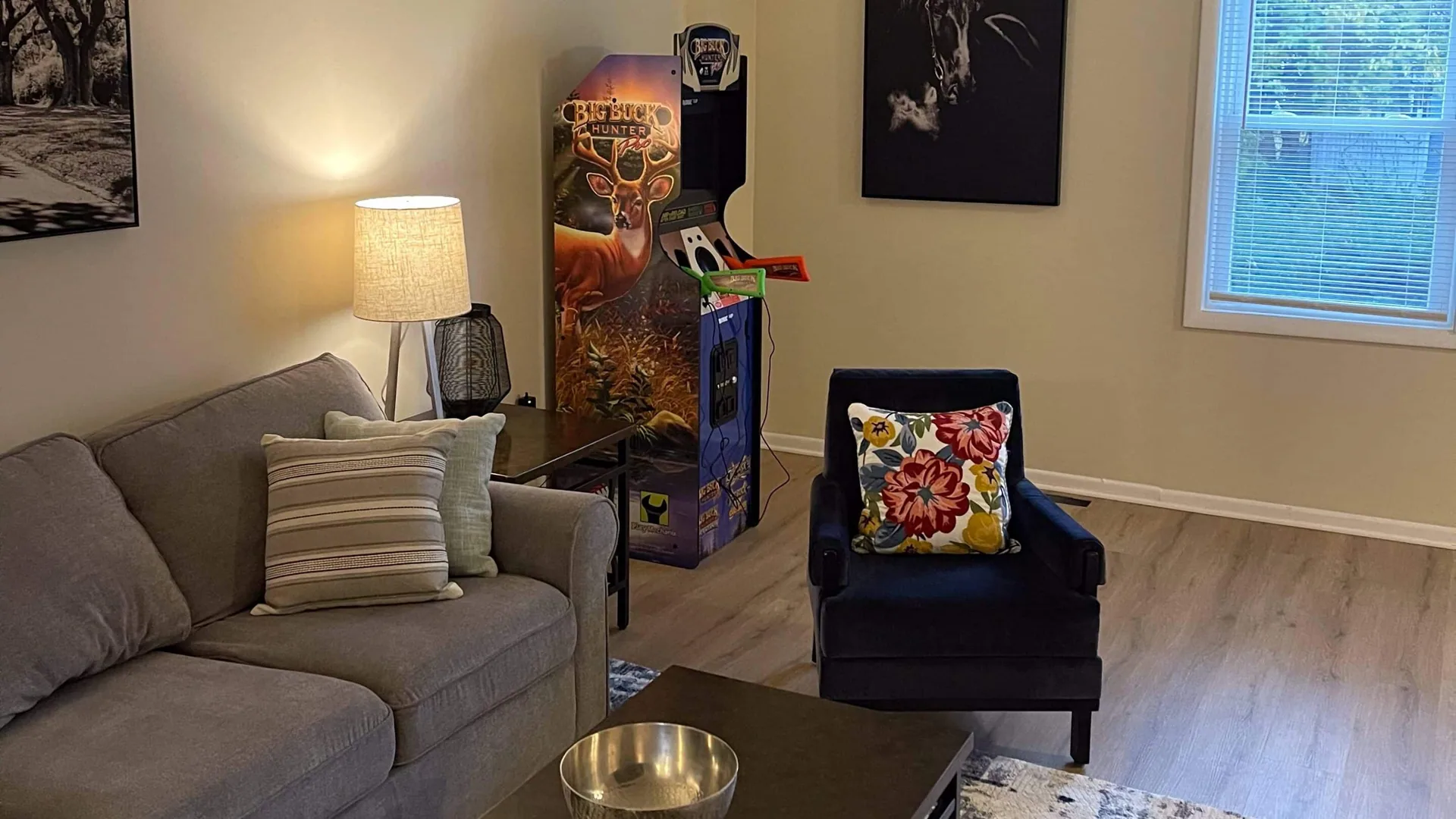
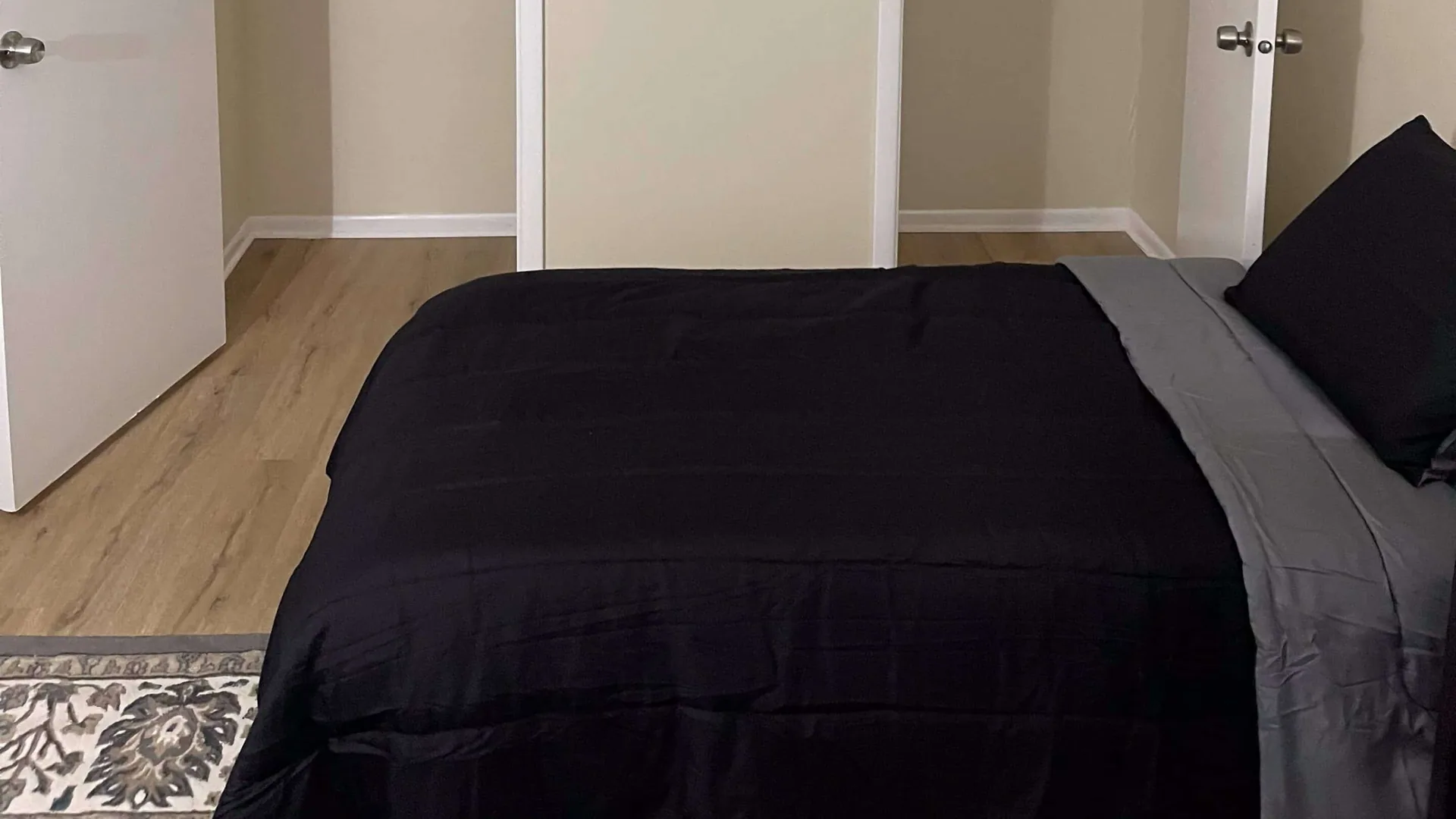
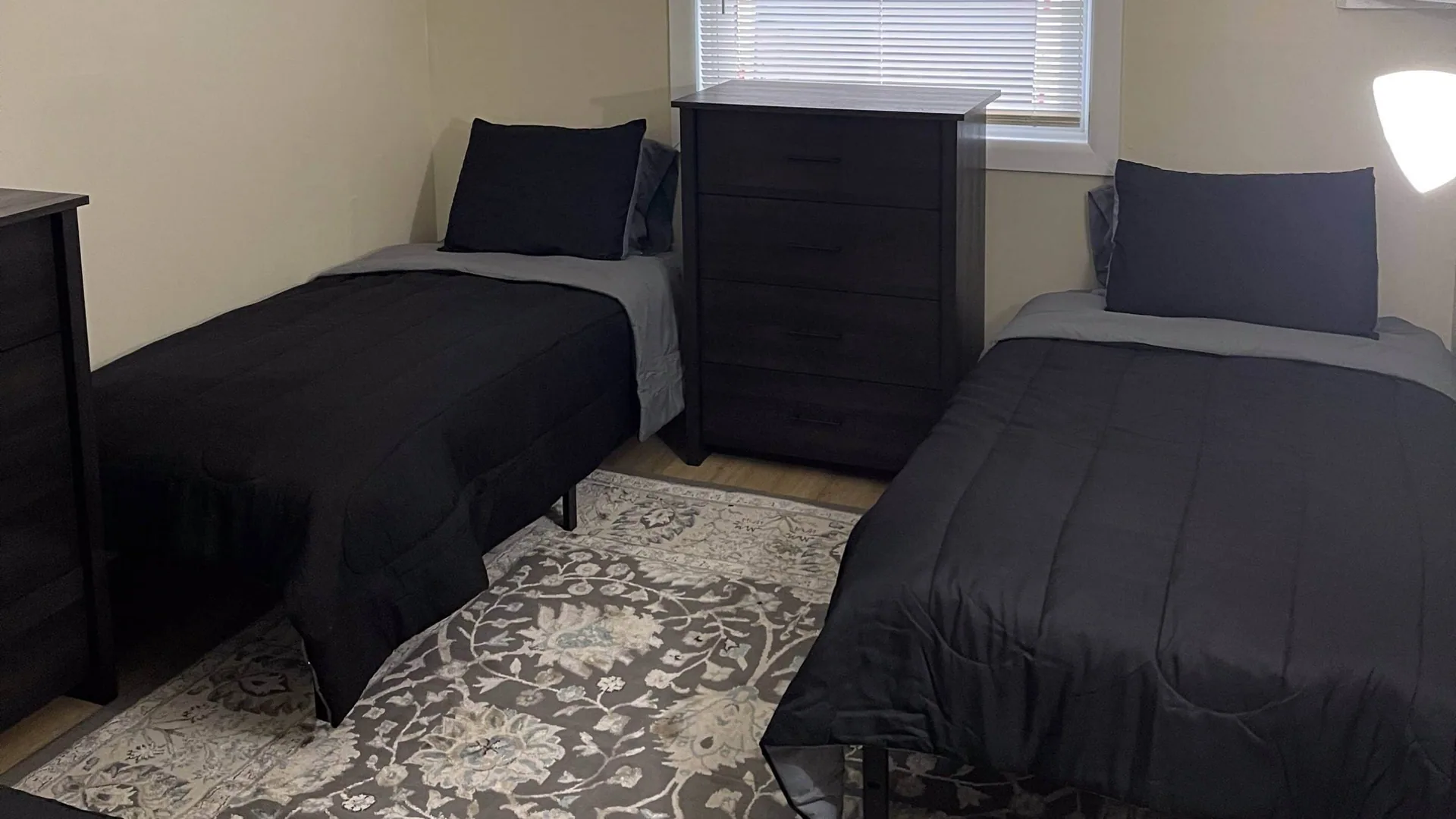
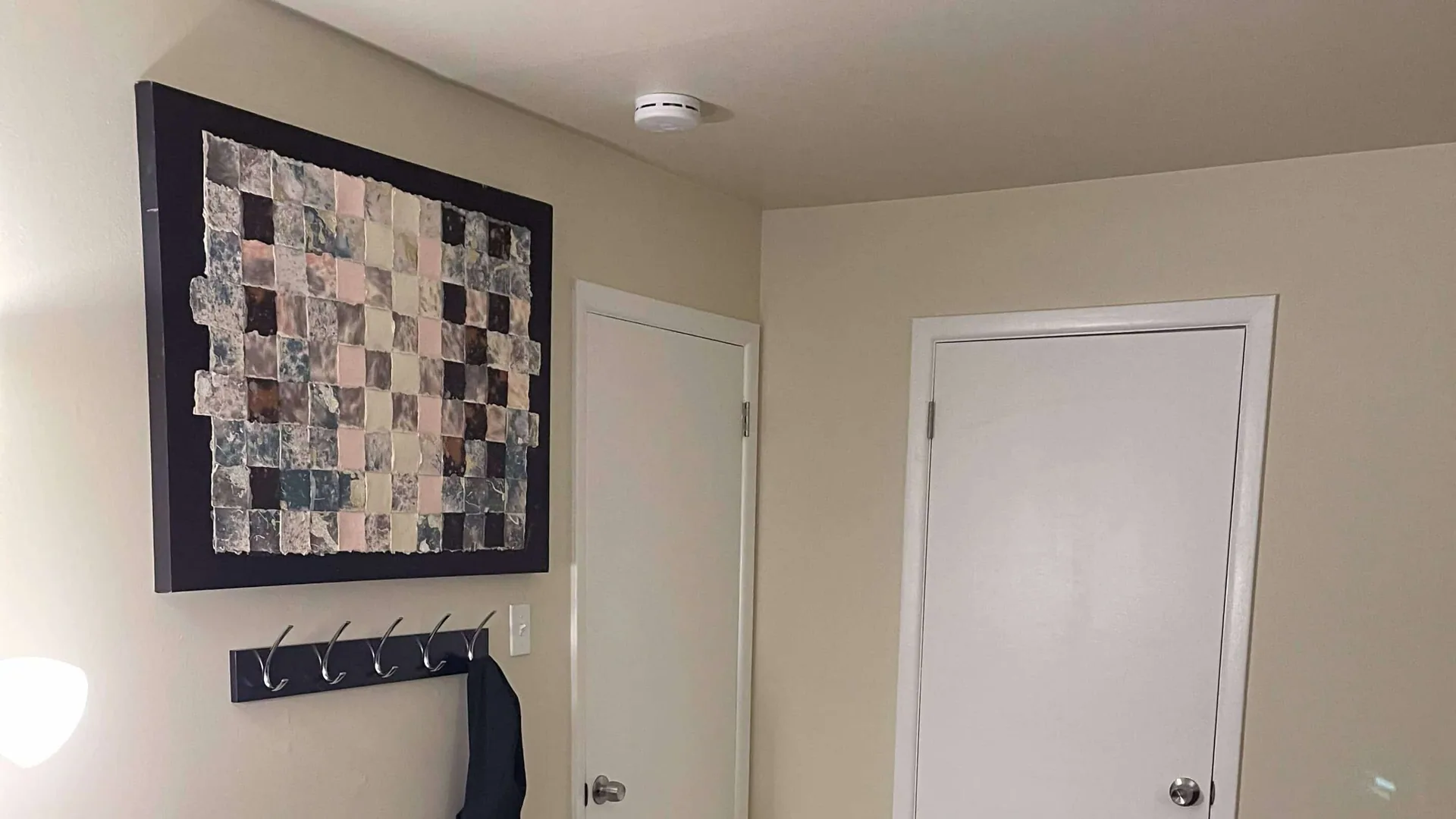
The house is at 12 Kern St, PA 19023, in Delaware County just outside the city line. It is men only, with ten beds across two units.
A room shared with two other men is $650 a month; a room shared with one other man is $750 a month. That is rent for the bed, the room and the house.
Every resident signs the same program agreement. Among other things, it commits you to:
- Keeping the house free of alcohol, drugs and all mind-altering substances, and taking part in drug and alcohol screening.
- Three recovery meetings a week, a permanent sponsor, and the weekly community meeting.
- A job at an employer that does not serve alcohol, education, or volunteering with a nonprofit, with life skills planning at 9 a.m. on business days.
- Your own groceries, laundry and any prescribed medication.
All twelve commitments are on our community rules page. It is housing, not treatment: we do not provide detox, therapy or medical care.
To ask what is open and whether it is the right fit, call (215) 770-0350 or apply online.
How to compare halfway houses in Philadelphia
- Who decides whether I can live here? If it is the Department of Corrections, a parole board or the Bureau of Prisons, it is a placement, not an application.
- Is the house licensed, and by whom? Ask about DDAP licensing in particular.
- Can I read the whole agreement before I pay? Rules, fees and what happens if you break them should be in writing.
- How is testing done, and how often?
- What does the rent include, and what is due at move-in? Get both in writing, with receipts.
- What happens after a relapse? The answer should be clear and the same for everyone.
Walk away from a house that will not put its rules in writing, takes cash without receipts, or promises that living there will satisfy your parole or court conditions without your officer confirming it.


