

Published December 10, 2025 · Updated September 16, 2026
On This Page · 8 Sections
Sober Living
Philadelphia
In Philadelphia, "recovery house" is the phrase people actually use. It covers a wide range of places. Some are well run and have been for years, some are a mattress in a row house and a set of rules nobody enforces. The word itself tells you almost nothing, which is why the useful questions are about the specific house: what it costs, who lives there, what happens when somebody drinks, and who is awake at two in the morning.
This page answers those questions for the men's house Eudaimonia runs for the Philadelphia area, and explains the terms you will run into while you compare it against others.
What is a recovery house?
A recovery house is drug- and alcohol-free housing where people in early recovery live together under a shared set of rules. Residents pay rent, hold jobs or go to school, come and go, and are accountable to the house for staying sober.
It is housing, not treatment. Nobody at a recovery house prescribes medication, runs therapy or provides clinical care. What a good one provides is a stable address, people who notice when you are struggling, and a structure that makes the first months sober considerably harder to walk away from.
Recovery house, halfway house, sober living — what is the difference?
The three terms overlap heavily and people use them interchangeably, but they usually carry different expectations.
Halfway house Most often means a placement with a fixed term and an outside authority attached, a court, a corrections department or a funded program. You are typically sent there, the length of stay is set for you, and leaving early can carry consequences beyond losing your bed.
Sober living usually means privately run housing you choose and pay for yourself, with no fixed end date. You stay while it is working.
Recovery house in Philadelphia is used for both, and for everything in between. Because the label is doing so little work, treat it as a starting point rather than an answer, and ask the house directly about the three things that actually vary: who decides how long you stay, who you are accountable to, and what happens after a relapse.
Eudaimonia's Philadelphia-area house is the second kind: you choose it, you pay for it, and there is no fixed term.
What does a men's recovery house cost in Philadelphia?
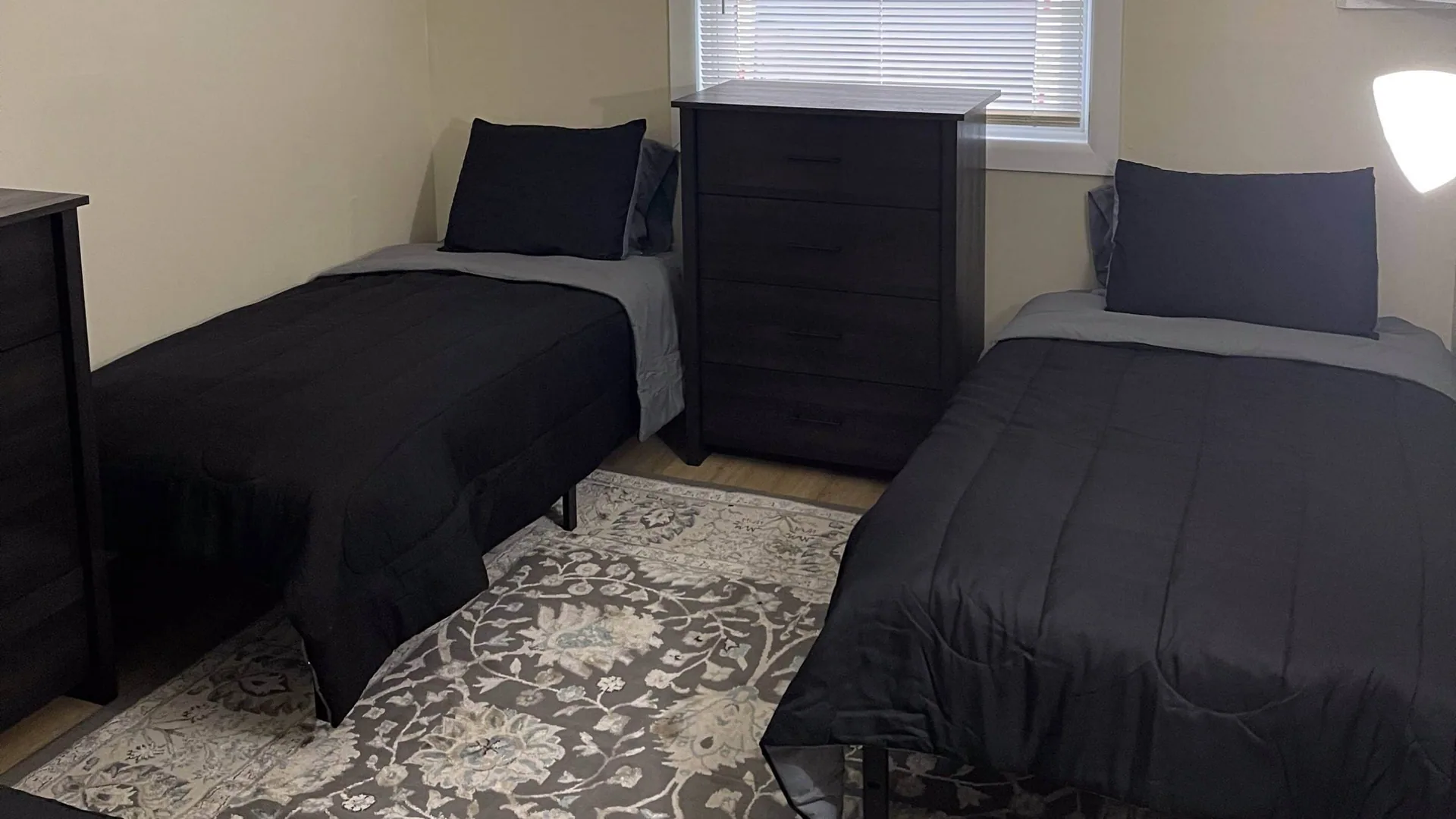
At Eudaimonia's house, a room shared with two other men is $650 a month. A room shared with one other man is $750 a month. That is rent, it covers the bed, the room and the house itself.
Across the city you will see numbers well below and well above that. Very low rates usually mean more people per room or less oversight; higher ones usually mean a private room. When you compare, get the number for the room you would actually be in, and ask what is included, because the difference between houses is more often supervision than square footage.
Where is the house?
The house is at 12 Kern St, PA 19023, in Delaware County just outside the city line. It is men only, ten beds across two units.
Being a few miles out is deliberate rather than incidental. For a lot of men in early recovery, the practical problem is that the old neighborhood comes with the old phone numbers and the old corners in it. Far enough out to break the routine, close enough to keep a Philadelphia job and get to meetings, is a useful place to be.
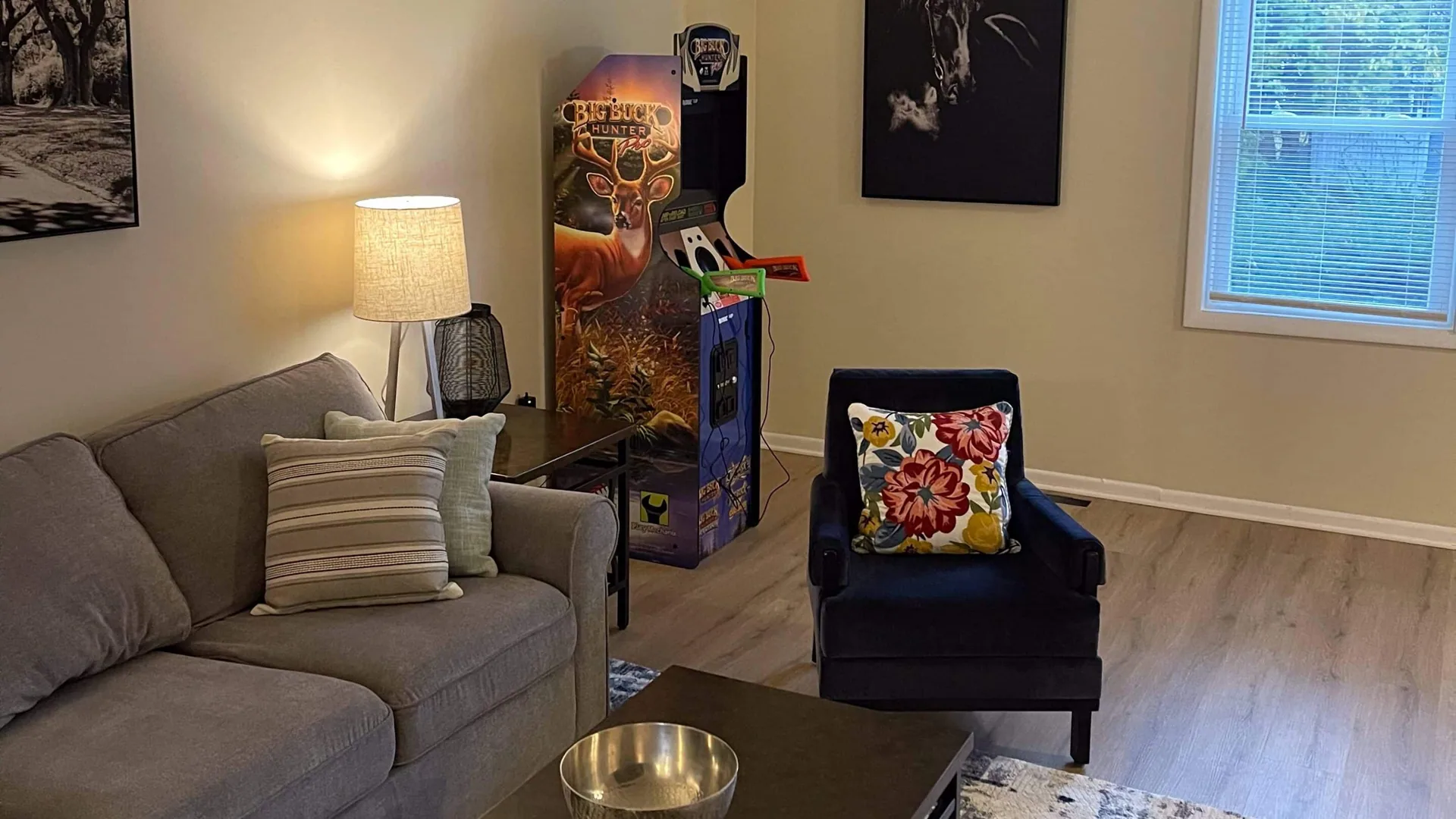
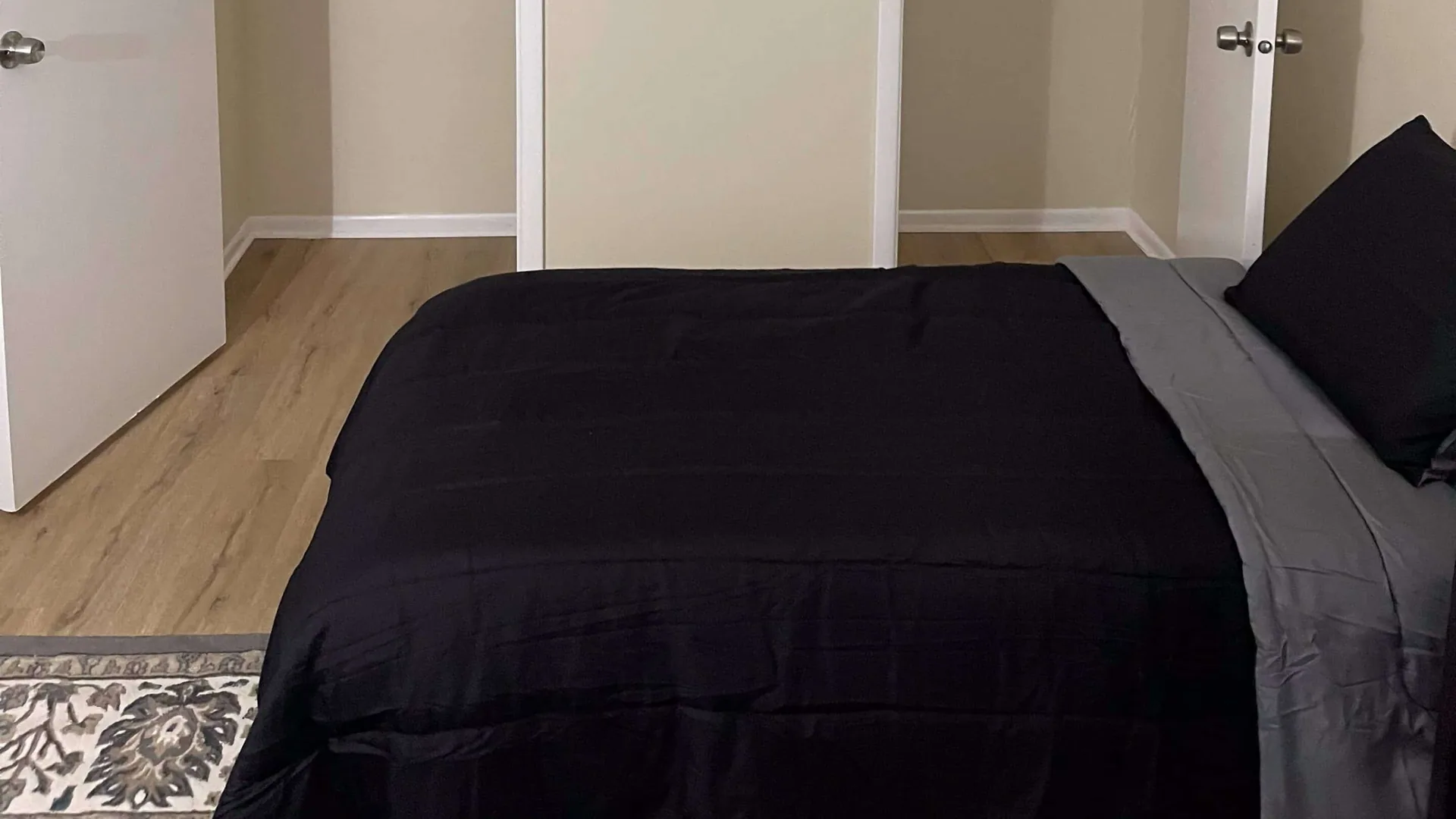
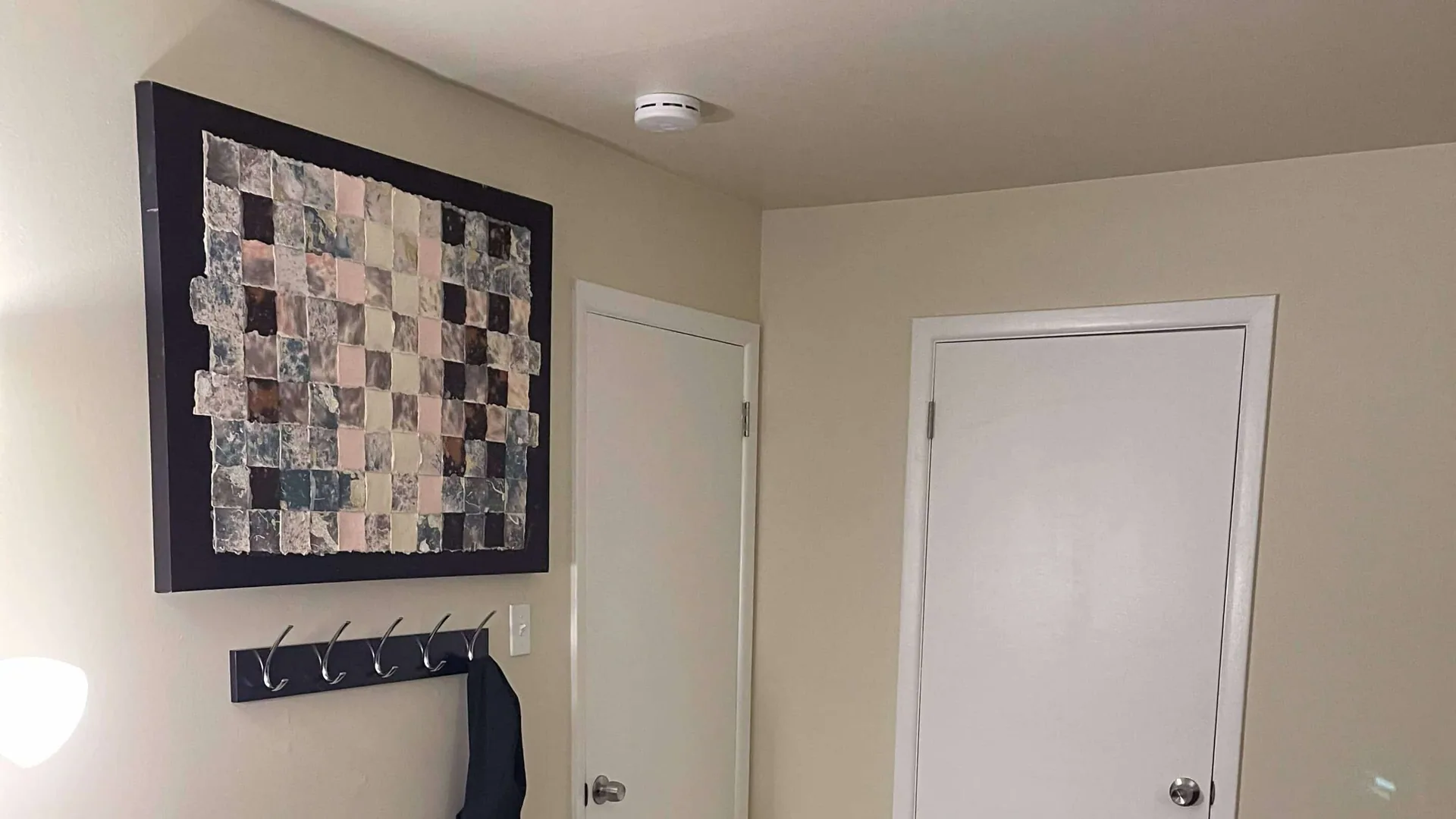
Inside the Philadelphia homes

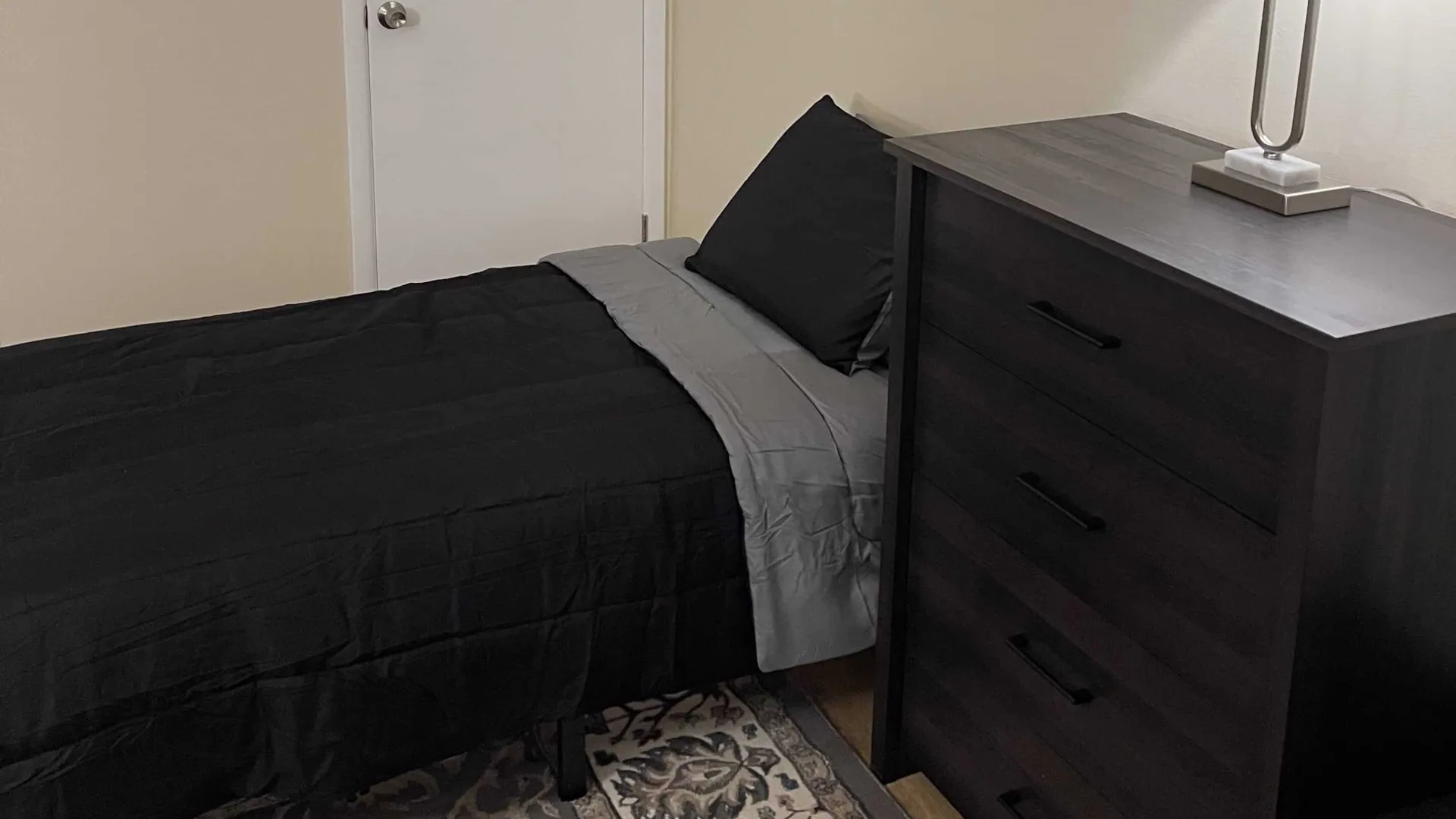
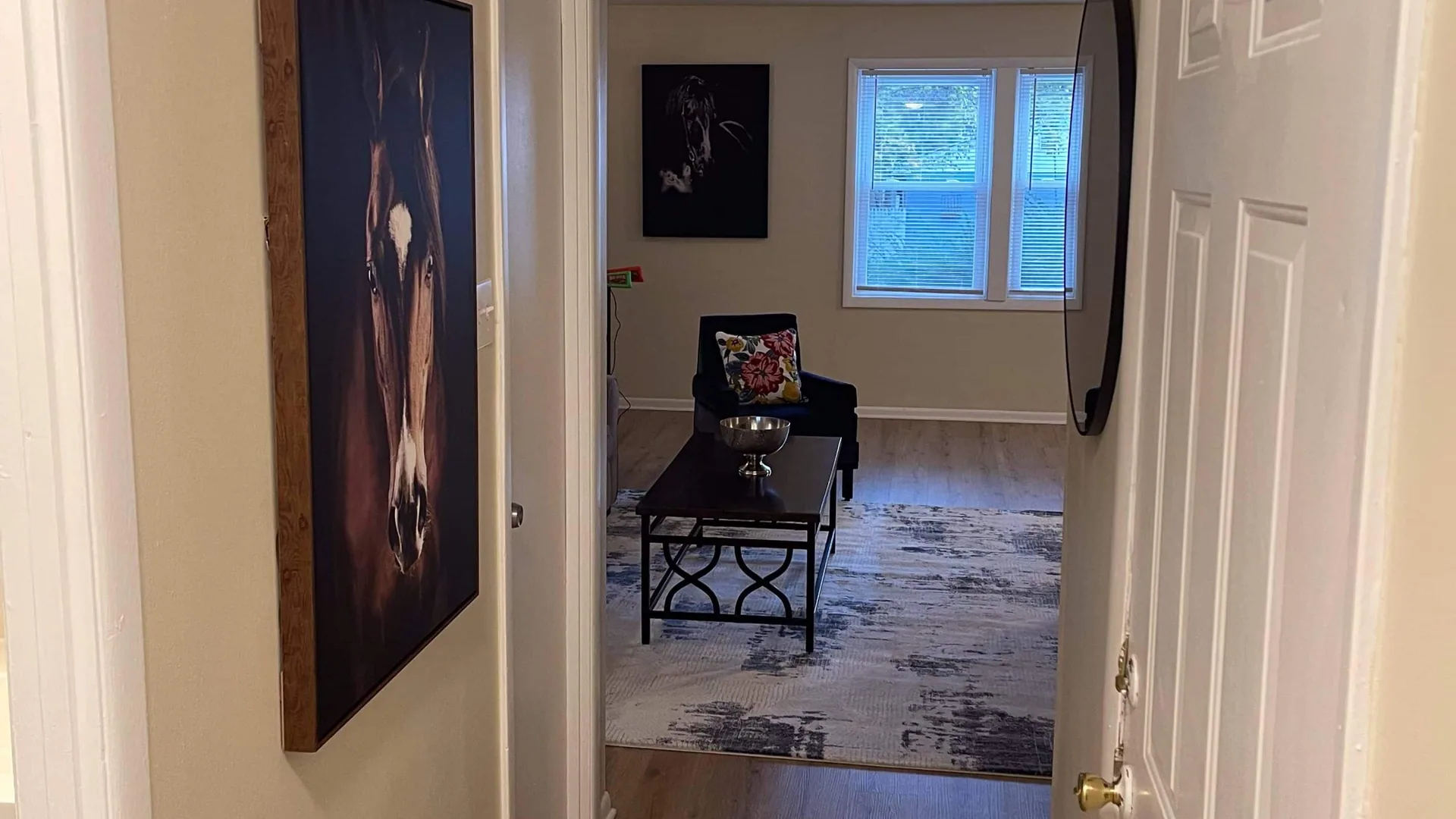
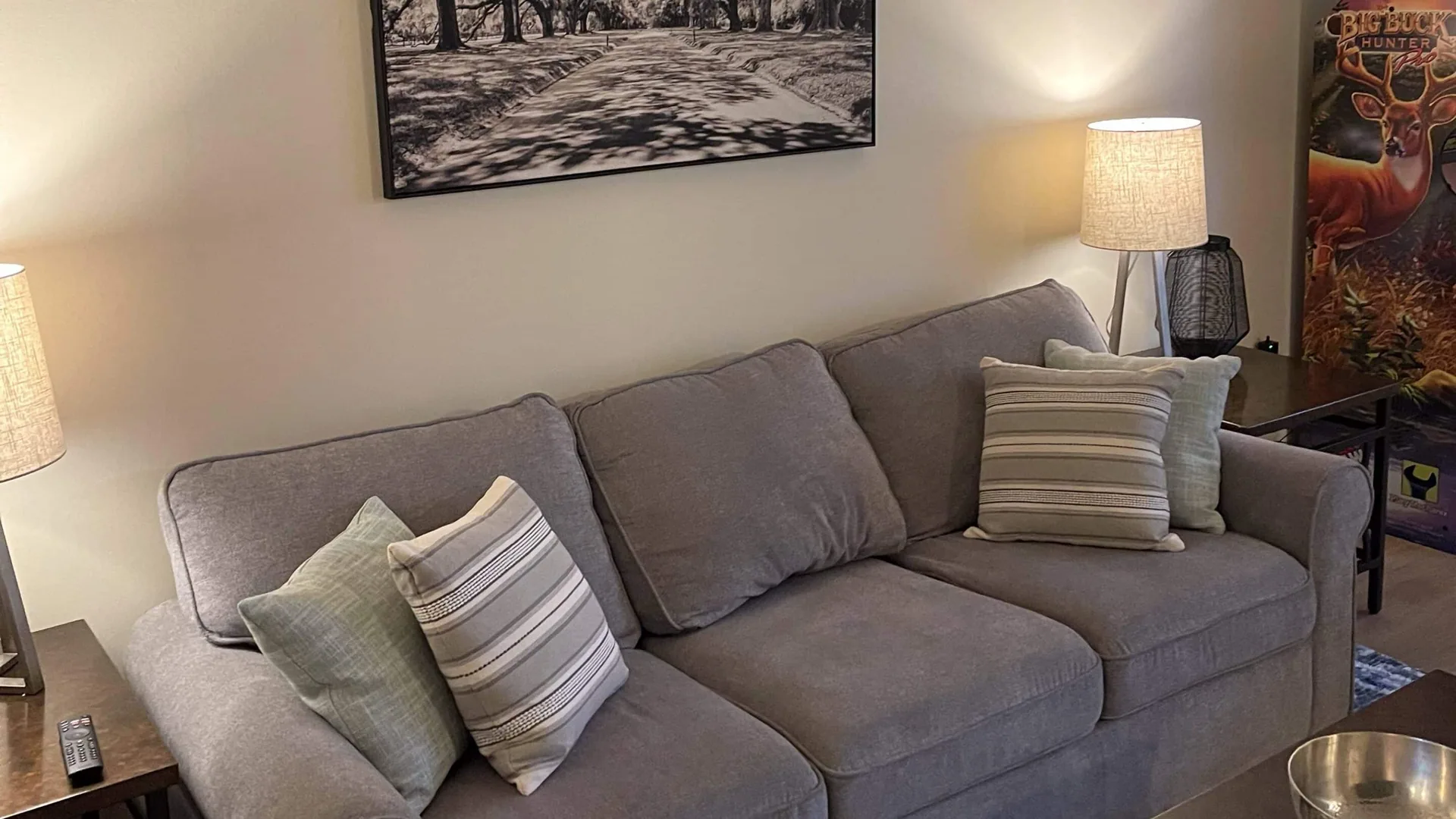


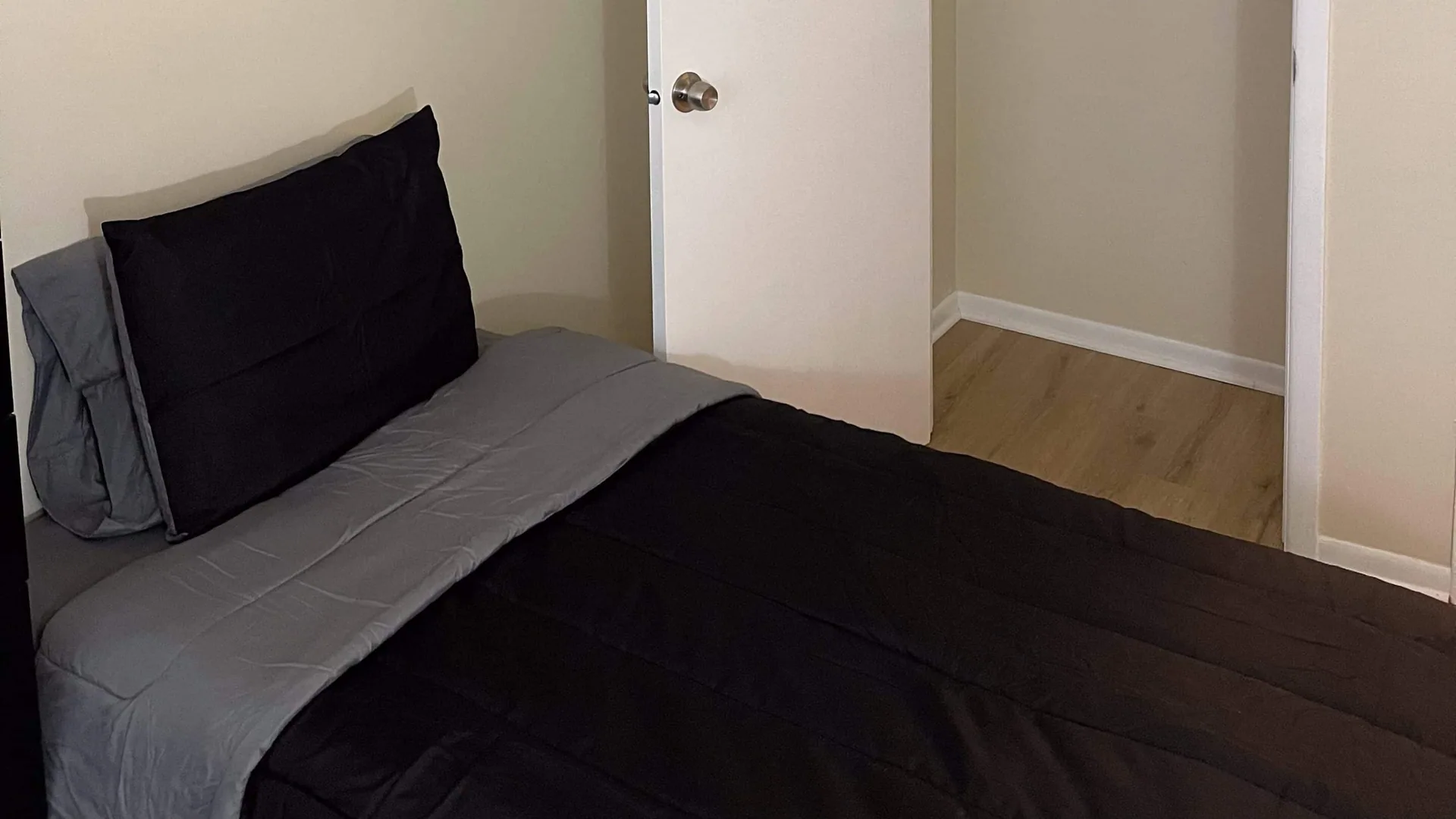


What are the rules?
The rules are the product. A house without them is a cheap room with a nice word attached.
Residents stay sober and submit to drug and alcohol testing. There is a curfew. Residents are expected to work, look for work or be in school, to go to meetings, and to do their share of keeping the house running. Guests and overnight absences are agreed in advance rather than discovered afterward.
Relapse is handled as a house matter, not quietly. What happens next depends on the person and what they do about it, but it is never simply ignored, the reason everyone else can trust the house is that it does not get ignored.
Who is a men's house right for?
Most men arrive in one of three situations: finishing inpatient treatment and not ready to go straight home; coming off a relapse and wanting structure before it turns into something worse; or sober for a while but living somewhere that makes staying sober harder than it needs to be.
A men-only house is not better than a mixed one in the abstract. It is better for men who will be more honest in a room without the distraction, and for men whose using history is tangled up with a relationship they need distance from. If that is not you, that is worth knowing before you move in rather than after.
It works best for people who want the structure. It works badly for people who have been ordered into it and intend to do the minimum.
What a recovery house is not
It is not detox. If you are still physically dependent on alcohol or benzodiazepines, withdrawal can be dangerous and needs medical supervision first, a recovery house is not where that happens.
It is not rehab, and it is not a substitute for treatment if you need treatment. Plenty of residents are in an outpatient program while they live here, and that combination works well; the house handles where you live and who you answer to, the program handles the clinical side.
It is also not permanent. The point is to leave in better shape than you arrived, with a job, a routine and people who will notice if you disappear.
How do you move in?
One application covers every Eudaimonia market, and admissions can tell you what is open in the Philadelphia house right now, what the room costs and whether it is the right fit, before you commit to anything.
Apply online, or call (215) 770-0350 and ask. If this house is not the right place for you, say so on the call and ask what else is worth looking at locally. A house that will only ever recommend itself is telling you something about the house.


