

Published April 28, 2026 · Updated May 1, 2026
On This Page · 16 Sections
If you or someone you love is ready to take the next step toward recovery, enrolling in an Intensive Outpatient Program (IOP) can feel both hopeful and a little overwhelming, especially when you’re not sure what paperwork is involved. The good news is that the IOP admissions process is more straightforward than most people expect. Understanding exactly which documents you need before your start date can remove a lot of the anxiety and help you focus on what matters most: getting better.
This guide walks you through the typical documents required for rehab admission into an IOP, what to expect during intake, and how to prepare so there are no last-minute surprises when your start date arrives.
What Is an IOP and Who Is It For?
An Intensive Outpatient Program is a structured form of addiction treatment that allows you to receive clinical care, therapy sessions, group counseling, skill-building workshops, while still living at home or in a supportive housing environment. IOPs typically meet three to five days a week for several hours at a time, making them a flexible option for people who don’t need 24-hour medical supervision but still require more support than traditional weekly therapy.
IOPs are commonly used as a step-down level of care after residential treatment, or as a primary treatment option for people whose substance use disorder hasn’t yet required inpatient detox. They’re also a strong fit for individuals who have work, school, or family obligations they can’t put on hold.
For many people in Austin and across Texas, pairing an IOP with a structured sober living home creates one of the most effective combinations in early recovery, providing both clinical support and a stable, accountable place to live.
The General IOP Admissions Process: How It Works
Before we dive into the document checklist, it helps to understand the broader admissions timeline. While each treatment provider has its own process, most IOP admissions follow a similar sequence:
- Initial inquiry or phone screeningYou or a family member calls the program to ask about availability, cost, and fit. This is usually a brief, no-pressure conversation.
- ApplicationYou fill out a program application with basic personal, medical, and substance use history information.
- Clinical assessmentA counselor or intake coordinator conducts a more detailed evaluation to confirm that IOP is the right level of care for you.
- Insurance verification or financial planningThe admissions team works with your insurance to confirm coverage or discuss self-pay options.
- Start date confirmationOnce you’re accepted and a start date is set, the remaining admission documents are finalized.
- Intake dayYou arrive, complete any remaining paperwork, and begin your program.
One thing worth noting: many programs, including those in the Austin area, will complete your application and assessment early in the process, but a few final documents can’t be formally signed or finalized until your actual start date is confirmed. This is completely normal and is simply part of how the process is structured.
Documents Needed for IOP Admission: The Core Checklist
Here is a breakdown of the most common documents required during the IOP admissions process. Keep in mind that requirements can vary slightly by provider, so always confirm the specific list with your intake coordinator.
1. Government-Issued Photo ID
A valid driver’s license, state ID, or passport is required by virtually every treatment program. This verifies your identity and is needed for insurance billing, medical records, and program enrollment. If your ID is expired or you’ve lost it, contact your local DMV as soon as possible, getting a replacement can take time.
2. Insurance Card and Coverage Information
If you plan to use health insurance, bring your insurance card and know your member ID number. The admissions team will typically conduct an insurance verification before your start date, but having your card on hand during intake helps speed things along. If you’re using Medicaid, Medicare, or a state-funded program, bring documentation of your coverage.
3. Medical Records or Treatment History
While not always required upfront, most programs will request records from previous treatment episodes: especially if you’ve been through detox, residential treatment, or another IOP recently. This helps the clinical team understand your history and tailor your care plan. If you have a current therapist or prescribing physician, getting a brief summary from them can also be helpful.
4. Medication List and Prescriptions
If you take any prescription medications, whether related to addiction treatment (like Suboxone or Vivitrol) or for other health conditions, bring a complete list with dosages, prescribing doctor information, and physical prescription bottles. IOP programs need to know what medications you’re taking to ensure your safety and avoid contraindicated treatments.
5. Consent and Confidentiality Forms
Every treatment program is required by law (HIPAA and 42 CFR Part 2 for substance use treatment) to obtain your written consent before sharing any of your information, even with family members. You’ll sign consent forms that outline your privacy rights and specify who, if anyone, the program may communicate with on your behalf. These forms are typically finalized at intake, once your start date is confirmed.
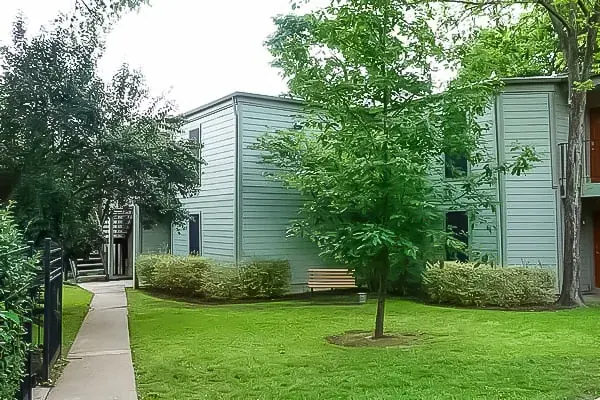
Inside Rustic Creek, our Austin flagship







6. Financial Agreement or Payment Authorization
Whether you’re using insurance or paying out of pocket, you’ll sign a financial responsibility agreement before or on your first day. This document outlines your cost-sharing responsibilities, payment schedule, and cancellation or no-show policies. Don’t let this document intimidate you, your admissions coordinator should walk you through it clearly and answer any questions.
7. Emergency Contact Information
You’ll be asked to provide at least one emergency contact, a family member, close friend, or sponsor, along with their relationship to you and a reliable phone number. This is standard for any healthcare program and ensures the team can reach someone if there’s ever a medical or safety concern.
8. Release of Information (ROI) Forms
If your IOP team needs to coordinate with other providers, your primary care doctor, a psychiatrist, a sober living home, or a previous treatment program, you’ll sign Release of Information forms authorizing that communication. This is especially important if you’ll be transitioning from an IOP into a structured sober living environment, where coordination between your housing team and clinical team can make a real difference in your recovery outcomes.
What Happens If You Don't Have All Your Documents Right Away?
Don’t let missing paperwork delay your decision to get help. Most IOP programs are experienced in working with people who are in a fragile or disorganized place when they first reach out, that’s part of what makes treatment necessary in the first place.
Here’s what to do if you’re missing key items:
- Lost ID? Many states have expedited options for getting a replacement. Some treatment programs will also accept alternative forms of identification temporarily.
- Don’t know your insurance details? Call the member services number on the back of your insurance card, or have a family member help you look it up online. The admissions team can often assist with this too.
- No prior treatment records? Be upfront and honest during your assessment. The clinical team can conduct their own evaluation without relying solely on outside records.
- Unsure about medications? Bring whatever bottles you have and the admissions nurse or counselor can help you build a complete list.
The bottom line: communicate openly with your intake coordinator. They’ve seen it all, and their job is to help you get started, not to create barriers.
Tips for a Smooth IOP Intake Day
Once your start date is confirmed and your core documents are in order, a little preparation can make intake day much less stressful:
- Arrive a few minutes early so you have time to settle in before paperwork begins
- Bring a notebook to jot down important information, schedules, or names
- Ask questions, no question is too small when it comes to your care
- Have a trusted person on call in case you need emotional support afterward
- Get a good night’s sleep the night before and eat a real meal that morning
Intake day can feel emotionally charged. You may feel nervous, relieved, scared, or all three at once. That’s completely normal. The staff at quality IOP programs are trained to make this process as welcoming and low-pressure as possible.
Pairing IOP with Sober Living in Austin: A Powerful Combination
For many people, completing an IOP while living in a structured, sober environment dramatically improves the chances of long-term recovery success. If you’re looking for housing support while you participate in outpatient treatment in Austin, Eudaimonia Recovery Homes offers a range of structured, community-focused sober living options designed to complement your clinical care.
Our Sober Living Austin Guide is a great starting point if you’re new to sober living and want to understand what to expect from a structured recovery home. You can also explore quality sober living options in Austin, TX to find the right fit for your situation.
We offer dedicated housing for men and women at different stages of recovery. Whether you’re looking for structured men’s sober living in Austin or a structured women’s sober living environment, Eudaimonia provides the accountability, community, and safety net that makes early recovery sustainable.
Many residents participate in IOPs or outpatient therapy while living at Eudaimonia, and the structure of sober living helps reinforce what they’re learning in treatment every single day.
Ready to Take the Next Step?
The IOP admissions process doesn’t have to be confusing or intimidating. With the right documents ready and a clear understanding of what to expect, you can walk through intake day with confidence and focus entirely on beginning your recovery journey.
If you’re exploring sober living alongside outpatient treatment in Austin, Eudaimonia Recovery Homes is here to help. Our team understands the admissions process inside and out and can help you coordinate your housing and treatment plans so nothing falls through the cracks.
Call us today at (512) 240-6612 or visit our top sober homes in Austin Page to learn more about availability, structure, and how to get started. You’ve already taken the hardest step, deciding you’re ready. Let us help you with everything that comes next.