
Published March 2, 2026 · Updated February 24, 2026
Key Takeaways
- Breath alcohol reflects ethanol in exhaled air and often tracks what is still in your bloodstream, not just odor.
- Typical breath window Is commonly about 12–24 hours, although timing can be shorter or longer based on drinking level and metabolism.
- Alcohol clearance is largely time-dependent because the body can only metabolize alcohol at a limited rate.
- Urine testing can mean ethanol testing (shorter window) or EtG/EtS metabolite testing (longer window).
- EtG detection may extend into the next few days after heavier drinking, which is why urine results can differ from breath results.
- Saliva tests are generally used for recent alcohol exposure and often align with shorter detection windows.
- Hair testing can reflect longer-term alcohol exposure and may indicate use over weeks to months rather than current impairment.
- No quick fixes reliably speed alcohol elimination, so planning ahead is the safest approach.
- Next-day risk is possible after late-night or heavy drinking, even if you feel less impaired the next morning.
- Recovery support can help reduce high-risk drinking patterns by building structure, accountability, and healthier routines over time.
On This Page · 24 Sections
People often ask how long does alcohol stay on your breath because the answer affects decisions like driving and workplace testing. A related concern is how long does alcohol stay in your system when a test is possible the next day.
Alcohol does not simply sit in the mouth. Ethanol moves from the stomach and intestines into the bloodstream, then reaches the lungs. As blood passes through the lungs, some ethanol transfers into the air that is exhaled, which is why breath alcohol testing works.
The key point is that “alcohol on your breath” can mean two different things. One meaning is the odor of an alcoholic beverage. The other meaning is measurable ethanol in exhaled air that reflects blood alcohol concentration (BAC). Those two timelines do not always match.
Educational information only; it is not medical or legal advice.
What “alcohol on your breath” really measures
Breath odor vs. breath alcohol concentration
Breath odor is influenced by what was consumed and what remains in the mouth. Mouthwash or mints can change the smell without changing BAC.
Breath alcohol concentration is different. A breath alcohol test estimates how much alcohol is in the blood by measuring alcohol in exhaled air. In other words, the device is not trying to “smell” alcohol; it is measuring ethanol in breath.
A plain-language explanation of this process is available from MedlinePlus’s breath alcohol test overview.
Why the lungs matter
Most alcohol is eliminated by metabolism in the liver, but a small portion is excreted unchanged. That small fraction can leave through breath, urine, and sweat.
How long does alcohol stay on your breath?
For many people, alcohol can be detected on the breath for about 12 to 24 hours after drinking. The exact window depends on how much was consumed, the time period of drinking, and individual metabolism.
Shorter windows are possible after small amounts, while longer windows become more likely after heavy drinking. It is also common for someone to feel less impaired before breath alcohol fully clears, which can create a “next morning” risk for driving or work.
How long will alcohol stay on your breath after wine?
Questions like “how long does wine last in your system” or “how long does wine stay in your system” come up frequently. Wine is processed the same way as other drinks because ethanol is ethanol. What matters most is the total amount of alcohol consumed.
In the U.S., a “standard drink” contains about 14 grams of pure alcohol. That is roughly 12 ounces of 5% beer, 5 ounces of 12% wine, or 1.5 ounces of 40% spirits.
Two large pours of wine can equal more than two standard drinks, especially with higher alcohol by volume (ABV). A larger alcohol dose generally extends how long alcohol stays on your breath and how long it stays in your system.
Alcohol half life and “alcohol out of system” timing
The phrase alcohol half life is used a lot online, but alcohol does not behave like many drugs that decline by a simple percentage each hour. In practice, the liver clears alcohol at an approximately steady rate once absorption is complete, so time is the limiting factor.
Even so, half-life language can be a helpful approximation. Alcohol is often described as having a half-life of about four to five hours, and it can take about five half-lives for alcohol to clear completely, which works out to roughly a day.
Why you can still test positive after you feel sober
Subjective sobriety is not the same as a BAC of zero. The sedating effects of alcohol may fade, but ethanol and metabolites can still be present. That gap is one reason people sometimes fail a breath test the morning after drinking, especially after a late night or a binge.
If you’re thinking about stopping drinking and want to understand what timing can look like after your last drink, our guide on how long alcohol withdrawals last breaks down common phases and symptom windows.
From a testing standpoint, the “alcohol out of system” timeline depends on which specimen is being tested. Breath reflects current ethanol in the body, while other tests may detect metabolites that remain longer.
Factors that change how long alcohol stays in your system
Every detection estimate has uncertainty because bodies and drinking patterns vary. A consistent theme across medical sources is that the same number of drinks can produce different BAC curves in different people.
Drinking pattern and dose
How quickly alcohol was consumed matters as much as how much was consumed. Drinking several standard drinks in a short period can overwhelm the body’s ability to clear alcohol in real time. A slower pace spreads the dose out, which may reduce peak BAC and shorten the breath detection window.
Body and health variables
Physical and medical factors can also shift timing:
- Food in the stomach can slow absorption and change the time to peak BAC.
- Body size and composition affect how alcohol distributes in body water.
- Biological sex and age can influence BAC and impairment at the same intake.
- Liver health and medications can alter metabolism and risk.
Blood alcohol tests can detect alcohol for up to about 12 hours after the last drink, and factors like weight, age, sex, drinking speed, food, and medicines can affect BAC and impairment.
Alcohol urine testing: alcohol in pee and detection windows
Urine testing is often discussed with phrases like “alcohol in pee,” “how long does alcohol stay in pee,” or “how long is alcohol in urine.” Searches such as “how long does alcohol stay in urine” and “how long can alcohol be detected in a urine sample” usually point to urine testing rather than breath testing. In practice, there are two broad approaches: testing for ethanol itself or testing for alcohol metabolites.
If you want a clearer comparison of breath alcohol versus urine ethanol and EtG/EtS urine testing windows, see our alcohol and drug screening overview.
Ethanol urine tests (very recent use)
An ethanol urine test looks for alcohol directly. Because ethanol leaves the body relatively quickly, this type of alcohol urine testing is mainly useful for recent drinking. These tests generally detect very recent use, compared with metabolite-based tests.
That is why “how long can alcohol be detected in urine” has different answers depending on the test method. A negative urine ethanol result does not rule out drinking earlier in the prior day or two.
Eudaimonia's Success Stories – Real People, Real Freedom
EtG and EtS urine tests (longer window)
Many labs use ethyl glucuronide (EtG) and ethyl sulfate (EtS), which are metabolites created after ethanol is processed. EtG can remain detectable longer than alcohol in blood or breath. After a few drinks, EtG may be present up to 48 hours and sometimes up to 72 hours or longer after heavier drinking.
EtG tests often detect alcohol use for about 24 to 72 hours and, in some circumstances, up to 80 hours after alcohol use, especially with heavy drinking.
Detection windows are not fixed, and cutoffs matter. A single timeline should not be treated as a guarantee because sensitivity changes with cutoff level and drinking amount.
For more detail on why EtG lasts longer than breath alcohol and common detection ranges, review MUSC’s explanation of EtG urine testing.
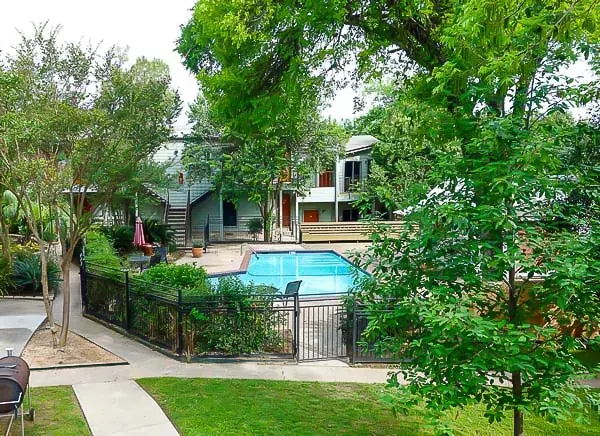
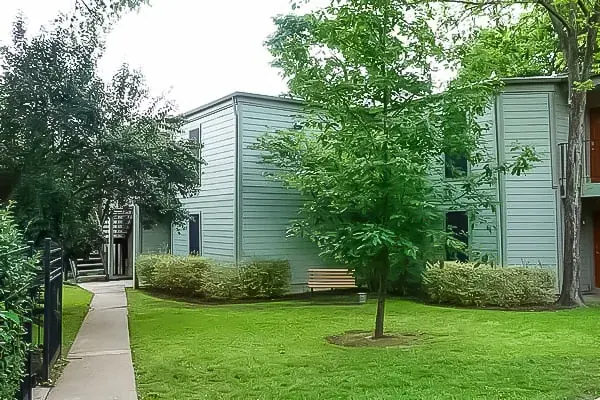
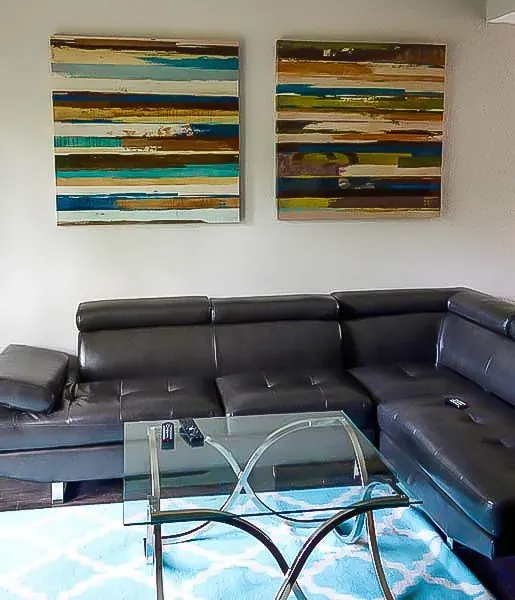
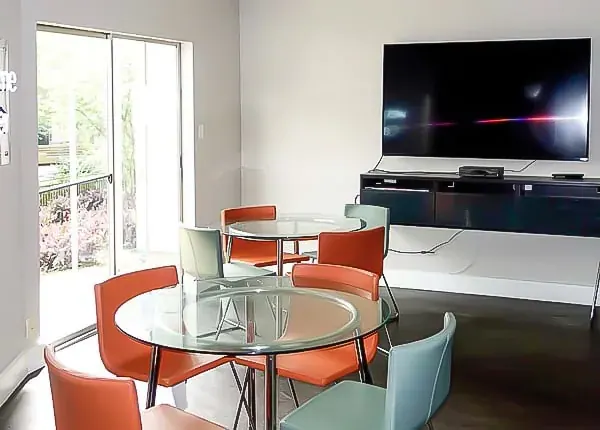
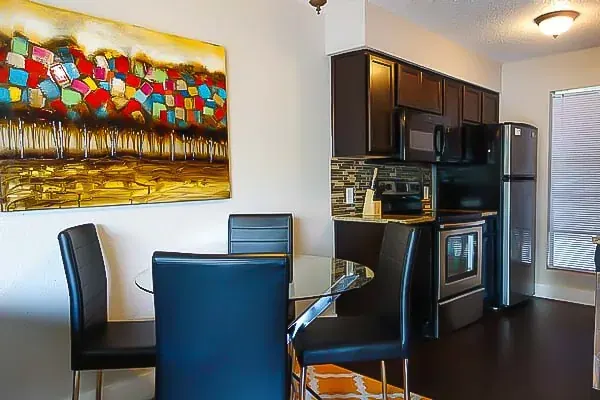
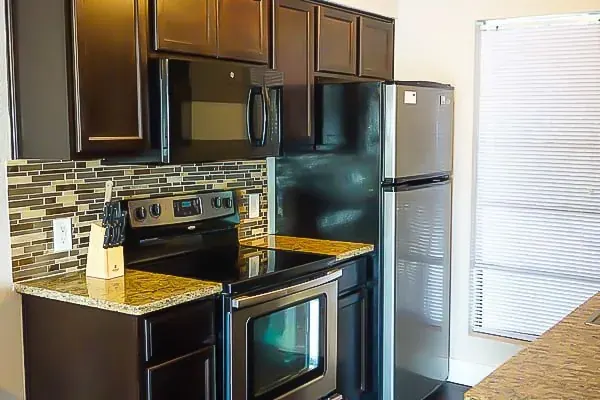
Inside Rustic Creek, our Austin flagship


How long can alcohol be detected in a urinalysis?
For common questions such as “how long can alcohol be detected in a urinalysis” or “how long will alcohol show up in a urine test,” the most accurate answer is a range. Many people also phrase it as “how long is alcohol detectable in the urine,” which is essentially the same question. Many people will have a shorter detection period with ethanol-based testing, while EtG/EtS testing can extend the window into the next several days after heavier drinking.
Urine results can also be influenced by hydration (urine dilution), time since last drink, and incidental exposures. For example, EtG interpretation sometimes considers possible contact with alcohol-containing products, such as some mouthwashes or hand sanitizers.
How long does alcohol stay in saliva?
Saliva testing is generally used for recent alcohol exposure. Alcohol can sometimes be detected for about 12 to 24 hours in saliva.
People may also search “how long will alcohol stay in saliva” because oral fluid tests are sometimes used in employment or monitoring settings. Timing still varies by dose, the testing method, and how long ago drinking stopped.
How long does alcohol stay in your hair?
Hair testing is different from breath, blood, or urine ethanol testing. Many hair tests look for alcohol biomarkers such as EtG that become incorporated into hair over time. Alcohol can sometimes be detected in hair for up to about 90 days after a person has stopped drinking.
Long windows do not mean the test pinpoints a specific hour or day. Hair testing is better understood as a broad indicator of alcohol exposure during a period of hair growth, not an “under the influence” measurement.
Detection windows at a glance
The table below summarizes typical timeframes often cited for alcohol testing. Individual results can differ, and lab methods vary.
| Test type | What it detects | Common detection window |
| Breath | Ethanol in exhaled air (estimates BAC) | About 12–24 hours |
| Blood | Ethanol in blood (BAC) | Up to ~12 hours |
| Urine (ethanol) | Ethanol in urine | Often ~12–24 hours (recent use) |
| Urine (EtG/EtS) | Alcohol metabolites | Often ~24–72 hours; sometimes longer after heavier drinking |
| Saliva | Ethanol in oral fluid | About 12–24 hours |
| Hair (EtG) | Longer-term biomarker | Up to ~90 days |
For context on why many recovery settings use regular screening (and what different test types can and cannot show), read why drug screens are an important part of sober living.
Breath testing measures alcohol in exhaled air, and blood testing can detect alcohol for up to about 12 hours after drinking.
Can you speed up how fast alcohol clears?
Many strategies are suggested online, but the body’s ability to metabolize alcohol is limited by liver processing. An average clearance rate is often described near 0.015% BAC per hour, which is sometimes summarized as roughly one standard drink per hour for many people.
Water, sleep, food, coffee, showers, and exercise may change how someone feels, but they do not reliably “flush” alcohol out of the system faster. Time remains the central variable for how long alcohol stays on your breath and how long it stays in urine, saliva, or blood.
After the body clears alcohol, cravings can still show up because they’re tied to triggers and learned habits, so it may help to review when alcohol cravings tend to ease and what supports are commonly used.
Driving and next-day risk
In the United States, most states set the legal BAC limit for driving at 0.08 g/dL, with a lower limit in Utah. Impairment can begin at lower BAC levels.
A practical implication is that “I feel fine” is not a dependable safety test. If alcohol was consumed late at night or in large quantities, measurable alcohol may still be present the next morning. That possibility is one reason public health guidance emphasizes planning ahead for transportation when drinking is expected.
How Eudaimonia Recovery Homes Supports Alcohol Recovery
Questions like “How Long Does Alcohol Stay on Your Breath?” often come up when someone is worried about safety, testing, or repeated drinking patterns. Eudaimonia Recovery Homes can help by offering a structured, alcohol-free living environment where residents focus on recovery rather than trying to “time” when alcohol will clear. For general standards on recovery housing and why it can support sustained recovery, see SAMHSA’s best practices for recovery housing. Through accountability, peer support, and consistent house expectations, many people are better able to reduce triggers that lead to heavy or late-night drinking.
Staff can also help residents connect with counseling, outpatient care, and recovery meetings that address the underlying drivers of alcohol use. Education is part of the process, so residents can better understand what breath and urine tests measure, what “alcohol half life” estimates mean, and why time, not quick fixes, affects clearance. When legal, workplace, or family concerns are involved, support can include planning for safe transportation, setting boundaries, and practicing relapse-prevention strategies. A stable home base can make it easier to follow routines, keep appointments, and rebuild health-supporting habits over time. While no program can promise specific test outcomes, a recovery-focused plan can help reduce risk and support sustained change.
For a structured approach to reducing repeat use, this guide to relapse prevention plans explains how triggers, accountability, and support routines can be built into everyday life.
If you need structured clinical support while maintaining day-to-day responsibilities, our intensive outpatient program (IOP) is designed to pair well with sober living.
If family stress or rebuilding trust is part of the situation, our family support resources explain how loved ones can stay involved in a healthier, more structured way.
Your Future Is Waiting
Tell us what you are looking for and admissions will walk you through the houses, the phases, and what a room actually costs.