Published January 4, 2021 · Updated November 5, 2025
On This Page · 7 Sections
Here is how therapy works during each stage of addiction treatment, as well as its many benefits for people in recovery.
Table of contents
- How Is Therapy Used During Drug and Alcohol Detox?
- How Does Therapy for Addiction Work in Rehab?
- What Happens During Group Therapy for Addiction?
- Can I Attend Therapy While I’m Enrolled in a Sober Living Program?
- Learn More About Eudaimonia’s Sober Living Program
See 13 common substance abuse group topics
Addiction is more than just a physical dependence on drugs or alcohol. It’s a chronic relapsing disease of the brain. As such, different types of therapy, such as cognitive behavioral therapy, family therapy, group therapy, and psychotherapy can all help you stay sober. Therapy can also help with mental health conditions that often accompany addiction and substance abuse problems.
So, you may be wondering, “How does therapy for addiction work?” and what does it look like throughout the recovery process?
Although different types of therapy are used throughout various stages of the addiction treatment process, these different methods all have many benefits for people in recovery.
Overall, therapy supports addiction recovery by helping individuals:
- Identify and change harmful behavioral patterns
- Cope with triggers
- Prevent relapse
- Repair relationships and create new, healthy ones
- Receive support from someone who cares
In this blog, we’ll expand on how therapy works during each stage of addiction treatment, as well as its many benefits for people in recovery.
How Is Therapy Used During Drug and Alcohol Detox?
Different types of therapy are used throughout each stage of the addiction treatment process, but during detox (the very first stage of treatment), the top priority is physical sobriety. Although the purpose of detox is to safely manage withdrawal symptoms, one aspect of this is process is also dealing with the psychological struggles that come with newfound sobriety.
Chronic drug abuse changes the way the body and mind deals with stress and other triggers, which can make managing everyday life difficult. Also, certain types of drugs can cause intense psychological withdrawal symptoms, such as severe depression or suicidal thoughts. As a result, individual therapy can provide support as you experience psychological withdrawal symptoms, deal with triggers and cravings, and process challenging emotions during detox. During detox, therapy is often combined with medication to ensure a safe and stable transition into sobriety.
If you are physically able, you may also attend group therapy during detox. Therapy in a group setting provides social support through peers who have similar life experiences. It can also help you gain clarity as you process your feelings in the here-and-now and prepare you for ongoing treatment in rehab.
Drug withdrawal can be a very intense physical and psychological experience, but therapy provided in individual and group settings can help reduce the severity of emotional issues and stressors you may face in the earliest stages of sobriety.
How Does Therapy for Addiction Work in Rehab?
After detox, most people transition to a residential or outpatient rehab program for continued treatment. Without continued support, relapse after detox is much more likely to occur.
Not surprisingly, therapy is one of the foundational pillars of treatment during rehab. It’s provided in several different formats and frequencies, depending on your treatment needs and the type of drug rehab program you’re enrolled in.
Although the general schedule of a program can vary greatly, a typical day in rehab will provide a supportive structure with scheduled therapy sessions and activities throughout the day. Here’s an example of how therapeutic treatment may be integrated into your daily routine in rehab.
- Early meditation: Every residential rehab program is different, but most require that clients wake at a certain time each day and eat a healthy breakfast with their peers. Morning meditation may also be highly recommended, which can serve as a personal form of therapy.
- Morning meetings: After breakfast, clients usually attend a morning group therapy session, which is led by a counselor or therapist and is hosted in a controlled and safe environment at the rehab center. Topics of discussion will vary, but generally include things related to addiction, recovery, relationships, relapse prevention, and the different steps of the 12-Step Program.
- Afternoon sessions: After eating a healthy lunch, clients typically participate in a series of afternoon therapy sessions that may include individual cognitive behavioral therapy, family therapy, specialized therapy like music or art therapy, group therapy, exercise programs, or others.
- Free time: During residential drug rehab, clients are also given a few hours of free time, typically during the afternoon or evening. Many residents use this time to participate in activities they find personally enjoyable or therapeutic, such as playing sports, reading, making music, journaling, or doing yoga. These activities contribute to the overall structure of the day and also offer many mental health benefits for people in recovery.
- Evening meeting: After dinner, clients may participate in another short group therapy session or a brief 12-Step meeting to close out the day. There may also be a bit of free time for personal therapeutic activities like yoga before bed.
As mentioned above, the type of program that an individual is enrolled in will determine the frequency and type of therapy that is used during treatment. The bullets above are just an example of what a day in rehab may look like. However, as you can see, therapy is a large portion of the day-to-day activities during substance abuse treatment programs.
Additionally, depending on the type of therapeutic intervention, a therapy session may be led by a licensed counselor, a therapist, a recovery specialist, or some other type of addiction treatment specialist. Clients will work with a variety of specialists and clinical professionals during rehab.
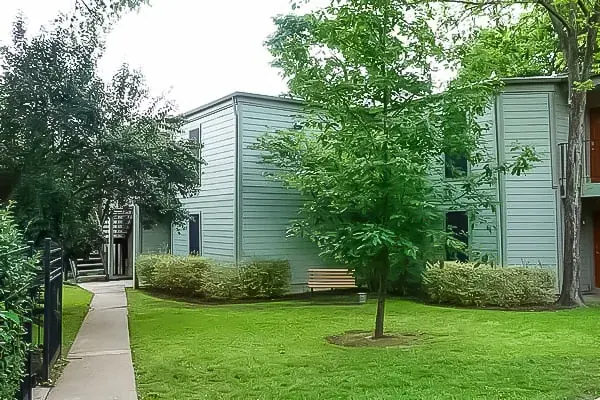
Inside Rustic Creek, our Austin flagship







What Happens During Group Therapy for Addiction?
During group therapy for addiction, clients attend a group session that may last an hour or two (or longer). Groups are led by a licensed counselor, therapist, or recovery specialists and are hosted at a residential rehab center or an outpatient treatment location. Groups may include anywhere from five to twenty clients total, depending on the rehab program and facility.
There are many different types of group therapy sessions rehab clients may attend, including psychoeducational groups (which educate clients about addiction and recovery), process groups, and 12-Step meetings or Big Book Groups.1
During group therapy, you can expect to discuss a variety of topics, such as:
- Trauma
- Substance use triggers
- Family dynamics/relationships
- Daily habits
- Self-care
- Future plans
- Principles of the 12-Step Program
At first, you may feel uncomfortable discussing these things in a group setting, but attending group therapy regularly throughout rehab will help you become more confident as you develop better communication skills, gain self-awareness from listening to the life experiences of others, and learn how to accept criticism from others.2
Outpatient group therapy can last several weeks, depending on the program. For example, at Nova Recovery Center (Eudaimonia’s sister company), outpatient therapy lasts 8 weeks. Sometimes, clients may also continue their treatment for longer than that.
Can I Attend Therapy While I’m Enrolled in a Sober Living Program?
Yes. Attending therapy or counseling while you’re enrolled in a sober living program is often recommended. Adjusting to a sober lifestyle after rehab can be difficult, but transitional counseling can help newly sober individuals better manage the transition and deal with challenging circumstances and emotions in early recovery. Many residents of sober homes choose to attend regular counseling sessions, attend local support group meetings, and/or enroll in IOP for additional layers of support and structure.
Attending therapy or transitional counseling while you’re living at a sober home may also provide necessary treatment for co-occurring mental health problems, such as depression, anxiety, or mood disorders, which people in recovery often struggle with. If left untreated, these types of mental health problems can derail progress in recovery and lead to relapse.
Although sober living homes don’t typically provide therapeutic treatment services, many do offer therapy or counseling for residents through a third-party provider. This type of arrangement makes it easier for residents to connect with local counselors or therapists through a trusted source.
Learn More About Eudaimonia’s Sober Living Program
If you or a loved one is interested in living in a sober home and attending therapy, call Eudaimonia Recovery Homes. An admissions specialist is available to speak with you about our sober living programs and IOP for men and women in recovery. We also offer therapeutic services via a third-party provider for those who are interested. Please call (713) 818-2361 to get started today.
References: