

Published July 10, 2026
On This Page · 12 Sections
House rules typically required at sober living homes in Texas include mandatory sobriety (zero tolerance for drugs or alcohol), random drug and alcohol testing, attendance at recovery meetings or support groups, curfews and sign-in procedures, participation in house chores and responsibilities, respectful conduct toward housemates and staff, employment or active pursuit of work or education, and compliance with house meetings and check-ins. These rules create structure, accountability, and a safe environment where residents can focus on building sustainable recovery after completing detox or inpatient treatment.
Why Sober Living Homes in Texas Have House Rules
The house rules at sober living homes aren’t about control, they’re about creating the conditions that make long-term sobriety possible. After someone completes detox or residential treatment, the transition back to everyday life can feel overwhelming. Without structure, accountability, and a sober community, the risk of relapse increases dramatically.
Texas sober living homes like Eudaimonia Recovery Homes in Austin, Houston, San Antonio, and Baton Rouge establish clear expectations because consistency matters in early recovery. When everyone follows the same rules, residents know what to expect from each other. That predictability reduces anxiety and builds trust within the household.
House rules also protect the recovery environment for everyone. One person’s relapse can threaten the sobriety of the entire house. By maintaining firm boundaries around drug and alcohol use, sober living homes preserve the safe space that residents need to heal and grow.
Core Sobriety Requirements at Texas Sober Living Homes
The foundation of every sober living home rule set is complete abstinence from drugs and alcohol. This is non-negotiable. Residents sign agreements acknowledging that any substance use, including prescription medications not approved by staff, will result in immediate discharge.
Random drug and alcohol testing enforces this policy. Most Texas sober living homes conduct urinalysis or breathalyzer tests without advance notice, sometimes weekly, sometimes more frequently during a resident’s first month. The randomness prevents residents from trying to time their sobriety around scheduled tests.
Some homes also require residents to agree to searches of their rooms and belongings. While this might feel intrusive at first, most residents come to appreciate that these measures protect everyone’s recovery. When you know your housemates are being held to the same standard, you can relax into the knowledge that you’re truly living in a substance-free environment.
Meeting Attendance and Recovery Engagement
House rules typically required at sober living homes in Texas include mandatory participation in recovery support. This usually means attending a minimum number of 12-step meetings (AA, NA, or similar) each week, often three to five meetings minimum. Some homes accept SMART Recovery, Celebrate Recovery, or other evidence-based support groups as alternatives.
At Eudaimonia Recovery Homes locations across Texas and beyond, residents provide proof of attendance through meeting signatures or check-ins. This isn’t about micromanagement; it’s about ensuring residents are actively working on their recovery, not just existing in a sober space.
Many sober living homes also encourage or require residents to have a sponsor and work the steps. While the pace of step work varies by individual, houses expect residents to demonstrate genuine engagement with their recovery program, not just go through the motions.
Curfews, Sign-Ins, and Accountability Structures
Most Texas sober living homes enforce curfews, especially during a resident’s first 30 to 90 days. Common curfew times range from 10 PM to midnight on weeknights, with slightly later times on weekends. Residents must sign in when they return, and staff or house managers verify attendance.
If you need to be out past curfew for work or a legitimate commitment, you typically request permission in advance. The point isn’t to restrict freedom, it’s to maintain awareness of where residents are and to prevent late-night situations that could jeopardize sobriety.
As residents progress in their recovery and demonstrate responsibility, many homes gradually relax curfew requirements. This phase system rewards accountability and mirrors the increasing independence residents will need when they eventually transition to independent living.
Employment, Education, and Productivity Expectations
Sober living isn’t about sitting around between treatment and real life, it’s about rebuilding a productive, purposeful life. That’s why house rules in Texas sober living homes typically require residents to work, attend school, or actively search for employment. Most homes give new residents a grace period (usually two to four weeks) to find a job, but after that, employment becomes mandatory.
This requirement serves multiple purposes. Work provides structure, restores self-esteem, builds financial independence, and fills time that might otherwise be spent dwelling on cravings or isolation. It also ensures residents can pay their share of expenses, since sober living is not state-funded or free housing, residents pay rent, which may be covered by private insurance in some cases or paid out-of-pocket.
At Eudaimonia Recovery Homes in cities like Colorado Springs and Philadelphia, staff help connect residents with job resources, resume workshops, and employer networks. The expectation is clear: you’re here to move forward, not tread water.
House Chores and Community Responsibilities
Every resident shares responsibility for maintaining the home. Chore rotations typically include cleaning common areas, taking out trash, doing dishes, yard work, and other household tasks. This isn’t busywork, it’s about learning to contribute to a community and practice the discipline required in recovery.
Many people entering sober living have spent months or years in active addiction, during which basic life skills atrophied. Re-learning how to maintain a clean living space, cook healthy meals, and manage time effectively is part of the recovery process. House chores teach accountability in a low-stakes environment.
Failure to complete assigned chores can result in consequences ranging from additional duties to formal warnings. In a sober living home, following through on commitments, even small ones, matters because it builds the integrity required for long-term sobriety.
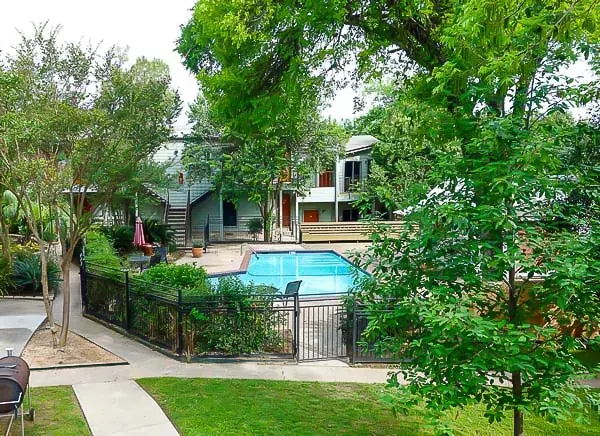
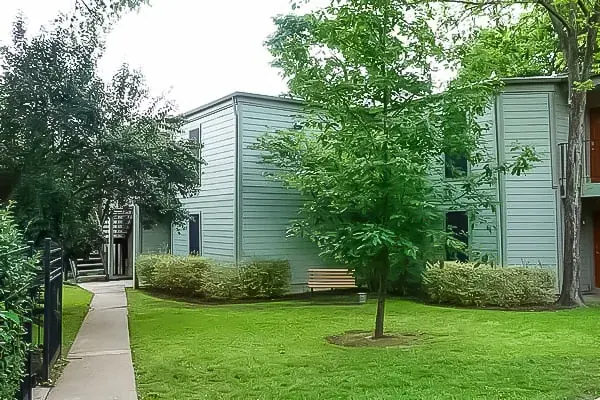
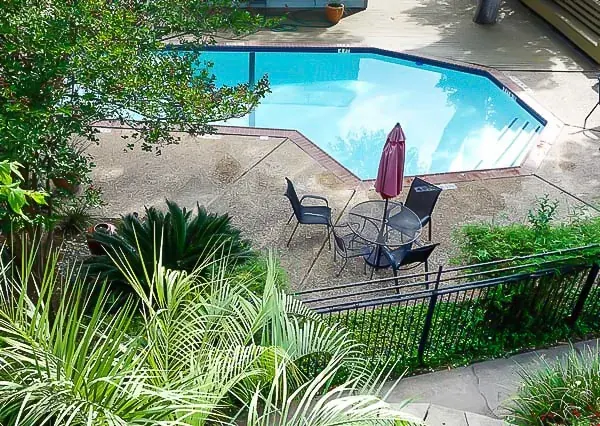
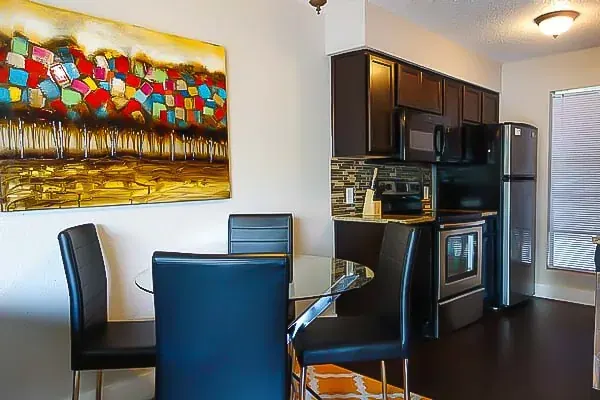
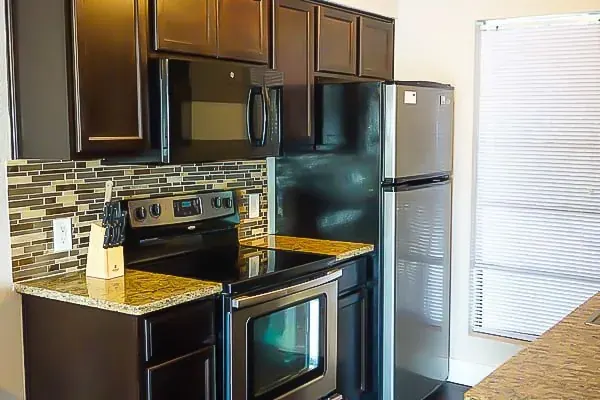
Inside Rustic Creek, our Austin flagship



Behavioral Expectations and Respect for Community
House rules typically required at sober living homes in Texas include behavioral guidelines that promote a respectful, supportive atmosphere. Residents are expected to treat each other, staff, and the property with respect. This means no verbal or physical aggression, no stealing, no romantic or sexual relationships between residents, and no behavior that disrupts the recovery environment.
The no-relationship rule often surprises newcomers, but it exists for good reason. Early recovery requires intense focus on self-work, and romantic entanglements create drama, distraction, and potential relapse triggers. Most homes maintain this boundary strictly, and violations can lead to discharge.
Residents also commit to participating in house meetings, typically held weekly, where they discuss house business, address concerns, and support each other’s recovery. These meetings teach communication skills and conflict resolution in a safe setting.
Guest Policies and Visitor Restrictions
Sober living homes maintain careful control over who enters the property. Most Texas homes prohibit guests entirely during a resident’s first 30 days. After that, guests may be allowed in common areas during specific hours, but typically not in bedrooms. Overnight guests are almost always prohibited.
This policy protects residents from outside influences who might not support their recovery. It also prevents homes from becoming social hangouts, which would undermine their purpose. When residents do have approved visitors, those guests must be sober and cannot bring substances onto the property.
At Eudaimonia Recovery Homes locations, staff carefully vet visitor requests to ensure they align with each resident’s recovery plan. Family visits are generally encouraged once a resident has established stability, but the house’s primary purpose, maintaining a sober, focused environment, always takes precedence.
Financial Responsibilities and Payment Expectations
Residents are responsible for paying rent on time, typically weekly or monthly depending on the home’s policy. Because sober living homes in Texas are not state-funded or free housing, payment is a core expectation. Many residents use private insurance benefits to help cover costs, and staff can verify insurance coverage and explain payment options during the admissions process.
Beyond rent, residents usually share utility costs and contribute to household supplies. Learning to manage money responsibly is another critical recovery skill, and budgeting for housing, food, transportation, and savings prepares residents for independent living.
Late or missing rent payments are taken seriously. While houses may work with residents experiencing temporary financial hardship, consistent failure to meet financial obligations typically results in discharge. This isn’t cruelty, it’s the reality that recovery requires showing up for responsibilities, even when it’s difficult.
Understanding Texas Sober Living Regulations
Unlike some states, Texas does not heavily regulate sober living homes unless they provide medical or clinical services. Who regulates sober living homes in Texas depends on what services they offer. Purely residential recovery housing, which is what Eudaimonia provides, operates with fewer state requirements than treatment facilities.
However, many reputable homes voluntarily pursue certification through organizations like the National Alliance for Recovery Residences (NARR), which establishes quality standards for recovery housing. These standards cover safety, governance, resident rights, and operational best practices.
This regulatory landscape means house rules vary somewhat from one Texas sober living home to another, though the core expectations around sobriety, accountability, and community participation remain consistent. When considering a sober living home, ask about their certification status and what standards they follow.
How Long House Rules Apply
How long can you live in a sober living house? There’s typically no maximum stay, though most residents live in sober housing for three to twelve months. House rules apply throughout your entire residency, though some homes implement phase systems where residents earn additional privileges as they demonstrate sustained recovery.
Early-phase residents might have stricter curfews and more frequent check-ins, while senior residents who’ve been sober for months might have greater freedom and even mentor newer housemates. This progression rewards responsibility and mirrors the increasing autonomy of successful recovery.
The goal is always to prepare residents for independent living. When someone leaves sober living, they should carry the structure, habits, and accountability practices with them. The house rules aren’t meant to control people indefinitely, they’re training wheels for a life of sustainable sobriety.
If you’re considering sober living in Austin, Houston, San Antonio, or any of the other cities where Eudaimonia Recovery Homes operates, understanding these house rules can help you prepare for what to expect. We’re here to answer your questions about our programs, verify your insurance benefits, and help you determine if our recovery housing is the right next step in your journey.
Ready to take the next step?
Eudaimonia Recovery Homes provides structured sober living and recovery support in Philadelphia, PA. Call (713) 818-2361 to speak with our team today.