
Published August 30, 2018 · Updated July 27, 2026
On This Page · 11 Sections
Transitioning from a life of addiction to a life of sobriety can be difficult whether you’re enrolled in a sober living program or not. While transitional housing and the support that comes with it is all very helpful and effective, your first year of sobriety will still come with its share of challenges and you’ll either be prepared or not.
Hopefully, your goal is to be prepared for these life challenges, and one of the best ways you can do so is to plan for them. Having a plan will ensure that you’re not taken by surprise when (and if) they occur.
What Should I Expect During My First Year of Sobriety, and What Are the Main Challenges I'll Face?
During your first year of sobriety, you can expect a mix of progress and challenges as your mind and body adjust to life without substances. Common experiences include emotional highs and lows, post-acute withdrawal symptoms (PAWS), rebuilding relationships, establishing new routines, and staying aware of relapse risk, all while gradually building a healthier, more stable life. It’s a period of real growth, but it takes patience and support.
The main challenges most people face include managing cravings and triggers, coping with difficult emotions without substances, repairing trust with loved ones, avoiding old environments and habits, and staying committed when motivation dips. Having structure and support, through recovery meetings, a sober support network, or a sober living environment, makes these challenges far more manageable and greatly improves the odds of lasting sobriety.
A primary purpose of rehab and sober living programs is relapse prevention, which is heavily focused on:
- Recognizing triggers, stressors, and high-risk situations
- Implementing strategies to deal with those things
- Creating a plan of action to manage relapse and get back on track quickly
If you are new to recovery, heading out into the world as a newly sober person may seem daunting, but knowing what to expect can help you face this new reality with confidence. Although each person’s recovery will be different, here are a few significant things you may experience during your first year of sobriety.
Having Emotional Highs and Lows
After the pink cloud period of early sobriety fades, you’ll have good days and bad days, which is okay. The most important thing is that you know you have the tools to manage the emotional ups and downs while still maintaining your sobriety. Emotional sobriety is a vital aspect of recovery, and it’s essential that you are able to feel whatever you’re feeling without letting it define you.1 In allowing yourself to feel and experience all your emotions in sobriety (not just the good ones), you’ll learn how to live your best authentic sober life.
Spending Time Establishing Healthy Relationships
In your first year of sobriety, you’ll inevitably spend a great deal of time investing in relationships inside and outside your support group. This should not include old, unhealthy relationships you had before recovery. Establishing healthy relationships with people takes time, effort, and patience, but it’s vital that you are an active part of a recovery community and have a wide web of supportive friends and mentors to keep you accountable.
Experiencing Post-Acute Withdrawal Syndrome (PAWS)
Long after detox, your body may still be recovering from your previous substance abuse. As your brain chemistry returns to normal and balances back out, you may experience some lasting withdrawal symptoms. These physical and psychological symptoms are known as Post-Acute Withdrawal Syndrome or PAWS.2 Although not everyone in recovery experiences PAWS, some do. Common PAWS symptoms include:
- Mood swings
- Anxiety
- Low energy
- Irritability
- Trouble concentrating
- Trouble sleeping
Long-lasting withdrawal symptoms will eventually go away completely, but in the meantime, you should talk with your counselor, doctor, or sponsor about strategies to help manage these symptoms.
Sticking to a Schedule
Having a schedule in early sobriety is key to lasting recovery. Things like boredom, stress, or being overwhelmed can threaten your sobriety, but you can protect your mental health and recovery by following a structured schedule every day. Sober living homes provide a healthy amount of structure for recovering men and women while also providing the freedom to come and go as you wish, work or go to school, and attend recovery support groups in your community.
Being Aware of the Risk of Relapse
According to the National Institute on Drug Abuse (NIDA), relapse rates for substance abuse are like those of other chronic diseases. Research shows 40 to 60 percent of people in addiction recovery relapse, and if you choose to stop following your treatment plan, your risk for relapse will increase.3 However, if you do relapse during your first year of sobriety, that doesn’t mean your treatment has failed or that you are no longer in recovery. Relapse is simply an opportunity to re-evaluate your relapse prevention strategies and improve them. The key is talking to a sponsor or your support group right away before things regress back into full-time substance abuse.
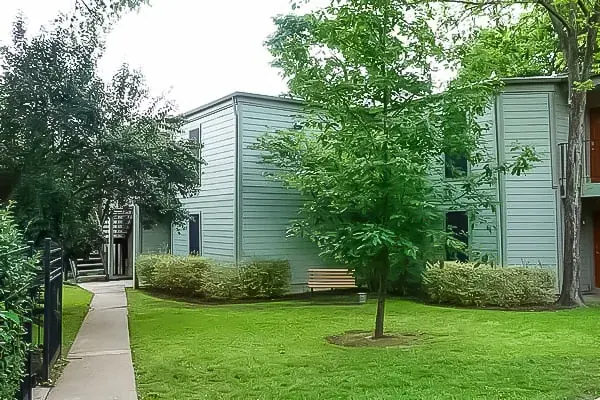
Inside Rustic Creek, our Austin flagship







Continuing to Work the 12 Steps
Although you’re done with drug rehab, 12-Step work should continue long after your treatment program is over. Working through the 12-Step Program and internalizing the philosophy of the steps is a long-term process that requires continual effort. As you regularly work and re-work the 12-steps, you’ll continue to reap the personal benefits of a life in recovery. Over time, the 12-steps will become a fully integrated part of your life, beliefs, and values.
Meditating and/or Practicing Yoga Regularly
In rehab, meditation or yoga was a daily practice. Whether you’re living back at home with your family or in a transitional living home, prioritizing meditation and yoga and making them a part of your daily routine will help you remain emotionally and physically balanced. Plus, yoga and meditation have tons of great benefits for people who are recovering from addiction.4 For example, regular yoga and meditation practice:
- Reduces stress and anxiety
- Promotes relaxation
- Repairs physical and psychological damage from substance abuse
- Promotes inner peace and solitude
- Increases energy levels
- Improves flexibility, muscle tone, strength, weight reduction, and cardio health
- Promotes self-control
- Relieves insomnia
These are just a few of the great reasons you should add meditation or yoga to your daily routine in sobriety.
Understanding that Your Recovery Is Unique to You
One of the most important lessons to learn in your first year of sobriety is that your recovery experience is completely unique to you. Although many people who are recovering from addiction will struggle with similar challenges during their first year of sobriety, your recovery is very much your own. No two people recover in exactly the same way and what works for someone else may not work for you. Despite the differences between your recovery experience and others’, you can still rely on the support of your recovery circle to help you through any challenges you face during your first sober year.
If you are recovering from addiction and you need additional support maintaining your sobriety, Eudaimonia Recovery Homes operates several sober living homes for men and women in recovery. We have transitional housing programs in Austin, Houston, and Colorado Springs that provide safe, sober, and supportive living communities for people who have recently completed rehab, who struggle with chronic relapse, or who are going through a difficult life transition.
Call Eudaimonia Recovery Homes today for more information about our sober living houses and recovery support services.
References:
- https://www.psychologytoday.com/us/blog/emotional-sobriety/201107/what-is-emotional-sobriety
- https://www.addictionsandrecovery.org/post-acute-withdrawal.htm
- https://www.drugabuse.gov/publications/drugs-brains-behavior-science-addiction/treatment-recovery
- https://www.yogajournal.com/lifestyle/higher-ground
Related Resources for Your Recovery Journey
The first year of sobriety is a transformative time, and having the right resources and support makes all the difference. Eudaimonia Recovery Homes provides structured sober living environments in Austin, TX and across multiple locations to help you navigate this critical period with confidence.
- 7 Essential Elements of a Successful Sober Living ExperienceDiscover the foundational components that create a supportive recovery environment during your first year and beyond.
- Benefits of Sober Living in Early RecoveryLearn why structured sober living is especially valuable during the vulnerable early months of sobriety.
- Achieving Long-Term Sobriety: Tips and StrategiesPractical advice for building the habits and mindset that sustain recovery year after year.
- Life After Rehab: What to Expect in Sober LivingA detailed guide to the transition from treatment to sober living and what the first months look like.
If you’re ready to start your first year of sobriety with proven support and community, reach out to Eudaimonia Recovery Homes today at (512) 240-6612. Our sober living homes in Austin provide the structure, accountability, and fellowship you need to thrive.