
Published April 23, 2026 · Updated May 1, 2026
On This Page · 14 Sections
If you’ve ever called an intake coordinator at a treatment center and been asked whether you’re seeking dual diagnosis treatment Or standard substance abuse treatment, you’re not alone in feeling confused. These terms get thrown around a lot in the recovery world, but they represent genuinely different approaches, and understanding the distinction could make a real difference in the quality of care you or your loved one receives. This guide breaks down exactly what each type of treatment involves, how they differ, and how to figure out which path makes the most sense for your situation.
What Is Substance Abuse Treatment?
Substance abuse treatment, sometimes called addiction treatment, focuses specifically on helping a person stop using drugs or alcohol and build the skills needed to stay sober long-term. This type of care addresses the physical, behavioral, and social aspects of addiction.
Depending on the severity of the addiction, substance abuse treatment might include:
- Medical detoxA supervised process to safely manage withdrawal symptoms when a person stops using substances
- Residential (inpatient) treatmentLiving at a treatment facility full-time, typically for 28-90 days
- Intensive Outpatient Programs (IOP)Structured therapy and group sessions several days a week while living at home or in a sober living environment
- Outpatient treatmentFewer weekly sessions for people with less severe addiction or as a step-down from higher levels of care
- Sober living homesTransitional housing that provides a safe, substance-free environment and accountability after formal treatment ends
- 12-step programsCommunity-based peer support through groups like Alcoholics Anonymous (AA) or Narcotics Anonymous (NA)
Standard substance abuse treatment assumes that the primary problem driving a person’s struggle is the addiction itself. The goal is to address the addictive behavior, heal the physical body, and develop new coping strategies and a supportive sober network.
What Is Dual Diagnosis Treatment?
Dual diagnosis treatment, also called co-occurring disorder treatment or integrated treatment, is designed for people who are dealing with both a substance use disorder and a mental health condition at the same time.
Common mental health conditions that co-occur with addiction include:
- Depression and major depressive disorder
- Anxiety disorders (generalized anxiety, social anxiety, panic disorder)
- Bipolar disorder
- Post-traumatic stress disorder (PTSD)
- Attention-deficit/hyperactivity disorder (ADHD)
- Borderline personality disorder (BPD)
- Schizophrenia and other psychotic disorders
- Obsessive-compulsive disorder (OCD)
In dual diagnosis treatment, both the mental health condition and the substance use disorder are treated at the same time by an integrated team of clinicians, rather than being treated separately or sequentially. This matters because, as we’ll explore below, these two conditions are deeply intertwined in ways that make treating only one of them far less effective.
Why Co-Occurring Disorders Are So Common
The relationship between mental health and addiction isn’t coincidental. Research consistently shows that roughly 50% of people with a substance use disorder also have at least one mental health condition. But why?
There are several ways the two conditions become linked:
- Self-medication: Many people turn to drugs or alcohol to cope with untreated anxiety, depression, trauma, or other mental health symptoms. The substances temporarily relieve the pain, but ultimately make the underlying condition worse.
- Substance-induced mental health symptoms: Prolonged heavy use of certain substances, particularly alcohol, stimulants, or cannabis, can actually trigger or worsen anxiety, depression, paranoia, and other psychiatric symptoms.
- Shared risk factors: Genetics, early childhood trauma, and chronic stress are risk factors for both addiction and mental illness, meaning both conditions can stem from the same root causes.
Understanding these connections is what makes dual diagnosis treatment so important. If someone has been using alcohol to manage severe anxiety for years and only the alcohol use is treated, the anxiety will likely remain, and the risk of relapse skyrockets.
Key Differences Between Substance Abuse and Dual Diagnosis Treatment
On the surface, the two types of treatment can look similar. Both may include individual therapy, group sessions, and support structures. But there are several critical differences worth understanding:
1. Psychiatric Assessment and Diagnosis
Dual diagnosis programs include thorough psychiatric evaluations to identify mental health conditions, not just substance use. This step is sometimes skipped or minimized in standard substance abuse programs.
2. Integrated Care Team
Dual diagnosis treatment involves psychiatrists, licensed mental health counselors, and addiction specialists working together. Standard substance abuse treatment may not include psychiatric professionals on the clinical team.
3. Medication Management
When appropriate, dual diagnosis treatment may include psychiatric medications to address depression, anxiety, bipolar disorder, or other conditions. This is a critical component that standard addiction programs don’t always provide.
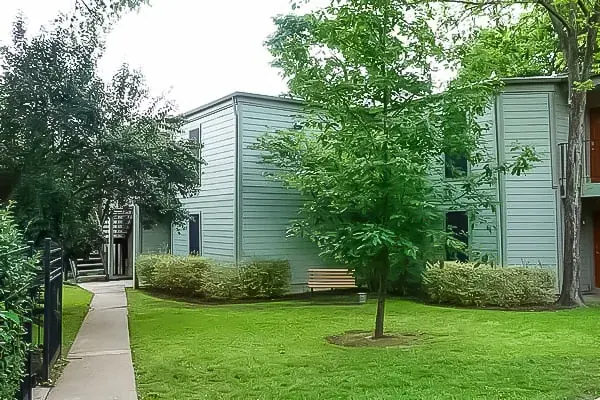
Inside Rustic Creek, our Austin flagship







4. Trauma-Informed Therapy
Dual diagnosis programs tend to use evidence-based therapies specifically designed to address trauma and mental health alongside addiction: such as EMDR (Eye Movement Desensitization and Reprocessing), Dialectical Behavior Therapy (DBT), and Cognitive Behavioral Therapy (CBT) adapted for co-occurring disorders.
5. Length and Intensity of Treatment
Co-occurring disorders often require longer or more intensive treatment because there are multiple conditions to stabilize. Rushing the process increases the chance of relapse.
How to Know Which Type of Treatment Is Right for You
This is a question best answered with the help of a professional, ideally through a thorough intake screening or assessment. That said, here are some signs that dual diagnosis treatment may be the more appropriate path:
- You’ve experienced depression, anxiety, mood swings, or other mental health symptoms that existed before your substance use began
- You’ve gone through substance abuse treatment before but relapsed, and you suspect unaddressed mental health issues played a role
- You use substances specifically to calm down, numb emotions, or cope with distressing thoughts or memories
- You’ve been diagnosed with a mental health condition at any point in your life
- Family members have struggled with mental illness
- You’ve experienced significant trauma, especially in childhood
If you’re unsure, be honest with the intake coordinator when you call. Disclose as much as you’re comfortable sharing. A good treatment program will ask the right questions to help steer you toward the most appropriate level and type of care.
The Role of Sober Living in Both Treatment Paths
Whether you complete a standard addiction treatment program or a dual diagnosis program, transitional sober living is one of the most powerful tools available for maintaining sobriety after formal treatment ends. Returning to an unstable home environment, or one with active substance use, is one of the biggest risk factors for relapse, regardless of which type of treatment you’ve completed.
Sober living homes offer a structured, supportive, substance-free environment where you can continue building the habits and routines that recovery requires. For people with co-occurring disorders especially, having a stable living situation provides a critical foundation for continued mental health treatment, therapy, and medication management to keep working.
If you’re in Austin or the surrounding area, Eudaimonia Recovery Homes provides structured sober living environments designed to support people coming out of all types of treatment programs. You can learn more about your options in our comprehensive Sober Living Austin Guide, which walks through what to expect, how to choose a home, and what makes a quality sober living environment.
We also offer gender-specific homes, including structured men’s sober living in Austin, TX and structured women’s sober living in Austin, TXEnvironments designed to reduce distractions and maximize accountability during the critical early months of recovery.
What to Ask When Calling a Treatment Program
When you or a family member reaches out to a treatment provider, here are some helpful questions to clarify whether a program is equipped for dual diagnosis care:
- Do you have licensed psychiatrists or psychiatric nurse practitioners on staff?
- Do you conduct a comprehensive mental health assessment during intake?
- Can you provide medication management for conditions like depression, anxiety, or bipolar disorder?
- What evidence-based therapies do you use for co-occurring disorders?
- Do your therapists have specific training in trauma-informed care?
- How do you coordinate care between addiction counselors and mental health providers?
Asking these questions upfront will help you quickly determine whether a program truly offers integrated dual diagnosis treatment, or whether they primarily focus on substance use alone.
Moving Forward: You Don't Have to Figure This Out Alone
The difference between dual diagnosis treatment and standard substance abuse treatment comes down to one essential idea: are you treating the whole person? Mental health and addiction are deeply connected, and lasting recovery almost always requires addressing both.
If you’re currently in treatment, or preparing to transition out, and you’re looking for a stable, structured place to continue your recovery journey in Austin, Eudaimonia Recovery Homes is here to help. Our homes are designed to support residents coming from all types of treatment backgrounds, including those managing co-occurring disorders in ongoing outpatient care.
Explore our quality sober living options in Austin, TX to learn more about our communities, structure, and house guidelines. Or browse our list of top sober homes in Austin to find the right fit for your recovery needs.
Ready to take the next step? Call us today at (512) 240-6612Our team is here to answer your questions and help you find the right level of support for your unique situation. Recovery is possible. You deserve a path that treats all of who you are.