

Published July 17, 2026
On This Page · 9 Sections
The short answer is that Medicaid typically does not cover the cost of sober living in Texas. Medicaid benefits generally cover medically necessary treatment services like detox, inpatient rehab, outpatient therapy, and medication-assisted treatment, but sober living homes are considered residential housing rather than clinical treatment. Because sober living provides a structured, supportive living environment rather than direct medical care, it falls outside the scope of what most Medicaid plans will reimburse.
That doesn’t mean sober living is out of reach if you’re on Medicaid or have limited resources. Understanding what Medicaid does cover, exploring alternative payment options, and knowing how to plan for sober living costs can help you access the structured recovery housing you need to build lasting sobriety.
Why Medicaid Doesn't Cover Sober Living in Texas
Medicaid is designed to cover healthcare services that are medically necessary and delivered by licensed clinical providers. Detoxification, residential treatment, intensive outpatient programs, counseling sessions, psychiatric care, and prescription medications all fall under that umbrella. Sober living homes, on the other hand, provide peer support, accountability, structure, and a substance-free environment, but not clinical treatment.
In Texas, Medicaid will pay for substance use disorder treatment through various managed care plans and fee-for-service arrangements. You can receive coverage for inpatient rehab stays, outpatient counseling, medication management, and aftercare planning. But once you transition from treatment into a sober living environment, you’re stepping into a phase of recovery that Medicaid classifies as housing rather than healthcare.
This distinction matters because sober living homes don’t require medical licensure in the same way treatment facilities do. Residents pay rent, share responsibility for household upkeep, attend house meetings, and participate in peer accountability, all vital components of long-term recovery, but not reimbursable medical services under Medicaid guidelines.
What Medicaid Does Cover for Substance Use Disorder in Texas
Even though Medicaid doesn’t cover the cost of sober living in Texas, it plays a crucial role in funding the clinical treatment that often precedes sober living. If you’re enrolled in Texas Medicaid, you have access to a range of addiction treatment services that can help you stabilize before you move into recovery housing.
- Medical detox: Supervised withdrawal management in a hospital or detox facility, including medications to ease symptoms and manage complications.
- Inpatient rehab: Residential treatment programs that provide 24/7 medical and therapeutic support for acute substance use disorders.
- Outpatient treatment: Regular counseling, group therapy, and case management sessions that you attend while living in the community.
- Medication-assisted treatment (MAT): Prescriptions for buprenorphine, naltrexone, or methadone, plus the clinical visits required to manage those medications.
- Mental health services: Therapy and psychiatric care for co-occurring disorders like depression, anxiety, or PTSD.
Using Medicaid to cover your clinical treatment first can reduce your overall recovery costs and ensure you’re medically stable before entering sober living. Many people complete detox and primary treatment through Medicaid, then transition to a sober living home to maintain accountability and continue building sober habits in a supportive community.
The Role of Sober Living After Medicaid-Funded Treatment
Sober living bridges the gap between intensive clinical care and independent living. After you complete a Medicaid-covered treatment program, returning directly to your old environment can expose you to triggers, unhealthy relationships, and daily stressors that threaten your sobriety. A structured sober living home offers a safe middle ground where you can practice recovery skills in real-world conditions while surrounded by peers who share your commitment to staying sober.
At Eudaimonia Recovery Homes, residents in Austin, Houston, and San Antonio benefit from house rules that reinforce accountability: regular drug and alcohol testing, mandatory house meetings, curfews, and participation in 12-step or other recovery programs. You’re not in treatment anymore, but you’re also not on your own. You’re living with others who understand the daily challenges of early recovery and can offer encouragement, feedback, and accountability when you need it most.
This phase of recovery is where many people solidify the habits and routines that lead to long-term sobriety. You learn to manage a job, handle finances, navigate relationships, and cope with stress, all while living in a drug- and alcohol-free environment. That stability is invaluable, even if Medicaid won’t pay for it directly.
How to Afford Sober Living Without Medicaid Coverage
Because Medicaid doesn’t cover the cost of sober living in Texas, you’ll need to explore other funding options. The good news is that sober living is typically more affordable than residential treatment, and many people find creative ways to make it work within their budget.
Private pay and payment plans: Most sober living homes operate on a monthly rent model, similar to an apartment. Eudaimonia Recovery Homes offers flexible payment options that can be tailored to your situation, allowing you to spread costs over time and avoid large upfront fees.
Insurance verification: While Medicaid itself doesn’t cover sober living, some private insurance plans or Medicaid managed care organizations may offer housing assistance, care coordination stipends, or other benefits that can offset costs. It’s always worth verifying your benefits to see what support might be available.
Employment and income: Many sober living residents work part-time or full-time jobs while in the home. Earning income not only helps cover rent but also builds the financial stability and daily structure that support long-term recovery.
Family support: Some residents receive financial assistance from family members who recognize the value of a structured, accountable living environment during early recovery. Open conversations about needs and expectations can make this option work for everyone involved.
Scholarships and assistance programs: Some sober living organizations offer limited financial assistance or sliding-scale arrangements based on income and need. While Eudaimonia Recovery Homes is a private, for-profit organization, the admissions team can discuss payment options and help you identify resources that fit your circumstances.
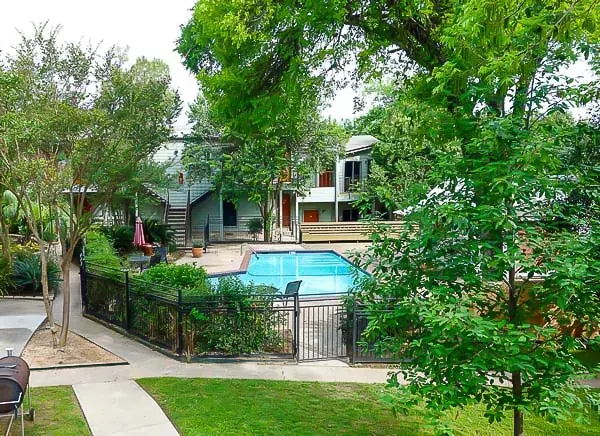
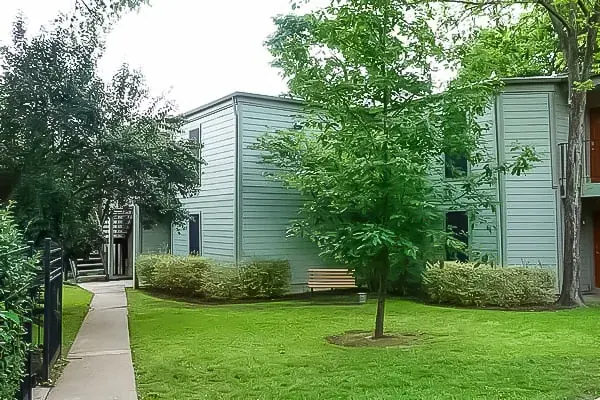
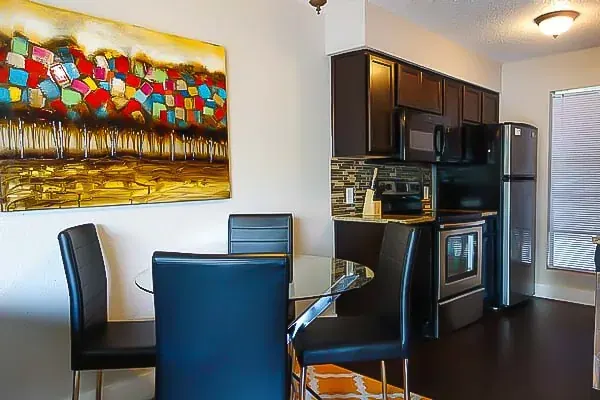
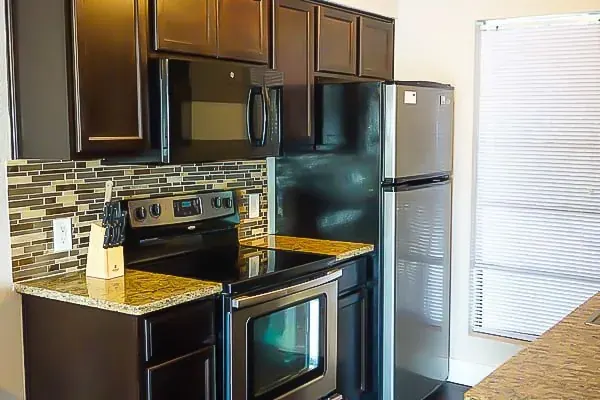
Inside Rustic Creek, our Austin flagship




Planning Ahead: Using Medicaid for Treatment, Then Transitioning to Sober Living
A smart recovery strategy involves using Medicaid to cover the clinical treatment phase, detox, rehab, and outpatient therapy, then transitioning to sober living once you’re medically stable. This approach maximizes your insurance benefits and sets you up for a smooth continuum of care.
Before you discharge from a Medicaid-funded treatment program, talk to your case manager or discharge planner about your next steps. Ask about recovery housing options, budgeting for rent, and connecting with peer support groups. Having a clear plan in place reduces the risk of relapse during the vulnerable transition period between treatment and independent living.
If you’re already enrolled in outpatient treatment or MAT through Medicaid, you can continue those services while living in a sober living home. You’ll attend therapy appointments, pick up prescriptions, and meet with your treatment team, all while benefiting from the accountability and peer support that sober living provides. This combination of clinical care and structured housing gives you the best chance at sustained recovery.
Why Invest in Sober Living Even Without Medicaid Coverage
Paying out of pocket for sober living might feel like a financial stretch, especially after already investing time and money into treatment. But the return on that investment is significant. Sober living dramatically reduces your risk of relapse during the critical first months of recovery, when you’re most vulnerable to triggers and setbacks.
Relapse often leads to additional treatment episodes, emergency room visits, legal troubles, lost employment, and damaged relationships, all of which carry their own costs, both financial and emotional. Investing in a few months of stable, structured sober living can prevent those downstream consequences and give you the foundation you need to rebuild your life.
At Eudaimonia Recovery Homes, residents in Texas cities like Austin, Houston, and San Antonio find that the structure, community, and accountability of sober living make the difference between short-term sobriety and lasting recovery. You’re not just renting a room, you’re investing in a lifestyle change that supports everything you’ve worked for in treatment.
Does Medicaid Cover Sober Living in Other States?
Medicaid policies vary by state, and a few states have experimented with covering recovery housing or offering housing support services through managed care plans. However, in Texas, the standard Medicaid program does not include coverage for sober living expenses. If you’re considering sober living in another state where Eudaimonia operates, such as Colorado, Pennsylvania, or Louisiana, the same general rule applies: Medicaid covers clinical treatment, not housing.
That said, policies can change, and some Medicaid managed care plans or waiver programs may offer limited housing assistance as part of a comprehensive care coordination package. Always verify your specific benefits and ask your care coordinator about any available support for recovery housing.
Moving Forward: Finding the Right Sober Living Option in Texas
Understanding that Medicaid doesn’t cover the cost of sober living in Texas allows you to plan realistically and explore the payment options that do work for your situation. Whether you’re using private pay, coordinating with family, maintaining employment, or working out a payment plan, the key is to prioritize your recovery and commit to the structured environment that will help you succeed.
Eudaimonia Recovery Homes in Austin, South Austin, Houston, and San Antonio offer the accountability, peer support, and substance-free living environment that help residents transition confidently from treatment to independent living. Our homes are designed to meet you where you are and support the next chapter of your recovery journey.
If you’re ready to explore sober living options and discuss payment plans that fit your budget, reach out to Eudaimonia Recovery Homes today. We’re here to help you find a path forward that supports your long-term sobriety and well-being.
Ready to take the next step?
Eudaimonia Recovery Homes provides structured sober living and recovery support in Houston, TX. Call (713) 818-2361 to speak with our team today.