

Published February 8, 2026 · Updated August 5, 2026
Key Takeaways
- What diazepam withdrawal isWhat “Valium withdrawals” means and why experiences vary.
- Common diazepam withdrawal symptomsThe most reported symptoms and which ones are more serious.
- Benzo withdrawal timeline for diazepamWhen symptoms may start, peak, and linger with a long-acting benzo.
- Why benzo withdrawal happensA plain-language look at nervous system rebound.
- Emergency warning signs during diazepam withdrawalRed flags that require urgent medical care.
- Benzo withdrawal treatment and safer supportWhat helps most and why there is no quick “cure.”
- Diazepam taper basics: questions to ask your prescriberPractical questions that support safer taper planning.
- How sober living, recovery homes, and IOP can helpHow structure and skills reduce relapse risk after withdrawal.
On This Page · 24 Sections
Diazepam (often called Valium) is a benzo medication that slows the nervous system. If you take it often, your brain adapts to that calm. When the dose drops too fast, your body can react with withdrawal.
This guide covers diazepam withdrawal symptoms, a realistic benzo withdrawal timeline, and safer ways to get support. It is general education, not medical advice. If symptoms feel severe or scary, get medical help right away.
- Diazepam withdrawal can start late. A long-acting drug can mask the drop for days.
- Symptoms can hit mind and body. Sleep, mood, and physical stress signs can show up together.
- Cold-turkey stopping can be dangerous. Seizures and severe confusion need urgent care.
- There is no quick benzo withdrawal cure. A safer taper and support plan usually work best.
What diazepam withdrawal is
Diazepam withdrawal is a set of symptoms that can happen after stopping diazepam or cutting it down too quickly. It is more likely after daily use for weeks or months. But it can also happen after shorter use in some people.
Many people do not expect this from a prescription. Still, regular use can lead to body dependence. FDA labeling for diazepam products warns about dependence and withdrawal reactions, especially with sudden stopping or risky mixing with other sedatives. FDA diazepam (Valium) labeling
People also call this valium withdrawals, benzodiazepines withdrawal, or “benzo withdrawal.” You may see shorthand like bzd withdrawal online. The idea is the same: the nervous system is re-balancing.
Why withdrawal looks different from person to person
Two people can stop the same dose and feel very different. Symptoms depend on dose, length of use, health, sleep, stress, and other substances. If alcohol or opioids are involved, risks rise fast.
If you are thinking about stopping suddenly, read our guide on the dangers of quitting cold turkey. It explains why some withdrawals can turn life-threatening.
Common diazepam withdrawal symptoms
Most benzodiazepine withdrawal symptoms come from a nervous system that is temporarily overactive. These benzo withdrawal symptoms can affect sleep, mood, and the body at the same time. A medical review describes sleep problems, irritability, anxiety, tremor, sweating, nausea, palpitations, and sensory changes as common features. The benzodiazepine withdrawal syndrome (PubMed)
Physical symptoms
- Shaking or tremor
- Sweating, hot flashes, or chills
- Fast heart rate or “pounding” heartbeat
- Nausea, stomach upset, dry heaving, or appetite changes
- Headache, dizziness, or feeling off-balance
- Muscle pain, stiffness, cramps, or jaw tightness
Mood, thinking, and sleep symptoms
- Rebound anxiety (anxiety that feels worse than your usual)
- Irritability, agitation, or panic feelings
- Trouble sleeping, vivid dreams, or nightmares
- Poor focus, “brain fog,” or feeling detached
- Low mood and low drive
Serious symptoms that need fast medical help
- Hallucinations or severe confusion
- Seizures
- Extreme agitation, paranoia, or psychosis
Not every symptom is withdrawal. But a pattern of rising symptoms after a dose drop is a sign to slow down and get guidance.
How diazepam compares to other benzos
Diazepam is long-acting, so withdrawal can begin later than with short-acting benzos. This is why many searches compare diazepam withdrawal symptoms with other drugs.
- Alprazolam withdrawal (often searched as xanax withdrawal or alprazolam withdrawal symptoms) can start fast and feel intense. Some people report xanax withdrawal symptoms low dose if they used it daily and stop suddenly.
- Lorazepam withdrawal (often searched as ativan withdrawal symptoms or lorazepam withdrawal symptoms) can include anxiety, sleep loss, nausea, and body tension. Many people also search “lorazepam side effects withdrawal” for the same cluster of symptoms.
- Clonazepam withdrawal symptoms can include anxiety, sleep issues, and sensory sensitivity. People may describe clonazepam withdrawal side effects like headaches and aches.
- Temazepam withdrawal often shows up as rebound insomnia because it is often used for sleep. Temazepam withdrawal symptoms may also include anxiety and agitation.
Benzo withdrawal timeline for diazepam
A benzo withdrawal timeline is not exact. Still, many people follow a similar curve. With diazepam, the early phase can feel mild. Then symptoms can rise days later, especially after a sudden stop.
| Phase | Often starts | What it can feel like | What helps most |
|---|---|---|---|
| Early shift | Days 2–7 | Sleep trouble, rising anxiety, restlessness | Medical check-in, food and fluids, steady routines |
| Acute withdrawal | Week 1–4 | Anxiety spikes, tremor, sweating, nausea, high alert feelings | Slower taper steps, symptom checks, coping skills |
| Post-acute symptoms | Weeks to months | Waves of poor sleep, mood swings, stress sensitivity | Aftercare, therapy, relapse prevention support |
Some people have a longer “tail” where symptoms come and go. SAMHSA calls this protracted withdrawal when symptoms last past the expected acute phase. SAMHSA: Protracted Withdrawal advisory
Why diazepam withdrawal can feel delayed
Diazepam stays in the body longer than many other benzos. It also breaks down into active byproducts. This can delay symptoms, then make them feel like they “hit all at once.”
What can make symptoms last longer
- Long-term use or frequent “as needed” use that became daily
- Large dose cuts or a taper that moves too fast
- Mixing sedatives (alcohol, opioids, sleep meds)
- Unmanaged anxiety, trauma symptoms, or insomnia
- Past withdrawal episodes, especially seizures
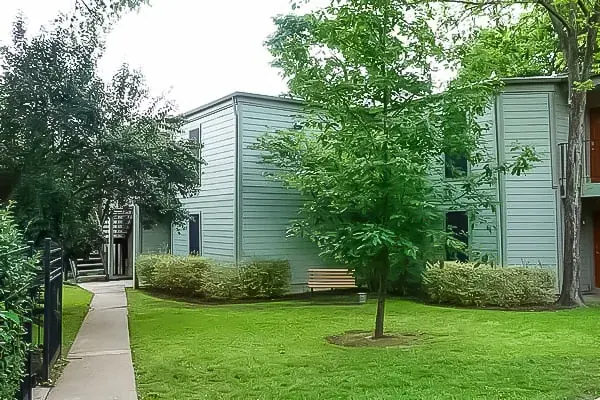
Inside Rustic Creek, our Austin flagship







Eudaimonia's Success Stories – Real People, Real Freedom
Why benzo withdrawal happens
Benzos boost GABA, a brain chemical that helps calm the body. Over time, the brain adjusts so it can keep working while the drug is present. When the drug is removed too fast, the brain can swing into “high alert” mode.
This rebound helps explain why symptoms can feel both physical and emotional. You might notice racing thoughts, muscle tension, light sensitivity, stomach upset, and sleep loss in the same week.
It also shows why routine matters. When the nervous system is reactive, missed sleep and high stress can raise symptoms.
Emergency warning signs during diazepam withdrawal
Many symptoms are uncomfortable but not dangerous. Some symptoms are emergencies. If you are unsure, it is safer to get checked.
Call 911 or go to an emergency department now if you notice any of these:
- Seizure, fainting, or severe shaking that will not stop
- Confusion, hallucinations, or not knowing where you are
- Chest pain, trouble breathing, or blue lips
- Uncontrolled vomiting, severe dehydration, or you cannot keep fluids down
- Thoughts of self-harm or you feel unsafe
If you are helping someone, stay with them. Do not let them mix alcohol, opioids, or other sedatives “to take the edge off.” That can raise overdose risk.
Benzo withdrawal treatment and safer support
People often search for benzo withdrawal treatment or benzodiazepine withdrawal treatment because they want relief fast. Treatment usually works best in layers: a safer taper plan, symptom support, and recovery structure.
A taper plan that matches symptoms
For many people, the safest approach is a supervised taper. That means small dose cuts and time to adjust. The taper rate often changes based on symptoms and safety risks. Do not try to design a taper on your own.
When you may need medical monitoring
Some people can taper with outpatient visits. Others need closer monitoring because of seizure history, heavy substance use, major medical issues, or severe mental health symptoms.
Daily structure that protects recovery
Early recovery is a skills phase. You are building sleep, stress control, and coping tools while your nervous system settles. A stable, substance-free home can help during this window.
If you recently completed detox and were given benzos, you may find our resource on sober living after detox with benzos useful for planning safe next steps.
Diazepam taper basics: questions to ask your prescriber
Because diazepam withdrawal can start late, a clear plan matters. Bring questions so you leave with a written schedule and safety steps.
- What is my taper rate, and when should we slow it down?
- What symptoms mean “call the clinic today” vs “go to the ER”?
- What substances and meds should I avoid during tapering?
- How will we handle sleep problems and anxiety during cuts?
- Do I have seizure risk based on my history or dose?
- How often will we check in, and how will we track progress?
If your plan includes group therapy and skills work, it helps to know the time commitment. See what an IOP schedule can look like and how people balance treatment with work and family.
How sober living, recovery homes, and IOP can help
Withdrawal is only one part of the story. Many people relapse after symptoms fade because sleep is still poor, anxiety stays high, and cravings rise. A recovery plan works best when it covers both the body and daily life.
What structured support adds
- Accountability: A clear plan for meds, meetings, and recovery actions.
- Routine: Regular sleep, meals, and movement calm the body over time.
- Peer support: Less isolation and more honest check-ins.
- Skills: Tools for panic, cravings, and triggers.
Many people combine a recovery home or sober living setting with an outpatient plan. Learn more about intensive outpatient care as a step that can support tapering and long-term stability.
If you are in recovery and need to manage prescriptions safely, review our guidance on taking prescription medications in recovery. It can help you avoid risky mixes and build accountability.
How Eudaimonia Recovery Homes Supports Diazepam Withdrawal Symptoms and Long-Term Recovery
Diazepam withdrawal symptoms can feel unpredictable, especially when anxiety, sleep problems, and physical tension hit at the same time. Eudaimonia Recovery Homes can help by providing a stable, substance-free living environment that supports consistency during this sensitive period. In a structured recovery home setting, it’s often easier to keep a routine for sleep, meals, hydration, and stress reduction, which can lessen the intensity of benzo withdrawal symptoms over time. Just as importantly, residents are surrounded by peers who understand the challenges of benzodiazepines withdrawal, which can reduce isolation and help people stay accountable to a taper or treatment plan.
Eudaimonia Recovery Homes also supports recovery by encouraging ongoing clinical care, such as outpatient services and counseling, so withdrawal discomfort doesn’t turn into relapse risk. With a focus on day-to-day stability, residents can practice coping skills for triggers, panic sensations, and cravings that may show up during the benzo withdrawal timeline. In addition, the sober living structure helps create space for healthier habits, like movement, relaxation routines, and support meetings, that can improve mood and sleep. Overall, the goal is to help people stay safe, supported, and committed to recovery while their nervous system recalibrates and symptoms gradually ease.
Your Future Is Waiting
Tell us what you are looking for and admissions will walk you through the houses, the phases, and what a room actually costs.