
Published January 26, 2026
Key Takeaways
- Clean sober living definitionWhat clean sober living is, what it is not, and what it typically includes.
- Before alcohol patternsCommon routines and cues that keep drinking going, including “stop drinking liquor” struggles.
- After alcohol benefitsThe benefits of quitting drinking and the real-life effects of quitting alcohol.
- Body changes timelineWhat happens to your body when you stop drinking alcohol and when withdrawal needs medical help.
- Quit safely and stay stoppedPractical advice to quit drinking, including tips to quit drinking and tips to stop drinking.
- Why clean sober living helpsHow structure, accountability, and peer support change the before-after curve.
- Next stepsA simple plan if you want to stop drinking now and need a safer, supported path.
On This Page · 22 Sections
If you are thinking “i want to quit drinking,” you are not alone. Many people reach a point where alcohol stops feeling like a reward and starts feeling like a problem. The shift that follows can be dramatic: your days look different, your body feels different, and your relationships change.
Clean sober living can protect that shift. Instead of trying to white-knuckle “stop drinking now” in the same places and patterns that trained your brain to drink, you change the environment while you change the habit.
This guide uses a before after alcohol lens. “Before” is not about shame. It is about noticing what alcohol did to your schedule, mood, sleep, money, and choices. “After” is about what changes when you remove alcohol and build daily structure, especially in a clean sober living home.
Clean sober living: a simple definition
Clean sober living is an alcohol-free, drug-free living environment that supports recovery through structure, accountability, and peer support. In plain terms, it is a home that makes the sober choice easier at the exact times when cravings and stress usually hit.
Clean sober living is not a hospital, and it is not medical detox. If you need medical stabilization, a clinician can help you decide the safest level of care. Many people use sober living after detox or treatment, or as a reset when their current home environment makes relapse more likely.
What “clean sober living” usually includes
- A substance-free space where alcohol is not stored, served, or used
- Clear expectations that reduce chaos and last-minute decisions
- Accountability (often through check-ins and agreed-upon rules)
- Peer support from people who understand cravings without judging
- Daily routines that make sleep, meals, work, and recovery actions predictable
If you want to understand how a structured home works day to day, review the sober living community rules before you commit.
Before alcohol: what drinking can do to daily life
Alcohol changes routines in predictable ways, even when drinking feels “controlled.” The pattern is not just the drink. It is the cycle around the drink: anticipation, relief, rebound, and recovery.
Many people notice these “before” signals:
- Mornings start with fog, nausea, shame, or anxiety.
- Sleep is long but not restorative.
- Meals are skipped or replaced with late-night snacking.
- Plans get canceled, relationships get strained, and small tasks feel heavy.
- Money leaks out through drinks, rides, food, and missed work.
- Alcohol becomes the fastest way to turn down stress, until stress gets worse.
There is also an environment effect. If your home, friends, and routines are built around drinking, your brain expects alcohol in those places. That is why “just use willpower” often fails. Your cues keep firing, even when you truly want change.
If you are drinking liquor most nights, you may be searching “stop drinking liquor” because the consequences feel sharper. Liquor can deliver a higher dose quickly, which can increase tolerance and make withdrawal risk higher for some people. No matter what you drink, the brain learns a simple rule: discomfort → drink → temporary relief.
After alcohol: benefits of quitting drinking
The benefits of quitting drinking can start quickly, but they rarely feel smooth. Your body is recalibrating sleep, stress hormones, and brain chemistry. Your life is also recalibrating time, friendships, and habits.
Common benefits of quitting drinking alcohol include:
- Clearer mornings, fewer headaches, and steadier energy.
- Better sleep quality, even if sleep is disrupted at first.
- Less heartburn and stomach upset.
- More stable mood and less rebound anxiety after nights out.
- Improved focus, reliability, and follow-through.
- More money available for bills, food, hobbies, and goals.
People often describe quitting alcohol benefits as “getting my day back.” The effects of quitting alcohol depend on how much you drank, how long you drank, and your overall health. But a consistent theme shows up: when you are giving up alcohol, you regain time and choice.
If you are looking for giving up alcohol benefits that are not just physical, watch for these: fewer arguments, fewer apologies, and more follow-through. Over time, giving up the booze often rebuilds self-trust because you start doing what you said you would do. Those are real quitting alcohol benefits, even if they are not dramatic.
Why the first weeks can feel “off”
Early sobriety can include irritability, restlessness, and a flat mood. This does not mean quitting is failing. It often means your nervous system is relearning how to calm down without alcohol. Clean sober living helps by making your days more predictable while your brain adjusts.
Eudaimonia's Success Stories – Real People, Real Freedom
What happens to your body when you stop drinking alcohol
People ask this in many ways: “what does giving up alcohol do to your body,” “what happens to your body when you quit drinking,” “what happens to your body when you quit drinking alcohol,” “what happens to your body when you stop drinking alcohol,” “what happens when i stopped drinking alcohol,” “what happens when u quit drinking,” or “what happens your body when you stop drinking.” The best answer is a timeline with flexibility.
A simple timeline most people recognize
- First 1–3 days: withdrawal risk is highest for heavy daily drinkers. You may feel shaky, sweaty, nauseated, anxious, or unable to sleep.
- First 1–2 weeks: sleep can be erratic, but mornings often start to improve. Appetite and hydration may normalize. Cravings can spike at predictable trigger times.
- Weeks 3–8: mood and stress tolerance often improve with steady routines. Fitness and digestion may improve as you eat and move more consistently.
- Months 3+: benefits can deepen, including steadier sleep, more emotional range, and clearer thinking.
Why timelines vary
Two people can quit on the same day and feel very different. Differences often come from:
- How much and how often you drank
- Whether you drank in the morning or had withdrawal before
- Sleep, nutrition, and hydration
- Stress level and mental health symptoms
- Whether your environment still contains alcohol cues
Safety note: alcohol withdrawal can be dangerous and, for some people, life-threatening. MedlinePlus lists alcohol withdrawal symptoms and warning signs that may require medical support. If you have had severe withdrawal before, drink daily, or are unsure, talk with a clinician before you quit.
Cravings often fade in stages, and they can show up even when you feel committed. If you want a cravings timeline and coping tools, read when do alcohol cravings stop.
How to stop drinking alcohol safely and stay stopped
If you are searching “how to stop drinking alcohol safely,” start by separating two goals: stopping the alcohol and stopping the relapse cycle. Safety comes first. Quitting “cold turkey” is not safe for everyone, especially with long-term heavy drinking.
When to get urgent help
Get urgent medical help if you have seizures, confusion, hallucinations, extreme agitation, chest pain, fainting, severe shortness of breath, or uncontrolled vomiting and dehydration.
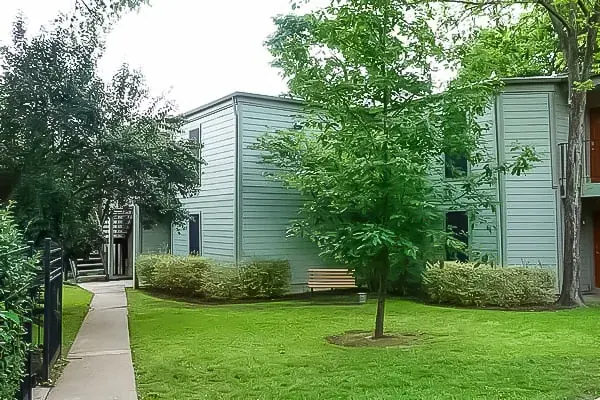
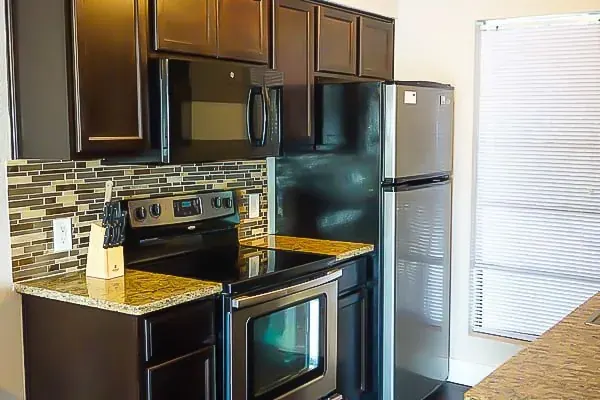
Inside Rustic Creek, our Austin flagship






How can i stop drinking? A clean sober living plan
- Start with a clear decision window. Pick a short window: today, this week, or the next 72 hours.
- Change access, not just intention. Remove alcohol from your home, delete delivery apps, and avoid high-risk routes for the first weeks.
- Replace the “drink hour.” Most people relapse at a predictable time. Build a replacement routine that starts before your usual drinking window and ends after it.
- Build a support stack. Clean sober living works best when it connects to outside support, such as therapy, outpatient care, and peer recovery.
- Track patterns, not just days. Track triggers, sleep, cravings, and what helped. Progress often shows up as fewer high-risk moments.
Many people ask “how do i quit drinking” when motivation keeps fading. Here is practical advice to quit drinking when you feel yourself bargaining: tighten the plan, not the goal. Name the trigger, do one body action (eat, shower, walk, breathe), and do one connection action (text a support person, attend a meeting, or talk to staff).
People also search “how to give up alcohol” and “how to quit booze” because they want change without all-or-nothing panic. A helpful reframe is: you do not need to win the rest of your life today, but you do need to protect tonight.
Tips for quitting alcohol that match real life
- Use a 10-minute delay. Promise yourself you can drink later, but wait ten minutes first.
- Eat early. Low blood sugar makes cravings louder.
- Keep non-alcohol drinks ready. Hydration helps, and the ritual matters.
- Plan short social exits. Drive yourself, set a time, and leave before temptation peaks.
- Practice a simple script. “I’m not drinking tonight” is enough.
- Clean your environment. Throw out bottles and drinking reminders.
- Build morning wins. One small morning routine can stabilize the whole day.
Stop drinking now: a 30-minute reset plan
If you feel an urge and you are close to drinking, keep the goal small: make it through the next 30 minutes without alcohol. This is often enough to break the peak of a craving.
- Drink water and eat something simple. Hunger and dehydration can amplify cravings.
- Change your location. Move to a public, alcohol-free place or a room where you cannot drink.
- Do a short body action: a brisk walk, a shower, or slow breathing for five minutes.
- Text or call someone. Connection lowers risk more than isolation ever will.
- Make your next step obvious: go to a meeting, go to bed early, or follow your house plan.
This is not about being perfect. It is about building repetition until the craving curve softens.
These tips to quit drinking are simple on purpose. If you want more tips to stop drinking, focus on the first hour after work. That hour is often the hinge point. A consistent evening routine can also reduce cravings. For routine ideas, see how to develop a healthy daily routine in recovery.
Why clean sober living changes the before-after curve
Environment is not a small detail in recovery. A stable alcohol-free home reduces exposure to triggers, increases accountability, and makes it easier to practice coping skills daily.
A peer-reviewed overview in PubMed Central describes sober living houses as alcohol- and drug-free living environments that support abstinence through social support and recovery involvement. In other words, the home itself becomes part of your recovery plan.
In practical terms, clean sober living supports:
- Accountability (screenings, house meetings, and clear expectations)
- Routine (sleep, chores, and planned recovery actions)
- Peer reinforcement (people who understand cravings without judging)
- Less isolation (a major relapse risk)
- A bridge from detox or treatment to independent living
Before and after alcohol: a day-in-the-life comparison
- Before: wake up exhausted, recover from the night, avoid plans, drink to switch off stress, repeat.
- After: wake up consistently, eat and hydrate, go to work or appointments, connect with recovery support, sleep without alcohol around.
If you are moving into sober living, a packing plan can reduce stress and last-minute decisions. Use this what to bring to sober living checklist as a starting point.
Next steps for quitting alcohol
If you are thinking “i want to stop drinking,” start with a safe assessment and a supportive environment. Clean sober living can be a step after detox, a step alongside outpatient care, or a reset when your home environment is high-risk.
If you keep thinking “stop drinking now” and cannot, that can be a sign of alcohol use disorder. NIAAA explains alcohol use disorder as a medical condition marked by an impaired ability to stop or control alcohol use despite harm. If that description fits, added support is a strength, not a failure.
A short checklist for today
- Make the next 24 hours the goal, not the next year.
- Remove alcohol from your space, or stay somewhere alcohol-free.
- Tell one person the truth about what you are doing.
- Eat, hydrate, and sleep as consistently as you can.
- Have a plan for the first high-risk hour of the day.
Consider extra help if you have had seizures or severe withdrawal, if you drink daily and feel sick when you do not drink, or if depression, anxiety, or trauma symptoms intensify when you quit.
If you are ready for quitting alcohol and want a structured, substance-free place to stabilize, you can apply for sober living to check availability.
If you have questions about fit, safety, or next steps, contact Eudaimonia Recovery Homes. The goal is not to “be strong forever.” The goal is to build a life where leaving alcohol behind becomes the normal choice.
How Eudaimonia Recovery Homes Supports Clean Sober Living Before and After Alcohol
Eudaimonia Recovery Homes can support clean sober living by providing a structured, alcohol-free environment where daily routines and accountability make it easier to stay consistent in early recovery. Instead of trying to manage triggers alone, residents benefit from a stable home setting designed to reduce exposure to alcohol cues and support healthier choices. Clean sober living often works best when it includes community, and Eudaimonia offers a peer-based atmosphere where people can build connection, practice communication skills, and feel less isolated during the before and after alcohol transition. The home structure helps reinforce practical habits like regular sleep, balanced meals, and consistent recovery actions, which can strengthen the benefits of quitting drinking over time.
For many people, cravings and stress are most intense during predictable hours, and a supportive living setting can add guardrails when motivation dips. Eudaimonia also helps residents stay focused on progress by encouraging responsibility, follow-through, and engagement with recovery supports that fit individual needs. This can be especially helpful for anyone who wants to quit drinking but worries about relapse in a high-risk home environment. Over time, clean sober living can help turn sobriety from a daily struggle into a steady lifestyle supported by routine, community, and a healthier environment.
Your Future Is Waiting
Tell us what you are looking for and admissions will walk you through the houses, the phases, and what a room actually costs.