
Published January 28, 2026
Key Takeaways
- What are alcohol free alternatives?A clear definition and why ritual matters for cravings and social comfort.
- Non-alcoholic vs alcohol-free: what labels really meanHow ABV labeling works and why cues can matter more than numbers.
- How to choose the best non alcoholic drinks for your needsA practical framework (flavor, feeling, fit) plus a quick comparison chart.
- Best non alcoholic beverages for social situationsDefault orders and simple scripts that reduce pressure in public settings.
- Best non alcoholic spirits and drink mixes to stock at homeA minimal “mixing system” that makes consistent, repeatable mocktails.
- Easy non alcoholic drinks to make at homeEight templates you can reuse as non alcoholic cocktail recipes and virgin cocktail recipes.
- Ordering, triggers, and getting supportHow to simplify when cravings rise and when to reach for structured help.
On This Page · 16 Sections
Searching for alternatives to alcohol often starts with a simple need: you want a drink that feels social, tastes good, and supports your goals. The problem is that many “drinks no alcohol” options are either too sweet, too boring, or too close to the real thing.
This guide focuses on the best non alcoholic drinks for real life: options you can keep in the fridge, order at restaurants, and mix quickly at home. You’ll also learn how to choose alcohol free drinks that fit recovery, reduce triggers, and support steady routines.
What are alcohol free alternatives?
Alcohol free alternatives are beverages that replace the role alcohol plays, without intoxication. They can be everyday non alcoholic beverages like sparkling water and tea, or “cocktail-style” drinks like mocktails non alcoholic.
Most people reach for alcohol for one of these reasons: to relax, to connect, to celebrate, or to change how they feel fast. The best alcohol alternatives work because they replace at least two layers at once: the taste experience and the ritual, which is why simple changes can feel surprisingly powerful.
In behavioral health terms, you’re changing the habit loop. You keep the cue (a social moment), keep the routine (a drink and a pause), but replace the reward with something that doesn’t derail your nervous system or your next-day functioning.
Ritual matters more than most people expect. The glass, the ice, and the garnish can make alcohol free drinks feel intentional, which reduces the “I’m missing out” feeling that can show up at parties and dinners.
If you’re in early sobriety, it can help to track when cravings spike and what actually helps. This quitting alcohol tracker guide is one way to notice patterns and build safer replacement routines.
Non-alcoholic vs alcohol-free: what labels really mean
Some terms sound similar but mean different things. In everyday conversation, “non-alcoholic” and “alcohol-free” get used interchangeably. On labels, they can be different categories, and that difference matters for people who are sensitive to triggers, pregnancy, medication interactions, or medical conditions.
For malt beverages, U.S. labeling rules allow the term “non-alcoholic” only when the label also states the product contains less than 0.5% alcohol by volume (ABV). “Alcohol free” is reserved for products that contain no alcohol. TTB labeling guidance explains how these terms are used.
Even when the ABV is low, the cue can be high. Smell, taste, a familiar bottle shape, or “cocktail language” can trigger craving or nostalgia. If you’re not sure, choose options that do not resemble alcohol at all, at least until your recovery feels more stable.
Also watch “hidden” alcohol in extracts and fermented products. Some kombuchas, shrubs, and fermented mixers can climb above trace levels depending on how they’re made and stored, so label reading matters more than marketing language.
One more safety note: if you have been drinking heavily, don’t stop suddenly on your own. Alcohol withdrawal can become severe and may require medical support, especially if you have had withdrawal before. MedlinePlus offers an overview of alcohol withdrawal and warning signs.
How to choose the best non alcoholic drinks for your needs
The “best” non alcoholic drink is the one you will actually use. A helpful selection checklist is: flavor, feeling, and fit. This is also a good way to separate “best NA drinks” from “nice in theory” drinks you never reach for.
- Flavor: Do you want crisp, bitter, spicy, creamy, or fruity?
- Feeling: Do you want calming, energizing, or celebratory?
- Fit: Does it match your health goals, your recovery plan, and the setting you’re in?
When a drink feels “adult,” it usually has structure. Structure comes from a simple flavor map: acid (citrus), bitter (herbal notes), body (tea, juice, or milk), aroma (herbs), and temperature (cold or warm). If you build structure, you need less sugar, and you get better balance.
Another “fit” factor is physiology. Big sugar spikes can worsen anxiety for some people and may increase cravings later in the day. Caffeine can also add jitteriness or sleep disruption, which can make emotional regulation harder the next morning. If you’re choosing best non alcoholic beverages for recovery, stable energy often matters more than novelty.
Use this quick comparison chart as a scan-friendly table. It can help you pick good non alcoholic drinks without overthinking.
| Option | Best for | What it tastes like | What to watch |
|---|---|---|---|
| Sparkling water + citrus | Restaurants, events | Clean and crisp | Keep it simple; add a garnish |
| Herbal tea (hot or iced) | Evenings, stress | Soothing, aromatic | Choose caffeine-free at night |
| Ginger beer + lime | Parties, cravings | Bold and spicy | Many brands are high-sugar |
| “Shrub” style drinks | Adult flavor | Tart, complex | Start with a small splash |
| Kombucha | “Cocktail-like” tang | Fermented, bright | Some can reach 0.5% ABV; read labels |
| Non alcoholic canned drinks | Travel, convenience | Ready-to-pour | Check caffeine, sugar, and ingredients |
| Best non alcoholic spirits | Mocktail bar vibe | Botanical or bitter | Choose a mixer plan, not a big collection |
If you’re building a long-term routine, rotate options. Variety reduces boredom, and boredom often increases risk in social situations, especially when alcohol is the default at gatherings.
Eudaimonia's Success Stories – Real People, Real Freedom
Best non alcoholic beverages for social situations
In social settings, a good drink does three jobs: it gives your hands something to do, it gives you a “default order,” and it reduces questions from other people. These are practical best alcohol alternatives that work in most places, including weddings, dinners, and happy hours.
Low-effort orders you can use anywhere
- Soda water with lime (or lemon) in a short glass.
- Iced tea with lemon, unsweetened if you want it dry.
- Ginger beer with lime, in a tall glass.
- Hot tea or coffee when the venue is casual and alcohol is not central.
If you want a beverage mocktail without the “fake cocktail” vibe, ask for something “not too sweet” and “more citrus and herbs than juice.” That single sentence often gets you better mock cocktail drinks than ordering a named classic, and it keeps the drink closer to your taste preferences.
If you’re going somewhere with limited options, bring your own backup. A couple of non alcoholic canned drinks in a cooler can remove pressure and protect your plan, especially at outdoor events where the bar selection is unpredictable.
If you’re navigating workplace events where drinking is expected, planning your order ahead of time can lower anxiety and reduce decision fatigue. This workplace happy hour guide breaks down boundary skills you can use at bars, dinners, and conferences.
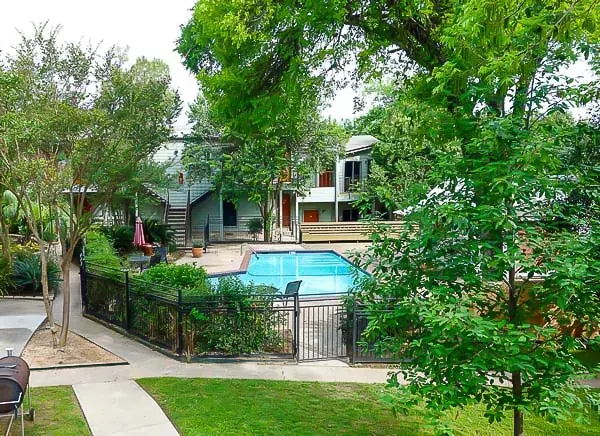
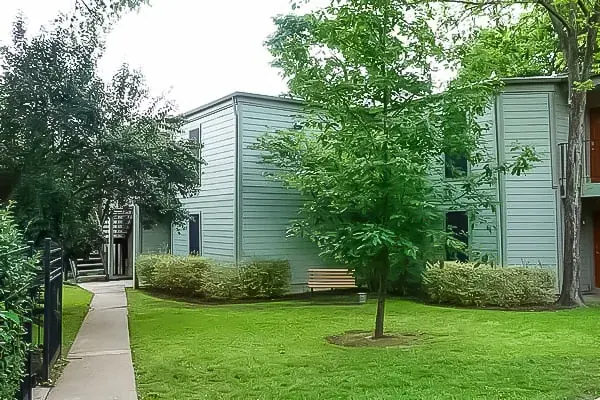
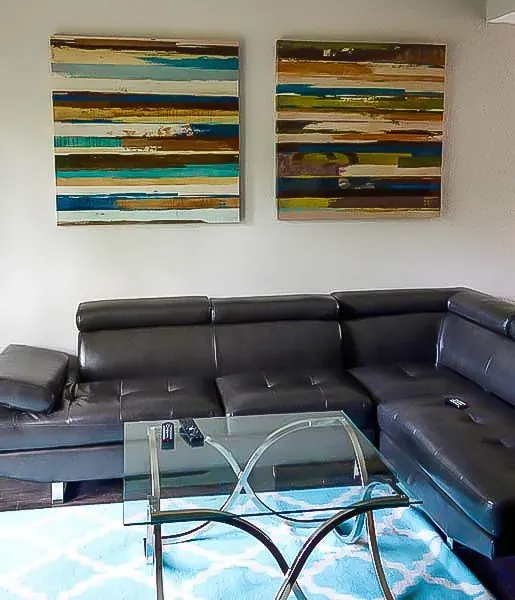
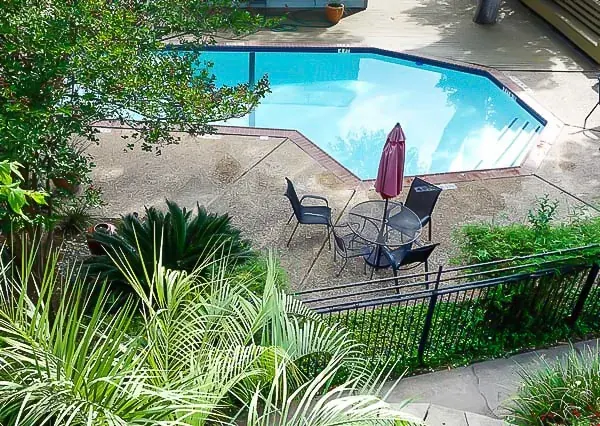
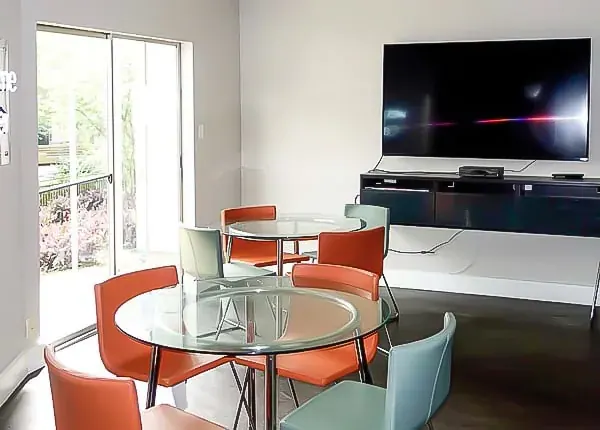
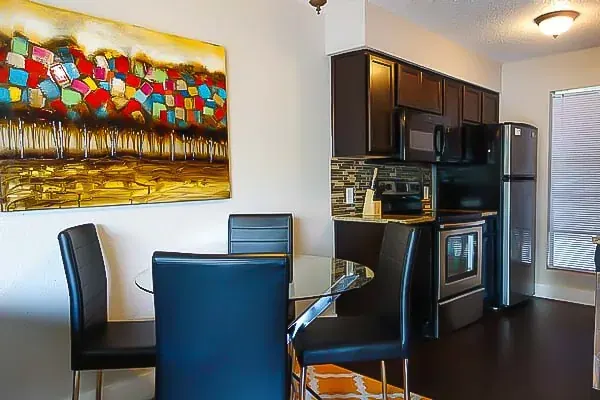
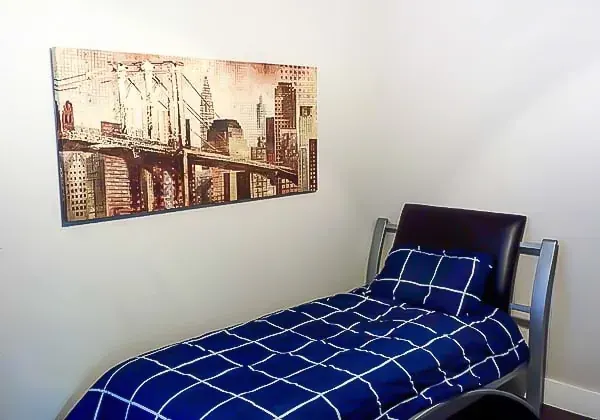
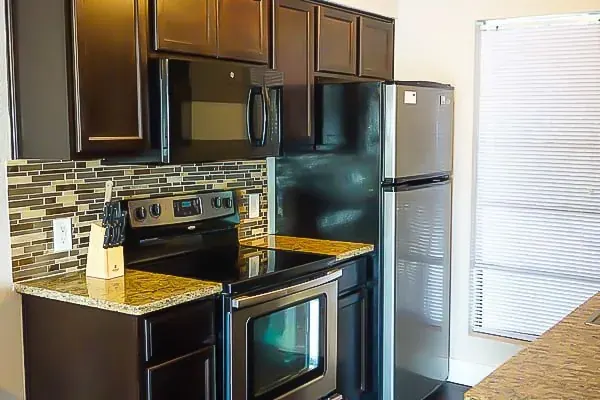
Inside Rustic Creek, our Austin flagship
When you want “best virgin cocktails” without heavy sugar
- Choose acid + bubbles: citrus plus sparkling water tastes grown-up and cuts sweetness.
- Add bitterness: a tart juice (grapefruit, cranberry) can create balance.
- Use aroma: mint, rosemary, orange peel, or ginger makes simple drinks feel special.
These small tweaks are why some virgin drinks taste like a real drink and others taste like soda. If you want best virgin drinks, aim for balance, not sweetness, and choose a drink you can sip slowly.
Best non alcoholic spirits and drink mixes to stock at home
If you want the best NA cocktails at home, don’t start by buying five bottles. Start by building a “mixing system.” A system means you can make consistent non alcoholic cocktail recipes with fewer ingredients, and you can repeat what works when cravings hit.
Pick one “base” and two mixers
- Base: a non alcoholic spirit (botanical, smoky, or citrus-forward) or a strong brewed tea.
- Mixer 1: plain seltzer or club soda for fizz and lift.
- Mixer 2: ginger beer, tonic-style mixer, or a tart juice for bite.
Then add two supporting tools: citrus (lemon or lime) and a simple sweetener. With those five pieces, you can build dozens of non alcoholic drink ideas and non alcoholic mocktail recipes without a complicated setup, which is why this approach works in real homes.
Recovery-friendly “sober bar” essentials
- Fresh citrus: lemons, limes, and optional oranges.
- Cold options: seltzer, sparkling mineral water, and a ginger mixer.
- Warm options: herbal tea, chai, or decaf coffee for nighttime routines.
- Flavor builders: mint, rosemary, cinnamon sticks, fresh ginger, or cucumber.
- Non alcoholic drink mixes: simple syrup, honey, or a small bottle of tart juice.
To make this even easier, use a repeatable build: ice first, then citrus, then base, then mixer, then garnish. That consistent order is part of why best non alcoholic cocktails feel effortless instead of like a project.
In structured sober environments, boundaries protect everyone’s stability. If you live in sober housing, review expectations before bringing any beverage home. Eudaimonia’s sober living community rules explain what supports a substance-free environment.
Easy non alcoholic drinks to make at home
Below are eight simple templates you can repeat. These are easy non alcoholic drinks to make at home and also simple non alcoholic drinks to make at home because they use “parts” instead of exact measurements. You can treat them as virgin cocktail recipes and recipes for virgin drinks when you need something fast, including birthdays, baby showers, and holiday dinners.
3, 2, 1 Spritz
3 parts bubbly water, 2 parts juice (grapefruit, orange, or cranberry), 1 part lemon or lime. Add ice and a garnish.Ginger Lime Highball
Ginger beer plus fresh lime. Add a pinch of salt if you want it to taste brighter.Tea Tonic
Strong brewed iced tea plus sparkling water and lemon. This is one of the best non alcoholic drinks for people who dislike sugar, and it still feels special in a nice glass.Herb and Citrus Cooler
Gently crush mint or rosemary in the glass, add citrus, then top with seltzer.Virgin Margarita-Style Drink
Lime plus a small splash of orange juice, topped with sparkling water. Salt the rim if you want the full “cocktail” feel.Zero-Proof Mule
Ginger beer plus lime. If you use non alcoholic spirits, add a small pour for extra depth.Creamy Nightcap (No Alcohol)
Warm chai or herbal tea with milk or oat milk and cinnamon. Keep it lightly sweet if you want better sleep and a calmer evening routine.Batch Party Punch
In a pitcher: 2 parts juice, 2 parts sparkling water, 1 part citrus. Use frozen fruit instead of ice to avoid dilution.
These non alcoholic drinks recipes work because they are flexible, and the same is true for non alcoholic drinks mocktails you build from them. If you want them drier, reduce juice and add more citrus or tea. If you want them sweeter, add a small amount of syrup instead of pouring more juice, which can keep the drink balanced.
Ordering, triggers, and getting support
Many people can stay sober at home but struggle at restaurants, weddings, or work functions. The goal is to reduce friction: have a plan, order early, and choose drinks that support stability, not drinks that push you toward old patterns.
- “Can you make a mocktail that’s not too sweet?”
- “Soda water with lime, please.”
- “Do you have any non alcoholic canned drinks?”
- “I’d like a virgin cocktail with citrus and herbs.”
If you notice increased cravings, bargaining thoughts, or strong nostalgia, simplify. Switch to “clean” alternatives like tea, seltzer, or flavored water. For many people, that is the safest choice during early recovery, and it still keeps you included in the moment.
Be honest about risk. “Casual” drinking can restart an old cycle, even when intentions are good. This article on casual drinking in recovery explains why small exceptions can become slippery over time.
Alcohol is also a public health issue, not a moral issue. In the U.S., excessive alcohol use is a leading preventable cause of death, with about 178,000 deaths each year. CDC facts and statistics provide a clear overview.
If you want structured support while building a sober routine, you can apply for a sober living program and talk with a team about the next right step.
How Eudaimonia Recovery Homes Supports Your Shift to the Best Non Alcoholic Drinks
Eudaimonia Recovery Homes can help you turn the idea of switching to the best non alcoholic drinks into a consistent, real-life routine that supports long-term recovery. In a structured sober living environment, you can practice healthier alternatives to alcohol in the exact moments they matter most: after work, during weekends, and in social situations that used to revolve around drinking. Residents often benefit from accountability, peer support, and daily rhythms that make it easier to replace old habits with stabilizing choices like alcohol free drinks and balanced mocktails.
Eudaimonia’s recovery-focused community can also help you identify personal triggers, build coping skills, and plan ahead for events where “just one” might feel tempting. Instead of relying on willpower alone, you learn practical strategies for ordering drinks no alcohol, handling pressure, and staying grounded when cravings spike. Over time, these skills can make non alcoholic beverages feel like a normal part of your lifestyle, not a temporary substitute. The goal isn’t just to find best alcohol alternatives: it’s to build a life where you don’t need alcohol to relax, connect, or celebrate. With the right support and structure, even small choices, like what you sip at dinner, can reinforce bigger recovery goals.
Your Future Is Waiting
Tell us what you are looking for and admissions will walk you through the houses, the phases, and what a room actually costs.