
Published January 31, 2018 · Updated July 8, 2026
On This Page · 5 Sections
Staying sober after rehab can be a challenge. It’s an entirely new lifestyle change that will require continued hard work and effort. Every individual in recovery will experience setbacks in sobriety, as they are just a natural part of life. Despite those challenges, a life of sobriety can be extremely rewarding and there are many things you can do to maintain a life in recovery.
If you recently completed a rehab program or have been sober for several months, yet you find yourself struggling to stay that way, you may be unintentionally sabotaging your own sobriety. Here’s how.
Am I Sabotaging My Own Sobriety Without Realizing It, and What Are the Warning Signs?
It’s possible to sabotage your own sobriety without realizing it, and recognizing the warning signs early is key to protecting your recovery. Common signs of self-sabotage include isolating from your support network, skipping meetings or therapy, romanticizing past substance use, letting go of healthy routines, keeping “just in case” access to substances, downplaying stress or emotions, spending time with people or places tied to old use, and overconfidence that you “have it handled.” These patterns often build gradually and quietly, which is why they’re easy to miss.
The good news is that awareness is protective: if you notice these warning signs, you can course-correct by reconnecting with support, re-committing to your routines and meetings, being honest with a sponsor or counselor, and asking for help early. A structured, accountable environment like sober living can help you catch and interrupt self-sabotaging patterns before they lead to relapse.
Life After Rehab: Staying Sober
The process of staying sober after rehab is characterized by continual growth and improvement in your overall health and wellness. Resilience, or having the ability to adapt to challenges and life changes, is a key part of this.1
Resilience is a quality that doesn’t just appear overnight; it takes time to develop, but as it does, it will enable you to better handle the challenges and stressful situations you will inevitably face throughout your life. Things, like getting a job, finding a home, repairing old relationships, building new relationships, and staying sober, are just a few of the obstacles you may face after rehab, but resilience can help you overcome those challenges.
Taking clear steps to support your new life in recovery is one way you can develop resilience in your own life. Unfortunately, many people in recovery unintentionally sabotage their own sobriety by neglecting some of the essential building blocks of addiction recovery. Here are a few of the most common ways this happens.
- Boredom – All your time that was once spent using drugs or drinking is now unstructured free time. If you neglect to fill this time with hobbies or activities, you are more likely to give in to cravings and thoughts about using again.
- Isolation – Being alone can easily lead to depression, anxiety, and relapse. It’s not always easy to reach out to friends and family for support, but it’s very important to have a reliable support system in recovery.
- Destructive thoughts – Harboring negative thoughts about yourself, such as “I’ll never be able to recover” or “I’ve just messed up too much and there’s no way to come back from this” will only lead you down a path of destruction.
- Dishonesty – Lying to your sober peers, family members, and friends about your feelings, cravings, or daily struggles will make it very difficult to avoid relapse and maintain long-term sobriety.
- Neglecting self-care – Not getting enough sleep, eating unhealthy foods, and not exercising are all things that can lead to a negative mindset. Not having a regular healthy routine affects your mood, sleep quality, behaviors, and relationships with others.
- Not going to recovery meetings – Recovery meetings not only serve as a consistent place to check-in, but they are also safe places where people can discuss life issues, share advice and wisdom, build healthy relationships, and learn from other people in recovery. Not going to meetings may leave you feeling isolated and alone, which can threaten your sobriety.
- Stress – Life after rehab can be stressful and recovering addicts are more susceptible to the negative effects of stress. Not taking advantage of tools like meditation, yoga, talk therapy, exercise, and recovery meetings can leave you feeling unable to deal with the stress and may lead you back into drug or alcohol abuse as a means to cope.
- Harmful relationships – Spending a lot of time with people who use drugs and alcohol or who don’t support your recovery is especially harmful to your sobriety. You’re also more likely to end up in high-risk situations that compromise your recovery.
- Succumbing to guilt – Constantly reminding yourself of terrible things you did in the past and mistakes you’ve made will only hamper your recovery and leave you feeling depressed, worthless, and alone.
Most of these behaviors stem from feelings of fear and discomfort, as well as a lack of resources.2 Fortunately, they are all behaviors that can be modified with the right tools and support systems.
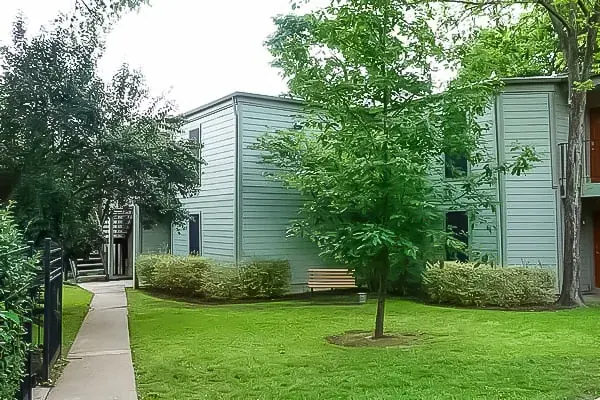
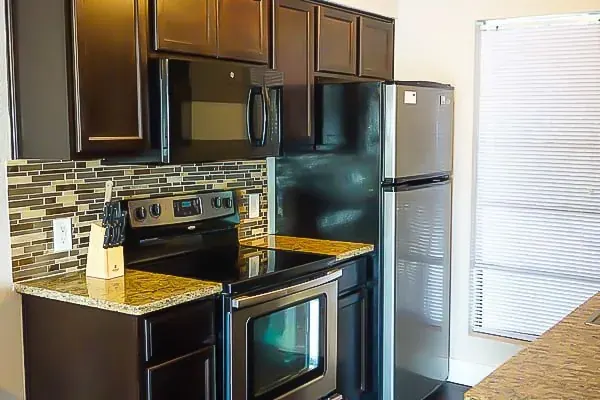
Inside Rustic Creek, our Austin flagship






The 7 Essentials for Thriving in Sobriety
A successful life in recovery looks different for everyone, but maintaining a lifestyle of recovery generally requires the following things.3
- Community support – Having a stable, healthy foundation of peer support makes all the difference when you’re struggling to stay sober. People within your support network can provide a listening ear, personal wisdom, and advice, and help keep you on track when you feel like you can’t do it on your own.
- Accountability – To accomplish any goal in life, people typically need some form of accountability. Sobriety is no different. Things like regular drug tests, weekly meetings with sponsors, and honest, open communication will all help keep you on track.
- Sober, safe living environment – A sober and supportive living environment is key to lasting sobriety. If you have easy access to drugs and alcohol at home, your family members also suffer from addiction, or your family and friends are not supportive of your recovery goals, you should seek out another living environment as soon as possible.
- Healthy relationships – Developing healthy relationships with your peers in recovery is extremely important. Other people in addiction recovery have a unique ability to support you in your own recovery journey because they have a deep and personal understanding of what you’re experiencing. They can provide mutual support, strength, and hope at a time in your life when you’re struggling to find meaning and personal connections with others.4
- Fun, sober activities – Filling your free time with fun activities and new hobbies will help prevent boredom and isolation while also giving a sense of meaning to your new life in recovery.
- Health and wellness – Physical, social, emotional, and psychological health and wellness are all important in a life of recovery. Maintaining balance in your life and living a healthy lifestyle will help you achieve these things and create a solid foundation upon which you can stand in your sobriety.
- Purpose – Things, like building relationships, serving others, and cultivating new hobbies, will all provide a sense of purpose as you learn to recreate your life without the influence of drugs and alcohol.
The Benefits of Sober Living Houses for the Recovering Addict
Many people may not have a safe or sober living environment to return to after rehab, which can make continued sobriety very difficult. Sober living homes are transitional living environments that are designed especially for addicts in recovery. These group houses provide sober and supportive living environments in which people can gradually transition from a life of addiction into a life of independent sobriety.
Sober living houses are extremely beneficial for anyone in recovery because they provide all of the basic essentials a person needs to thrive in sobriety. From regular drug testing and structured recovery programming to group house meetings, volunteer work, and career and employment assistance, sober living programs provide basic recovery support services that individuals may not otherwise get at home.
Transitional living homes also provide ample opportunities for individuals to develop useful life skills and tools that will empower them to manage high-risk situations, reduce the risk of relapse, and successfully live a sober life on their own when the time comes. All of these things work together to increase a person’s self-efficacy, or their confidence in their own ability to control their motivation, behavior, and responses to their environment.
If you don’t have a safe, supportive, and sober place to go after completing rehab or you are struggling to maintain your sobriety on your own, a sober living home may be a great option for you. Call Eudaimonia Recovery Homes today to learn more about our sober living houses in Houston, Austin, and Colorado Springs.
References:
- https://www.samhsa.gov/recovery
- https://opinionator.blogs.nytimes.com/2016/02/09/staying-sober-after-treatment-ends/
- https://store.samhsa.gov/shin/content//PEP12-RECDEF/PEP12-RECDEF.pdf
- https://www.samhsa.gov/recovery/peer-support-social-inclusion