Published September 28, 2018 · Updated July 15, 2026
On This Page · 22 Sections
In recovery and sober living, you will experience a wealth of personal growth. You learn how to cope with stress, anxiety, and depression in a productive way. You learn how to manage your finances responsibly and live independently. And most importantly, you learn how to make good decisions that will positively impact your life.
This personal growth and change is not always easy and may not come naturally at first, but with time and repeated practice, you will begin to develop important beliefs and perceptions about yourself and your surroundings that will help you maintain not just a life of sobriety, but a life that is fulfilling and rewarding. One example of this is self-efficacy.
How Does Self-Efficacy Play a Role in Addiction Recovery and Preventing Relapse?
Self-efficacy, your belief in your own ability to handle challenges and stay sober, is one of the strongest predictors of success in addiction recovery. When you believe you can cope with cravings, stress, and high-risk situations without using, you’re far more likely to actually do so; low self-efficacy, by contrast, makes relapse more likely because doubt and “what’s the point” thinking erode your resolve. In short, confidence built on real coping skills helps you face triggers head-on instead of giving in to them.
Self-efficacy isn’t fixed: it grows through small, repeated successes, learning from setbacks, watching others succeed in recovery, and developing concrete coping skills. That’s why structured support like therapy, recovery meetings, and sober living matters: each sober day, each handled craving, and each goal met builds the evidence that you can do this, which directly lowers relapse risk.
What Is Self-Efficacy?
The American Psychological Association defines self-efficacy as “an individual’s belief in his or her capacity to execute behaviors necessary to produce specific performance attainments.”1 Your self-efficacy is a reflection of your confidence in your ability to control your own motivation, behavior, and responses to your environment.
People with high self-efficacy approach obstacles in life as challenges they can master, instead of situations to be avoided. They set challenging goals for themselves, are committed to those goals, and work very hard to achieve them, even in the face of failure. If they are unable to achieve their initial goal, they recognize this as a lack of skills or knowledge, which they can acquire, and then they try again. This approach to life challenges increases personal growth and decreases negative emotions associated with failure.
On the other hand, people with low self-efficacy view life obstacles as threats, and instead of focusing on how to overcome them, they will focus on their own deficiencies, how difficult it will be to achieve success, and all the possible negative outcomes of failure. They rarely set goals for themselves and when they do, they do not remain committed to them. When they face difficult situations, they give up quickly and attribute failure to their own personal deficiencies and are easily overcome by stress, anxiety, and depression as a result.2
According to Albert Bandura, a psychologist who is well-known for his social learning theory, there are four different sources of self-efficacy:3
- Successful experiences – Bandura refers to these experiences as “mastery experiences,” which simply refers to an occasion where an individual achieves success. An example of a mastery experience in a sober living environment could be a friend or acquaintance offering you a drug or an alcoholic beverage. By saying, “No, thank you” and walking away, this experience would bolster your confidence in your ability to resist temptation and maintain your sobriety.
- Observations of others’ success – Bandura proposed that watching others, such as peers, achieve success increased people’s belief that they too could achieve success. For example, a man in recovery who is surrounded by his peers in a transitional living program is more likely to maintain his abstinence on a reach those milestones in their own sobriety is encouraging and empowering in his own life as well.
- Verbal persuasion – Verbal encouragement from influential people such as sober coaches, mentors, peers, and counselors can also increase self-efficacy by simply telling a person that they have the abilities, the drive, and the skills necessary to achieve a certain goal, such as sobriety.
- Emotional and psychological state – Positive emotions, even in the face of stress and anxiety, can increase a person’s belief that he or she can still achieve his or her goal. In transitional living programs, individuals are encouraged to use positive coping strategies to deal with stress, depression, anxiety, and other negative emotions to overcome obstacles. As a result, their confidence in their ability to handle similar circumstances will grow.
Each of these sources plays a primary role in developing a person’s beliefs about what he or she is capable of doing.
Why Is Self-Efficacy Important in Recovery?
Self-efficacy is an extremely important aspect of addiction recovery because individuals with high self-efficacy are more likely to manage high-risk situations without giving into temptation.
According to one study published in the Addictive Behaviors journal, individuals in recovery who have the necessary skills and coping strategies are much less likely to relapse, and if they do, they are more likely to view the slip as a temporary setback instead of a complete failure. Conversely, if an individual lacks self-efficacy and relapses, he or she is much more likely to fall into a series of harmful decisions and a full-blown relapse.4
Many studies have also found that self-efficacy is a predictor of treatment outcome and that as a person continually maintains their abstinence, their self-efficacy grows.
7 Common Obstacles to Recovery from Addiction
There are several different obstacles that can get in the way of your recovery and developing your self-efficacy. Here are some of the most common obstacles to recovery from addiction:
- Lack of motivation: It’s easy to lose motivation, especially during challenging times in your recovery. However, a formal aftercare program or transitional housing program can help ensure that you stay motivated, encouraged, and guided by peers in recovery. Being surrounded by other individuals with similar goals and watching them succeed can help you stay motivated to achieve your own sobriety goals.
- Financial difficulties: Financial difficulties can be challenging to overcome, but as you gain and practice new life skills like budgeting and responsible spending and saving, you’ll gradually gain more confidence in that area of your life and become financially stable and independent. It’s easy to let money problems ruin your success and keep you down but learning how to cope with financial stress is an important skill to master for lasting sobriety.
- Lack of honesty: If you are not honest with yourself and others, you are much more likely to relapse. It’s okay to struggle with your sobriety and many days will be difficult but maintaining honesty and transparency in your relationships is an essential part of living life in recovery.
- Lack of participation: Not going to recovery support meetings, skipping meetings with your sober coach, and isolating yourself from friends and family will only drive you further away from your recovery goals and increase your risk of relapse. You may not always feel like going to that meeting or speaking up when it’s your turn to share, but when you continue to do things despite, how you feel about them, you’ll develop the discipline you need to stay committed to your recovery regardless of the season of life you’re in.
- Complacency: Complacency can be very dangerous, especially in sobriety. While it’s great to feel confident and proud of what you’ve achieved so far, letting your accomplishments and a false sense of security take over is extremely risky. Once you become complacent, you stop evaluating yourself and your actions because you believe you don’t need to work anymore to get better. In reality, the work never ends. A sober life revolves around the objective analysis of your life and establishing goals and routines to continually improve and grow as a person. When you stop growing, you face the real risk of relapse.
- Lack of communication skills: People in recovery often lack communication skills because they’re accustomed to using drugs and alcohol to cope with difficult emotions and circumstances. Often, strong emotions like anger, grief, or anxiousness can lead to a relapse because you simply can’t communicate how you feel to others. Developing healthy communication skills comes with practice but talking to a counselor, sober coach, or friend when you’re struggling is a great first step.
- Lack of commitment: Living a sober life in recovery is a daily commitment that will require hard work. If you’re serious about your recovery, you’ll need to be willing to say goodbye to old friends who are still using, put down the TV remote and get to your recovery meeting, and stick to a healthy routine that will fortify your long-term sobriety. A lack of commitment can destroy a sober lifestyle but staying committed will help you get through the hardest times, including relapse.
Overcoming these obstacles to recovery from addiction will not only help you develop your self-efficacy, but it will also give you the skills and tools you need to stay sober for life.
How to Improve Your Self Efficacy in Addiction Recovery
There are many ways that a transitional housing program can help you increase and develop your self-efficacy in recovery.
- Overcome obstacles in recovery. It’s no secret that the first few weeks, months, and even years of recovery come with some very difficult challenges. Although you will be faced with situations that may seem impossible to overcome, you are not alone in your struggle. Sober living programs, such as those offered by Eudaimonia Recovery Homes, are designed to provide recovery support in a variety of ways to help you overcome those obstacles. As you achieve your recovery goals and overcome challenges one by one, you’ll soon find that your confidence in your ability to remain sober will increase. You’ll eventually become more capable and confident in your ability to handle those situations on your own.
- Maintain relationships with peers in recovery. Sober living houses and programs are also designed to help clients establish and develop relationships with their peers in recovery. This is an essential aspect of recovery because it provides opportunities to see others succeeding in long-term and even lifelong sobriety. While watching your peers reach their sobriety goals and maintain their abstinence for weeks, months, and years is motivating on its own and will help increase your self-efficacy, these individuals can also provide valuable insight and encouragement in times when you are struggling. Peers in recovery can also provide valuable verbal encouragement in group meetings, one-on-one meetings, and all throughout your everyday activities, especially while living in transitional housing together.
- Prioritize your emotional and psychological wellness. Practice daily meditation, do an activity or hobby you enjoy, meet with your therapist regularly, open up to your peers at your local 12-step meetings … these are all great ways to maintain your emotional and psychological wellness and continually thrive in a positive state of mind. Prioritizing your emotional well-being is key to developing self-efficacy and continually achieving success in your sobriety.
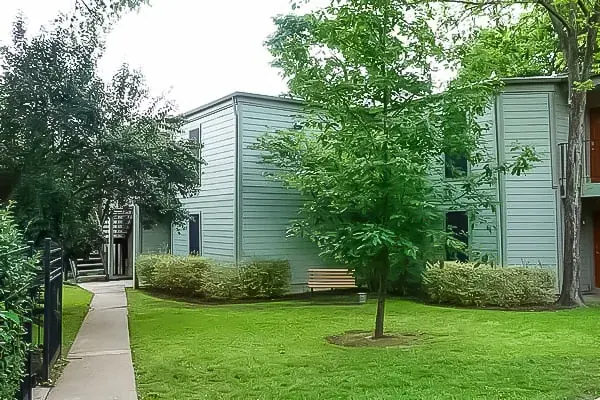
Inside Rustic Creek, our Austin flagship







Start Improving Your Self-Efficacy Now: Enroll in Sober Living
Enrolling in a sober living program is a great way to continue enhancing and developing your self-efficacy as you face challenges in your newfound sobriety. If you’ve recently completed a drug and alcohol rehab program and you’re ready to move on to the next phase in your recovery, contact Eudaimonia Recovery Homes today to find out how our transitional housing programs can help.
References:
- https://www.apa.org/pi/aids/resources/education/self-efficacy.aspx
- https://www.uky.edu/~eushe2/Bandura/BanEncy.html
- https://www.uky.edu/~eushe2/Bandura/Bandura1994EHB.pdf
- https://www.ncbi.nlm.nih.gov/pmc/articles/PMC3179802/
Take Action Today
We Are Ready to Assist You
Call us now and begin healing at (512) 240-6612 or you can fill out form below and we will contact you shortly.
Or text us and we will call you right back.
- Why Choose Eudaimonia for Your Sober Living Experience?
- Recovery-Focused Lifestyle
- Individualized Care
- Homes for Everyone
- On-Site Support Staff
- Family Support
Why Self-Efficacy Matters in Recovery
- Predicts relapse prevention: Studies consistently show that higher self-efficacy at discharge correlates with lower relapse rates in the first year of recovery.
- Improves coping skills: Believing you can manage cravings makes you more likely to actually use the coping tools you’ve learned in treatment.
- Reduces anxiety and fear: Confidence in your recovery reduces the constant worry about relapse, which itself can be a trigger.
- Encourages healthy risk-taking: Self-efficacy helps you re-engage with life, applying for jobs, rebuilding relationships, and trying new sober activities, without fear of failure derailing your sobriety.
- Builds momentum: Each sober day, each meeting attended, each responsibility met reinforces the belief that you can do this, creating a positive feedback loop.
How Eudaimonia Recovery Homes Builds Self-Efficacy
At our Austin sober living homes, we create an environment specifically designed to strengthen your belief in your recovery:
- Structured accountability: Daily check-ins, house meetings, and clear expectations provide a framework where you practice recovery skills and see measurable progress.
- Peer mentorship: Living with others in recovery who have successfully navigated early sobriety shows you that long-term recovery is possible, and that you can achieve it too.
- Graduated responsibilities: As you build time in the house, you take on more responsibility (leading meetings, mentoring newer residents), which reinforces your competence and capability.
- Safe practice environment: Our sober living homes let you practice real-world recovery skills, managing stress, resolving conflicts, maintaining routines, in a supportive setting with immediate feedback and encouragement.
- Celebrating milestones: We recognize your progress at every stage, from your first week to your six-month anniversary, helping you see how far you’ve come and building confidence for the road ahead.
Research-Backed Connection Between Self-Efficacy and Recovery Outcomes
The addiction research literature consistently identifies self-efficacy as a critical factor in recovery success. Albert Bandura’s social cognitive theory, which introduced the concept of self-efficacy, has been applied extensively to addiction treatment. Studies published in journals such as Addiction and the Journal of Substance Abuse Treatment Demonstrate that self-efficacy measured at treatment completion predicts abstinence rates at 3, 6, and 12-month follow-ups. Importantly, self-efficacy is not static. It can be developed and strengthened through the right environment and experiences, which is exactly what quality sober living provides.
Practical Ways to Strengthen Your Recovery Self-Efficacy
Whether you’re at Eudaimonia or anywhere in your recovery journey, these evidence-based strategies can build your confidence:
- Set and achieve small goals: Start with manageable daily goals (attend a meeting, complete a job application, exercise for 20 minutes) and build from there. Each accomplishment strengthens your belief in your ability to succeed.
- Reflect on past successes: Remind yourself of challenges you’ve already overcome: completing detox, finishing treatment, choosing recovery over active addiction. You’ve already proven you can do hard things.
- Surround yourself with recovery success stories: Spend time with people who have what you want in recovery. Their example provides a roadmap and proof that long-term sobriety is achievable.
- Practice coping skills regularly: Don’t wait for a crisis to use your tools. Practice mindfulness, call your sponsor, journal, or exercise daily so these skills become automatic and you trust your ability to use them when it counts.
- Reframe setbacks as learning: If you have a close call or slip, analyze what happened without shame. Understanding your triggers and what you’ll do differently next time actually builds confidence rather than diminishing it.
- Get positive feedback: Share your progress with your support network and let them reflect your growth back to you. Sometimes we can’t see our own progress until someone else points it out.
Self-Efficacy vs. Overconfidence: Finding the Balance
While self-efficacy is crucial, it’s important to distinguish it from overconfidence or complacency. Healthy self-efficacy means believing you can stay sober if you continue doing the workAttending meetings, using your support system, avoiding high-risk situations, and practicing your recovery skills. Overconfidence means believing you’re “cured” or that you no longer need structure, accountability, or support. In our Austin sober living community, we help residents build genuine self-efficacy grounded in daily practice, not false confidence that leads to risky behavior.
Why Sober Living Is the Ideal Environment for Building Self-Efficacy
Sober living homes occupy a unique space in the recovery continuum. You have more independence than in residential treatment, but more structure and support than living alone. This balance is perfect for building self-efficacy. You make real decisions, face real-world challenges, and practice recovery in a realistic setting, but you have immediate support when you need it. Every day in sober living, you prove to yourself that you can maintain sobriety, handle responsibilities, and build a new life, evidence that becomes the foundation of lasting recovery confidence.
If you’re ready to build the confidence and skills for long-term recovery in a supportive Austin sober living community, Eudaimonia Recovery Homes is here to help. Call us at (512) 240-6612 to learn more about our structured, accountability-based approach to recovery housing.
Frequently Asked Questions: Self-Efficacy in Addiction Recovery
What is self-efficacy in addiction recovery?
Self-efficacy in recovery is your belief in your ability to maintain sobriety and successfully navigate challenges without returning to substance use. It’s the confidence that you have the skills, resources, and inner strength to stay sober even when faced with triggers, stress, or high-risk situations. Higher self-efficacy consistently predicts better recovery outcomes and lower relapse rates.
How does self-efficacy prevent relapse?
Self-efficacy prevents relapse by influencing how you interpret and respond to difficult situations. When you believe you can handle cravings and triggers, you’re more likely to use healthy coping strategies rather than giving in to urges. You approach challenges as problems to solve rather than insurmountable obstacles, and you’re more likely to reach out for support before a slip occurs. Research shows that self-efficacy measured at treatment discharge is one of the strongest predictors of maintaining abstinence in the following months.
Can self-efficacy be learned or improved?
Yes, self-efficacy is not a fixed personality trait but a learnable skill that can be strengthened through experience and support. It grows through four main pathways: mastery experiences (successfully staying sober and handling challenges), vicarious experiences (seeing others succeed in recovery), social persuasion (encouragement from peers and mentors), and physiological/emotional states (learning to manage stress and regulate emotions). Sober living homes are particularly effective at building self-efficacy because they provide all four pathways in a structured, supportive environment.
What's the difference between self-efficacy and willpower in recovery?
Self-efficacy is your belief in your ability to succeed, while willpower is the mental effort to resist temptation. Self-efficacy is more sustainable because it’s based on skills, support systems, and evidence of past success rather than sheer determination alone. High self-efficacy means you trust your recovery tools and know you can handle challenges, whereas relying only on willpower often leads to exhaustion and increases relapse risk when you’re stressed or depleted.
How quickly does self-efficacy develop in early recovery?
Self-efficacy typically develops gradually over the first months of recovery, growing stronger with each successful day and challenge navigated. Many residents notice meaningful increases within the first 30-60 days of structured sober living as they accumulate evidence that they can maintain sobriety in real-world situations. However, it continues to deepen over time, confidence at six months is typically stronger than at 30 days, and confidence at one year stronger still. The key is consistent practice in a supportive environment where you can build on small wins.
What happens if my self-efficacy drops during recovery?
Temporary drops in self-efficacy are normal, especially after a close call, a particularly stressful event, or when facing new challenges. The key is recognizing the drop and taking action: reaching out to your support system, increasing meeting attendance, talking with your sponsor or house manager, and reviewing your relapse prevention plan. This is one reason why sober living is so valuable: when your confidence wavers, the structure and community are there to support you until your self-efficacy rebuilds. Most people find that working through these low points actually strengthens their overall confidence in the long run.