

Published January 11, 2026 · Updated August 5, 2026
Key Takeaways
- Day 5 checkpointWhy you can feel better physically but still have anxiety, fatigue, and poor sleep.
- When withdrawal startsWhat to expect in the first 24 hours without alcohol and early warning signs.
- Detox length vs withdrawalHow long does alcohol detox take compared with lingering symptoms.
- Detox at home safetyWho should avoid home detox and how to stop drinking alcohol safely.
- Day 5 self-carePractical ways to help alcohol withdrawal, support sleep, and manage cravings.
- Medication basicsWhat is given for alcohol detox and why meds for alcohol withdrawal must be supervised.
- AA after detoxHow Alcoholics Anonymous supports the next 24 hours once you’re medically stable.
- After day 5 planningCravings, relapse prevention, and building structure for long-term recovery.
- When to get helpEmergency warning signs and where to find treatment referrals.
On This Page · 19 Sections
Alcoholics Anonymous (AA) can be a lifeline in early sobriety. Still, AA is not a medical detox service. If your body is physically dependent on alcohol, withdrawal can become severe and unpredictable.
This article focuses on alcohol withdrawal day 5: why symptoms can linger, how long do alcohol withdrawals last in many cases, and how AA can support you after you are medically stable. It is education, not personal medical advice.
Day 5 checkpoint: why you may still feel withdrawal
By alcohol withdrawal day 5, many people notice real improvement in the most intense physical symptoms. At the same time, it is common to feel tired, anxious, and emotionally raw. Sleep may still be light, and concentration may be poor.
So, how long do alcohol withdrawals last? For many people, the roughest stretch is earlier, often peaking in the first few days. But day 5 can feel confusing because the body is better while the brain is still adjusting.
If you are asking how long do alcohol withdrawal symptoms last, the answer is often “days for the sharpest symptoms, longer for sleep and mood.” That longer tail is one reason relapse risk can rise after the first week, even when you look “fine” on the outside.
What makes alcohol withdrawal last longer?
Two people can stop drinking on the same day and have very different timelines. Duration tends to be longer when alcohol use has been heavy and steady for a long time. It can also be longer when there is a history of severe withdrawal.
Daily heavy drinking over months or years
Past withdrawal seizures, hallucinations, or delirium
Older age or significant medical conditions
Using other sedating substances or stopping them at the same time
Poor sleep, dehydration, and high stress, which can amplify symptoms
When does withdrawal start from alcohol and what to expect in the first day
When does withdrawal start from alcohol depends on drinking history, health, and how fast alcohol levels drop. In many cases, symptoms begin within 6 to 12 hours after the last drink. Others first notice the change closer to 24 hours without alcohol.
When do alcohol withdrawal symptoms start can also depend on whether you have withdrawn before. Prior withdrawals can raise risk for stronger symptoms, even if you try to “cut back” instead of stopping suddenly.
What are the symptoms of alcohol withdrawal? Many people notice shaking, sweating, nausea, poor sleep, fast heart rate, and intense anxiety. These alcohol withdrawal effects are signs that the nervous system is overactive while it tries to rebalance.
What are the signs of detoxing from alcohol? Early signs often look like a severe hangover that does not resolve with rest. If confusion, hallucinations, or a seizure occurs, treat it as an emergency and get help right away.
Withdrawal versus a hangover
A hangover is uncomfortable, but it typically improves as the body clears alcohol and you rehydrate. Withdrawal can start while alcohol levels are falling and may worsen over time. If symptoms intensify, especially with confusion or shaking that you cannot control, treat it like withdrawal and get medical input.
How long does alcohol detox take vs how long alcohol withdrawal can last
People often mix up two questions: how long does alcohol detox take, and how long does alcohol withdrawal take. Detox usually means the monitored stabilization window, when symptoms are tracked and treated. Withdrawal is the symptom process itself.
If you are wondering how long for detox from alcohol, many plans cover several days because symptoms can intensify quickly and then taper. Some people need longer observation due to medical history or symptom severity.
Here is a simple way to think about the timeline for alcohol withdrawal. Some people refer to these shifts as alcohol detox stages, even though timing varies:
Early period: symptoms can start within hours and build through the first day.
Peak risk period: many people feel the worst in days 2 and 3, when complications are more likely in higher-risk cases.
Settling period: days 4 to 7 often bring gradual relief, with day 5 as a common turning point.
Longer adjustment: sleep, mood, and cravings can come and go for weeks in some people.
If you want a deeper day-by-day breakdown, see our main guide on how long do alcohol withdrawals last.
For a medical overview of alcohol withdrawal, see MedlinePlus: Alcohol withdrawal.
Alcohol detox at home: a risk screen and a safer plan
Searches like “alcohol detox at home” and “alcohol detoxification at home” are common, especially when people want privacy. The hard truth is that alcohol detox at home is not safe for everyone, and it is rarely the best option when risk is unknown.
Home detox is higher risk if you have ever had seizures, hallucinations, delirium, or severe confusion during withdrawal. It is also higher risk if you are pregnant, older, have heart or liver disease, or take sedating medications.
How to stop drinking alcohol safely usually starts with a medical check. A clinician can help decide whether outpatient monitoring is appropriate or whether supervised detox is safer.
How to detox from alcohol abuse is not about proving toughness. It is about lowering risk, protecting your brain and body, and setting up the next steps in recovery.
A home-detox safety checklist
If a clinician has confirmed that outpatient or home monitoring is appropriate, build a simple safety plan before you stop. This is part of how to stop drinking alcohol safely when symptoms are expected to be mild.
Do not detox alone. Have a trusted person who can stay with you or check in often.
Know your emergency plan and who will call for help if symptoms escalate.
Avoid mixing alcohol with sedatives, sleep aids, or withdrawal medication unless prescribed.
Remove alcohol from the home and reduce easy triggers.
Plan follow-up care, because detox is a start, not the full recovery plan.
Eudaimonia's Success Stories – Real People, Real Freedom
What helps on day 5: practical ways to support your body and brain
Day 5 often feels like a mixed bag. You may be through the worst, but you may not feel steady. If you are searching how to help alcohol withdrawal, focus on simple, repeatable supports that reduce strain on your nervous system.
Hydration and food: steady fluids and small meals can reduce nausea, headache, and shakiness.
Sleep support: keep lights low at night, avoid late caffeine, and use a consistent bedtime.
Lower stimulation: reduce conflict, intense exercise, and stressful errands until you feel steadier.
Accountability: have a safety person who can check in and call for help if symptoms worsen.
If you are searching how to detox your body from alcohol, avoid extreme “cleanses.” Alcohol and detoxification is mainly a nervous system and metabolic adjustment, not a quick purge. Rest, nutrition, and medical guidance matter more than supplements.
People also search how to get over alcohol withdrawal, and it can help to split the work in two parts: stabilize first, then build a daily plan that reduces relapse risk.
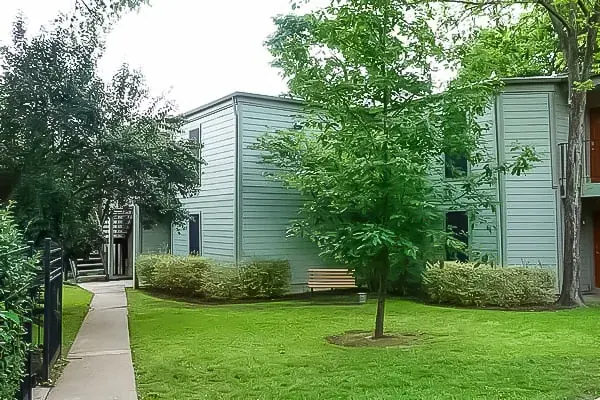
Inside Rustic Creek, our Austin flagship







What to do when cravings hit on day 5
Cravings often peak in waves and then pass. When you feel a surge, use a short plan you can repeat. These steps can help you get over alcohol withdrawal urges without acting on them.
Delay for 20 minutes, drink water, and eat something simple.
Change your setting: step outside, take a shower, or take a short walk.
Call or text a sober support contact, even if you only say, “I’m struggling.”
Keep it small: focus on the next hour, not the next month.
Alcohol withdrawal medication: what is given for detox and why
Alcohol withdrawal medication can reduce symptoms and lower the risk of seizures. These alcohol withdrawal drugs should be prescribed and monitored by a licensed clinician. Mixing alcohol withdrawal drugs with alcohol is dangerous.
If you are looking for meds for alcohol withdrawal or medicine for withdrawal from alcohol, know that there is no single best choice for everyone. Medication decisions depend on severity, vital signs, liver health, and past withdrawal history.
In supervised detox, what is given for alcohol detox may include alcohol detoxification medication to calm the nervous system, along with fluids, nutrition support, and vitamins such as thiamine (vitamin B1).
For a clinical overview of alcohol withdrawal syndrome and common treatment approaches, see NCBI Bookshelf: Alcohol Withdrawal Syndrome.
How AA fits after detox: the 24-hour focus and real-world support
Alcoholics Anonymous can be most useful once you are medically stable, because meetings and peer support can help you stay connected when cravings rise. AA does not provide alcohol detoxification medication, and it is not designed to manage medical emergencies.
Still, AA can help you do the next right thing today. Many people use a 24-hour focus. That is why “24 hours without alcohol” is not just a phrase. It is a practical way to stop the mind from jumping to “forever.”
If you are ready to start, this guide to AA meetings near me today can help you find an option that fits your schedule. When you want one-on-one guidance, our resource on how to find an AA sponsor explains what sponsorship is and how to ask.
Say it plainly: “I’m on day 5 and still feel anxious.”
Use the basics: meeting, meal, shower, sleep, repeat.
Ask for phone support: cravings often pass faster when you talk to someone.
How AA can support you while symptoms are still present
If you are still shaky or sleeping poorly, you can still use AA tools. Choose low-pressure meetings, listen more than you speak, and let people know you are early in sobriety. If you feel medically unsafe, prioritize medical care first.
After day 5: cravings, relapse prevention, and next-level structure
By the end of the first week, many people feel better physically. Then real life returns: work stress, relationships, and triggers. This is where ongoing support matters, because alcohol detox symptoms improving does not automatically create a stable routine.
Some people also explore medication support for relapse prevention after detox. Our guide on alcohol craving medication explains common options and what they are designed to do.
If you are not sure what level of support fits, talk with a professional who can help you choose a safe next step. A structured environment can add accountability while your sleep, mood, and cravings settle.
When to get urgent help and where to start
Alcohol withdrawal can become life-threatening. Get emergency help right away for seizures, severe confusion, hallucinations, high fever, chest pain, fainting, or uncontrolled vomiting.
If you want to talk through options, you can reach our team at contact Eudaimonia Recovery Homes.
If you need treatment referrals in the U.S., you can call SAMHSA’s National Helpline at 1-800-662-HELP (4357).
The goal is not just to manage symptoms. The goal is to stay safe, stabilize, and build a recovery plan that lasts.
How Eudaimonia Recovery Homes Supports Your Recovery After Alcohol Withdrawal
When you’re searching how long do alcohol withdrawals last, it often means you want clear answers and a safer path forward. Eudaimonia Recovery Homes can help by providing structured sober living that supports you after detox, when sleep issues, anxiety, and cravings can still show up. In a stable, substance-free environment, you can focus on rebuilding daily routines that protect your recovery and reduce the risk of relapse.
Just as importantly, consistent peer support helps you stay connected during the alcohol withdrawal timeline, especially when motivation dips after the first week. Eudaimonia Recovery Homes also encourages recovery-focused habits like accountability, meeting attendance, and practical goal setting.
Because early sobriety can feel isolating, having a community that understands alcohol withdrawal symptoms can make the process feel more manageable. You also get the benefit of a living space designed to support long-term progress, not just short-term stabilization. If you’re unsure what step comes after withdrawal, Eudaimonia Recovery Homes can help you transition from detox into a routine that keeps you moving forward.
Your Future Is Waiting
Tell us what you are looking for and admissions will walk you through the houses, the phases, and what a room actually costs.