

Published December 2, 2025 · Updated February 18, 2026
Key Takeaways
- Role of alcohol detox is to help you stop drinking safely, manage withdrawal symptoms, and prepare you for ongoing treatment rather than serve as a stand‑alone cure.
- Detox care options include inpatient units, outpatient programs, and hospital‑based services, and the best fit depends on your withdrawal risk, medical needs, and support at home.
- What detox feels like usually involves several days of monitored symptoms, medications when needed, and emotional support so you can stay as safe and comfortable as possible.
- From detox into rehab is a critical step, because counseling, medications, and structured programs after withdrawal are what drive long‑term recovery.
- Choosing safe treatment means checking licensing, evidence‑based practices, co‑occurring mental health care, and practical issues such as cost, insurance, and location.
- Using “near me” searches can help you find local detox and rehab programs when you combine search results with trusted directories and clear questions for each provider.
- Sober living with Eudaimonia offers recovery‑focused housing, peer support, and coordination with outpatient care to help you maintain progress after alcohol detox and rehab in Philadelphia.
On This Page · 31 Sections
Sober Living
Philadelphia
Alcohol use disorder affects many people in and around Philadelphia. When drinking stops, withdrawal can be intense and sometimes dangerous, which is why many people search for alcohol detox and rehab near me as a first step toward recovery. This guide walks through how alcohol detox works, how rehab fits in, and how to evaluate local options without feeling overwhelmed.
How Alcohol Detox Fits Into Addiction Recovery in Philadelphia
Why medical detox matters
Alcohol withdrawal happens when the brain and body adapt to heavy drinking and then suddenly lose access to alcohol. Symptoms can range from mild anxiety and tremor to severe confusion, hallucinations, and seizures.
According to the StatPearls review on alcohol withdrawal syndrome, most cases are mild, but severe withdrawal can become life-threatening without timely medical care.
Medical detox units in and around Philadelphia are designed to:
- Monitor vital signs and mental status
- Use medications, when appropriate, to reduce the risk of seizures and delirium
- Treat dehydration, sleep problems, and other medical issues
- Provide a structured, low‑stimulation environment while your body adjusts
This medical support lowers the chance of serious complications and helps many people complete withdrawal who might otherwise return to drinking to relieve symptoms.
The federal manual Detoxification and Substance Abuse Treatment (TIP 45) describes detox as a short-term process that should be closely linked to ongoing substance use treatment rather than viewed as stand-alone care.
Detox alone is not treatment
Guidelines from the American Society of Addiction Medicine (ASAM) emphasize that detox is only the first step in care. Long‑term recovery usually requires follow‑up treatment such as residential rehab, intensive outpatient programs, counseling, medications for alcohol use disorder, and recovery housing.
In Philadelphia, detox services are often linked to ongoing rehab so that you can move directly into the next level of care without a long gap in support.
Alcohol Detox Options Near Me in Philadelphia
When you search for alcohol detox centers near me or detox near me, you may see several types of programs. The right choice depends on the severity of withdrawal, your medical history, and your living situation.
Inpatient alcohol detox centers near me
Inpatient detox means you stay overnight in a medically supervised setting, often a hospital unit or a dedicated detox facility. Staff monitor you 24/7 and can respond quickly if complications arise. This level is often recommended if you:
- Have a history of severe withdrawal symptoms
- Have other medical or psychiatric conditions
- Are pregnant
- Lack a stable or safe place to detox at home
For many people, inpatient detox is the safest way to begin recovery and is often connected directly to alcohol inpatient rehab near me so you can transition to ongoing treatment when medically stable.
Alcohol detox outpatient near me
Outpatient or ambulatory detox allows you to sleep at home but attend daily appointments for monitoring, medications, and support. Clinical guidance suggests that outpatient detox may be appropriate for people with:
- Mild to moderate withdrawal symptoms
- Reliable transportation and housing
- A supportive family or social network
- No recent history of withdrawal seizures or delirium tremens
Outpatient detox can be less disruptive to work or family responsibilities, but it still requires close follow‑up and clear instructions on when to seek emergency care.
Hospital-based and specialty detox near me
Some people start detox through an emergency department or medical hospital, especially if they have serious health issues such as liver disease, heart problems, or uncontrolled diabetes. Others use specialized programs for co‑occurring mental health conditions. In both cases, the goal is to stabilize physical health first and then link you to ongoing rehab services.
What to Expect During Alcohol Detox
Every program is different, but most alcohol detox and drug alcohol rehabs near me follow a similar sequence.
Assessment and intake
On arrival, you can expect:
- A medical history and physical exam
- Questions about drinking patterns, other substances, and mental health
- Lab work or imaging if needed
- Screening for suicide risk and other safety concerns
This information helps the team decide on the most appropriate level of care and medication plan.
Managing withdrawal symptoms safely
During detox, staff typically:
- Check blood pressure, heart rate, breathing, and temperature at regular intervals
- Use standardized withdrawal scales to track symptom severity
- Provide medications such as benzodiazepines for moderate to severe withdrawal, and non‑sedating options or adjuncts for milder symptoms, as recommended by clinical guidelines
- Offer fluids, nutrition, and sleep support
You may still feel uncomfortable, detox is not painless, but the goal is to keep you as safe and stable as possible.
Emotional support and counseling
Many detox programs also provide:
- Brief counseling sessions or motivational interviewing
- Education about alcohol use disorder and relapse risk
- Help contacting family or support people with your permission
- Planning for the next level of treatment
Even short conversations during detox can make it easier to commit to ongoing rehab.
Eudaimonia's Success Stories – Real People, Real Freedom
Moving From Detox to Alcohol Rehab
Detox opens a window of opportunity. Moving into rehab while motivation is high can reduce the risk of returning to alcohol use.
If you’re unsure how housing fits into the next phase of care, you can learn more about what a sober living home is and how it supports long‑term recovery after detox and rehab.
Alcohol inpatient rehab near me
Inpatient or residential rehab usually involves living at a treatment facility for several weeks or longer. Programs often include:
- Structured daily schedules with individual and group therapy
- Education on coping skills and relapse prevention
- Medical and psychiatric care
- Family involvement when appropriate
This setting can be helpful if your home environment includes triggers, conflict, or easy access to alcohol.
Drug and alcohol rehabs near me on an outpatient basis
Outpatient programs range in intensity:
- Partial hospitalization (PHP): Several hours of treatment most days of the week
- Intensive outpatient (IOP): Multiple sessions per week, often in the evening
- Standard outpatient: Weekly or biweekly counseling or medication visits
For people who no longer need 24‑hour care but still want structured therapy several days a week, Eudaimonia’s intensive outpatient program (IOP) provides group sessions, clinical support, and flexible scheduling while you live at home or in sober living.
The ASAM continuum of care places these services at different levels so treatment can be matched to each person’s needs and adjusted over time.
Aftercare, recovery housing, and support groups
After completing formal rehab, many people benefit from:
- Sober living or recovery housing in or near Philadelphia
- Peer support meetings such as 12‑step or other mutual‑help groups
- Ongoing therapy or medication management
In addition to outpatient treatment, men who need structure after rehab can move into men’s sober living in Philadelphia to get accountability, regular testing, and a stable recovery-focused home.
Women leaving detox or residential care can choose women’s sober living in Philadelphia, which offers a drug‑ and alcohol‑free home with clear routines, curfews, and peer support between rehab and fully independent living.
Structured recovery housing, like the programs offered by Eudaimonia Recovery Homes, can provide accountability, stable housing, and community while you build life in long‑term sobriety.
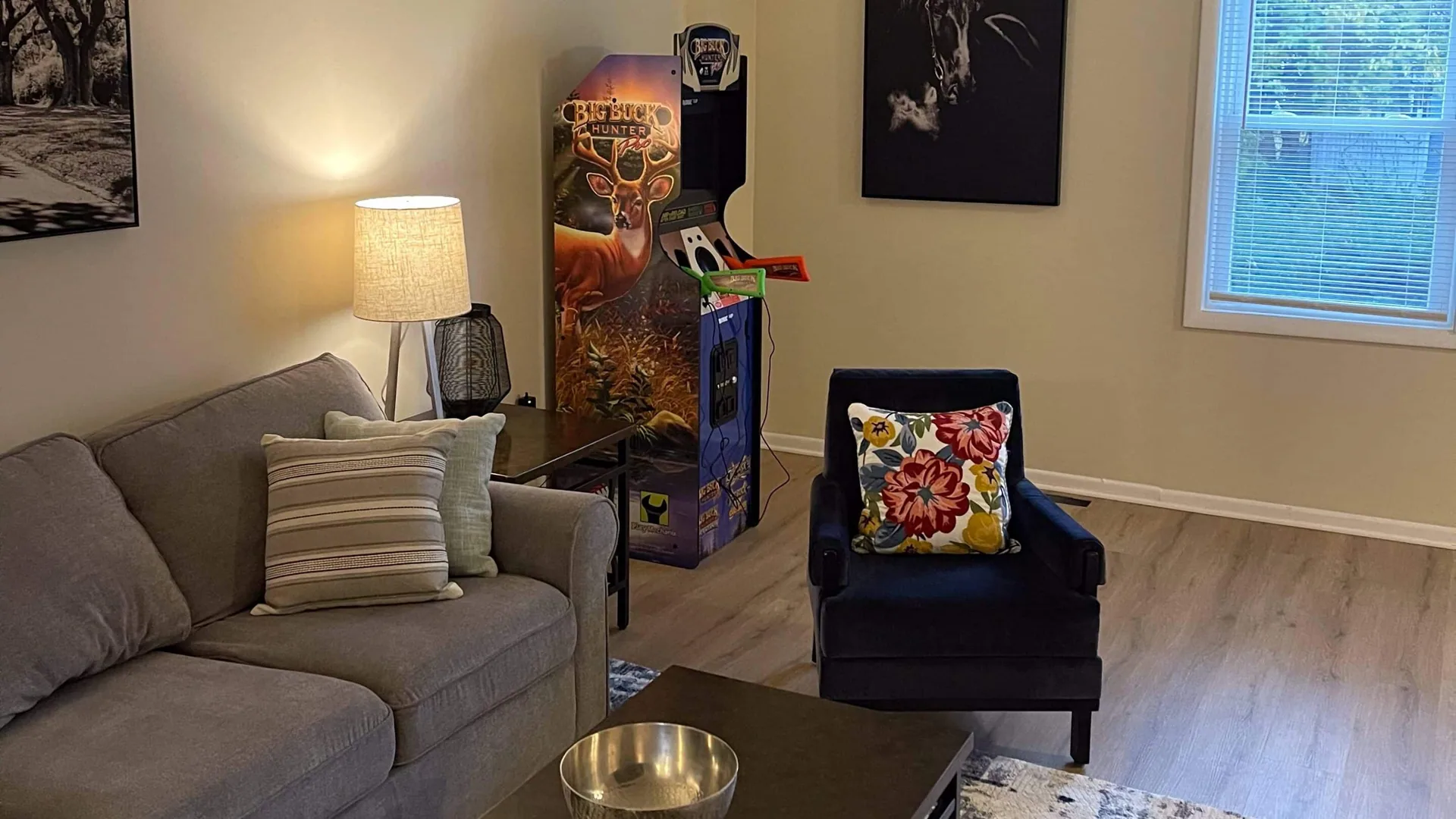
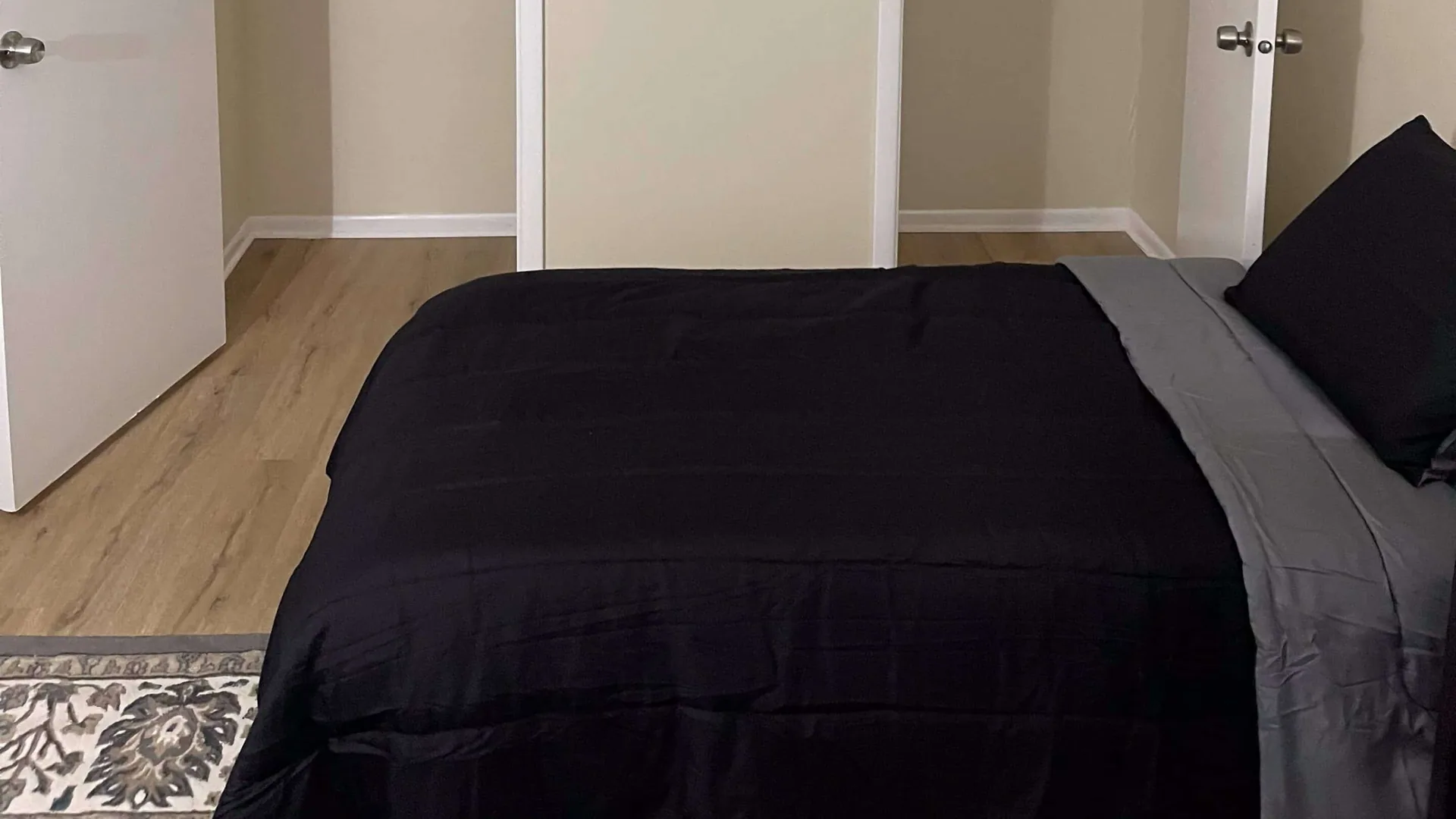
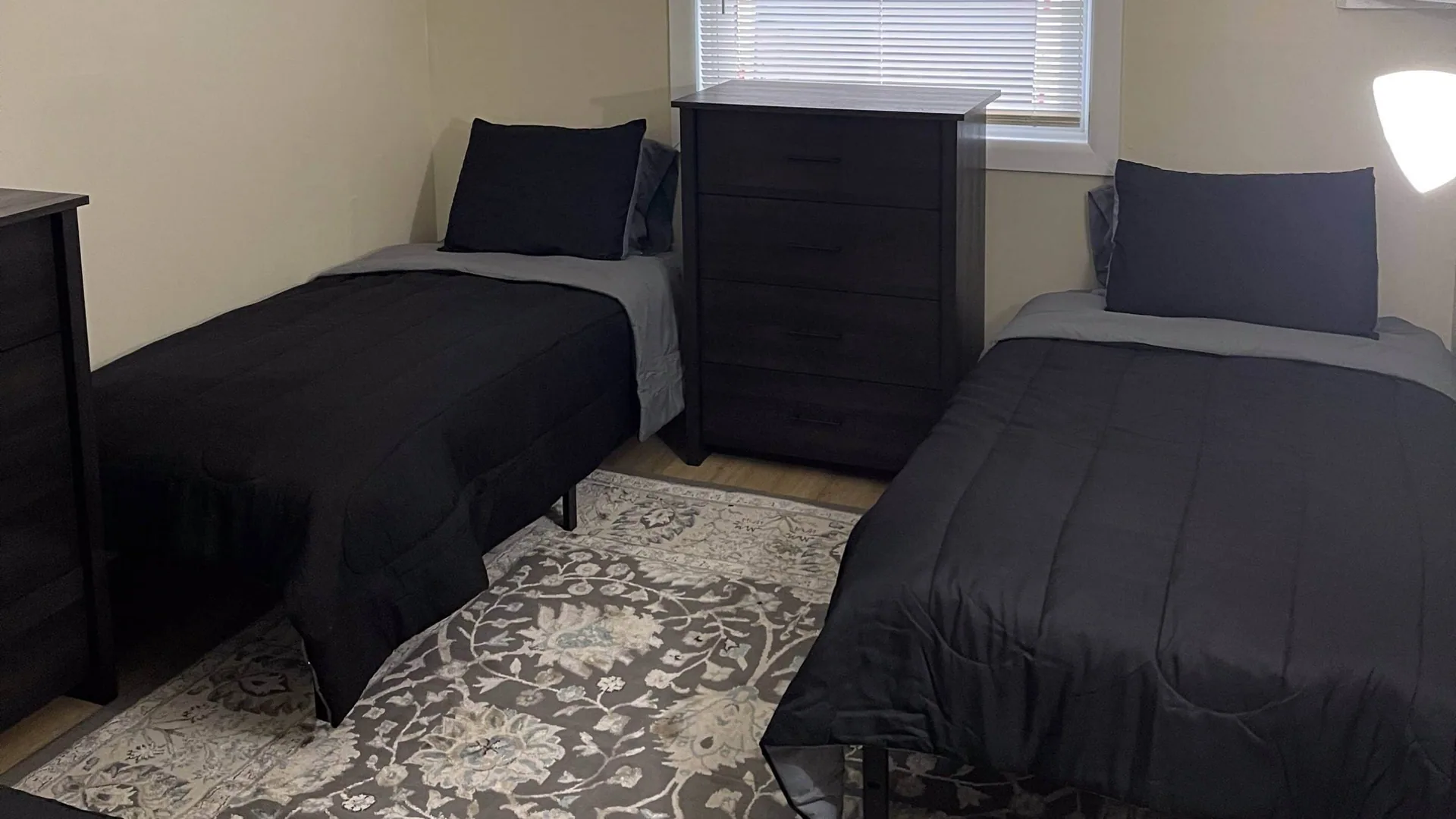
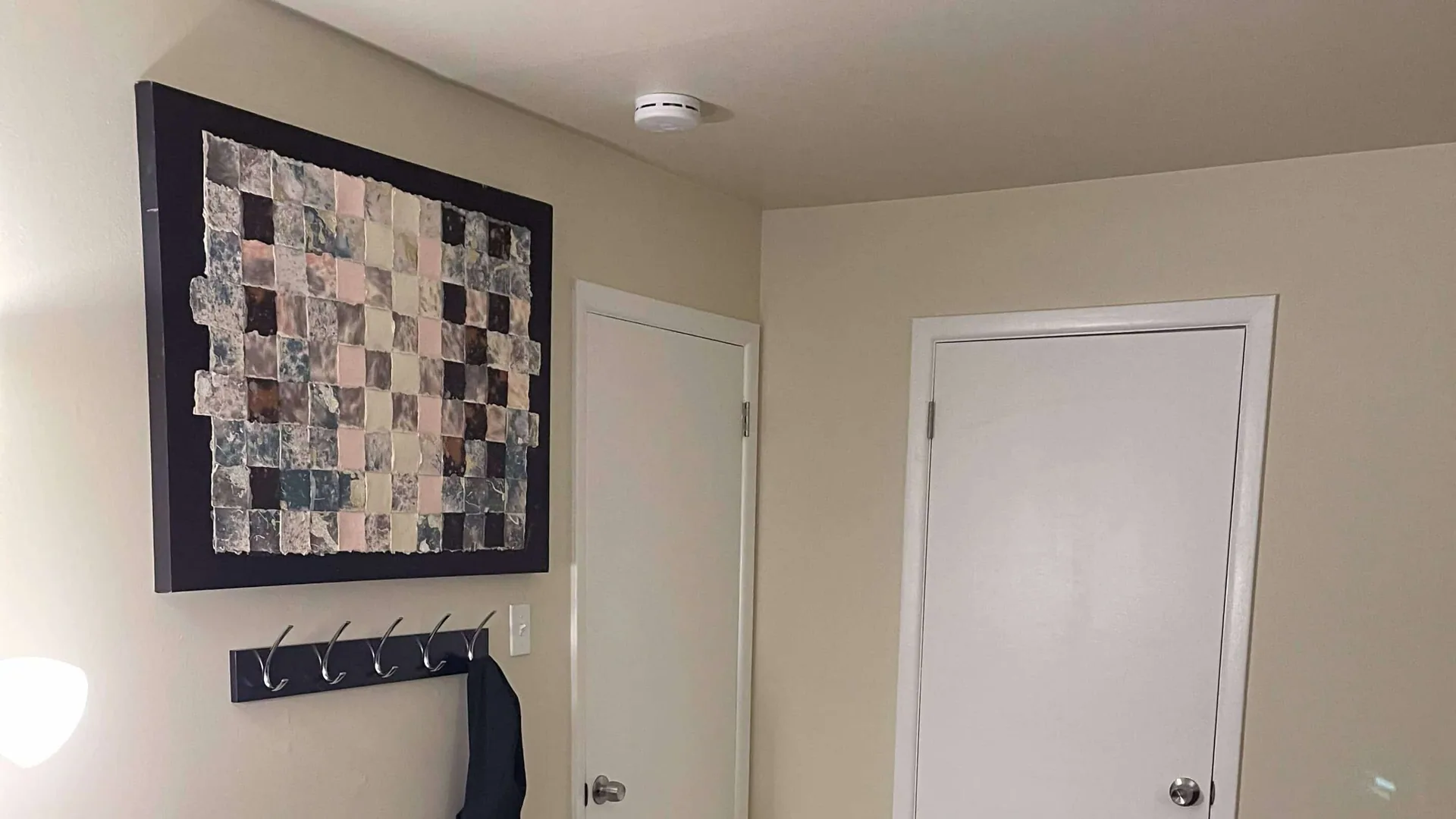
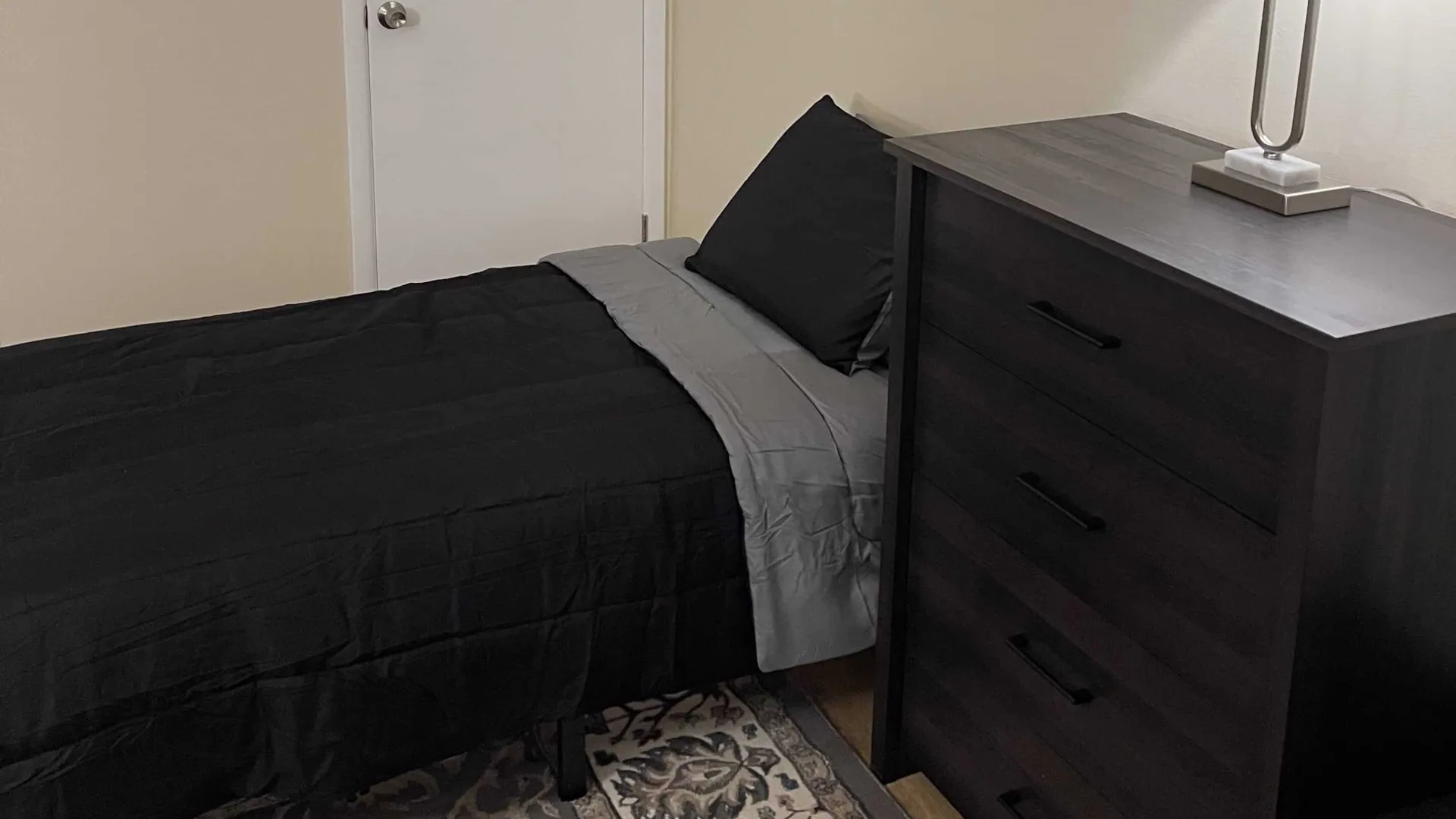
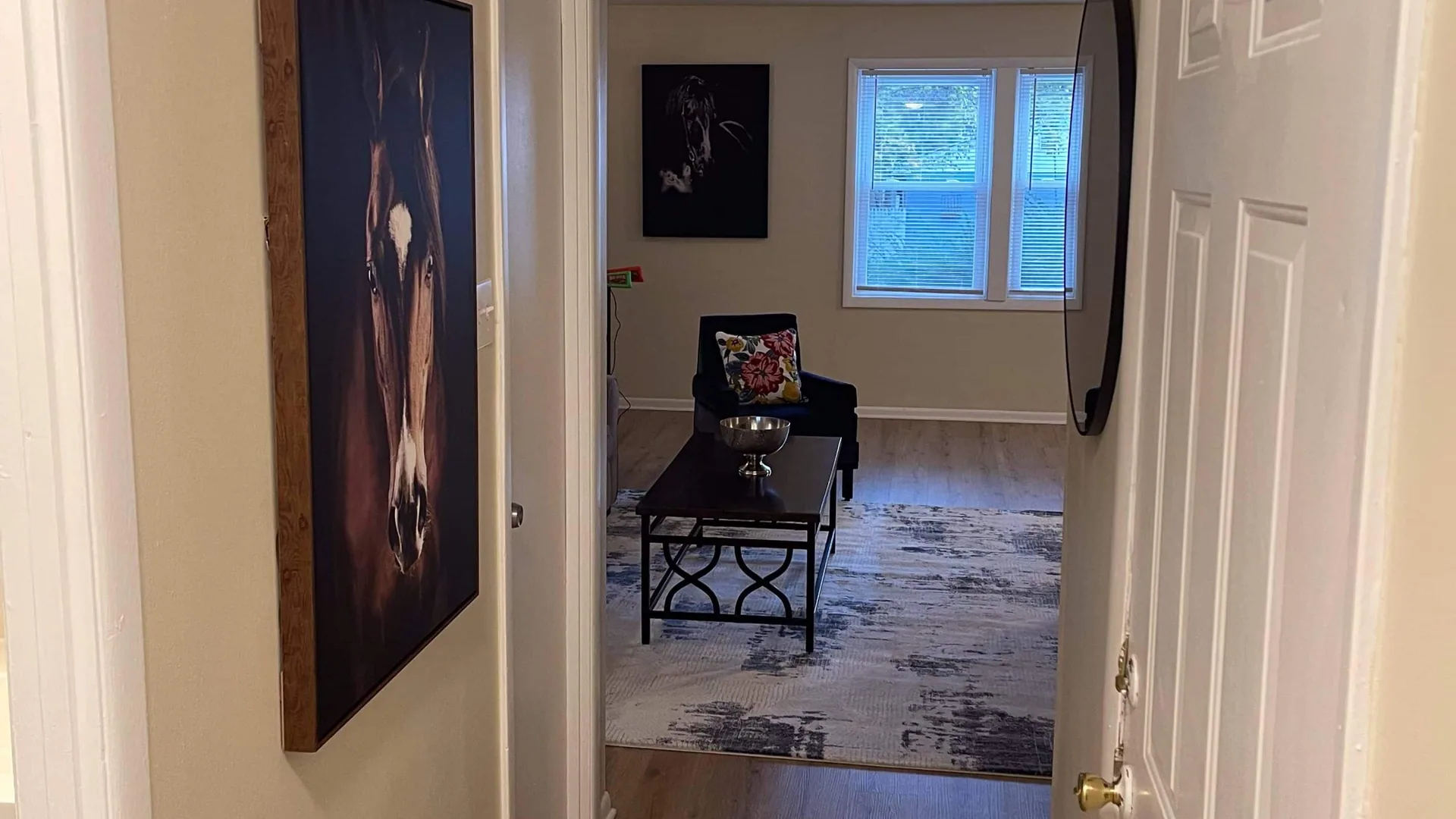
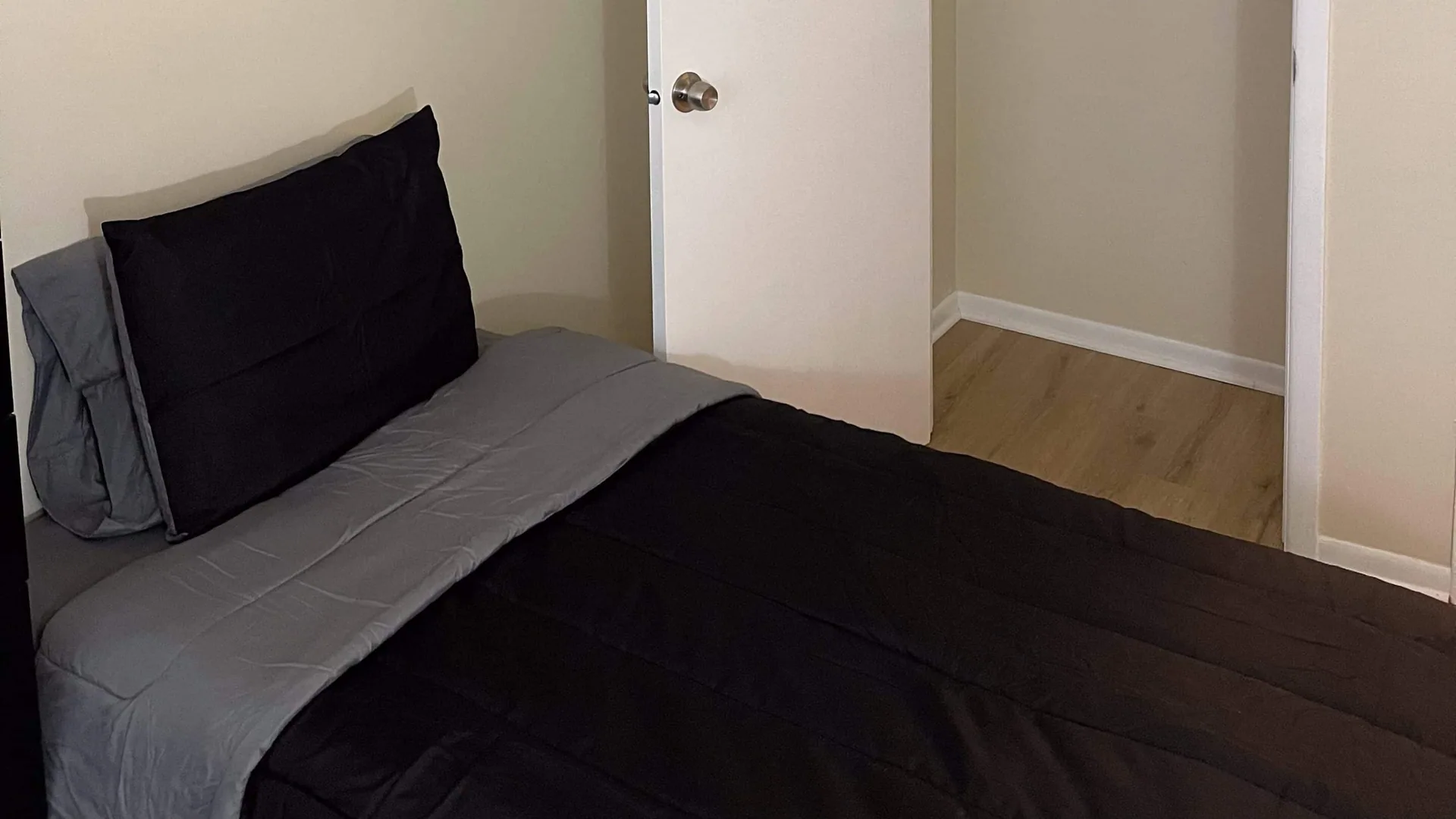
Inside the Philadelphia homes






Choosing Alcohol Treatment Facilities Near Me
When you type alcohol treatment facilities near me or detox and recovery centers near me into a search engine, the results can be overwhelming. These factors can help you sort through detox centers around me and choose a safe, appropriate fit.
Clinical quality and safety
Look for facilities that:
- Are licensed by the state and, when possible, accredited by recognized bodies
- Employ qualified medical and behavioral health professionals
- Use evidence‑based practices for detox and rehab, following guidelines such as those from ASAM and other professional organizations
- Have clear policies on emergency transfers and medical coordination
You can ask to see written information about licensure, accreditation, and staffing.
Levels of care and services
Ask how the facility:
- Assesses what level of care you need (detox, inpatient, outpatient, or a combination)
- Addresses co‑occurring mental health conditions
- Uses medications for alcohol use disorder when appropriate, such as naltrexone or acamprosate
- Coordinates aftercare, including sober living, outpatient counseling, or support groups
Resources from the National Institute on Alcohol Abuse and Alcoholism Note that three FDA-approved medications, naltrexone, acamprosate, and disulfiram, can support recovery when combined with counseling and ongoing care.
Facilities that describe themselves as detox and rehabilitation centers near me should be able to explain how they move people from withdrawal management into long‑term treatment.
Insurance, cost, and practical fit
Before choosing a program, consider:
- Whether it accepts your insurance or offers payment plans or sliding-scale fees
- Transportation options from your home or workplace
- Availability of family involvement, visiting hours, or virtual sessions
- Policies on work, school, or legal coordination
Taking time to understand the practical details up front can reduce stress once treatment begins.
Using “Near Me” Searches to Find Detox and Recovery Centers
Online searches can be a useful starting point, especially if you do not know where to begin.
Making the most of online tools
People often use search terms like:
- “alcohol detox and rehab near me”
- “rehab and detox near me”
- “detox and rehabilitation centers near me”
In addition to general search engines, you can use:
- FindTreatment.gov, the federal directory of substance use and mental health treatment programs
- State and county helplines that specialize in addiction resources
- Health insurance provider directories
These resources help you compare services, locations, and accepted insurance plans.
The federal website FindTreatment.gov offers a confidential locator that lets you search by ZIP code and filter nearby programs by type of substance use and level of care.
Key questions to ask when you call
When you contact a facility, consider asking:
- Do you offer both detox and rehab, or will I be referred elsewhere after detox?
- What types of withdrawal symptoms can you safely manage on site?
- What is your typical length of stay for detox and for rehab?
- How do you involve families or support people?
- What happens if I relapse after leaving treatment?
Clear, specific answers can indicate a transparent and organized program.
Red flags to watch for
Be cautious about programs that:
- Guarantee specific outcomes (“We cure addiction in 7 days”)
- Avoid questions about licensure, staffing, or medical coverage
- Pressure you to enroll immediately without explaining options
Trustworthy programs treat your questions as part of informed decision‑making, not as an inconvenience.
Supporting a Loved One in Detox and Rehab
If someone you care about is drinking heavily, you may feel unsure how to help. Support can include:
- Expressing concern in calm, non‑judgmental language
- Encouraging a medical evaluation rather than suggesting they quit on their own
- Offering to help call detox and recovery centers near me or accompany them to an appointment
- Setting healthy boundaries to protect your own safety and well‑being
Family education and support groups, both in person and online, can also give you tools to cope while your loved one is in treatment.
When to Seek Emergency Help
While many people complete detox safely, some develop severe symptoms that need immediate medical care. Call 911 or go to the nearest emergency department if you notice:
- Confusion, disorientation, or inability to stay awake
- Seizures or uncontrollable shaking
- Hallucinations (seeing or hearing things that are not there)
- Very high blood pressure, racing heart, or chest pain
- Trouble breathing
Medical sources stress that severe alcohol withdrawal can be fatal without proper treatment, especially for people with long-term heavy use or other health problems.
Taking Your Next Step Toward Recovery
Recovery from alcohol use disorder is a process, not a single event. In Philadelphia, there are many alcohol treatment facilities near me and drug alcohol rehabs near me that offer different combinations of detox, residential care, outpatient therapy, and recovery housing.
Whether you begin with inpatient detox, an outpatient program, or a conversation with your primary care clinician, the important thing is to take a step. From there, you and your care team can build a plan that includes safe withdrawal management, structured rehab, and ongoing support, so that sobriety is not just a brief pause, but a sustainable way of life.
If you want a clearer picture of life after treatment, you can read about what sober living homes in Philadelphia feel like day to day from the perspective of people already living in recovery housing.
How Eudaimonia Recovery Homes Support Detox & Rehab in Philadelphia
Eudaimonia Recovery Homes provides a stable bridge between acute alcohol detox or rehab and independent living for people in the Philadelphia area. After completing medical detox or an inpatient program, residents can move into sober living homes that offer consistent structure, daily routines, and clear expectations.
Each home is alcohol‑ and drug‑free, with peer accountability and regular screenings that reinforce the changes made in treatment. On‑site staff help residents practice essential skills such as managing time, maintaining employment, and rebuilding healthy relationships, which reduces the risk of relapse.
Recovery‑focused activities, house meetings, and nearby community support groups give residents a chance to apply coping strategies in real‑life situations, not just in a clinical setting. Eudaimonia also collaborates with outpatient providers and other professionals so that residents can continue counseling, medication management, or intensive outpatient care while living in a supportive environment.
This combination of safe housing, accountability, and coordinated care helps many people stabilize after Alcohol Detox & Rehab in Philadelphia and move toward long‑term sobriety. By focusing on both practical and emotional aspects of early recovery, Eudaimonia Recovery Homes helps residents turn short‑term treatment gains into a sustainable way of life.
Your Future Is Waiting
Tell us what you are looking for and admissions will walk you through the houses, the phases, and what a room actually costs.


