

Published February 16, 2026 · Updated August 5, 2026
Key Takeaways
- What it isAn “alcohol belly” or “beer belly” usually refers to abdominal weight gain that may include deeper visceral fat around organs.
- Why it happensA beer gut often comes from extra calories from alcohol plus food choices, lower activity, age-related changes, and genetics.
- Beer vs. fat gainBeer is not uniquely fattening, but it can contribute to weight gain because it adds liquid calories and can increase total intake.
- Men vs. womenAlcohol belly patterns can differ by sex due to typical fat distribution and hormonal shifts, yet both men and women can develop a beer stomach.
- Why it mattersVisceral fat is linked with higher metabolic and cardiovascular risk, so waist size can be a useful health signal.
- How to reduce itThe most reliable approach is lowering total calories, adjusting drinking patterns, and combining cardio with strength training over time.
- Track progressMeasuring waist circumference consistently can provide clearer progress signals than scale weight alone.
- When to get helpRapid belly growth, pain, or signs of swelling may need medical evaluation, and support is available if cutting back feels difficult.
On This Page · 28 Sections
“Alcohol belly” and “beer belly” are common labels for a growing waistline (sometimes written as beer belly online). In many people, that change reflects extra fat stored around the abdomen. Some of that fat is visceral fat, which sits deeper in the belly. Visceral fat is not only cosmetic; it is linked with higher heart and metabolic risk than fat stored just under the skin.
This article covers what a beer gut is, what causes beer belly in men and women, and what may help when someone wants to get rid of beer gut or reduce an alcohol belly. The information is general, so personal guidance is best discussed with a licensed clinician.
What is a beer gut?
A “beer gut” (sometimes called a beer stomach) is an informal way to describe belly weight gain that sticks out. The nickname is not a diagnosis. In many cases, it lines up with abdominal obesity that includes a higher level of visceral fat.
Visceral fat vs. subcutaneous fat
Subcutaneous fat is the softer layer you can pinch under the skin. Visceral fat sits deeper, around internal organs. As it builds up, it can push the abdominal wall outward and make the belly feel firmer. Higher visceral fat is also linked with a greater risk of conditions such as type 2 diabetes and heart disease.
When a round belly is not just body fat
A larger abdomen is not always caused by fat gain. In some situations, abdominal swelling can come from fluid buildup (ascites), which may be related to liver disease and other medical problems. Rapid belly growth, a hard abdomen, shortness of breath, or new abdominal pain are reasons to seek medical evaluation rather than assuming it is “just a beer belly.”
What causes beer belly and what causes beer gut?
Beer belly usually develops from a mix of factors. Total calories, alcohol metabolism, food choices while drinking, and physical activity all matter. Age and genetics can also influence where weight shows up.
Alcohol calories and “fat-burning” priorities
Alcohol is energy-dense at about 7 kilocalories per gram. Drinks can add many “liquid calories” without making you feel full. The body also tends to metabolize alcohol first because it treats it as a substance that should be processed quickly. When alcohol is prioritized, fat oxidation (fat burning) slows down. Over time, that can make it easier for extra calories to be stored as body fat.
Drinking patterns and food pairings
Beer and other alcohol are often paired with high-calorie foods such as pizza, fried appetizers, or salty snacks. Those pairings can push daily intake above what the body uses. The result is weight gain that may be noticeable around the middle. For some people, drinking also changes appetite cues or lowers food-related restraint. That effect is not the same for everyone, but it can matter when figuring out how to get rid of alcohol belly.
Age, muscle loss, and genetics
Body composition often shifts with age, especially when activity drops. Muscle loss can reduce daily calorie needs. If eating and drinking stay the same, belly fat can increase over months or years. Genes also influence where the body stores fat, which helps explain differences between individuals.
Does beer get you fat?
Beer can contribute to weight gain because it contains calories, and some beers are easy to drink quickly. Still, beer is not uniquely “fattening.” Drinking too much alcohol of any kind can add to belly fat, largely by increasing total calorie intake.
Beer vs. other alcohol
Despite the nickname “beer belly,” the main driver is often total calories rather than beer specifically. Higher-alcohol drinks may deliver more alcohol calories per serving. Sweet mixers can add sugar calories on top. When this happens often, a larger waist can develop even if meal habits do not change much.
Typical drink calories and why they add up
Calories vary by brand, recipe, and serving size, but standard drinks can still add up. Drinkaware gives examples such as a pint of lager around 180 calories, while some stouts or ales may be closer to 250 calories, and a pint of cider around 216 calories. Two large glasses of red wine can also represent a meaningful share of a typical daily calorie target. Those numbers are not “good” or “bad” on their own. They become relevant when the goal is to lose beer belly fat.
For a wider look at changes people may notice after reducing or stopping alcohol, explore the health benefits of becoming sober.
Alcohol belly in men and women
Men and women can both develop central weight gain, but patterns can differ. Hormones, age-related changes, and baseline body composition affect whether weight gain shows up more in the abdomen or in other areas.
Alcohol belly men: why male beer belly is common
Beer bellies are often described more in men. One reason is that men tend to store more fat around the middle compared with women. Waist circumference is one practical marker used in health screening. Cleveland Clinic notes 40 inches as a waist threshold linked with increased risk in men. Mayo Clinic uses the same cutoff for men when measuring as described on its page.
Alcohol belly woman and beer belly woman: midsection changes across adulthood
Women can also develop a beer belly pattern, including around the time of menopause. Drinkaware notes that post-menopausal hormonal changes can make belly weight gain more likely. Cleveland Clinic cites 35 inches as a waist circumference threshold associated with increased risk in women. Pregnancy history, menopause, and aging can overlap, so waist size is only one part of the full health picture.
Eudaimonia's Success Stories – Real People, Real Freedom
Why a beer stomach can matter for health
Abdominal obesity is often described as a “shape of risk” because visceral fat is linked with long-term health problems.
Health risks linked to visceral fat
Mayo Clinic lists higher risk for issues such as high blood pressure, unhealthy blood fats, sleep apnea, heart disease, high blood sugar and diabetes, stroke, fatty liver, certain cancers, and early death from any cause when a large amount of belly fat is present. Cleveland Clinic also highlights links between midsection weight gain and conditions including fatty liver disease, heart disease, high blood pressure, high cholesterol, metabolic syndrome, and type 2 diabetes. These associations do not mean a beer belly guarantees illness. The link is one reason clinicians pay attention to waist size and related lab markers.
| Measurement (waist) | Common risk threshold | What it may suggest |
| Men | 40 inches (about 102 cm) | Higher likelihood of excess visceral fat and related metabolic risk |
| Women | 35 inches (about 89 cm) | Higher likelihood of excess visceral fat and related metabolic risk |
How to get rid of alcohol belly and how to lose beer belly fat
No exercise or “cleanse” targets belly fat only. In general, the waist shrinks when overall body fat drops. That usually requires a sustained calorie deficit through diet, activity, or both.
Step 1: Adjust alcohol in a measurable way
Cutting back on alcohol is one direct way to lower calorie intake for people who drink often. Drinkaware describes approaches such as swapping to alcohol-free or low-alcohol options and using label information to compare calories. Some people prefer a simple rule, such as limiting drinking days per week. Others set a maximum number of drinks per occasion. Tracking is not required for everyone, but it can help identify patterns.
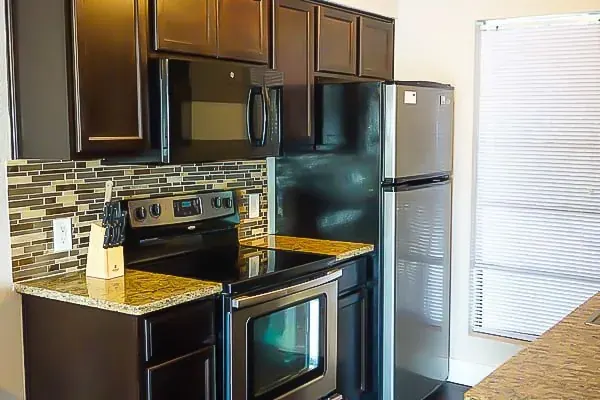
Inside Rustic Creek, our Austin flagship







Step 2: Make dietary changes that fit real life
Healthline notes that shrinking a beer belly typically requires both diet and exercise changes. The article includes practical tactics like reducing portion size and making healthier food swaps. Harvard Health points to lowering overall calories, cutting back on simple carbohydrates, and increasing regular activity for many beer-belly cases that are due to fat gain.
For recovery-friendly meal ideas that support steady energy and routines, read our guide on good nutrition for lasting sobriety.
A realistic eating pattern often includes:
- more vegetables, fruits, and whole grains
- adequate protein at meals
- fewer sugary drinks and frequent ultra-processed snacks
Step 3: Combine cardio and strength training
Core exercises can strengthen abdominal muscles, but they do not reliably cause “spot reduction.” Mayo Clinic notes that exercises focused on the belly alone will not get rid of belly fat. Cleveland Clinic recommends a mix of strength and cardio as part of an effective approach to weight loss and belly fat reduction. Consistency tends to matter more than the exact workout style, as long as the plan is safe and sustainable.
If you want a practical template for sleep, meals, movement, and accountability, see our guide to building a healthy daily routine in recovery.
Step 4: Use waist measurement as a progress marker
Scale weight changes for many reasons, including hydration, digestion, and muscle gain. Waist measurement can add context, especially when the goal is to reduce visceral fat. Mayo Clinic outlines one approach: measure around the bare stomach just above the hipbone, keep the tape level, relax, exhale, and avoid sucking in the stomach. It often helps to measure at the same time of day and under similar conditions to limit day-to-day variation.
When to seek medical or professional support
A clinician can help if belly size changes quickly, if the abdomen is hard or painful, or if there are symptoms that could suggest fluid buildup rather than routine fat gain. Support can also matter when drinking is hard to control.
If you’re planning to stop heavy drinking, it helps to understand the alcohol withdrawal timeline and when medical care may be safer.
If alcohol use affects sleep, mood, relationships, or work, a professional assessment can clarify options. The discussion can start in primary care and expand to behavioral health or specialized addiction services when needed.
For many people, cravings are a key barrier to change, so it may help to review when alcohol cravings stop and what support options can reduce relapse risk.
How Eudaimonia Recovery Homes Can Support Reducing Alcohol-Related Belly Weight
Reducing an alcohol belly often starts with lowering alcohol intake and building steady daily habits, and that can be hard to do without structure. Eudaimonia Recovery Homes can support people working toward the goals in Alcohol Belly: Causes, Risks, and How to Reduce It by offering a sober living environment that reduces day-to-day exposure to alcohol. A consistent routine in recovery housing may make it easier to follow regular meals, better sleep, and planned physical activity, which can influence abdominal fat over time. House expectations and peer accountability can also help residents stay aligned with recovery goals that indirectly support healthier weight-related behaviors.
Through recovery-focused support and connections to outpatient care, individuals may address stress, trauma, or mood concerns that can contribute to drinking and impulsive eating. Staff can assist residents in finding medical, mental health, and nutrition resources when symptoms or health risks warrant professional evaluation. Practical skill-building, like grocery planning, simple cooking, and scheduling alcohol-free social time, can make lifestyle changes more sustainable after discharge. Community support may reduce isolation, which is a common trigger for returning to heavy drinking. While no program can guarantee specific body changes, sustained sobriety and healthier routines supported through recovery housing can improve the conditions that often contribute to a beer gut.
NIH’s NIAAA alcohol calorie calculator notes that alcohol beverages add calories with few nutrients and may contribute to unwanted weight gain.
A SAMHSA recovery housing fact sheet describes recovery housing as an abstinence-based setting that emphasizes peer support and connection to services that promote long-term recovery.
For a clearer overview of what sober living looks like day to day, see our guide to sober living meaning, benefits, and tools.
SAMHSA’s Best Practices for Recovery Housing summarizes evidence that recovery housing can support positive outcomes and recommends helping residents access health care and other community-based supports.
If additional structure is needed, an intensive outpatient program (IOP) can provide scheduled therapy and skill-building alongside recovery housing.
Takeaway
A beer gut is often a visible sign of central weight gain that includes visceral fat. Alcohol can contribute through calories and through the way the body prioritizes alcohol metabolism. Food choices, activity level, and age-related changes also play a role. Reducing an alcohol belly typically involves lowering total calories, increasing activity, and making alcohol changes that are specific enough to track. Medical evaluation is appropriate when symptoms suggest something other than routine fat gain.
How Eudaimonia Recovery Homes Can Support Reducing Alcohol-Related Belly Weight
Reducing an alcohol belly often starts with lowering alcohol intake and building steady daily habits, and that can be hard to do without structure. Eudaimonia Recovery Homes can support people working toward the goals in Alcohol Belly: Causes, Risks, and How to Reduce It by offering a sober living environment that reduces day-to-day exposure to alcohol. A consistent routine in recovery housing may make it easier to follow regular meals, better sleep, and planned physical activity, which can influence abdominal fat over time. House expectations and peer accountability can also help residents stay aligned with recovery goals that indirectly support healthier weight-related behaviors.
Through recovery-focused support and connections to outpatient care, individuals may address stress, trauma, or mood concerns that can contribute to drinking and impulsive eating. Staff can assist residents in finding medical, mental health, and nutrition resources when symptoms or health risks warrant professional evaluation. Practical skill-building, like grocery planning, simple cooking, and scheduling alcohol-free social time, can make lifestyle changes more sustainable after discharge. Community support may reduce isolation, which is a common trigger for returning to heavy drinking. While no program can guarantee specific body changes, sustained sobriety and healthier routines supported through recovery housing can improve the conditions that often contribute to a beer gut.
Your Future Is Waiting
Tell us what you are looking for and admissions will walk you through the houses, the phases, and what a room actually costs.