
Published February 19, 2026 · Updated August 5, 2026
Key Takeaways
- Can you drink on Prozac?The safest choice is to avoid alcohol while taking Prozac.
- How Prozac and alcohol interactProzac stays in the body for days, so timing does not remove risk.
- What mixing can doAlcohol can increase impairment and destabilize mood while on Prozac.
- Prozac for alcohol addictionProzac is not an AUD medication, but it may treat depression that overlaps with drinking.
- If you drank on ProzacFocus on safety first, then strengthen your plan to prevent a repeat.
- Recovery planningCombining mental health care with structure and accountability supports long-term sobriety.
On This Page · 17 Sections
Alcohol and Prozac can be a risky mix. Taking Prozac (fluoxetine) and drinking alcohol may seem harmless, but the combo can raise side effects and relapse risk. If you are on Prozac for depression or anxiety, alcohol can worsen mood and make it harder to judge limits.
This guide explains how drinking on Prozac affects the body, what to do if it happens, and whether Prozac for alcohol addiction is ever a fit.
Can you drink on Prozac? Quick facts
For most people, the safest answer is no. The U.S. Food and Drug Administration (FDA) medication guide for Prozac warns: do not drink alcohol while using Prozac. FDA label for Prozac (fluoxetine).
Why the strict guidance? Alcohol and Prozac can both affect alertness, balance, and mood. When they overlap, the effects can stack up in ways that are hard to predict.
- Even one drink may increase drowsiness, dizziness, or slowed reactions.
- Alcohol can worsen depression and anxiety symptoms that Prozac is meant to treat.
- Lowered inhibition can raise relapse risk for people working on sobriety.
- If you use other medicines or substances, the risk can rise quickly.
Quick definition: When people say “drinking on Prozac,” they usually mean using alcohol while fluoxetine is still active in the body. Because Prozac lasts a long time, that window can be days, not hours.
How Prozac works and why alcohol changes the picture
Prozac is the brand name for fluoxetine, a selective serotonin reuptake inhibitor (SSRI). An SSRI helps by keeping more serotonin available in the brain, which can lift mood and ease anxiety for many people.
Alcohol is a central nervous system depressant. In the short term, it can feel relaxing, but it can also disrupt sleep, increase irritability, and deepen low mood the next day.
One practical issue is timing. Fluoxetine has a long half-life, so it stays in the body for days. That means “I drank hours after my dose” does not reliably prevent interaction effects.
MedlinePlus recommends discussing alcohol use with your prescriber because alcohol can make fluoxetine side effects worse. Fluoxetine (MedlinePlus drug information).
Eudaimonia's Success Stories – Real People, Real Freedom
What can happen when you mix alcohol and Prozac
Not everyone feels the same effects, but the risk is real. A helpful way to think about the mix is more impairment plus mood swings. Alcohol can amplify common SSRI side effects, and it can also work against mental health recovery.
Common short-term effects
- More sedation: feeling unusually tired, “foggy,” or unsteady.
- Slower reaction time: higher risk while driving, cooking, or using tools.
- Nausea or headache: especially if you are early in treatment.
- Worse sleep: alcohol can break up sleep even when it helps you fall asleep.
Mood and safety concerns
- Worsening depression: alcohol can deepen low mood and reduce motivation.
- Acting on impulse: lowered inhibition can lead to risky choices.
- Suicidal thoughts: if you notice new or worsening suicidal thoughts, seek urgent help.
Who may be at higher risk
Mixing alcohol and Prozac can be risky for anyone, but the risk tends to rise when your system is less stable. Examples include:
- Early in Prozac treatment, or soon after a dose increase.
- History of heavy drinking, blackouts, or withdrawal symptoms.
- Using other sedating medicines (sleep aids, opioids, benzodiazepines) or cannabis.
- Health issues that affect balance, breathing, or liver function.
- Past suicidal thoughts or episodes of severe depression.
The National Institute on Alcohol Abuse and Alcoholism (NIAAA) notes that mixing alcohol with medicines can raise the risk of drowsiness, fainting, and loss of coordination, among other harms. NIAAA: Harmful interactions (mixing alcohol with medicines).
Prozac for alcohol addiction: what it can and cannot do
It is common to search for Prozac for alcohol addiction, especially when depression and drinking show up together. Still, it helps to separate two questions:
- Can Prozac treat depression or anxiety that happens along with alcohol use? Often, yes.
- Is Prozac an approved medication for alcohol use disorder (AUD)? No.
Key point: Prozac is not a solo treatment for alcohol addiction. It may support recovery when a clinician is treating a mental health condition, but it does not replace proven alcohol use disorder care.
When people feel less depressed, they often have more energy for recovery basics: meetings, therapy, sleep, meals, exercise, and honest talks. That is one reason a prescriber might treat depression during alcohol recovery. Still, continuing to drink can blunt progress, because alcohol itself can worsen mood and anxiety over time.
Many people with alcohol use disorder benefit from a full plan that may include therapy, peer support, and (when appropriate) FDA-approved AUD medicines. Your prescriber can help you review options and medical fit.
If you are in recovery and taking medicines, it helps to plan ahead with your prescriber and your support system. This includes talking through relapse risk, side effects, and what to do if cravings spike. You may find this guide helpful: Taking prescription medications in recovery.
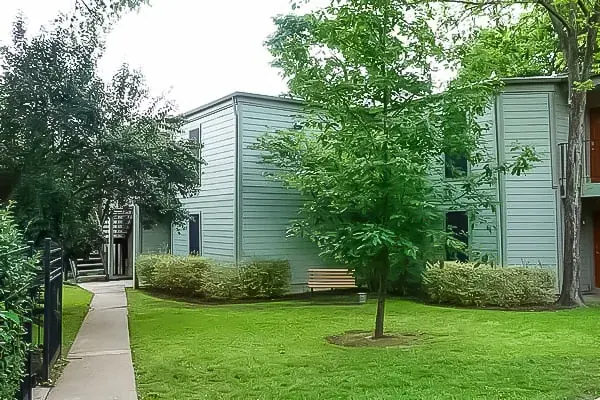
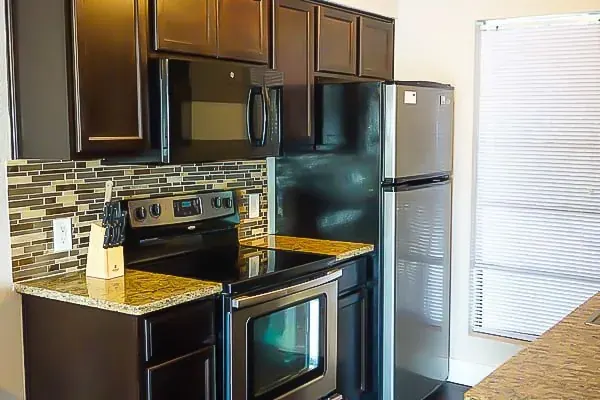
Inside Rustic Creek, our Austin flagship






If you drank on Prozac: what to do next
If you had alcohol while taking Prozac, try to respond calmly and safely. One slip does not have to become a spiral, but it is a signal to adjust your plan.
Steps that are usually safer
- Do not drive if you feel even mildly impaired. Arrange a ride or stay put.
- Do not double-dose Prozac to “make up” for drinking. Take it only as prescribed.
- Avoid more alcohol that day, and avoid other substances that increase sedation.
- Hydrate and eat if you can tolerate it, and prioritize sleep.
- Tell your prescriber if drinking is frequent, heavy, or tied to mood changes.
When to seek urgent help
- Severe confusion, chest pain, fainting, seizures, or trouble breathing.
- New or worsening suicidal thoughts, or any plan to harm yourself.
- Vomiting that will not stop, signs of dehydration, or inability to stay awake.
If you are living in sober housing, be honest quickly. Clear expectations protect you and your peers, and early disclosure can stop a slip from turning into a relapse. Sober living community rules.
If drinking is starting to feel like a default coping tool, build a substitute plan before your next trigger hits. This practical guide can help: What to do instead of drinking: the Sober Swap Method.
Building a recovery plan when depression and alcohol overlap
Alcohol use disorder (AUD) is a medical condition that involves loss of control over drinking, cravings, and continued use despite harm. Depression is also a medical condition. When both are present, treatment works best when it addresses both at the same time.
A recovery plan is more than “willpower.” It is a set of routines and supports that reduce risk when motivation is low. For many people, that plan includes:
- Clinical care (therapy, medicine check-ins, and screening for co-occurring issues).
- Structured time during early recovery, when triggers are frequent.
- Accountability with drug and alcohol testing, check-ins, and clear expectations.
- Skills practice like coping skills, boundary setting, and relapse prevention.
Where sober living and IOP fit
Sober living homes and halfway houses are not the same as detox or inpatient rehab. They are structured, substance-free housing designed to support stability after higher levels of care. Many people use sober housing to protect early sobriety while they rebuild routines, work, and relationships.
If you need support that fits real life responsibilities, an intensive outpatient program can provide structured treatment while you live at home or in sober housing. Learn what to expect here: Intensive Outpatient Program (IOP).
Many people also benefit from a simple daily check-in practice. Step work is one option that some residents use to spot resentment, fear, and guilt early, before those feelings turn into cravings. Step 10 inventory in AA: using it in sober living and IOP.
Bottom line: If you are taking Prozac and trying to stop drinking, bring your prescriber into the plan. Mixing alcohol and Prozac can increase impairment and throw off mood, and you deserve support that makes sobriety realistic.
How Eudaimonia Recovery Homes Supports Alcohol and Prozac Recovery Planning
When alcohol and Prozac are part of the same story, it often signals that someone is managing both mood symptoms and risky drinking patterns at once. Eudaimonia Recovery Homes can help by providing stable, substance-free housing that supports consistency with medication routines and reduces exposure to everyday triggers. With built-in structure, accountability, and peer support, residents are more likely to notice early warning signs like increased cravings, sleep disruption, or mood changes that can happen with drinking on Prozac. Because recovery is rarely one-size-fits-all, Eudaimonia encourages coordination with licensed providers so mental health needs and alcohol use concerns can be addressed together.
The environment is designed to support healthier habits like regular sleep, daily goals, and community connection, which can reduce the urge to self-medicate with alcohol. Residents also benefit from clear expectations and support systems that make it easier to stay aligned with sobriety goals, even during stressful weeks. For people wondering about Prozac for alcohol addiction, structured sober living can be an important part of a broader plan that focuses on relapse prevention and long-term stability. Most importantly, Eudaimonia offers a practical path forward for anyone who wants support that fits real life while strengthening recovery.
Your Future Is Waiting
Tell us what you are looking for and admissions will walk you through the houses, the phases, and what a room actually costs.