

Published December 3, 2025 · Updated February 18, 2026
Key Takeaways
- Philadelphia’s treatment network offers detox, inpatient rehab, outpatient programs, and recovery housing options coordinated by state and local agencies.
- Different levels of care range from medical detox and residential treatment to intensive outpatient and partial hospitalization, so support can match your clinical needs.
- Inpatient vs. outpatient decisions depend on your safety, home environment, responsibilities, and the amount of structure you need to stop or reduce alcohol use.
- Using “near me” searches wisely means looking beyond advertising, checking licensing and accreditation, and relying on trusted directories and helplines to verify programs.
- What happens in treatment typically includes assessment, evidence‑based therapy, medications when appropriate, and aftercare planning to support long‑term recovery.
- Sober living after rehab provides a structured, substance‑free place to live with house rules, peer support, and links to work, school, and outpatient care.
- Multiple ways to pay include private insurance, Medicaid or Medicare, sliding‑scale options, and publicly funded programs for eligible Philadelphia residents.
On This Page · 29 Sections
Sober Living
Philadelphia
Alcohol and other substances affect many people in Philadelphia. City reports show more than 1,300 fatal overdoses in 2023, a slight decline but still one of the highest rates in the country.
Behind those numbers are people, families, and neighborhoods trying to find practical help close to home.
If you are typing “alcohol rehab near me” or “addiction centers near me” into a search bar, you may already feel worn out or unsure where to start. This guide explains how alcohol rehab in Philadelphia works, how to read “near me” search results, and how sober living can support long‑term recovery. It is for general education only and does not replace medical advice or professional treatment.
Alcohol Addiction in Philadelphia: Why Local Treatment Matters
Alcohol and other substances in the city
Substance use in Philadelphia exists alongside a serious overdose crisis. In 2023, city data recorded about 1,310 fatal overdoses, most involving opioids and stimulants.
Alcohol does not always appear in overdose statistics, but it remains a common substance use concern. In Pennsylvania overall, about 4% of adults are estimated to have an alcohol use disorder, and regular heavy drinking is common.
Because of these trends, Philadelphia has invested in a network of drug and alcohol programs near me, including crisis response, harm reduction, treatment, and recovery housing. The city’s Department of Behavioral Health and Intellectual disAbility Services (DBHIDS) coordinates many of these efforts and offers guidance for residents seeking help.
When to consider alcohol rehab near you
Only a health professional can diagnose an alcohol use disorder, but certain patterns suggest it may be time to look at alcohol rehab centers near me:
- Drinking more than planned or needing more alcohol to feel the same effect
- Having withdrawal symptoms such as shaking, sweating, or anxiety when you stop
- Spending large amounts of time drinking or recovering from drinking
- Missing work, school, or family responsibilities because of alcohol
- Feeling unable to cut back even when you want to
If these signs sound familiar, talking with a primary‑care provider, mental‑health professional, or local assessment program can help you decide whether detox, inpatient care, or outpatient support is the safest next step.
Types of Alcohol Rehab Programs Near You
When you search for alcohol rehab near me, you will see several kinds of programs. Many treat both alcohol and other substances, which is helpful when alcohol use overlaps with use of opioids, stimulants, or sedatives.
Medical detox and withdrawal management
Detox programs focus on safely managing withdrawal from alcohol and sometimes other drugs. Medical teams monitor vital signs, manage symptoms, and use medications when needed to lower the risk of complications.
Detox alone is usually not enough for long‑term recovery. Most people move from detox into inpatient treatment centers or intensive outpatient care, where they can work on the mental, social, and behavioral parts of substance use.
Inpatient alcohol addiction centers near me
Inpatient or residential rehab treatment centers near me provide 24‑hour care in a structured setting. You live at the facility for several weeks or months and follow a daily schedule that might include:
- Individual counseling and group therapy
- Education about alcohol use, coping skills, and relapse prevention
- Medication management for alcohol use disorder and other conditions
- On‑site medical care for physical or mental health needs
These programs may be labeled inpatient drug rehab near me, drug and alcohol inpatient rehab near me, or alcohol rehabilitation near me, even when they treat several types of substance use. The key feature is the combination of housing and intensive clinical services in one location.
Outpatient alcohol treatment programs near me
Outpatient care lets you live at home or in sober housing while attending therapy several times per week. Options in Philadelphia include standard outpatient counseling, an intensive outpatient program (IOP) with sessions on multiple days each week, and partial hospitalization programs (PHP), which offer full‑day treatment without overnight stays:
- Standard outpatient counseling (once or twice weekly)
- Intensive outpatient programs (IOP) with sessions on multiple days each week
- Partial hospitalization programs (PHP), which offer full‑day treatment without overnight stays
These services may appear online as alcohol programs near me, drug treatment programs near me, or drug and alcohol programs near me. Outpatient treatment can work well for people who have completed detox, have a stable living situation, and do not need continuous medical monitoring.
Integrated drug and alcohol facilities
Many drug and alcohol facilities in Philadelphia treat alcohol and other substances within one program. This approach matches what national guidelines recommend: treating substance use disorders and mental health conditions together using evidence‑based therapies and medications.
These services might be listed as drug treatment center near me, drug and rehab centers near me, or treatments centers near me (a spelling you may see in some directories). What matters more than the label is that the facility is licensed, uses proven treatment methods, and offers appropriate levels of care for your situation.
Choosing Between Inpatient and Outpatient Care
Questions to ask addiction centers near me
Whether you are looking at addiction centers near me, alcohol addiction centers near me, or drug and alcohol treatment centers near me, the same core questions apply:
- Is the program licensed by the Pennsylvania Department of Drug and Alcohol Programs (DDAP)?
- What levels of care are offered (detox, inpatient, outpatient, medication‑assisted treatment)?
- How are mental health concerns such as depression or anxiety treated?
- What qualifications do counselors, therapists, and medical staff hold?
- How are families involved, if at all?
- What does a typical day look like?
Clear, straightforward answers can help you tell the difference between marketing language and real, structured care.
Matching treatment centers to your needs
There is no single “best drug treatment” or one ideal program for everyone. Instead, think about:
- Safety: Do you need medical monitoring to stop drinking or using drugs?
- Stability: Is your current home environment supportive of recovery?
- Responsibilities: Do you need to keep working, studying, or caregiving while in treatment?
- Support network: Are family, friends, or peer groups available to help?
Based on these factors, you might choose a residential rehabilitation centers for people with alcohol use disorder (a term used in some older directories) or a flexible outpatient program. A professional assessment can help sort through these options.
Eudaimonia's Success Stories – Real People, Real Freedom
Using “Near Me” Searches to Find Quality Care
Understanding what search results really mean
Typing “alcohol rehab centers near me” or “drug and alcohol near me” into a search engine is often the first step. You may also see terms like:
- alcohol addiction treatment centers near me
- inpatient drug rehab near me
- drug and alcohol treatment centers near me
- rehab treatment centers near me
These phrases mostly describe location and basic program type. They do not guarantee quality.
It is also common to search for:
- best addiction treatment centers near me
- best alcohol addiction treatment centers
- best alcohol detox centers near me
- best alcohol rehabilitation centers
- best alcohol recovery centers
- best alcohol treatment centers
- best drug rehabilitation centers
In most cases, “best” is a marketing term rather than an official rating. When you see it, consider it an invitation to ask more detailed questions rather than proof that a program is right for you.
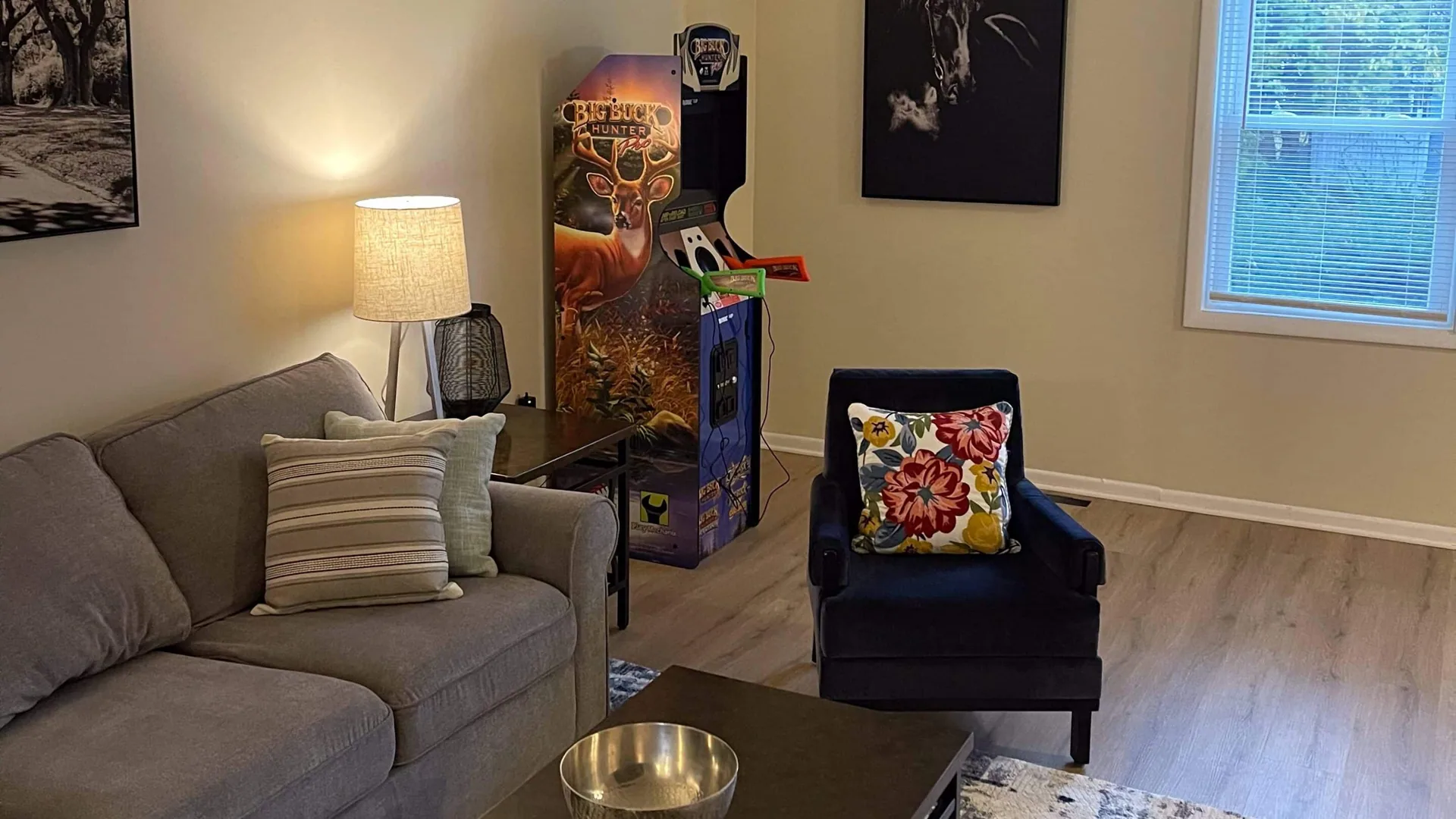
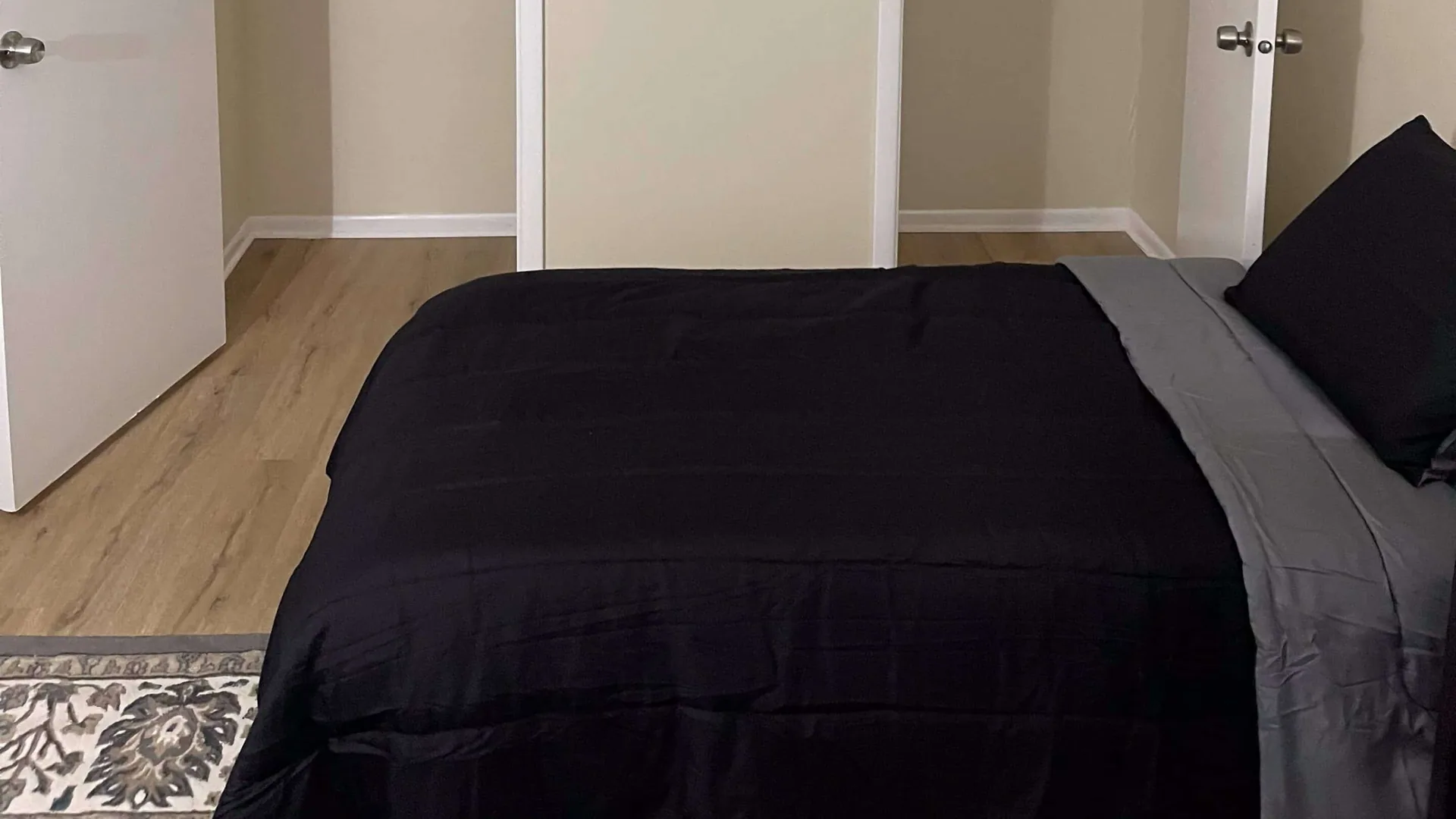
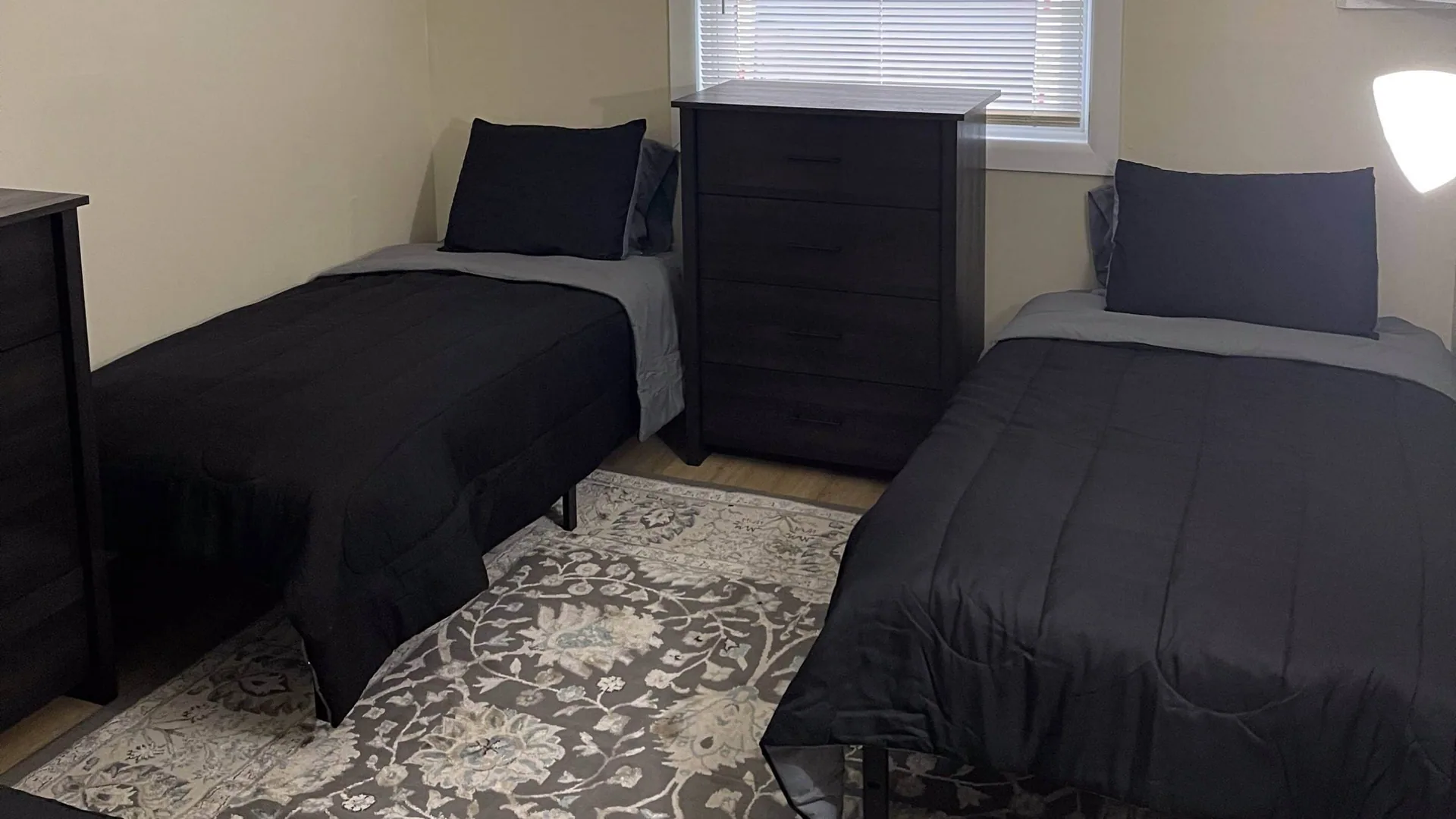
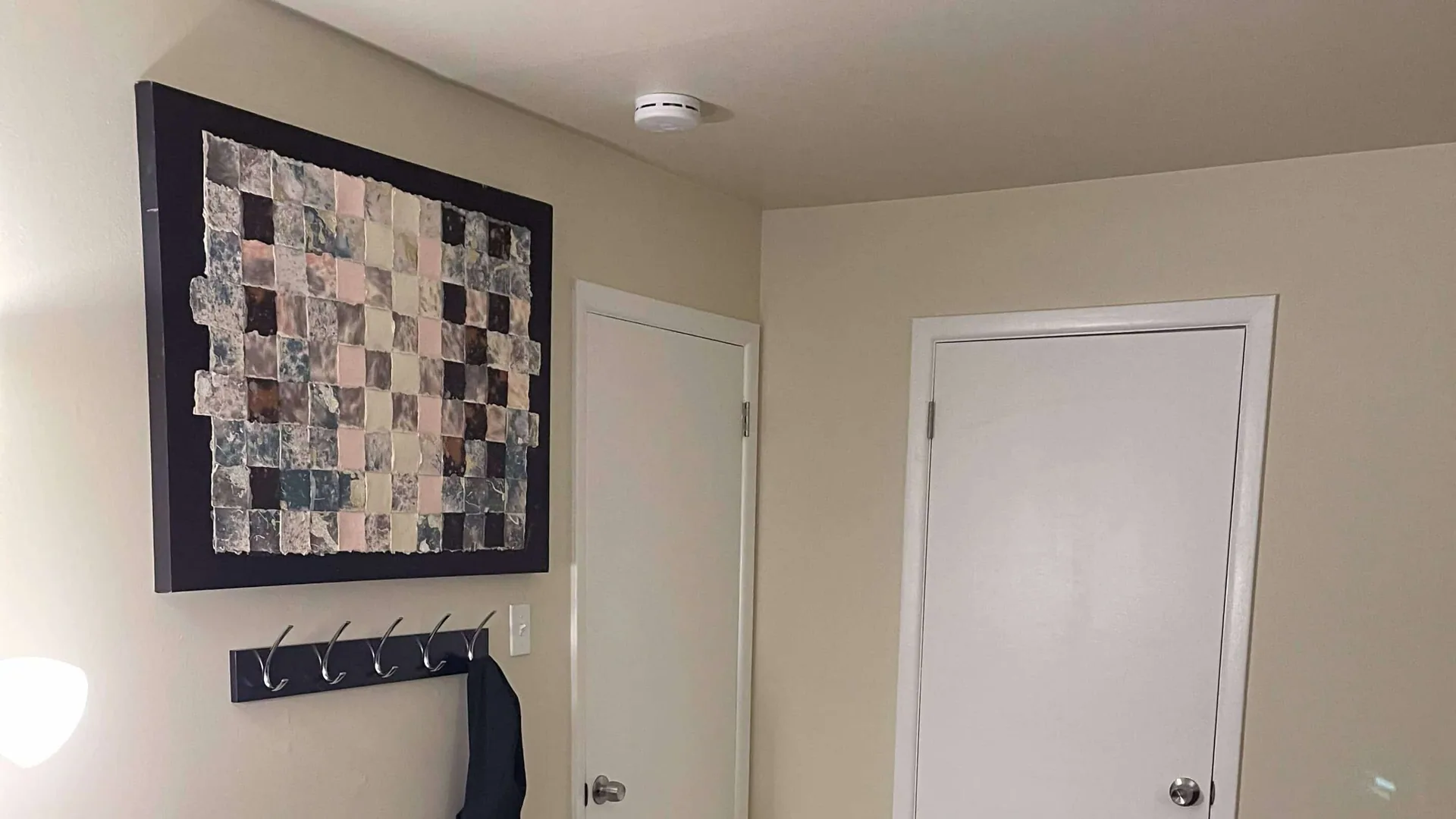
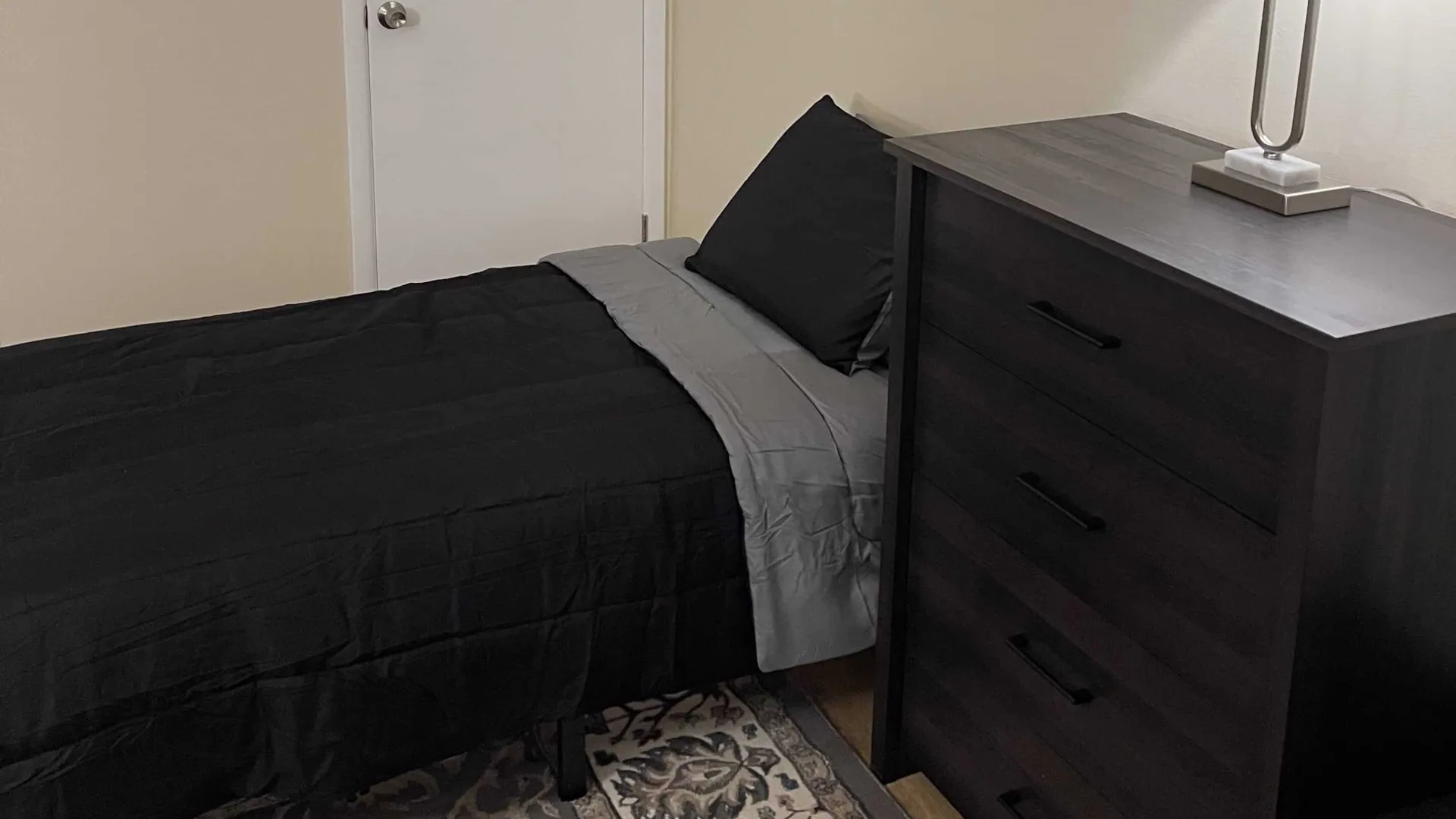
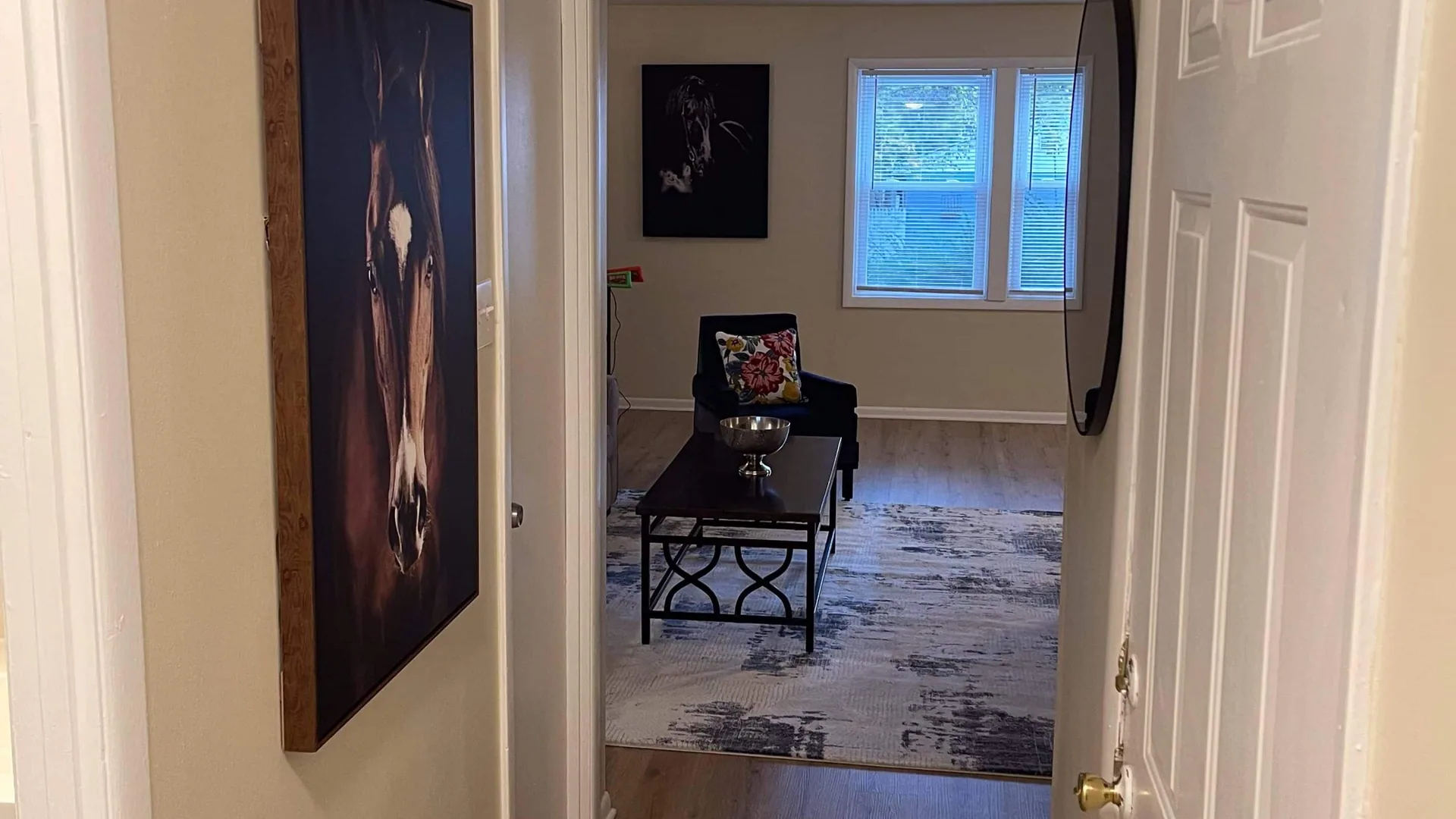
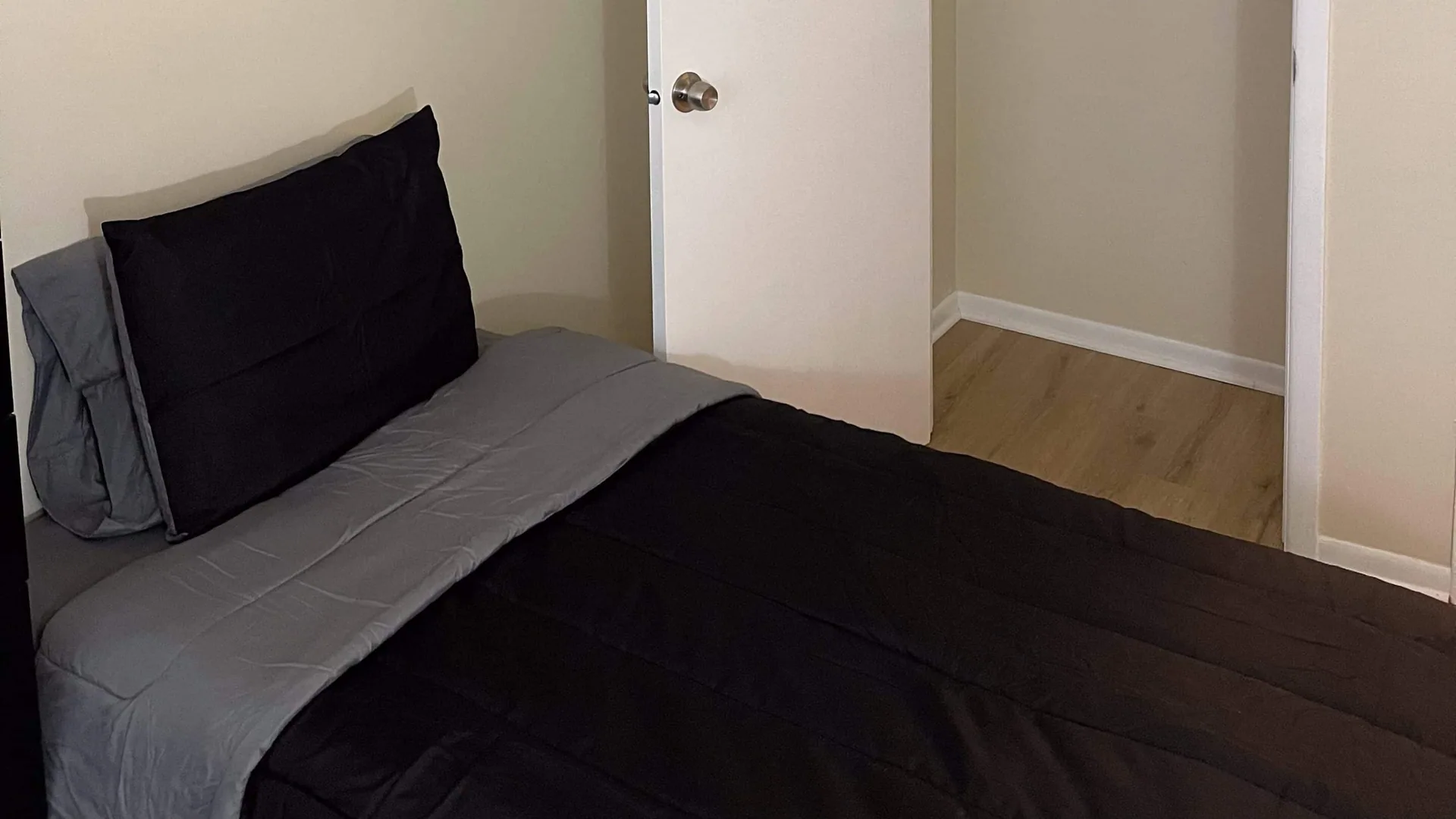
Inside the Philadelphia homes






Verifying information beyond search engines
To move beyond advertising:
- Check for DDAP licensing or national accreditation where applicable.
- Use FindTreatment.gov, a federal directory that lets you filter substance use treatment programs by location, level of care, and payment options.
- Call the Pennsylvania treatment helpline at 1‑800‑662‑HELP (4357) for guidance in English or Spanish.
- In Philadelphia, DBHIDS connects residents without insurance to publicly funded care through the Behavioral Health Special Initiative (BHSI).
These resources can complement “near me” searches and help confirm that the programs you are considering are legitimate and appropriate.
In Pennsylvania, freestanding drug and alcohol treatment facilities and publicly funded recovery houses must be licensed by the Department of Drug and Alcohol Programs (DDAP licensing standards).
The federal treatment locator at FindTreatment.gov from SAMHSA lets you search nearby mental health and substance use programs by ZIP code, level of care, and payment options.
What to Expect During Alcohol Rehab
Assessment and individualized planning
Most alcohol treatment programs near me start with a detailed assessment. Staff review:
- Substance use history (including alcohol, medications, and other drugs)
- Medical and psychiatric history
- Past treatment experiences
- Housing, work, and family situation
Based on this information, the team recommends a level of care, detox, inpatient, outpatient, or some combination, and works with you to set realistic goals.
Therapies, medications, and support
During treatment, you may encounter:
- Individual counseling, often using cognitive‑behavioral therapy, motivational interviewing, or other evidence‑based approaches
- Group therapy, where you learn from peers with similar experiences
- Family or couples sessions, when appropriate
- Medication‑assisted treatment (MAT) for alcohol use disorder, such as naltrexone, acamprosate, or other approved medications, when clinically indicated
- Education about triggers, coping skills, and relapse‑prevention planning
- Referrals to support groups and community resources
Good programs explain each service in plain language and encourage you to ask questions.
Clinical guidelines note that medications such as acamprosate, naltrexone, disulfiram, gabapentin, and topiramate can be effective options for alcohol use disorder when combined with counseling and ongoing care alcohol use disorder treatment guideline.
Length of stay and aftercare planning
Length of treatment varies:
- Detox may last a few days to a week
- Inpatient stays are often 30, 60, or 90 days, sometimes longer
- Outpatient care can continue for several months or more, especially when combined with recovery housing
Before discharge, staff should help you build an aftercare plan that may include outpatient counseling, peer support meetings, and sober living. The goal is to keep support in place after structured treatment ends, when relapse risk can be higher.
Paying for Alcohol Rehab in Philadelphia
Insurance, Medicaid, and Medicare
Many drug and alcohol treatment centers near me accept private insurance, Medicaid, or Medicare. Coverage may include:
- Detox and inpatient rehab
- Outpatient counseling and IOP
- Medications for alcohol or opioid use disorder
Call both your insurance company and the program’s admissions or billing office to confirm:
- Which services are covered
- Whether pre‑authorization is required
- What copays or deductibles you might owe
Low‑cost and publicly funded programs
For people without insurance or with limited income:
- Pennsylvania offers publicly funded treatment through county programs and contracted providers.
- In Philadelphia, DBHIDS and BHSI help residents access assessment and placement in funded programs.
- Some community clinics and non‑profit organizations offer sliding‑scale fees or grant‑supported care.
When you call, you can ask directly about cost, waitlists, and financial assistance.
Sober Living and Recovery Housing After Rehab
Why structured housing matters
Leaving treatment and returning to the same environment can feel risky. Many people benefit from moving into recovery housing before returning to independent living. These homes:
- Provide alcohol‑ and drug‑free space
- Use house rules, curfews, and drug testing to support accountability
- Encourage participation in work, school, or volunteer activities
- Connect residents with local meetings and outpatient care
In Pennsylvania, recovery houses that receive public funding or referrals must be licensed by DDAP, which sets basic standards for safety and oversight.
For a detailed look at daily routines and what residents can expect, read our real‑life guide to sober living homes in Philadelphia.
How Eudaimonia Recovery Homes fits into recovery
Eudaimonia Recovery Homes operates men’s sober living in Philadelphia and other structured sober living homes in cities across the country. These homes are not inpatient rehab or medical facilities. Instead, they offer structured housing where residents agree to stay sober, follow house rules, and participate in a phased recovery program while they work, study, or attend outpatient treatment.
Women who prefer a gender-specific setting can explore women’s sober living in Philadelphia PA as part of their step‑down plan after alcohol rehab.
For some people, moving from detox or inpatient care into sober living is a way to keep recovery momentum while rebuilding daily routines in a lower‑intensity setting.
How Eudaimonia Recovery Homes Supports Philadelphia Addiction Recovery
Eudaimonia Recovery Homes can play an important role in Philadelphia addiction recovery and alcohol rehab by offering a stable, substance‑free place to live after treatment. While it is not a hospital or clinical rehab program, Eudaimonia provides structured housing where residents agree to stay sober, follow house guidelines, and stay engaged in their personal recovery plans. This structure can make it easier to use the skills learned in detox, inpatient care, or outpatient counseling in everyday life.
Residents live with peers who are also working on sobriety, which can reduce isolation and create a sense of shared purpose. House staff monitor adherence to rules, support accountability, and encourage residents to stay connected with therapists, medical providers, and community support groups. Many people choose this type of setting because it lets them return to work, school, or family duties while still having daily recovery support.
Eudaimonia also emphasizes life skills, such as budgeting, time management, and healthy routines, which can lower stress and help prevent relapse. By combining safe housing, peer support, and structured expectations, Eudaimonia Recovery Homes can complement local alcohol rehab services and help residents build a more stable long‑term recovery in Philadelphia.
Your Future Is Waiting
Tell us what you are looking for and admissions will walk you through the houses, the phases, and what a room actually costs.


