
Published December 1, 2025 · Updated August 5, 2026
Key Takeaways
- Addiction counseling in Houston provides structured, evidence‑based support to help people change substance use patterns and related behaviors.
- Recognizing when you need help makes it easier to seek counseling early, especially when substance use begins to affect work, health, or relationships.
- Types of addiction therapy include individual, group, and family sessions so people can receive care in the format that best fits their needs and goals.
- Understanding what to expect from counseling sessions can reduce anxiety, improve trust with your provider, and support steady engagement in treatment.
- Combining counseling with recovery supports such as sober living, peer groups, and aftercare helps strengthen long‑term stability and relapse prevention.
- Eudaimonia Recovery Homes offers a stable, substance‑free living environment that reinforces the progress made in addiction counseling and therapy.
- Reviewing common FAQs gives quick answers about cost, length of care, online options, and confidentiality for addiction counseling in Houston.
On This Page · 29 Sections
Sober Living
Houston
1010 Waverly St, Houston, TX
Living with a substance use problem can make everyday life feel heavy and unpredictable. Many people in Houston balance work, family, and community roles while privately worrying about alcohol, drugs, or other compulsive behaviors. Addiction counseling and addiction therapy offer a structured way to understand what is happening and begin recovering in a safe, supportive setting.
Many residents pair counseling with sober living in Houston for added support.
This guide explains how addiction counseling Houston services work, what to expect in sessions, and how addiction therapy Houston providers fit into a broader recovery plan. It is meant for people considering help for themselves or a loved one.
Understanding Addiction Counseling in Houston
Addiction counseling is a form of behavioral health care focused on changing substance use and related behaviors. Counselors use structured, evidence‑based talk therapies, such as cognitive‑behavioral therapy, motivational interviewing, and group counseling, to help people understand patterns, manage cravings, and build healthier routines.
Counseling can stand on its own or work alongside medical care such as detox, medications for alcohol or opioid use disorder, or treatment for other health conditions. Research shows that combining counseling with medication and social support often leads to better outcomes than using any one approach alone.
How Counseling Supports Addiction Recovery
Addiction recovery is not a single event. It is a process that can include:
- Becoming more aware that substance use is causing problems
- Preparing to change
- Taking early steps toward sobriety or safer use
- Maintaining change and preventing relapse
Counseling supports each of these stages. Many Houston counselors use motivational interviewing, a counseling style that helps people explore ambivalence, strengthen their reasons for change, and make their own decisions.
Over time, sessions help you build skills, practice new coping strategies, and stay accountable to your goals. Counseling can continue even after formal treatment ends, acting as an anchor during long‑term recovery.
Addiction Counseling vs. Addiction Therapy
In everyday language, addiction counseling and addiction therapy are often used interchangeably. Both involve structured conversations with a licensed professional about substance use, thoughts, emotions, and behavior.
In some settings:
- Counseling may refer to shorter‑term, skills‑focused work.
- Therapy may describe deeper exploration of underlying issues such as trauma, grief, or long‑standing relationship patterns.
For most people searching “addiction counseling Houston” or “addiction therapy Houston,” the core idea is the same: regular, confidential sessions with a trained professional focused on recovery.
Do You Need Addiction Counseling?
People come to counseling for many reasons. You do not need to meet a specific label or diagnosis to ask for help.
Common Signs It May Be Time to Seek Help
It may be useful to consider counseling if one or more of these apply:
- You use alcohol or drugs to cope with stress, anxiety, or sleep most days.
- You have tried to cut back but keep returning to old patterns.
- Substance use is affecting work, school, parenting, or relationships.
- Friends or family have expressed concern.
- You spend significant time thinking about using or recovering from use.
- You feel guilty, ashamed, or secretive about your habits.
- You experience withdrawal symptoms, such as shaking, sweating, or intense cravings, when you stop.
If you recognize yourself in these examples, it does not mean you have failed. It simply suggests that professional support could make change easier and safer.
When Substance Use and Mental Health Overlap
Many people who seek addiction therapy Houston services also live with depression, anxiety, trauma, or other mental health conditions. When both are present, they are called co‑occurring disorders. Integrated treatment, where the same team addresses both mental health and substance use, is recommended because it reduces the risk of relapse and improves overall quality of life.
A skilled addiction counselor will screen for these concerns and, when needed, coordinate with medical or psychiatric providers.
Types of Addiction Therapy in Houston
Houston offers a wide range of counseling options. The right mix will depend on your history, current safety, and personal goals.
For structured care that combines individual and group sessions, you can also explore our addiction therapy services as part of your overall recovery plan.
Individual Addiction Counseling
In individual counseling, you meet one‑on‑one with a counselor. Sessions usually last 45–60 minutes and may occur weekly or more often at the beginning.
Individual work can help you:
- Track patterns and triggers in your substance use
- Explore the role substances play in your life
- Learn coping strategies for cravings and difficult emotions
- Practice communication and boundary‑setting skills
- Work through past experiences that still affect you today
This format allows for focused attention and a pace tailored to your comfort level.
Group Therapy
Group addiction therapy brings several clients together with one or two counselors. Groups may focus on early recovery skills, relapse prevention, trauma, or specific substances.
Benefits include:
- Hearing from others who have similar experiences
- Practicing new skills in a safe environment
- Building a recovery network in the Houston area
- Reducing shame and isolation
Many people combine individual and group therapy to gain both depth and peer support.
Family and Couples Counseling
Substance use often affects the entire household. Family or couples sessions give partners, parents, and other loved ones space to:
- Understand addiction as a health condition
- Discuss boundaries, trust, and safety
- Learn how to support recovery without enabling use
- Address long‑standing conflicts created or worsened by substance use
Family involvement is linked to better outcomes, especially when a supportive home environment is possible.
Specialized Approaches Used in Addiction Therapy Houston
Depending on training, local clinicians may use several evidence‑based methods, such as:
- Cognitive‑behavioral therapy (CBT): Helps you identify thought patterns that lead to use and replace them with more balanced responses.
- Motivational interviewing (MI): Supports you in exploring your own reasons for change rather than pushing a specific agenda.
- Dialectical behavior therapy (DBT) skills: Teaches emotion regulation, distress tolerance, and mindfulness to handle intense feelings.
- Trauma‑informed care: Recognizes the impact of past trauma and aims to avoid re‑traumatization in treatment.
Your counselor can explain which approaches they use and how these may fit your situation.
Eudaimonia's Success Stories – Real People, Real Freedom
What to Expect in Counseling Sessions
Knowing what will happen can reduce anxiety about starting.














Your First Contact and Assessment
The process usually begins with a phone call, online form, or referral. During this first contact, you may be asked brief questions about:
- Substances used and how often
- Current safety concerns, including withdrawal risks or suicidal thoughts
- Scheduling preferences and insurance or payment
If counseling seems appropriate, the next step is an intake or assessment session. This meeting covers your history, medical background, mental health, and goals.
Goal‑Setting and Treatment Planning
After the assessment, you and your counselor create a treatment plan. This often includes:
- A short list of specific goals (for example, “reduce drinking to three nights per week” or “complete outpatient program and maintain sobriety”)
- The types of sessions you will attend (individual, group, or family)
- How often you will meet
- Any referrals for medical care, psychiatry, or community support
Plans are flexible. They can change as you learn more about what works for you.
Skills You May Learn
Across many addiction counseling Houston programs, common skills include:
- Recognizing early warning signs of relapse
- Building a balanced daily routine with sleep, nutrition, and movement
- Managing cravings using grounding, urge surfing, or alternative activities
- Communicating needs and limits with family, friends, and employers
- Developing a personal relapse prevention or crisis plan
As you practice, these tools become part of everyday life rather than something used only in emergencies.
Confidentiality and Safety
Licensed counselors are required to protect your privacy, with a few exceptions related to safety (such as serious risk of harm to yourself or others). Your counselor should review these limits with you during early sessions so you know what to expect.
Many people find that a clear, confidential space makes it easier to talk about shame, fear, or confusion without judgment.
Integrating Counseling with Addiction Recovery in Houston
Counseling is one part of a broader recovery system. Depending on needs, people may move through different levels of care over time.
If you are still learning what a sober living home is, it may help to think of it as a bridge between structured treatment and fully independent living.
Outpatient Counseling and Step‑Down Care
Some people begin with outpatient counseling if their substance use is concerning but not immediately life‑threatening. Others step down to weekly sessions after completing residential treatment, medical detox, or intensive outpatient programs.
In each case, counseling offers continuity: an ongoing place to check in, problem‑solve, and adjust the plan.
Recovery Housing and Peer Support in Houston
For individuals who need more structure and a stable environment, recovery housing or sober living may add support beyond counseling alone. These homes emphasize accountability, routine, and peer support. Residents typically attend outside counseling, therapy groups, employment, or school while living in a substance‑free setting.
A 2025 systematic review concluded that recovery housing is associated with improved abstinence, income, and employment outcomes when compared with usual care or no housing support.
Peer‑based recovery groups, such as 12‑step meetings or secular alternatives, can also complement formal addiction therapy by providing community and lived experience.
If you need a structured, substance‑free environment while you attend counseling, our Houston sober living homes offer gender‑specific housing with accountability and peer support.
Aftercare and Relapse Prevention
Long‑term recovery often includes:
- Regular counseling check‑ins
- Relapse prevention groups
- Ongoing psychiatric or medical care
- Peer support meetings
- A written plan for responding early if warning signs appear
Recovery is rarely a straight line. Occasional setbacks do not cancel progress. Counseling provides a structured way to learn from any lapse and adjust the plan rather than starting over.
For structured accountability after formal treatment, our Recovery Support Program combines monitoring, coaching, and life‑skills support to help you maintain the progress you make in counseling.
Choosing an Addiction Counselor or Therapist in Houston
Finding a good match matters. When exploring addiction therapy Houston options, consider these areas. Federal telehealth guidance notes that telebehavioral health, including online counseling and group therapy, can effectively support people with substance use disorders while improving privacy and continuity of care.
Credentials and Training
Look for professionals who:
- Hold a current Texas license (such as LPC, LCSW, LMFT, psychologist) or a substance use, specific credential
- Have training or experience in substance use disorders
- Participate in ongoing supervision or continuing education
You can ask directly about their background working with alcohol, prescription medications, opioids, stimulants, or behavioral addictions.
Evidence‑Based Care and Philosophy
It can help to ask:
- Which therapies do you use for addiction or co‑occurring disorders?
- How do you involve family or significant others when appropriate?
- How do you define recovery: abstinence, reduced use, or both?
Programs that use evidence‑based behavioral therapies and, when indicated, coordinate with medical treatment tend to align with national treatment guidelines.
Practical Questions to Ask
Before committing, you might also ask:
- Do you offer in‑person, online, or hybrid sessions?
- What are your fees, and do you accept insurance or sliding‑scale payments?
- What is your policy for missed appointments?
- How do you handle crises between sessions?
- What does a typical first month of treatment look like?
Listening to how you feel during this conversation is important. A sense of respect, clarity, and collaboration is often a good sign.
How Eudaimonia Recovery Homes Supports Addiction Counseling in Houston
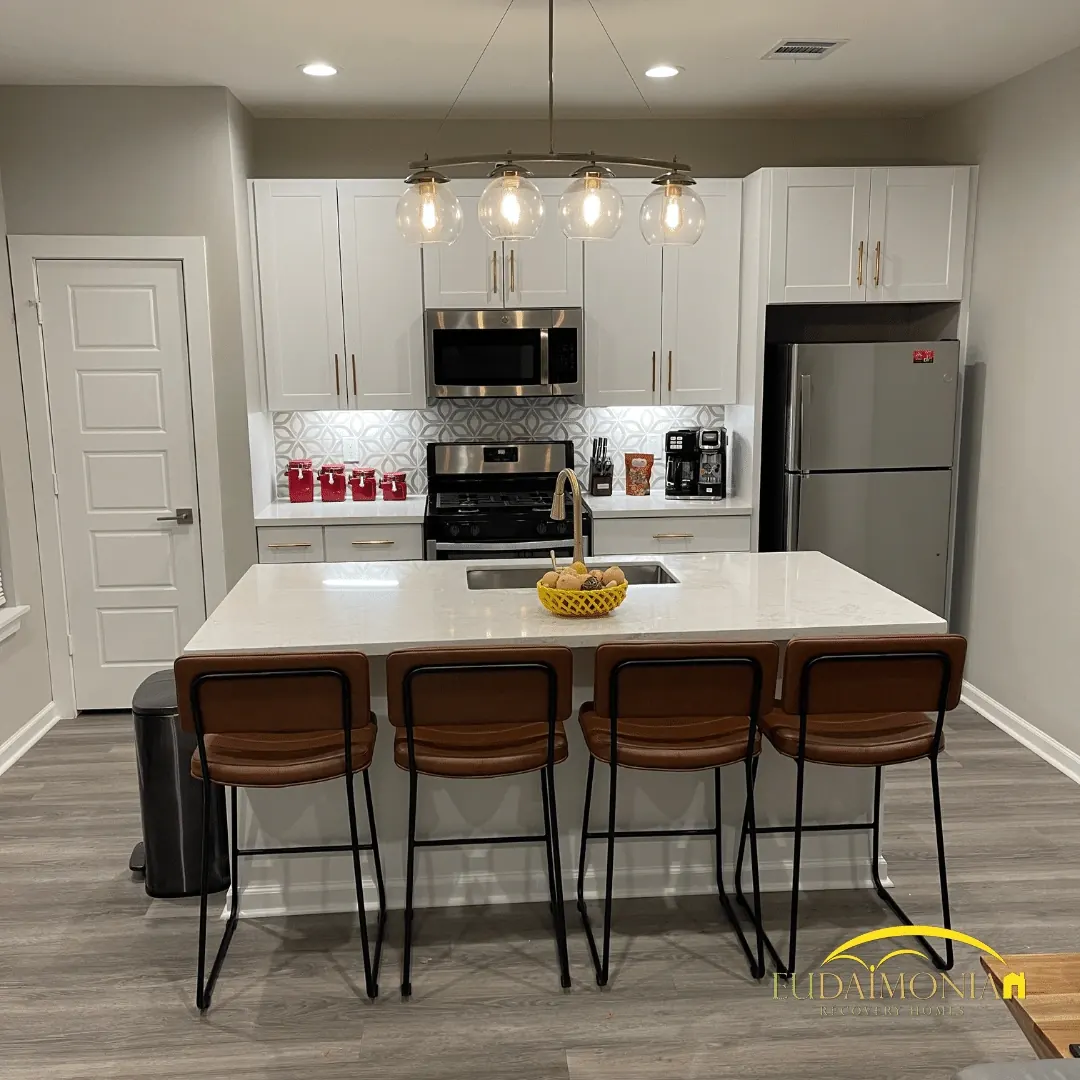
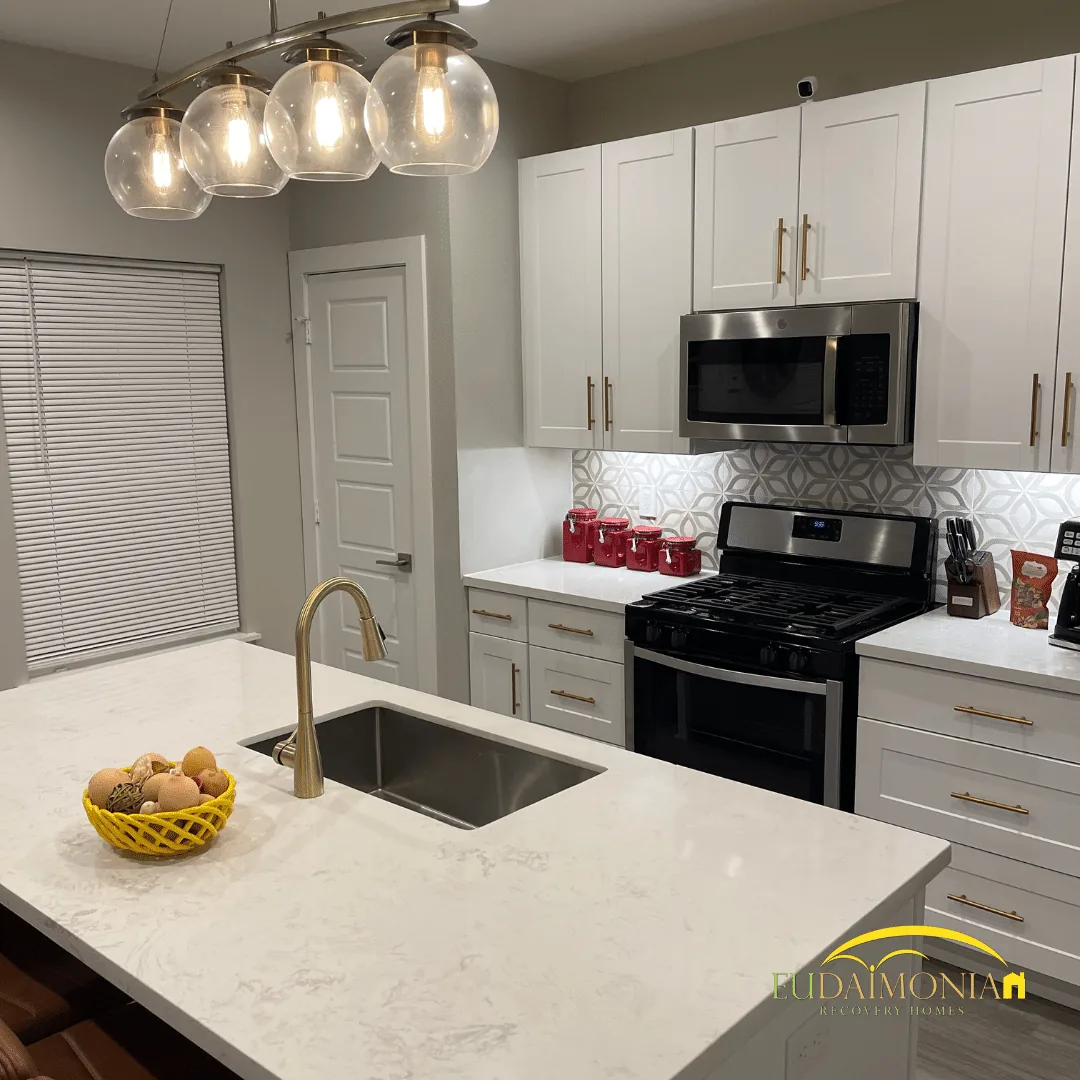
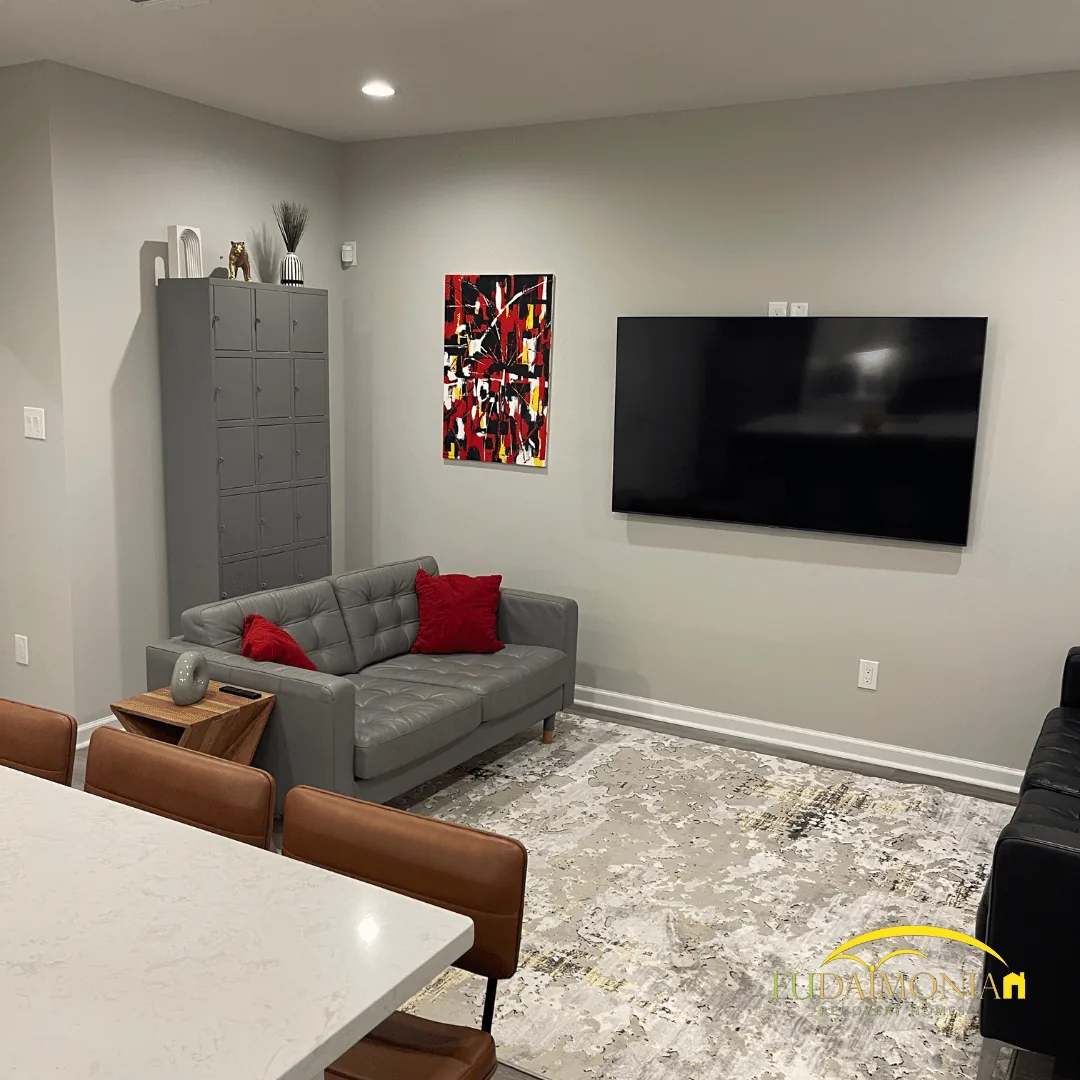
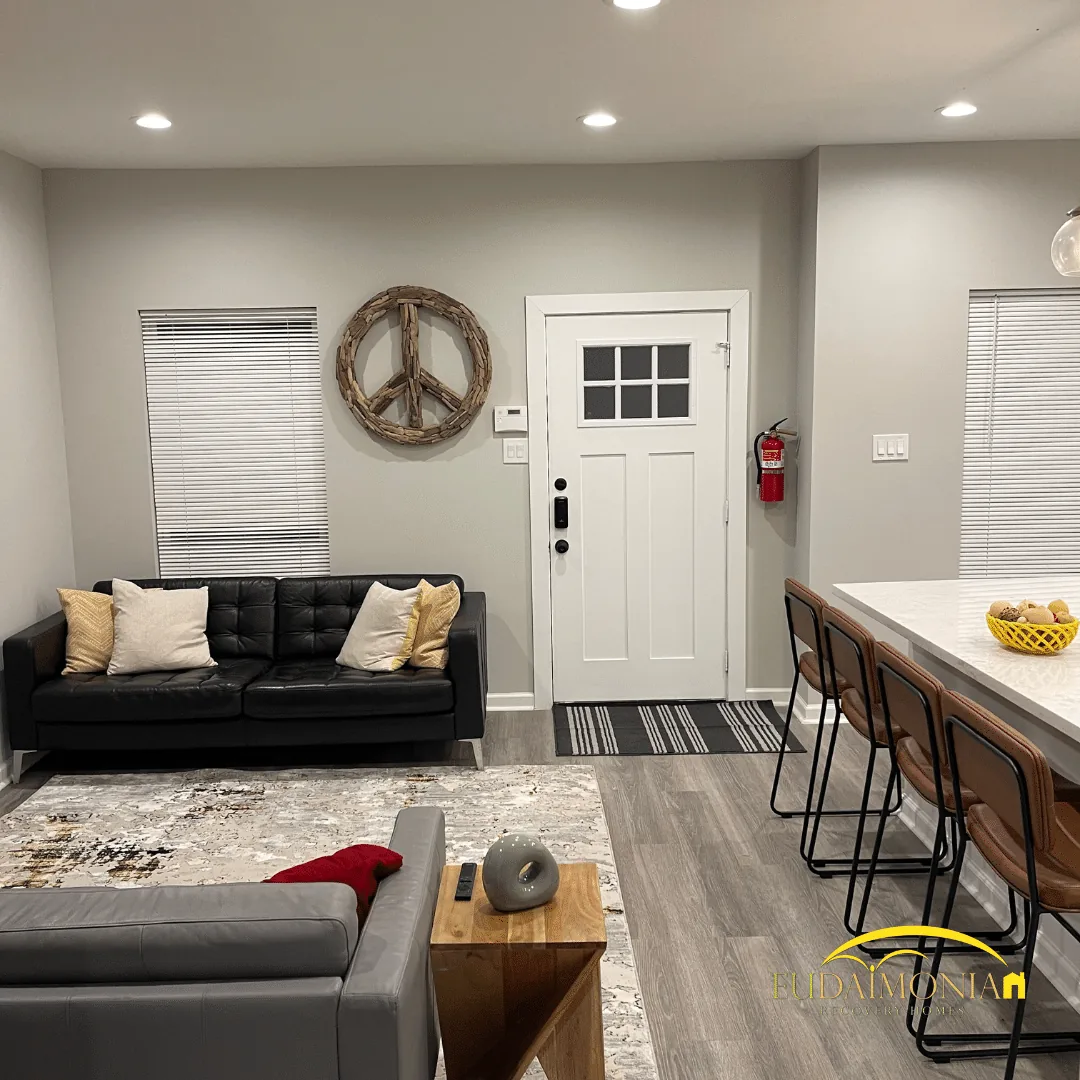
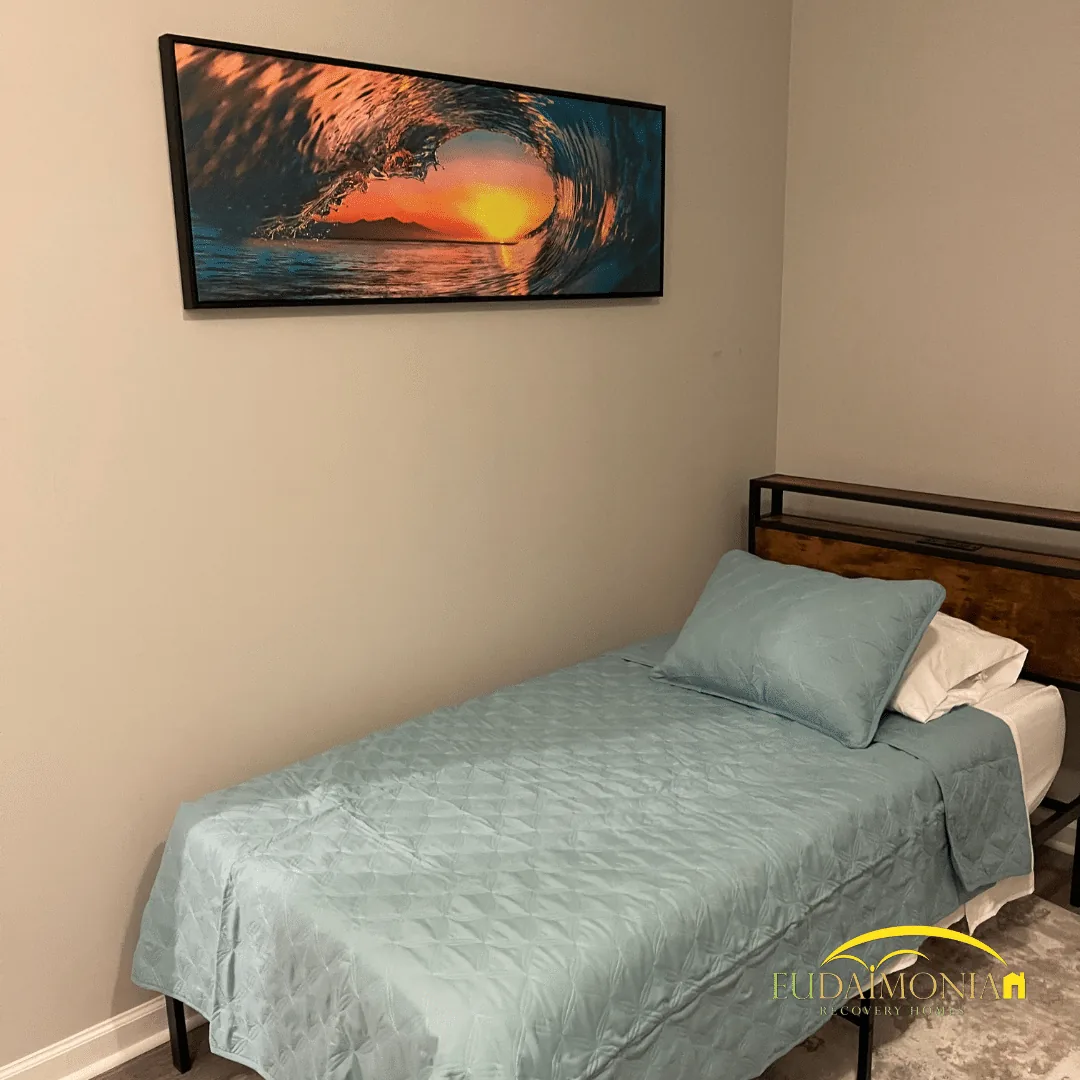
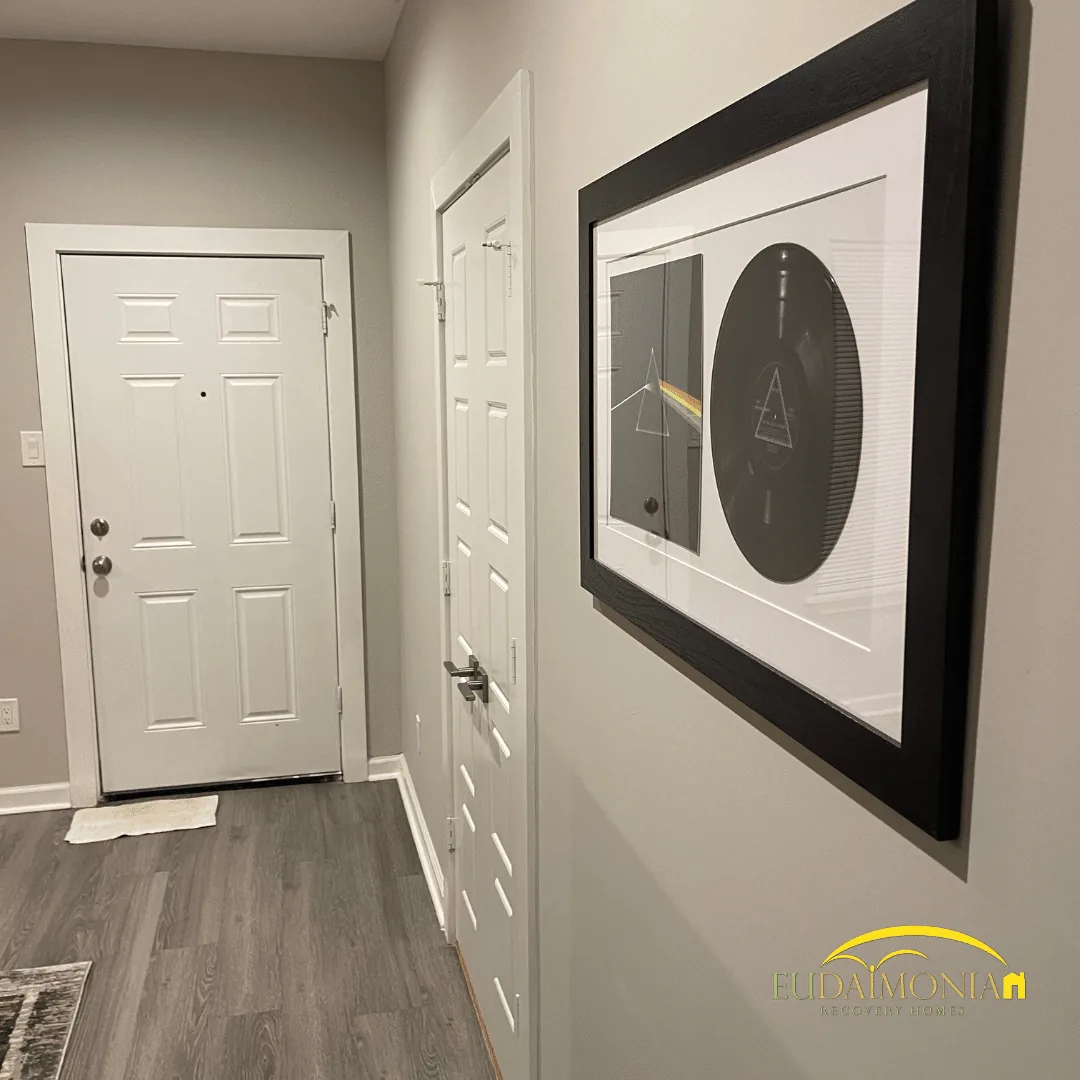
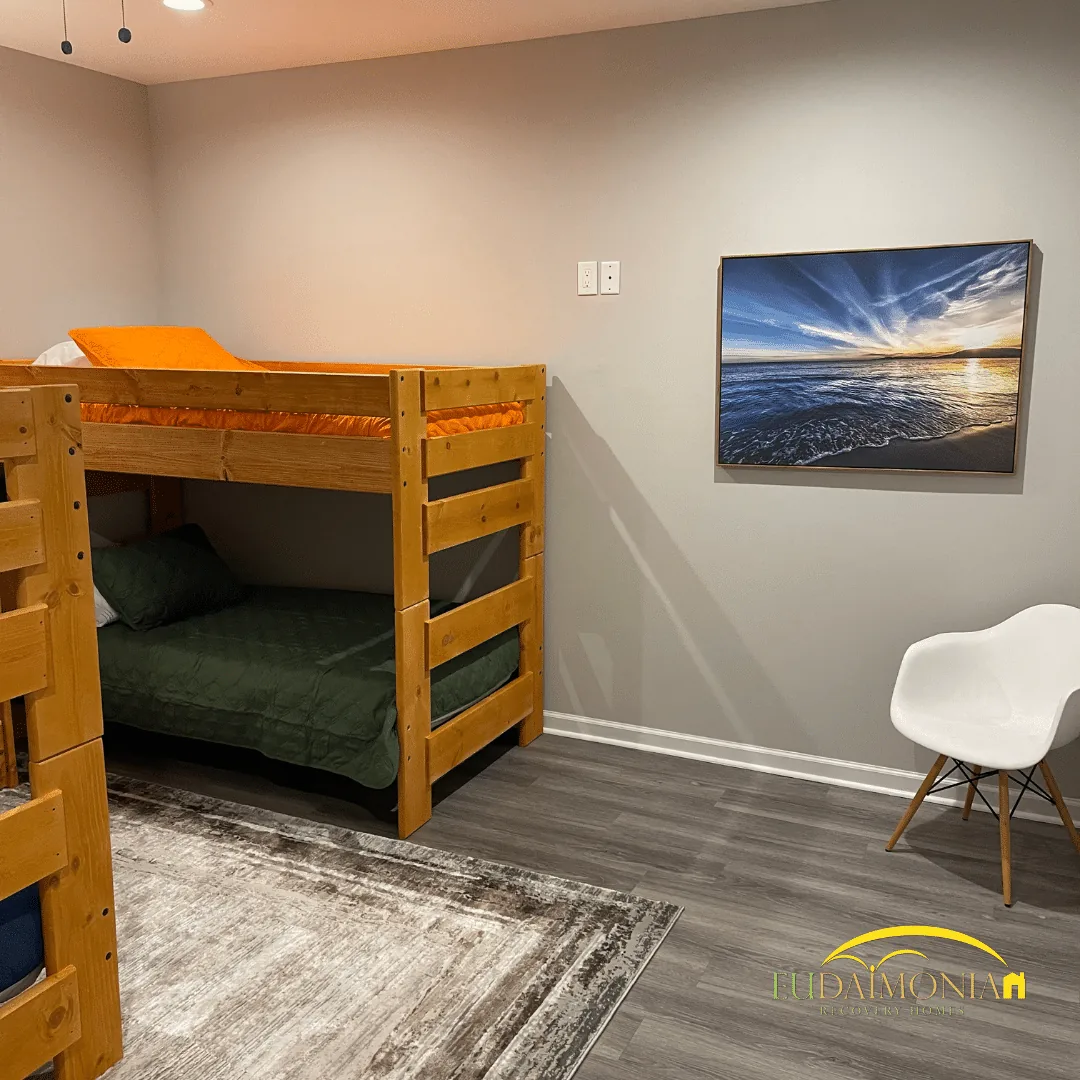
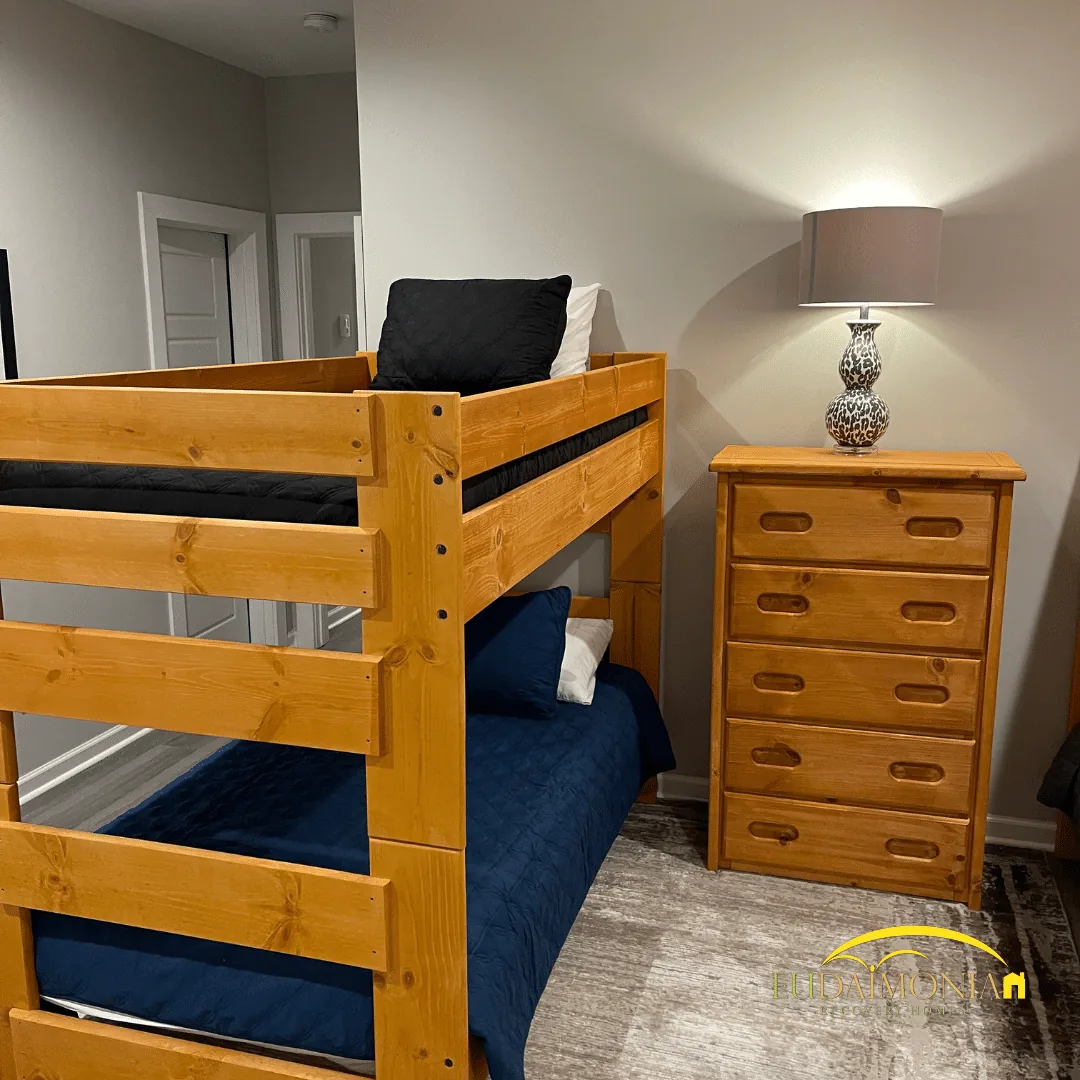
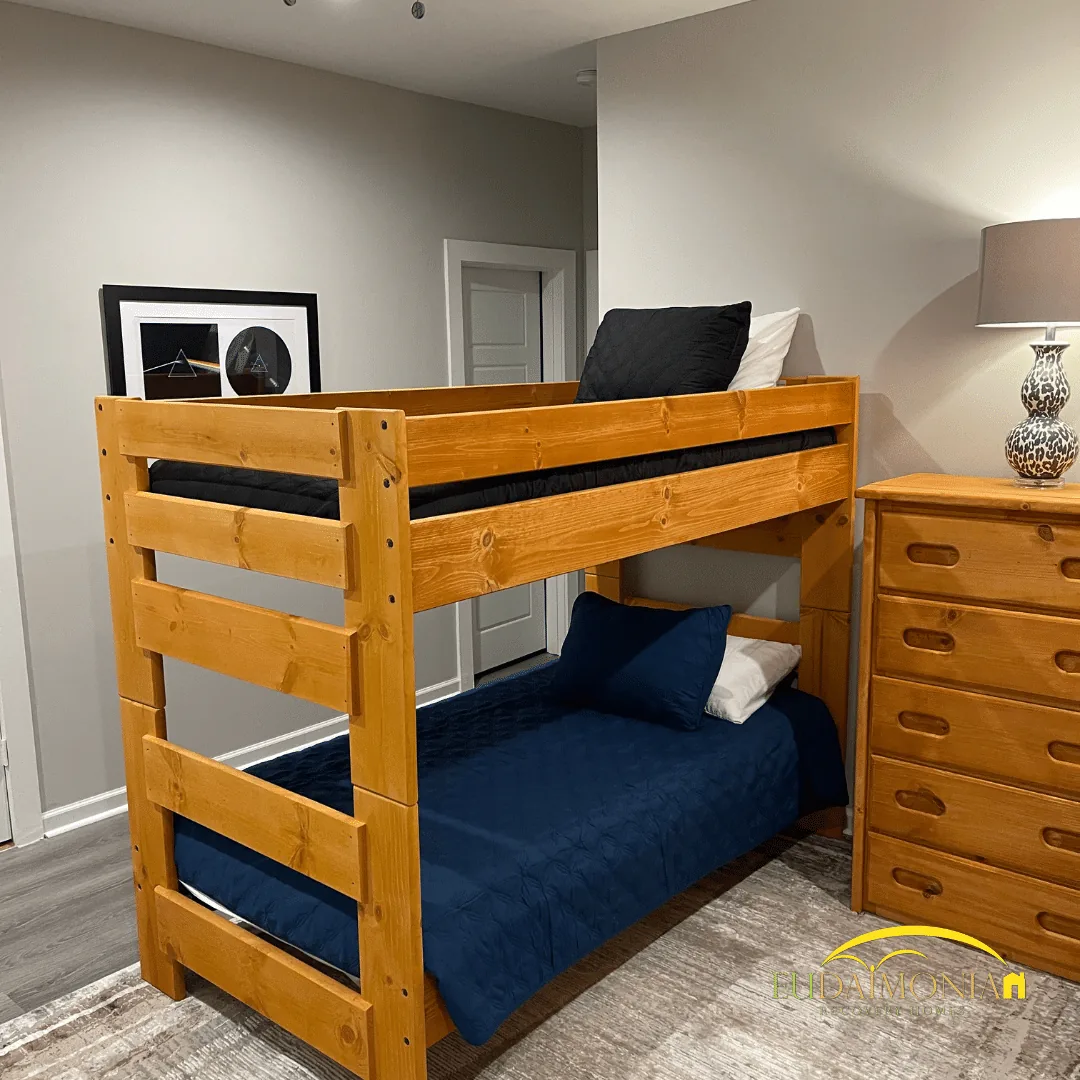
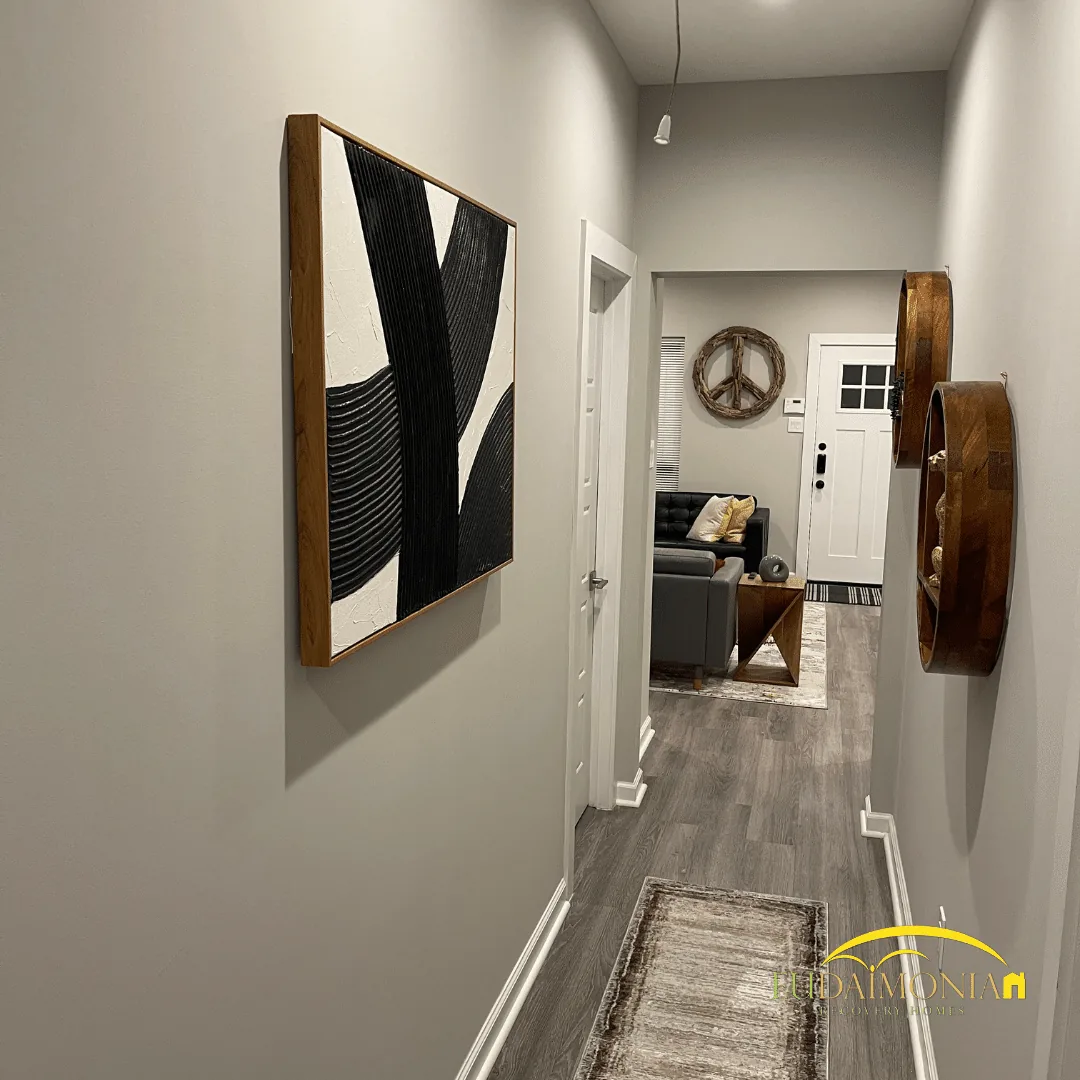
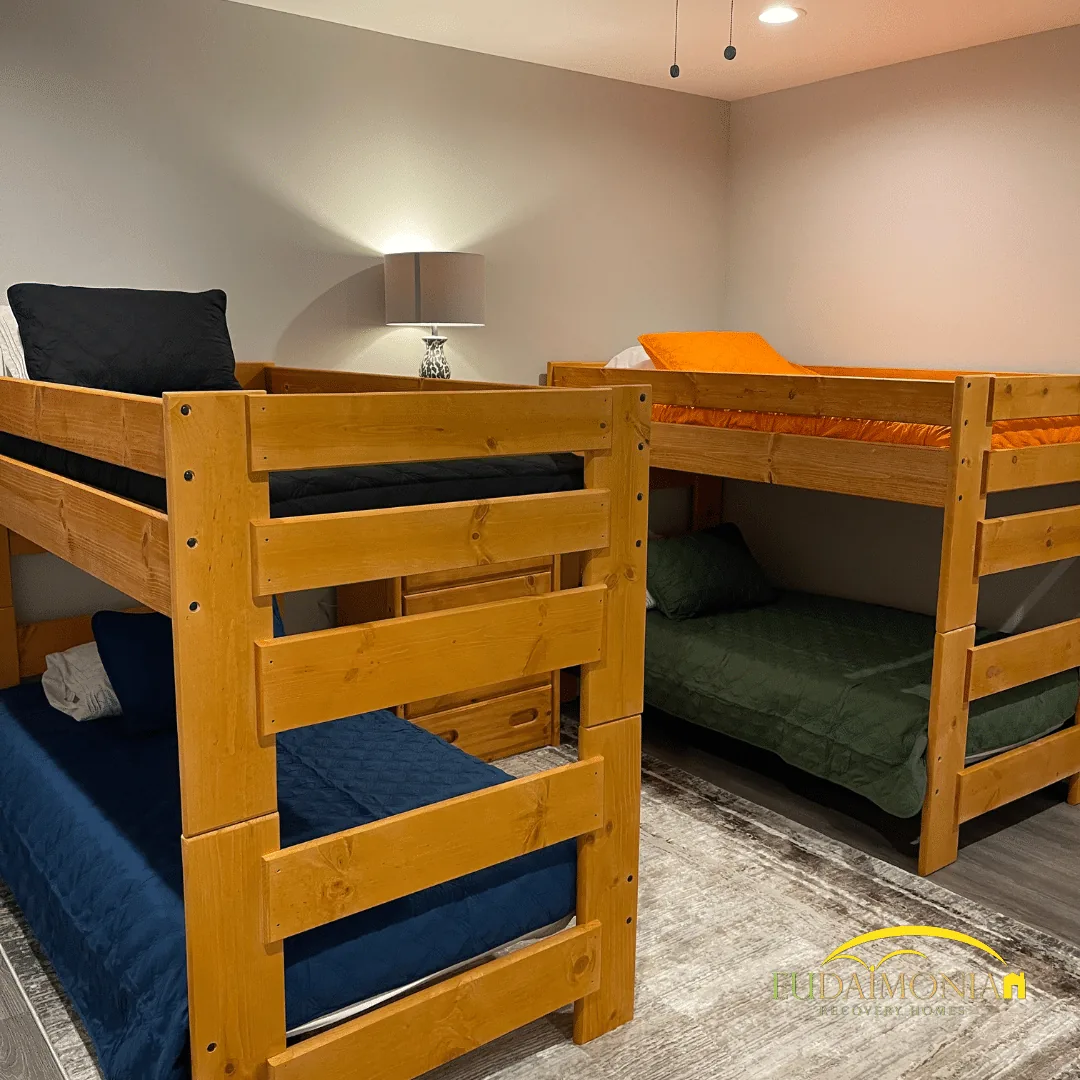
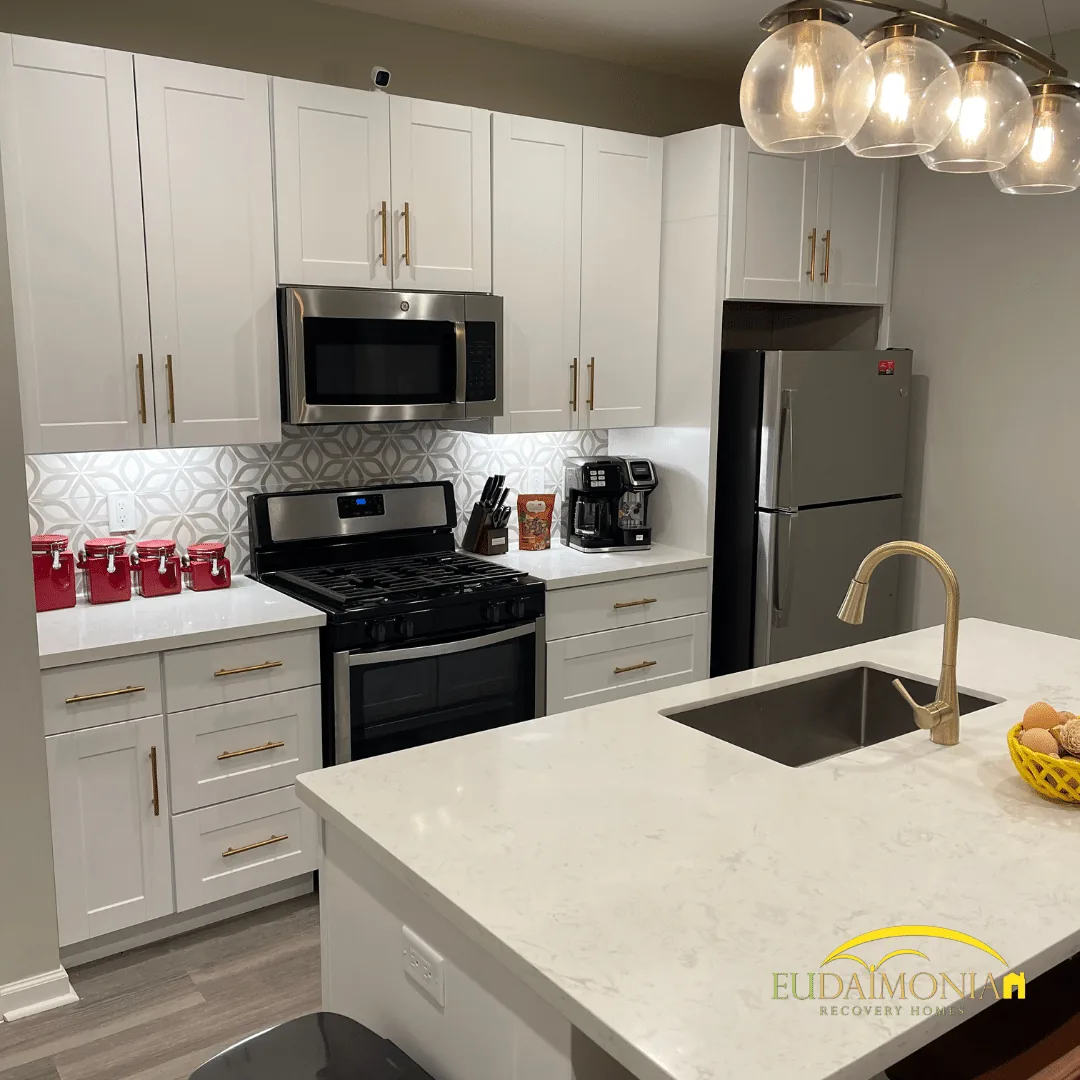
Eudaimonia Recovery Homes offers a stable, substance‑free living environment that reinforces the work you do in addiction counseling and therapy across Houston. By providing consistent routines, peer accountability, and clear house expectations, the program helps you put the skills from counseling sessions into daily practice.
On‑site staff and structured support make it easier to attend appointments, follow your treatment plan, and stay focused on recovery goals. Residents are encouraged to build a balanced schedule that may include outpatient counseling, support groups, school, or work, so recovery fits into real life rather than existing apart from it.
Living alongside others who are also working toward sobriety offers practical encouragement, reduces isolation, and gives you a chance to learn from different experiences. Eudaimonia Recovery Homes also emphasizes life skills, such as budgeting, communication, and healthy coping strategies, that complement clinical addiction therapy.
When challenges or cravings arise, you have access to a structured environment and a recovery‑focused community instead of facing those moments alone. This combination of supportive housing, accountability, and connection to professional services can help you maintain progress and move toward long‑term addiction recovery in Houston.
Your Future Is Waiting
Tell us what you are looking for and admissions will walk you through the houses, the phases, and what a room actually costs.