
Published February 27, 2019 · Updated August 5, 2026
Key Takeaways
- Natural highs in recovery are healthy mood-boosting experiences that do not involve drugs or alcohol.
- They matter because recovery is not only about avoiding substances, but also about rebuilding a rewarding daily life.
- A natural high is different from a drug-induced high because it supports stability rather than a cycle of crash and craving.
- Healthy activities may support mood, motivation, and routine when used consistently.
- Exercise, laughter, meditation, music, nature, dance, volunteering, connection, and storytelling can all support recovery.
- The best natural highs are the ones you can realistically repeat each week.
- If healthy activities do not feel rewarding right away, that can still be a normal part of early sobriety.
- Natural highs can help, but some people still need a more structured level of support.
- Keep the podcast video in the post to strengthen engagement and topical relevance.
On This Page · 22 Sections
Recovery often starts with learning how to live without the rush of drugs or alcohol. That adjustment can feel strange at first. Many people worry that sober life will feel flat, boring, or emotionally dull. However, that is not the full story. Over time, healthy routines and meaningful experiences can help you feel good again in a way that supports long-term stability.
These experiences are often called natural highs. In simple terms, a natural high is the lift in mood, energy, or calm that can come from healthy activities such as movement, connection, creativity, laughter, or time outdoors. In recovery, those moments can matter because they help rebuild daily life around healthier rewards.
If you are looking for practical ways to feel better without substances, this guide explains how natural highs in recovery work, why they matter, and nine healthy options you can build into your week. We have also included a video from our podcast, a FAQ section, and suggested next steps if you need more support.
What Are Natural Highs in Recovery?
A natural high is a positive shift in mood or energy that comes from a healthy activity rather than a substance. It may feel like calm, relief, motivation, enjoyment, connection, or even a mild sense of euphoria. While that feeling is not identical to a drug-induced high, it can still be meaningful. More importantly, it does not come with the same destructive cycle of intoxication, crash, craving, and loss of control.
In recovery, natural highs can help fill a real need. Substance use often trains the brain to expect quick reward. Early sobriety can then feel emotionally uneven, especially when stress, boredom, loneliness, or fatigue show up. Healthy activities do not “replace” treatment, but they can support a more stable lifestyle by creating real moments of pleasure and relief.
That matters because recovery is not only about avoiding what harms you. It is also about rebuilding what helps you live well.
Why Natural Highs Matter in a Sober Life
Natural highs can support recovery because they help shift attention toward habits that are sustainable, structured, and rooted in daily life. Some activities may support mood, stress management, social connection, or a sense of purpose. Others may simply help you get through a hard day without isolating or returning to old patterns.
They can also be useful when a person is adjusting to life after treatment, moving into sober living, or trying to build a routine that feels rewarding. For many people, the challenge is not just staying away from substances. It is learning how to enjoy life again without them.
That is why healthy rewards matter. A balanced routine with movement, rest, connection, and purpose can make recovery feel more livable. It can also give you healthier ways to respond when stress or cravings show up.
If you are still building structure, read more about what sober living is and how it works.
The Difference Between a Drug-Induced High and a Natural High
Drug-induced highs are intense because substances can artificially flood the brain’s reward pathways. That short-term rush may feel powerful, but it is often followed by a crash, cravings, and negative consequences. Over time, it can also make everyday pleasure harder to feel.
A natural high works differently. It is usually milder and more gradual. It may come from exercise, connection, laughter, music, or helping someone else. The result is not the same kind of extreme euphoria. Still, it can support something more important in the long run: a life that feels steady, meaningful, and easier to maintain.
This distinction matters in recovery. The goal is not to chase another intense rush. The goal is to build a healthy life that includes enjoyment, stress relief, and emotional balance without returning to harmful patterns.
How Natural Highs May Support Mood, Motivation, and Routine
Different healthy activities can influence mood in different ways. Some may help you feel more energized. Others may help you feel calmer or more connected. For example, movement can help reduce stress and improve focus. Time with supportive people can ease isolation. A creative hobby can restore interest in daily life. Volunteering can add purpose and direction.
In practice, the biggest benefit may be consistency. When you repeat healthy experiences, you give yourself more than a temporary mood lift. You also create structure. That structure can make sober life feel less empty and more intentional.
If you are in early sobriety, it is also helpful to remember that not every activity will work for every person. Part of the process is testing healthy options and noticing what helps you feel more grounded, more engaged, and more connected to your goals.
Eudaimonia's Success Stories – Real People, Real Freedom
9 Natural Highs That Can Support Recovery
1. Physical exercise
Exercise is one of the most common examples of a natural high. Many people know about the “runner’s high,” but you do not need to run long distances to benefit. Walking, cycling, swimming, strength training, hiking, group fitness, and yoga can all support better mood and lower stress.
Exercise can also be practical in recovery because it adds structure to your day. It gives you a reason to leave the house, follow a routine, and notice progress over time. If you are new to movement, start small. A short walk or beginner class can still help.
For a recovery-centered option, explore recovery yoga.
2. Laughter
Laughter is simple, but it can be powerful. It can break tension, lower stress, and make hard days feel more manageable. It can also reconnect you with other people, which matters in sobriety. Recovery often becomes harder when life feels overly serious or isolating.
You do not need a perfect setup for this one. Watching a funny show, talking with a trusted friend, listening to a light podcast, or spending time with people who make you laugh can all help.
3. Meditation and mindfulness
Meditation may not feel exciting at first, but many people in recovery find that it brings a quieter kind of relief. It can help you slow down, notice cravings without reacting to them, and reduce the sense that every difficult emotion needs an immediate escape.
Even a short daily practice can help you build awareness. Over time, that may support emotional regulation, patience, and better decision-making. If sitting still feels difficult, try guided audio, breathwork, or mindful walking instead.
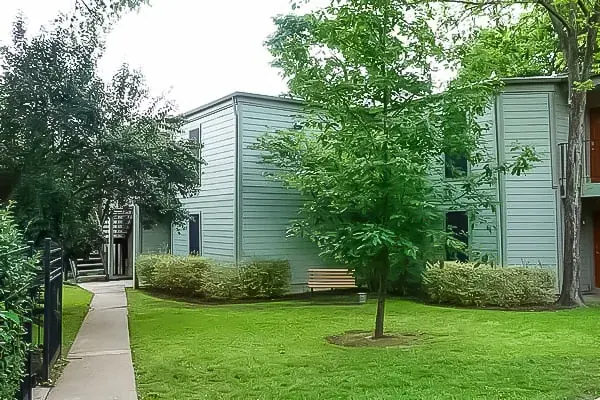
Inside Rustic Creek, our Austin flagship







4. Music and creative expression
Music can affect mood quickly. A song can energize you, calm you, or help you process emotion. In recovery, music can be useful because it gives you something healthy to return to when you need comfort or motivation.
Creative expression can go beyond listening. Singing, playing an instrument, writing, drawing, photography, and other forms of art can help you reconnect with parts of yourself that substance use may have pushed aside.
For more on this topic, see music as a recovery tool.
5. Time outdoors
Nature can help recovery in a simple, practical way. Stepping outside can break up rumination, reduce the feeling of being stuck, and make movement easier. A walk in the park, a hike, gardening, or even sitting in the sun for a few minutes can create a mental reset.
This can be especially helpful when boredom or restlessness shows up. Instead of staying in the same space and feeding the same thought loop, getting outside can shift your mood and attention.
6. Dance and playful movement
Dance combines movement, rhythm, and emotional release. It can also make exercise feel less like a chore. That matters because recovery routines work better when they are realistic enough to repeat.
You do not need to be good at dancing for it to help. A class, a dance workout, or even moving around to music at home can bring energy into the day. Playful movement matters too. The point is not performance. The point is getting out of your head and back into your body.
7. Volunteering and helping others
Helping other people can create a real sense of purpose. In recovery, that can be especially valuable. Substance use often narrows life around survival, secrecy, and immediate relief. Service can widen life again.
Volunteering can also strengthen accountability and connection. It reminds you that you can contribute, show up, and be useful. For many people, that is one of the healthiest and most meaningful natural highs available.
Learn more about how to volunteer in recovery or explore Eudaimonia’s support for employment, education, and volunteering.
8. Supportive social connection
Connection is one of the most overlooked natural highs in recovery. A healthy conversation, shared meal, mutual support, or honest check-in can improve mood and reduce isolation. It can also make difficult moments easier to manage.
This does not mean every social setting is helpful. Recovery usually requires being intentional about who you spend time with. Supportive people, sober peers, sponsors, housemates, family members, and recovery groups often matter more than large social circles.
If you are working on building community, read more about recovery support.
9. Sharing your recovery story
Sharing your story can be vulnerable, but it can also be grounding. It helps you reflect on how far you have come. It may also encourage someone else who feels alone. Whether you share in a meeting, with a trusted peer, or in a structured setting, telling the truth about your experience can create meaning.
For some people, this is one of the most powerful natural highs in recovery because it combines honesty, connection, perspective, and purpose.
How to Build Natural Highs Into Your Weekly Routine
The most useful natural highs are the ones you can repeat. Instead of trying nine new things in one week, choose two or three that feel realistic. Put them on your calendar. Treat them like part of your recovery plan, not an extra that only happens when you feel motivated.
You might start with a short walk three mornings a week, one meeting or check-in with a supportive person, and one creative or volunteer activity on the weekend. Small routines often work better than big intentions.
It is also smart to match activities to common triggers. If boredom is a problem, schedule something active. If loneliness is the issue, focus on connection. If stress is high, add calming practices such as meditation, light exercise, or time outdoors.
What to Do When Natural Highs Do Not Feel Strong Yet
Some people in early recovery worry because healthy activities do not feel rewarding right away. That can happen. It does not mean recovery is failing. It may simply mean your brain and daily habits are still adjusting.
In that stage, consistency matters more than intensity. Keep showing up for healthy routines even if the payoff feels small at first. Over time, many people notice that their mood becomes steadier, their interests return, and ordinary life starts to feel more rewarding again.
If you are also dealing with emotional ups and downs in early sobriety, read about the pink cloud in recovery and what may come after it.
When Extra Support May Help
Natural highs can support recovery, but they are not a substitute for treatment, therapy, or a stable living environment when those are needed. If cravings are intense, your mood is unstable, or daily life feels hard to manage, more structured support may be the right next step.
That support can include sober living, outpatient care, recovery support services, peer accountability, or a stronger daily routine. The right level of support depends on your situation, but the goal is the same: to help you build a life that is safer, healthier, and easier to sustain.
If you are exploring your options, you can learn more about sober living homes, the Three Phase Program, or the admissions process.
Watch: 9 Natural Highs That Support a Life in Recovery
If you need a supportive environment while building a healthier routine, contact Eudaimonia Recovery Homes to learn more about sober living, recovery support, and next-step options.
Your Future Is Waiting
Tell us what you are looking for and admissions will walk you through the houses, the phases, and what a room actually costs.