Published October 17, 2018 · Updated August 5, 2026
On This Page · 9 Sections
After completing a drug and alcohol rehab program, many people feel empowered and ready to begin their new life of sobriety. Others may be unsure about what the future holds. Although it may take time to find purpose in life as you adjust to a lifestyle without drugs and alcohol, serving others provides many benefits and can help you begin to replace your old life of addiction and selfishness with a life of compassion and service.
What Are Some Ways to Volunteer and Give Back to the Community During Recovery?
There are many meaningful ways to give back in recovery: volunteer at a local food bank, shelter, or animal rescue; help out at AA or NA meetings (setting up, making coffee, or chairing); become a sponsor or peer-support mentor once you have enough sober time; participate in community clean-ups or charity events; and offer your professional skills to a nonprofit. Service work is especially valuable in recovery because it builds purpose, structure, and connection, three things that strengthen long-term sobriety.
Giving back is also a core principle of 12-step recovery: helping others reinforces your own progress and pulls you out of isolation. Start small with something that fits your schedule and interests, and let your involvement grow as your recovery stabilizes.
Table of contents
- Benefits of Volunteering in Addiction Recovery
- How to Volunteer in Addiction Recovery
- 6 Ways to Volunteer During Recovery
- 3 Good Reasons to Volunteer During Recovery
- Finding Volunteer Opportunities for Recovering Addicts
Benefits of Volunteering in Addiction Recovery
The benefits of volunteering in addiction recovery are endless. Helping others is a prominent theme in Alcoholics Anonymous and it should also be a primary theme in a life of sobriety and recovery. Some of the main benefits of volunteering in addiction recovery include:
- Finding purpose in life. For many addicts, drugs and alcohol are the only things that give them meaning and purpose in life. Without those things, some people find it difficult to establish relationships and daily activities that give their life meaning. Serving others can give you a purpose, a reason to get out of bed, and a way to give back to your community.
- Building a community with other like-minded people. Even if you are enrolled in a sober living program, it’s not always easy to make friends who are like-minded and supportive of your sobriety. Transitional housing programs like Eudaimonia Recovery Homes offer an opportunity to engage with other people in sobriety and get out in the community to volunteer together. This also helps ward off depression and loneliness in recovery.
- Staying busy. Boredom is a real threat to sobriety. Fortunately, another great benefit of volunteering in addiction recovery is that it can be a fun, active, and rewarding way to fill leisure time.
- Improving mental health. Some individuals still struggle with depression and anxiety after drug rehab, which can hinder personal growth and sobriety maintenance. Many transitional living programs like Eudaimonia will provide access to recovery specialists, experienced counselors, and therapists, but volunteer work has also been shown to enhance the quality of life and reduce self-absorption and self-pity in individuals who are recovering from addiction.1
- Improving physical health. Research shows that volunteering in addiction recovery can also improve physical health and it has been linked to lower risks of high blood pressure.2 This could be a result of increased physical activity while participating in volunteer activities or the stress-relieving qualities that volunteer work provides.3
These are just a few of the main benefits of volunteering in addiction recovery, but many people find that volunteerism enhances quality of life in lots of other ways too.
How to Volunteer in Addiction Recovery
If you are currently enrolled in a sober living program or you have recently completed a drug rehab program, you may be looking for ways to volunteer while in addiction recovery. If you aren’t sure where to begin or you’ve never volunteered before, this can be daunting, but there are a few key steps that will make the process much easier.
- First, you should connect with a community support group and join with others who are already volunteering or find a sponsor who can connect you with opportunities. Or, if you are already enrolled in a sober living program or aftercare program, you should talk to your sober coach or sponsor about your interest in volunteering. Many sober living programs already require that residents volunteer on a regular basis while enrolled in the program and they will provide assistance to do that., If your sober home does not, your sponsor or house manager will most likely have suggestions on where to begin.
- Next, do a quick online search to find related volunteer opportunities in your area. This will give you an idea of what is available. Some organizations may provide specific opportunities for people in recovery while others may be more general. Most organizations will also list any application requirements or volunteer qualifications online too. If the organization does not have any of that information listed on their website, contact them directly by phone or email to find out.
- After you have selected a few volunteer opportunities that pique your interest, complete all necessary applications and submit them online, by mail, or in person. If you need help filling out your applications, your sober coach, sponsor, or house manager may be able to help you.
- If you don’t hear back within a few weeks, don’t give up! Keep applying to those volunteer opportunities that interest you and you’ll eventually find one that’s a good fit.
6 Ways to Volunteer During Recovery
Fortunately, there are plenty of volunteer opportunities for recovering addicts who want to volunteer while in recovery. Here are just a few ideas to get you started.
Food pantries – Most local food pantries always need volunteers to keep things running smoothly. Whether you donate goods from your pantry, help prepare the food in the kitchen, or deliver meals to those in need, there are a variety of ways to get involved.
Homeless shelters – As a volunteer, you may be able to help with administrative duties, organize donations, network with local businesses to obtain donations, serve in the kitchen, or work the resource desk and interact with homeless individuals regularly. If you’ve experienced homelessness yourself, this may be a unique opportunity for you to connect with and help others who are struggling with some of the same things you used to.
Animal rescue shelters – Maybe you have a special connection with animals or you just love being around them. Volunteering at the Humane Society or another adoption/rescue shelter could be a great experience for you. Organizations like these always need volunteers to help around the shelter or even to provide a foster home for animals who are up for adoption.
Build or repair homes – If you like working with your hands or building things, volunteering with an organization like Habitat for Humanity may be an excellent way for you to use those skills to help others. There are also plenty of non-construction service opportunities such as coordinating the volunteers at a particular job site, donating and serving lunch, taking video footage or photos to capture the work in action, or answering phones and taking care of other administrative duties.
Crisis hotline – Answering the phones at a suicide or crisis prevention hotline is a very rewarding way to serve other individuals who may be struggling with mental health and substance abuse issues. These organizations typically provide training, so you can feel confident and comfortable helping people who are in crisis. There are also many crisis hotline organizations out there dedicated to helping strictly youth or adults, so you can volunteer in a situation where you feel most comfortable.
Recovery advocate – Whether you choose to serve others within the addiction community, become a peer mentor, or participate in public speaking events for students and youth, serving others as a recovery advocate is a fantastic way to share your story and help others overcome addiction. Your personal experience with addiction and recovery makes you a highly qualified individual and you are uniquely equipped to help others who are suffering from addiction because you’ve been there too.
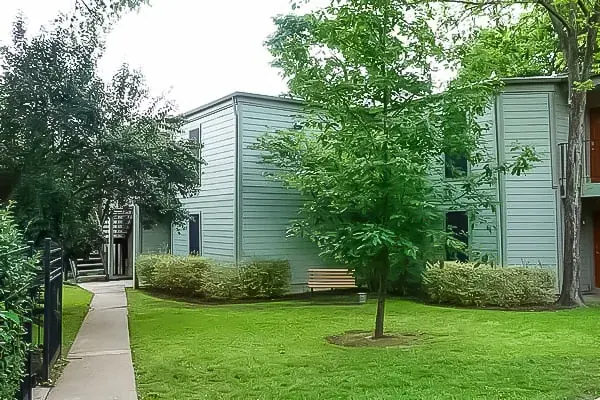
Inside Rustic Creek, our Austin flagship







3 Good Reasons to Volunteer During Recovery
If you still find yourself questioning whether you want to volunteer or not, here are three good reasons to volunteer during recovery.
- Self-improvement – Volunteering during recovery is a great way to improve your mental health and self-efficacy. It’s also an opportunity to gain new life skills that will improve your performance at work, school, or in your personal life. Volunteering can also reduce stress and prevent boredom, which are extremely beneficial in a life of recovery.
- Altruism – Being altruistic means that you perform an act not under obligation, but simply because you want to help someone else. Volunteering during recovery is a great way to practice being altruistic, as it doesn’t always come naturally. Volunteering is particularly helpful in this way for recovering addicts because many of them struggle with feelings of guilt and shame, even after they’ve overcome their physical addiction. Giving back to your community is an excellent way to practice altruism.
- Meet new people – When you’re newly sober, it can be difficult to get back out there and make new friends, especially when some of your old relationships are simply too damaged to be repaired. Volunteering during recovery will introduce you to a new environment and connect you with other like-minded people. It will also provide opportunities to practice building new, healthy relationships in recovery.
Finding Volunteer Opportunities for Recovering Addicts
Locating volunteer opportunities may seem like a daunting task, but it’s actually very straightforward. There are plenty of volunteer opportunities for recovering addicts out there. You can find volunteer opportunities in a variety of ways, such as searching online, asking your sober peers or AA sponsor, or signing up at your church. You can also call or visit organizations and nonprofits in your area to get more information about applying as a volunteer.
Some transitional living homes also provide recovery support services that help recovering addicts locate and apply for local volunteer opportunities. Eudaimonia Recovery Homes offers a Support Employment Volunteering (SEV) Program that is designed to help individuals in recovery find employment and volunteer work while they are enrolled in a sober living program. Our staff members help each individual search and apply for volunteer work that will leave time for recovery meetings, IOP, a job, and/or school.
If you’re in recovery and you’d like assistance establishing routine volunteer work, a peer support group, and overall structure in your life, sober living houses can help you achieve all of the above. Please contact the Eudaimonia admissions team today to get started.
Related Recovery Resources
Volunteering is just one way to strengthen your recovery. Explore these additional strategies and resources to build a fulfilling, sober life:
- Creating a Structured Routine: 5 Activities to Support Your Sober Living JourneyDiscover daily activities that provide stability and purpose in recovery.
- The Importance of Community for Young Adults in RecoveryLearn how connection and peer support fuel long-term sobriety.
- Staying Motivated in Sober LivingPractical tips to maintain momentum and purpose throughout your recovery journey.
- Healthy Habits for Thriving in RecoveryBuild the physical and mental wellness routines that support lasting sobriety.
If you’re ready to take the next step in your recovery, call Eudaimonia Recovery Homes at (713) 818-2361 to learn more about our sober living programs in Austin, Houston, San Antonio, Colorado Springs, Philadelphia, and Baton Rouge.