
Published September 12, 2018 · Updated August 5, 2026
Key Takeaways
-
- What life skills in recovery mean
- Four dimensions that support recovery
- The 8 essential life skills list
- How sober living programs help you practice
- Life skills training after drug rehab
- Life skills groups for adults and group ideas
- When to add extra support
On This Page · 18 Sections
After rehab, daily life can feel surprisingly difficult. Many people in early sobriety are not just avoiding substances. They are rebuilding routines, relationships, and responsibilities. That is where life skills in recovery become practical recovery skills you can use every day.
Sober living homes and other transitional settings can help because they give you a safe place to practice “real life” with structure and support. In other words, you get space to learn to live recovery One day at a time, without pretending everything is easy.
For many people, sober living in Austin helps reduce fear by creating daily structure, community support, and clear expectations during early recovery.
What Are Life Skills in Recovery?
Life skills in recovery Are the everyday abilities that help you live independently, manage stress, and follow through on responsibilities, without returning to old patterns. They include practical skills (like budgeting or cooking) and interpersonal skills (like communication and boundaries).
Because addiction can disrupt routines and decision-making, many people look for life skills training in recovery through aftercare, sober living, outpatient services, or structured group work. You may also see this described as life skills rehab or life skills rehabilitation, especially when programs emphasize hands-on practice and accountability.
If you’ve searched for life skills for recovering addicts, you’re usually looking for a clear, usable list, plus realistic ways to practice. The goal is not perfection. The goal is steady, essential recovery progress that holds up in normal life.
To support long-term stability, employment and education support can help residents build momentum while maintaining recovery priorities.
At Eudaimonia Recovery Homes, residents in our sober living in Colorado Springs, Colorado Receive hands-on support for developing life skills, from financial literacy and employment readiness to communication and time management, all within a structured, peer-supported environment.
Four Dimensions That Support a Life in Recovery
Skill-building works best when your environment supports it. SAMHSA describes four major dimensions that support recovery: health, home, purpose, and community. For reference, you can read SAMHSA’s recovery overview and working definition here:
When these dimensions are shaky, unstable housing, no routine, isolation, building new habits gets harder. When they’re supported, your day-to-day life skills can “stick” long enough to become automatic.
8 Essential Life Skills for Adults in Recovery
The list below matches what many people practice in sober living and aftercare. These are also the skills most often discussed in life skills training for recovery programs because they affect stability, relationships, and daily functioning.
1) Self-care
Self-care in recovery is not about luxury. It is the basics that keep your body and mind steady: sleep, hygiene, meals, movement, and stress regulation. A simple starting point is to pick two “non-negotiables” each day (for example: shower + 3 meals, or 7 hours of sleep + a walk).
2) Cooking meals (and meal planning)
Cooking is a practical life skill that supports energy, budget, and routine. Start small: plan 2–3 simple meals you can repeat, build a grocery list, and learn one new recipe per week. If cooking feels overwhelming, begin with breakfast and packable lunches.
3) Setting and achieving personal goals
Goals help replace “survival mode” with direction. Keep goals specific and short-term: apply to three jobs this week, attend three meetings, or save $25. Tracking progress (even on paper) turns vague motivation into a routine you can repeat.
4) Maintaining a clean living space
A clean space reduces stress and supports shared living. Try a 10-minute reset each day: dishes, trash, laundry start, and a quick surface wipe. If you live with others, clear expectations (chores and shared rules) prevent conflict from building quietly.
5) Managing finances
Many people need a “reset” with money in early recovery. Start with a simple budget: income, fixed costs, food, transportation, and savings. Build a habit of checking your balance twice a week. If you owe debt, list it once and choose one realistic next step (like setting up minimum payments).
6) Building healthy relationships
Healthy relationships depend on clear communication, boundaries, and follow-through. In early recovery, it can help to focus on three basics: speak directly, listen without interrupting, and avoid high-risk social situations until you have a plan. These are core recovery skills that reduce drama and protect your time.
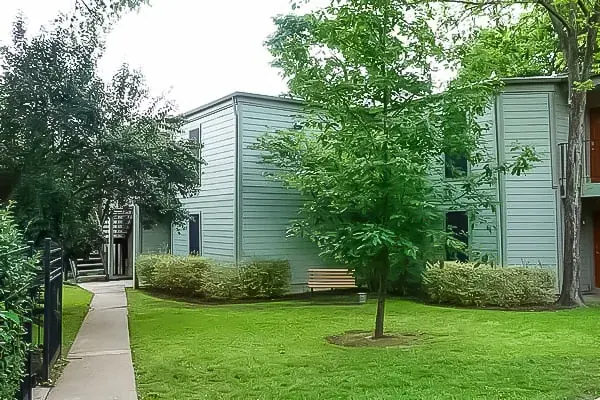
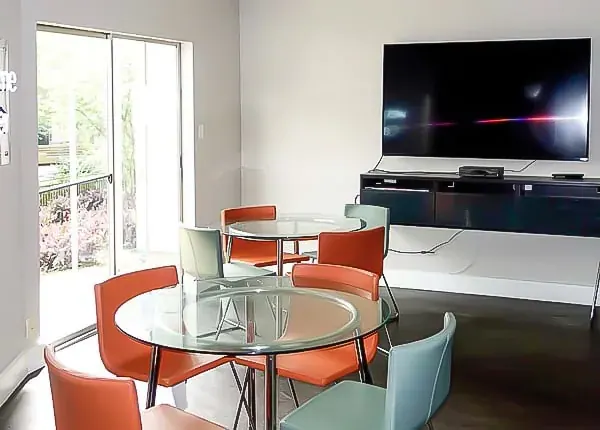
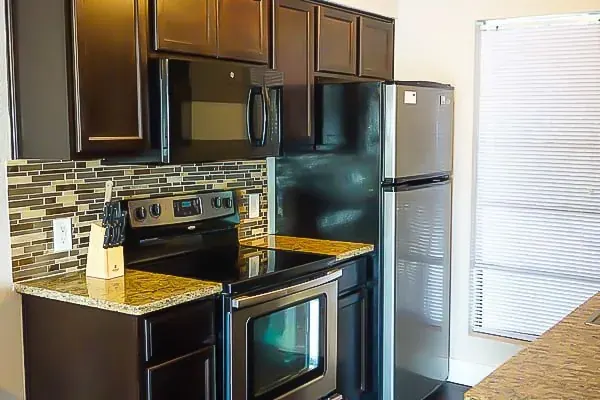
Inside Rustic Creek, our Austin flagship





7) Managing time
Time management matters because boredom and chaos can increase stress. Use a simple weekly plan: work/school, recovery meetings, meals, exercise, and downtime. Leave “blank space” on purpose so your schedule is realistic instead of fragile.
8) Finding and maintaining employment
Employment supports stability, purpose, and confidence. If you need structure and coaching, a program that includes resume help and interviewing practice can be useful. (Internal link suggestion below.) The goal is consistent progress, not the “perfect job” on day one.
Related support: If you want a structured approach to job readiness, see Eudaimonia’s Support Employment Volunteering program page.
How Sober Living Programs Help You Practice These Skills
Sober living can work as a practical training ground because it combines independence with accountability. You are responsible for your schedule, meals, and goals, but you are not doing it alone.
If you want context on what sober living is (and what it isn’t), start here: About Sober Living at Eudaimonia
In many sober living settings, daily expectations (curfews, house meetings, chores, and recovery participation) create repetition. Repetition is what turns skills into habits. You also get real-time feedback from peers and staff when you miss commitments or need to reset your plan.
In particular, sober living at Eudaimonia in Austin helps residents practice daily structure, responsibility, and accountability as real-life recovery skills.
For a structured, step-by-step approach, these internal pages help explain how accountability can be organized:
Life Skills Training After Drug Rehab: How to Keep Practicing
Life skills training after drug rehab Is mostly about continuing what worked in treatment, then simplifying it so you can repeat it in normal life. A practical approach is to pick one skill per week to “tighten up” (budgeting week, meal planning week, time management week).
It also helps to know what’s normal in early recovery, so review what to expect in your first 30 days as you build confidence one day at a time.
If you’re searching for life skills training addiction support, prioritize the skills that reduce daily stress first: sleep, meals, transportation, and a weekly plan. Then build toward bigger goals like education, career steps, or relationship repair.
Two helpful guardrails:
- Keep your routine visible: a paper planner or a simple notes app.
- Don’t practice alone: ask a sponsor, peer, therapist, or house manager to review your plan weekly.
Life Skills Groups for Adults: Practical Group Ideas That Translate to Real Life
Life skills groups for adults work best when they combine education with real practice. If you’re leading or joining a group, focus on scenarios people actually face during early recovery: conflict with roommates, job interviews, budgeting after payday, and managing free time.
Here are a few life skills group ideas that fit recovery settings without feeling like homework:
- Weekly planning workshop: build a realistic schedule and share one barrier.
- Budget reset: create a simple spending plan and identify one “money leak.”
- Communication role-play: practice saying no, making an amends request, or setting a boundary.
- Meal planning swap: each person brings one low-cost meal idea and the grocery list.
- Job readiness practice: mock interview questions and resume feedback.
The point is skill transfer: you should be able to use the skill the same day in work, school, sober living, or at home.
When to Consider Extra Support
Sometimes the issue is not motivation, it’s that the level of support doesn’t match the level of stress. If your routine collapses repeatedly, or you’re avoiding responsibilities because they feel unmanageable, it may help to add structure (more meetings, outpatient support, coaching, or a higher-accountability living environment).
If you’re unsure what to expect, these common questions about sober living can help you feel more confident before making a decision.
For practical daily habits, this internal resource can help you build consistency: 8 Daily Relapse Prevention Tips.
And for planning around triggers and stressful events, see: How to Cope with High-Risk Situations in Addiction Recovery.
If you’re exploring sober living as a next step after treatment, you can learn more about program structure and support here: Sober Living at Eudaimonia. If you have questions, you can also contact the team here: Contact Eudaimonia Recovery Homes.
Your Future Is Waiting
Tell us what you are looking for and admissions will walk you through the houses, the phases, and what a room actually costs.