
Published July 15, 2026
On This Page · 30 Sections
Understanding the 4th Step in Your Recovery Journey
The 4th Step, ”Made a searching and fearless moral inventory of ourselves”, is one of the most transformative yet challenging milestones in the 12-Step recovery process. For residents in sober living at Eudaimonia Recovery Homes in Austin, TX, this step represents a critical opportunity for self-examination, growth, and lasting change.
Working the 4th Step while living in a structured recovery environment provides the support, accountability, and community you need to face this honest self-assessment. This guide explores what the 4th Step entails, why it matters for long-term sobriety, and how sober living homes create the ideal setting for this important work.
What Is the 4th Step?
The 4th Step of Alcoholics Anonymous and other 12-Step programs asks participants to conduct a thorough moral inventory: an honest examination of character defects, resentments, fears, and harmful behaviors that have contributed to addiction and damaged relationships.
This inventory typically includes:
- Resentments: Identifying people, institutions, or situations that trigger anger or bitterness
- Fears: Examining anxieties that drive unhealthy behaviors or avoidance
- Sexual conduct: Reviewing relationships and behaviors that have caused harm
- Character defects: Recognizing patterns like dishonesty, selfishness, or pride that fuel addiction
- Assets: Acknowledging positive qualities and strengths to build upon
The 4th Step is not about shame or self-punishment: it’s about gaining clarity, understanding the root causes of addictive behavior, and preparing for the healing that comes in subsequent steps.
Why the 4th Step Is Essential for Lasting Sobriety
Many people in early recovery focus solely on abstinence, but true sobriety requires addressing the underlying patterns and trauma that drive substance use. The 4th Step serves several vital functions:
Breaking the Cycle of Denial
Addiction thrives in denial. By conducting a fearless inventory, you confront the reality of how your actions have affected yourself and others. This honesty is the foundation for meaningful change and prevents relapse driven by unresolved resentments or guilt.
Identifying Triggers and Patterns
Through careful examination, you begin to see recurring themes: situations, emotions, or relationships that consistently led to using. Recognizing these patterns allows you to develop healthier coping strategies and avoid high-risk scenarios in sober living and beyond.
Preparing for Amends
The 4th Step lays the groundwork for Steps 8 and 9, where you make amends to those you’ve harmed. Understanding the full scope of your actions, without minimizing or exaggerating, enables you to approach amends with authenticity and humility.
Reducing Shame and Guilt
Paradoxically, facing your mistakes head-on reduces their power over you. By writing down and later sharing your inventory (in Step 5), you externalize shame and begin the process of self-forgiveness that’s essential for emotional sobriety.
The Role of Sober Living in Working the 4th Step
The 4th Step requires time, focus, and emotional safety: all of which are inherent to the structured environment at Eudaimonia Recovery Homes in Austin, Houston, San Antonio, Colorado Springs, Philadelphia, and Baton Rouge.
Structured Environment and Accountability
Sober living provides daily structure that supports deep personal work. With house meetings, recovery activities, and peer accountability, residents are encouraged to prioritize their step work rather than avoiding it. Knowing that others in the house are working their own recovery creates a culture of commitment.
Peer Support and Shared Experience
Living alongside others in recovery means you’re surrounded by people who understand the difficulty of the 4th Step. Many housemates have already completed their inventory and can offer encouragement, practical advice, and hope that the process is worth the discomfort.
Access to Meetings and Sponsors
Eudaimonia residents have easy access to 12-Step meetings throughout Austin and our other locations, as well as opportunities to connect with sponsors who guide step work. Regular meeting attendance keeps you connected to the larger recovery community and reinforces the principles you’re applying in your inventory.
Safe Space for Emotional Processing
The 4th Step often brings up difficult emotions: grief, anger, regret. Sober living homes provide a drug- and alcohol-free environment where you can process these feelings safely, without the option of numbing them with substances. House managers and peers are available for support during challenging moments.
Time Away from Active Addiction
For many, sober living represents the first period of sustained sobriety in years. This clarity of mind is essential for honest self-reflection. The distance from active addiction allows you to see your past behavior more objectively and make meaningful connections between your actions and their consequences.
Practical Tips for Completing Your 4th Step in Sober Living
If you’re preparing to work your 4th Step while living at Eudaimonia Recovery Homes, these strategies can help you approach the process with confidence:
1. Work Closely with Your Sponsor
Your sponsor is your guide through the steps. Don’t try to complete your inventory alone, regular check-ins keep you accountable and ensure you’re on the right track. Ask your sponsor for specific guidance on format and depth.
2. Set Aside Dedicated Time
The 4th Step isn’t something you can rush. Schedule regular blocks of time, perhaps an hour each evening, to work on your inventory. Treat this time as sacred, just as you would a therapy appointment or job interview.
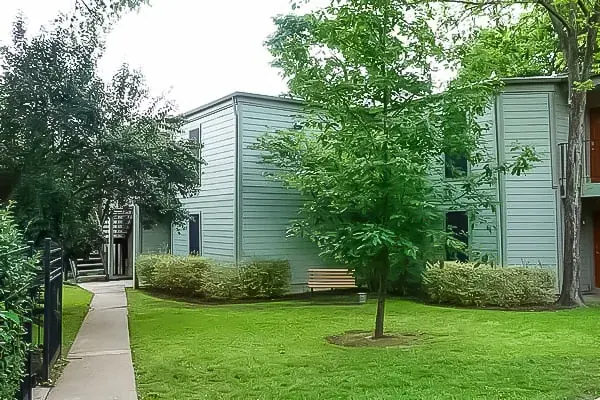
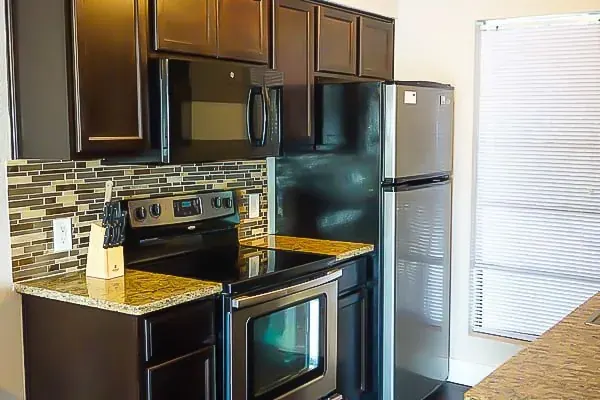
Inside Rustic Creek, our Austin flagship






3. Be Thorough, Not Perfect
The goal is a “searching and fearless” inventory, not an exhaustive autobiography. Focus on patterns and major events rather than cataloging every minor incident. Perfectionism can become a form of procrastination.
4. Use the Sober Living Community
Share your progress (without divulging details) with housemates. Let them know you’re working your 4th Step and could use extra encouragement. Many residents find that discussing the process (not the content) reduces isolation and anxiety.
5. Practice Self-Compassion
Remember that everyone in recovery has a past they’re not proud of. The 4th Step is an act of courage, not self-flagellation. Balance honesty with kindness toward yourself, you’re taking responsibility while also recognizing you were sick and are now getting well.
6. Focus on Your Role, Not Others'
When listing resentments, it’s tempting to focus on what others did wrong. The 4th Step asks you to examine your Part: how you responded, what character defects were triggered, what you could have done differently. This shift in perspective is where the growth happens.
7. Stay Connected to Your Why
When the work feels overwhelming, reconnect with your reasons for getting sober. The 4th Step is a tool for freedom: freedom from the past, from shame, from the patterns that kept you trapped in addiction. Keep that vision in front of you.
Common Challenges and How to Overcome Them
Procrastination and Avoidance
Many people delay their 4th Step out of fear. If you find yourself stalling, talk to your sponsor and housemates about it. Often, naming the fear reduces its power. Set a deadline and break the work into small, manageable pieces.
Overwhelming Emotions
The 4th Step can trigger intense feelings. Utilize the support systems available in sober living: house meetings, your sponsor, 12-Step meetings, and any counseling or therapy services you’re engaged in. It’s okay to take breaks and practice self-care.
Shame and Self-Judgment
If shame becomes paralyzing, remember that the 5th Step (sharing your inventory) is designed to relieve this burden. You’re not meant to carry it alone. Consider working with a therapist who understands addiction if shame feels unmanageable.
Minimizing or Exaggerating
Both extremes, downplaying your actions or catastrophizing them, prevent honest assessment. Your sponsor can help you find the balanced, truthful middle ground. Aim for factual description without editorializing.
Life After the 4th Step: Moving Forward in Recovery
Completing your 4th Step is a major milestone, but it’s not the end of the journey. The insights you gain inform the rest of your recovery:
- Step 5: You’ll share your inventory with your sponsor or another trusted person, experiencing the relief that comes from being fully known and accepted.
- Steps 6 & 7: You’ll work on removing character defects and cultivating humility.
- Steps 8 & 9: You’ll make amends to those you’ve harmed, repairing relationships and restoring integrity.
- Steps 10-12: You’ll maintain your progress through ongoing inventory, spiritual practice, and service to others.
The self-knowledge gained in the 4th Step becomes a compass for the rest of your sober life. You’ll recognize old patterns earlier, make better choices, and respond to challenges with greater wisdom and maturity.
How Eudaimonia Recovery Homes Supports Your Step Work
At Eudaimonia Recovery Homes, we understand that recovery is more than just staying sober: it’s about building a new life rooted in honesty, accountability, and community. Our sober living homes in Austin, Houston, San Antonio, Colorado Springs, Philadelphia, and Baton Rouge provide:
- Structured daily routines that create space for personal reflection and step work
- Peer accountability through house meetings and shared recovery goals
- Access to 12-Step meetings and a network of sponsors and recovery mentors
- A safe, substance-free environment where you can process difficult emotions without relapse risk
- Life skills training that complements the character development happening in step work
- Long-term housing that allows you to work through all 12 Steps at your own pace
Whether you’ve just completed treatment and are beginning your step work or you’re returning to the steps after a relapse, our recovery homes offer the stability and support you need to do this important work.
Take the Next Step in Your Recovery Journey
The 4th Step is challenging, but it’s also one of the most rewarding parts of recovery. By facing your past with honesty and courage, you free yourself to live fully in the present and build the future you deserve.
If you’re ready to work your steps in a supportive sober living environment, Eudaimonia Recovery Homes is here for you. Our Austin, TX location and homes across Texas, Colorado, Pennsylvania, and Louisiana provide the structure, community, and accountability that make lasting recovery possible.
Call us today at (512) 240-6612 to learn more about our sober living programs and how we can support your journey through the 12 Steps. You don’t have to do this alone. Recovery is possible, and we’re here to walk alongside you every step of the way.
Ready to take the next step?
Eudaimonia Recovery Homes provides structured sober living and recovery support in Philadelphia, PA. Call (512) 240-6612 to speak with our team today.