

Published July 5, 2026
On This Page · 9 Sections
The difference between IOP and sober living comes down to structure and setting: Intensive Outpatient Programs (IOP) are structured treatment programs where you attend therapy and counseling sessions several hours per day, multiple days per week, while living elsewhere. Sober living is a residenceA safe, substance-free home where you live full-time with others in recovery, follow house rules, and rebuild daily life skills. Many people do both at the same time: they live in sober living while attending IOP during the day, creating a comprehensive support system that addresses both clinical treatment needs and the practical challenges of staying sober in everyday life.
Understanding What IOP Actually Is
Intensive Outpatient Programs provide clinical treatment without requiring you to live at a facility. You attend scheduled therapy sessions, typically group therapy, individual counseling, and educational workshops, for about 9 to 12 hours per week, spread across three to five days. The content focuses on relapse prevention strategies, coping skills, underlying mental health issues, and the clinical side of addiction recovery.
IOP sits between inpatient rehab and standard outpatient care. It’s more intensive than seeing a therapist once a week, but it doesn’t require 24-hour supervision. This makes it ideal for people stepping down from residential treatment or for those who need structured support but can maintain responsibilities like work or family care.
The clinical team running your IOP might include licensed counselors, therapists, psychiatrists, and case managers. They track your progress, adjust your treatment plan, and help you work through the psychological and behavioral aspects of addiction. But when the session ends, you leave. IOP doesn’t provide housing.
What Sober Living Homes Provide
Sober living homes are exactly that: places to live. At Eudaimonia Recovery Homes, we offer structured, peer-supported residences in Austin, South Austin, Houston, San Antonio, Colorado Springs, Philadelphia, and Baton Rouge. Residents share a home with others committed to sobriety, follow house guidelines like curfews and drug testing, participate in house meetings, and support one another through the daily work of recovery.
The focus here is different from IOP. Sober living isn’t about therapy sessions or clinical treatment, it’s about living sober. You learn to cook, clean, budget, hold down a job, resolve conflicts with housemates, and navigate all the mundane-but-critical parts of adult life without substances. It’s where recovery becomes real, not theoretical.
Structure varies by home, but most sober living environments require:
- Regular drug and alcohol testing
- Participation in 12-step meetings or other recovery support groups
- Adherence to curfews and house rules
- Contribution to household chores and responsibilities
- Respectful behavior toward housemates and staff
This accountability creates safety. Everyone in the house is working toward the same goal, and that shared commitment makes it easier to stay on track.
How IOP and Sober Living Work Together
Here’s where the magic happens: many people attend IOP while living in sober living, and the combination is powerful. You get clinical treatment during the day and a recovery-focused home to return to at night. There’s no gap where you’re left managing triggers, cravings, or old patterns alone.
Let’s say you just completed a 30-day inpatient program. You’re not ready to go back to your old apartment where you used, and you’re not ready to only see a therapist once a week. Stepping into sober living while attending IOP gives you both the therapeutic work and the environmental support. Your IOP counselor helps you process trauma and build coping skills; your housemates and house manager help you stay accountable when you’re tempted to skip a meeting or isolate in your room.
In cities like Houston, Austin, and San Antonio, where Eudaimonia operates, we see residents combine sober living with local IOP programs all the time. They attend their sessions, come home to a drug-free environment, talk through their day with peers who understand, and wake up the next morning in a place that reinforces their commitment.
What's the Difference Between IOP and Sober Living in Terms of Timeline?
IOP programs typically last 6 to 12 weeks, though some extend longer depending on progress and insurance coverage. You attend for a set number of hours per week, and once you’ve met your treatment goals, you graduate or step down to a lower level of care.
Sober living has no fixed endpoint. Some residents stay 90 days; others stay six months, a year, or longer. The length of stay depends on your stability, your outside support system, your housing options, and your own sense of readiness. There’s no pressure to leave before you’re ready, and there’s no shame in staying as long as you need the structure.
This difference matters. IOP is time-limited and clinically driven. Sober living is open-ended and life-driven. You can finish IOP and continue living in sober living while you work, save money, repair relationships, and build the foundation for independent living. The two operate on different clocks.
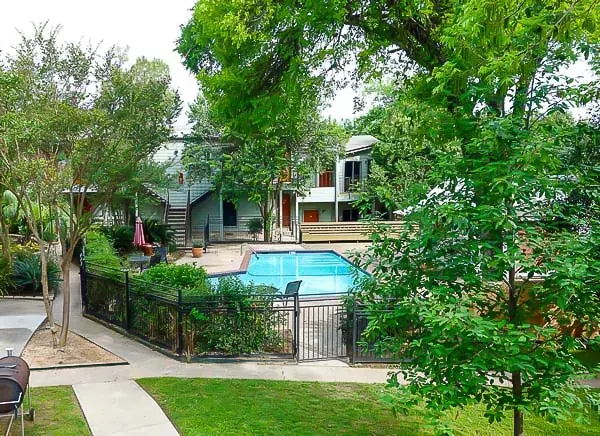
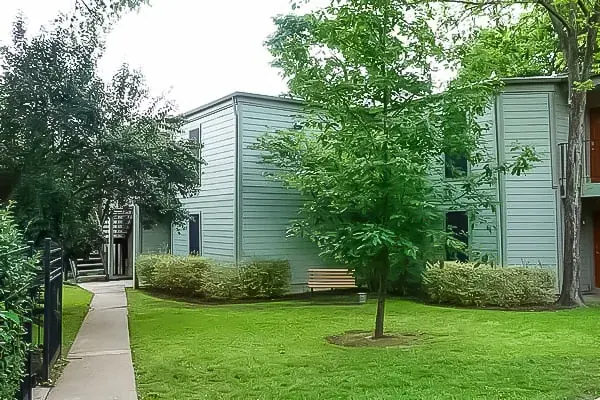
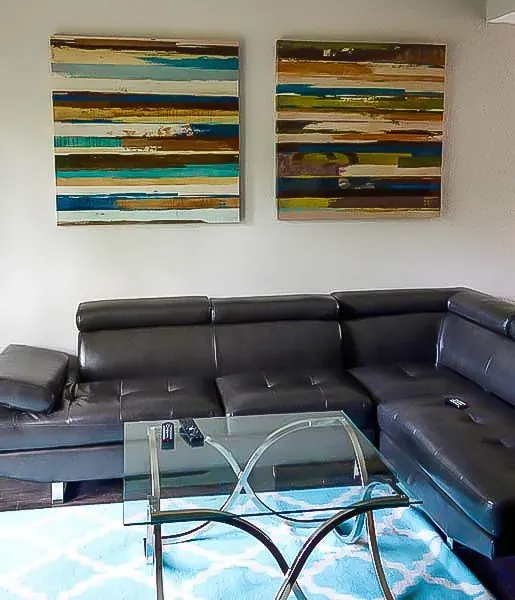
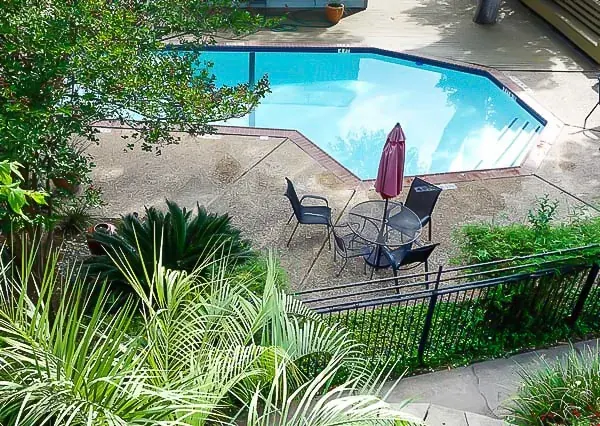
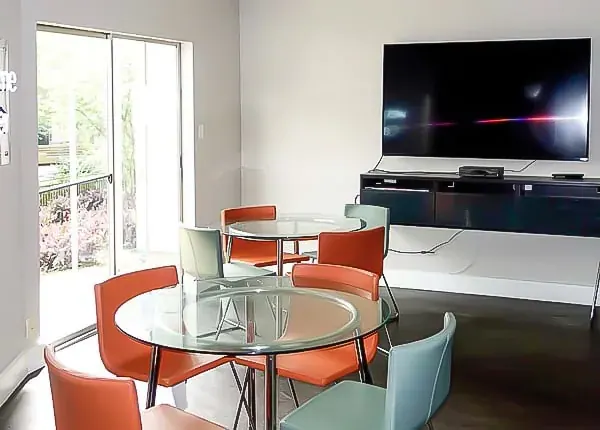
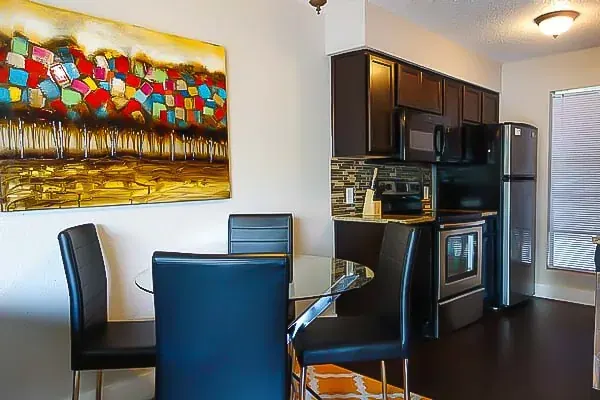
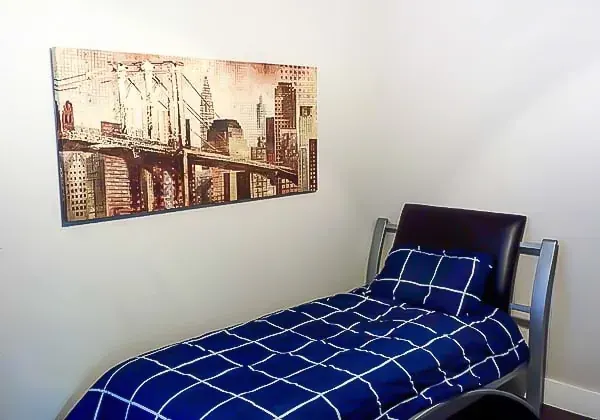
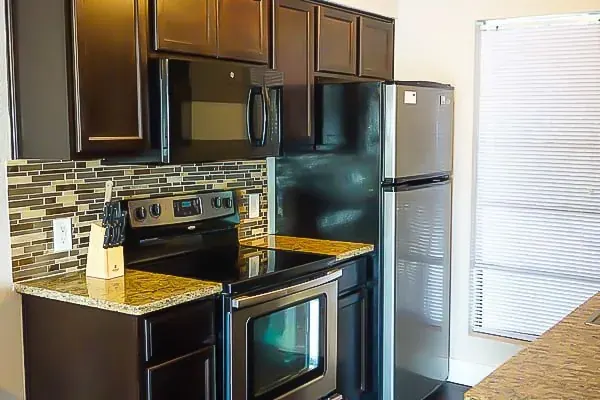
Inside Rustic Creek, our Austin flagship
Which One Do You Need: IOP, Sober Living, or Both?
If you’ve just completed detox or inpatient treatment, you likely need both. Your clinical team will recommend a level of care, often IOP, and you’ll need a safe place to live while you attend. Sober living fills that gap.
If you’ve been sober for a while and relapsed, IOP might provide the clinical reset you need, and sober living ensures you’re not returning to the same environment that contributed to the relapse. If you never went through formal treatment but want to get sober, you might start with sober living and add IOP or outpatient counseling as needed.
The point is this: IOP and sober living answer different questions. IOP asks, “What do I need to work through clinically to stay sober?” Sober living asks, “Where and how do I live while I’m building a sober life?” Both questions matter, and for most people early in recovery, both need answers.
Locations Where You Can Combine IOP and Sober Living
Eudaimonia Recovery Homes operates in several cities where strong IOP programs are available. In Austin and South Austin, residents have access to numerous outpatient providers and can easily coordinate their sober living stay with their treatment schedule. The same is true in Houston, San Antonio, Colorado Springs, Philadelphia, and Baton RougeEach city offers clinical resources that pair well with the stability of a recovery residence.
Living in sober living near your IOP program reduces logistical stress. You’re not commuting across town or trying to coordinate transportation. You’re part of a recovery community in the same area, attending the same meetings, and building a support network that extends beyond your housemates to include your therapists, sponsors, and peers in treatment.
The Day-to-Day Reality of Doing Both
A typical day might look like this: wake up in your sober living home, share breakfast with housemates, head to IOP for a three-hour block of group therapy and skills training, return home for lunch, go to work or a 12-step meeting, come back for dinner and a house meeting, check in with your house manager, and wind down with housemates before bed. It’s full, but it’s structured. And structure, especially early in recovery, is protective.
You’re not left wondering what to do with your time or who to spend it with. Your day has shape. Your relationships are with people who support your sobriety. Your evenings aren’t spent alone in a place where you used to use. This rhythm, clinical work during the day, peer support at night, creates momentum.
Insurance, Payment, and Coordinating Care
IOP is often covered by insurance, and many providers are in-network with major insurers. Sober living, on the other hand, is typically a separate expense, though some insurance plans offer partial coverage or living stipends as part of a continuum-of-care benefit. At Eudaimonia Recovery Homes, our admissions team can help you verify your benefits and explore payment options that fit your situation.
Coordinating both means understanding what’s covered and what’s out-of-pocket. It’s worth the effort. The combination of clinical treatment and stable housing significantly improves outcomes compared to either alone. If cost is a concern, talk to both your IOP provider and your sober living operator: payment plans, sliding-scale options, and insurance coordination can often make the combination feasible.
Recovery is an investment, and for most people, the difference between IOP and sober living isn’t a choice between one or the other, it’s recognizing that both serve essential, complementary roles. If you’re considering your next step after treatment or looking for a foundation to support your sobriety, Eudaimonia Recovery Homes is here to help you build that stable, sober life.
Ready to take the next step?
Eudaimonia Recovery Homes provides structured sober living and recovery support in Philadelphia, PA. Call (713) 818-2361 to speak with our team today.