

Published July 9, 2026
On This Page · 10 Sections
When you move into a sober living house, you should pack essentials for daily living while keeping it simple: clothing for various weather and activities, personal hygiene items, bedding and towels, any prescribed medications with documentation, important documents like ID and insurance cards, and items that support your recovery like journals or meeting materials. Most sober living homes provide the furniture and major appliances, so focus on personal belongings that will help you settle in comfortably for what is typically a 90-day to six-month stay as you build your foundation in recovery.
Understanding What Sober Living Provides Before You Pack
Before you start filling suitcases, it helps to know what your sober living house already has. Most recovery residences, including Eudaimonia Recovery Homes locations in Austin, Houston, San Antonio, Colorado Springs, Philadelphia, and Baton Rouge, come furnished with beds, dressers, common-area seating, kitchen appliances, and basic cookware. The house provides the structure; you bring what makes the space yours.
This is different from moving into an unfurnished apartment. You’re joining an established household with systems already in place. Your room will have a bed frame and mattress, but you’ll typically bring your own linens. The kitchen has pots and pans, but you might want your favorite coffee mug. Think of it as moving into a structured home environment rather than starting from scratch.
Check with your specific house manager before packing. Some locations have particular rules about electronics, room decorations, or shared-space items. Getting clarity upfront prevents the disappointment of unpacking something you can’t keep.
Essential Clothing and Personal Items to Bring to Sober Living
Pack enough clothing for about two weeks, keeping in mind you’ll have regular access to laundry facilities. What you pack and bring with you when you move into a sober living house should cover different situations: casual daily wear, workout clothes if you’re building an exercise routine, and at least one outfit appropriate for job interviews or 12-step meetings where you might be speaking.
Consider the climate of your location. Texas sober living homes in Houston, San Antonio, and Austin require different wardrobes than Colorado Springs, where winters demand layers and warm coats. Philadelphia can swing between humid summers and snowy winters, while Baton Rouge stays warm most of the year.
- Everyday casual clothing (jeans, t-shirts, comfortable pants)
- Undergarments and socks for 10-14 days
- Sleepwear that’s appropriate for shared living
- Shoes for different purposes: casual, athletic, and one dressier pair
- Jacket or coat appropriate to your climate
- Workout or athletic wear if fitness is part of your recovery plan
- At least one interview-appropriate outfit
Personal hygiene products are entirely your responsibility. Bring shampoo, soap, toothpaste, deodorant, razors, and any other toiletries you use daily. If you’re moving into sober living directly from a treatment facility, you might need to restock these basics. Don’t forget any specialized items like contact lens solution, glasses, or skin-care products you rely on.
Bedding, Linens, and Making Your Space Comfortable
Most sober living homes expect you to bring your own bedding. This typically means sheets that fit a twin or full bed (confirm the mattress size with your house), at least one blanket or comforter, and a pillow. Having two sets of sheets makes laundry day easier. You can wash one set while the other is on your bed.
Bring at least two bath towels and a couple of washcloths. Shared bathrooms mean you’ll want your own clearly marked linens. Some residents pack a shower caddy to carry toiletries back and forth, which helps keep shared spaces organized and your items secure.
Making your room feel like yours matters for long-term recovery. You might bring a few photos in frames, a meaningful poster or two, or a small plant. Keep decorations modest, you’re in a temporary living situation, but one that should still feel like home. Items that remind you why you’re doing this work, like inspirational quotes or pictures of loved ones, can anchor difficult days.
Medications, Documents, and Important Paperwork
If you take prescription medications, bring them in their original pharmacy bottles with clear labels. Sober living homes have strict policies about medications, and you’ll need to show documentation. Many houses require you to check in medications with staff or store them in a locked area, especially anything that could be misused.
Bring a list of your medications, dosages, and prescribing doctors. Have your pharmacy’s contact information handy for refills. If you’re on medication-assisted treatment like Suboxone or naltrexone, ensure your house is aware and supportive of your treatment plan before move-in.
Important documents you should pack include your driver’s license or state ID, Social Security card, insurance cards (health and any other coverage), and birth certificate if you have it. You may need these for employment applications, verifying insurance benefits, or other official purposes as you rebuild your life. Keep them in a secure folder or envelope.
If you’re working with a probation officer, therapist, or case manager, bring their contact information and any required check-in schedules. Staying organized with appointments and requirements is part of what you practice in structured sober living.
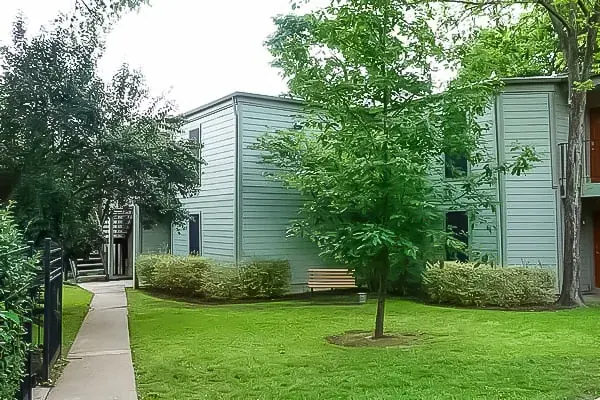
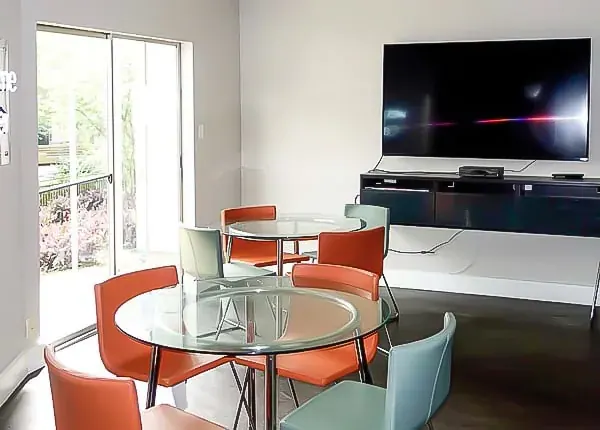
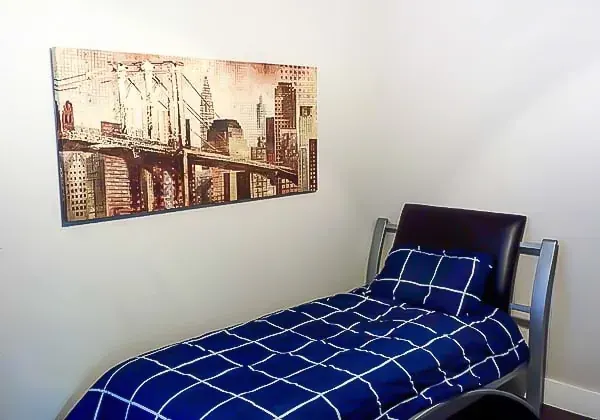
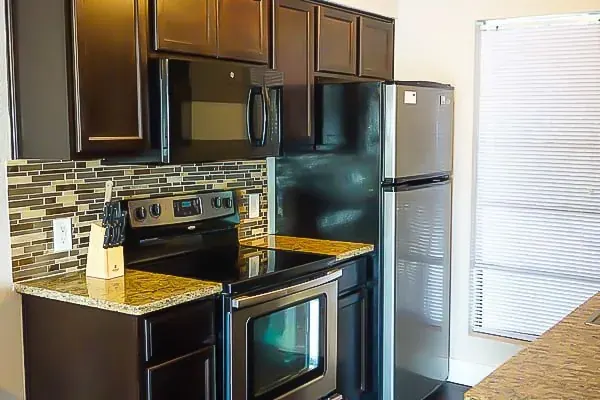
Inside Rustic Creek, our Austin flagship




Technology and Electronics in Recovery Housing
Most sober living homes allow smartphones, laptops, and tablets, though some have restrictions during your first few weeks to help you focus on adjustment. What you pack and bring with me when you move into a sober living house should include your phone and charger, and possibly a laptop if you’ll be job searching, attending online meetings, or taking classes.
Headphones are thoughtful in shared spaces. If you listen to music, podcasts, or guided meditations, keeping the sound to yourself respects your housemates. Bring any chargers and cables you need, there’s nothing more frustrating than a dead phone when you’re trying to connect with your sponsor.
Gaming systems, large TVs, and expensive electronics are usually discouraged. Sober living is about building connections with people, not screens. Common areas typically have a shared television, and your focus should be on participating in the household and recovery community rather than isolating in your room with entertainment.
Recovery Tools and Support Materials
Bring items that directly support your sobriety. A journal for working steps or processing emotions is invaluable. If you’re in a 12-step program, bring your Big Book, workbooks, or other program literature. Many residents find comfort in daily meditation books or recovery-focused reading material.
Meeting directories for your area, your sponsor’s contact information, and a list of sober supports should be easily accessible. Some people keep a physical notebook with phone numbers of people they can call in a crisis, technology fails, but a written list doesn’t need charging.
If you practice prayer or meditation, bring any items that support that practice within the house rules. This might be a meditation cushion, prayer beads, or spiritual reading. Recovery housing respects diverse paths to sobriety, and personal spiritual practices are generally encouraged as long as they’re not disruptive to others.
Money, Valuables, and What to Leave Behind
Bring enough money to cover your first payment and initial expenses, but don’t keep large amounts of cash in your room. Most houses have policies about securing valuables, and while sober living communities are built on trust, early recovery is complicated. Use a bank account and keep only modest cash on hand.
Leave expensive jewelry, collections, or sentimental items of high value at home with family if possible. Your room in sober living will have basic security, but you’re in a shared environment. Bringing items you’d be devastated to lose creates unnecessary stress.
Absolutely do not bring alcohol, drugs, or drug paraphernalia, this seems obvious, but it’s worth stating clearly. Don’t bring weapons of any kind. Leave behind toxic relationships in the form of contacts you need to avoid; consider changing your number if necessary. What you don’t bring is sometimes as important as what you do.
Food, Snacks, and Kitchen Considerations
Policies vary by house regarding food. Some sober living homes have shared grocery systems where residents contribute and meals are communal; others operate with individual food storage where you’re responsible for your own groceries. Ask your house manager what the arrangement is before you arrive.
If food is individual, bring some non-perishable basics for your first few days: coffee or tea, easy breakfast items, healthy snacks. You’ll do a proper grocery run once you’re settled, but having something to eat during your first morning helps you feel grounded.
A reusable water bottle is a small item that makes a big difference. Staying hydrated supports both physical health and mental clarity, and having your own bottle means you can take water to meetings, work, or wherever your day takes you.
The Mindset to Pack: Traveling Light Into Your New Life
One of the lessons of moving into sober living is learning to live with less. You don’t need everything you owned before; you need what serves your recovery now. Packing light isn’t deprivation, it’s clarity. When you have fewer belongings competing for your attention, you have more energy for the inner work of building a sober life.
What you pack when you move into a sober living house reflects your commitment to this next chapter. You’re bringing the essentials to live comfortably while keeping yourself unencumbered enough to focus on what matters: meetings, therapy, building healthy routines, finding or returning to work, and developing genuine connections with others in recovery.
Remember that sober living isn’t forever, most residents stay three to six months, sometimes longer if they’re building a strong foundation. You’re not setting up a permanent home; you’re creating a launch pad. Pack what you need for this season of growth, knowing that the most important things you’ll gain here aren’t things you can pack at all.
If you’re preparing to move into sober living and have questions about what to bring or what life is like in one of our homes, Eudaimonia Recovery Homes is here to help you prepare for this important next step in your recovery journey.
Ready to take the next step?
Eudaimonia Recovery Homes provides structured sober living and recovery support in Philadelphia, PA. Call (713) 818-2361 to speak with our team today.