

Published July 6, 2026
On This Page · 12 Sections
When moving into a sober living home, you should pack personal essentials like clothing, toiletries, and bedding, important documents including ID and insurance cards, any prescribed medications with documentation, recovery support items like journals or meditation tools, and items that maintain your routine such as workout gear or hobby supplies. Most sober living homes provide furnished rooms with basic furniture, so focus on personalizing your space while keeping things simple and recovery-focused.
Understanding What to Bring to a Sober Living House
Moving into sober living marks an exciting transition in your recovery journey. Unlike bringing everything you own, this move calls for intentional packing, bringing items that support your sobriety while leaving behind anything that might compromise your progress. At Eudaimonia Recovery Homes, residents typically arrive with one or two suitcases and a few personal items that make their room feel like a true home base for recovery.
The packing process itself can be therapeutic. You’re literally sorting through your belongings and deciding what belongs in this next chapter of your life. That worn-out t-shirt from a bar crawl? Leave it behind. The journal you started in treatment? Definitely bring it. Every item you pack is a conscious choice about the environment you’re creating for yourself.
Essential Documents and Paperwork
Before you pack a single piece of clothing, gather your critical documents. You’ll need a valid government-issued ID: whether that’s a driver’s license, state ID, or passport. Many sober living homes, including all Eudaimonia locations across Austin, Houston, San Antonio, Colorado Springs, Philadelphia, and Baton Rouge, require identification during the intake process.
Bring your insurance cards and any documentation related to coverage or benefits verification. If you’re transitioning from treatment, carry discharge paperwork and treatment summaries. These documents help your sober living coordinator understand your history and support your continued recovery. Also pack Social Security cards, birth certificates if available, and any legal paperwork related to probation, court requirements, or custody arrangements that might require check-ins or documentation during your stay.
Keep these documents in a waterproof folder or envelope, organized and accessible. You’ll thank yourself when you need to reference something quickly or attend an appointment.
Clothing for Different Seasons and Occasions
Pack about one to two weeks’ worth of everyday clothing. Most sober living homes have laundry facilities on-site or nearby, so you don’t need a month’s wardrobe. Include comfortable clothes for hanging around the house, appropriate attire for 12-step meetings or therapy appointments, workout clothes if you exercise, and at least one professional outfit for job interviews or court appearances.
Consider the climate of your location. Colorado Springs winters require layers, coats, and boots. Houston summers demand breathable fabrics and sun protection. Austin and San Antonio split the difference with hot summers and mild winters. Philadelphia sees four distinct seasons, while Baton Rouge stays warm and humid most of the year. Research your specific location’s weather patterns and pack accordingly.
Include comfortable shoes for walking, many residents find that daily walks become an important recovery tool. Leave behind clothing with drug or alcohol references, provocative items that might make housemates uncomfortable, or anything associated with unhealthy relationships or using days.
Bedroom and Personal Comfort Items
While sober living homes provide furnished rooms with beds, most residents bring their own bedding to make the space feel personal. Pack sheets that fit a twin or full bed (check with your specific home beforehand), a comfortable pillow, and a blanket or comforter. These familiar items help you sleep better during those first adjustment nights.
Personal comfort items make a shared living situation feel more like home. Consider bringing a reading lamp, an alarm clock (your phone works, but a backup never hurts), photos of loved ones or inspirations in frames, and perhaps a small plant that doesn’t require much maintenance. String lights or a small rug can personalize your space within house rules.
Many residents bring a small fan for white noise or air circulation. Just verify with your house manager that any electrical items comply with safety guidelines. Remember: you’re creating a peaceful sanctuary that supports rest and reflection, not replicating your entire previous bedroom.
Toiletries and Health Essentials
Pack a full set of toiletries including shampoo, conditioner, body wash, deodorant, toothbrush, toothpaste, and any skincare products you use daily. Bring a shower caddy to transport items to and from shared bathrooms. Don’t forget basics like nail clippers, razors, feminine hygiene products, and any other personal care items specific to your routine.
If you take prescribed medications, bring the full supply in original pharmacy bottles with your name clearly visible. Include a list of your medications, dosages, and prescribing doctors. Many sober living homes require medication checks or secure storage for certain prescriptions, so having everything properly labeled and documented streamlines that process.
Stock up on over-the-counter items you might need: pain relievers (typically non-narcotic), allergy medicine, vitamins, or supplements. Always disclose everything to your house manager: transparency about all substances, even supplements, builds trust and keeps everyone safe.
Recovery Tools and Support Materials
Your recovery toolkit is perhaps the most important category when considering what to pack and bring with you when moving into a sober living home. Bring any workbooks or materials from treatment, 12-step literature like the Big Book or other program texts, a journal for daily reflections, meditation or prayer materials, and any recovery-related books that inspire you.
Many residents pack items that support healthy coping mechanisms: adult coloring books and colored pencils, a yoga mat, resistance bands for in-room workouts, musical instruments (guitars and keyboards are popular, as long as house quiet hours are respected), art supplies for creative expression, or craft materials for hobbies.
If you’re working with a sponsor, bring their contact information and any step work you’ve started. Consider packing a small whiteboard or planner to track meetings, therapy appointments, job interviews, and personal goals. Structure and accountability are foundations of sober living, and these tools help you build both.
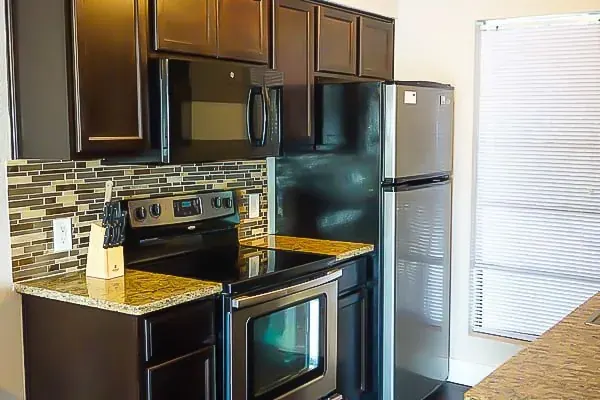
Inside Rustic Creek, our Austin flagship







Technology and Communication Devices
You’ll definitely want your phone and charger: staying connected with support networks, sponsors, therapists, and family is vital. Bring a laptop or tablet if you have one, especially if you’re job searching, attending online meetings, or enrolled in school. Include any chargers, adapters, or accessories these devices need.
Headphones or earbuds are essential in shared living. Whether you’re listening to meditation apps, attending virtual therapy, or just enjoying music, headphones show respect for housemates. Consider downloading apps that support recovery: meditation apps, meeting finders, sobriety counters, or mental health resources.
Be mindful of house policies around technology. Some sober living homes have guidelines about screen time in common areas or overnight charging locations for accountability. Ask about these policies before arrival so you’re prepared.
Food, Kitchen Items, and Snacks
Check your specific sober living home’s kitchen policy. Some homes have communal kitchens with shared staples; others operate on a each-resident-for-themselves model. At minimum, bring a reusable water bottle, some non-perishable snacks you enjoy, coffee or tea if you’re particular about your morning routine, and any specialty dietary items you need.
If residents maintain separate food supplies, consider packing a set of basic utensils, a bowl, a plate, and a mug labeled with your name. Shelf-stable favorites like granola bars, nuts, crackers, or instant oatmeal help during early days when you’re still figuring out the grocery routine.
Avoid packing anything containing alcohol: this includes vanilla extract, certain mouthwashes, or cooking wines. When in doubt, ask. The same goes for CBD products, which many sober living environments prohibit despite their legal status.
What to Leave Behind
Understanding what NOT to pack is equally important when figuring out what to pack and bring with you when moving into a sober living home. Leave behind any alcohol, drugs, or paraphernalia, this seems obvious but bears stating clearly. Also leave behind medications not prescribed to you, excessive valuables or large amounts of cash, and weapons of any kind.
Consider leaving behind toxic relationships, at least temporarily. If certain people in your phone or social media trigger cravings or unhealthy patterns, this is your opportunity for a fresh start. You’re building a new life in sober living, and that sometimes means creating boundaries with your past.
Many residents leave behind excessive belongings. You don’t need your entire wardrobe, every book you own, or childhood memorabilia. Sober living is about simplicity and focus. You can always retrieve items later if needed, but starting lean helps you concentrate on what matters most: your recovery.
Financial Essentials and Payment Preparations
Bring your banking information, debit cards, and any documentation related to income or benefits. You’ll need to manage rent payments, which you can often discuss with Eudaimonia regarding payment plans or insurance coverage that may apply to recovery housing. Having your financial basics organized from day one reduces stress.
If you’re job searching, bring copies of your resume, references, and any certifications or licenses relevant to your field. Getting back to work is often a priority in sober living, and being prepared helps you move quickly when opportunities arise.
Making Your Space a Recovery Sanctuary
Once you’ve covered the essentials, think about items that inspire and motivate you. Bring quotes, affirmations, or recovery slogans that resonate, many residents tape these to mirrors or walls. Pack books that educate or uplift you. Bring small reminders of why you’re choosing sobriety: photos of your children, a list of dreams you want to pursue sober, or tokens from treatment that hold meaning.
Your sober living room becomes your launching pad for a new life. It’s where you’ll journal about breakthroughs, prepare for job interviews, call your sponsor during difficult moments, and sleep peacefully knowing you’re surrounded by people who understand your journey. Every item you bring should serve that purpose.
If you’re preparing to move into one of our sober living homes in Texas, Colorado, Pennsylvania, or Louisiana, we’re here to help guide you through the transition. Reach out to Eudaimonia Recovery Homes to discuss what to expect and how we can support your next steps in recovery.
Ready to take the next step?
Eudaimonia Recovery Homes provides structured sober living and recovery support in Philadelphia, PA. Call (713) 818-2361 to speak with our team today.