

Published July 10, 2026
On This Page · 10 Sections
When preparing for your move into a sober living home, you should pack essential clothing for 7-10 days, personal hygiene items, any prescribed medications with documentation, bedding and towels, important identification documents, and items that support your recovery such as journals, recovery books, or meeting schedules. Most sober living homes provide furnished rooms with basics like a bed and dresser, so focus on personal necessities rather than furniture. Leave behind anything containing alcohol or drugs, weapons, valuable electronics that might tempt theft, and excessive luxury items that don’t align with the recovery-focused environment.
Understanding What to Bring to a Sober Living House
Moving into sober living marks a significant transition in your recovery journey. Unlike going to vacation or even starting college, packing for a sober living home requires thoughtful consideration about what will genuinely support your sobriety and help you rebuild your life. The goal is to bring items that provide comfort and structure without creating distractions from your recovery work.
At Eudaimonia Recovery Homes, residents arrive from various situations: some directly from inpatient treatment, others from unstable living environments, and some who’ve already started their recovery journey independently. Regardless of where you’re coming from, packing intentionally helps you start this chapter with clarity and focus.
Most recovery residences operate as structured, shared living environments. This means you’ll typically have a private or semi-private bedroom but will share common spaces like kitchens, bathrooms, and living areas with housemates who are also committed to sobriety. Understanding this shared-living model helps you pack appropriately.
Essential Clothing and Personal Items to Pack
Start with practical, everyday clothing that serves your new routine. You’ll need outfits for house meetings, 12-step or recovery group attendance, job searching or work, and casual time around the house. Pack enough for about 7-10 days between laundry cycles.
- Comfortable everyday clothing (jeans, t-shirts, casual wear)
- Professional attire for job interviews and work (at least 2-3 outfits)
- Athletic wear if you exercise as part of your recovery routine
- Sleepwear and undergarments
- Seasonal outerwear appropriate to your location (jackets for Colorado Springs winters, lighter wear for Houston or Austin heat)
- Comfortable shoes for walking to meetings and daily activities
Remember that sober living is regular life, just sober. You’re not packing for an institution or hospital; you’re packing for your home. Bring clothes that make you feel like yourself and support the person you’re becoming in recovery.
Hygiene and Health Essentials for Your Sober Living Home
Personal care items help you maintain your daily routine and self-care, which are foundational to recovery. Most sober living homes don’t provide these items, so come prepared with your own supplies.
- Toothbrush, toothpaste, floss, and mouthwash (alcohol-free)
- Soap, shampoo, conditioner, and body wash
- Deodorant, razors, and shaving cream
- Hair care tools and products
- Nail clippers and personal grooming tools
- Feminine hygiene products if needed
- Prescription medications in their original labeled containers
- Copies of prescriptions and your doctor’s contact information
If you take prescribed medications, bring documentation from your prescribing physician. Many sober living homes, including Eudaimonia Recovery Homes locations across Texas, Colorado, Pennsylvania, and Louisiana, require verification that medications are legitimately prescribed and appropriate for recovery environments. This protects both you and the community.
Bedding, Linens, and Room Basics
While most sober living homes provide a bed frame and mattress, you’re typically responsible for making your space comfortable and personal. Bringing your own bedding helps your room feel like home from day one.
- Sheets, pillowcases, and pillows
- Blanket or comforter appropriate to the climate
- Bath towels and washcloths (at least 2-3 sets)
- Laundry hamper or basket
- Hangers for your closet space
- Small desk lamp for reading
Your room becomes your sanctuary: a place to reflect, journal, pray or meditate, and recharge. Simple touches like your own pillow or a favorite blanket can make an enormous difference when you’re adjusting to communal living and working through early recovery challenges.
Documents and Important Paperwork to Bring
Recovery often involves rebuilding practical aspects of your life: finding employment, managing healthcare, resolving legal matters, and re-establishing financial stability. Having your essential documents organized and accessible helps you tackle these tasks proactively.
- Government-issued photo ID (driver’s license or state ID)
- Social Security card or documentation
- Birth certificate (original or certified copy)
- Insurance cards (health, dental, vision)
- Banking information and checkbook if applicable
- Resume and employment records
- Court documents if you have legal obligations
- Contact information for your sponsor, therapist, and support network
Store these documents securely. Many residents keep them in a small fireproof safe or locked box. You’re living in a shared environment with people you’re just getting to know, and protecting your identity and important papers is simply good practice.
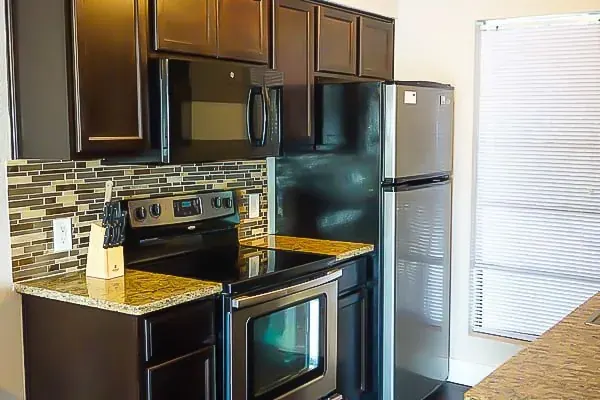
Inside Rustic Creek, our Austin flagship







Recovery Tools and Supportive Items
What you bring to support your sobriety matters as much as your physical belongings. These items help you stay connected to your recovery program and maintain the spiritual and emotional work that sustains long-term sobriety.
- Recovery literature (Big Book, meditation books like Daily Reflections, program workbooks)
- Journal and pens for written reflection and step work
- Meeting schedule and contact list for your home group
- Printed recovery quotes, affirmations, or inspirational materials
- Laptop or tablet for online meetings, job searching, and communication (check house policy)
- Phone charger and basic electronics
- Books, art supplies, or hobbies that support healthy coping
Many people at Eudaimonia Recovery Homes find that having a dedicated recovery journal transforms their experience. Writing through cravings, processing house conflicts, celebrating milestones, and working through steps on paper creates a tangible record of growth that becomes precious over time.
What NOT to Pack for Sober Living
Understanding what to leave behind is equally important when you’re preparing for your move to a sober living home. Certain items violate house rules, create safety concerns, or simply don’t align with the recovery-focused environment.
- Alcohol, drugs, or drug paraphernalia of any kind
- Medications not prescribed to you or controlled substances without proper documentation
- Weapons, including firearms, knives beyond basic kitchen use, or anything that could be used as a weapon
- Products containing alcohol (mouthwash, hand sanitizer, vanilla extract, cologne/perfume in excessive amounts)
- Excessive cash or valuables that might tempt theft
- Provocative posters, offensive materials, or décor that would make shared spaces uncomfortable
- Furniture (rooms are typically furnished)
Some houses have specific policies about gaming consoles, televisions in bedrooms, or other electronics that might encourage isolation rather than community engagement. Check with your specific location, whether you’re moving into our Austin, Houston, San Antonio, Colorado Springs, Philadelphia, or Baton Rouge homes, about house-specific guidelines before packing these items.
Preparing Emotionally for Your Move to Sober Living
Beyond the physical packing, moving into a sober living home requires emotional preparation. You’re not just changing addresses; you’re stepping into a structured, accountable recovery community where you’ll be challenged to grow, practice new coping skills, and build genuine connections with others in recovery.
Consider packing with intention around the person you want to become. If you’re committed to finding employment, bring interview clothes and organize your resume. If you’re working the 12 steps intensively, bring the books and supplies to do that work thoroughly. If fitness supports your recovery, pack workout gear and research nearby gyms or running routes.
The physical act of packing becomes symbolic. You’re consciously choosing what from your past comes forward and what stays behind. Many people find this process emotional, and that’s completely normal. You might be leaving behind relationships, locations, or versions of yourself that once felt central to your identity.
Final Thoughts on Packing for Recovery Housing
What you pack and bring with you to a sober living home reflects your commitment to this new chapter. You don’t need much. Recovery is about building a meaningful life from the inside out, not about accumulating possessions. But what you do bring should support your sobriety, honor your dignity, and help you feel at home as you do the hard work of rebuilding.
At Eudaimonia Recovery Homes, residents often arrive with very little and leave months later with jobs, rebuilt family relationships, new friendships, and most importantly, solid sobriety. The external things you bring matter far less than the willingness, honesty, and open-mindedness you carry with you.
If you’re preparing to move into sober living and have questions about what to bring or what to expect, reach out to Eudaimonia Recovery Homes. Our team can provide specific guidance for your situation and help you transition into recovery housing with confidence and clarity.
Ready to take the next step?
Eudaimonia Recovery Homes provides structured sober living and recovery support in Philadelphia, PA. Call (713) 818-2361 to speak with our team today.