
Published October 25, 2018 · Updated July 27, 2026
On This Page · 14 Sections
It’s not uncommon for people who are struggling with addiction to try to hide their addiction from family and friends by stashing their drugs in hiding spots. Addicts often hide their drugs around the home, in the car, or at work to evade the judgment of loved ones.
Although times have changed, the places where addicts hide their drugs have mostly remained the same. While the common well-known spots like shoes and clothes will always be around, the advancement of products has given addicts more opportunities to hide addiction from their families and conceal their drugs without being caught.
How Can You Tell if a Loved One May Be Hiding Drug Use?
If you’re worried a family member may be hiding drug use, the most helpful thing to focus on isn’t searching their belongings: it’s recognizing the behavioral, physical, and emotional warning signs of substance use and opening a supportive, non-judgmental conversation. Common signs include changes in mood or routine, withdrawing from family, unexplained money problems, secrecy, and new physical symptoms. If you notice these patterns, approaching your loved one with honesty and care, and connecting them with professional help, is far more effective than confrontation or surveillance.
Why Do Addicts Hide Their Drugs?
An addict may hide his or her drugs for a variety of reasons. Some of the most common reasons are:
- He or she is ashamed. If your loved one doesn’t want you or anyone else in your family to know about the drug use, he or she will likely hide a stash of drugs somewhere. This behavior typically stems from feelings of shame or a fear of judgment. If you already know about the drug abuse, he or she may still stash drugs in hiding places to hide the severity of the drug problem.
- He or she is trying to evade the law. In certain instances, like at work or school, your loved one may hide drugs so they don’t get into legal trouble. Getting caught with drugs on the job or at school could have severe legal consequences, so hiding the drugs in a locker or desk is likely a way to avoid that.
- He or she is in denial about the problem. Maybe your loved one doesn’t want to admit that he or she has a problem with drugs, so instead of coming clean, they hide the drugs in hopes you’ll never find them.
Other Drug Paraphernalia to Look for
Drug paraphernalia is objects that are modified to use or conceal recreational drugs. Finding drug paraphernalia among a loved one’s belongings should be a major red flag and could be a sign of a severe drug abuse problem, even if you don’t find any drugs.
If you believe a loved one is abusing drugs and you find any of the following objects among their possessions, it may be time to talk to them about getting help for their addiction. Additionally, if you discover a loved one’s drug stash too, but he or she claims the drugs belong to a friend or significant other, the presence of these items in their possession may help you determine that the drugs were meant for personal consumption.
- Plastic, ceramic, metal, wood, glass, or acrylic pipes
- Tobacco rolling paper
- Tin foil, masking tape, and cardboard liners (Together, these items can be used to make a homemade crack pipe.)
- Razor blades
- Bongs
- Small spoons (If they are being used for drugs, they may have burn marks on the bottoms.)
- Rolled up dollar bills, paper tubes, or short plastic straws
- Needles
- Syringes
- Eyedropper bottles
- Tourniquet
- Lighter
Many of these items may be used to inject, snort, or inhale drugs recreationally and should be a warning sign that your loved one is abusing drugs.
What to Do if You Discover a Loved One is Hiding Their Addiction from Family
Although it may be difficult to stay calm after finding out your loved one is hiding their addiction from family, it’s important that you do. Approaching them in the heat of anger will not do any good and could make the addict even less likely to listen to your concern and consider getting help.
If you believe your loved one’s drug abuse is serious, you may want to consider hosting an intervention with a few close family members and/or friends. If you’ve never hosted one before, a professional interventionist can help you organize it. Working with a professional interventionist can help ensure the intervention remains productive, peaceful, and respectful and may also increase the odds that your loved one will agree to go to treatment, especially if you’ve never hosted one before.
Finding an addict’s stash of drugs can be shocking, disappointing, and scary, but there is help available for your loved one. Call Nova Recovery Center today for more information about our long-term drug and alcohol rehab program or to enroll a loved one.
Inside Rustic Creek, our Austin flagship

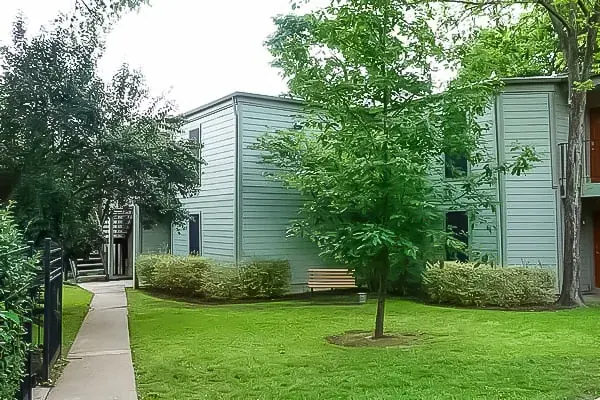





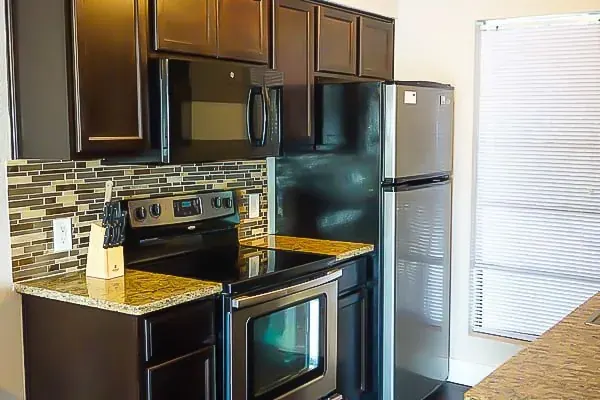
Finding Help After Discovery: Sober Living in Austin, TX
Discovering hidden drugs is often a turning point for families, and for the person struggling with addiction. If you’ve found evidence of substance use, the next step is connecting your loved one to structured, supportive recovery housing that promotes accountability and long-term sobriety.
Eudaimonia Recovery Homes in Austin, TX offers sober living environments designed for men and women in recovery who have completed detox or primary treatment. Our homes provide:
- Structured daily routines that reinforce healthy habits and accountability
- Peer support and community with others committed to sobriety
- Drug testing and house rules to maintain a safe, substance-free environment
- Access to outpatient counseling and 12-step meetings in the Austin area
- Life-skills coaching to rebuild trust, employment, and independence
Many residents transition to our Austin sober living homes after inpatient rehab, using the structure and fellowship to bridge the gap between treatment and independent living. If your loved one is ready to commit to recovery, sober living offers the support they need to stay clean, and the transparency families need to rebuild trust.
Ready to learn more? Call us today at (512) 240-6612 to discuss how sober living in Austin can support your family’s recovery journey.
Related Recovery Resources
- What to Look For in a Sober Life HomeKey criteria for choosing quality recovery housing
- Creating a Safe and Supportive Environment for RecoveryHow structure and accountability promote sobriety
- Life After Rehab: What to Expect in Sober LivingTransitioning from treatment to independent recovery
- Understanding Relapse in RecoveryWarning signs and prevention strategies
- How to Find the Right Counselor in Addiction RecoveryProfessional support during sober living
- Why Alcoholism Affects the Entire FamilyHealing relationships in recovery
Frequently Asked Questions: Hidden Drugs and Recovery
What should I do if I find drugs hidden in my home?
Stay calm and approach your loved one when both of you are sober and in a safe space. Express concern without accusation, and offer to help them find professional treatment or a sober living environment. Contact a local recovery resource or call (512) 240-6612 to discuss next steps. Avoid confrontation that could escalate to unsafe situations; prioritize getting professional guidance.
Why do people in active addiction hide drugs?
Individuals struggling with substance use disorder hide drugs to avoid confrontation, maintain their supply without interference, and continue using despite consequences. Shame, denial, and fear of losing access to the substance all drive secretive behavior. Understanding this pattern is a first step toward compassionate, effective intervention.
Can sober living homes help prevent relapse after I've found hidden drugs?
Yes. Sober living homes provide structure, accountability, and peer supportThree pillars proven to reduce relapse risk. Regular drug testing, curfews, house meetings, and a substance-free environment remove opportunities to hide drugs and reinforce honest, transparent recovery. At Eudaimonia Recovery Homes in Austin, TX, residents build the skills and community needed to maintain long-term sobriety.
What are the most common places people hide drugs at home?
Common hiding spots include inside household items (hollowed-out books, containers, electronics), personal care products (deodorant sticks, makeup), clothing pockets and shoes, under mattresses, inside air vents, behind outlets, in the freezer or pantry among food items, and in vehicles (glove box, spare tire well, under seats). Awareness of these locations can help families identify warning signs and initiate conversations about treatment.
How do sober living homes in Austin ensure residents stay drug-free?
Eudaimonia Recovery Homes enforce strict substance-free policies through regular random drug and alcohol testing, house rules, curfews, and mandatory participation in recovery programming (12-step meetings, outpatient counseling). Residents who violate house rules face consequences, including potential discharge, ensuring the environment remains safe and supportive for everyone committed to sobriety.
Is sober living only for people who have completed rehab?
Most sober living homes, including Eudaimonia Recovery Homes, require residents to have completed medical detox or primary addiction treatment before admission. This ensures they are physically stable and ready to engage in a community-based recovery program. Sober living serves as a bridge between intensive treatment and independent living, reinforcing the skills learned in rehab.