
Published July 12, 2023 · Updated June 6, 2025
On This Page · 9 Sections
Table of contents
- The importance of sober living
- Steps towards addiction-free living
- Building a support system
- Creating accountability
- Practicing self-care and mindfulness
- Embracing a new purpose in life
- Sober fun points of interest in Tampa, Florida
- Eudaimonia Can Help Keep You on the Path to Recovery
Addiction is a complex and devastating disease that affects millions of individuals and their loved ones worldwide. Overcoming addiction and living a fulfilling, addiction-free life is a journey that requires dedication, support, and perseverance. Sober living, or recovery housing, is an important part of recovery and helps people stay sober for a long time. This blog discusses how to have a happy life without addiction. It focuses on sober living and provides helpful advice for people looking for a new way to recover.
The importance of sober living
Sober living is important for recovery, providing a safe and supportive place for people to work on staying sober. Here are some key factors highlighting the importance of sober living:
- Stable Living Environment: Sober living homes provide a stable and structured living environment for individuals in recovery. These homes have rules like staying sober, going to meetings, and doing chores that residents must follow. Stability helps people create a routine and concentrate on getting better without being bothered by their old living situations.
- Peer Support: Sober living homes offer a community of like-minded individuals who understand the challenges of addiction and share similar goals of sobriety. Living with supportive peers in recovery helps individuals navigate the challenges of their journey towards healing. Peer support creates a feeling of friendship, responsibility, and motivation, reducing loneliness and improving the likelihood of lasting success.
- Accountability and Responsibility: Sober living homes emphasize personal responsibility and accountability. Residents must adhere to the rules and guidelines, attend support meetings, and actively participate in their recovery. This structure instills a sense of discipline, self-control, and personal growth. People in sober living homes learn life skills and take responsibility for their actions. This helps them live a fulfilling life without addiction.
- Relapse Prevention: Sober living homes can serve as a bridge between intensive treatment programs or inpatient rehab and reintegration into society. This time is important for people to use the skills they learned in treatment in the real world. Sober living homes provide a safe environment for individuals to learn new habits and skills. These homes help people avoid using drugs or alcohol. They also assist in dealing with everyday challenges and temptations.
Steps towards addiction-free living
Achieving and maintaining an addiction-free life is a journey that requires dedication, support, and a willingness to make positive changes. Here are some steps that can help individuals on their path towards addiction-free living:
- Acknowledge the Problem: The first step towards addiction-free living is acknowledging the existence of a problem. This means understanding how addiction has negatively affected different parts of life, like relationships, work or school, health, and overall happiness. It is important to accept that addiction is a disease that requires treatment and support.
- Seek Professional Help: Once the problem has been acknowledged, it is crucial to seek professional help. This can involve reaching out to a healthcare professional, addiction counselor, or treatment facility. These professionals can tailor guidance, support, and evidence-based treatment options to an individual’s specific needs. Seeking professional help ensures that individuals have the necessary tools and resources to overcome addiction.
- Develop a Support System: Building a strong support system is essential for addiction recovery. This can include family members, friends, support groups, and therapists. Being around people who understand, support, and are dedicated to getting better can greatly increase the chances of long-term success. Support groups such as Alcoholics Anonymous (AA) or Narcotics Anonymous (NA) provide a safe space to share experiences, gain encouragement, and receive guidance from others who have faced similar challenges.
- Create a Relapse Prevention Plan: Relapse prevention is a crucial aspect of addiction recovery. Develop a relapse prevention plan in collaboration with a healthcare professional or counselor. This plan should include identifying triggers, developing coping mechanisms, setting achievable goals, and implementing healthy lifestyle changes. Engaging in activities such as exercising, meditating, and pursuing hobbies can assist in maintaining sobriety and reducing the likelihood of relapse.
Building a support system
A support system plays a crucial role in providing encouragement, guidance, and accountability, especially during challenging times. Here are some key strategies for building a support system:
- Seek out supportive family and friends: Reach out to trusted family members and friends who are willing to provide emotional support and understanding throughout your recovery process. These individuals can offer a listening ear, encouragement, and help in navigating difficult situations or triggers.
- Join a support group: Support groups such as Alcoholics Anonymous (AA) or Narcotics Anonymous (NA) can be invaluable resources for individuals seeking addiction recovery. These groups provide a safe space for individuals to share their experiences. They also offer the opportunity to learn from others who have faced similar challenges. Additionally, they provide assistance with coping strategies and preventing relapse.
- Engage with a therapist or counselor: Seeking professional help from a therapist or counselor specialized in addiction recovery can provide you with the necessary tools, coping mechanisms, and therapeutic interventions to navigate the challenges of overcoming addiction. These professionals can offer individualized support, address underlying emotional issues, and help you develop healthy coping strategies.
- Attend sober community events: Engaging with sober community events and activities can help you connect with like-minded individuals who are committed to living a substance-free life. These events may include wellness workshops, group meditation sessions, recreational activities, or volunteer opportunities. Building relationships within the sober community can provide a sense of belonging, inspiration, and encouragement.
Creating accountability
It provides a framework for setting and achieving goals, learning from mistakes, and making positive changes. Here are some strategies for creating accountability in your recovery journey:
- Set clear goals: Establish specific, measurable, achievable, relevant, and time-bound (SMART) goals that align with your recovery objectives. Decide what you want to achieve, like staying sober, getting better mental health, or having good relationships. Make a plan to reach those goals.
- Seek an accountability partner or sponsor: Find a trustworthy individual who can serve as your accountability partner or sponsor. This person should understand the challenges of addiction and be willing to offer support, guidance, and honest feedback. Regular check-ins, open conversations, and shared experiences can help you stay on track and navigate potential obstacles.
- Attend regular therapy or counseling sessions: Engaging in ongoing therapy or counseling can provide a structured setting for accountability. These sessions allow you to explore underlying issues, develop coping strategies, and reflect on progress or setbacks. Having a professional guide can help you stay focused and motivated throughout your recovery journey.
- Join a support group with a structured program: Consider joining a support group or program that emphasizes accountability, such as a 12-step program like Alcoholics Anonymous (AA) or a similar organization. These programs often have a structured framework of meetings, step-work, and sponsorship, which enhance accountability and foster personal growth.
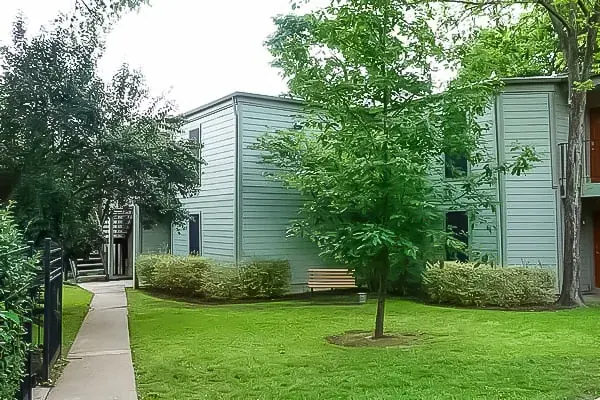
Inside Rustic Creek, our Austin flagship







Practicing self-care and mindfulness
Mindfulness, on the other hand, refers to being fully present and aware of the present moment without judgment.
Here are some strategies for incorporating self-care and mindfulness into your recovery journey:
- Prioritize your physical health: Engage in regular exercise, eat nutritious meals, and prioritize adequate sleep. Physical activity releases endorphins, reduces stress levels, and improves overall well-being. Eating a balanced diet and getting enough restorative sleep can also positively impact your energy levels and mental clarity.
- Practice relaxation techniques: Incorporate relaxation techniques such as deep breathing, progressive muscle relaxation, or yoga into your daily routine. These practices can help reduce anxiety, promote relaxation, and enhance overall stress management.
- Engage in activities you enjoy: Make time for activities that bring you joy and fulfillment. Whether it’s painting, playing an instrument, hiking in nature, or practicing a hobby, engaging in activities you love can provide a sense of purpose and boost your overall mental well-being.
- Establish healthy boundaries: Set boundaries with yourself and others to protect your mental and emotional well-being. Learn to say no when necessary and prioritize your own needs and goals. Setting healthy boundaries can help reduce feelings of overwhelm and prevent relapse triggers.
Embracing a new purpose in life
Having a purpose provides direction, motivation, and a sense of accomplishment, which can greatly contribute to a life free from addiction. Here are some steps to help you embrace a new purpose in life:
- Reflect on your passions and values: Take time to reflect on your interests, values, and what brings you joy. Consider what activities or causes resonate with you on a deep level. Identifying your passions and values can help guide you towards a purpose that aligns with your authentic self.
- Set meaningful goals: Once you have identified your passions and values, set meaningful goals that align with them. These goals can be short-term or long-term and can range from personal, professional, or even spiritual aspirations. Setting goals provides a sense of direction and a roadmap for personal growth and accomplishment.
- Explore new activities and interests: Step outside of your comfort zone and explore new activities or interests that align with your passions. You can try a new hobby, take a class, or volunteer for something you care about. Exploring new activities opens doors to new experiences, connections, and opportunities for personal development.
- Give back to others: One of the most gratifying ways to find purpose in life is by giving back to others. Do good deeds, help out at a charity, or show support for something you really care about. Helping others not only benefits them but also provides a sense of fulfillment and purpose for yourself.
Sober fun points of interest in Tampa, Florida
Finding enjoyable and fulfilling activities that do not involve alcohol or drugs is essential for individuals living a sober lifestyle. Tampa, Florida offers a range of sober-friendly points of interest that provide entertainment, relaxation, and opportunities for personal growth. Here are some sober fun points of interest in Tampa, Florida:
- Tampa Riverwalk: Take a stroll along the Tampa Riverwalk, a 2.6-mile waterfront path that winds through downtown Tampa. See beautiful river views, visit parks and gardens, or try tasty food at waterfront cafes and restaurants.
- The Florida Aquarium: Immerse yourself in the wonders of the ocean at The Florida Aquarium. Discover fascinating marine life and ecosystems through interactive exhibits, dive shows, and educational programs. From colorful coral reefs to playful penguins, there is something for everyone to enjoy.
- Tampa Museum of Art: Explore the vibrant art scene in Tampa by visiting the Tampa Museum of Art. Admire a diverse collection of modern and contemporary art, attend special exhibitions, or participate in art workshops and classes. The museum provides a space for artistic expression and inspiration.
- Lettuce Lake Park: Escape the hustle and bustle of the city and connect with nature at Lettuce Lake Park. The park is calm and has paths for walking. There are also places for picnics. Additionally, there is a boardwalk where visitors can see local animals such as alligators, turtles, and various types of birds.
- Ybor City: Experience the rich cultural heritage of Ybor City, a historic neighborhood known for its vibrant nightlife and entertainment district. Explore interesting stores, eat at local restaurants, or watch live shows at various venues in the vicinity.
Eudaimonia Can Help Keep You on the Path to Recovery
Eudaimonia offers excellent recovery programs with tailored care. In these programs, individuals can develop positive coping skills with the tools necessary to maintain sobriety. Eudaimonia even provides tailored care based on gender and orientation. We also include supervised, short-term housing to provide support for newly sober individuals. But no matter where you are in your recovery, Eudaimonia Sober Living Homes can provide support every step of the way. We have facilities for sober living in Austin, Houston, and Colorado Springs ready to assist you in living your sober lifestyle. Call Eudaimonia Sober Living Homes at (713) 818-2361 for more information on the admissions process and current room availability.