

Published May 11, 2026
On This Page · 8 Sections
If you’ve been discharged from a sober living home and are now wondering whether you can return, you’re not alone, and the fact that you’re asking this question is a sign of real courage and commitment to your recovery. The short answer is yes, returning to sober living after a discharge is often possible, but the sober living readmission process typically requires completing a new application and meeting updated eligibility requirements. Understanding what to expect can help you navigate this step with clarity and confidence.
Why Sober Living Homes Require a New Application After Discharge
It might feel frustrating to hear that you need to start the application process all over again after being discharged, especially if you spent significant time building your recovery in that home. But there are important reasons why reputable sober living programs require re-applicants to go through the same process as brand-new residents.
When you were first admitted, the home assessed your current sobriety status, your support system, your commitment to house rules, and your readiness for a structured recovery environment. A discharge, whether voluntary or involuntary, changes that baseline. A new application allows the staff to reassess where you are right now, not where you were months ago. It also ensures fairness and consistency across all residents and helps maintain the integrity of the house community.
Most importantly, returning to sober living after a relapse or discharge means your sobriety date has likely changed. Because sober living programs are built around accountability and peer support, your new sobriety date becomes the starting point for your re-entry into that community.
What the Sober Living Readmission Process Typically Looks Like
While every recovery housing program handles re-entry a little differently, there are common steps you can expect when returning to sober living after discharge. Here’s a general overview of what the process may involve:
- Completing a new application: You’ll need to fill out a fresh application form, just as any new resident would. This includes updated personal information, emergency contacts, and your current recovery status.
- Providing a new sobriety date: If your discharge was related to a relapse or violation of house rules, you’ll need to document a new, verified sobriety date. This is typically confirmed through drug testing or documentation from a treatment provider.
- Staff review and approval: Your application will be reviewed by the admissions team or house manager. They’ll consider factors like the circumstances of your discharge, your behavior during your previous stay, and your current level of readiness.
- Possible waiting period: Some programs may require a minimum period of sobriety before re-entry, or a waiting period after discharge before a new application is accepted.
- Drug screening: You’ll almost certainly need to pass a drug test before being approved for re-admission.
- Agreement to house rules: You’ll sign a new residency agreement and recommit to all house expectations, including curfews, attendance at support meetings, chores, and participation in the community.
If you’re ready to start this process, you can explore the Sober Living Program Application at Eudaimonia Recovery Homes to get a clear sense of what’s required.
Returning to Sober Living After a Relapse: What It Means for Your Recovery
Relapse is a reality that many people in recovery face, and it doesn’t mean your journey is over. In fact, returning to a structured recovery environment after a setback can be one of the most powerful decisions you make. Research consistently shows that longer engagement with recovery support services, including sober living, is associated with better long-term outcomes.
If your discharge was the result of a relapse, the first step before pursuing re-admission to a sober living home is typically to seek clinical support. Depending on the severity of the relapse, that might mean:
- A medical detox program to safely manage withdrawal
- Re-engaging with an Intensive Outpatient Program (IOP)
- Attending individual therapy or counseling sessions
- Reconnecting with your 12-step sponsor or support group
Having documented clinical engagement on your side not only supports your own recovery, it also strengthens your re-admission application by showing the sober living team that you’ve taken meaningful action since your discharge.
Call Now: (512) 240-6612For men in Austin navigating this exact situation, the resource Back on Track: Structured Men’s Housing After Relapse in Austin offers practical guidance on getting back into structured housing after a difficult chapter.
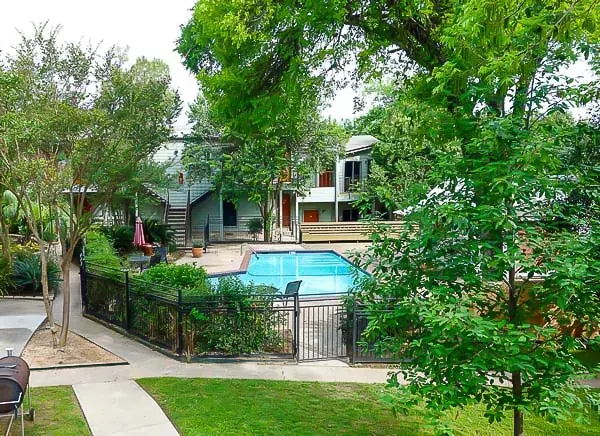
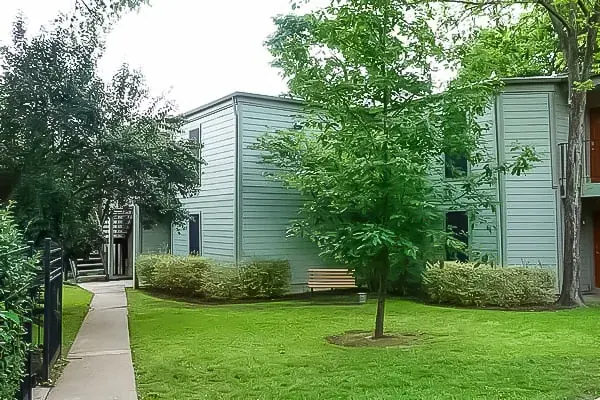
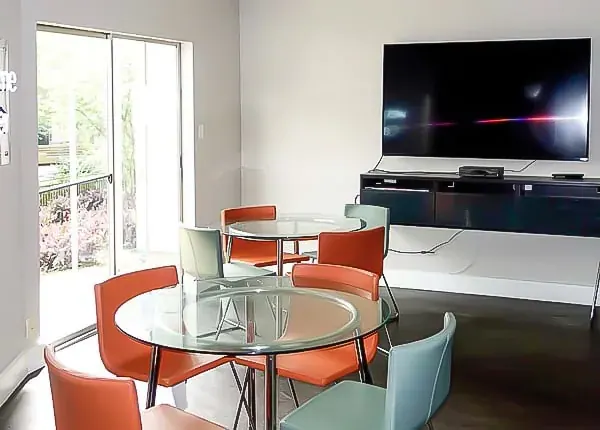
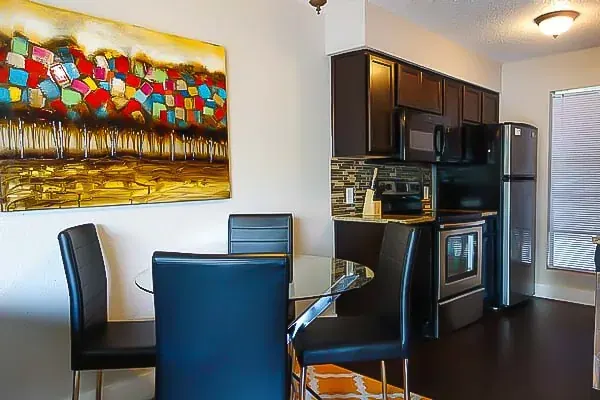
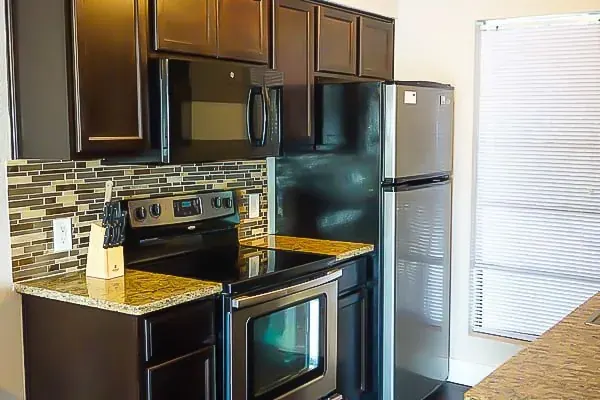
Inside Rustic Creek, our Austin flagship



How to Strengthen Your Sober Living Re-Application
Going back through the application process can feel vulnerable, but it’s also an opportunity to demonstrate personal growth. Here are some things you can do to put your best foot forward when applying to return to sober living:
- Be honest about what happened: Transparency is one of the most valued qualities in recovery communities. Admitting the circumstances of your discharge and taking responsibility goes a long way with admissions staff.
- Show what’s changed: If you’ve attended treatment, seen a therapist, or consistently gone to meetings since your discharge, mention that. Concrete action speaks louder than intentions.
- Get a reference or letter of support: A letter from a counselor, therapist, sponsor, or IOP case manager can meaningfully support your re-application.
- Know your sobriety date: Be prepared to state and verify your new sobriety date. If you’re unsure exactly when it was, your treatment provider or sponsor may be able to help you document it.
- Understand the house rules before you go back: Before re-applying, take time to review the expectations of the home. If a rule violation led to your discharge, think about how you’ll handle that situation differently this time.
Sober Living Options in Austin, TX: Finding the Right Fit for Re-Entry
Austin has a strong recovery community and a range of quality sober living options, which means that even if one home isn’t the right fit for your re-entry, there may be other options worth exploring. When evaluating where to apply, consider factors like gender-specific housing, proximity to your support network, the level of structure offered, and whether the program aligns with where you are in your recovery journey.
Our comprehensive Sober Living Austin Guide is a great place to start if you want to understand what recovery housing looks like in Central Texas and what to look for in a quality program. For those who want a broader overview of residential recovery housing in the area, Discovering Quality Sober Living Options in Austin, TX breaks down what sets reputable homes apart from the rest.
Eudaimonia Recovery Homes offers structured, supportive housing for both men and women across multiple Austin locations. Whether you’re returning after a previous stay or applying for the first time, the admissions team is committed to finding the best path forward for you.
What to Expect Once You're Approved for Re-Entry
If your re-application is approved, the transition back into sober living will look a lot like your original admission, but with one important difference: you’re returning with lived experience. You already know the rhythms of the house, the value of accountability, and what recovery in community can feel like at its best. That knowledge is an asset.
Here’s what re-entry typically involves:
- An intake meeting with house staff to review your new residency agreement
- A drug screen upon arrival
- Assignment to a room (which may or may not be the same as before)
- Introduction to current housemates and orientation to any new house policies
- An updated recovery plan outlining your goals, meeting attendance, and outpatient commitments
Many residents who return after a discharge find that the second time around, they approach sober living with a deeper sense of purpose. Setbacks have a way of clarifying what truly matters, and recommitting to a structured environment can be the turning point that changes everything.
If you’re curious about what day-to-day life looks like in structured recovery housing, Structured Men’s Sober Living in Austin, TX: What to Expect walks you through the details, from curfews and chores to community meetings and outpatient support.
Taking the Next Step Toward Returning to Sober Living
The sober living readmission process is a practical, manageable path, not a barrier. Yes, it requires completing a new application and starting fresh with a new sobriety date. But it also represents something meaningful: a second chance to build the life you deserve in a supportive, structured environment.
If you’re ready to explore returning to sober living, whether at Eudaimonia or elsewhere in the Austin area, don’t let uncertainty hold you back. Reach out, ask questions, and take that first step. Recovery is worth fighting for, and the right support system can make all the difference.
To speak with an admissions team member at Eudaimonia Recovery Homes, call (512) 240-6612 Today. We’re here to answer your questions and help you figure out the best path back to recovery housing, without judgment, and with genuine care.