

Published November 3, 2025 · Updated February 18, 2026
Key Takeaways
- What it is: Sober living in Philadelphia provides drug‑ and alcohol‑free housing with structure, peer support, and accountability. It is not inpatient rehab or medical care.
- Daily rhythm: Expect curfews, random testing, house meetings, chores, and steady participation in recovery activities. Residents are usually expected to work, volunteer, or attend school.
- Local oversight: Pennsylvania requires DDAP licensing for recovery houses that accept referrals or public funds. Philadelphia’s DBHIDS funds licensed homes and posts standards, so checking licensure and inspections is a smart first step.
- Program fit matters: Choose a house that matches your needs: men, women, women with children, LGBTQ, Spanish‑speaking, or professional/“executive” settings.
- Range of options: The city offers publicly funded recovery housing, and there are private programs (e.g., Eudaimonia sober living Philadelphia PA). Many homes are furnished and have live‑in managers.
- Location trade‑offs: In‑city homes offer transit and meeting access; homes just outside the city can reduce exposure to triggers while staying close to support.
- Costs: Prices vary by program and room type. Ask for an itemized fee list and what it covers. Publicly funded houses may charge minimal fees for working residents.
- Length of stay: Many residents plan for several months; some extend to about a year to stabilize routines, work, and housing.
- How to decide: Verify licensing, compare structure and rules, tour the home, ask policy questions (testing, visitors, passes), and map a weekly schedule that supports recovery.
On This Page · 21 Sections
Sober Living
Philadelphia
What is a sober living home?
A sober living home is a drug‑ and alcohol‑free residence that offers structure, peer accountability, and practical support while people build stability after treatment. These homes are not hospitals or rehabs. Instead, they bridge intensive care and fully independent living, with house rules, shared responsibilities, and community routines that reinforce sobriety. Programs often include curfews, chore schedules, drug and alcohol testing, and expectations to work, volunteer, or attend school.
How Philadelphia’s system is organized
In Pennsylvania, recovery (sober‑living) houses that receive referrals or public funding must be licensed by the Department of Drug and Alcohol Programs (DDAP). Licensing focuses on safety, standards, and inspection transparency. Philadelphia also operates a Single County Authority Recovery House Initiative through DBHIDS, which funds licensed houses across the city and outlines who they serve, eligibility, and core supports.
Daily life inside a Philadelphia sober living home
Every home runs a little differently, yet day‑to‑day life follows a steady rhythm built around recovery.
Structure and accountabilityResidents follow written house rules and attend regular meetings. (see our sober living community rules). Many homes use on‑site managers and routine drug/alcohol screening to maintain a sober environment. These safeguards are common across local providers, including programs that serve working professionals.
Community and routinesLiving with peers matters. Homes emphasize shared chores, house meetings, and active participation in recovery activities like 12‑step or other mutual‑aid groups. This structure helps residents relearn everyday habits and build a sober support network they can rely on after they move out.
Work, school, and volunteeringMany Philadelphia sober living programs encourage residents to work, volunteer, or pursue education while in the house. That expectation supports independence and keeps daily schedules anchored to healthy routines.
What sets Philadelphia apart
Licensing and public options
- DDAP licensing: If a house receives referrals or state/federal funding, it must hold a DDAP license; inspection results are public, and a facility locator is available through the state.
pa.gov - City‑funded recovery housing: DBHIDS funds licensed recovery houses that serve men, women, women with children, Spanish‑speaking residents, and LGBTQ residents. Services can include meals, NA/AA meetings, morning meditation, life‑skills work, transportation to treatment, and help securing long‑term housing. Minimal fees may apply if a resident is working.
Neighborhood feel and access
Philadelphia has established recovery communities and is dense and transit‑friendly, making it easier to reach jobs, meetings, and classes. Several providers highlight easy access to local AA/NA groups and public transportation from their homes.
Examples of local program models
Eudaimonia sober living Philadelphia, PA (men)
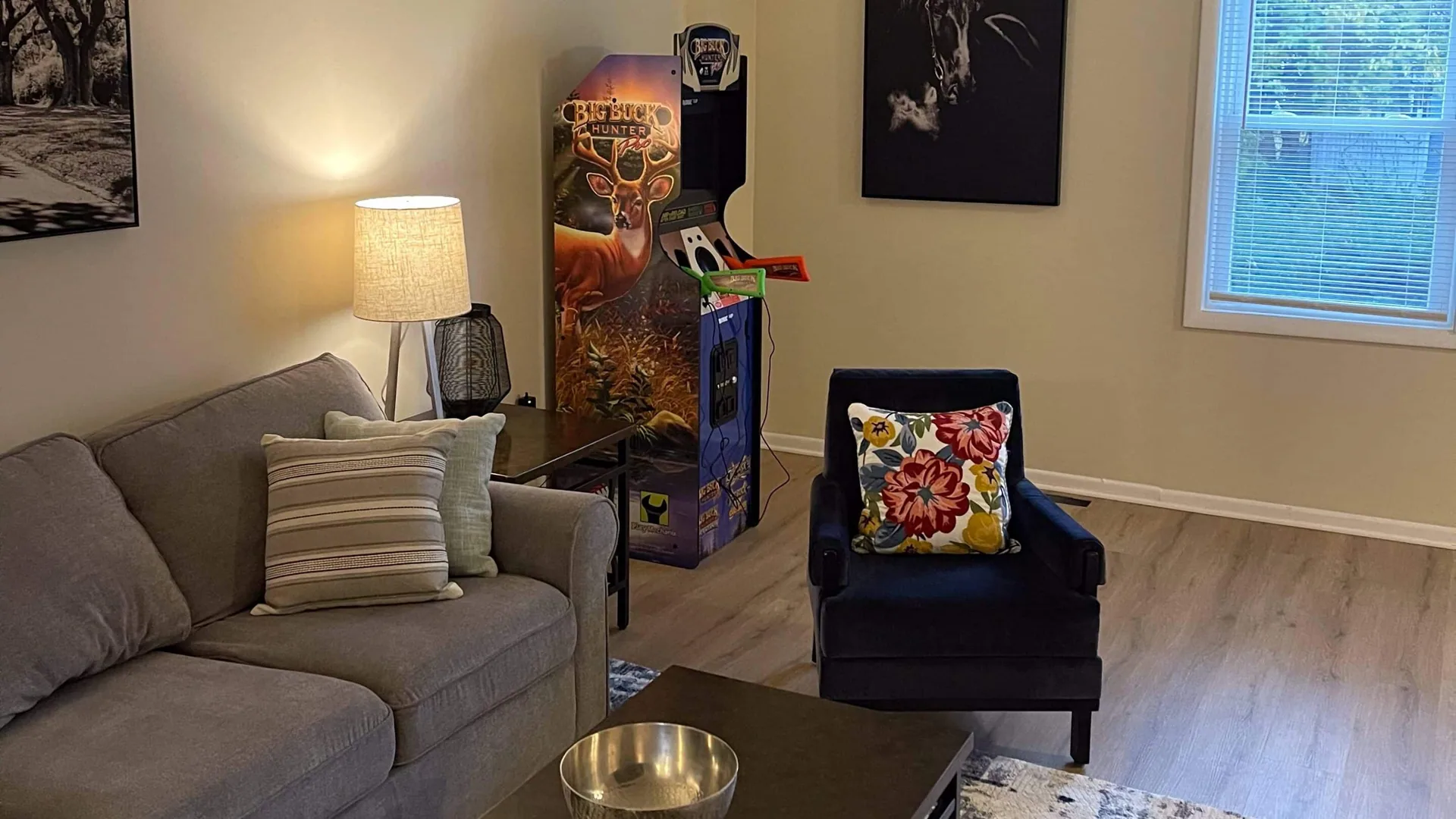
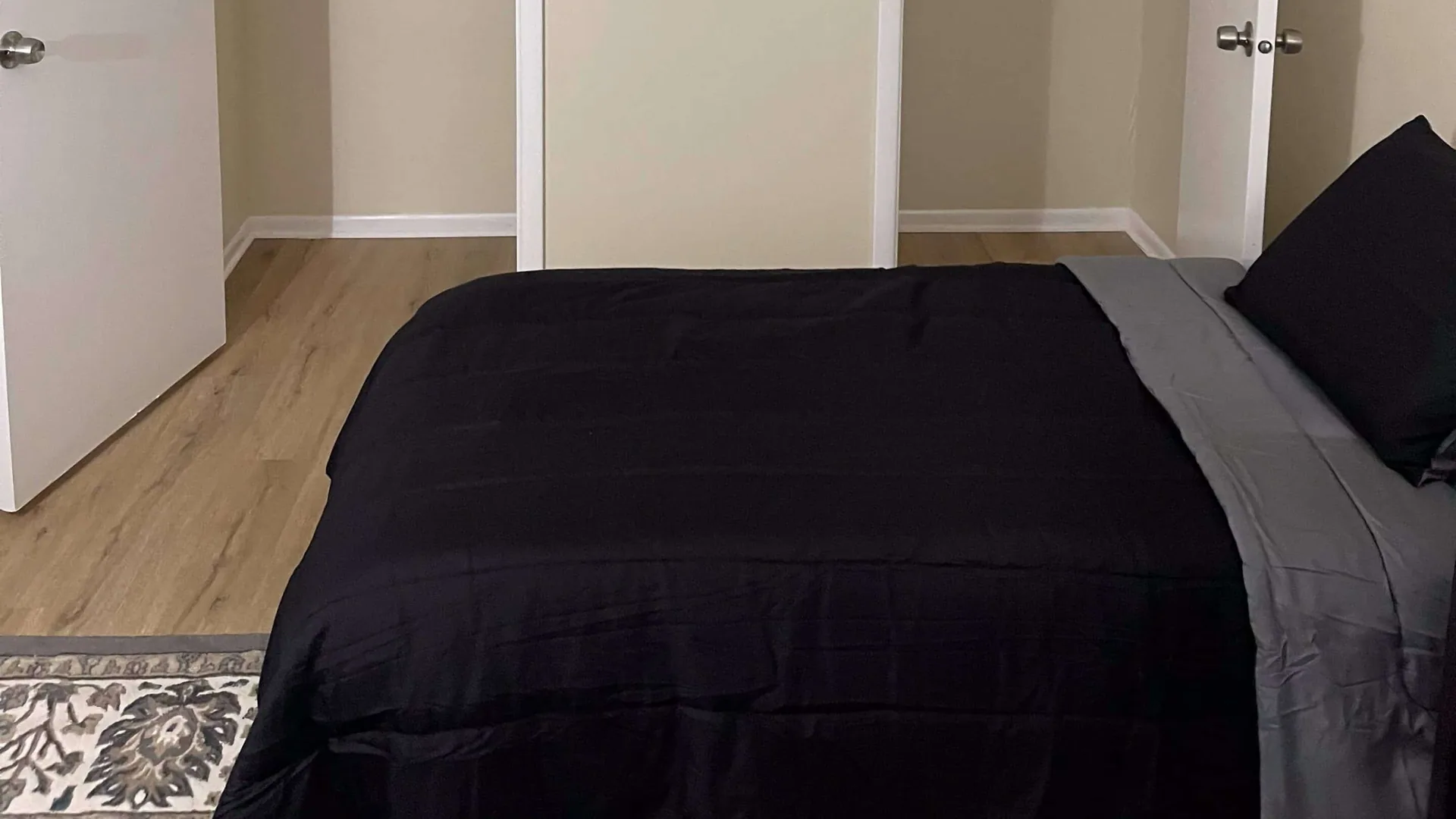
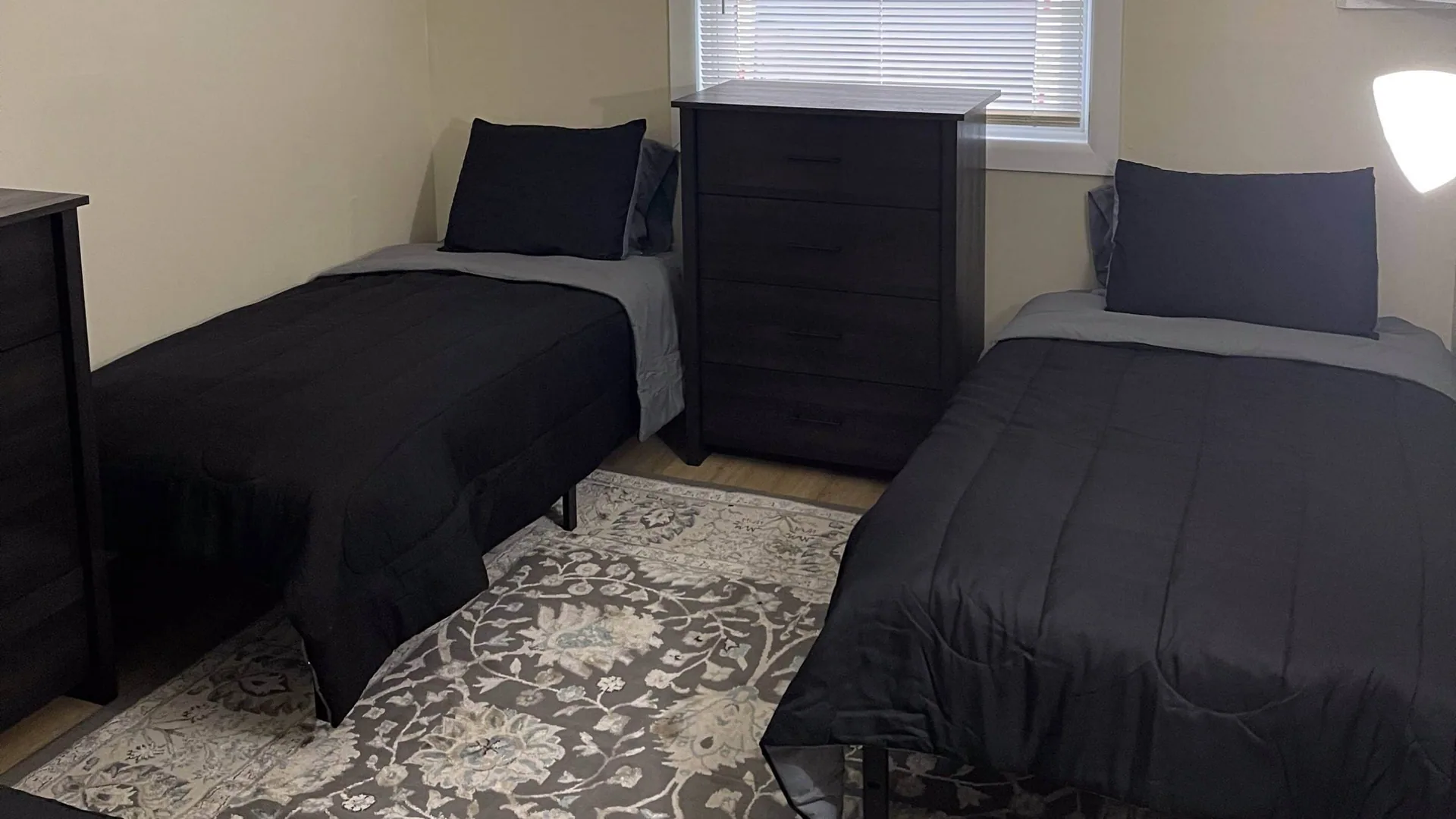
Eudaimonia Recovery Homes operates a men’s sober living home in the Philadelphia area with a live‑in manager, routine testing, and fully furnished spaces. The model emphasizes structure, shared bedrooms, stocked kitchens, and accountability in a clean, comfortable setting. If you’re targeting the keyword “eudaimonia sober living Philadelphia pa,” this is the canonical provider page users expect to find.
Executive/professional sober living
Providence Treatment offers “executive” sober living aimed at working professionals. The program stresses predictable structure, daily recovery activities, professional laboratory monitoring for relapse prevention, and an expectation that residents work or volunteer.
Near‑city options and a reset from triggers
Dignity Hall markets nearby, structured homes just outside Philadelphia, positioning a short move away from city stressors as a way to practice relapse‑prevention skills while staying close to home. It highlights chores, meetings, and peer bonds as core parts of the experience.
How to choose a drug addiction sober living home
Verify licensing and oversightIf you’re considering a home that accepts referrals or public funding, confirm DDAP licensure and review inspection history. This helps ensure the house meets baseline safety and quality standards. Use the state’s facility locator and inspection tools as a first pass.
Match the program to your needs- Population served: Check whether the home supports your needs: women with children, LGBTQ residents, Spanish‑speaking residents, or professionals.
- Level of structure: Ask about curfews, meeting requirements, testing, and staff coverage (e.g., live‑in managers, day/night availability).
- Location realities: Balance access to work and meetings with the desire to step back from high‑trigger blocks; some residents prefer slightly outside the city while staying close.
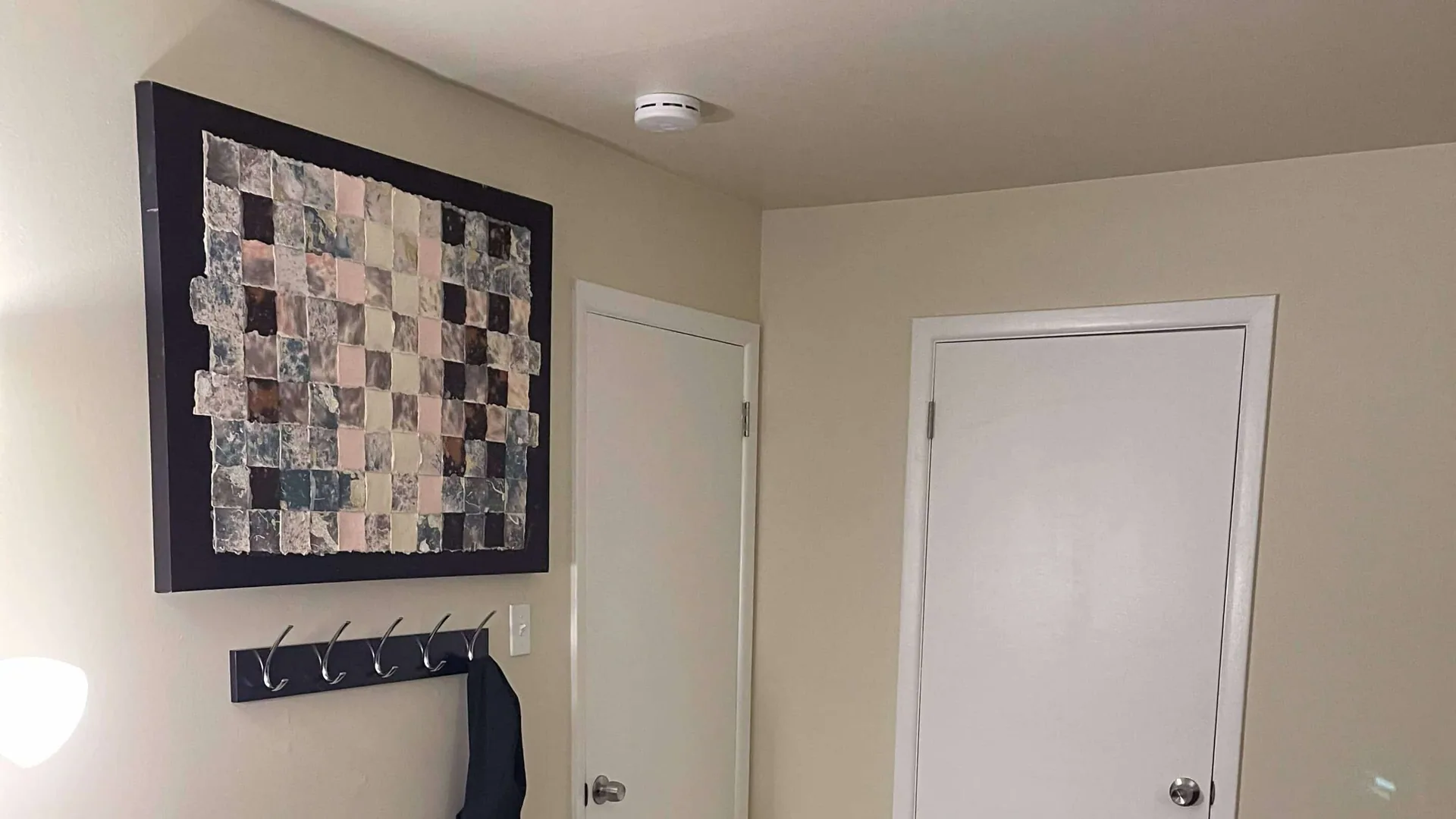
Tour (in person or virtual) and ask about room setup, shared spaces, kitchens, laundry, transportation, and Wi‑Fi. Many local homes are fully furnished and include essentials so you can focus on recovery.
Clarify costs and fundingCosts vary by room type, privacy level, amenities, and whether the house is publicly funded. Some city‑funded homes charge minimal fees for working residents, while private programs set their own rates. Always request a written breakdown of weekly or monthly fees and what’s included.
Inside the Philadelphia homes

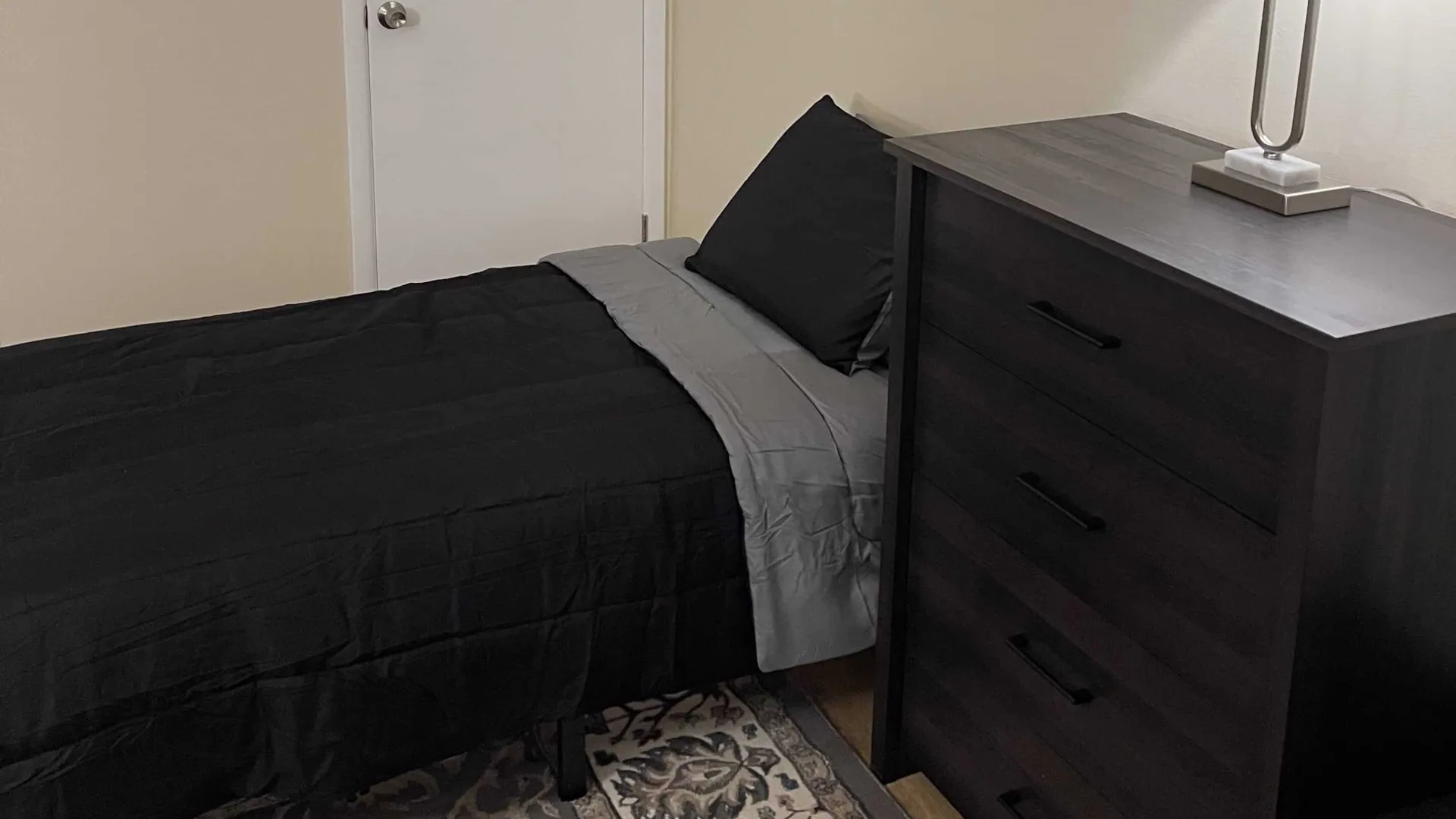
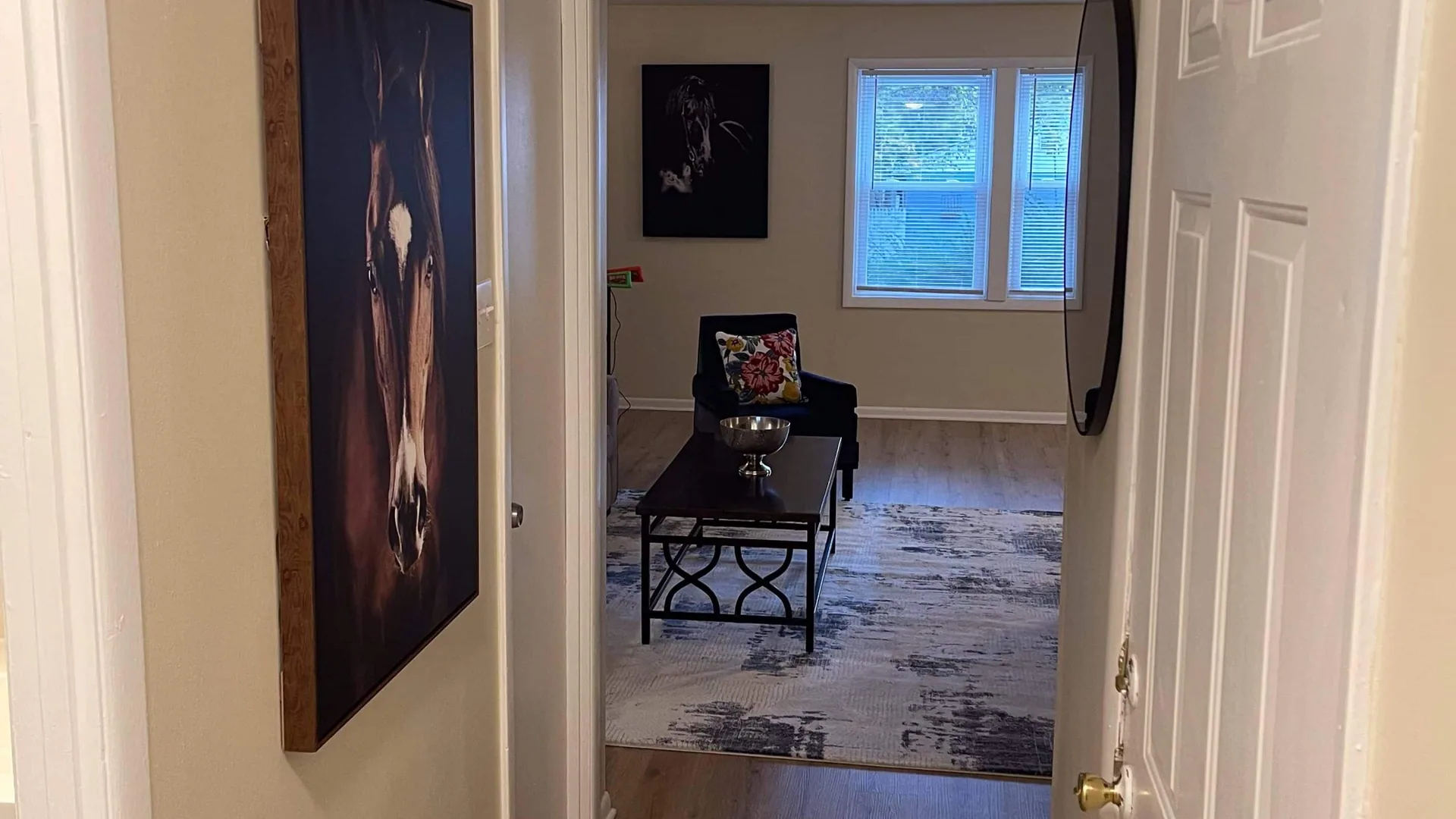
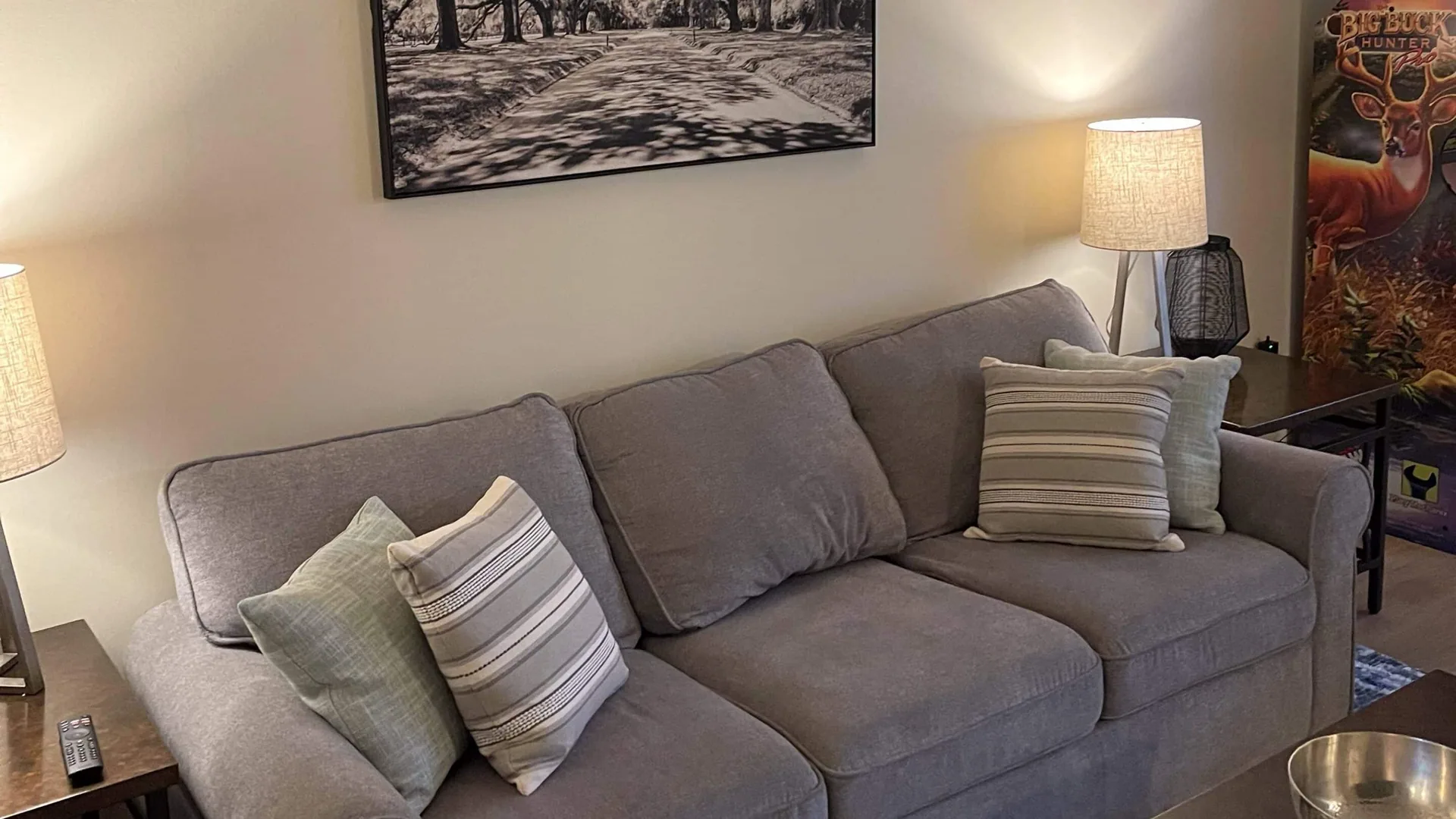


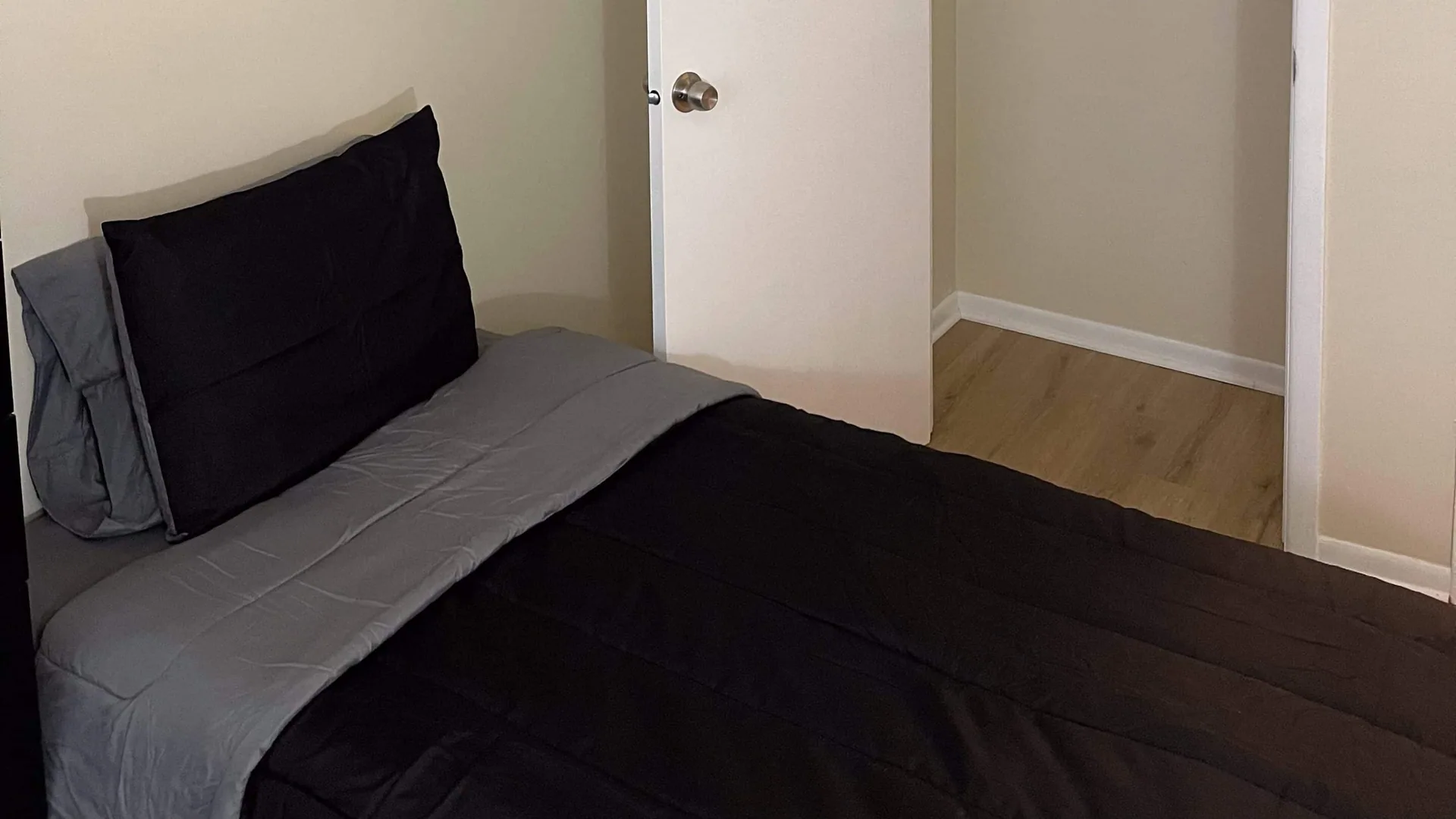


How long do people stay?
Length of stay is individual. Many residents plan for several months and some remain close to a year, especially if they want more time to solidify routines, rebuild credit, or complete school or job transitions. Ask each home about recommended timelines and step‑down options.
Getting started: practical steps
- Decide on funding path. If you may qualify for a city‑funded placement, contact DBHIDS or talk with your outpatient program about a referral to a licensed recovery house.
- Make a shortlist. Include at least one Philadelphia sober living option in the city (for transit and meetings) and one slightly outside (for distance from triggers).
- Confirm standards. Review DDAP licensure status and any inspection results for the addresses on your list.
- Tour and ask specifics. Clarify testing policies, visitor rules, overnight passes, curfews, ride options, and how conflicts are handled.
- Plan your week. Map out meetings, work or volunteer hours, and weekly chores before move‑in so your first days feel steady.
Before move‑in, review our what to bring to sober living checklist so your first week is smooth
Medical Disclaimer
This page is for educational purposes only. It does not replace professional medical advice, diagnosis, or treatment. Sober living homes are not hospitals or emergency care. Decisions about treatment, medications, or housing should be made with a licensed clinician. Do not start, stop, or change any prescription, including antidepressants or antipsychotics, without talking to your healthcare provider.
If you have severe side effects, feel worse, or are thinking about harming yourself, call 911 in the U.S. right away. For confidential help with a mental health or substance-use crisis, call or text 988 to reach the Suicide & Crisis Lifeline, available 24/7.
Select Our 10506 Parkfield Dr, Austin Location
Select LocationVisit Our 124 N Corona St, Colorado Springs Location
Select LocationChoose Our 7211 Northeast Dr, Austin Location
Select LocationEudaimonia's Success Stories – Real People, Real Freedom
How Eudaimonia Supports Recovery
Eudaimonia Recovery Homes offers a practical view of what sober living is like by pairing structure with everyday independence. Residents live in alcohol‑ and drug‑free housing with an on‑site house manager, so expectations are clear and support is close. Regular meetings, curfews, and routine drug and alcohol testing create steady accountability without a clinical feel. Shared chores and house rules give mornings and evenings a predictable rhythm that reduces stress. Fully furnished spaces and ready‑to‑use kitchens let residents focus on recovery and daily goals rather than logistics. The program encourages work, school, or volunteering, which helps rebuild schedules, skills, and income.
Peer community is central, so residents practice sober coping skills alongside people with similar goals.
For anyone asking “what is a sober living home like,” Eudaimonia shows it as structured, community‑based, and oriented to real‑world progress. In Philadelphia, the model places residents near recovery meetings and public transit, helping them reach jobs, classes, and appointments while they stabilize.
Your Future Is Waiting
Tell us what you are looking for and admissions will walk you through the houses, the phases, and what a room actually costs.


