

Published October 20, 2025 · Updated September 30, 2025
On This Page · 11 Sections
Sober Living
Philadelphia
A sober living house Philadelphia is a substance-free home that provides a structured, supportive living environment for people in recovery after (or alongside) formal addiction treatment. Unlike inpatient rehab, sober living is not clinical treatment; instead, it bridges the gap between treatment and full independence with peer accountability, house rules, curfews, meeting requirements, and drug/alcohol testing so residents can focus on their recovery while rebuilding daily life Routines: work, school, and family. While often used interchangeably with “halfway houses,” sober living houses typically have flexible lengths of stay and a peer-driven social model (vs. a time-limited, program-bound “halfway house”).
Licensing & Standards in Pennsylvania (DDAP, NARR/PARR)
Pennsylvania operates a state licensure framework for recovery houses that receive public dollars or public referrals. If a recovery house gets referrals from a state agency or state-funded facility (or receives federal/state funding), it must be licensed by DDAP. Licensing aims to ensure a network of safe recovery houses with basic protections around resident rights, safety, and recovery support.
Beyond licensure, many homes seek voluntary certification based on NARR Standards adopted in Pennsylvania by PARR. NARR defines the spectrum of recovery residences (Levels I: IV), detailing supervision, services, and support expectations. Certification signals adherence to quality standards and a code of ethicsUseful when comparing homes.
In Philadelphia, the City’s behavioral health authority (DBHIDS) established a Recovery House Initiative to connect outpatient clients with positive, stable living environments that improve treatment outcomes. This long-standing initiative underpins the city’s emphasis on safe housing aligned with ongoing care.
Who Benefits & When to Consider Sober Living
Sober living houses are designed for men and women who want a structured, substance-free environment that supports long-term sobriety after detox, residential treatment, or an intensive outpatient program. They’re also a fit for individuals who:
Need accountability and peer support to maintain momentum.
Are rebuilding routines—work, school, familyIn a stable, supportive living environment.
Require a transitional housing step because home environments contain triggers.
Want to integrate relapse prevention skills into daily life with a sober peer community.
Residents typically agree to follow house rules and participate in mutual-help groups, house meetings, chores, curfews, and random testing. These structures promote independent living skills while keeping recovery front-and-center.
Levels of Support (NARR I, IV)
NARR’s framework clarifies what services and supervision a home provides:
Level I: Peer-run, democratically managed homes with minimal staff involvement.
Level II: Staff-supported housing with house rules, testing, and recovery supports—common for “sober living.”
Level III: Supervised residences offering life-skills or clinical supports (not the same as a licensed treatment facility, but higher structure).
Level IV: Homes tightly integrated with licensed treatment (e.g., residential programs), highest structure. NARR+1
When choosing a sober living house in Philadelphia, verify its level of support and how that aligns with your needs and current level of care.
House Rules, Curfews, & Daily Life
While every home differs, you can expect:
Abstinence from drugs and alcohol; testing to verify compliance.
Curfews (often tiered: tighter early on, more flexible with progress).
Meeting attendance (12-step or alternative mutual-help) and house meetings.
Chores and shared responsibilities to maintain a clean, welcoming environment.
House managers and peer leaders who model recovery and handle issues.
Employment/education expectations (or a plan to move toward them).
Guests/visitation policies and overnight rules.
Look for written resident handbooks and clear policies on conflicts, relapse, and discharge to ensure the environment actually supports long-term sobriety. (These norms are widely reflected across NARR-aligned and licensed homes.)
Costs, Funding, & Insurance
Sober living homes are typically private-pay (rent + deposits/fees). Insurance rarely pays for housing itself, though it may cover clinical services in a separate treatment program (e.g., IOP) that you attend while living in the home. In Pennsylvania, DDAP-licensed recovery houses can interface with publicly funded systems for referrals and may coordinate with local resources; always ask about fees, deposits, refunds, and what’s included (utilities, testing, transportation).
Neighborhoods & Local Context
Philadelphia’s sober living options are distributed across the city and nearby counties. Many residents value proximity to public transit, employment centers, and mutual-help meetings. Some recovery residences reference neighborhoods like South Philadelphia, Graduate Hospital, Passyunk, or Old City. Choose a location that supports daily routines and minimizes triggers. (Examples of local providers and supportive housing exist, but verify status, licensing, and fit.)
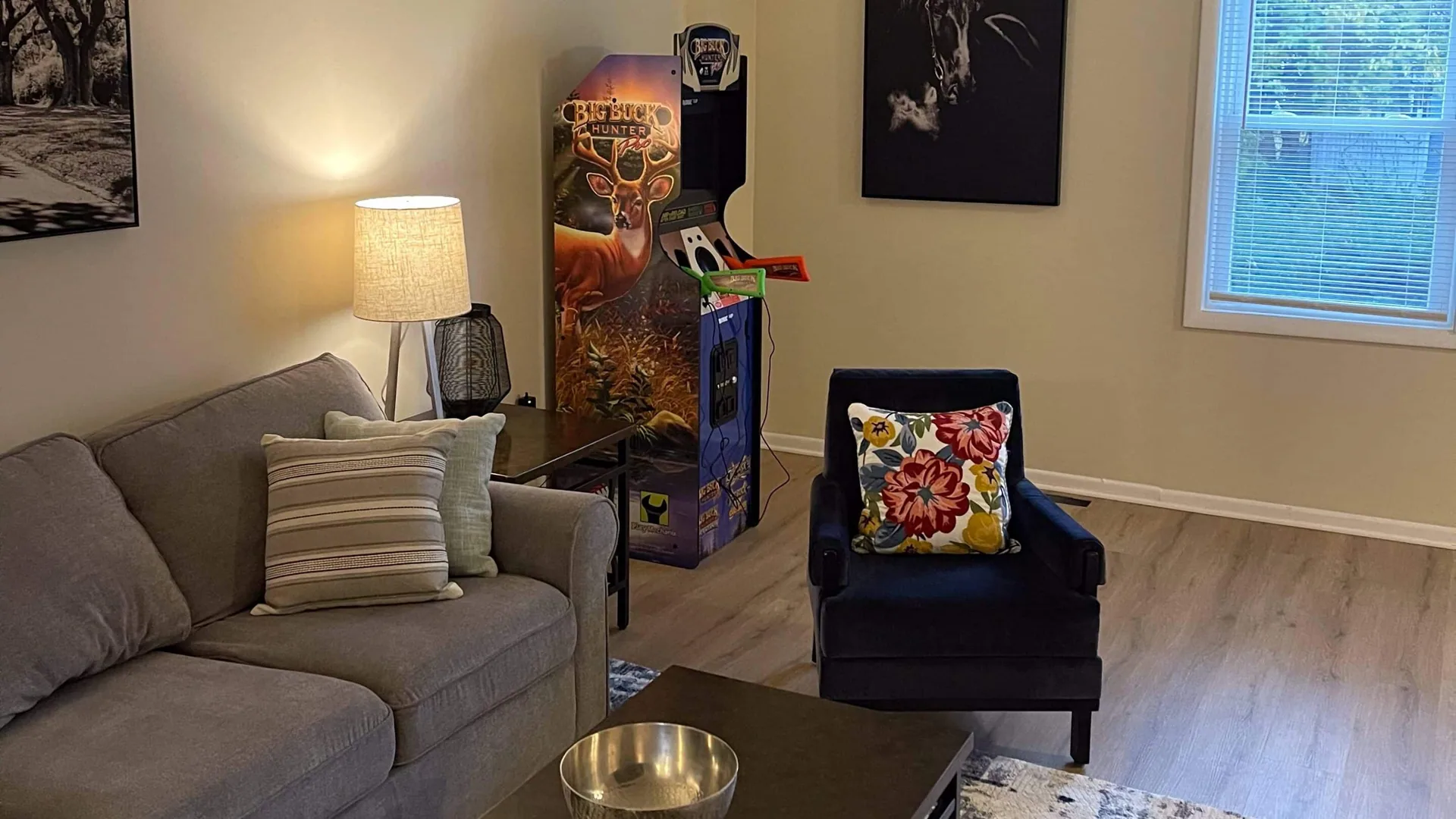
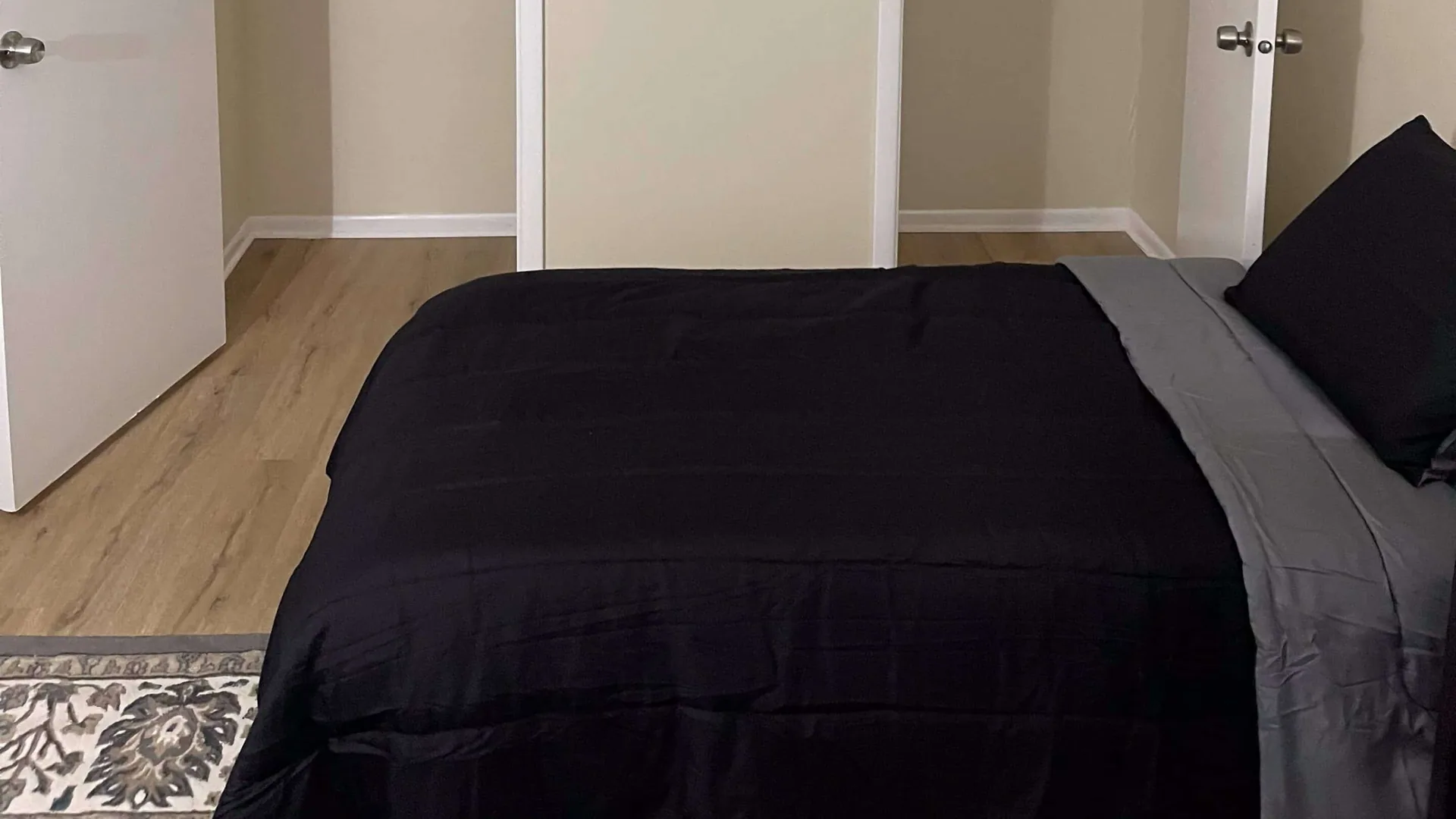
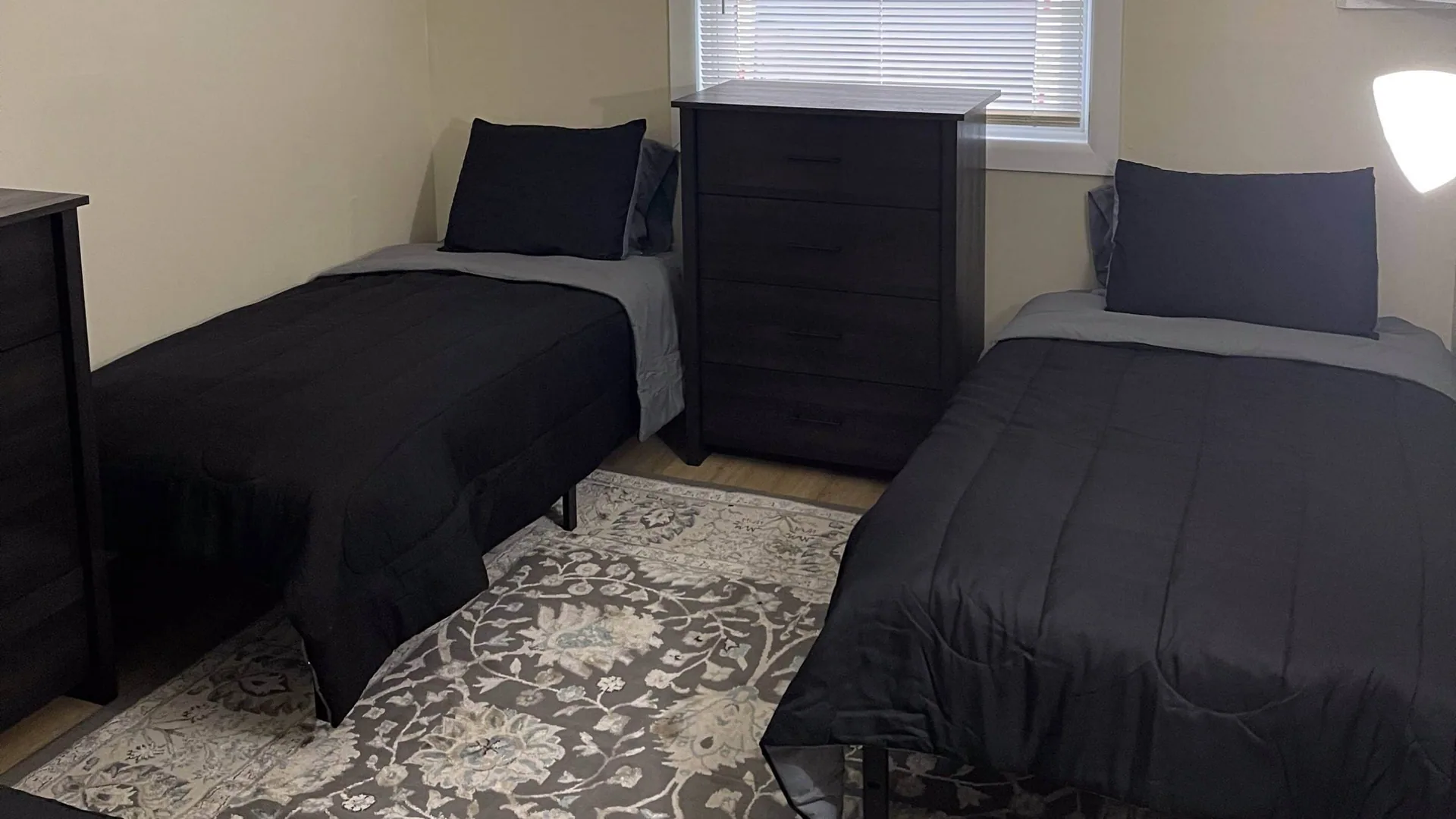
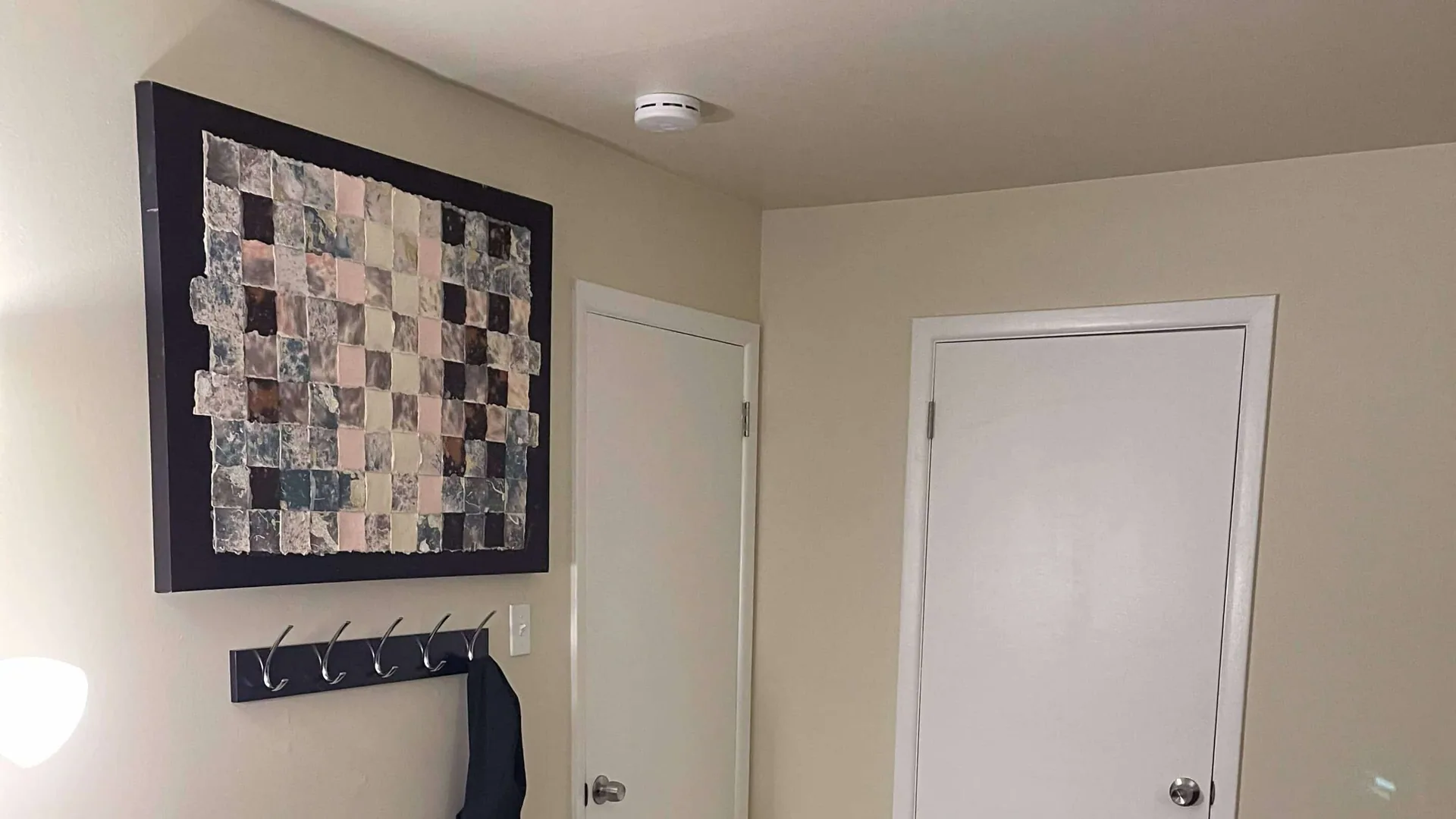
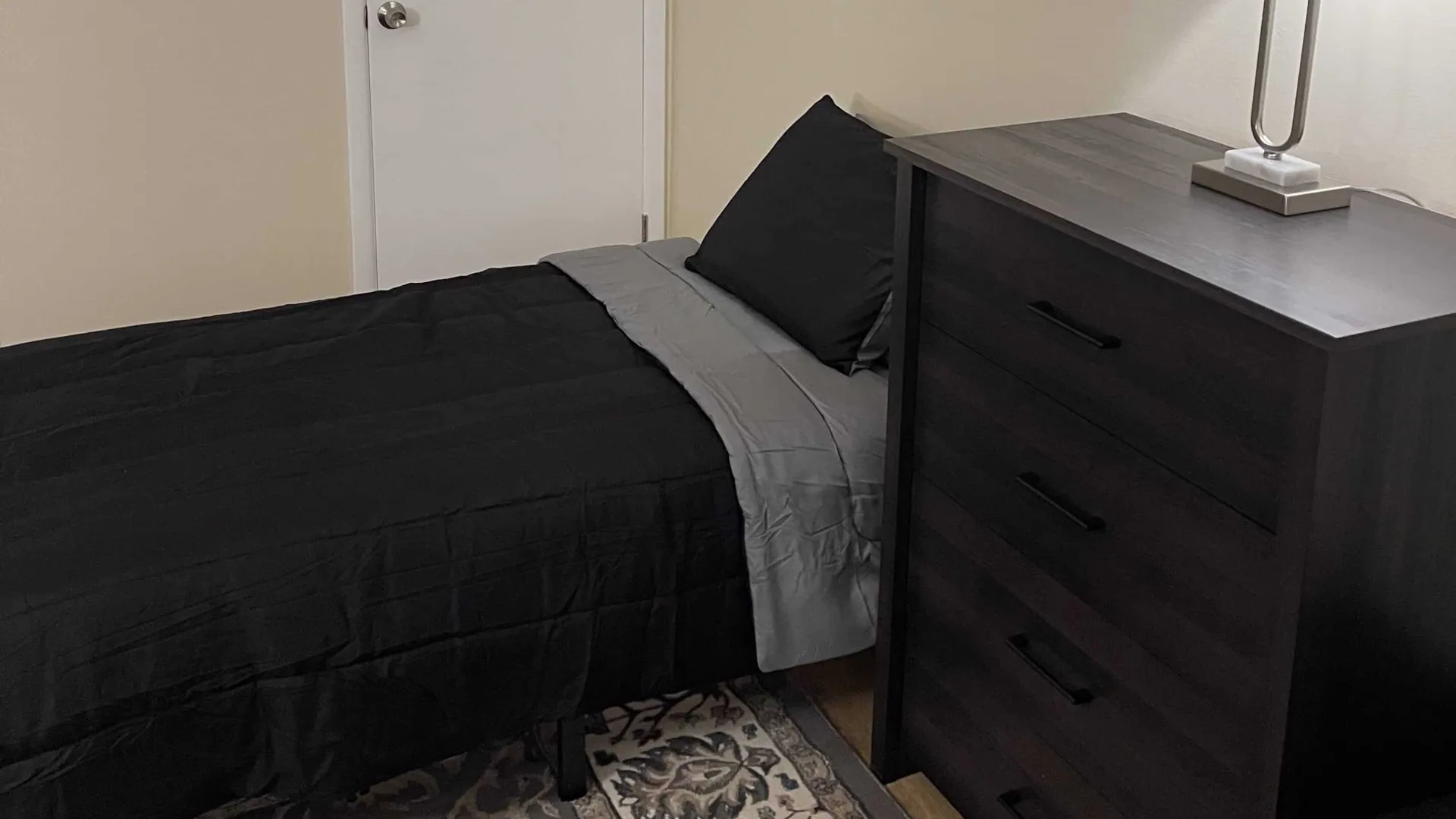
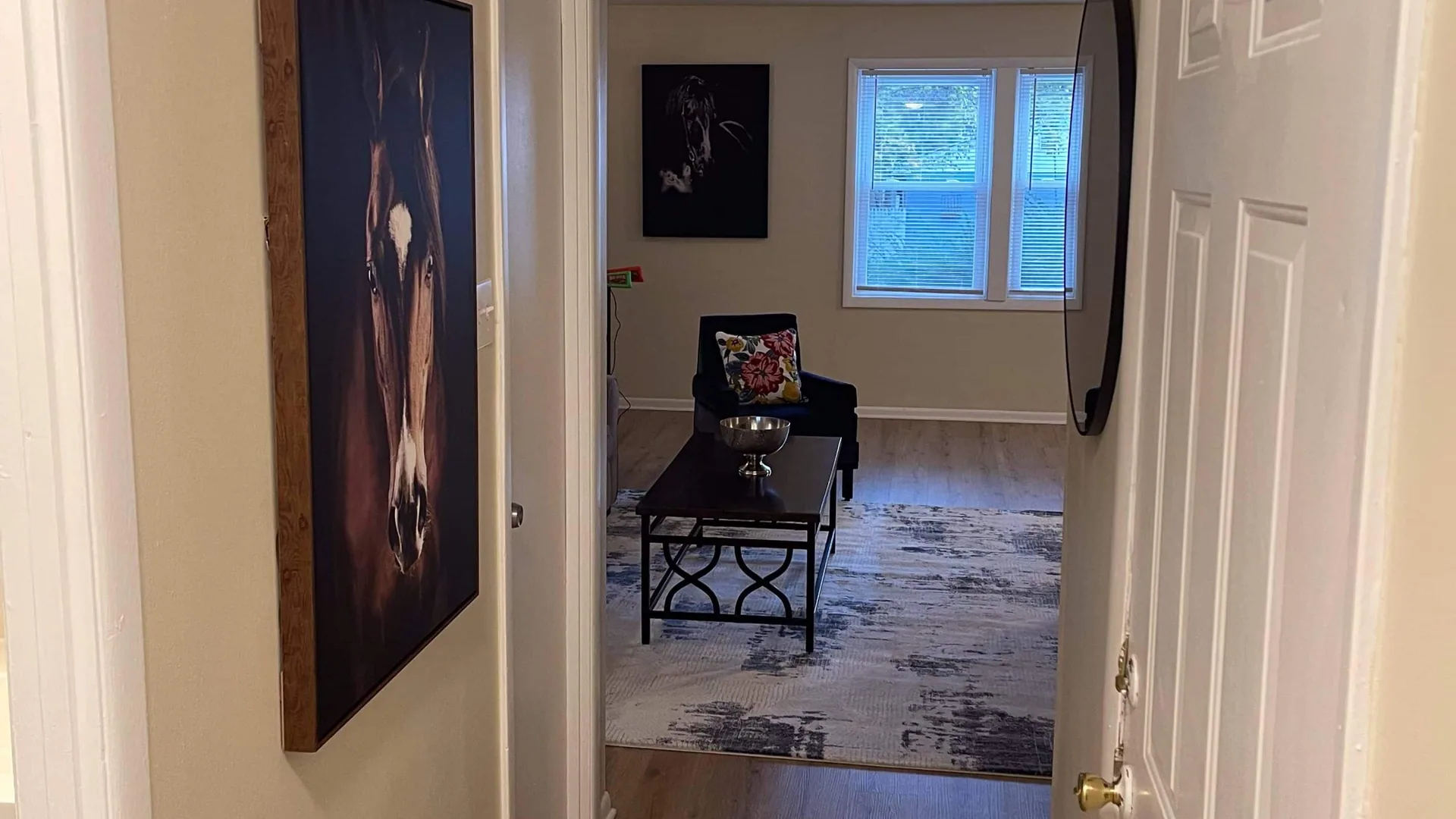
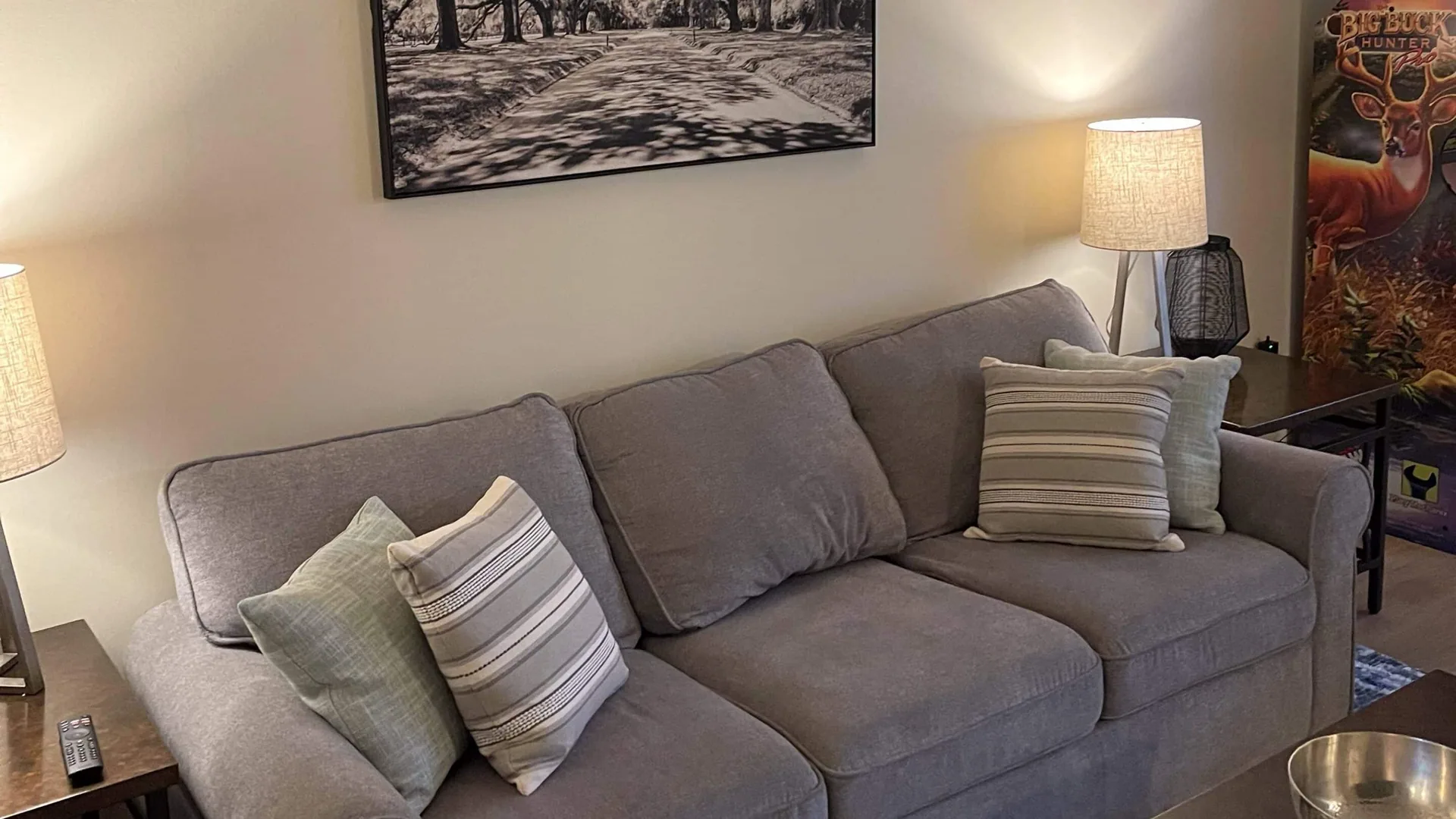
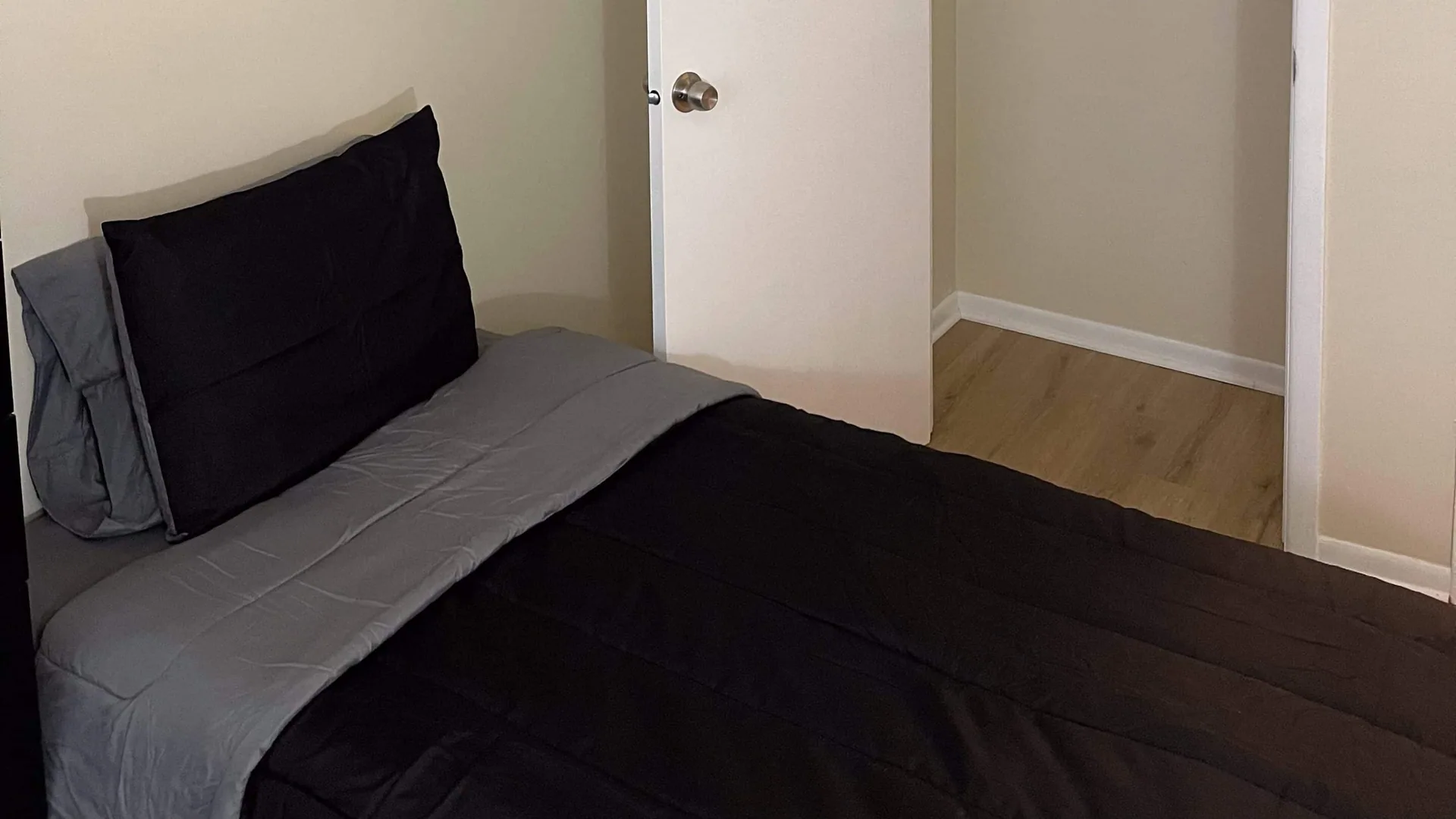
Inside the Philadelphia homes





Relapse Prevention & Long-Term Sobriety
Sober living works best when residents actively participate in recovery: regular meetings, sponsor/mentor engagement, therapy (if indicated), exercise, healthy sleep, nutrition, and stable routines. The structure (curfew, testing, chores), peer support, and gradual independence are designed to build recovery capital (skills, relationships, employment) that support long-term sobriety. Many homes align with NARR Level II practices and encourage step-downs to less-structured settings as stability grows.
Sample Weekly Rhythm (What Daily Life Can Look Like)
Morning: Work/class prep, chores, med check (if applicable), commute.
Afternoon: Work/school/volunteering; check-ins as needed.
Evening: House meeting or recovery meeting; meal prep; downtime.
Weekend: Longer meeting, groceries and errands, community events, family time, exercise, spiritual practices, whatever builds healthy routine.
Ongoing: Sponsor calls, step work (if 12-step), skill-building workshops, budgeting, resume/job search support.
Eudaimonia's Success Stories – Real People, Real Freedom
Philadelphia-Specific Resources to Know
DDAP (licensure information for recovery houses; statewide policy and facility licensing).
DBHIDS (local behavioral health authority; Recovery House Initiative; recovery supports).
NARR/PARR (standards + voluntary certification / support levels).
Local providers/supportive housing (always verify licensing/certification and fit).
Frequently Asked Questions (FAQ)
What is a sober living house and how is it different from a halfway house?A sober living house is peer-supported housing That focuses on accountability, testing, house rules, and meeting attendance—not clinical treatment. Halfway houses are typically more time-limited and program-bound.
Are recovery houses in Pennsylvania required to be licensed?Yes, if they receive public referrals or public funding, they must be licensed by DDAP. Private, self-pay homes without public referrals may not be required to be licensed, but many pursue NARR/PARR certification.
What are NARR Levels I, IV?They describe levels of support/supervision in recovery residences: Level I (peer-run) through Level IV (most structured). Many “sober living” homes are Level II.
How long can you stay in a sober living house?There’s usually no fixed maximum; length of stay depends on progress, goals, and house policies. Many residents remain several months to build stability.
How much does sober living cost in Philadelphia?Costs vary by neighborhood, amenities, and support level. Most homes are private-pay (rent + fees). Insurance typically does not cover housing, but may cover separate treatment you attend.
Do I need to be in treatment to live in sober living?Not always. Many homes require or strongly encourage ongoing treatment or meeting participation; DBHIDS-aligned pathways often integrate outpatient treatment + housing.
What should I look for when touring a sober living house?Verify DDAP licensure (if applicable), NARR/PARR certification, written rules, testing, cleanliness/safety, and a resident handbook. Ask about relapse policies.
Which neighborhoods in Philadelphia have sober living houses?Options exist across the city (e.g., South Philadelphia, others). Focus on transit access, routine-friendly locations, and house standards rather than neighborhood alone.
Are pets allowed in sober living houses?Policy varies by home. Ask about pet rules, deposits, and responsibilities up front (not standardized in licensing).
How do city initiatives impact sober living availability?Recent city-run initiatives (e.g., Riverview Wellness/Wellness Village) emphasize recovery-oriented housing and supports after treatment, complementing private/community sober living options.
Your Future Is Waiting
Tell us what you are looking for and admissions will walk you through the houses, the phases, and what a room actually costs.


