

Published November 25, 2025 · Updated February 18, 2026
Key Takeaways
- Research and outcomes show that sober living homes can significantly improve sobriety, employment, and housing stability compared with moving directly from rehab to independent living.
- Structure and support Inside a sober living home, routines, peer community, clear rules, and links to treatment, are closely tied to stronger long‑term results.
- Length of stay is critical; residents who remain in sober living for at least 90 days, and often six months or longer, usually have better recovery outcomes.
- Austin’s recovery environmentMeetings, outdoor spaces, jobs, and education options, gives residents added opportunities to rebuild daily life while living in sober housing.
- Careful home selection using standards, rules, costs, culture, and location helps you choose a sober living home that can realistically support long‑term recovery.
On This Page · 26 Sections

Sober Living
Austin
10506 Parkfield Dr, Austin, TX 78758
Sober living homes in Austin Texas, including Eudaimonia sober living Austin Texas, give people in recovery a stable place to live while they adjust to life after treatment. These homes sit between rehab and full independence, offering structure, peer support, and enough freedom to practice daily life in recovery.
Austin has many options: stand‑alone houses, apartment‑style communities, peer‑run Oxford Houses, and provider‑run programs tied to intensive outpatient care. With so many choices, it is reasonable to ask how successful these homes actually are: and what “success” should mean for residents, families, and communities.
How We Define Success in Austin Sober Living
When people ask how successful Austin sober living homes are, they are usually thinking about relapse. That is a key measure, but it is not the only one.
Common ways success is defined include:
- Substance use outcomes: longer periods of abstinence, fewer relapses, and quicker returns to sobriety when slips happen.
- Housing stability: staying housed in a sober, low‑risk environment instead of cycling through shelters, unstable housing, or homelessness.
- Employment and education, more steady work or school participation over time.
- Legal and safety outcomes, fewer arrests or legal issues.
- Quality of life: stronger relationships, better mental health, and more engagement with community.
A single Austin sober living home will rarely transform all of these areas at once. Instead, success usually means gradual change: fewer crises, more structure, and a realistic path toward stable independence.
What Research Says About Sober Living Outcomes
Although most studies look at sober living nationally rather than only in Austin, the findings still apply to local homes.
Sobriety and relapse
- One study cited by Austin‑area providers found that about 68% of residents in sober living homes were still sober 18 months later, compared with typical relapse rates of 40–60% in the first year after treatment for the broader recovery population.
- Reviews of recovery housing show that residents who stay engaged and abstinent tend to have particularly strong outcomes over time.
In simple terms, people who move into a well‑run sober living home Austin programs provide, and who stay long enough to build routines, are more likely to remain sober than those who leave treatment and go straight back to an unsupported environment.
Housing, employment, and legal outcomes
A frequently cited longitudinal study of roughly 300 people in two sober living models found improvements in: reduced alcohol and drug use, fewer arrests, fewer psychiatric symptoms, and higher employment rates.
The University of Texas Addiction Research Institute notes that recovery housing, such as sober living homes and Oxford Houses, supports positive outcomes across substance use, criminal justice involvement, and employment.
Other Austin providers summarize the research in the same direction: residents in structured sober housing show lower relapse rates and more stability than similar people who do not use this type of housing at all.
Taken together, the evidence suggests that sober living homes in Austin Texas are not a guarantee of long‑term sobriety, but they do measurably improve the odds when combined with treatment and ongoing support.
Why Austin Is a Strong Setting for Sober Living Homes
Several of the top sober living programs in and around Austin point to the same local advantages:
- Large recovery community. Austin hosts frequent AA, NA, SMART Recovery, and other recovery meetings, which gives residents multiple options every day.
- Outdoor and wellness options. Trails, lakes, and parks offer free or low‑cost ways to manage stress and build healthy routines.
- Employment and education opportunities. The city’s job market and universities give residents practical chances to rebuild work and school paths while they stay in Austin sober living programs.
These factors do not replace good house management, but they help explain why many residents prefer to stay in an Austin sober living environment rather than return immediately to their previous hometowns.
If you’re comparing real‑world options, our sober living in Austin, TX page outlines specific neighborhoods, amenities, and housing types available through Eudaimonia.
Inside a Successful Sober Living Home Austin Residents Choose
Research and local experience point to several internal features that support success. The details vary by program, but effective homes tend to share the same core elements.
Structured daily routines
A typical day might include:
- Morning check‑ins or house meetings
- Work, school, job‑hunting, or volunteering
- Required recovery activities: support groups, therapy, or intensive outpatient (IOP)
- Evening curfews and quiet hours
This structure gives residents enough freedom to rebuild daily life while still maintaining predictable routines and expectations.
Peer support and community
Living with others who are also in recovery is one of the most important parts of a sober living home. Residents cook together, share chores, talk through challenges, and often attend meetings as a group. Studies repeatedly highlight this peer community as a key reason sober homes work.
Accountability and house rules
Most sober living homes in Austin Texas use:
- Regular or random drug and alcohol testing
- Written house rules and consequences
- Curfews that may ease as residents show stability
- Required participation in meetings or programming
These practices create accountability without the full control of inpatient treatment. When rules are clear and enforced consistently, residents know what to expect and what is required to stay.
Links to treatment and recovery support
Sober living is housing, not medical care. However, successful homes are closely connected to:
- IOP and outpatient programs
- Individual counseling or psychiatry
- Peer recovery support specialists
- Local recovery groups and community resources
For many people, the combination of structured housing and ongoing treatment is what keeps recovery moving forward.
How Long People Stay in Austin Sober Living Homes, and Why It Matters
Length of stay is one of the most consistent predictors of success.
- Many Austin providers recommend at least 90 days in sober living, especially right after treatment.
- Typical stays range from 3–12 months, with some residents remaining longer when the setting continues to help.
- Peer‑run Oxford Houses, common in Texas, often allow residents to stay indefinitely as long as they follow house rules and pay their share of expenses.
Studies of recovery housing regularly find that longer stays are linked with better sobriety, employment, and housing stability.
For residents and families, this means that choosing a solid house and planning for several months of support, rather than a quick, 30‑day stay, usually leads to better results.
For a deeper breakdown of timelines, research, and typical ranges by house model, read our article on how long men should stay in Austin sober living.
Who Benefits Most From Sober Living Homes in Austin Texas?
Sober living is not the right fit for everyone. In general, people tend to benefit when they:
- Have already completed detox and primary treatment or are actively engaged in outpatient care
- Are medically stable and able to manage daily living tasks
- Want a drug‑ and alcohol‑free environment with rules and shared responsibilities
- Need time to build routines before living completely independently
Sober living may be less effective for people who:
- Need acute medical or psychiatric care
- Are unwilling to follow house rules or participate in recovery activities
- Do not want to live in shared housing at all
For many others, especially those in early recovery who lack stable housing or supportive home environments, sober living homes in Austin Texas can offer a practical middle ground.
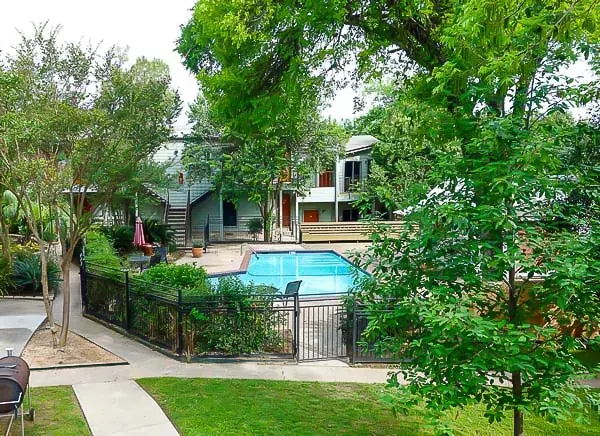
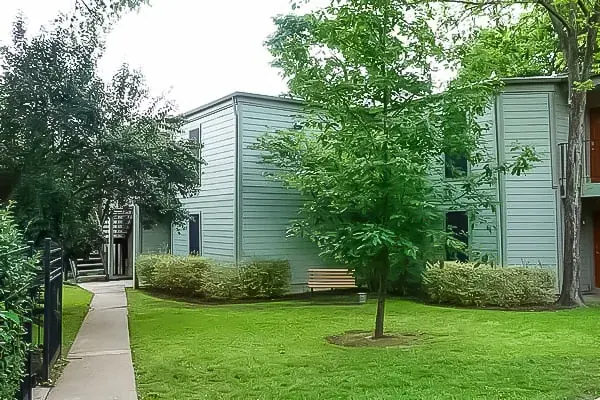
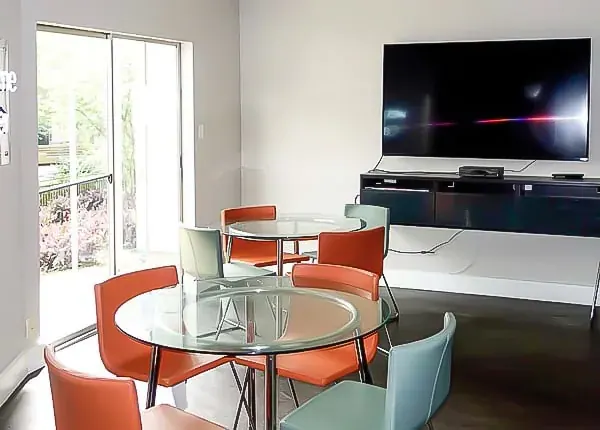
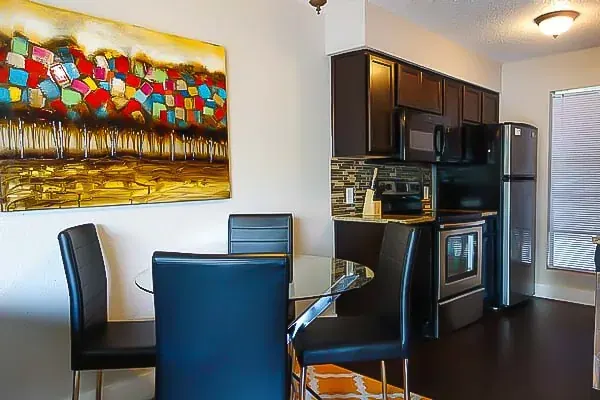
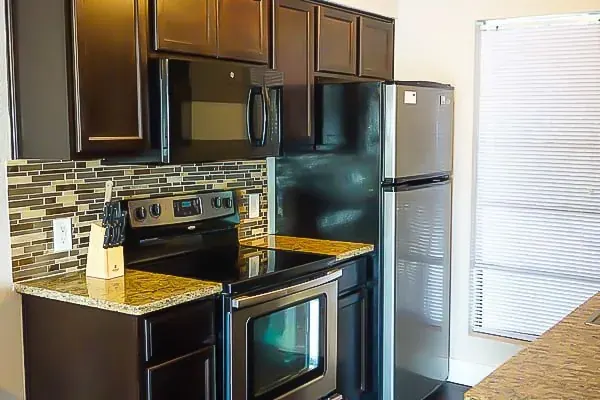
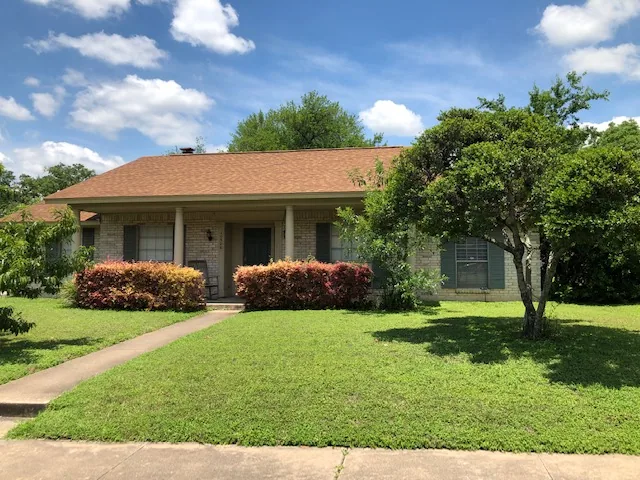
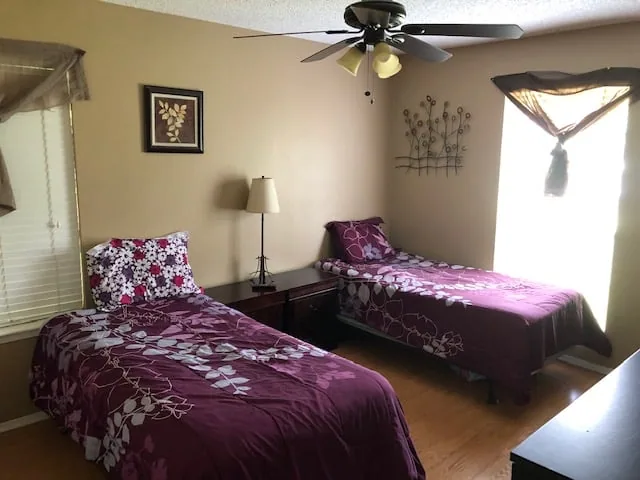
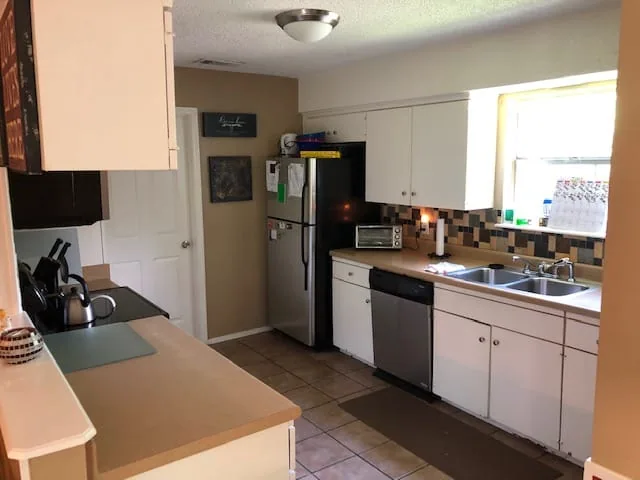
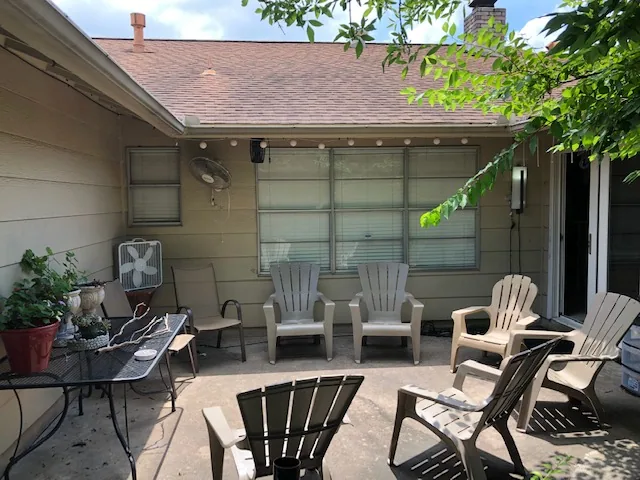
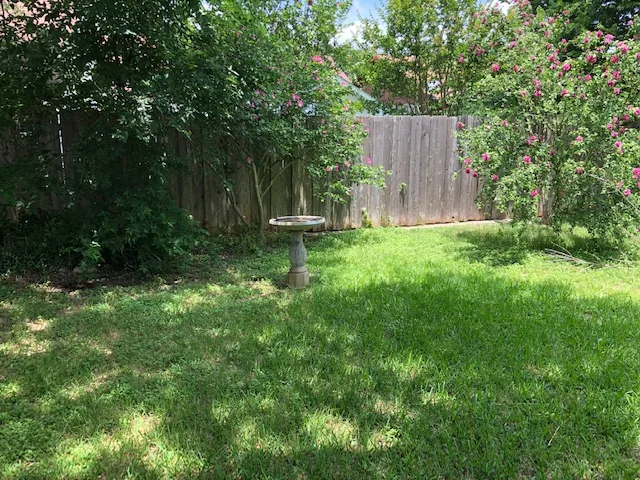
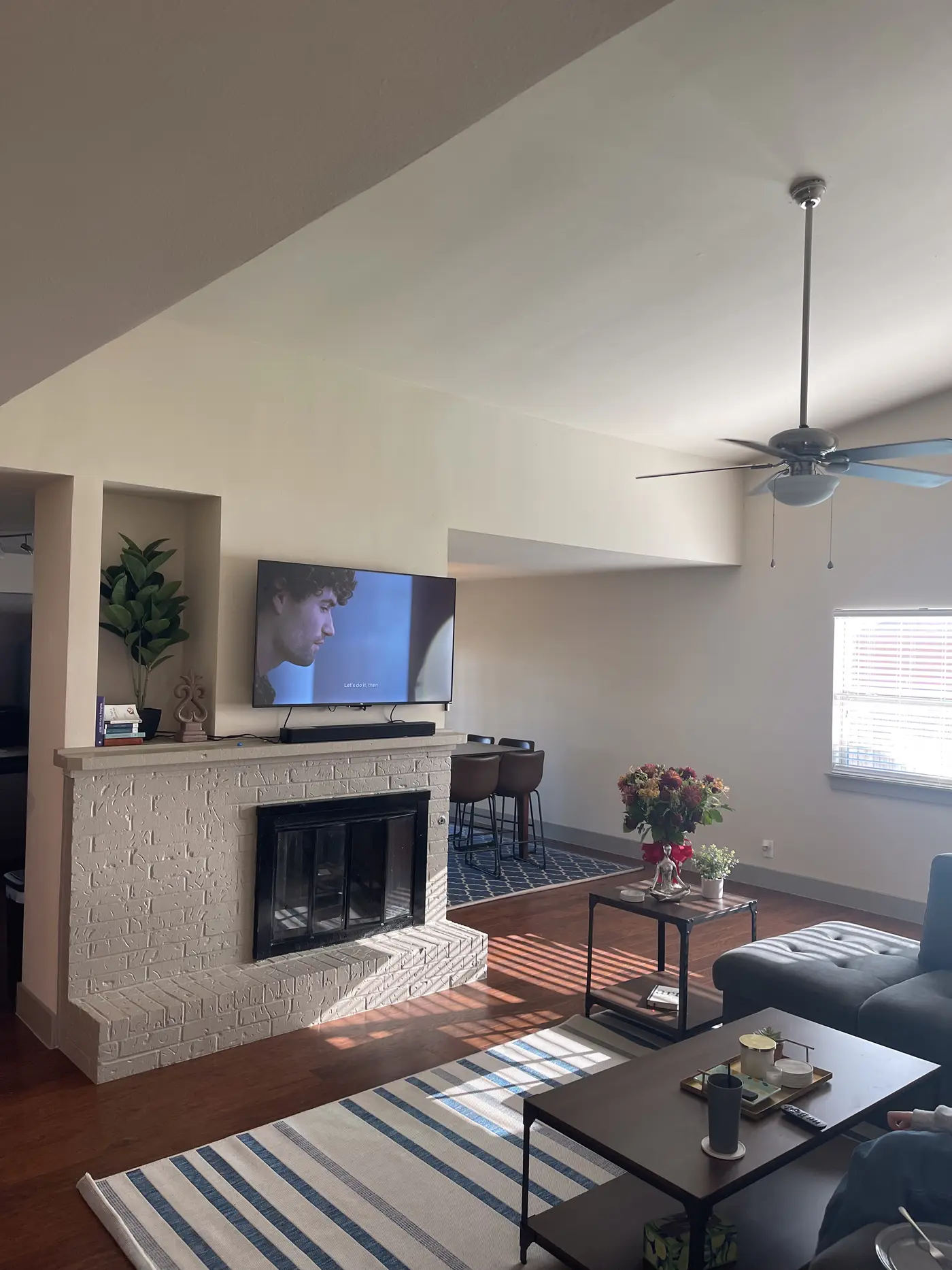
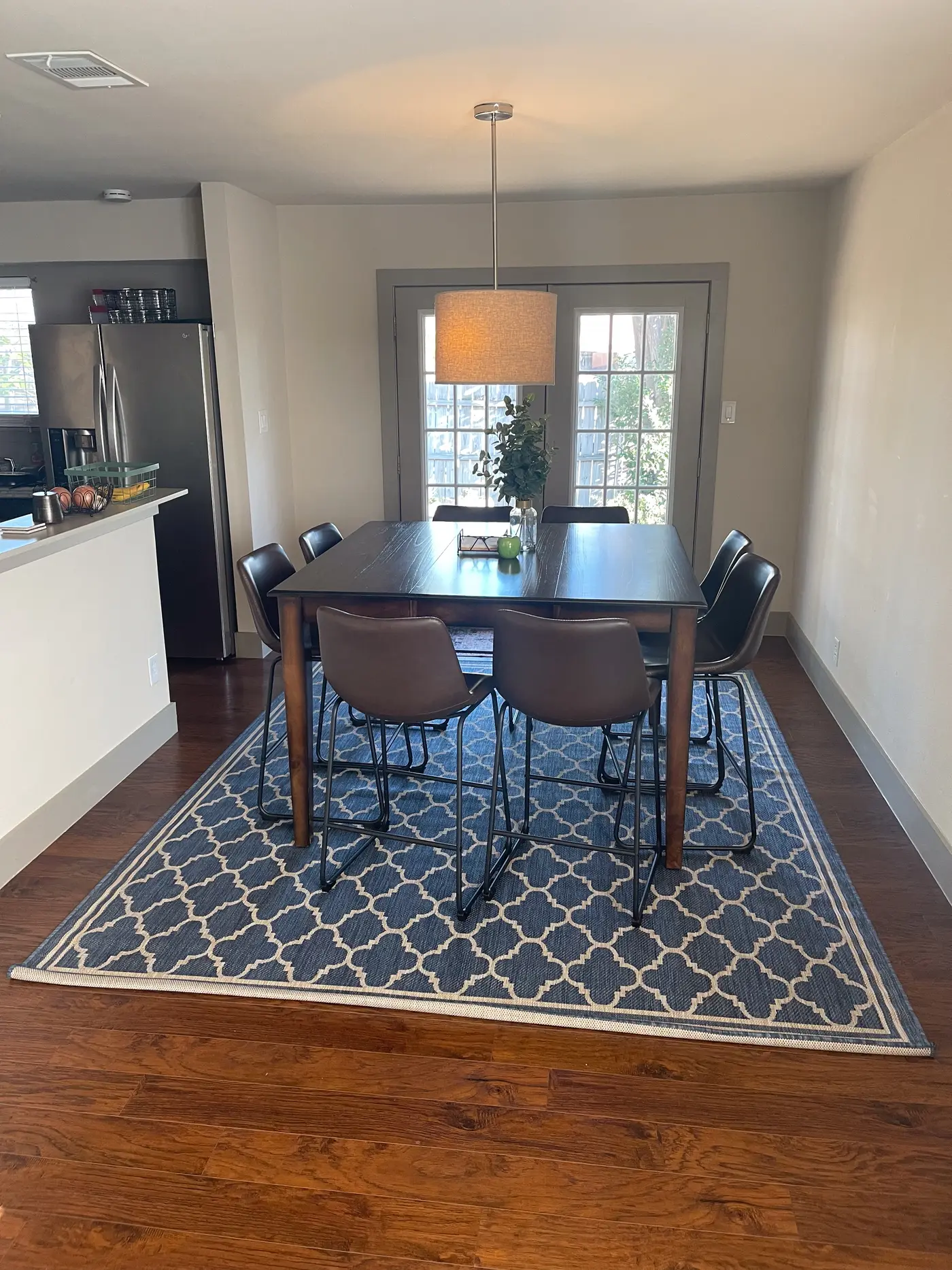
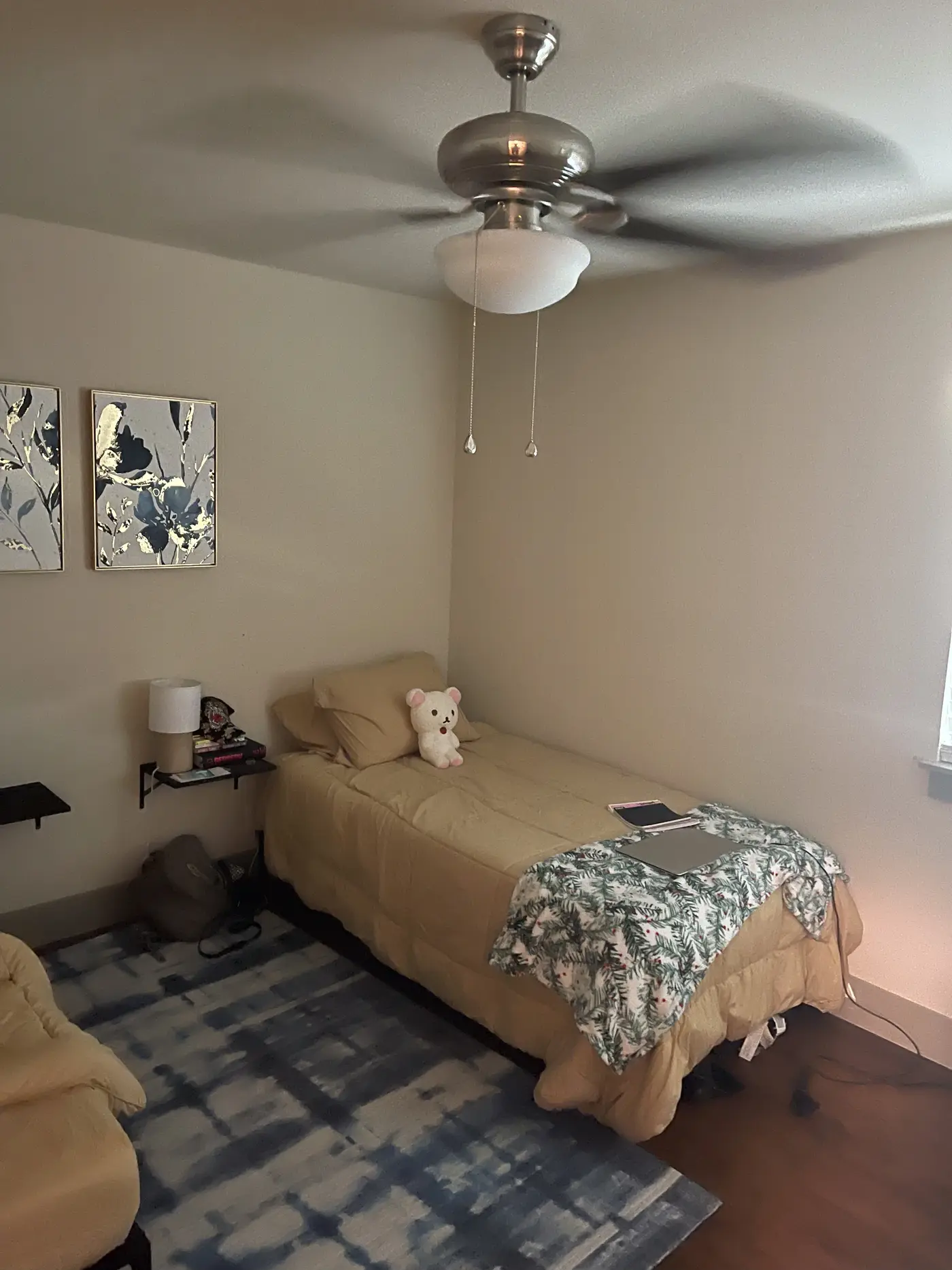
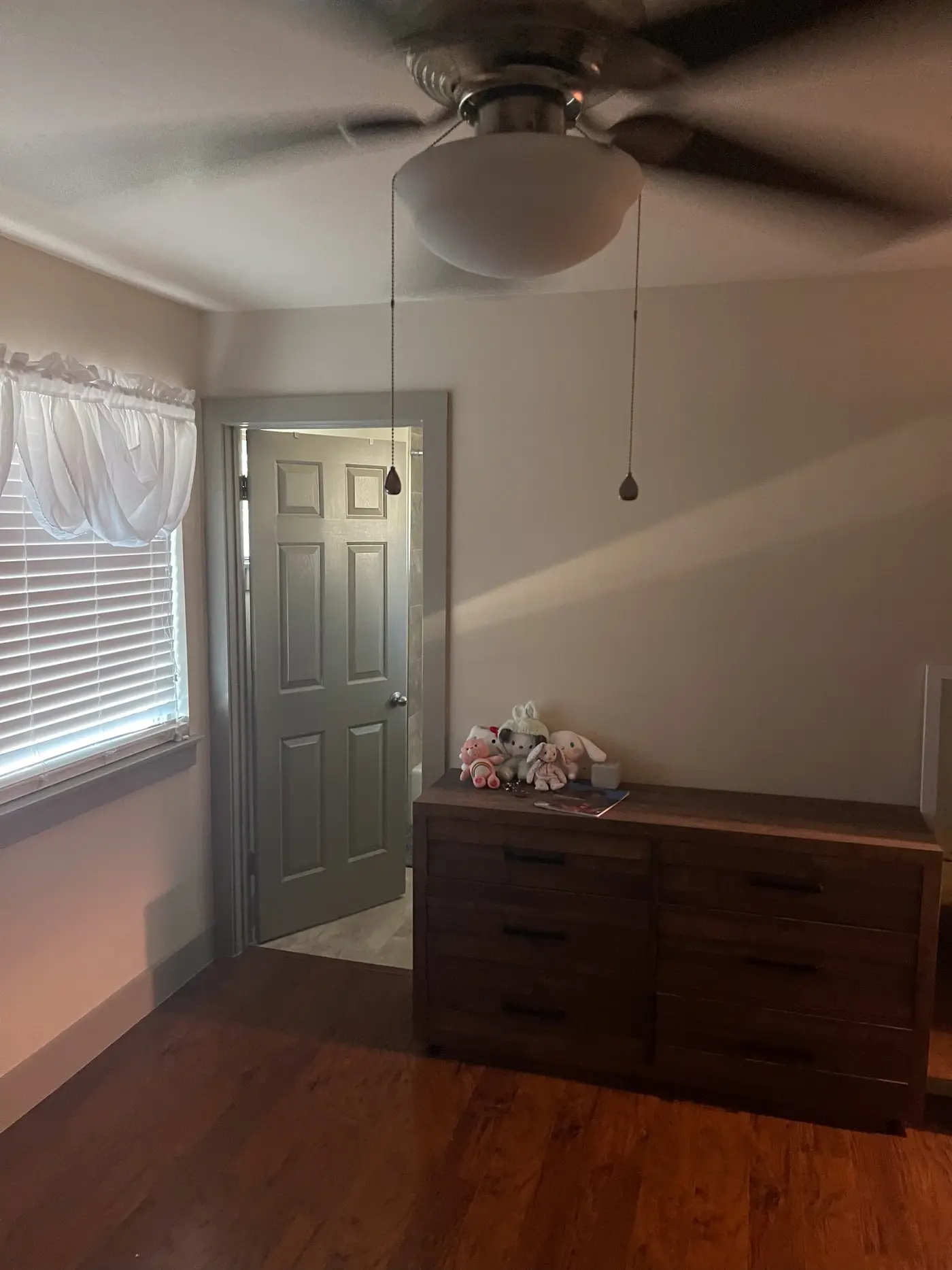
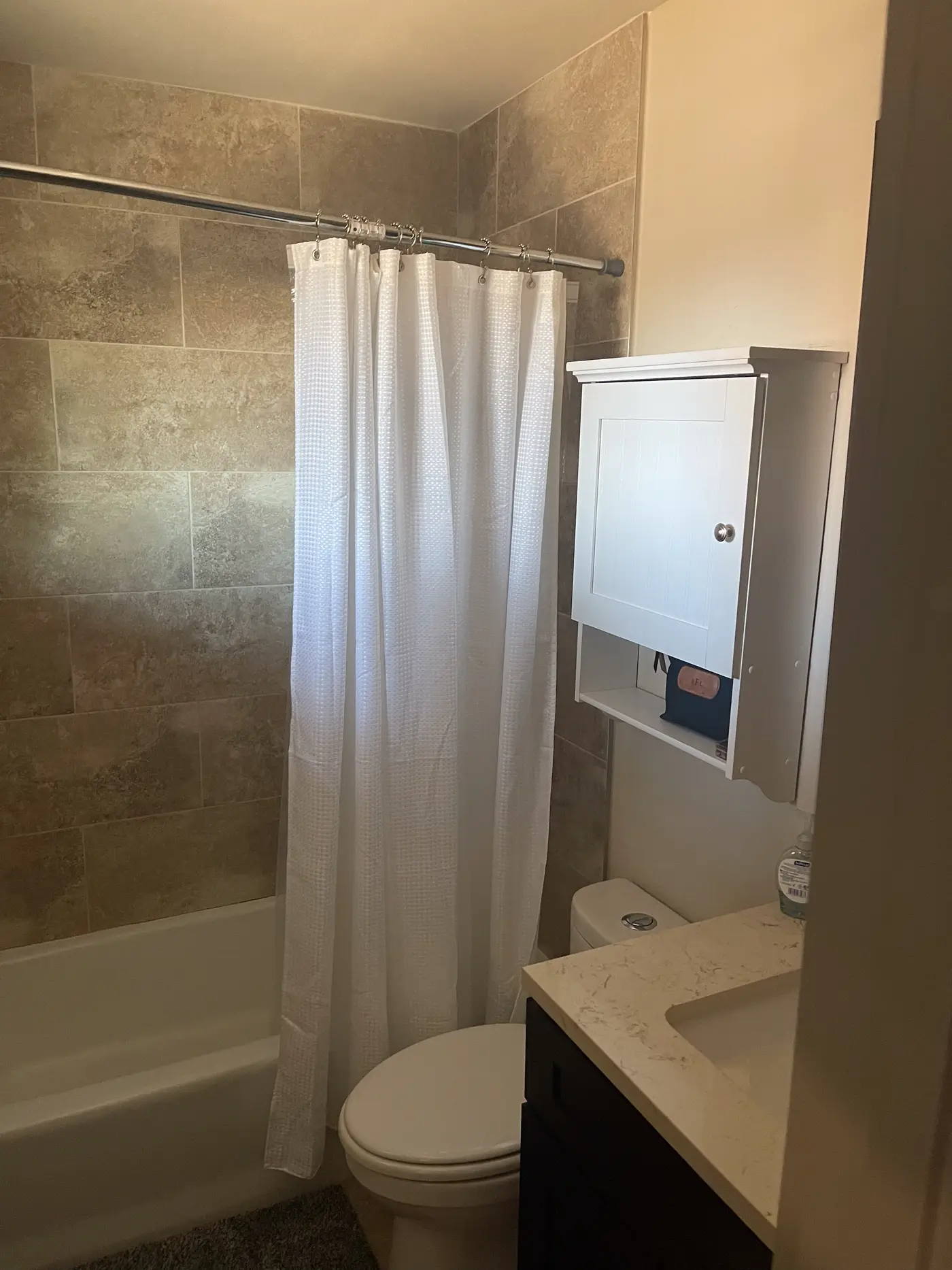
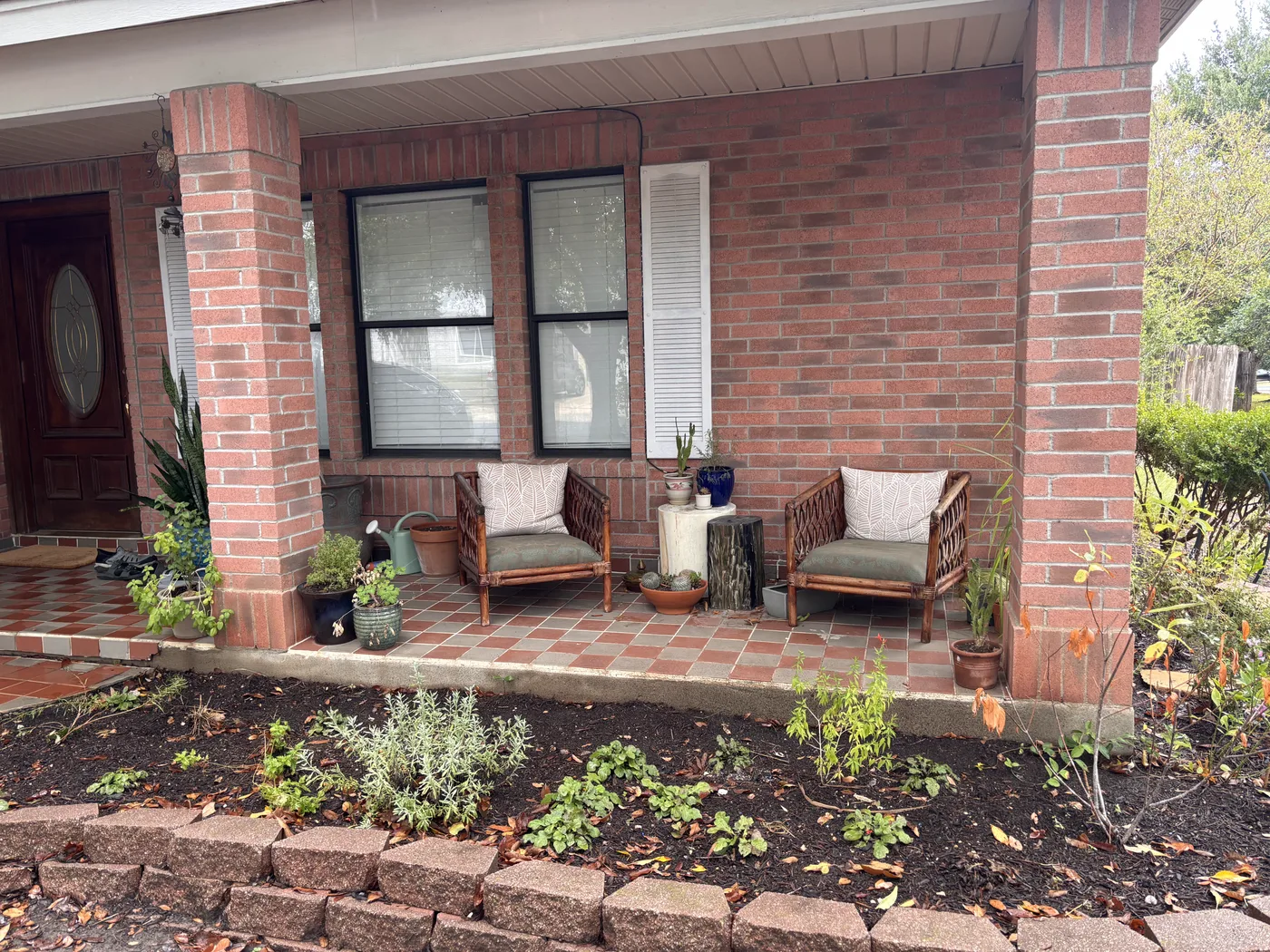
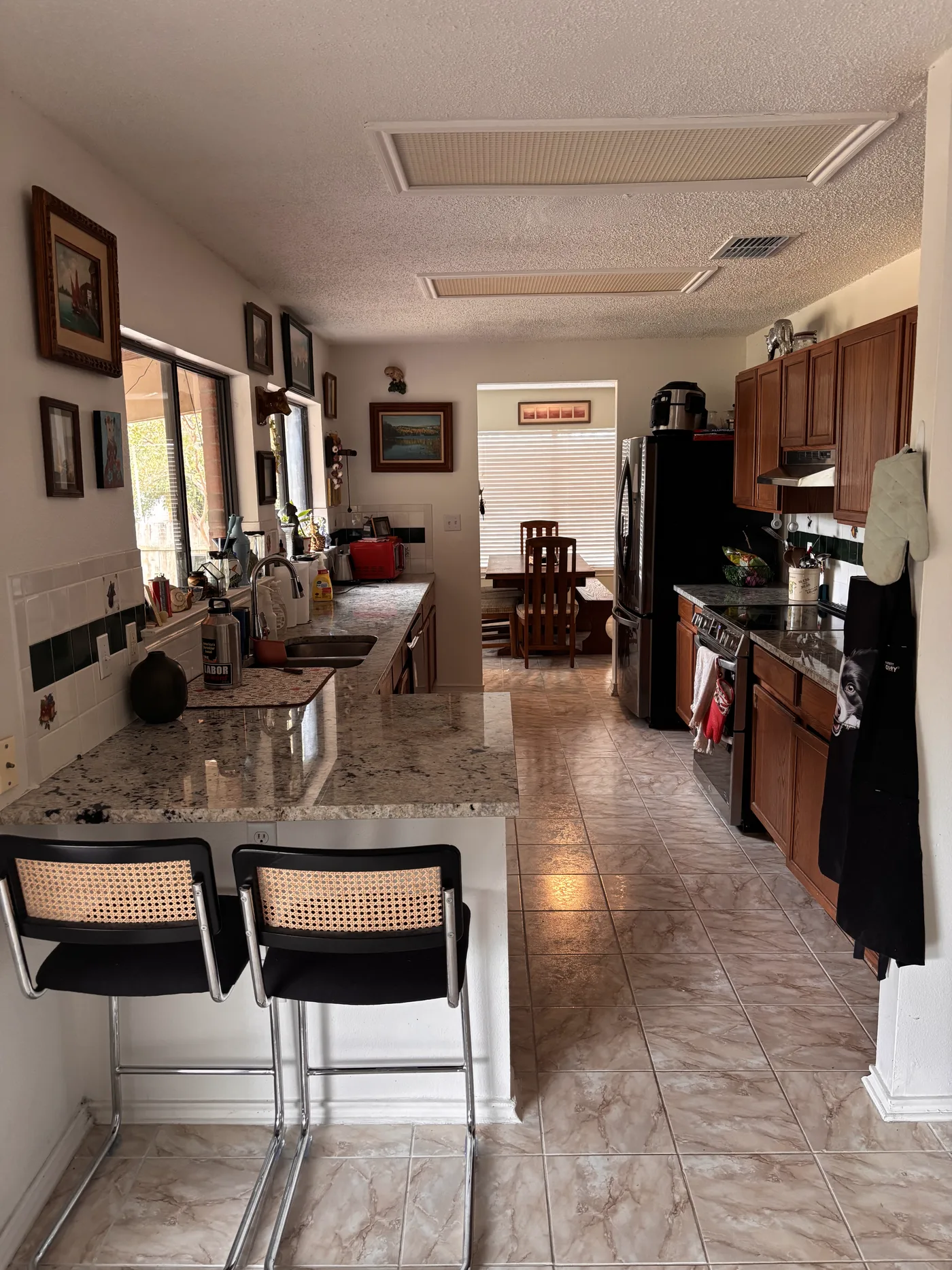
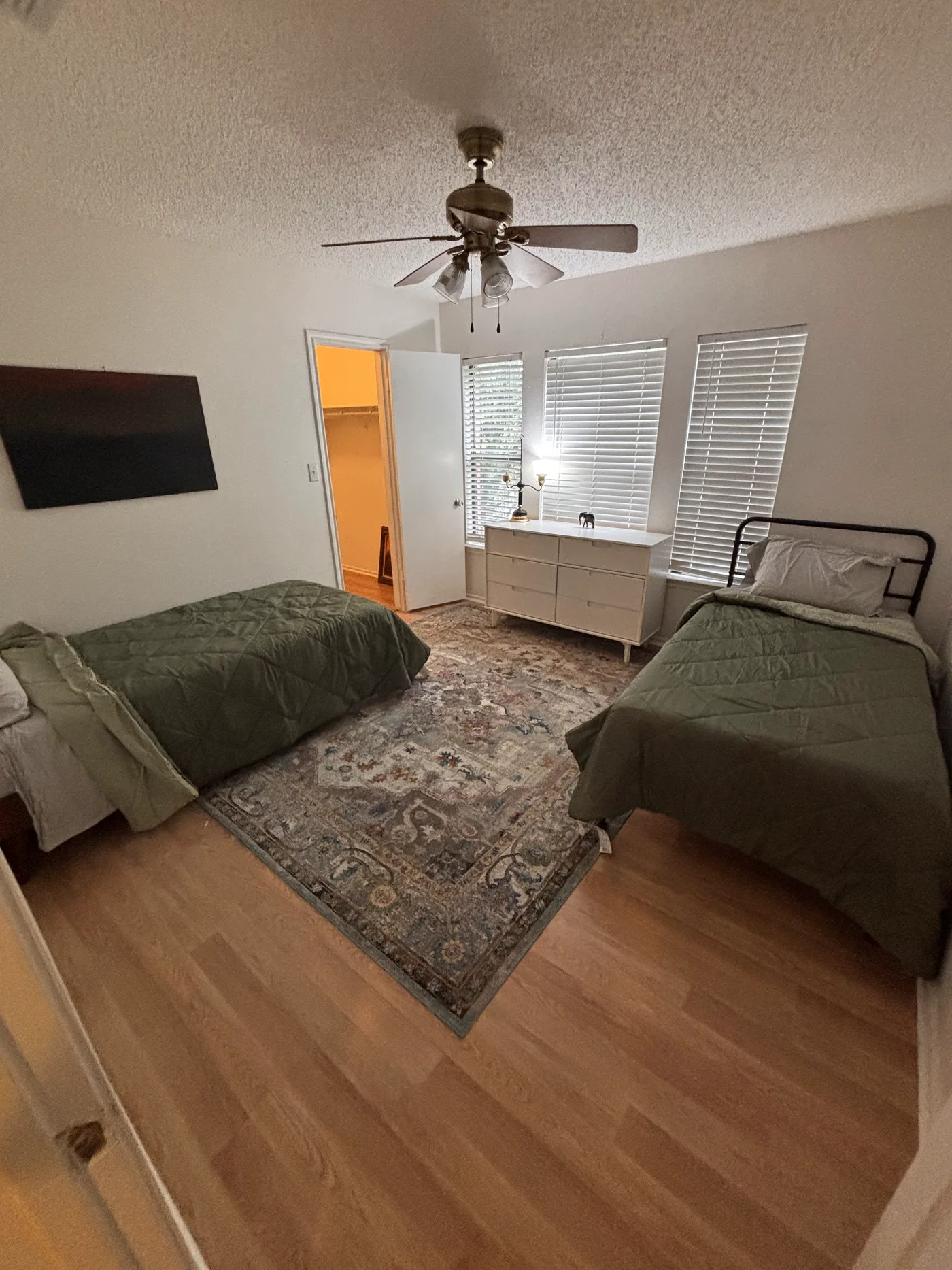
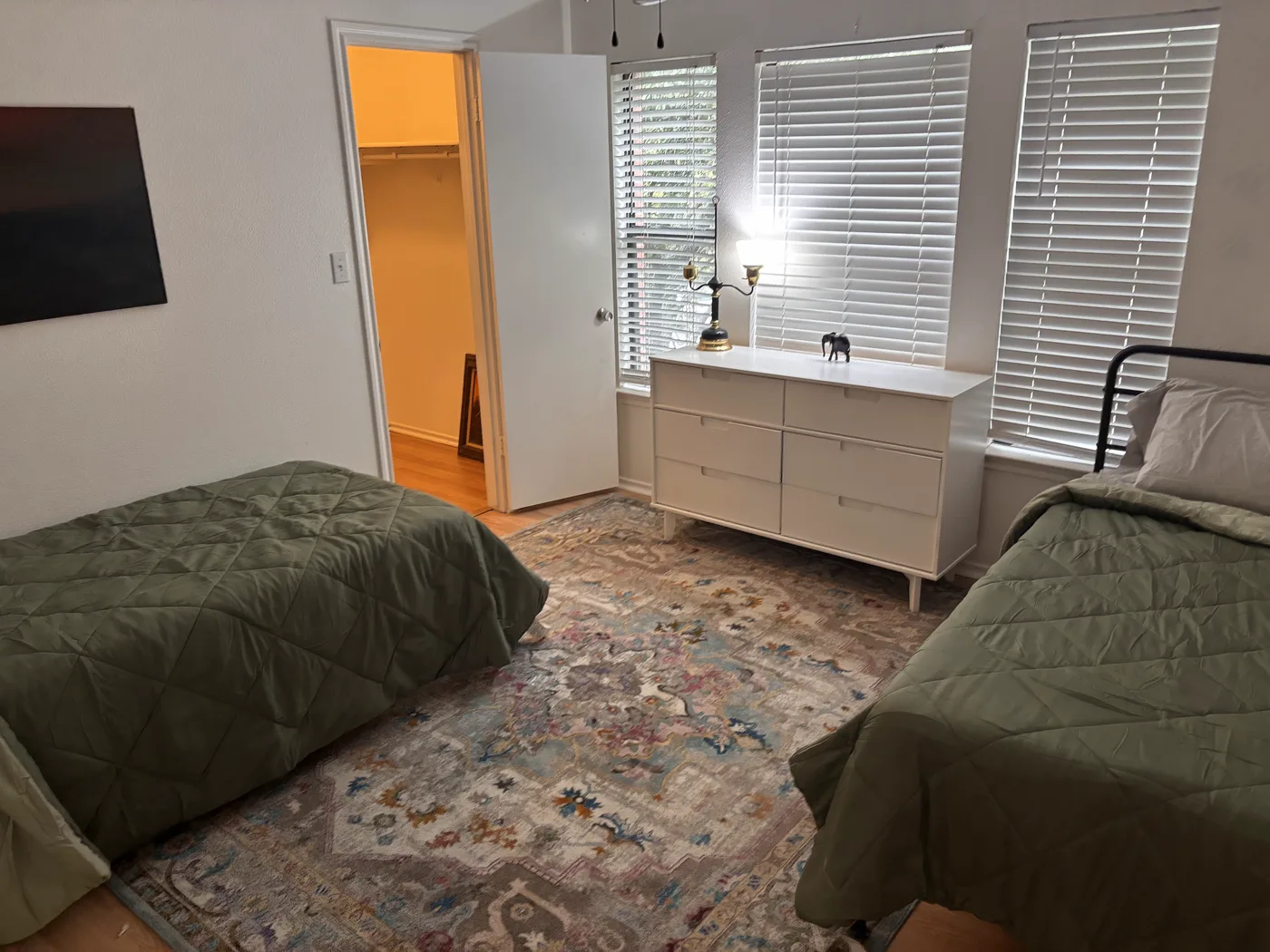
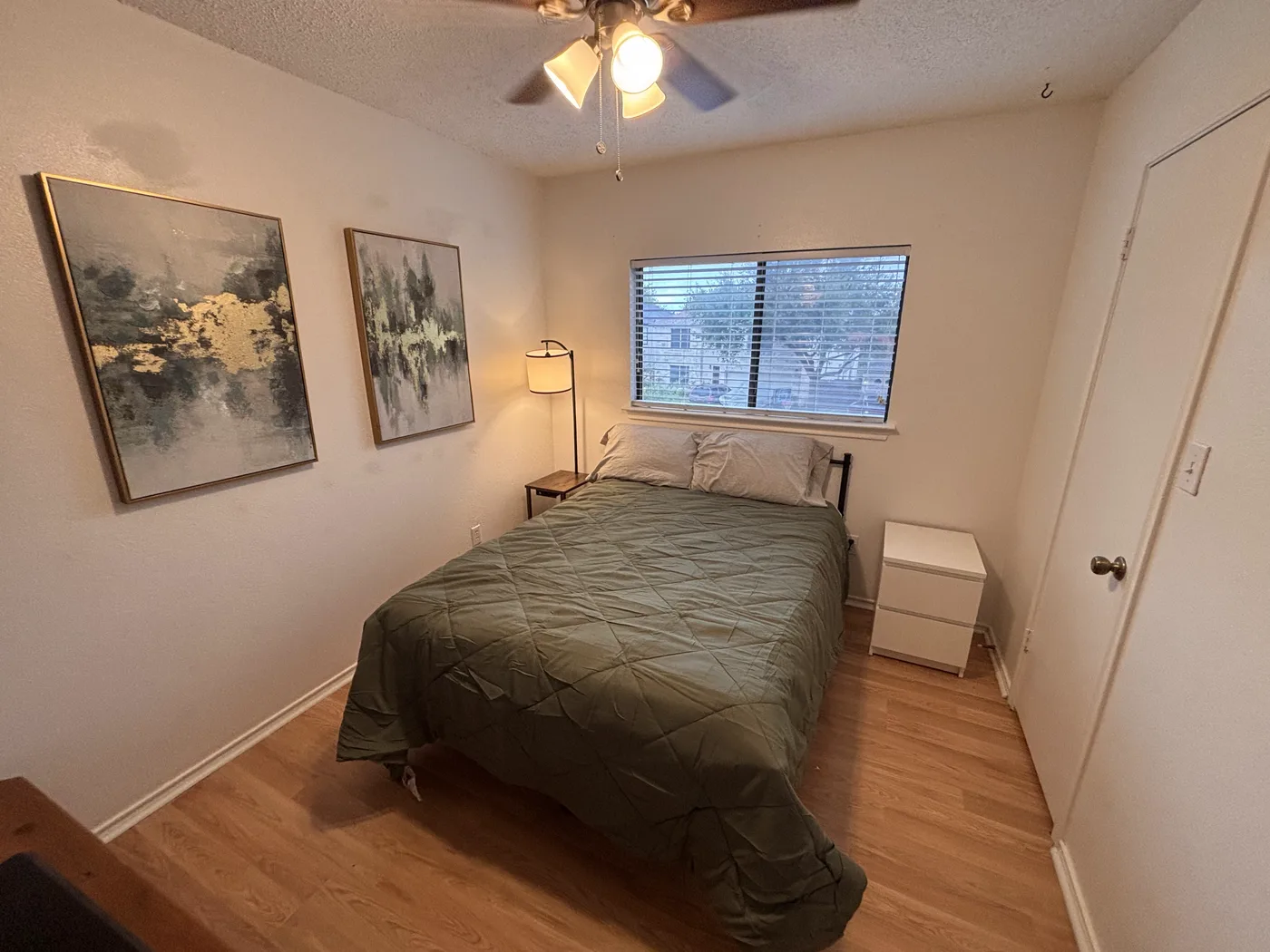
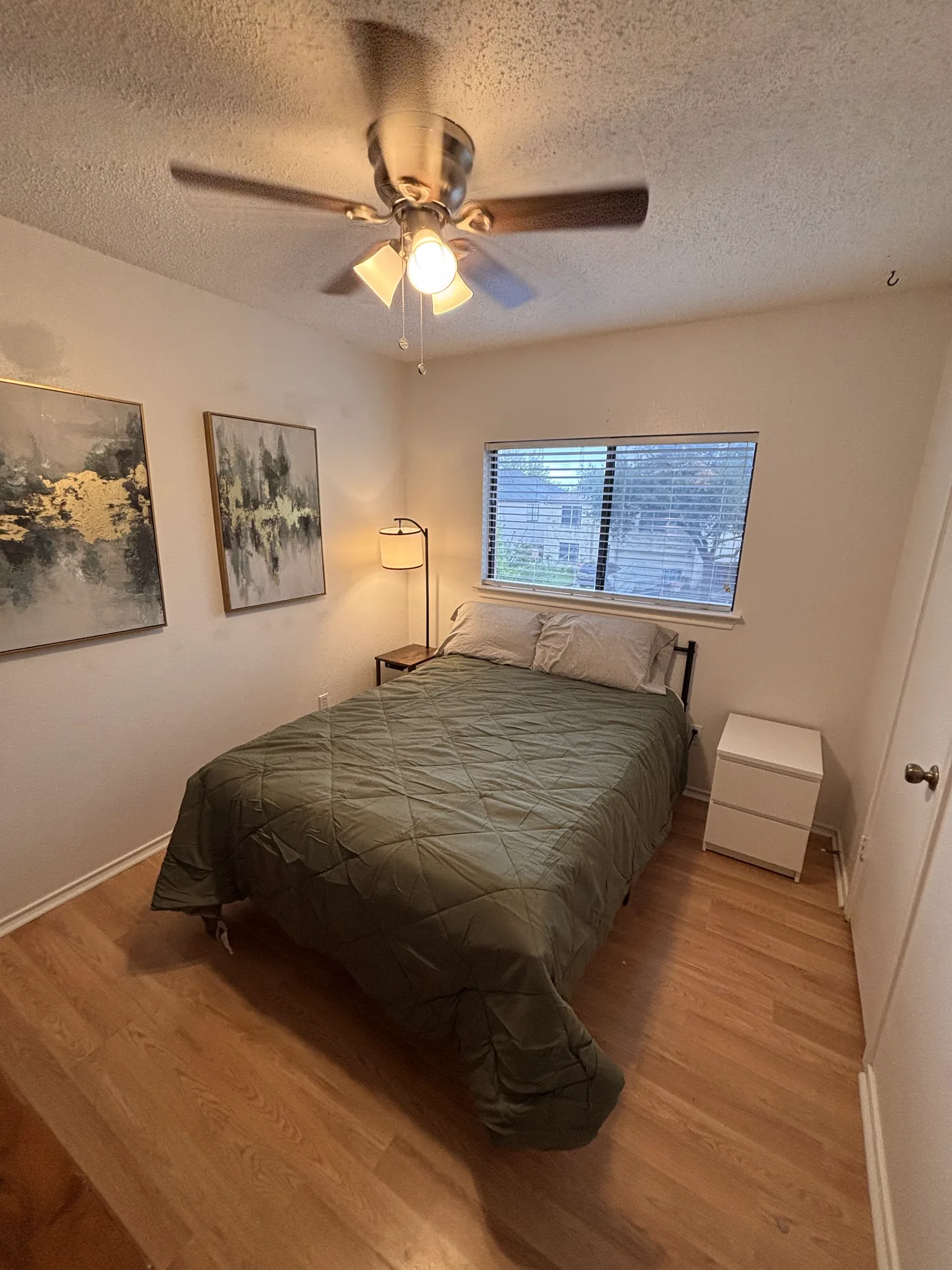
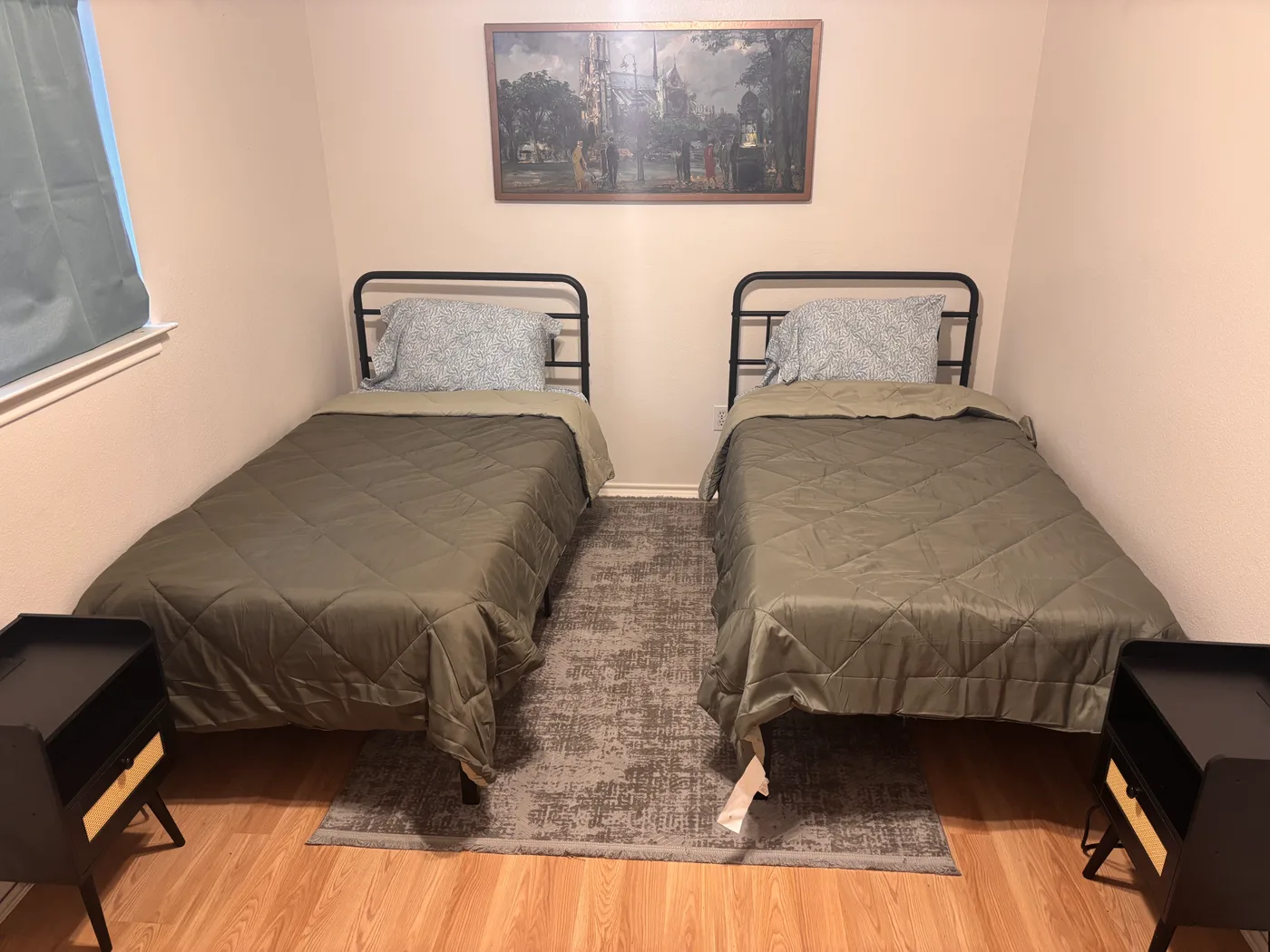
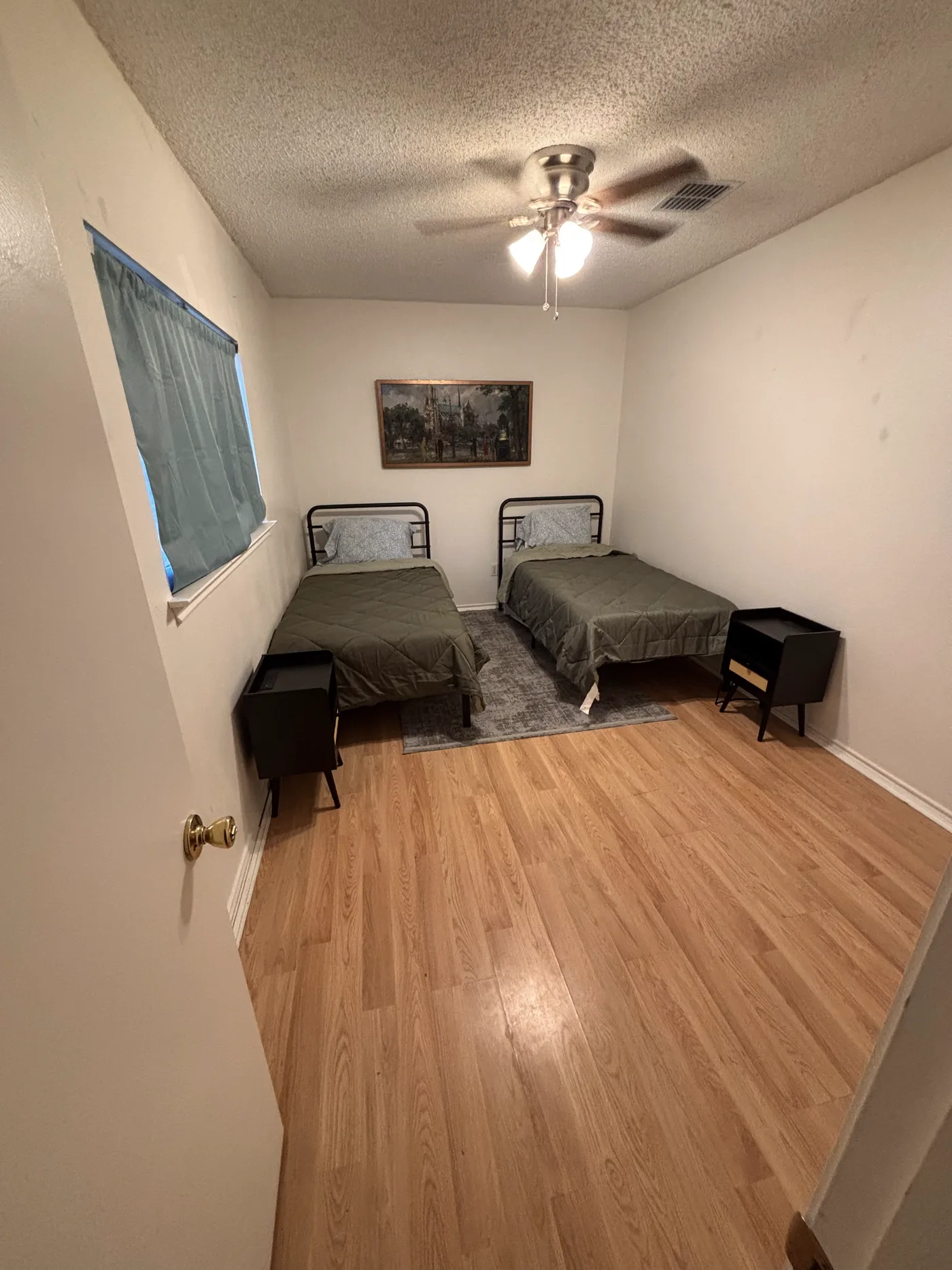
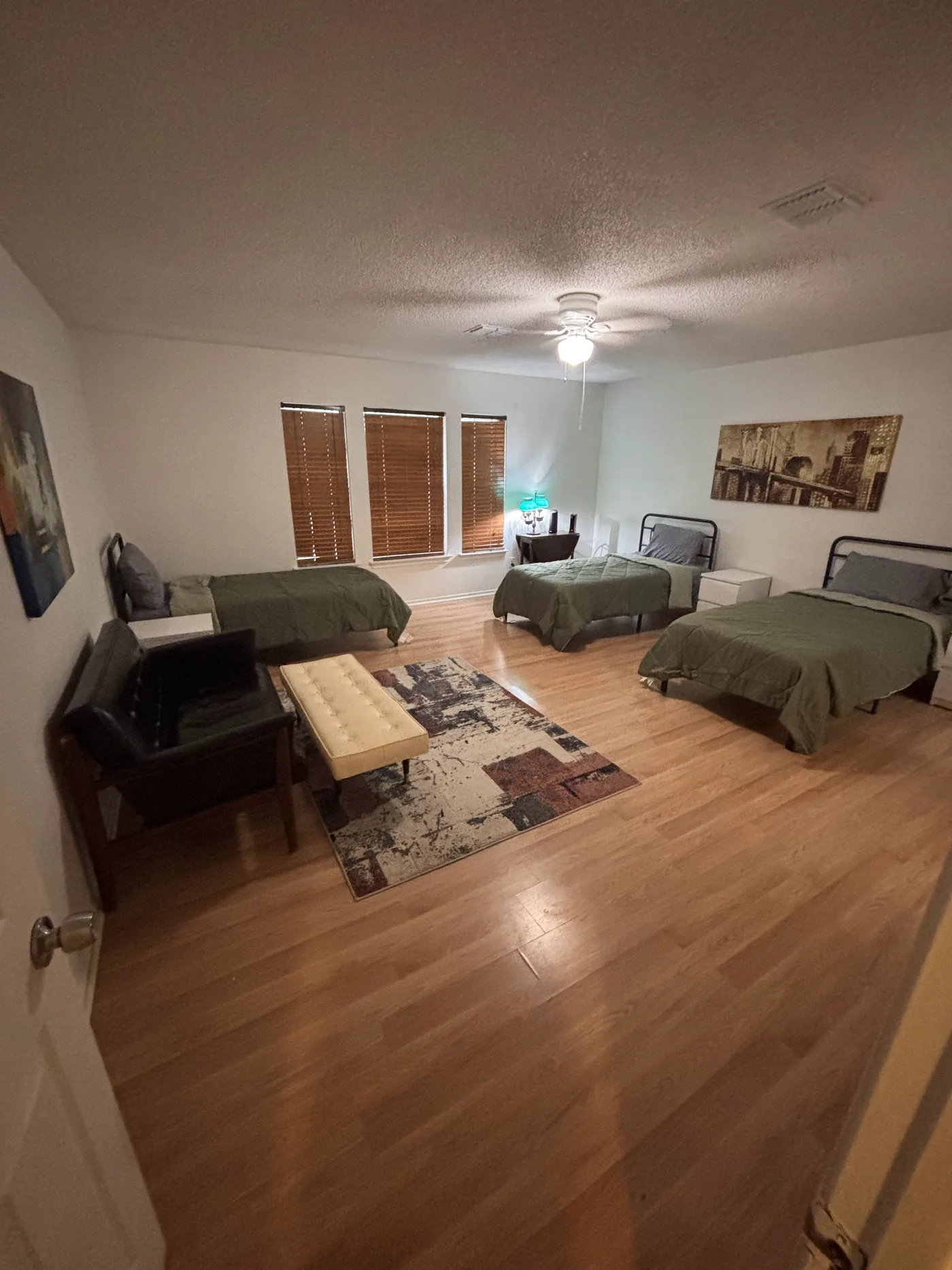
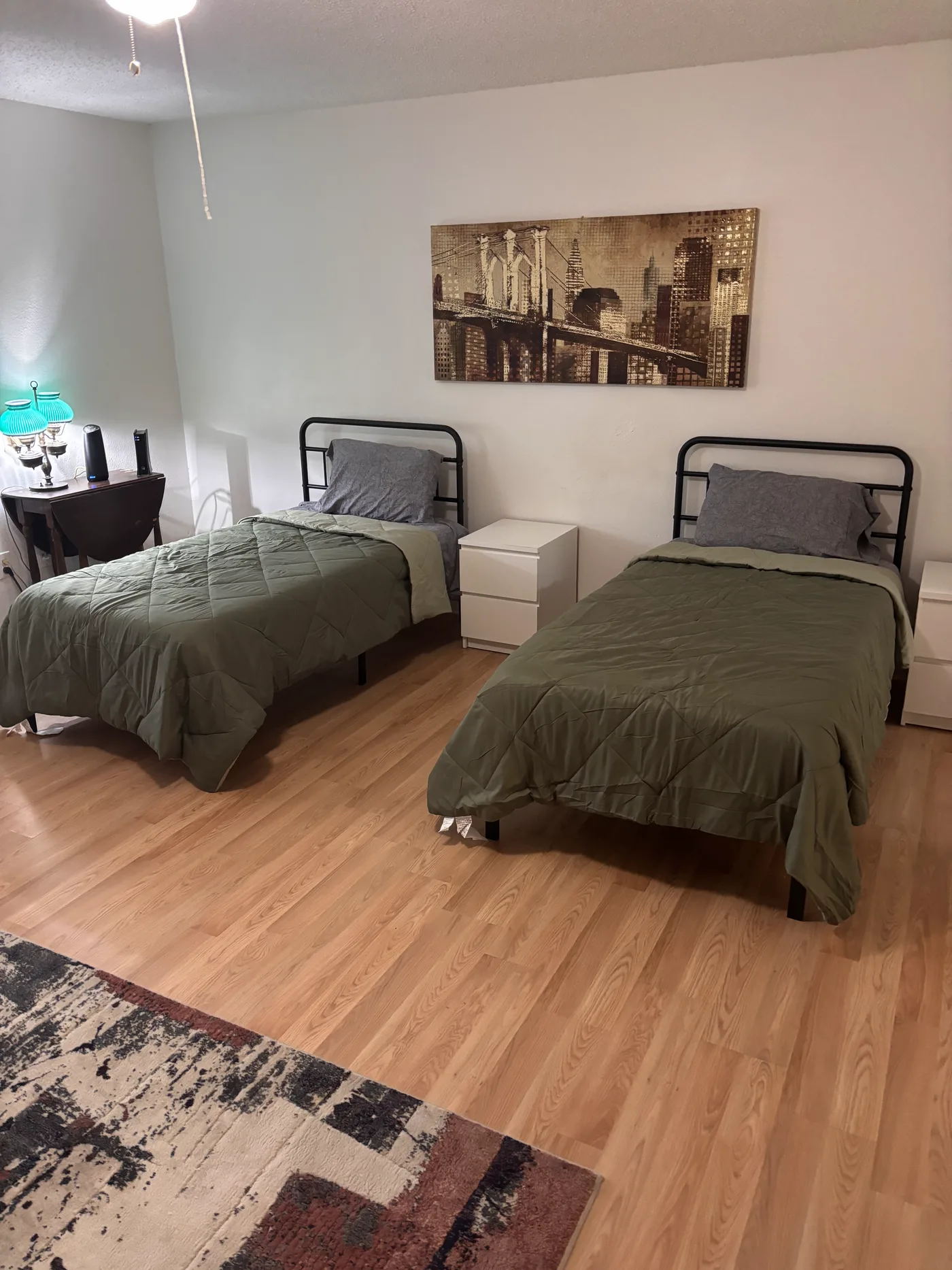
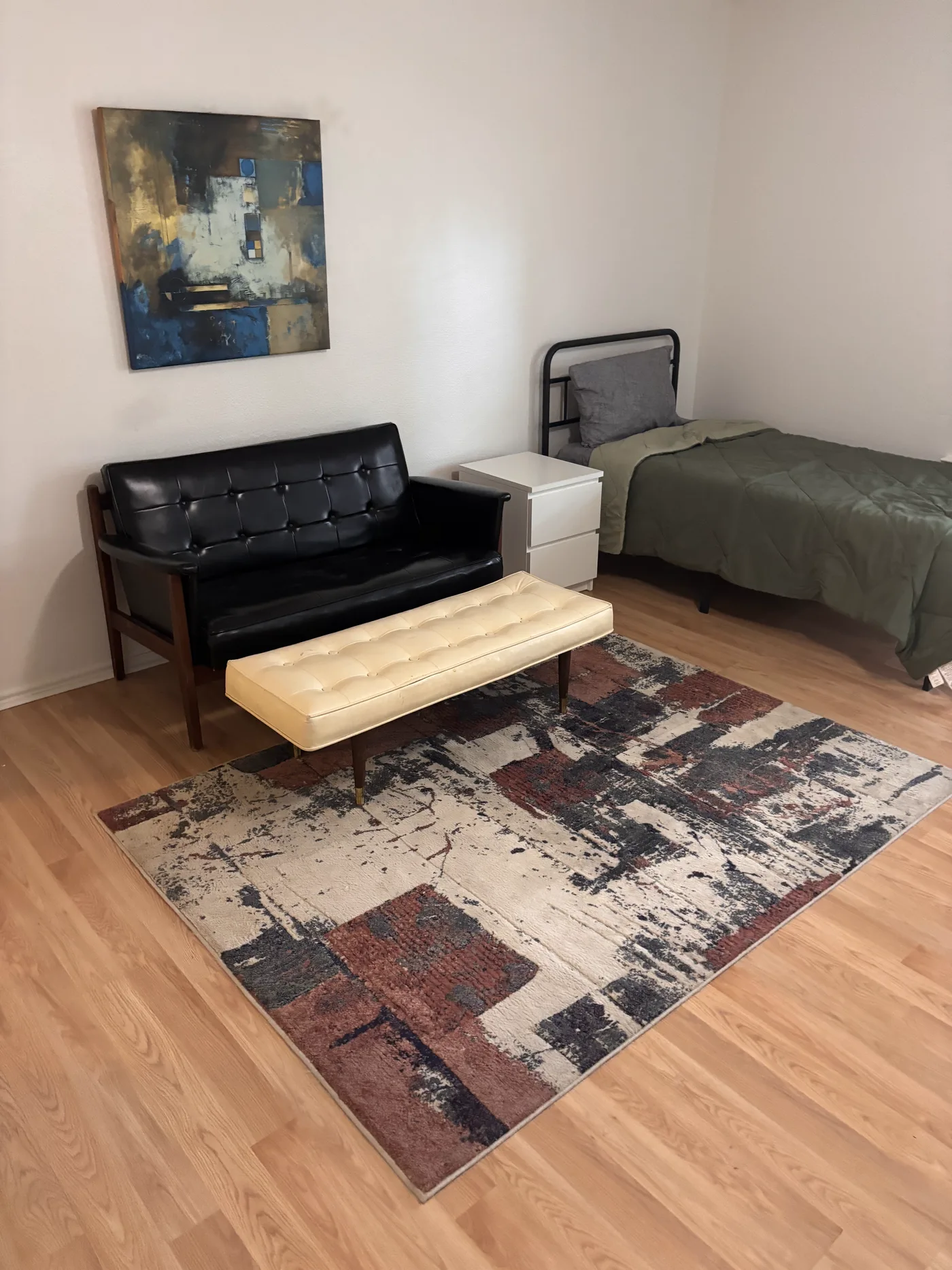
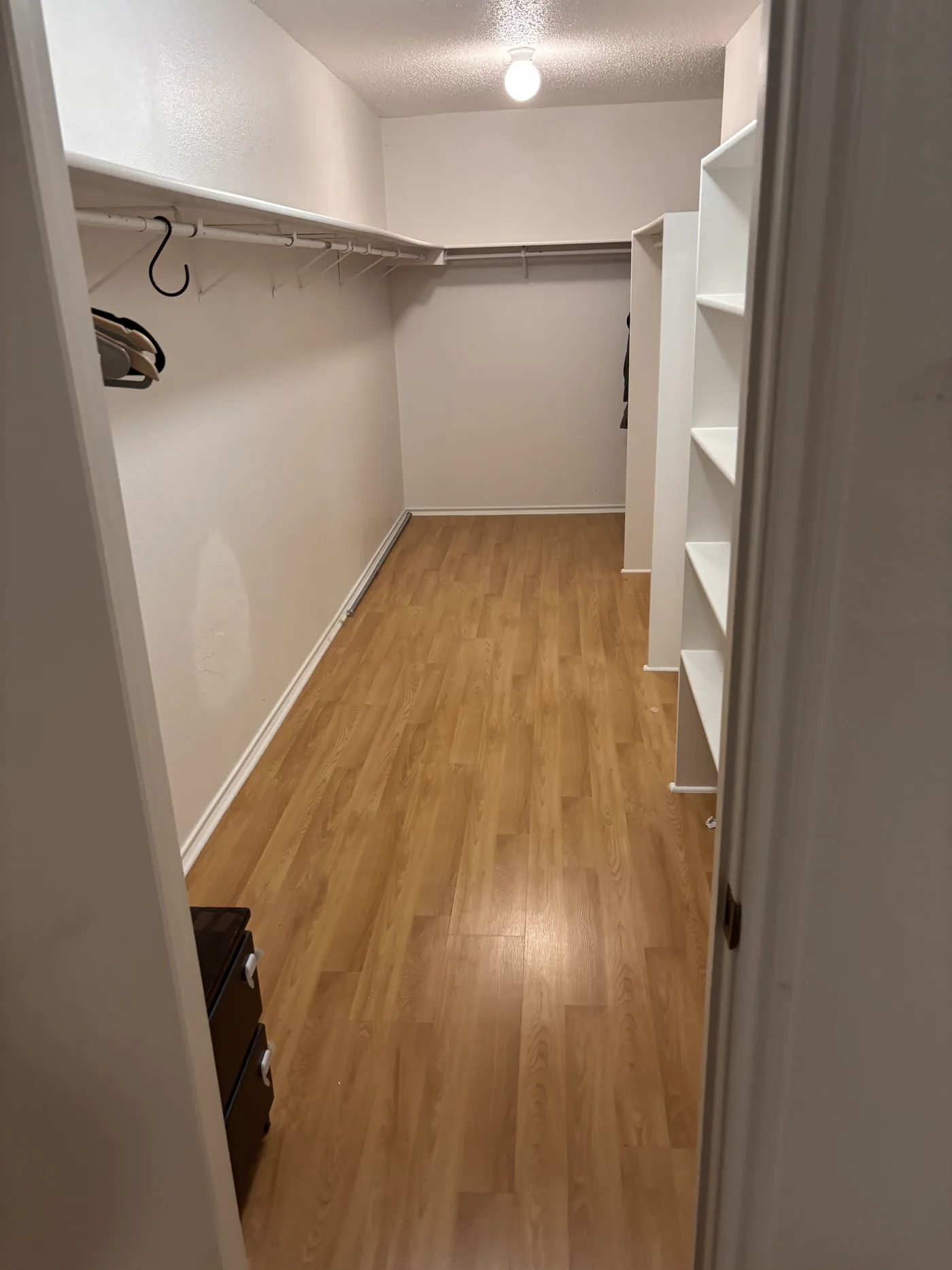
Inside the Austin homes



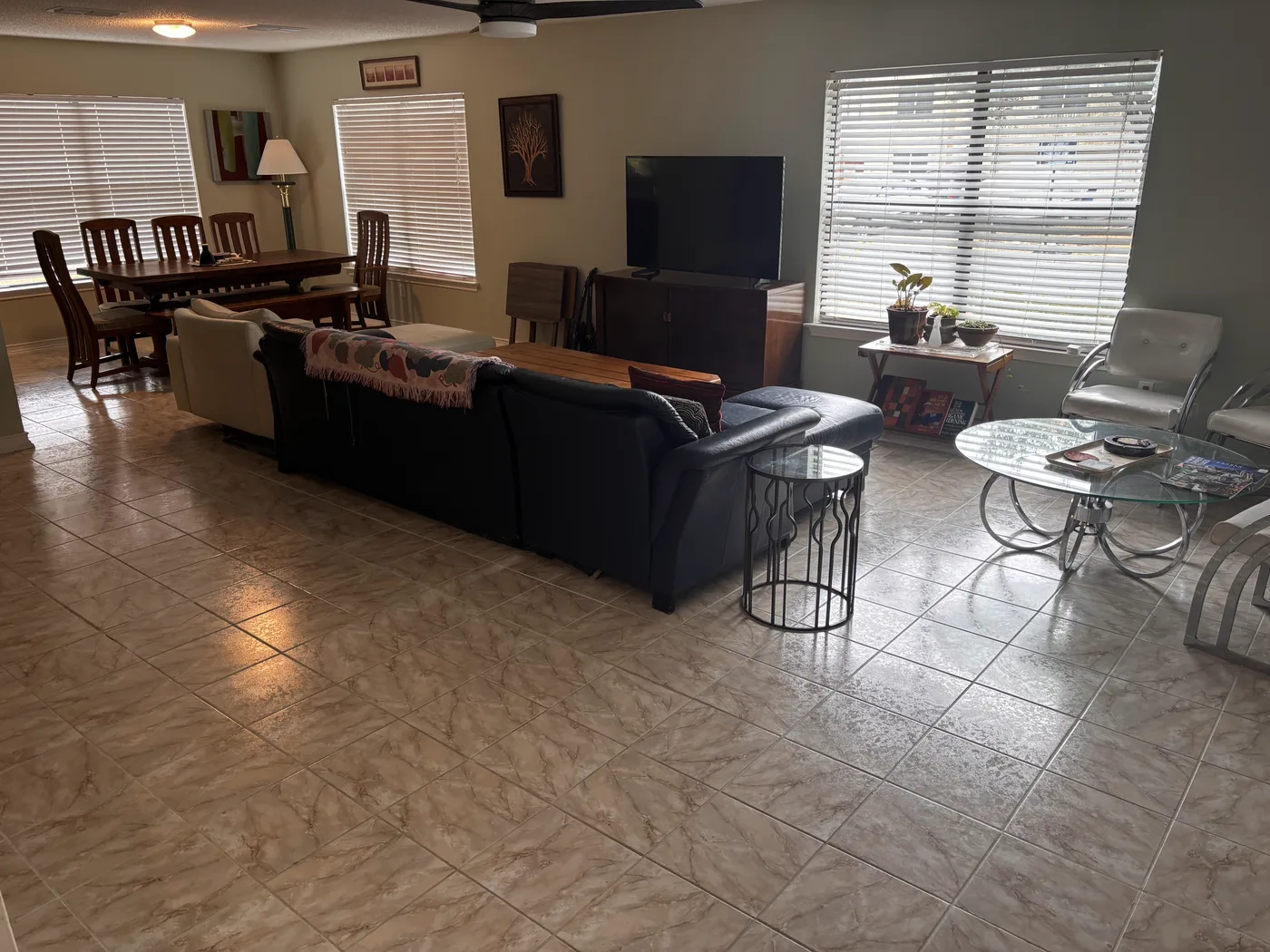
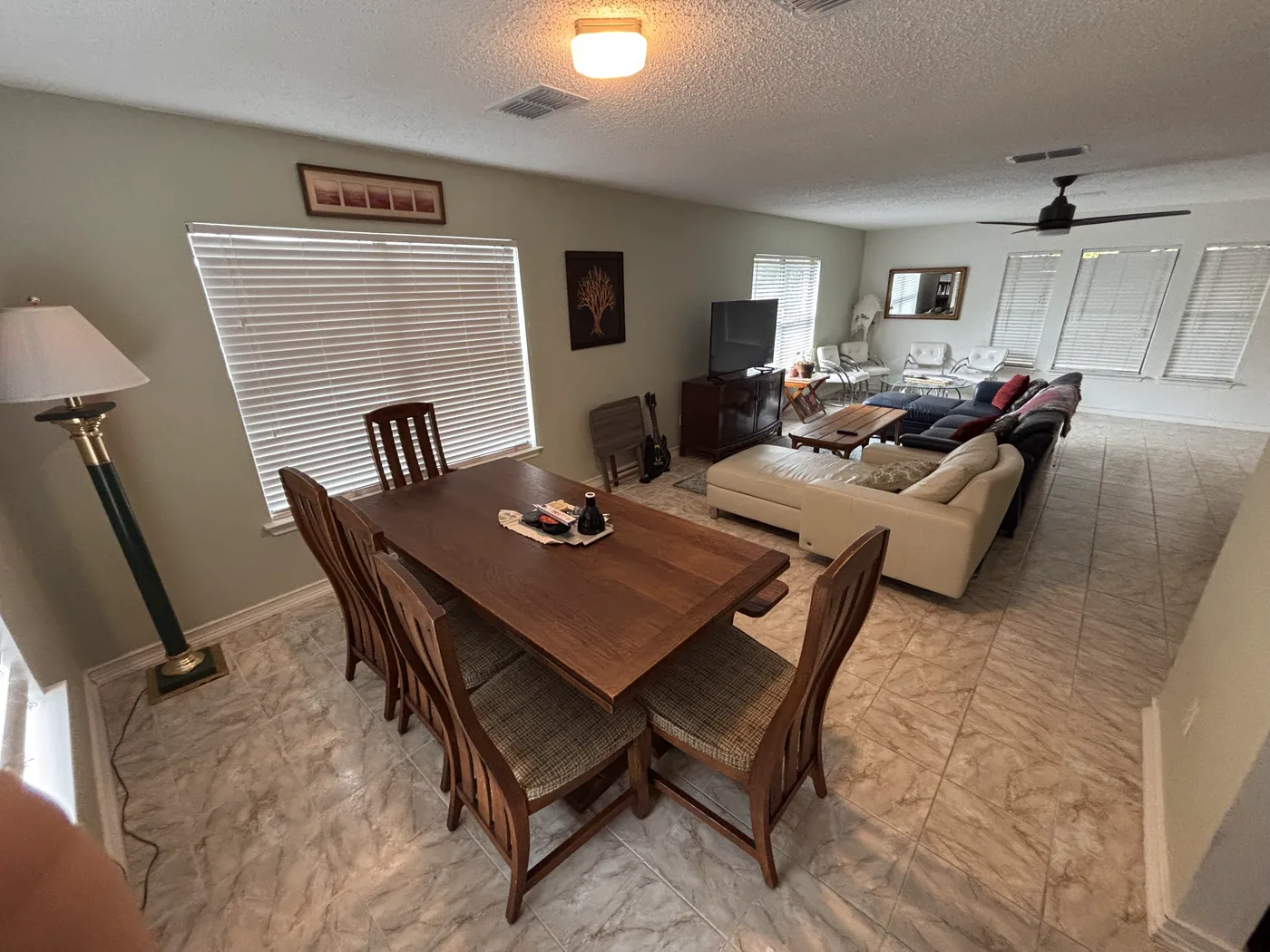
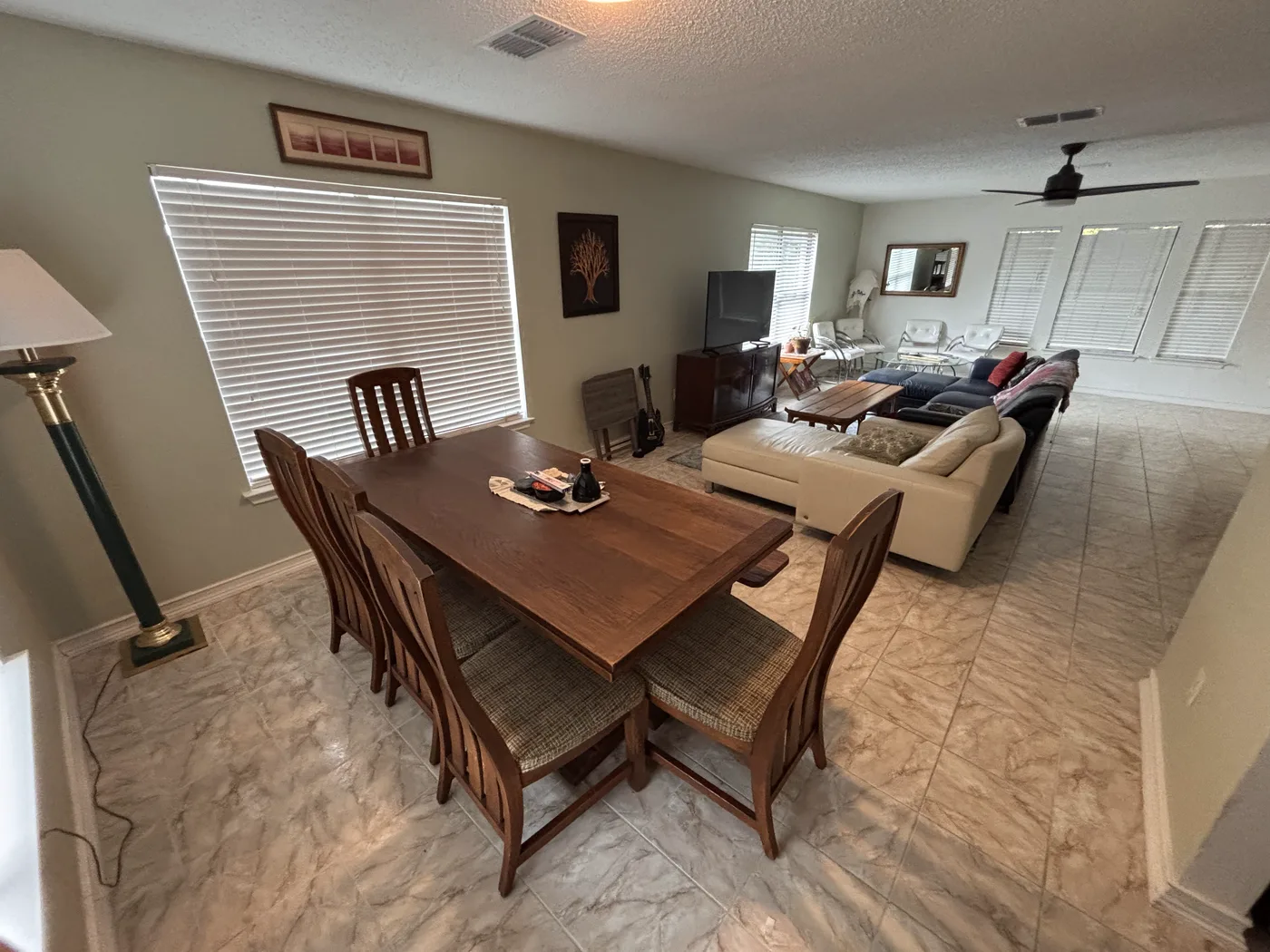
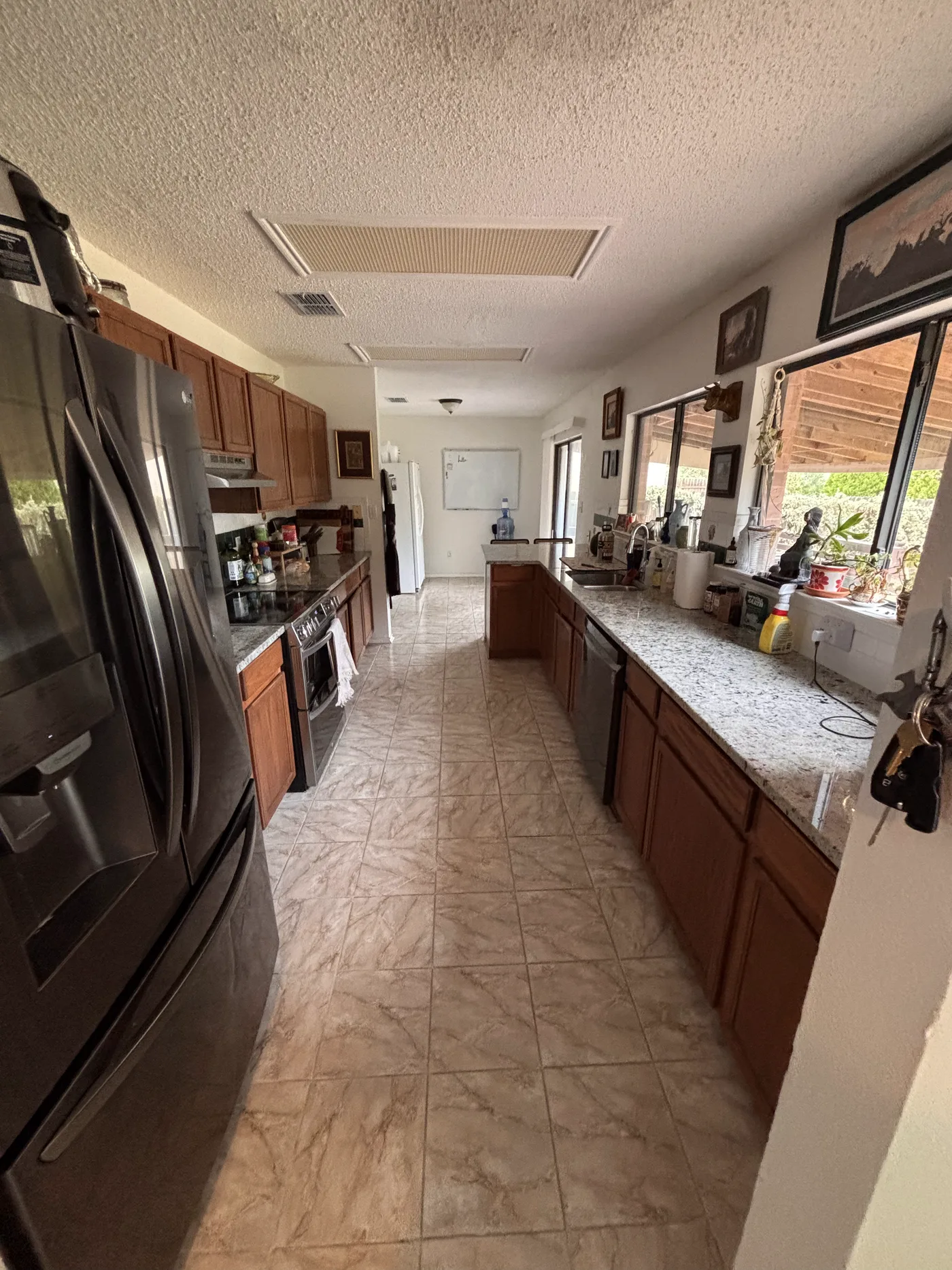
How to Evaluate Sober Living Homes in Austin Texas
Because quality varies, it is important to look closely at any sober living home Austin offers before moving in. For a checklist of standards, costs, and accreditation details, see our practical guide to men’s sober living in Austin.
Check standards and accreditation
- Look for TROHN (Texas Recovery Oriented Housing Network) certification or an Oxford House charter, which signal alignment with national recovery housing standards.
- Ask whether the home follows National Alliance for Recovery Residences (NARR) guidelines for recovery residences.
Review rules, costs, and services
Before committing, ask for:
- A written resident handbook with rules, testing policies, and consequences
- A clear breakdown of fees, deposits, and what is included (utilities, Wi‑Fi, transportation, amenities)
- Information about any required meetings, curfews, or employment expectations
Be cautious if a house:
- Cannot explain its rules in writing
- Has inconsistent testing
- Requires residents to work for the home without clear limits or pay
- Charges unusually high fees without explaining how they are used
Consider fit and location
Location can influence success:
- Proximity to work, school, or job‑hunting areas
- Access to bus routes or other transportation
- Distance to meetings, clinics, and other supports
Additionally, tour more than one Austin sober living home if possible, and talk with current residents about their experience.
Where Eudaimonia Sober Living Austin Texas Fits In
Eudaimonia Recovery Homes operates several sober living options in Austin, including men’s, women’s, and LGBTQ+ housing. Their Austin sober living model combines:
- Furnished apartments or homes in neighborhood settings
- Regular drug and alcohol testing
- Peer‑led support programming and a phased structure
- Links to IOP, employment support, and education planning through partner services
Furthermore, residents can usually stay as long as they meet house expectations and continue progressing in their recovery plan. This extended timeline aligns with research showing that longer stays in stable, sober housing are related to better long‑term outcomes.
Mentioning Eudaimonia does not mean it is the only effective option. It is one example of how structured sober living home Austin programs can be built around accountability, community, and flexible length of stay.
For details about apartment layouts, pricing, and program structure, explore our men’s sober living in Austin, Texas community.
Women who need a gender‑specific environment can review locations, amenities, and support on our women’s sober living homes in Austin page.
Limitations and Risks to Keep in Mind
Even high‑quality sober living homes have limits.
- Not a replacement for treatment. Sober living is housing, not detox or inpatient rehab. People with severe withdrawal risks or complex psychiatric needs usually require clinical care first.
- No guarantee of sobriety. Relapse can still occur, especially if residents disengage from meetings, therapy, or house rules.
- Variable oversight. Some homes are peer‑run with minimal staff; others are professionally managed. Residents should be comfortable with the level of structure provided.
- Cost and access barriers. Rent and fees are typically paid by residents; insurance rarely covers housing itself, though it may cover outpatient care.
Success depends on a mix of factors: the quality of the home, the fit for the individual, the strength of ongoing treatment, and the person’s own willingness to engage.
Medical Disclaimer
The information on this page is for educational purposes only and is not a substitute for professional medical, mental health, or addiction treatment advice, diagnosis, or care.
Decisions about detox, residential treatment, outpatient services, medications, or sober living homes should always be made in consultation with a qualified healthcare or addiction treatment provider.
Never start, stop, or change any medication, substance use, or treatment plan without first speaking with your doctor or licensed clinician.
If you are experiencing a medical emergency, severe withdrawal symptoms, thoughts of self-harm, or concern for your safety or the safety of others, call 911 in the United States or seek immediate emergency care.
For confidential emotional and mental health support, you can dial 988 to reach the Suicide & Crisis Lifeline, available 24 hours a day.
Select Our 10506 Parkfield Dr, Austin, TX Location
Select LocationVisit Our 9415 Quail Meadow Dr, Austin, TX Location
Select LocationChoose Our 7211 Northeast Dr, Austin, TX Location
Select LocationEudaimonia's Success Stories – Real People, Real Freedom
How Eudaimonia Recovery Homes Support Successful Sober Living in Austin Texas
Eudaimonia Recovery Homes can help answer the question of how successful sober living homes in Austin Texas can be by offering structured, recovery‑focused housing that bridges treatment and independent living. In its Eudaimonia sober living Austin Texas properties, residents follow clear house rules, curfews, and testing policies that limit exposure to alcohol and drugs while still allowing them to work or attend school.
The homes use a phased approach so residents can gradually take on more responsibility as they show stability and consistent engagement in recovery activities. Peer support through house meetings and recovery‑oriented groups helps residents build connections with others pursuing similar goals. Eudaimonia Recovery Homes also connect residents with outpatient treatment, employment or education resources, and local recovery meetings, which can strengthen long‑term outcomes.
Staff members monitor safety, follow through on rules, and provide feedback, which may help residents notice early warning signs of relapse and adjust their plans. Neighborhood locations give residents a chance to practice daily life skills such as budgeting, shopping, and time management while still living in a sober environment.
By combining structure, accountability, and access to community resources, Eudaimonia Recovery Homes can support better housing stability, lower relapse risk, and more consistent progress for people using sober living homes in Austin Texas.
Your Future Is Waiting
Tell us what you are looking for and admissions will walk you through the houses, the phases, and what a room actually costs.


