

Published October 28, 2025 · Updated October 7, 2025
On This Page · 12 Sections

Sober Living
Austin
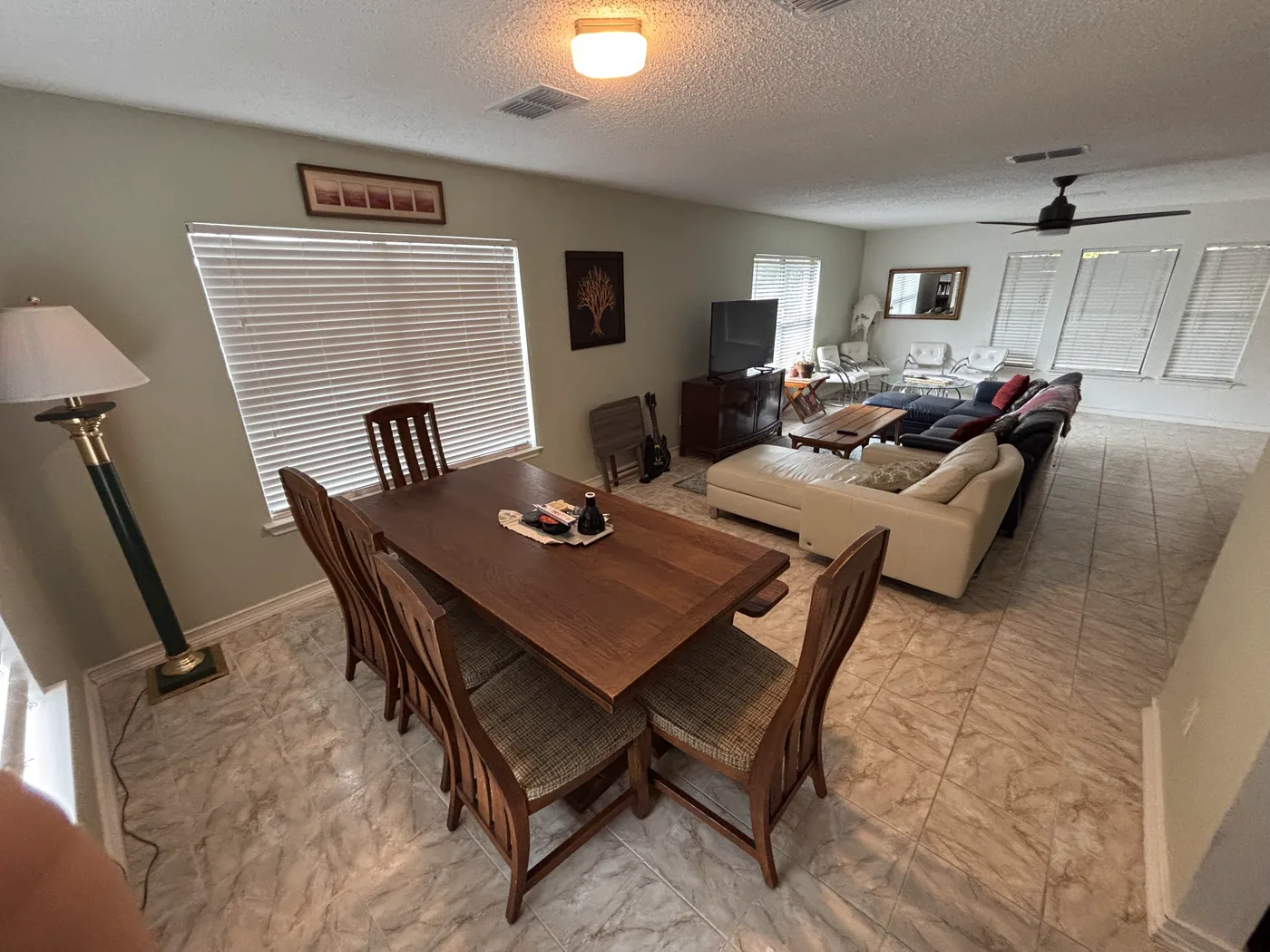
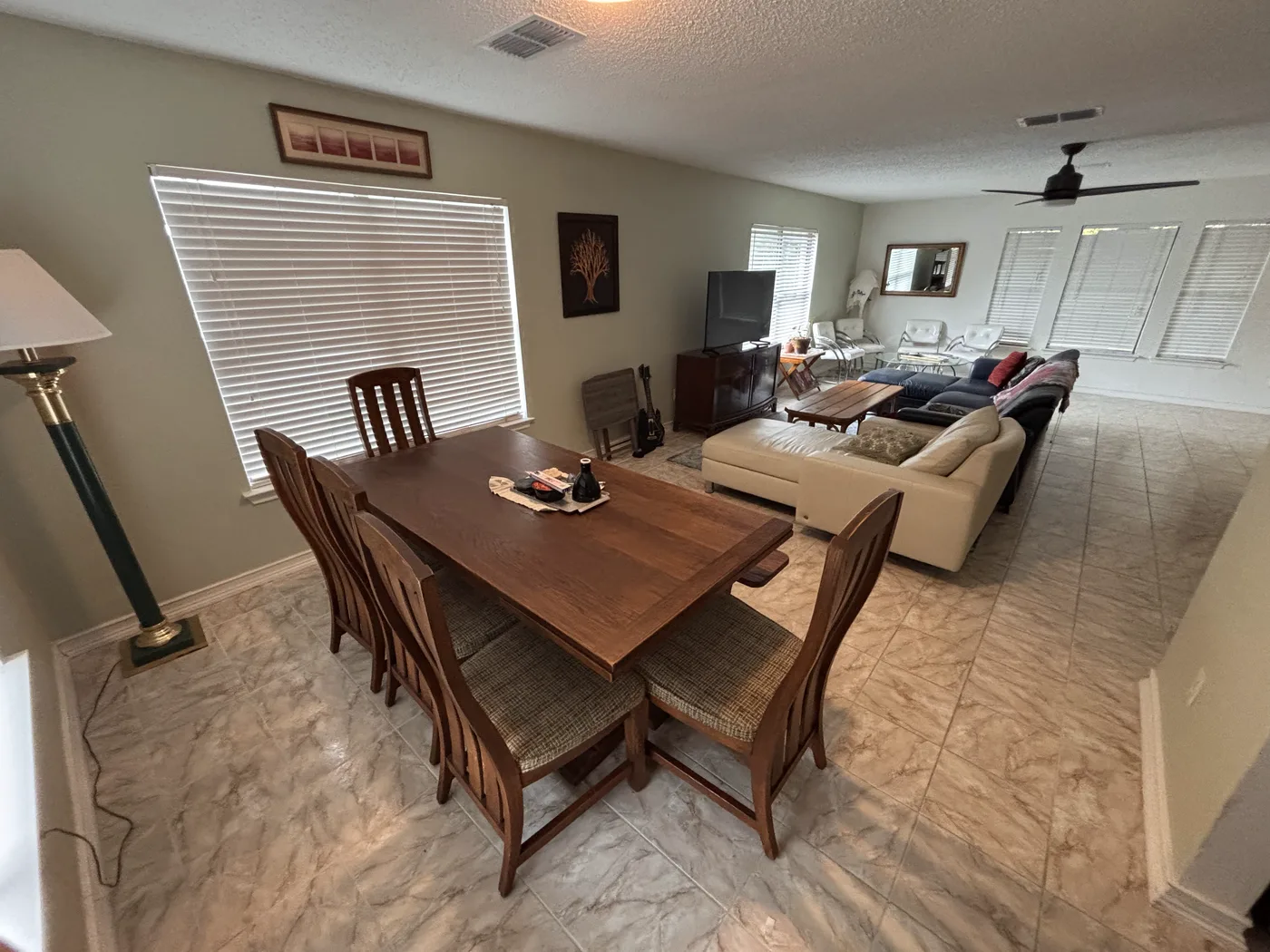
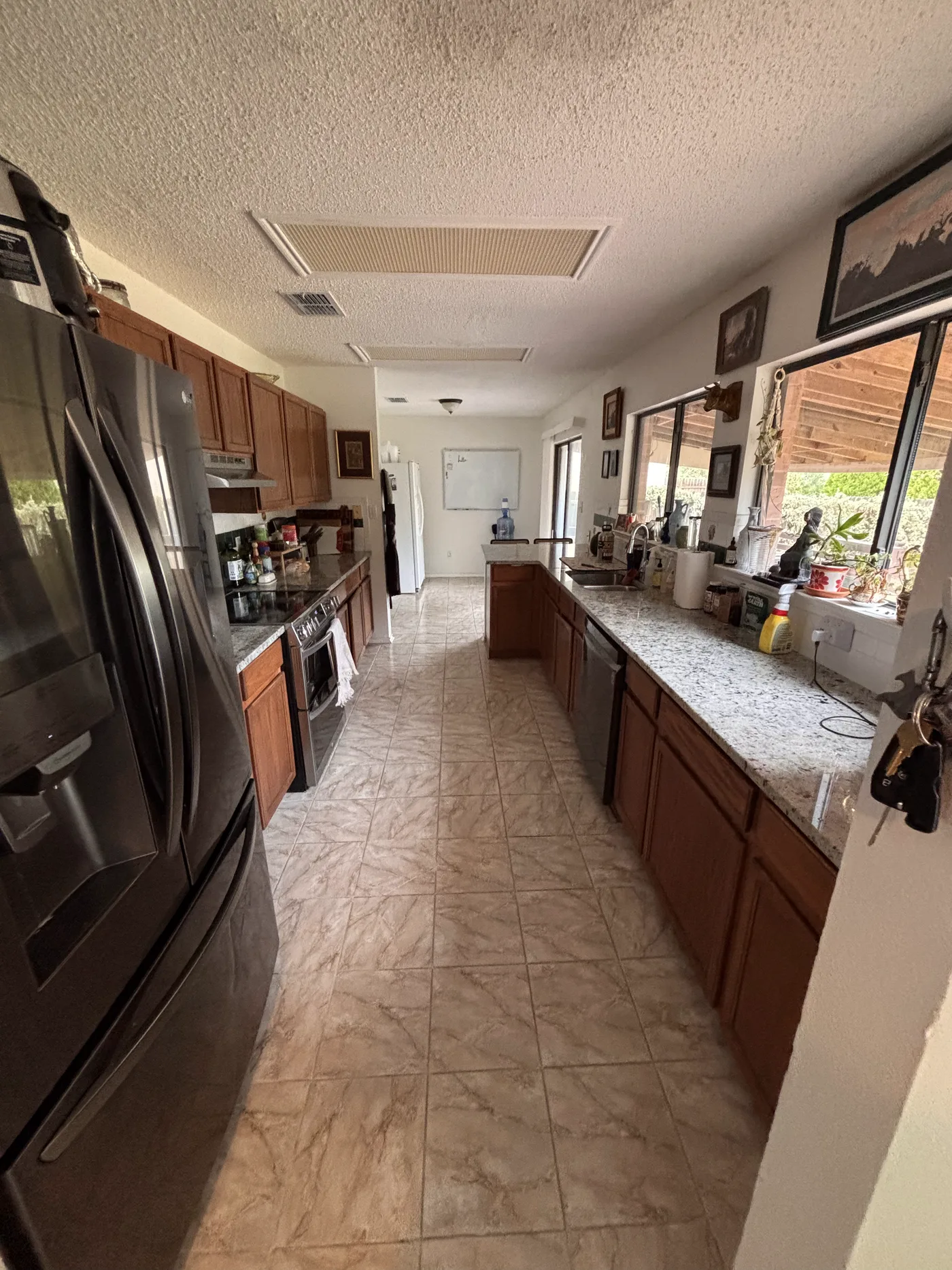
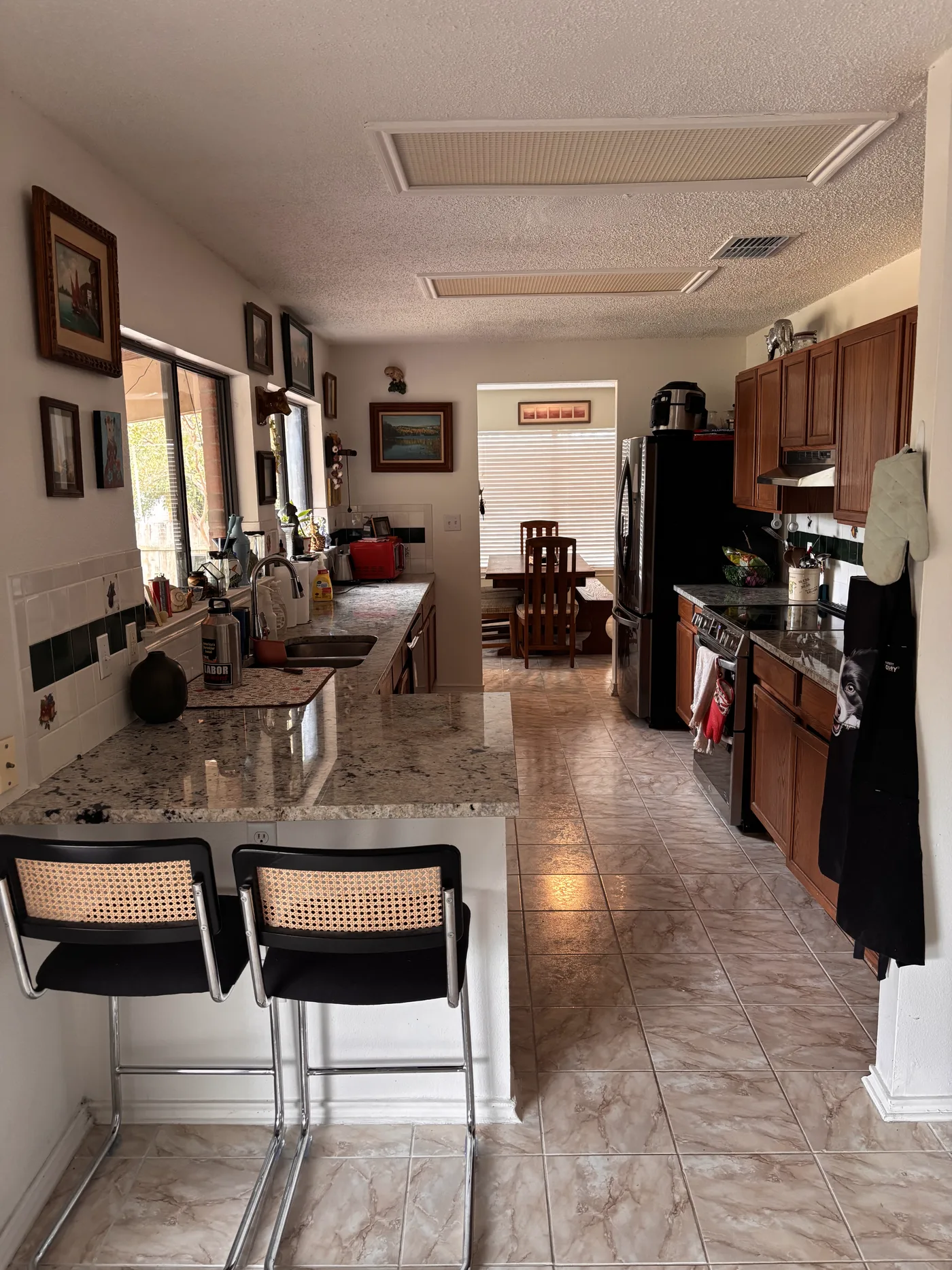
10506 Parkfield Dr, Austin, TX 78758
If you’re searching for men’s sober living Austin TX Options, you’re not alone, and you’re already doing one of the most important things: gathering solid information before you commit. Good sober living can make all the difference between “white‑knuckling” early recovery and building a stable, connected life that lasts. This guide walks through how sober living works in Austin, what to look for (and avoid), what it typically costs, how accreditation in Texas works, and how to choose a house where you can genuinely thrive.
What “Men’s Sober Living” Means (and What It Isn’t)
At the simplest level, sober living is housing that is drug‑ and alcohol‑free and designed to support recovery, usually after detox, inpatient treatment, or while you’re in outpatient care. It’s not a hospital or a clinical program, it’s a home‑like setting that leans on peer accountability and house rules to help you practice life in recovery. Nationally, the concept is often referred to as a “recovery residence.”
Recovery residences vs. halfway houses
People sometimes use these terms interchangeably, but they’re different models. Recovery residences (sober living homes) are non‑clinical housing built around sobriety and accountability, with varying levels of structure from light supervision to high accountability. Halfway houses typically have time‑limited stays and can be connected to corrections or publicly funded programs. Knowing the distinction helps you set the right expectations and compare apples to apples.
The social‑model backbone and peer accountability
Recovery residences grew out of the social model of recoveryThe idea that community norms, mutual help, and daily responsibilities reinforce a sober lifestyle. Even in staffed homes, peer culture is central: residents contribute to chores, attend house meetings, and support one another. Policies like curfews, guest rules, and random drug testing are common, and they exist to protect everyone’s safety and progress.
Why Austin Is a Strong Place to Get Sober
Austin’s recovery ecosystem blends traditional supports with a lively sober‑friendly culture, making it easier to rebuild a life without alcohol or drugs.
Recovery‑friendly activities and sober‑curious communityLocal events, meet‑ups, and venues explicitly welcome sobriety. For example, the Unbuzzed Club Curates alcohol‑free socials and wellness gatherings, part of a broader sober‑curious trend that reduces social pressure to drink. Alcohol‑free bars and NA options (such as kava/kratom venues like Bula Tulum) diversify nightlife choices, so “going out” doesn’t have to mean “going to a bar.”
Student recovery and support near UT AustinIf you’re a student (or planning to return to school), the Center for Students in Recovery At UT Austin is a hub for peer support, meetings, and resources, useful even if you’re not enrolled, as it signals a citywide culture that takes recovery seriously.
Accreditation, Standards, and Texas Requirements
In 2025, Austin sober living takes place under new statewide rules that set quality anchors and terms you should know.
NARR levels (and what Level II “sober homes” typically include)The National Alliance for Recovery Residences (NARR) defines four levels of recovery residences. What most people call “sober living” often maps to Level II (Monitored): alcohol‑ and drug‑free homes with house rules, peer accountability, and typically a house manager or senior resident helping maintain the environment. Knowing these levels helps match your needs to the right structure.
Texas Chapter 469 & 26 TAC 571: voluntary accreditation & what to look forTexas enacted Health & Safety Code Chapter 469 to establish voluntary accreditation for recovery housing. The Texas Health and Human Services Commission (HHSC) rules (26 TAC Chapter 571) implement this framework, and HHSC may approve only NARR or Oxford House, Inc. as accrediting organizations under §571.3. While accreditation is voluntary, it’s an important quality signal; as of September 2025 it’s also relevant for eligibility to receive state funding. Ask prospective houses how they align with NARR standards or the Oxford model and whether they are accredited or working toward it.
Oxford House vs. staffed houses (what’s different)Oxford Houses are democratically self‑run with no outside house manager; residents vote members in and can stay as long as they remain sober, pay their share, and follow house rules. Staffed homes (often NARR‑aligned) usually have a manager and a more formal structure. Both can work well, choose based on your need for independence vs. Structured accountability.
Texas‑specific resource: The Texas Recovery Oriented Housing Network (TROHN) is the NARR affiliate for the state. TROHN maintains a directory of certified recovery residences and resources on standards and grievances. When comparing Austin homes, a TROHN/NARR certification (or a clear path toward it) is a strong trust indicator.
How to Choose a Men’s Sober Living Home in Austin
Think of this as a fit + structure decision.
Location, fit, and structureWhere you live matters. Austin listings commonly cluster around North Central/Hyde Park, South Austin, and Central/Downtown. Consider proximity to work, school, IOP, meetings, and transit, and ask whether the house culture feels like a fit (age mix, employment expectations, meeting types, house values). Local directories and lists can help you map neighborhoods and options quickly.
House rules, drug testing, and curfewsAsk specifics: curfew times, guest policies, meeting expectations, chore systems, drug testing frequency, consequences for rule violations, and how the home handles relapse. Structured programs (e.g., The Arbor) typically include weekly house meetings and random toxicology screensUseful markers for safety and accountability if you want higher structure.
MAT‑friendly, 12‑Step or alternatives, and clinical linkagesIf you’re on Medication‑Assisted Treatment (MAT) (e.g., buprenorphine/Suboxone), verify MAT‑friendly Policies up front, some homes explicitly welcome MAT. Also ask about philosophy (12‑Step, SMART, Refuge Recovery, faith‑based, or blended) and linkage to IOP/therapy. Many Austin providers coordinate with IOP programs or offer referral support; some homes are IOP‑friendly and help with work/school re‑entry.
Cost, insurance realities, and red flagsMost sober living rent functions like housing (plus program fees), and insurance rarely pays rentThough your health plan may cover separate outpatient services you access while living there. Check for transparent pricing, written rules, clear refund/deposit policies, and references. Be cautious about vague fees or “too good to be true” promises.
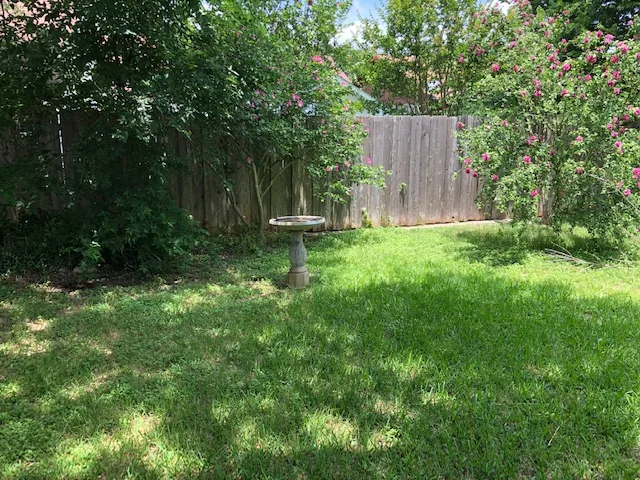
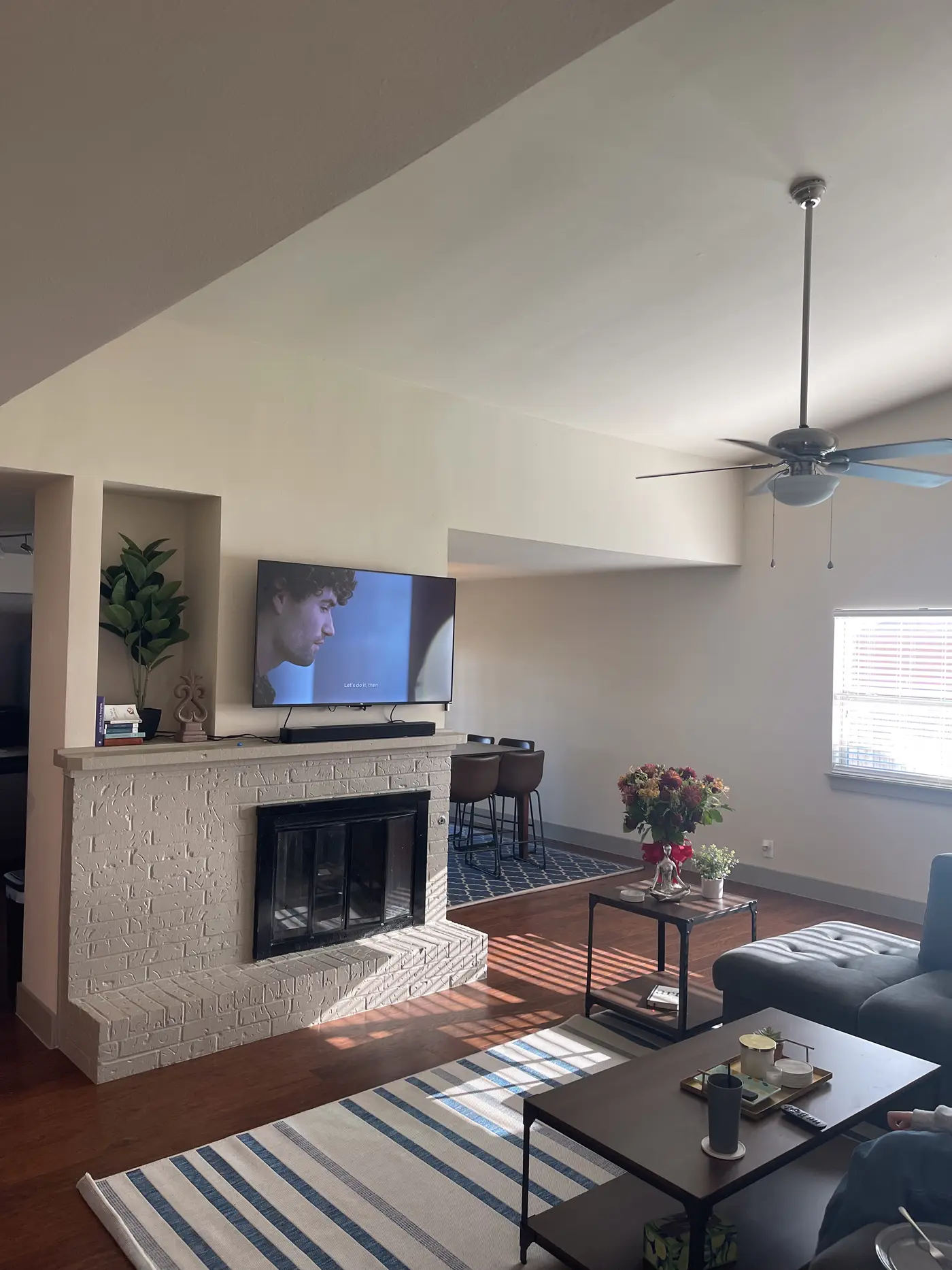
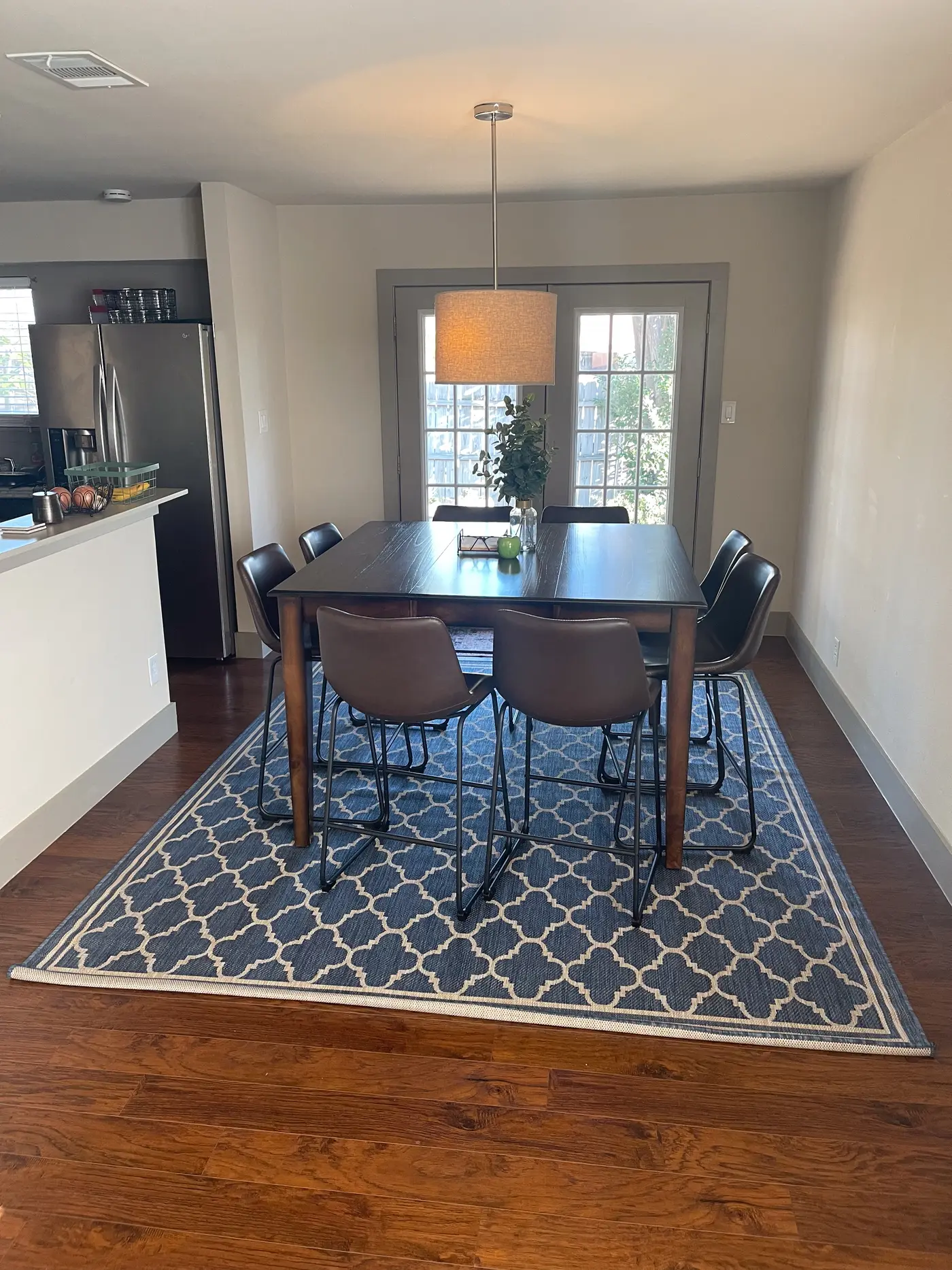
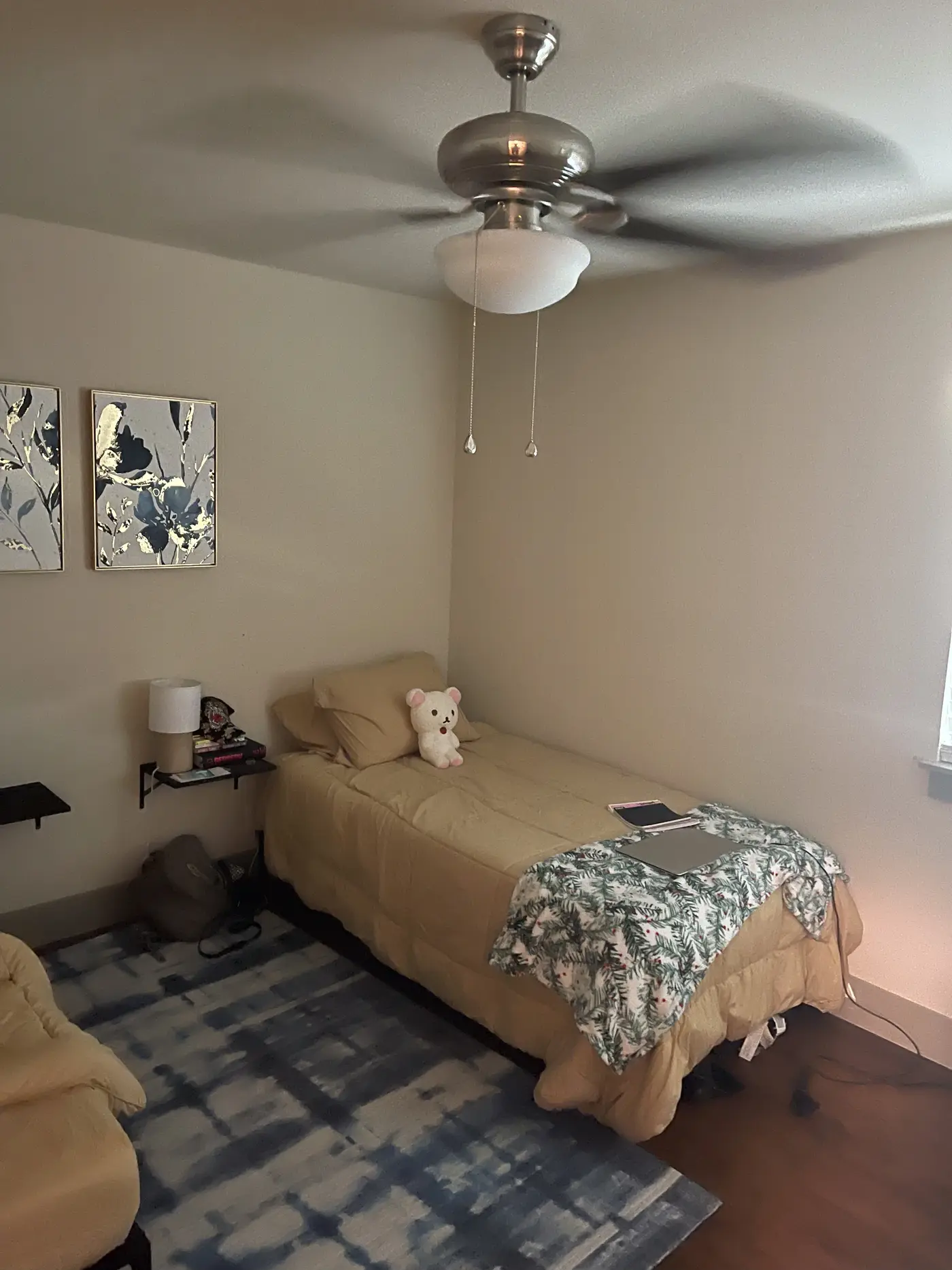
Inside the Austin homes
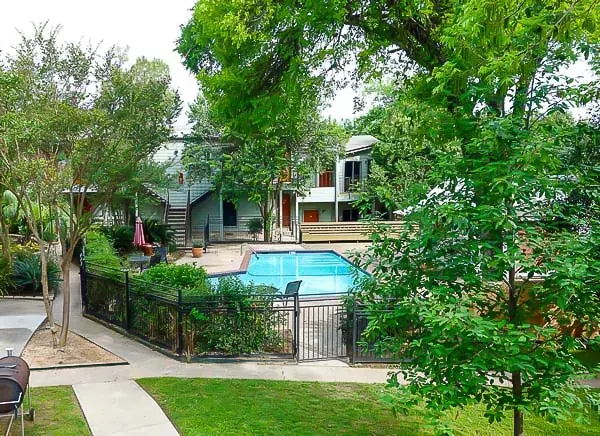
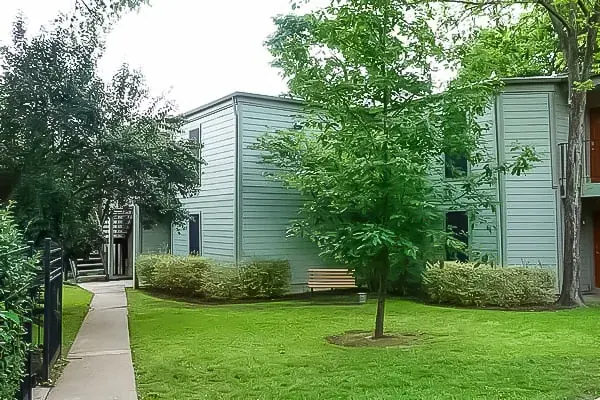
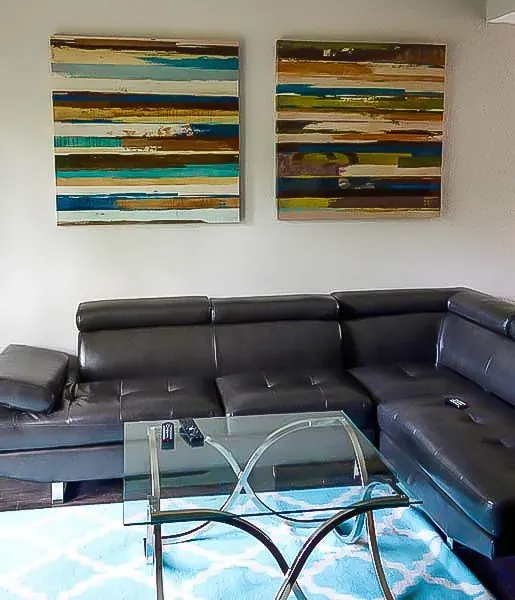
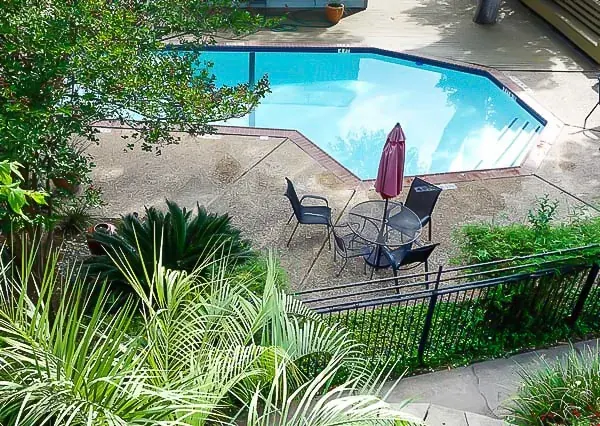
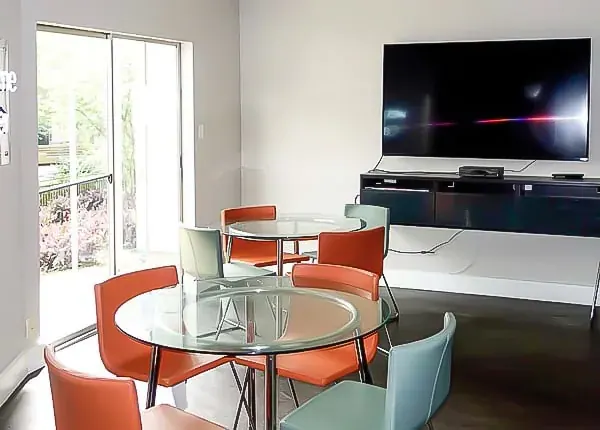
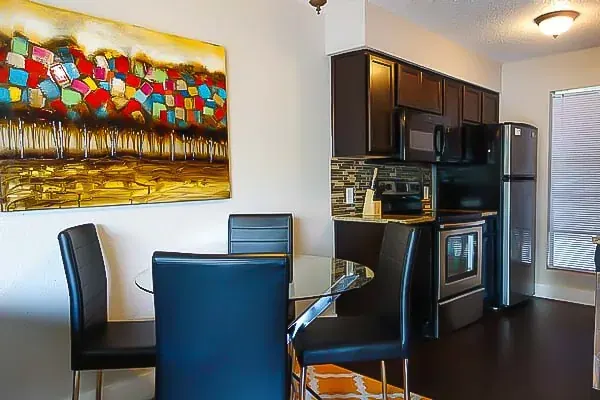
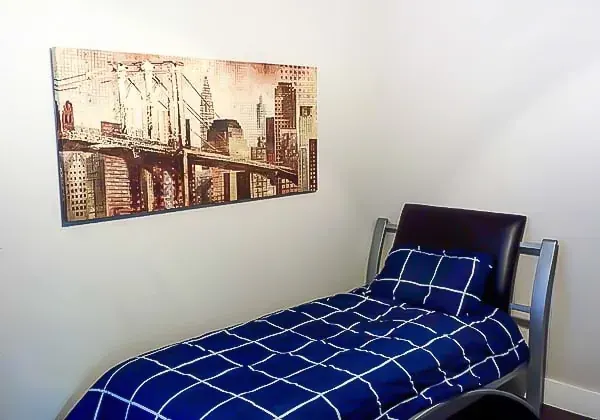
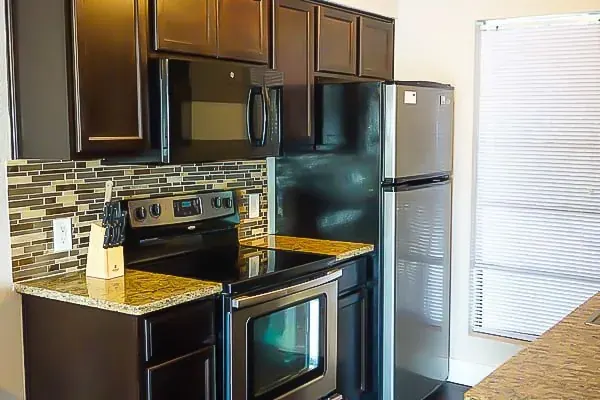
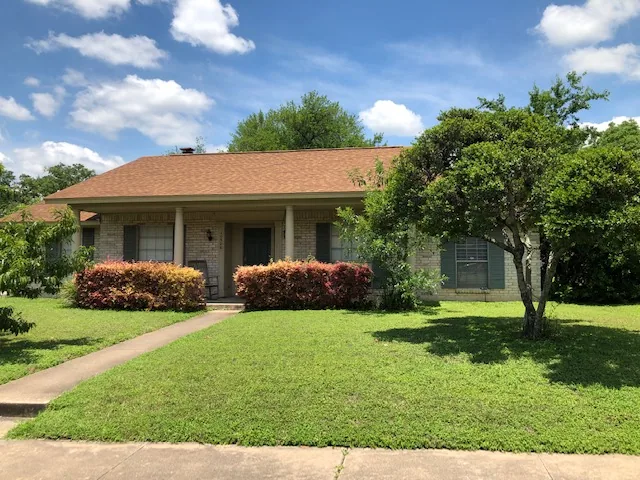
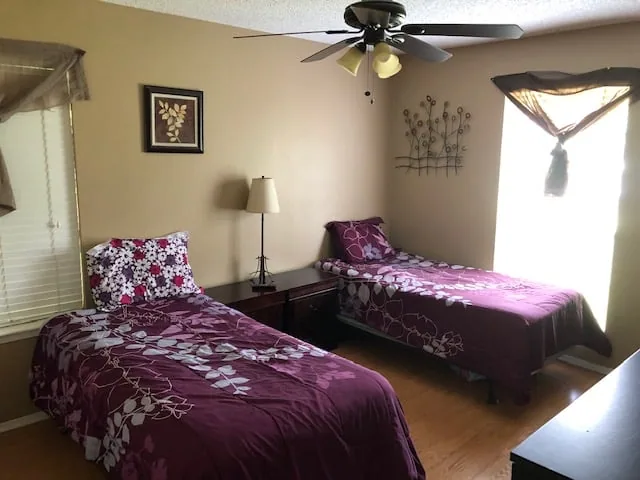
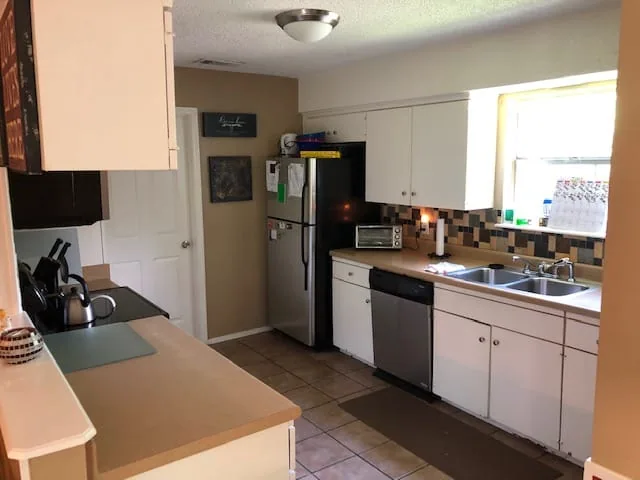
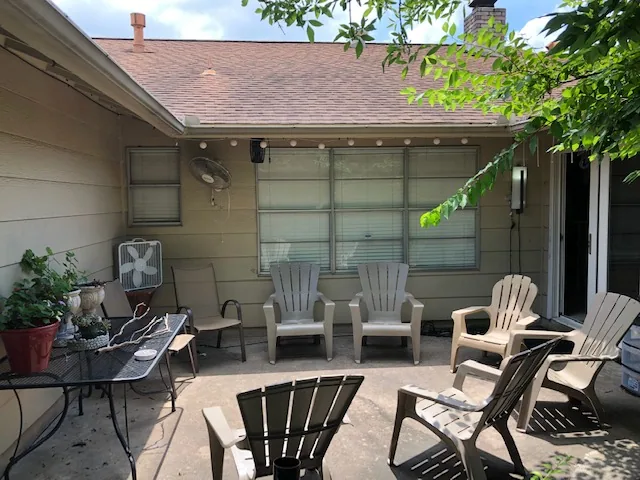
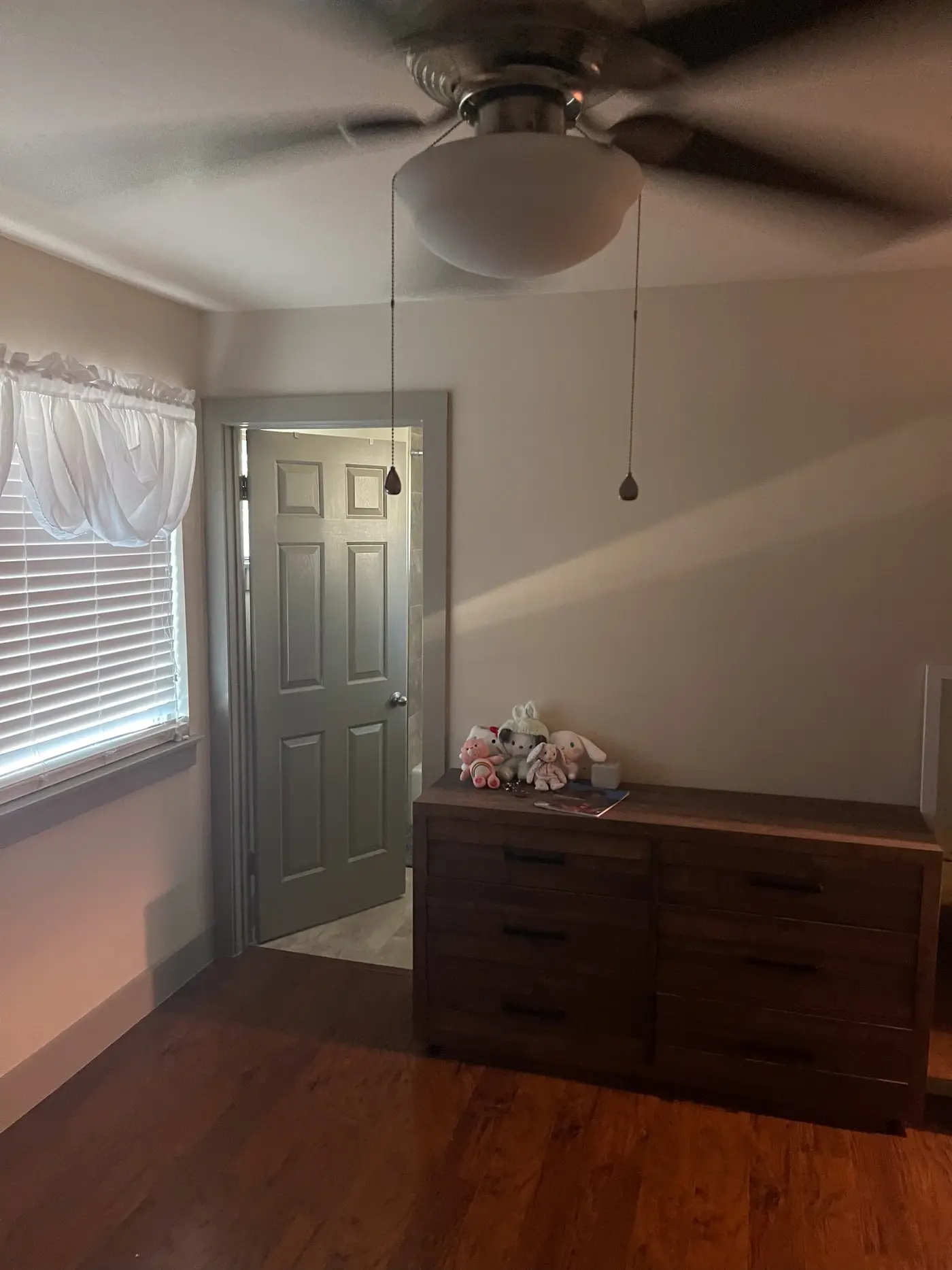
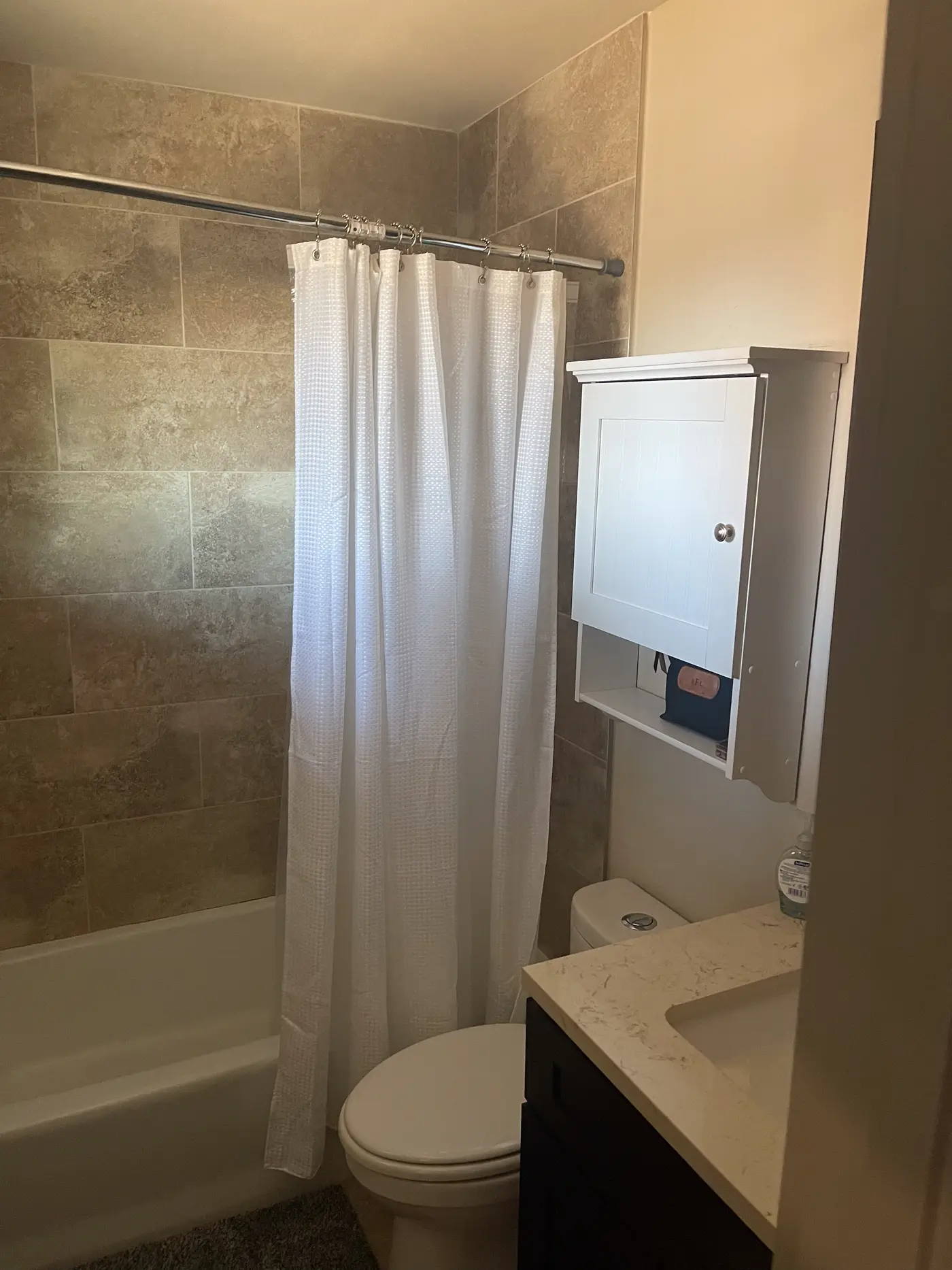
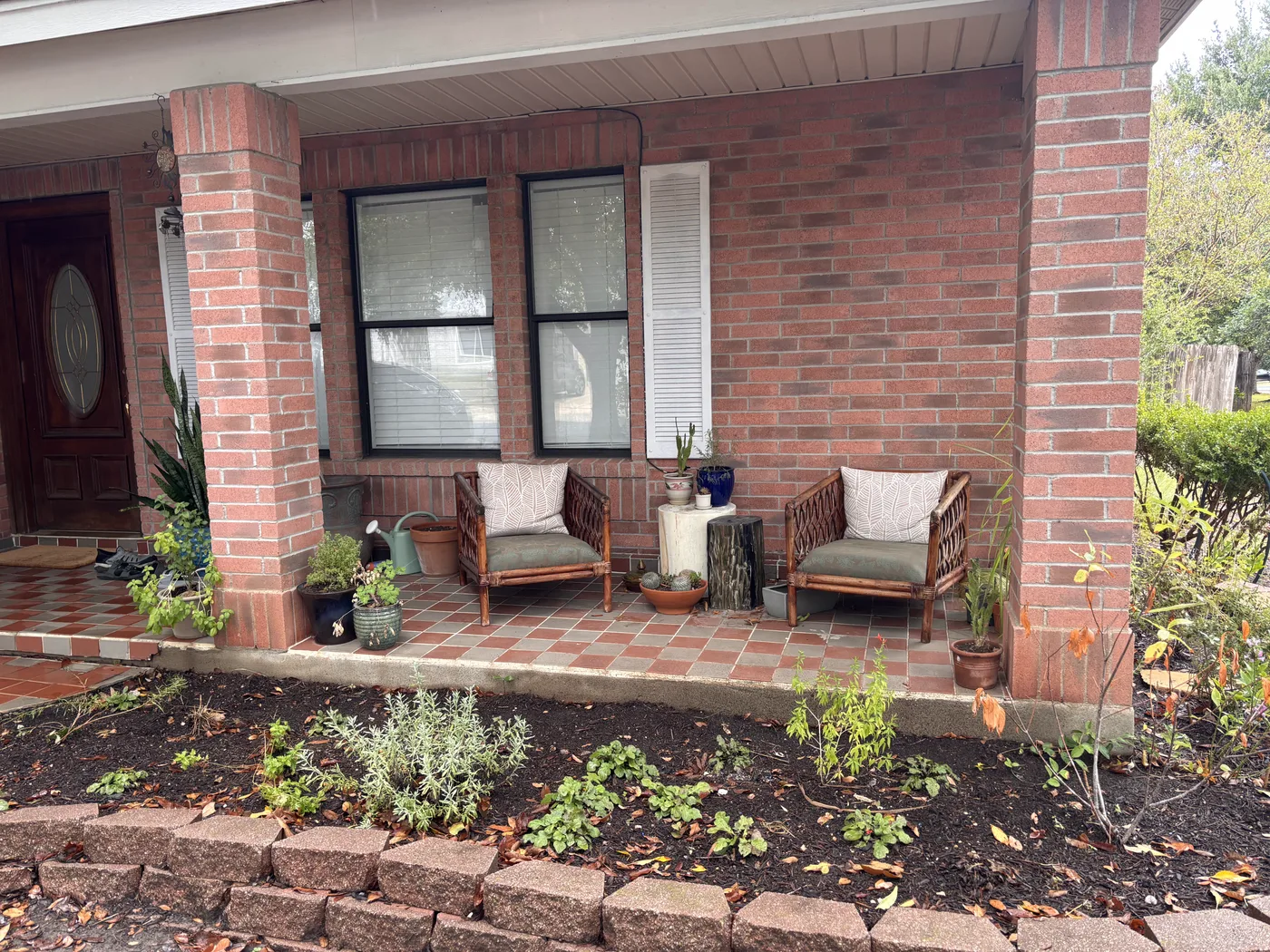
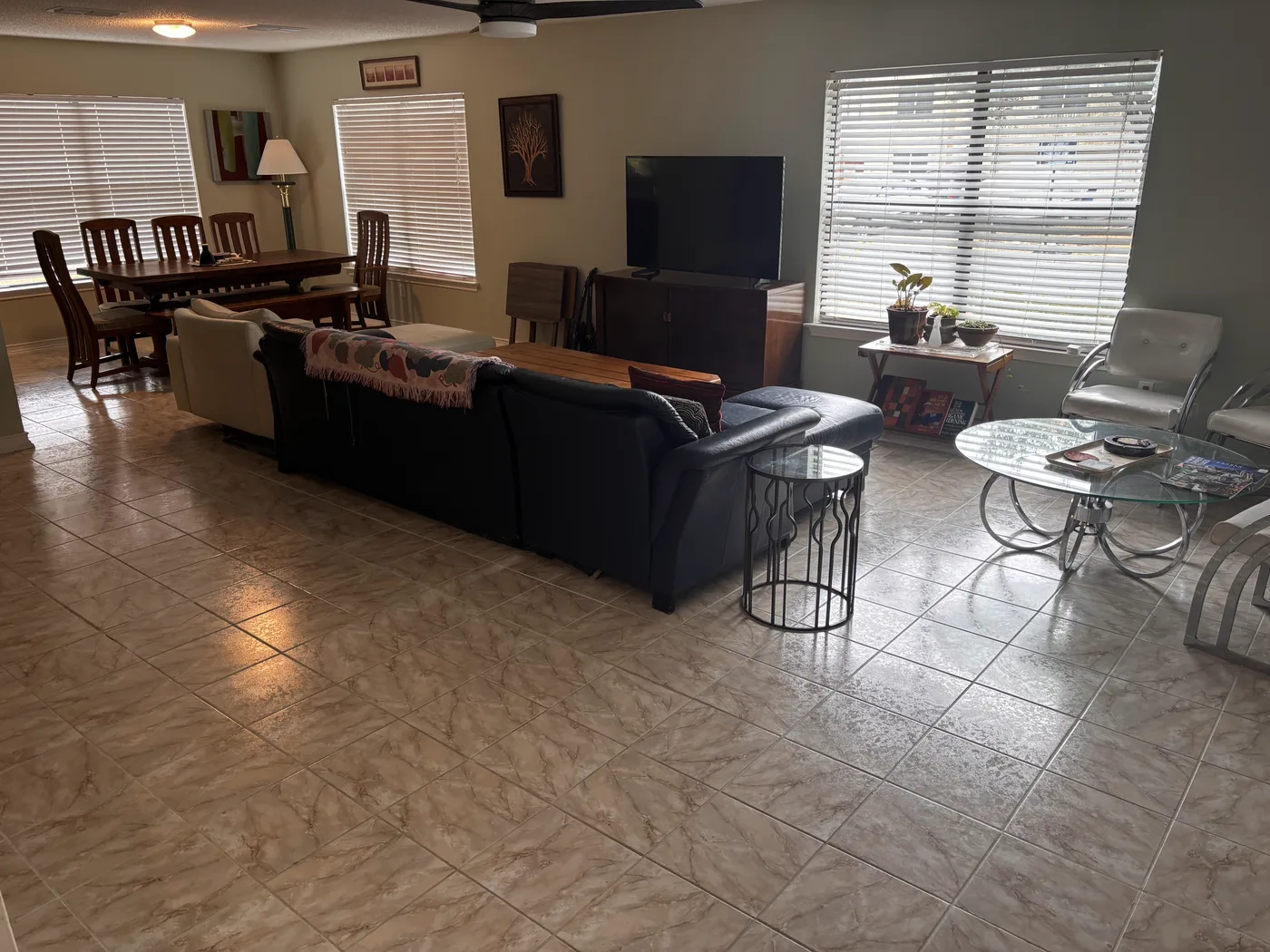
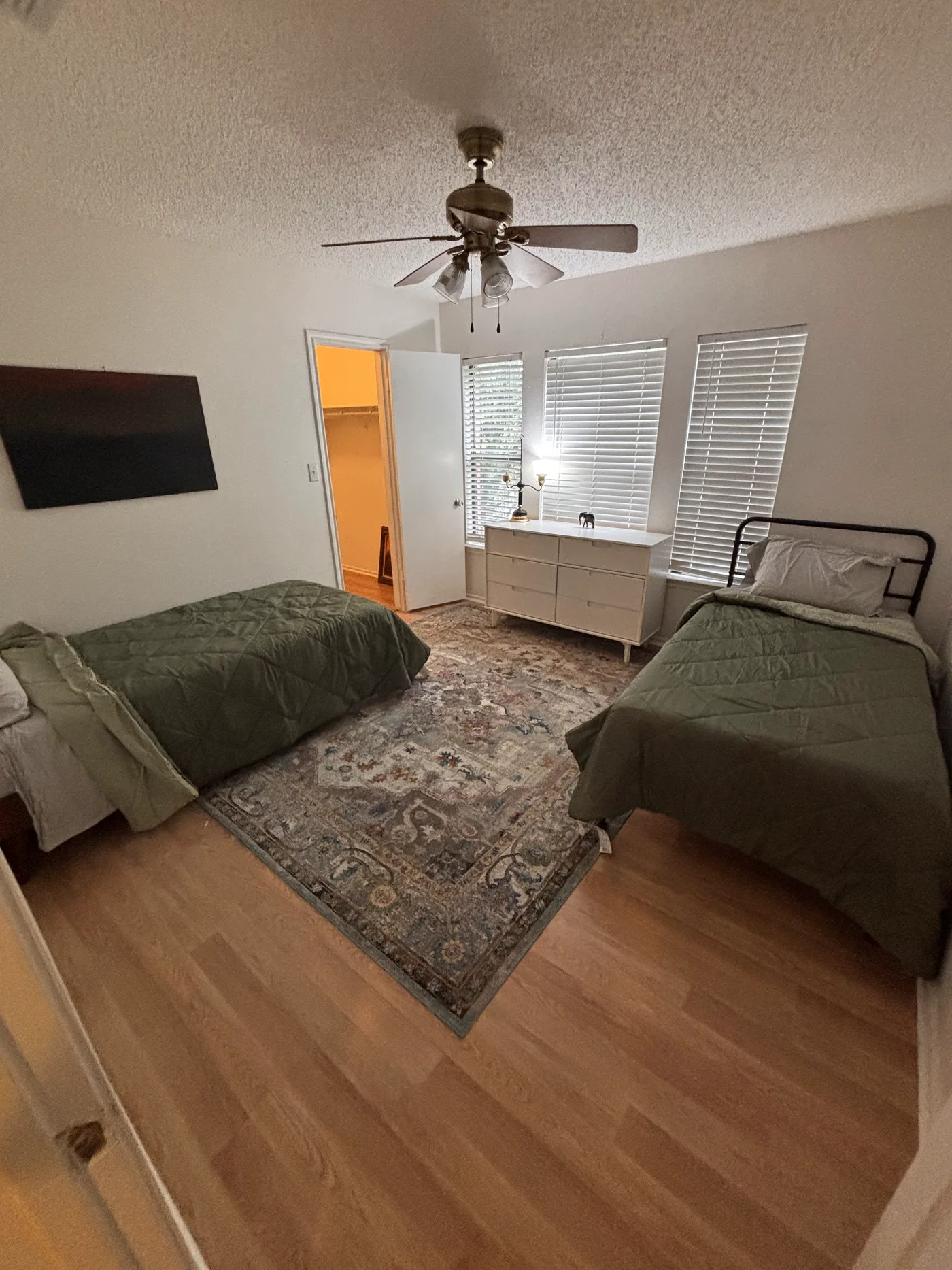
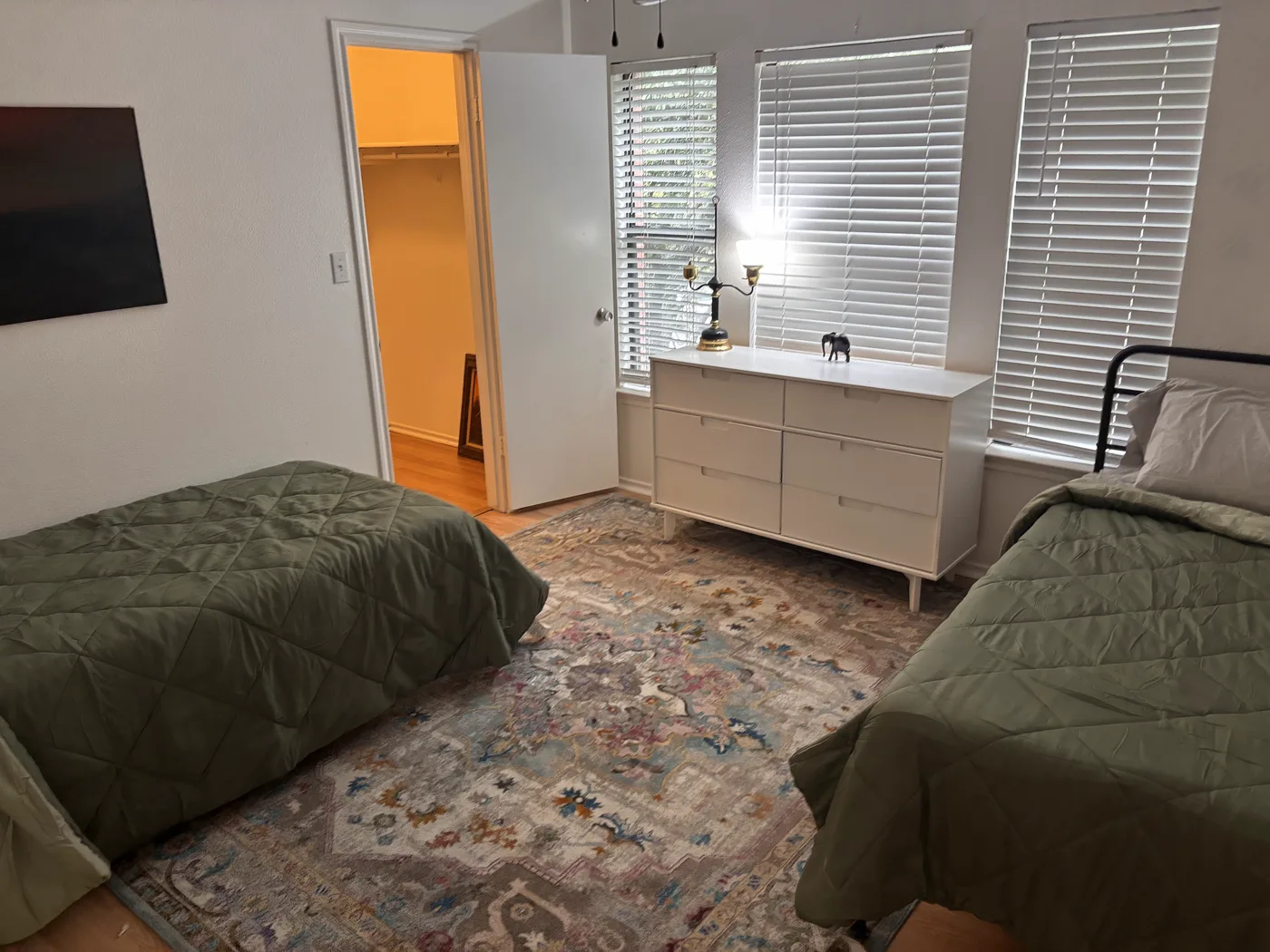
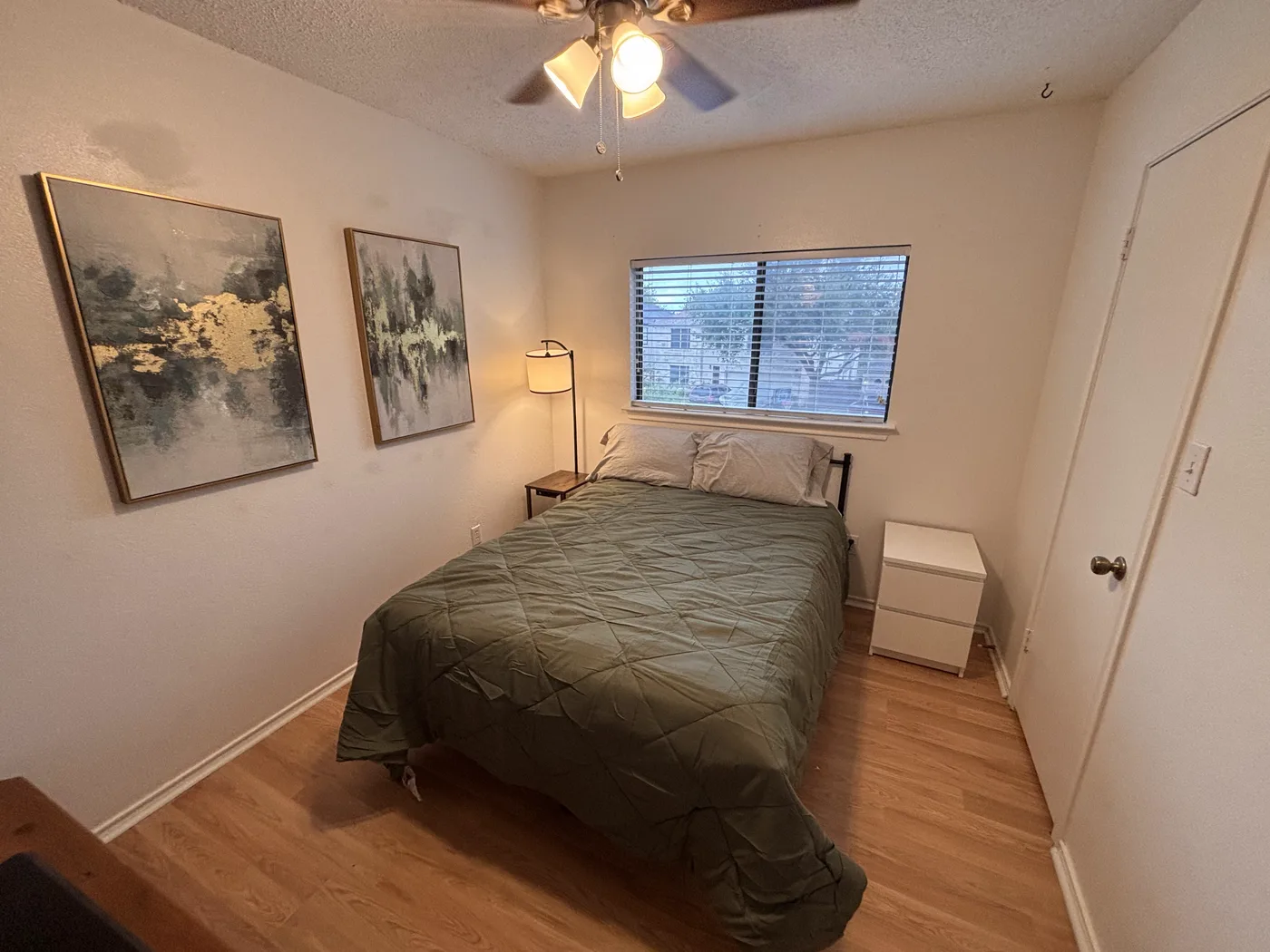
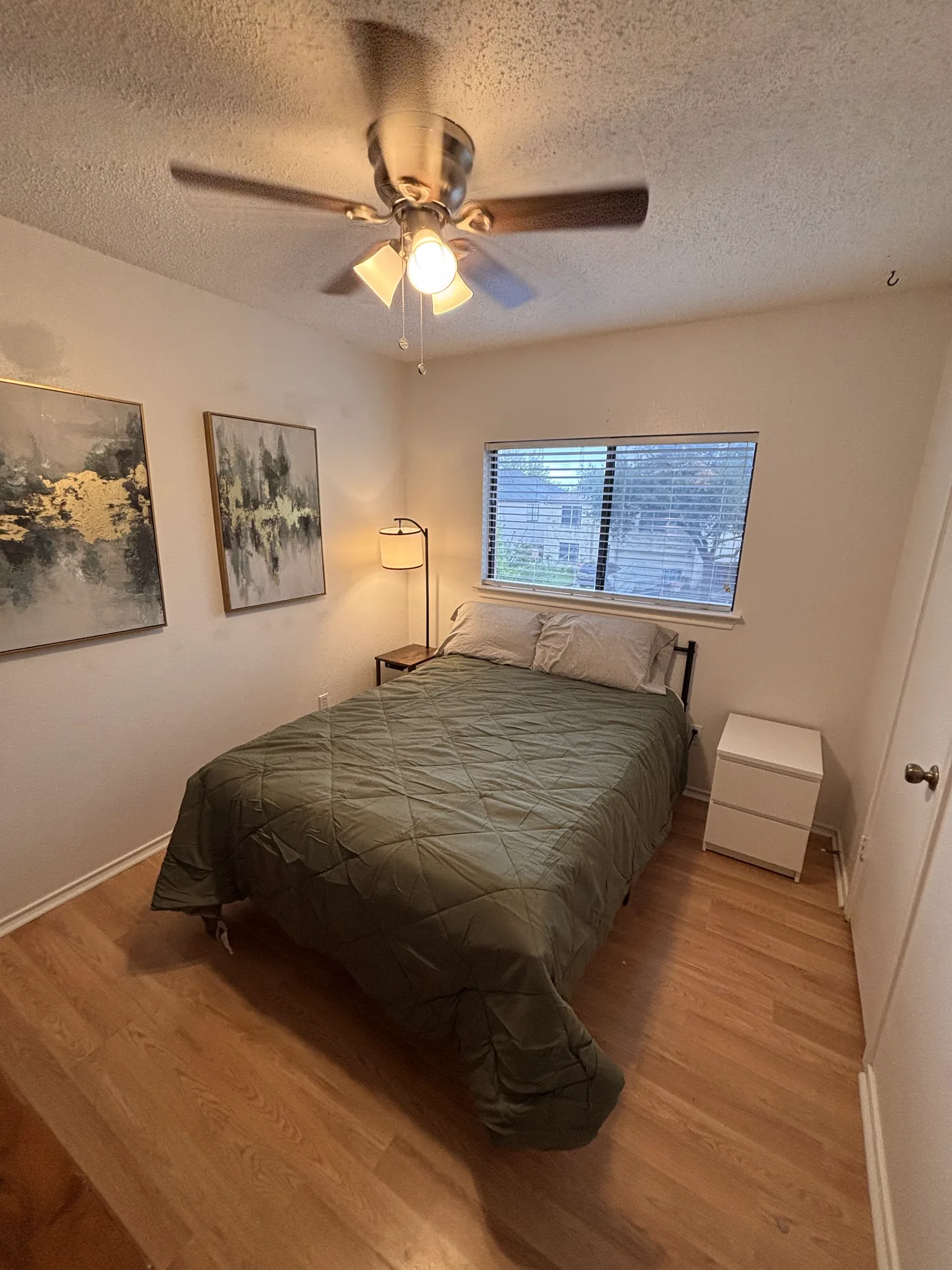
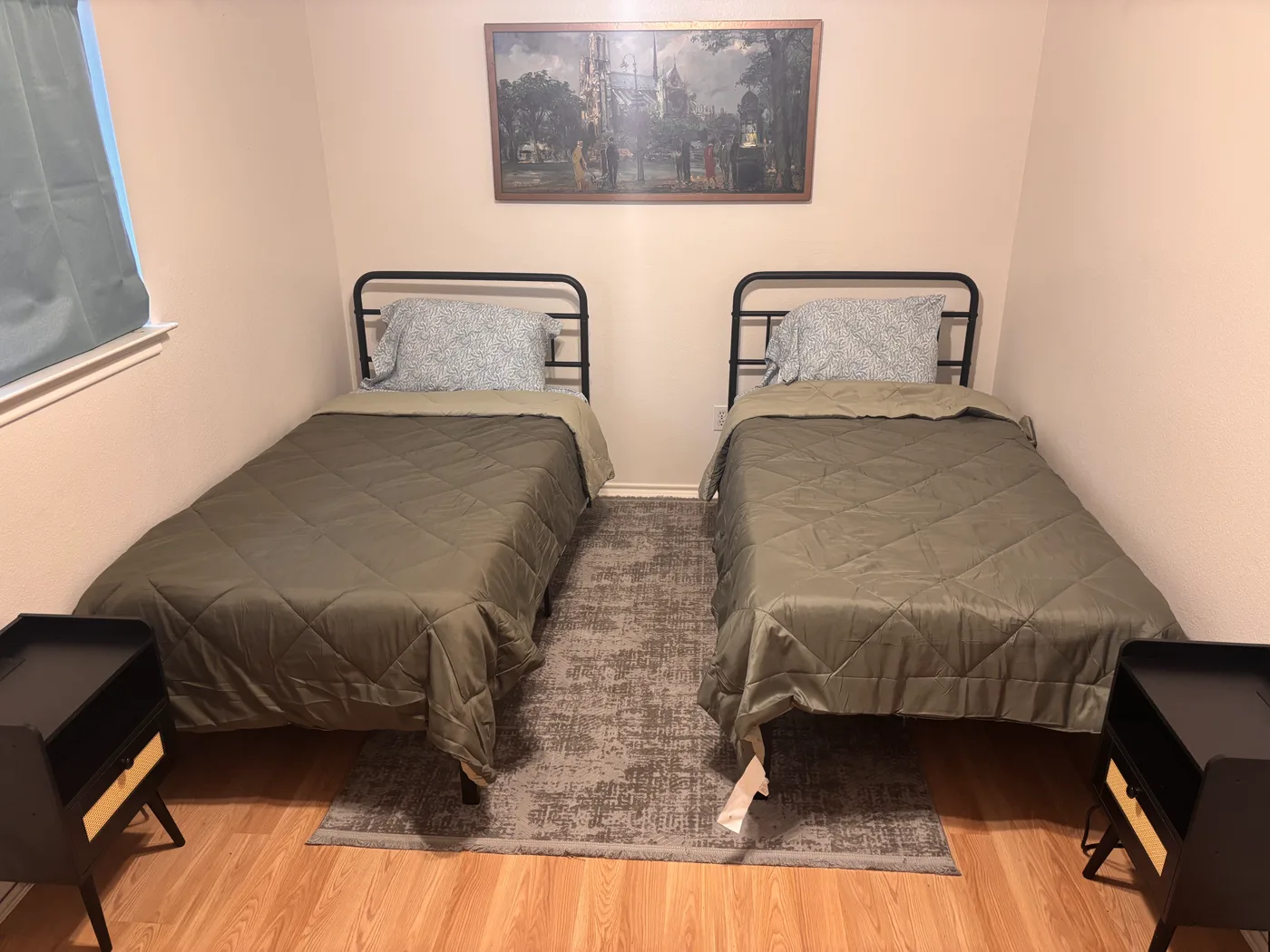
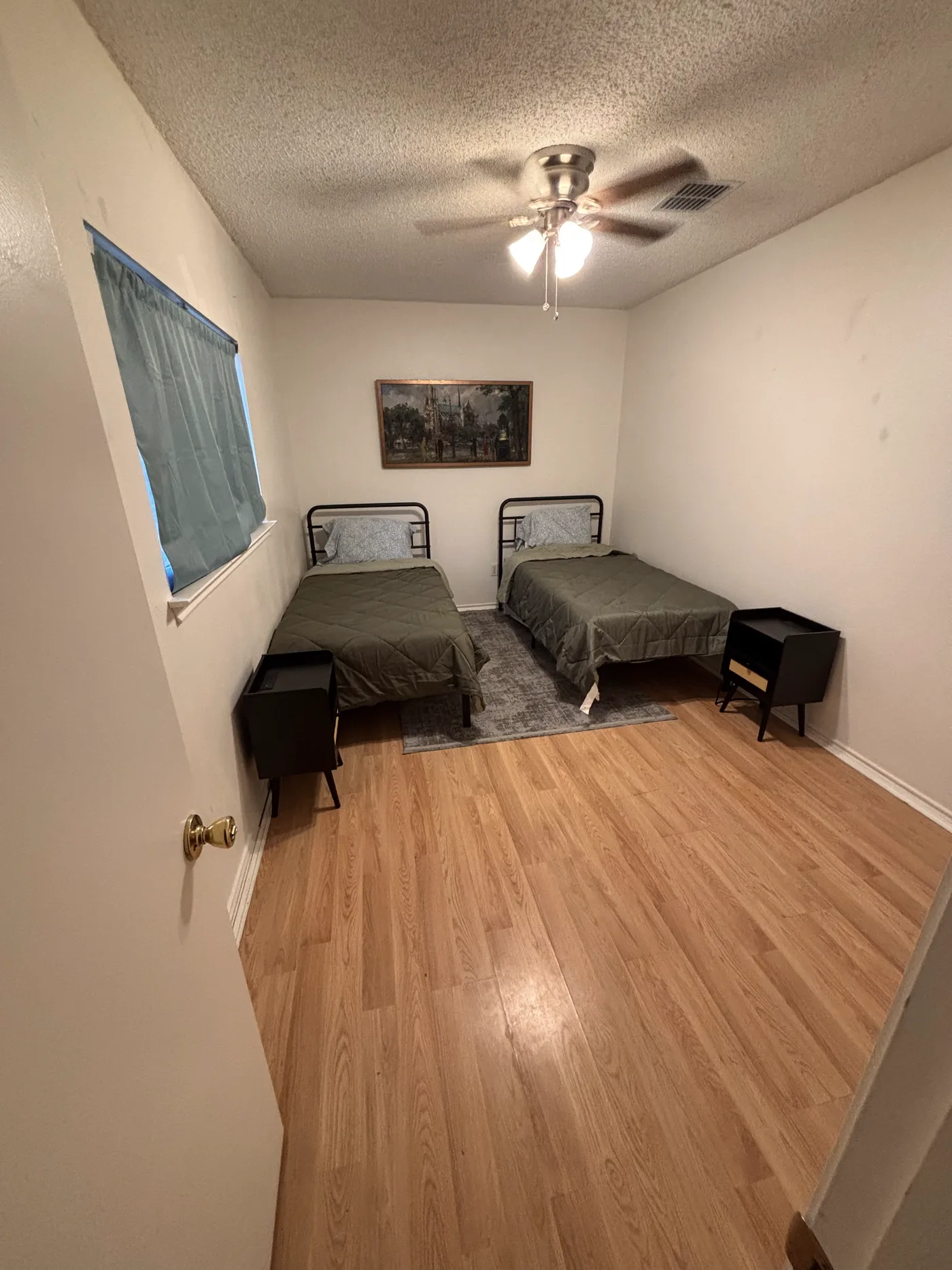
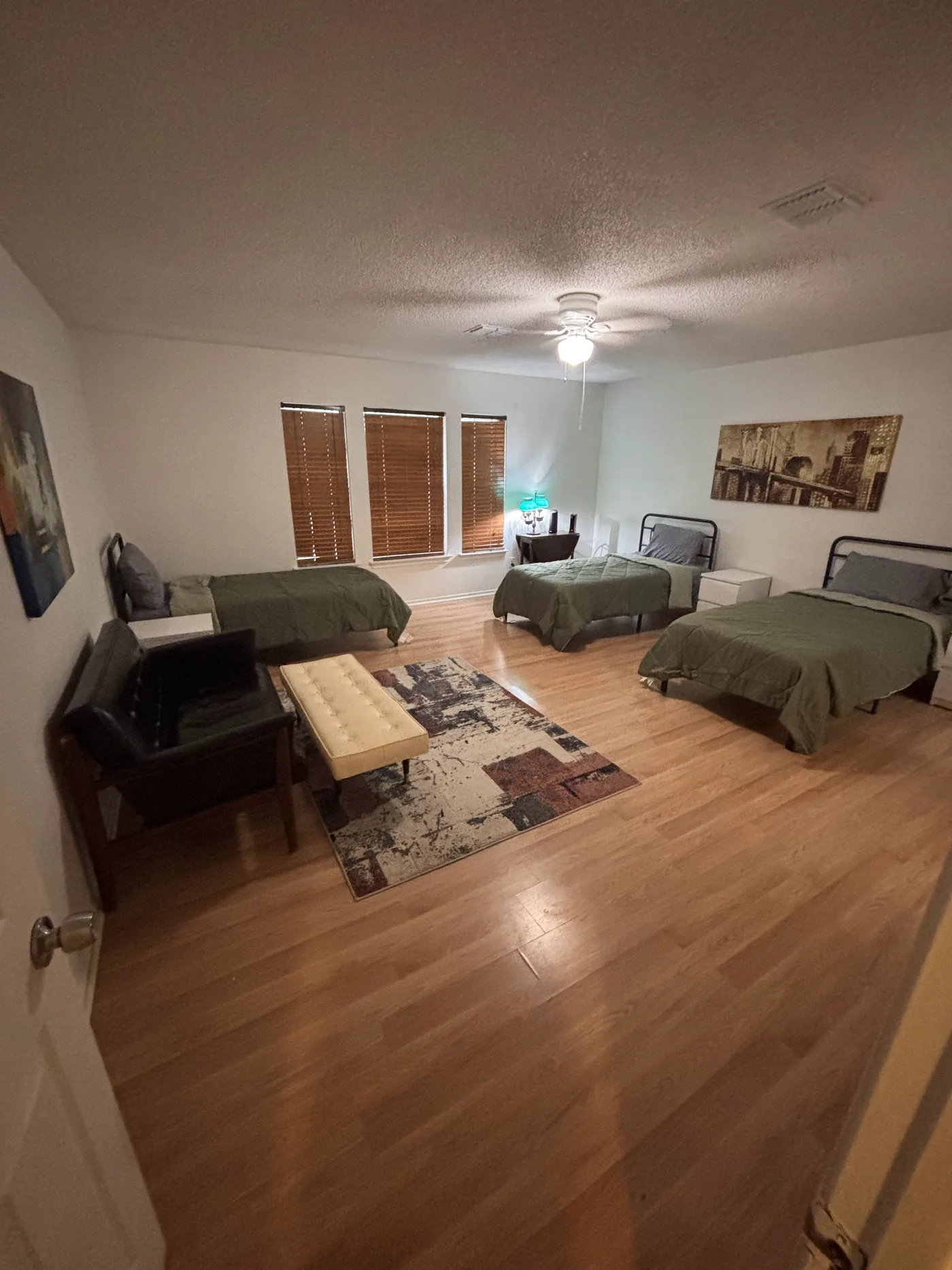
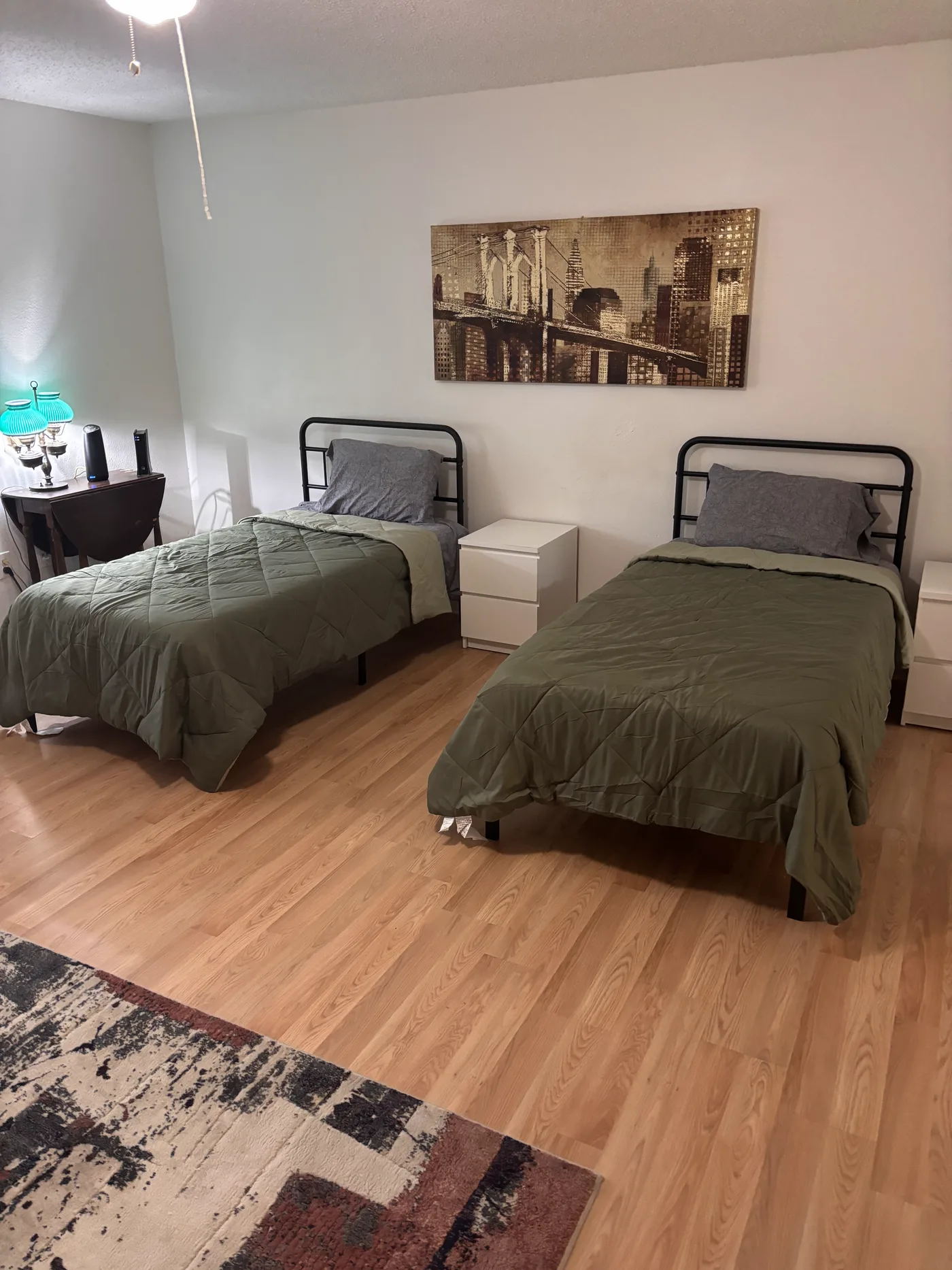
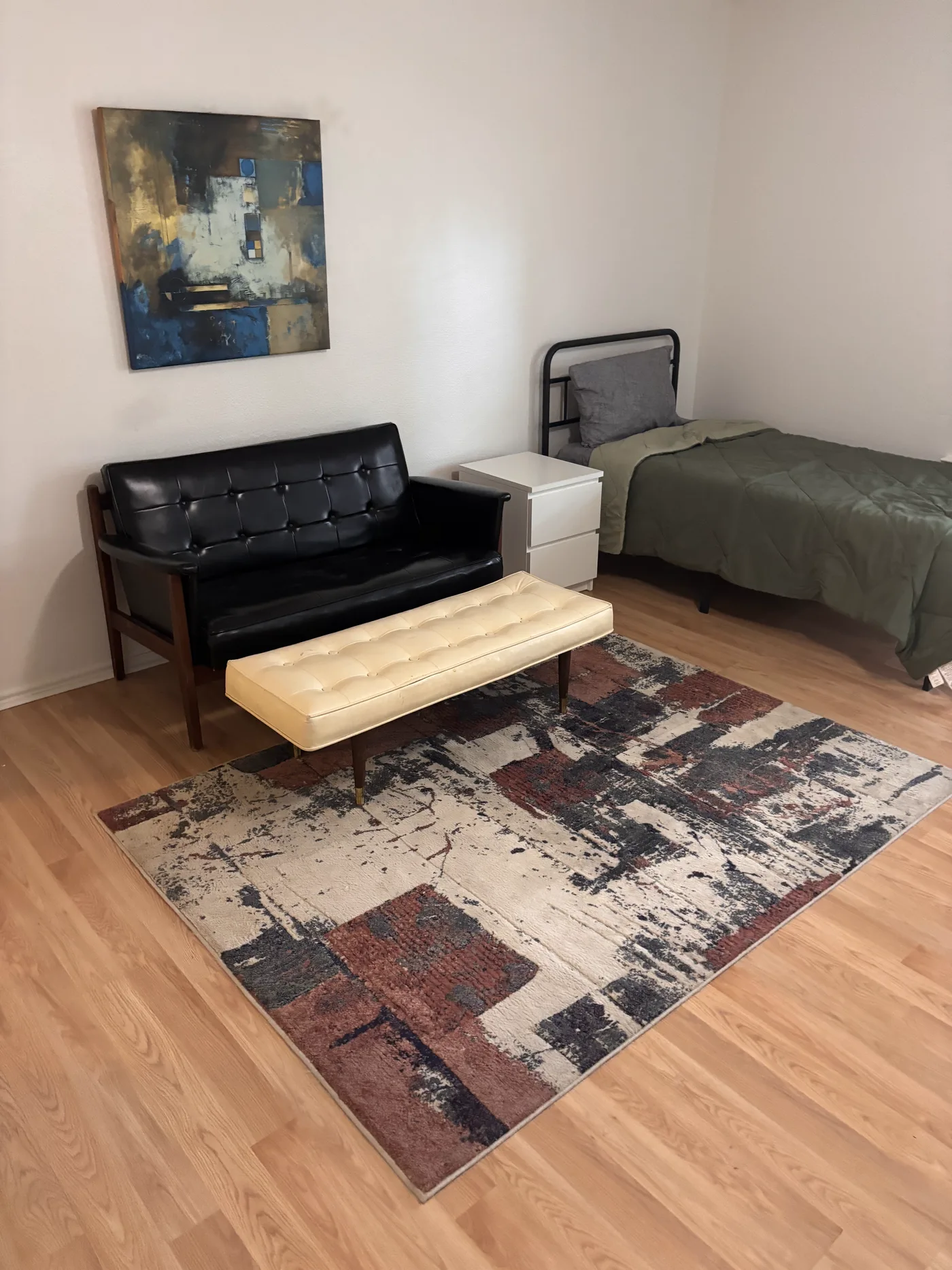
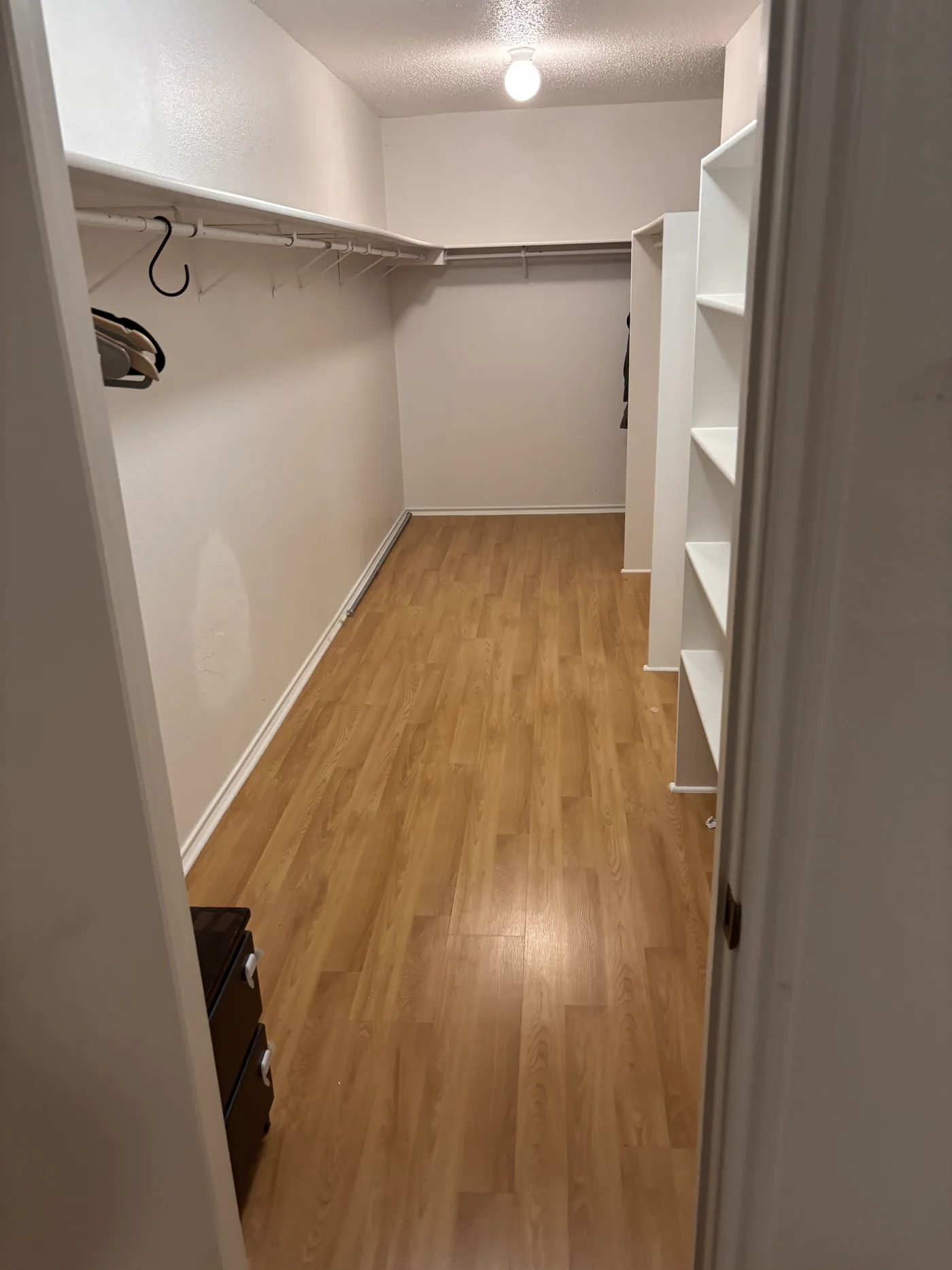
What Daily Life Looks Like
Expect a balance of structure and independence. A typical day might include:
Morning: personal routine, breakfast, commute to work/school or IOP;
Daytime: work, classes, job search, or volunteering;
Late afternoon/evening: meeting (12‑Step or alternative), gym, chores, house dinner or check‑ins;
Night: curfew, quiet hours.
You’ll likely have weekly house meetings to share progress and logistics, and you’ll collaborate on chores. The aim is accountability without isolationYou get space to rebuild your life while surrounded by peers who understand what you’re doing and why it matters.
Cost: What to Expect in Austin (and How People Pay)
Typical ranges vary by neighborhood, amenities, room type (shared vs. private), and program intensity. Public directories sometimes list monthly estimates; for instance, Hensley House appears around $1,500/month (estimate on a directory, actual rates vary). Some upscale programs or prime locations can be higher; others aim for more affordability. Always confirm current pricing with the home.
Insurance and sober living
Most health plans do not cover sober living rent, because it’s considered housing rather than treatment. However, outpatient clinical services you use while in sober living (IOP, therapy, MAT) may be covered by your plan. That’s why many people combine employment income, family support, or savings with insurance coverage for clinical Care, reducing overall costs without expecting the plan to pay rent. Always verify with your insurer.
Neighborhoods & Access (North, South, Central)
Austin’s sober living landscape includes North Central/Hyde Park, South Austin (78745 and nearby), and Central/Downtown Clusters: each with pros and tradeoffs (commute times, access to meetings, cost). Local lists show concentrations of men’s houses across these areas; use them to plan house tours in a single afternoon and compare like‑for‑like.
Eudaimonia's Success Stories – Real People, Real Freedom
Frequently Asked Questions (FAQ)
What is men’s sober living, and how is it different from rehab?Sober living is housing with rules and peer support; rehab provides clinical treatment (detox, therapy, medical oversight). Many residents step down from inpatient to sober living or live there while in IOP.
What’s the difference between a sober living home and a halfway house in Austin?Halfway houses often have time limits and may be linked to the justice system or public funding. Sober living/recovery residences are typically non‑clinical homes focused on sobriety, accountability, and life skills with flexible length of stay.
How much does men’s sober living cost in Austin?Prices vary widely by location, amenities, room type, and structure. A public directory lists a men’s home around $1,500/month as an estimate; upscale or highly structured programs may cost more. Always confirm current rates with each home.
Does insurance cover sober living in Texas?Usually no for rentIt’s considered housing, not medical treatment. But your plan might cover IOP, therapy, or MAT you receive while living there. Verify with your insurer.
How long should I stay in sober living?There’s no one right answer. Many people stay several months to a year, depending on stability (work/school), relapse risk, and support network. Choose a home that permits flexible length of stay.
What rules should I expect (curfew, drug testing, meetings)?Common expectations include random drug testing, curfews, house chores, and weekly meetings. Ask each home for its written rules.
Is Austin good for sober social life?Yes. Austin has alcohol‑free events and NA nightlife options, plus robust mutual‑help communities, making it easier to socialize without drinking.
What is NARR accreditation and why does it matter in Texas?NARR sets national standards for recovery residences. Texas Chapter 469 and 26 TAC 571 recognize NARR and Oxford House for voluntary accreditation; it’s a quality marker and relevant for state funding.
What’s the difference between Oxford House and a staffed sober home?Oxford Houses are self‑run with resident democracy; staffed homes have house managers and more formal oversight. Pick based on how much structure you want.
Where are men’s sober living homes located in Austin?You’ll find clusters in North Central/Hyde Park, South Austin (78745), and Central/Downtown. Use local lists/directories to compare options and book tours.
Your Future Is Waiting
Tell us what you are looking for and admissions will walk you through the houses, the phases, and what a room actually costs.


