

Published November 13, 2025 · Updated February 18, 2026
Key Takeaways
- Typical stay: Most residents live in a sober living home in Austin for 3–12 months. Peer‑run homes (like Oxford House) often have no fixed maximum if rules are followed.
- Minimum effective duration: Outcomes improve when total structured care, treatment plus housing, lasts at least 90 days.
- Men’s IOP fit: Men commonly attend IOP for 6, 8 weeks (sometimes 30, 90 days) while living in sober housing to add daily structure between sessions.
- What sets your timeline: Length of stay depends on the house model (peer‑run vs. staffed), clinical needs, stability at work or school, and progress on a relapse‑prevention plan.
- Checkpoints: Reassess every 30–60 days with your house manager or support team. Look for clean tests, consistent routines, and reliable income or schooling.
- Leaving well: Plan your exit when you have stable sobriety, a supportive network, transportation, and housing lined up, plus a written relapse‑prevention plan.
- House rules and costs: Expect curfews, meetings, chores, and testing. Costs vary by neighborhood and services; confirm what rent covers before move‑in.
- Quality signals: In Austin, ask whether the residence follows NARR standards or appears in the TROHN directory. Coordination with local men’s IOP programs is a strong sign of fit.
On This Page · 15 Sections

Sober Living
Austin
10506 Parkfield Dr, Austin, TX 78758
What “sober living” means in Austin, TX
When you compare halfway houses and sober living in Houston, the main question is which setting matches your parole status, recovery plan, and timeline. Understanding how the Texas Department of Criminal Justice (TDCJ) places people into Residential Reentry Centers (halfway houses) and how structured sober living programs operate will help you choose the best path. This guide explains both, shows when each makes sense, and outlines practical steps to get approved. Explore real‑world costs, rules, and timelines on our Austin sober living homes page.
In Texas, certification and terminology flow through the Texas Recovery Oriented Housing Network (TROHN), the state affiliate of NARR that promotes standards and publishes a directory of certified providers. Recovery housing itself is housing, not a medical facility, unless a program adds licensed clinical care.
So, how long can you live in a sober living home in Austin?
Short answer: it depends on the house model and your progress. Here’s the pattern that shows up repeatedly in the top results:
- Plan for at least 90 days of formal recovery involvement (treatment and/or structured housing). Research shows shorter periods are less effective.
- Common range is 3–12 months in staffed sober living homes. Many residents reassess every month or two and extend when more support is helpful.
- No fixed maximum in peer‑run models (e.g., Oxford House). You may remain as long as you are sober, non‑disruptive, and current on expenses; average stays hover near a year, and some residents remain longer.
What sets your timeline (men’s sober living + IOP)
- House model
- Peer‑run homes (e.g., Oxford House) often allow open‑ended stays.
- Staffed homes may suggest targets (e.g., 6–12 months) and step‑downs.
- Clinical supports you’re using
- If you are in IOP (intensive outpatient), expect 6, 8 weeks on average; some programs run 30, 90 days. Sober living often overlaps with IOP to add structure outside clinical hours.
- Stability and risk
- Cravings, stress, housing security, work/school, and legal or family factors drive decisions to extend or transition.
- Progress markers
- Negative drug/alcohol tests, steady routines, sponsor/peer contact, and a written relapse‑prevention plan suggest readiness to step down.
If you plan to start or continue treatment while in sober housing, see our IOP admissions in Austin for next‑session dates.
A simple timeline you can use
- Days 1–30: Stabilize sleep, food, meetings, and IOP/therapy; learn house routines.
- Days 31–90: Build a relapse plan, expand support, focus on work or school.
- Months 3–6: Reassess every 30–60 days; many men benefit from this window.
- Months 6–12: Consider mentoring newer residents, saving money, and trial weekends at your next housing step.
- Beyond 12 months: Peer‑run homes let you stay as long as you’re contributing and sober; some men choose a longer arc to consolidate gains.
How men’s IOP and sober living work together in Austin
What IOP looks like: Intensive outpatient programs typically provide multiple therapy sessions per week without overnight care. In Austin, published program descriptions cite 6, 8 weeks as common, with some ranges 30, 90 days depending on needs. Many men live in sober housing during IOP to maintain structure between sessions.
For a deeper timeline breakdown, see how long does IOP last and what typically affects program length.
Why combine them: The research‑based message is duration. The NIDA emphasizes that three months or more of structured engagement is associated with better outcomes. Pairing IOP with sober living helps men meet that threshold even when inpatient care is not necessary or feasible. For a practical look at schedules and coordination, read sober living and IOP and how the two reinforce each other day to day.
If you’re coordinating therapy while in sober housing, our Austin IOP program outlines schedules, start dates, and insurance details.
Costs, rules, and moving out
- Costs: Residents share rent and utilities. Exact amounts vary by neighborhood, house size, and amenities. (Peer‑run models keep costs lower by avoiding paid staff.) Confirm what drug testing, utilities, transportation, and furnishings are included before you move in.
- Rules: Common expectations are abstinence, curfews, chores, meeting attendance, and participation in house governance. Violations can lead to warnings or discharge.
- Readiness to leave: Look for stable sobriety, consistent income, reliable transportation, supportive relationships, and a written relapse‑prevention plan. Many Austin provider pages recommend reassessing every 30–60 days rather than using a hard end date.
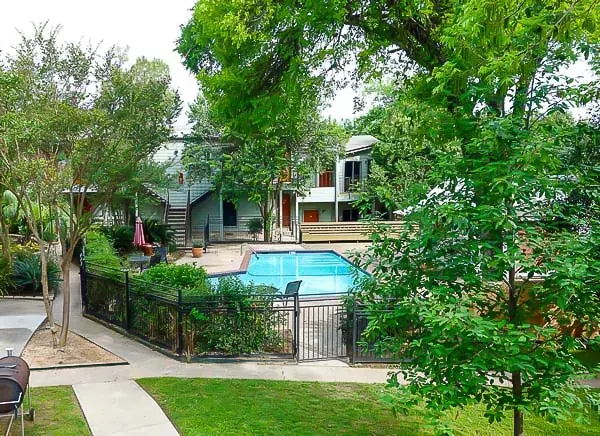
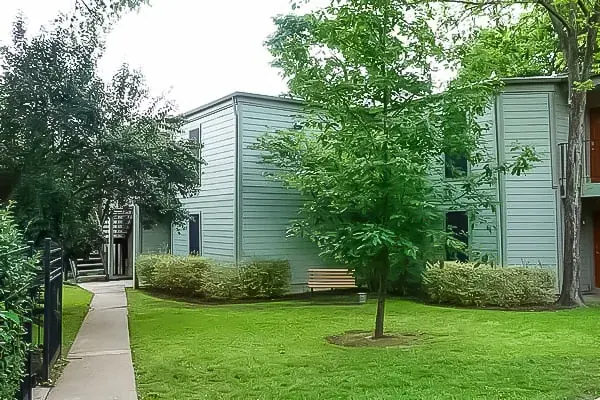
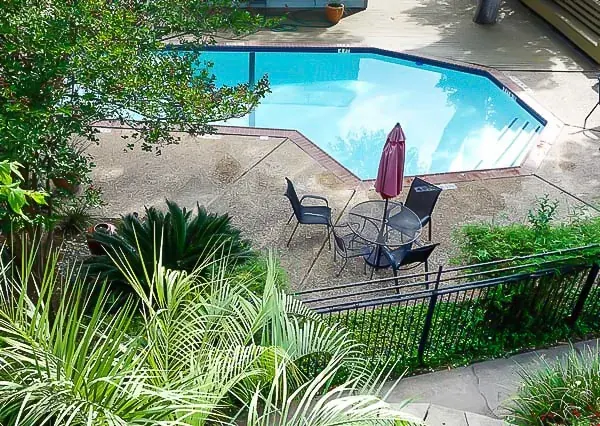
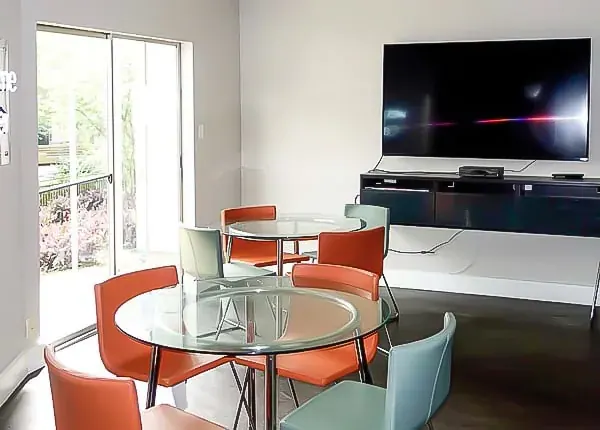
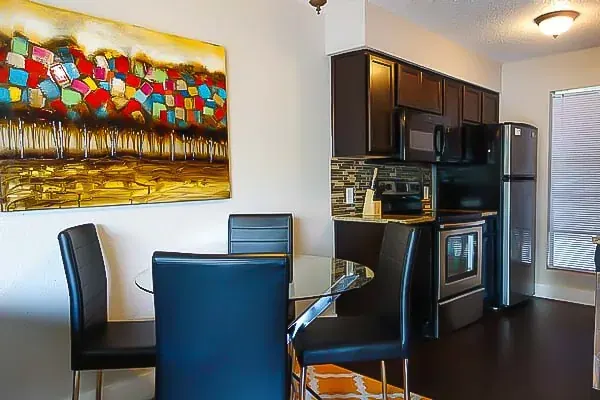
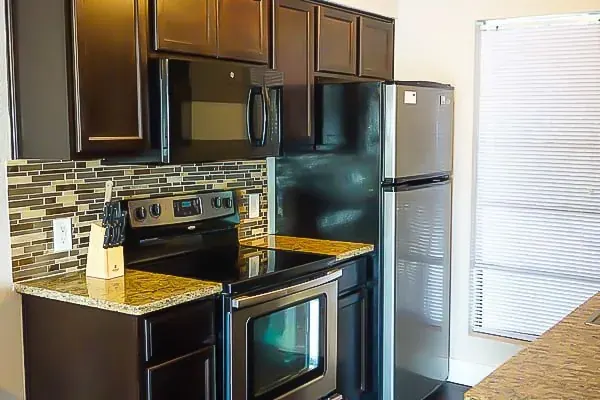
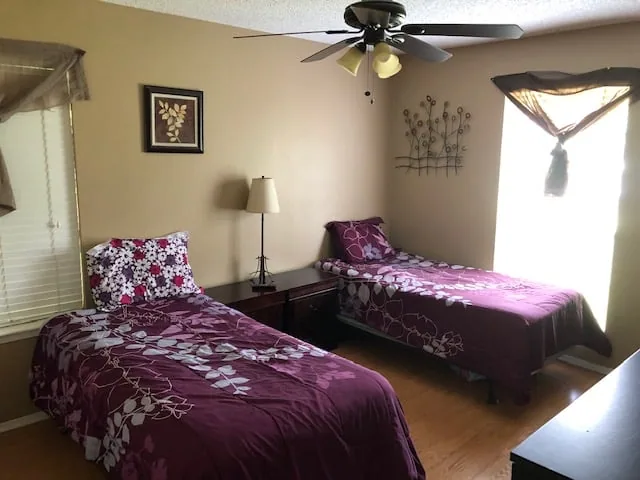
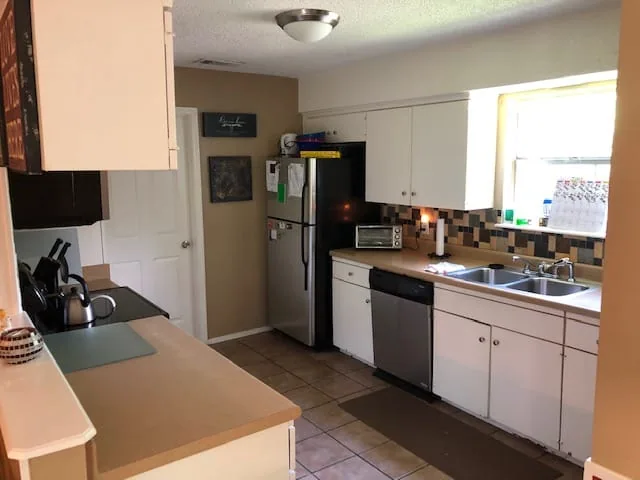
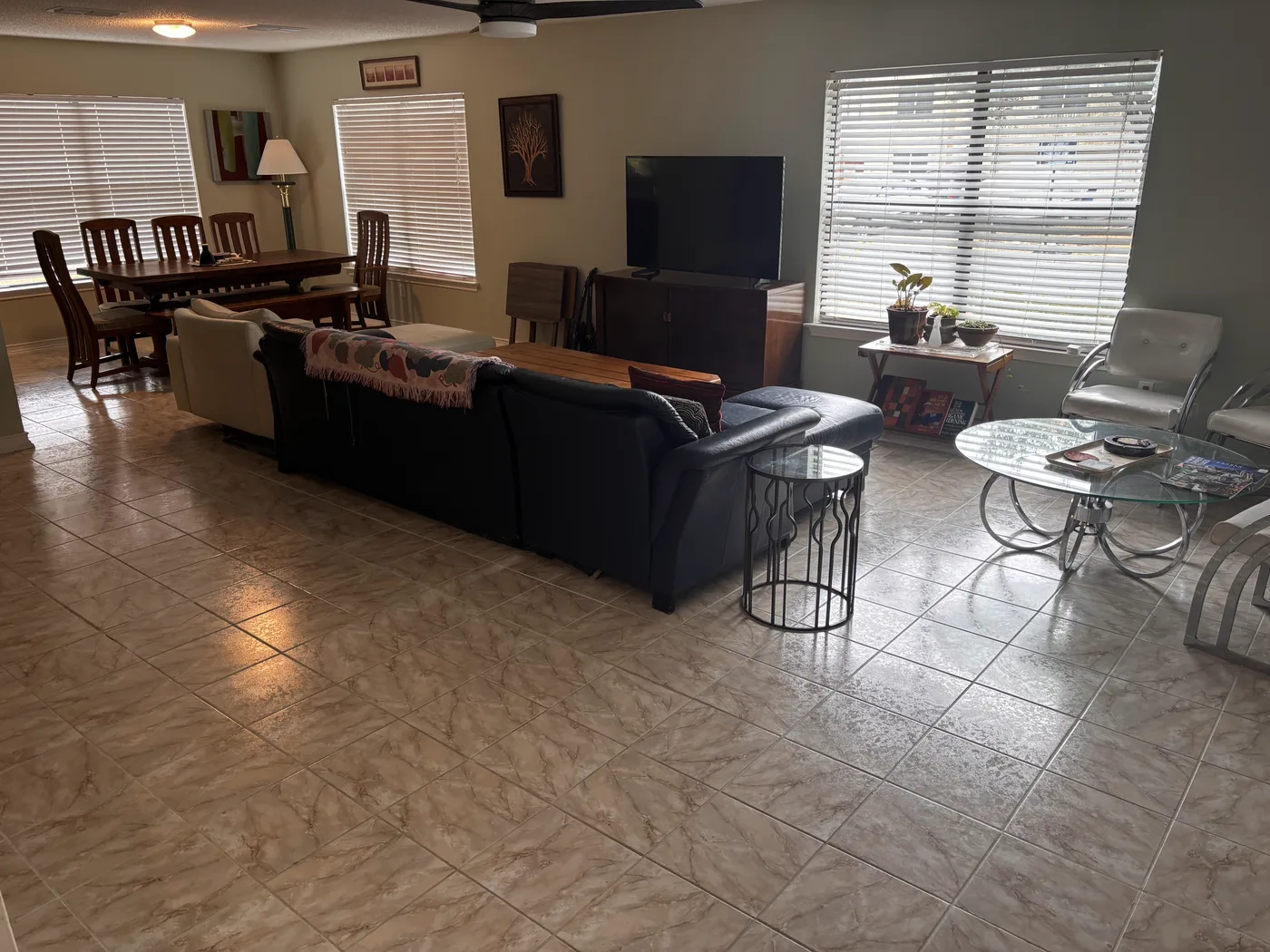
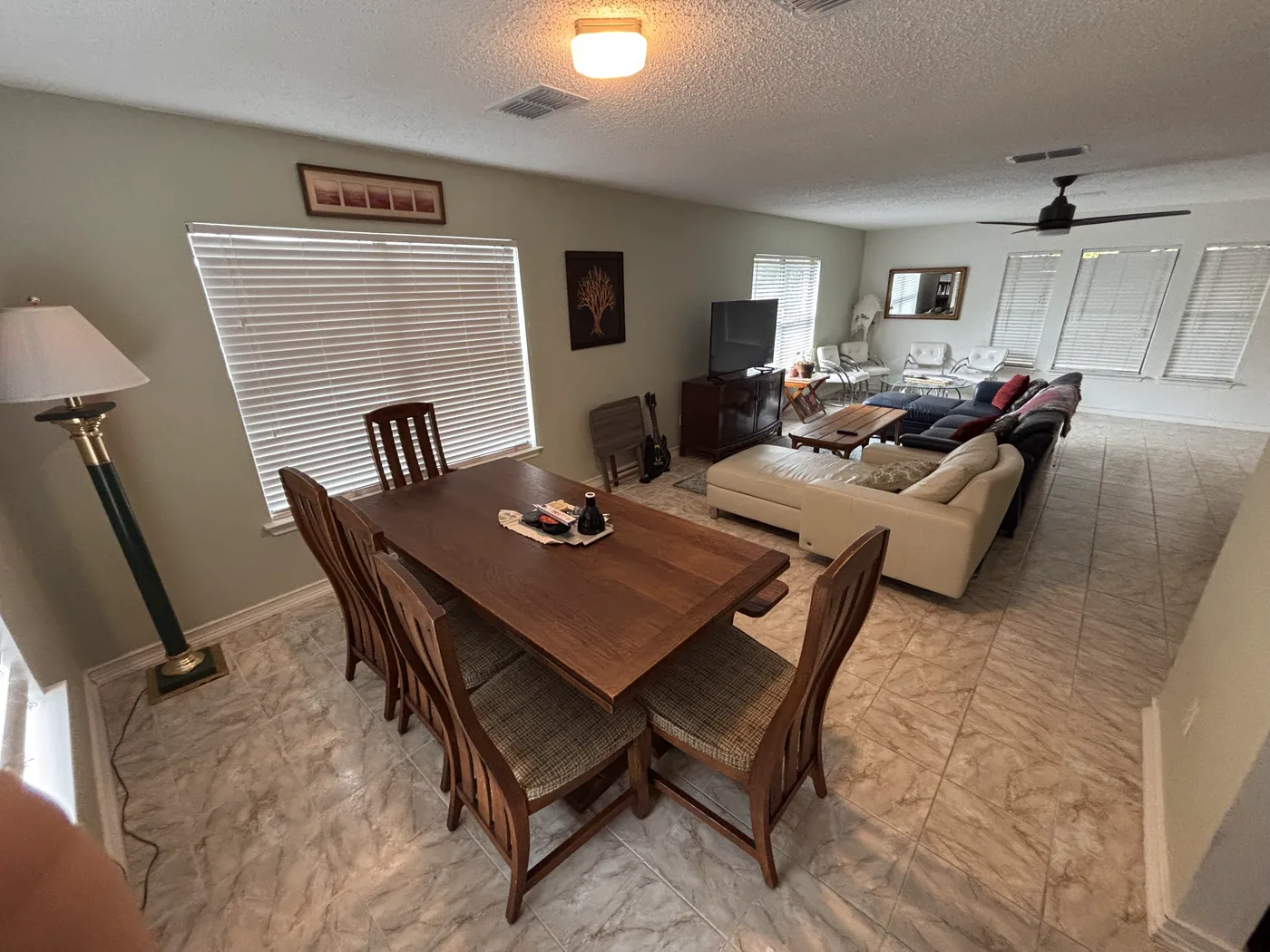
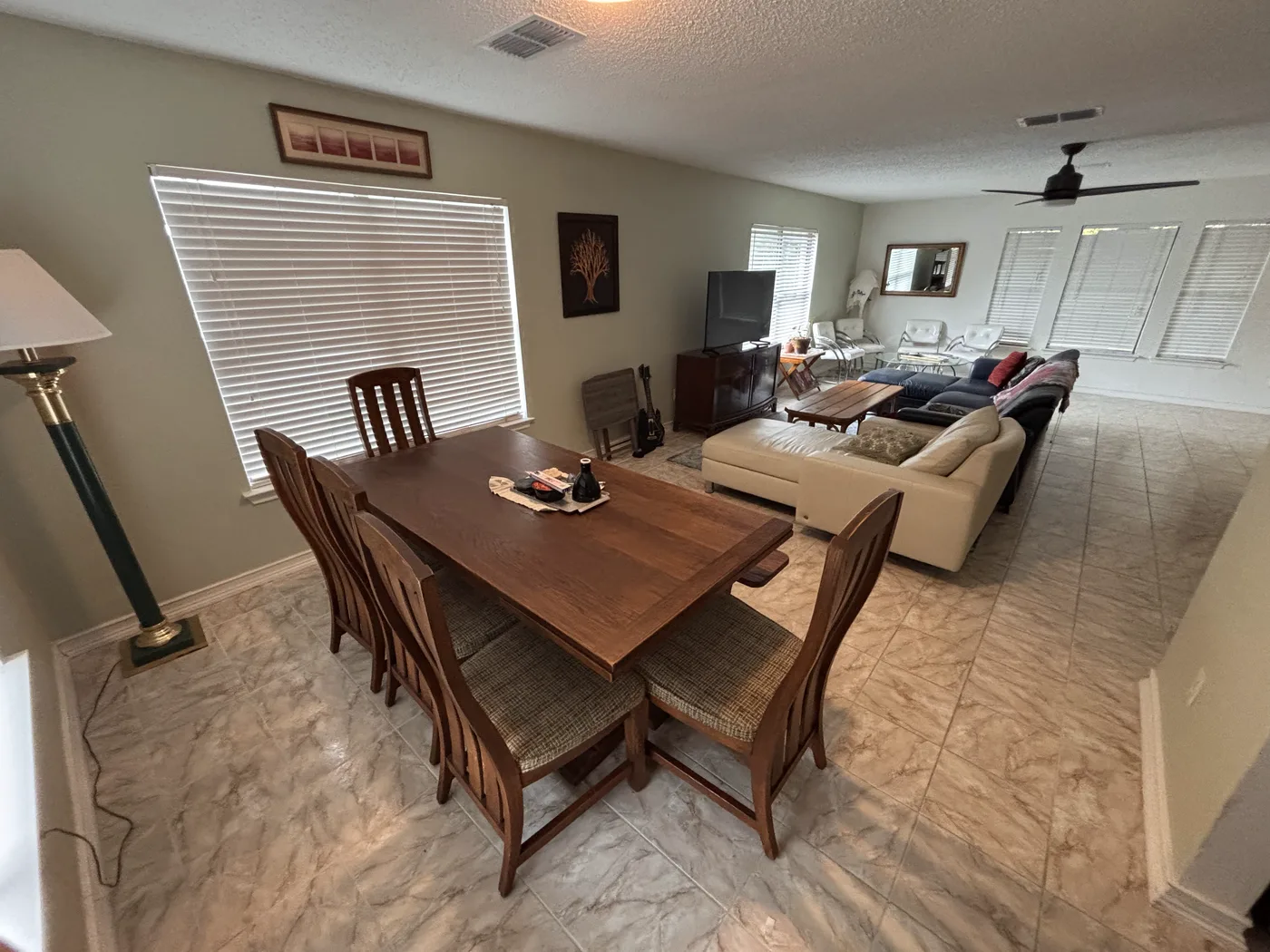
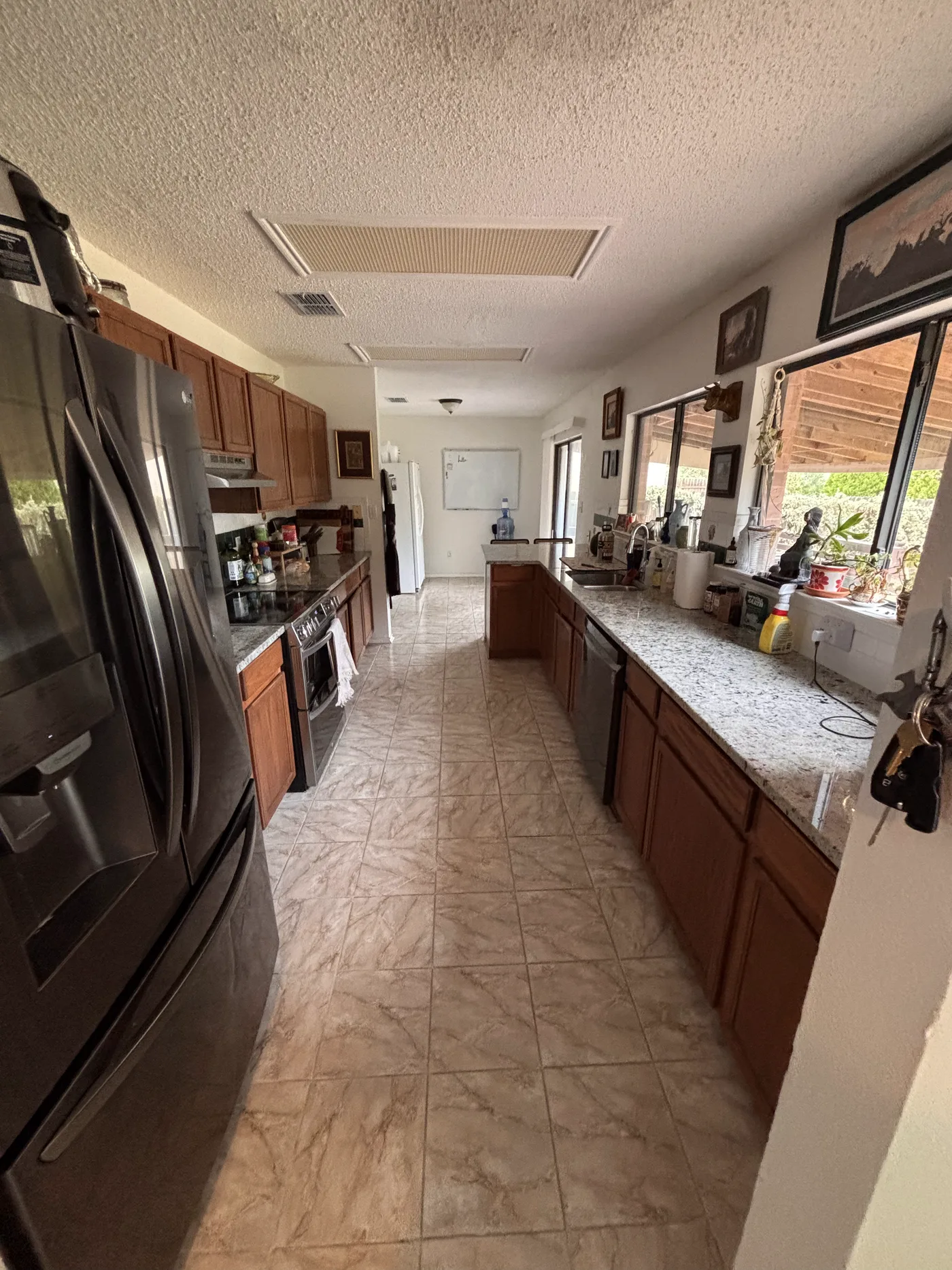
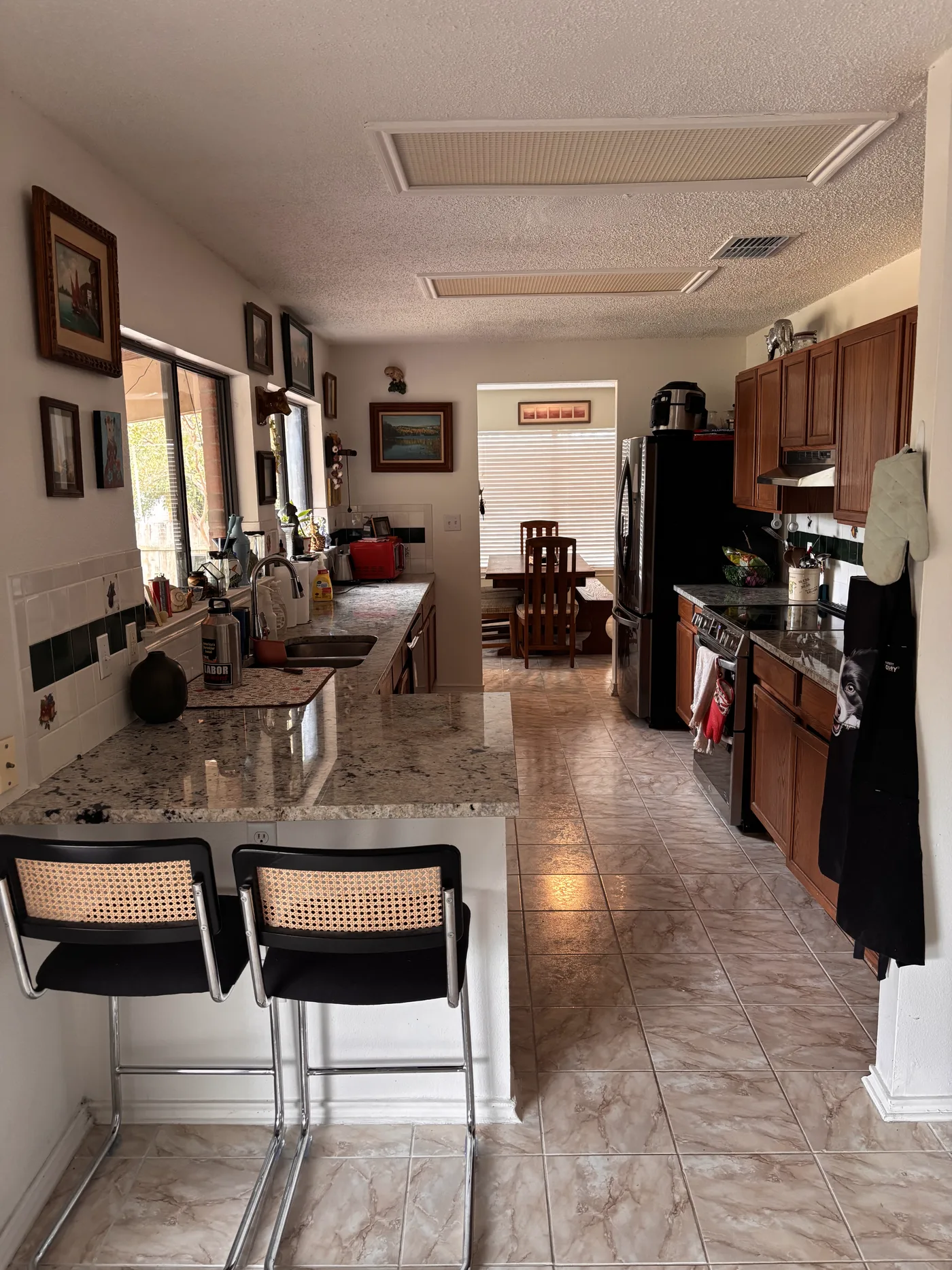
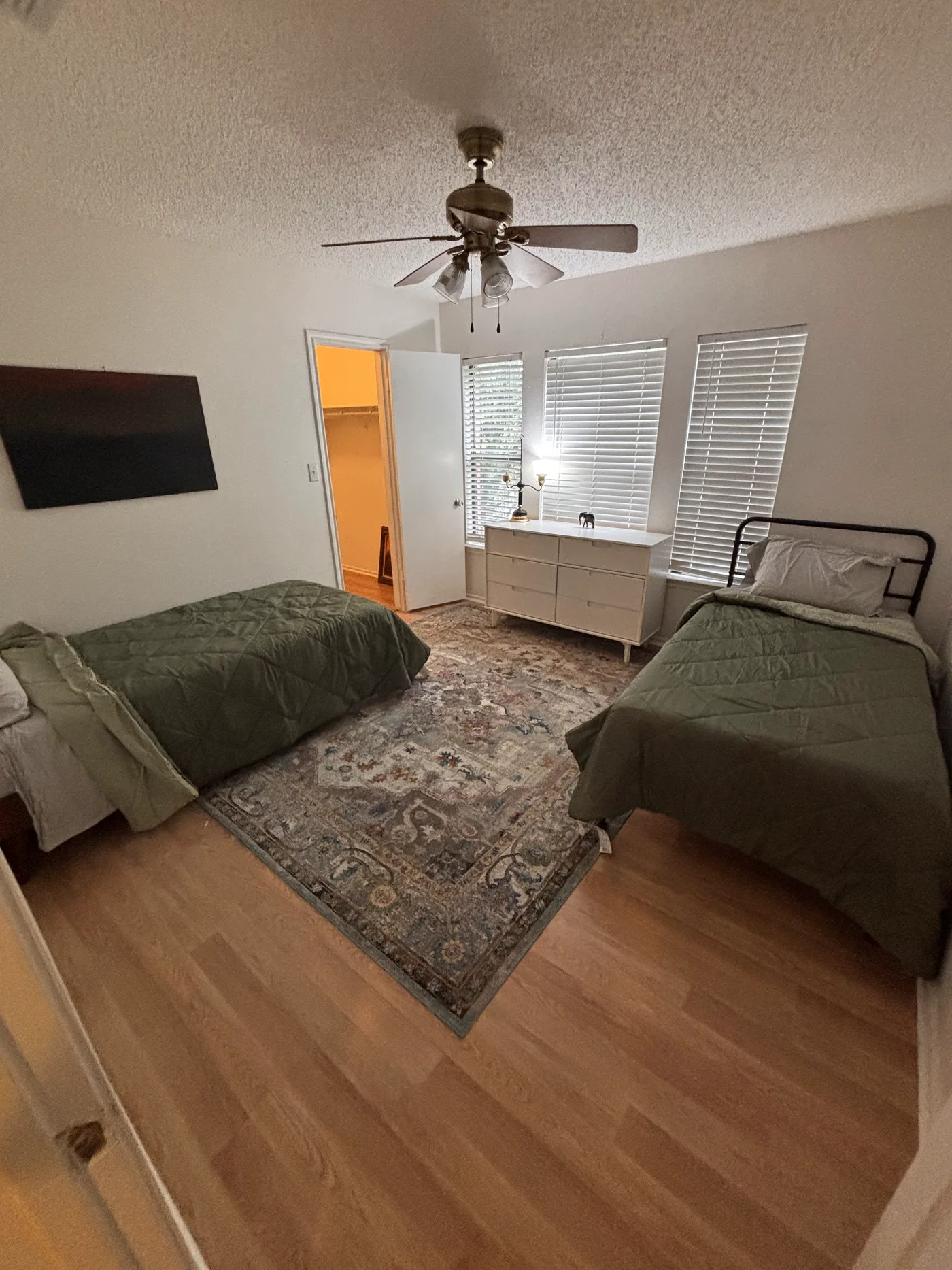
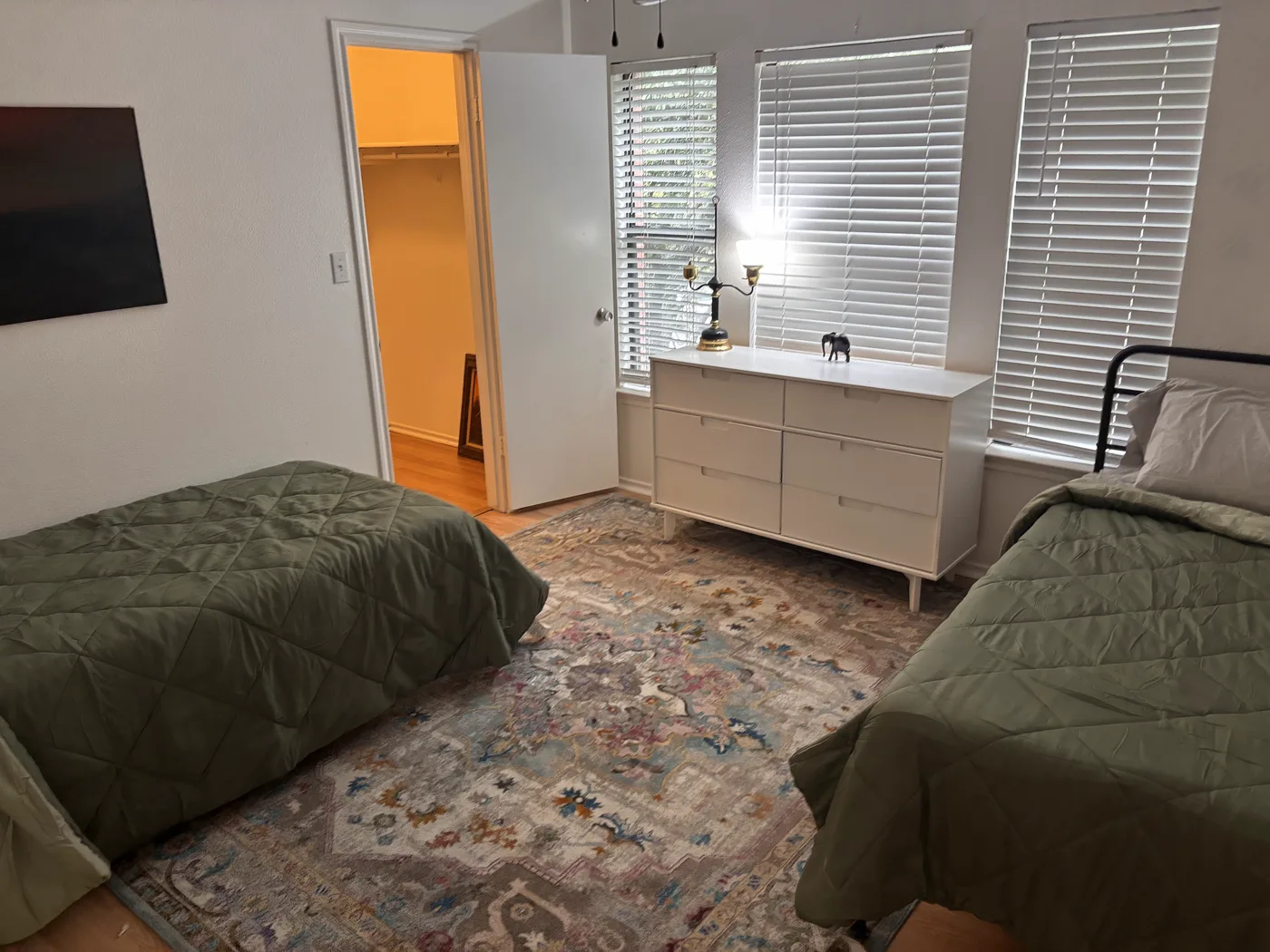
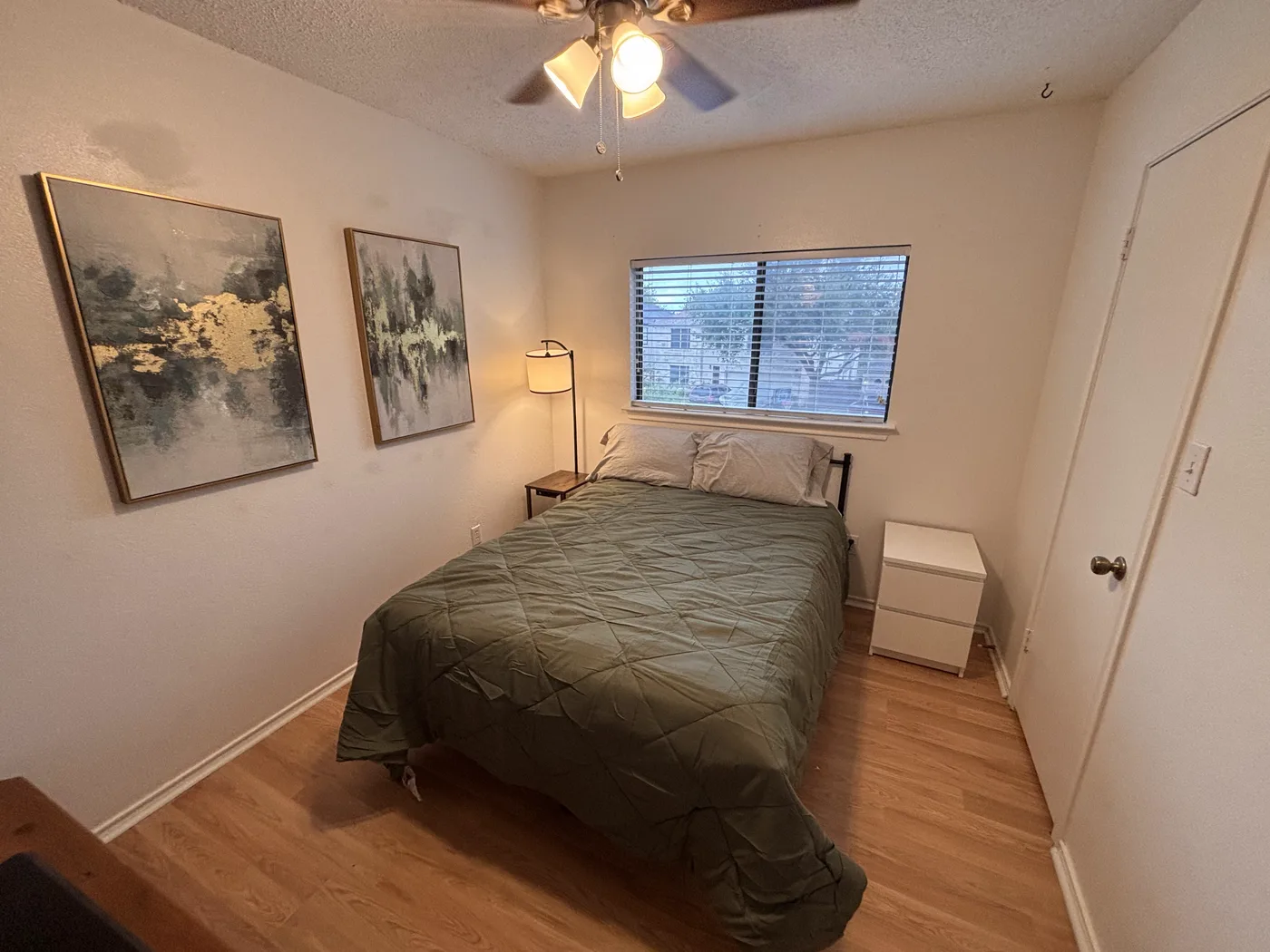
Inside the Austin homes



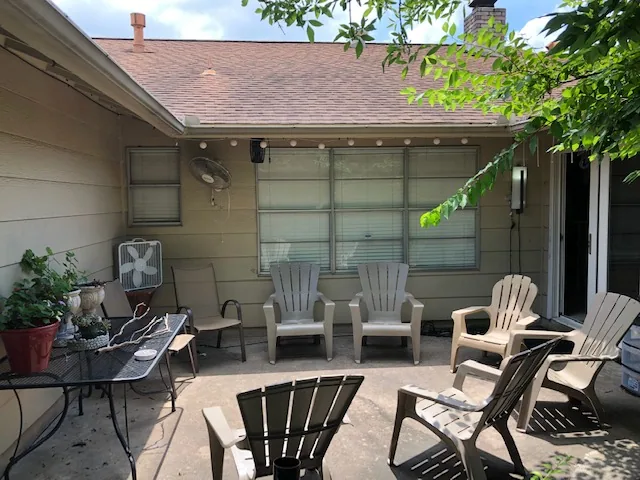
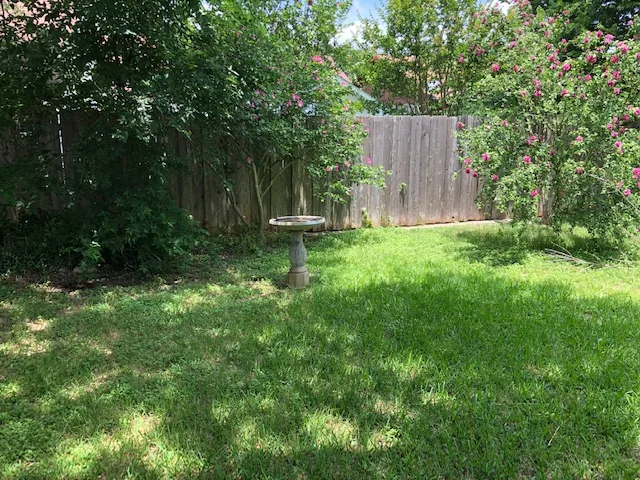
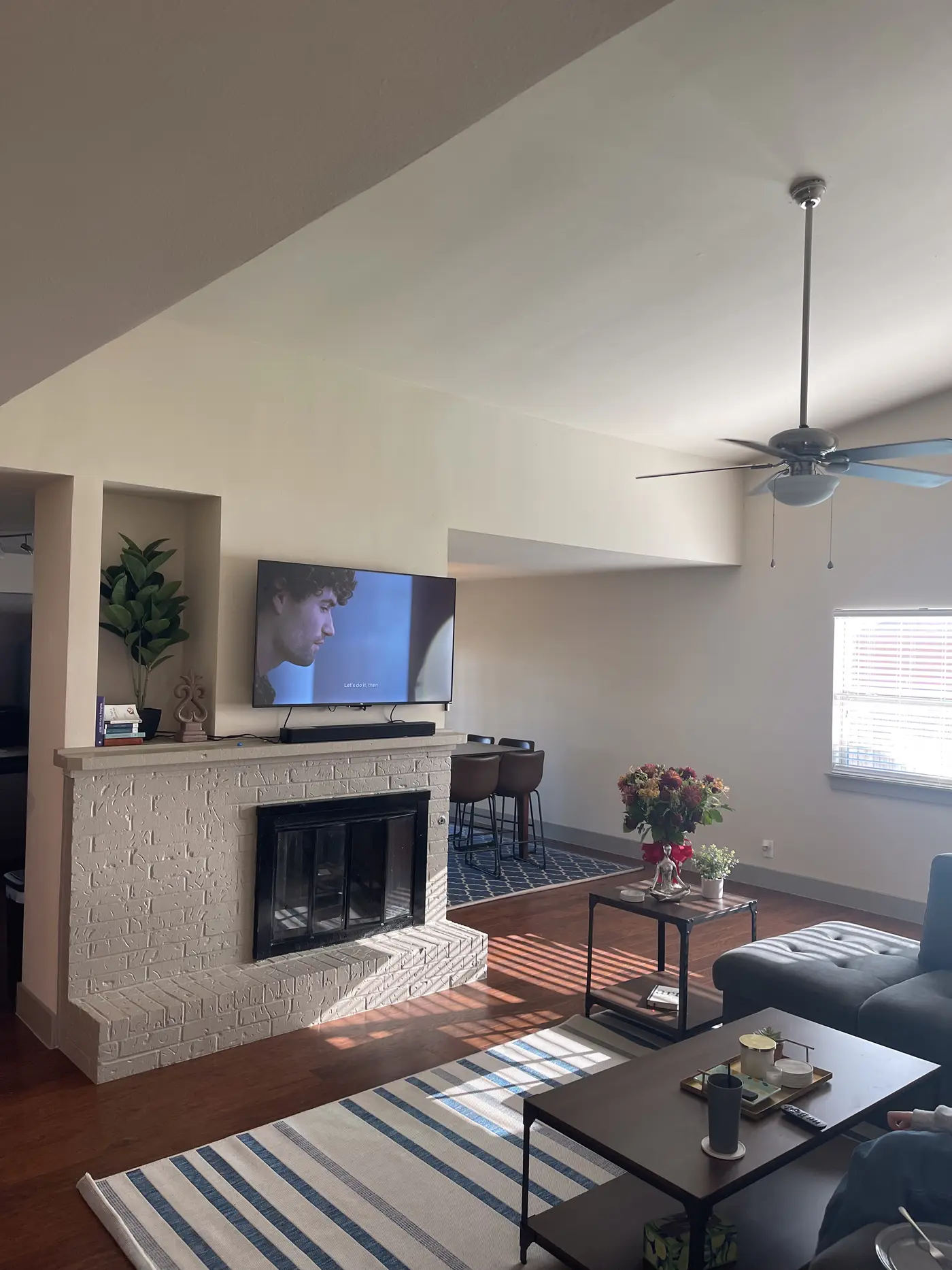
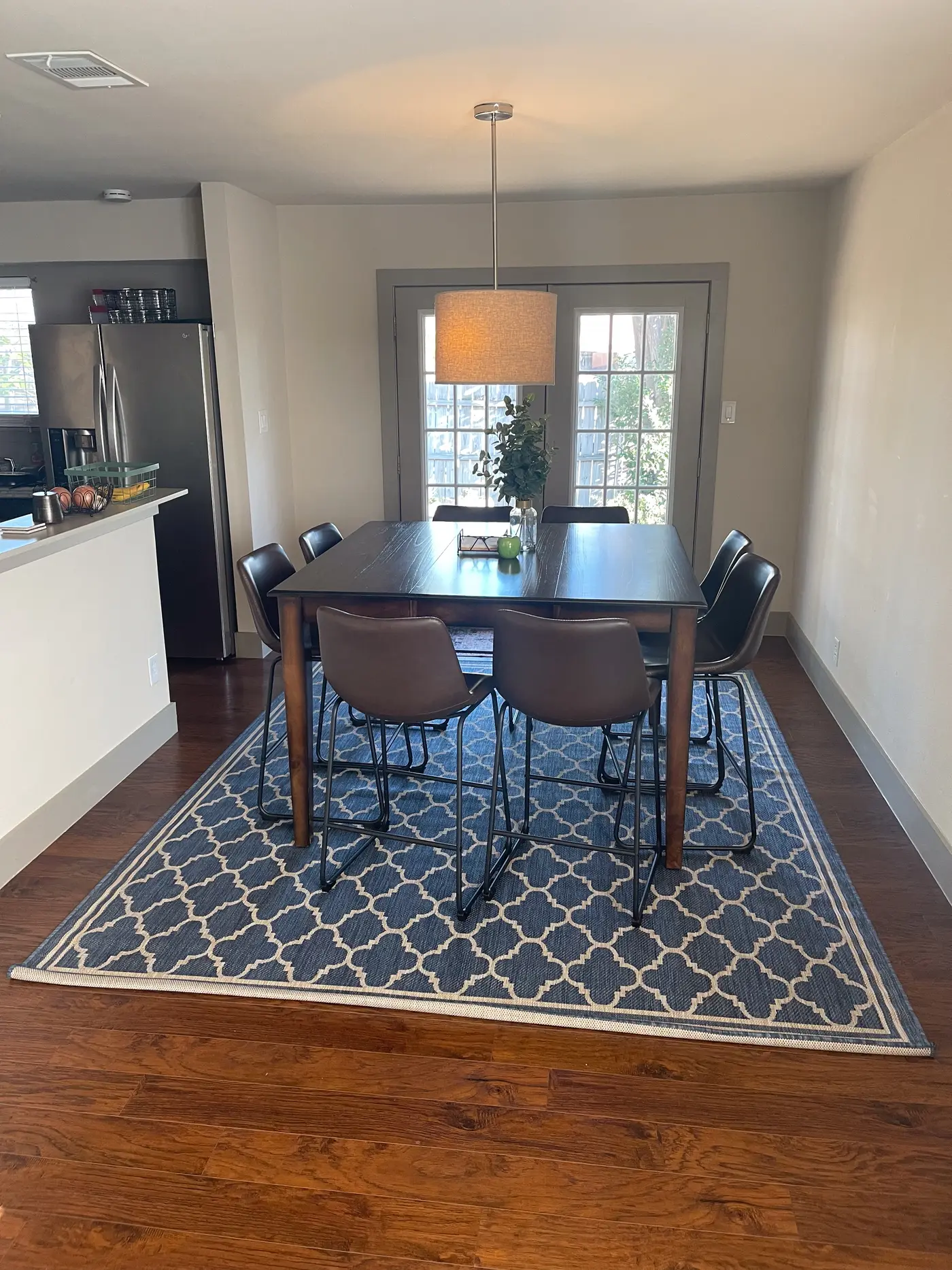
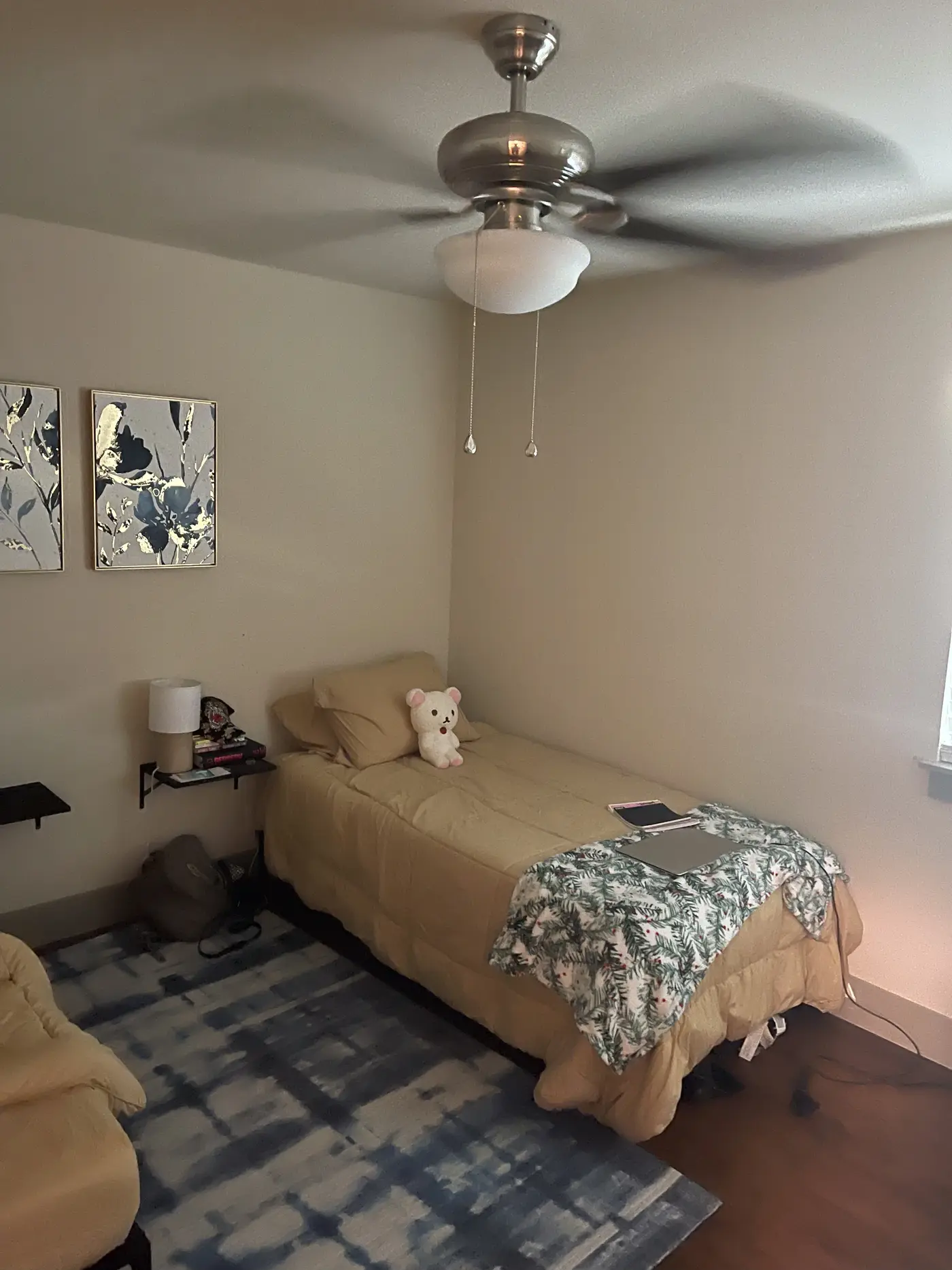
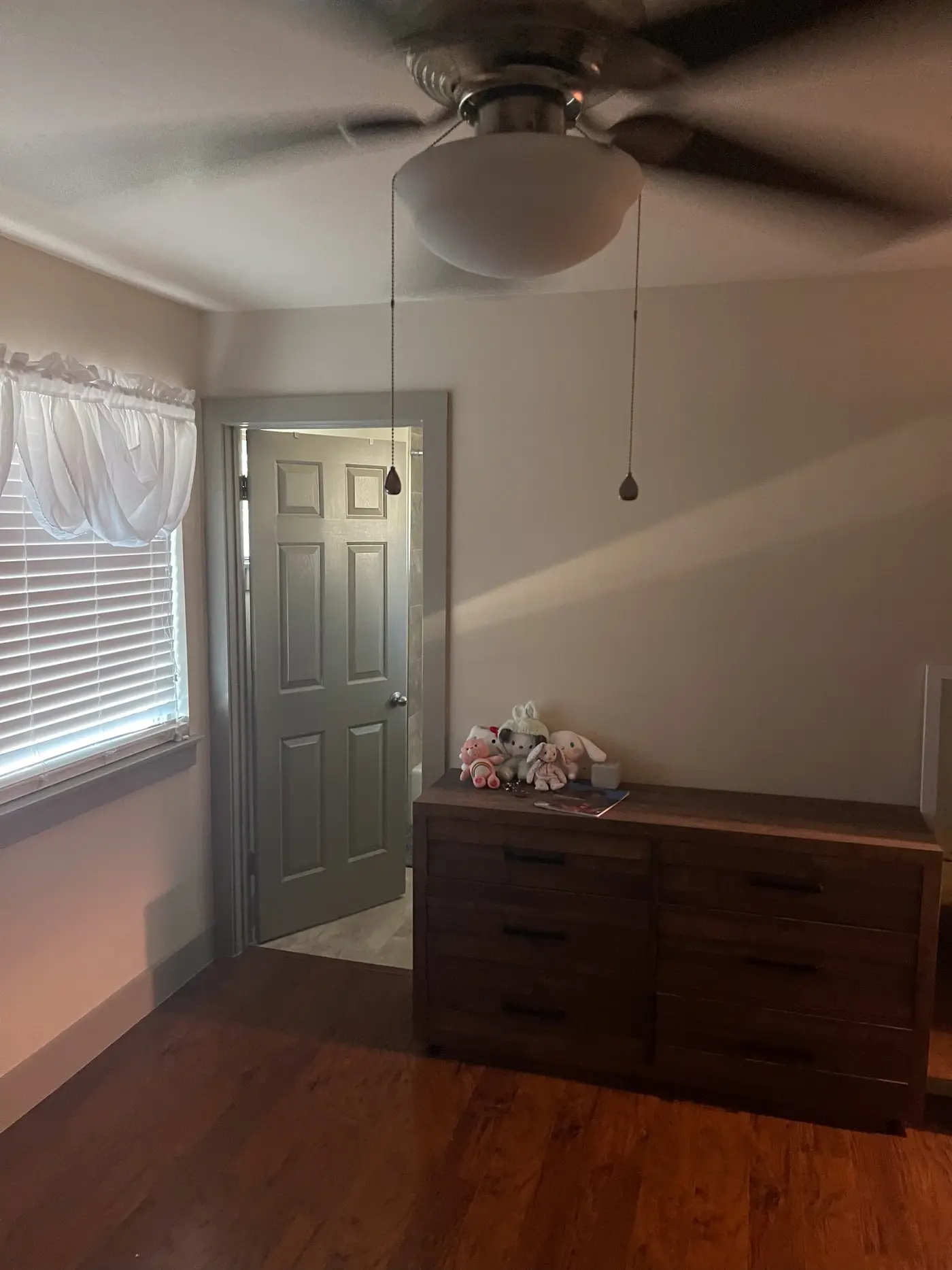
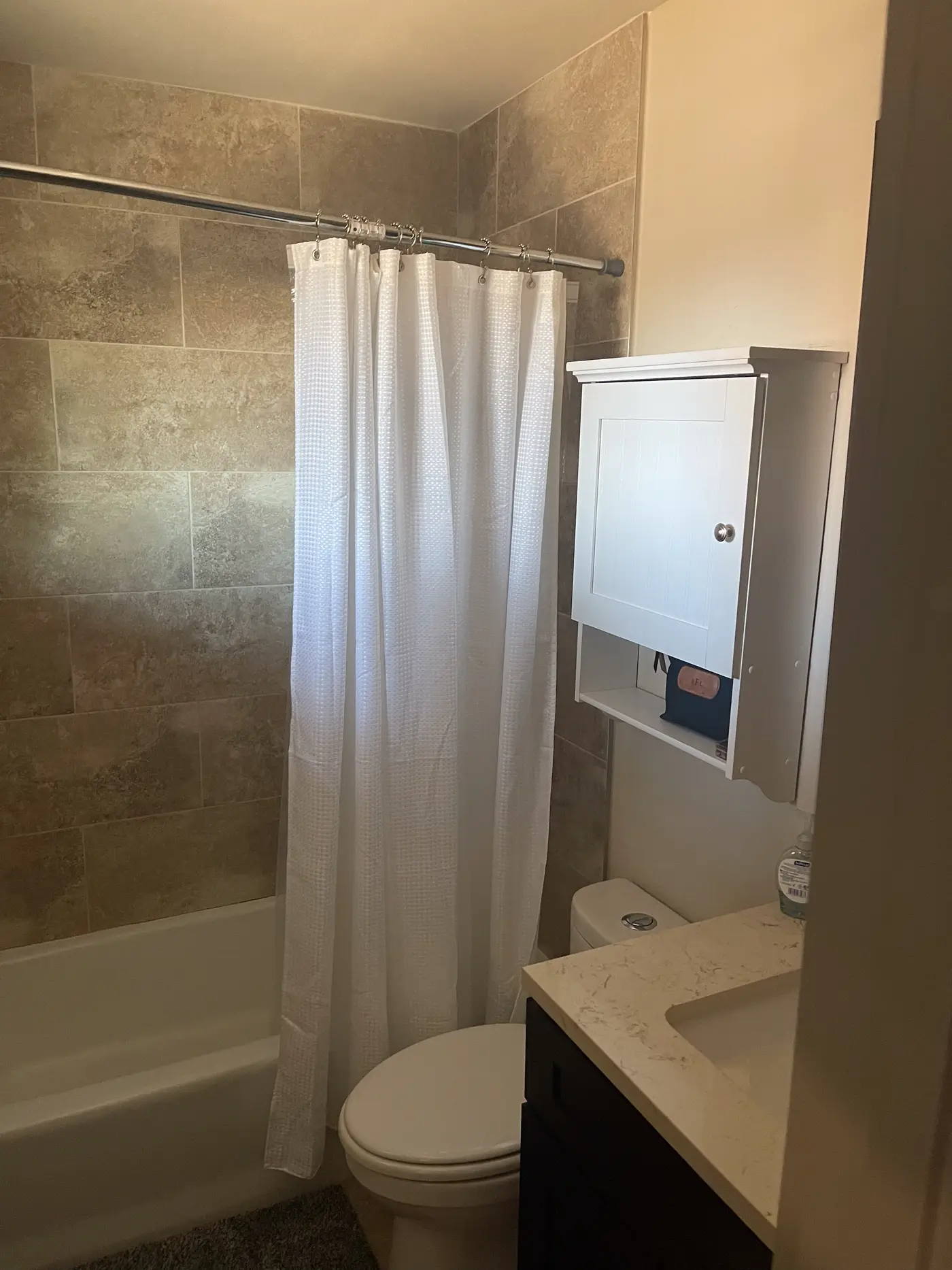
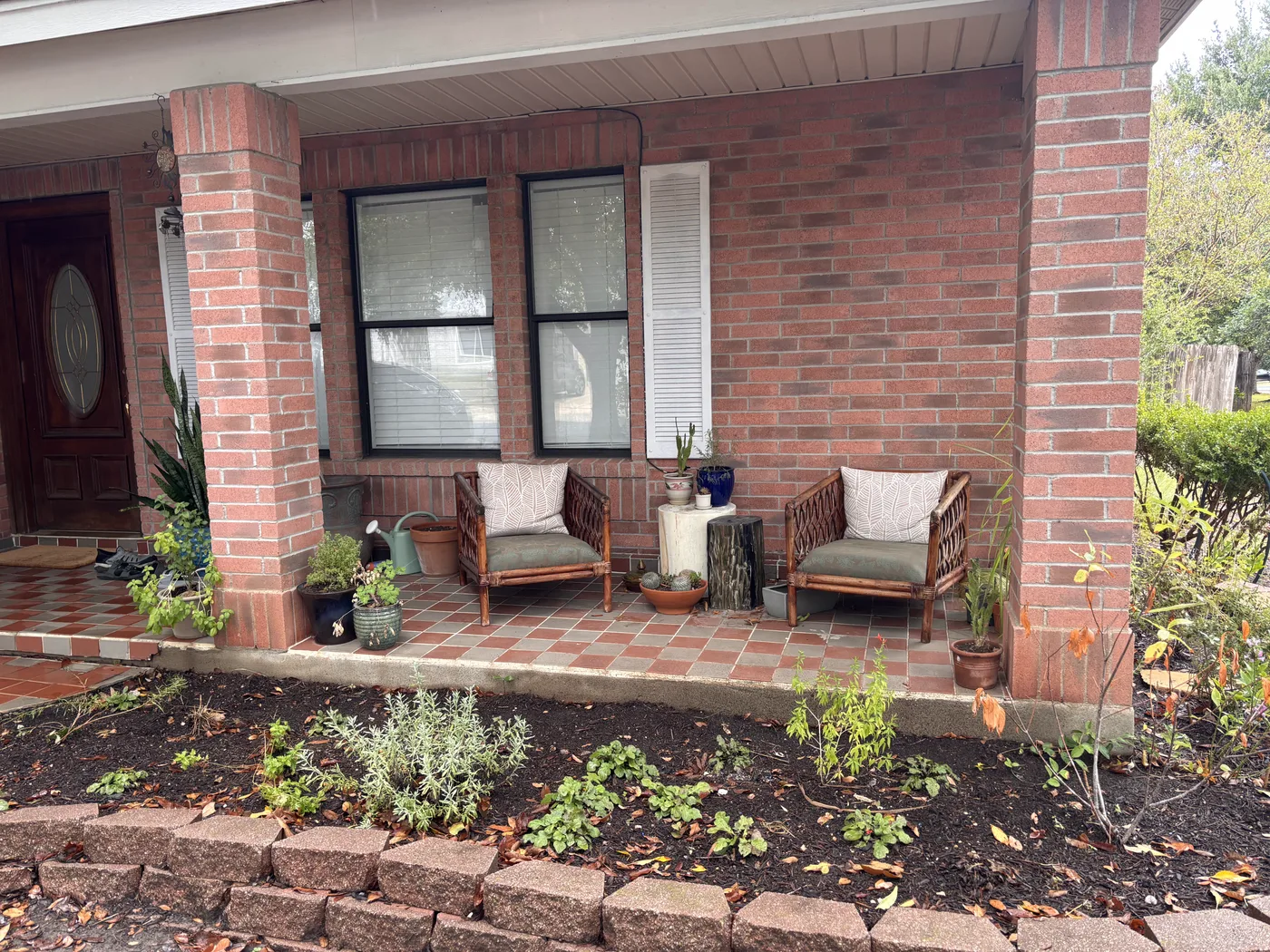
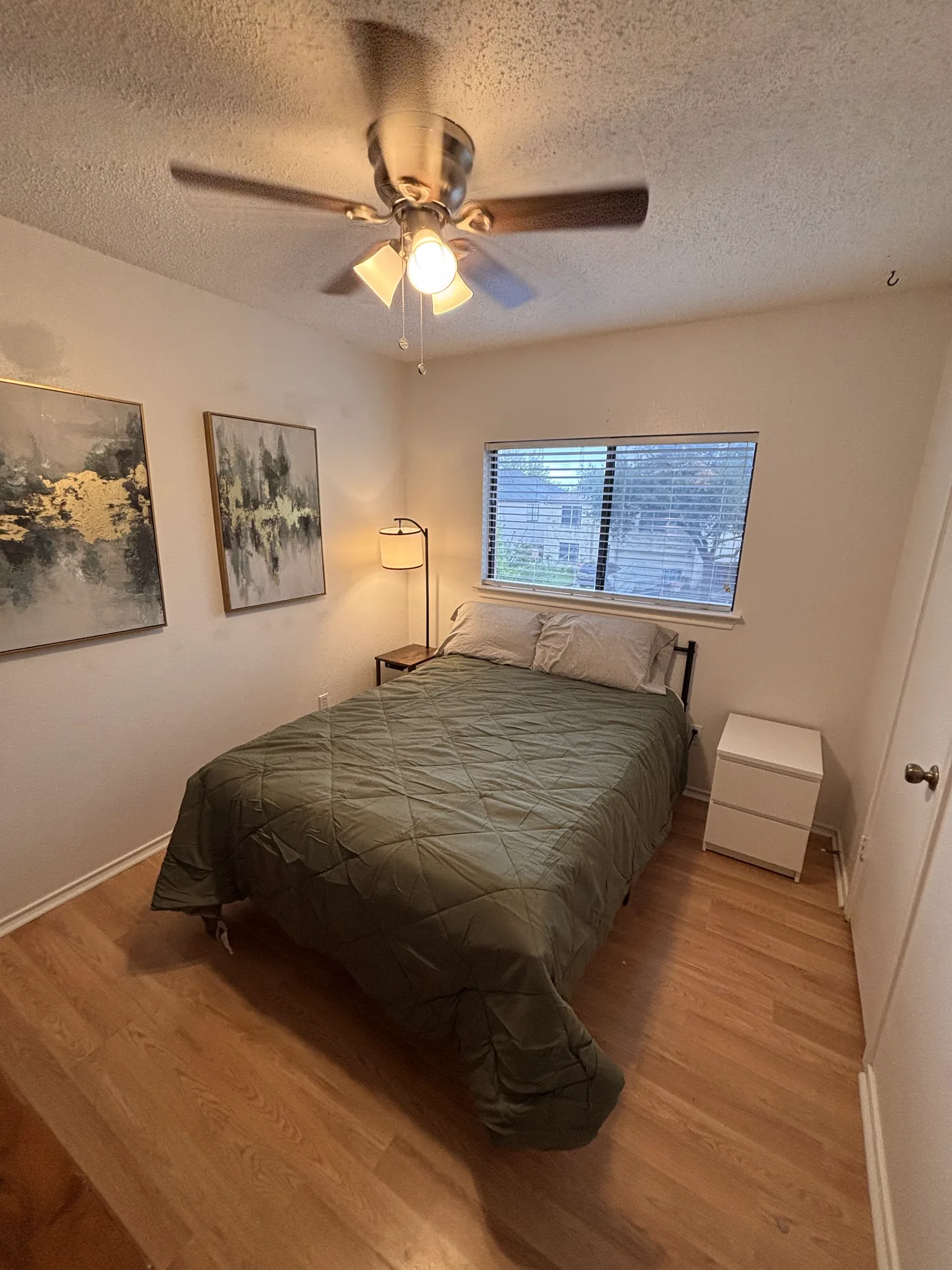
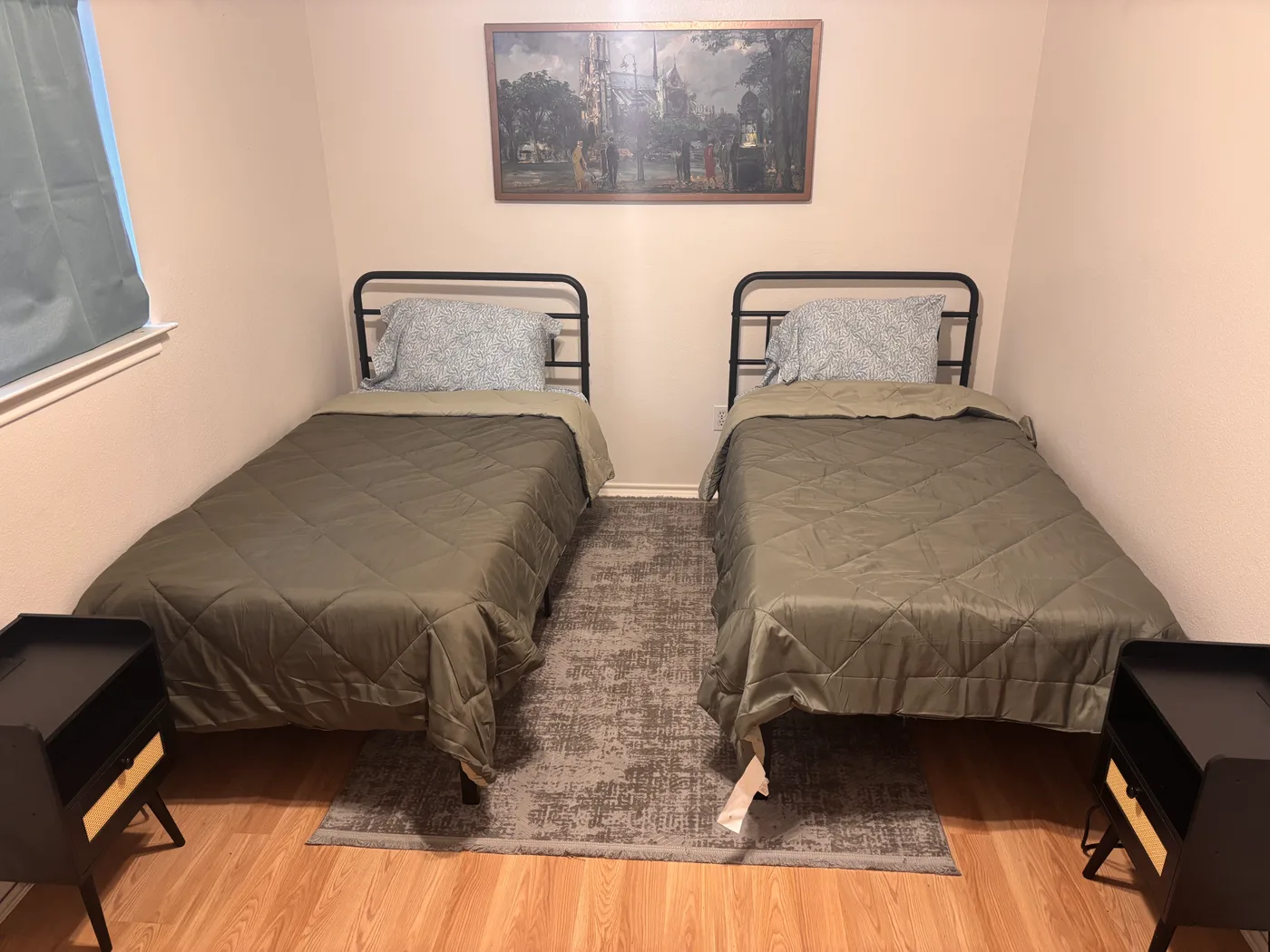
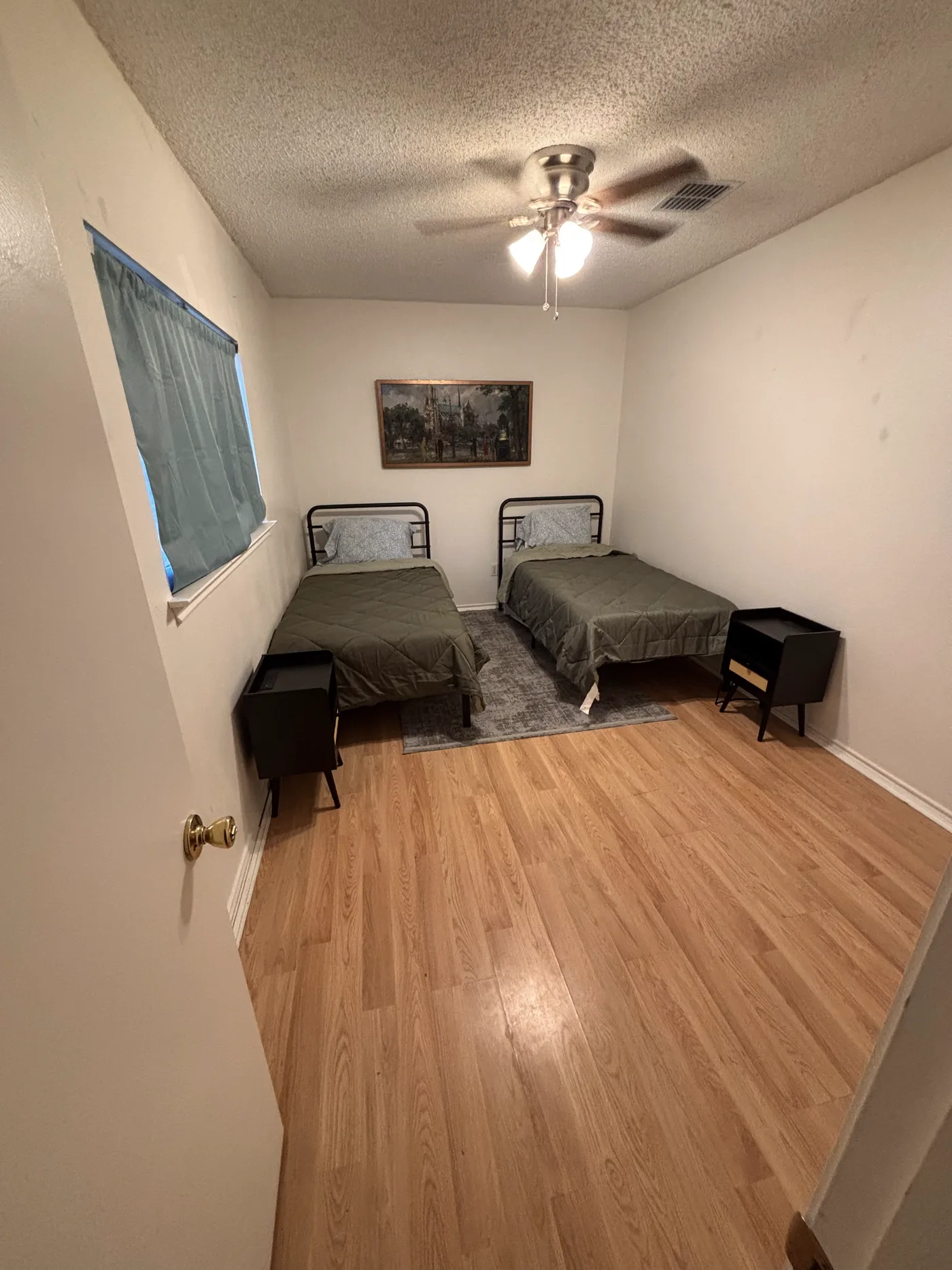
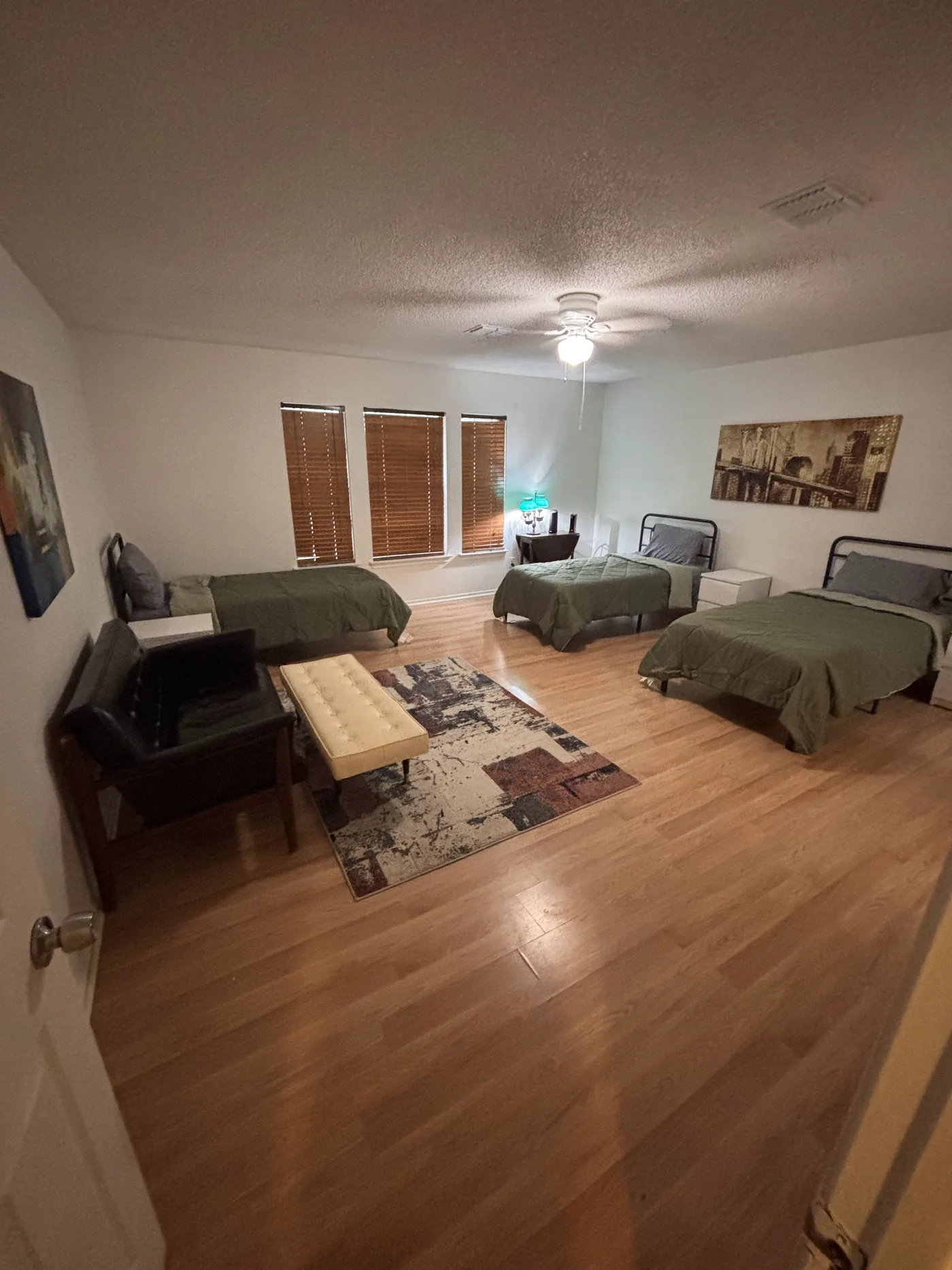
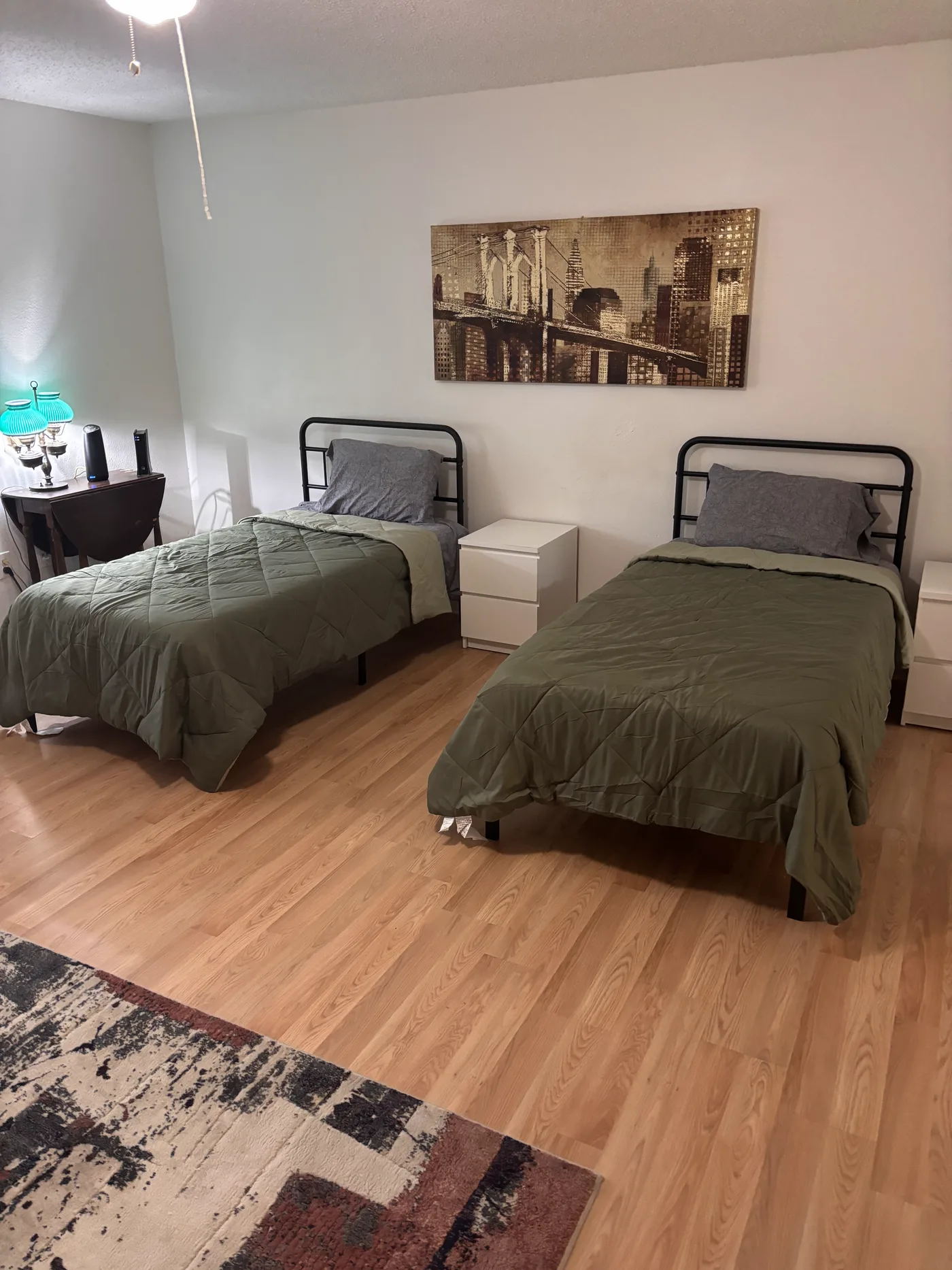
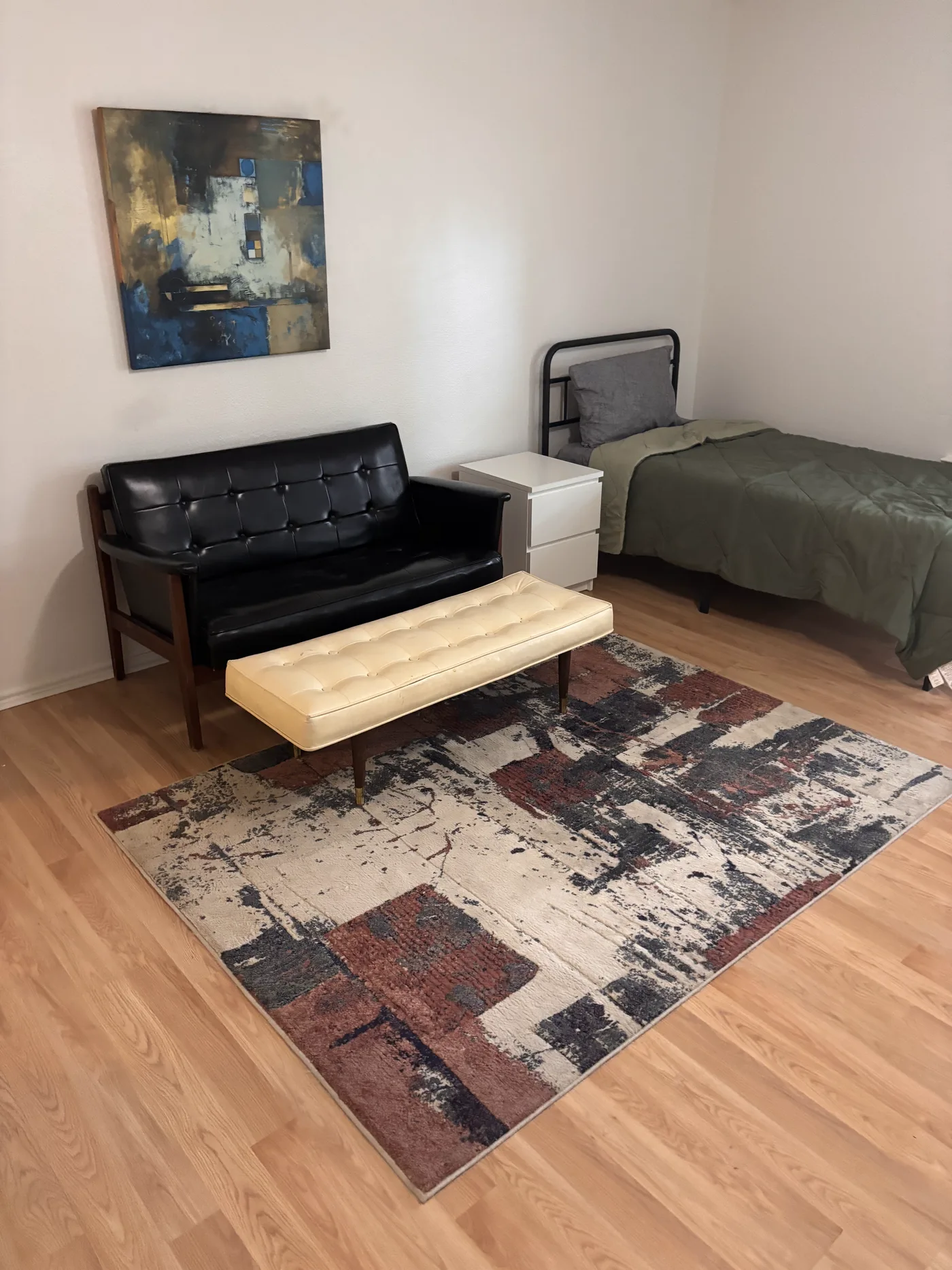
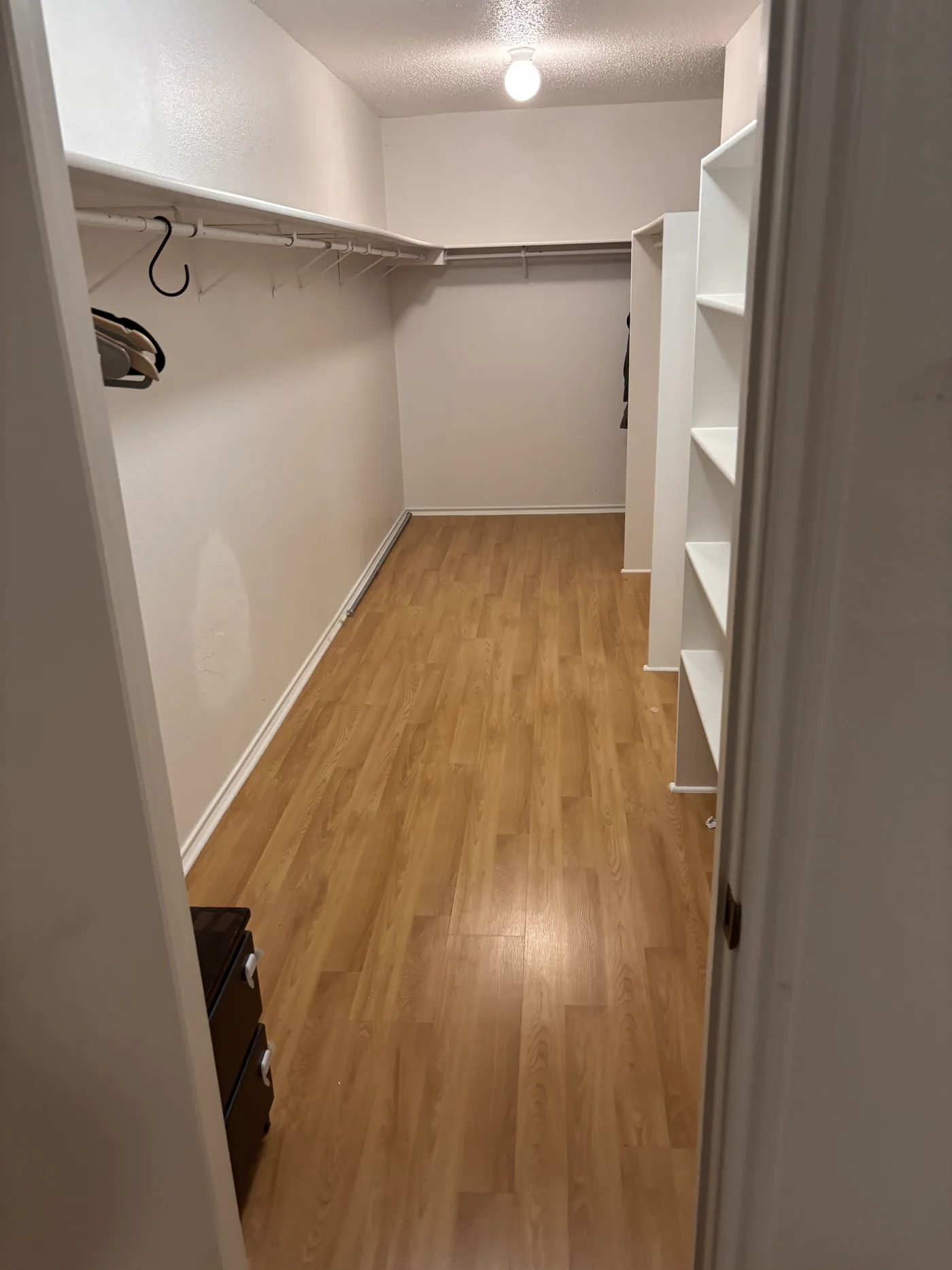
How to choose a sober living house in Austin, TX
Use this checklist to choose a sober living home in AustinStandards, structure, setting, and supports.
- Check standards and certification. Ask whether the home follows NARR standards or is listed with TROHN (the Texas NARR affiliate). Certification signals policies on safety, governance, and resident rights.
- Clarify the model. Is it peer‑run or staffed? Are there live‑in managers, recovery coaches, or case management? Policies vary by level of support.
- Confirm clinical coordination. If you need men’s IOP, ask how the house collaborates with local programs (schedules, transport, testing, communication).
- Ask about length‑of‑stay expectations. Some homes prefer commitments of several months; Oxford House residences have no preset maximum if you remain in good standing.
For house options, pricing, and availability, see our men’s sober living in Austin page.
Medical Disclaimer
The information provided on this page is intended for educational purposes only and should not be considered medical advice, a diagnosis, or a substitute for professional treatment. Decisions about substance use treatment, detoxification, or mental health care should always be made with a qualified healthcare provider. Do not attempt to manage withdrawal, make treatment changes, or discontinue any prescribed medications without medical supervision. If you experience severe symptoms, a medical emergency, or concerns about your safety, call 911 in the United States or seek immediate medical help. For confidential emotional or mental health support, you may also contact the Suicide & Crisis Lifeline by dialing 988, available 24 hours a day.
Select Our 10506 Parkfield Dr, Austin, TX Location
Select LocationVisit Our 9415 Quail Meadow Dr, Austin, TX Location
Select LocationChoose Our 7211 Northeast Dr, Austin, TX Location
Select LocationEudaimonia's Success Stories – Real People, Real Freedom
How Eudaimonia Recovery Homes Support Your Length of Stay
Eudaimonia Recovery Homes in Austin helps men decide how long to remain in sober living by focusing on progress rather than a fixed end date. Their guides describe flexible, progress‑based stays that commonly run three to twelve months, with regular check‑ins to reassess goals. They also recommend starting with at least ninety days of structured support before considering a step‑down.
For men who need clinical care while living in a sober home, Eudaimonia connects with its sister program, Nova Recovery Center, where IOP typically lasts six to eight weeks; many residents overlap IOP with housing to build daily routines. House policies, such as curfews, testing, meetings, and peer accountability, provide a stable frame for work or school while you evaluate whether to extend your stay. To support quality and safety, Eudaimonia points to the TROHN/NARR standards used across Texas and encourages people to ask about current certification and policies when touring.
Their Austin pages also explain neighborhoods, costs, and admissions so you can choose a location and timeline that fit your needs. Taken together, Eudaimonia offers structure, education, and coordination that make it easier to set a starting window and then adjust your length of stay as your stability grows. For local context, the Austin listing pages confirm the program’s presence and focus on sober living for adults.
Your Future Is Waiting
Tell us what you are looking for and admissions will walk you through the houses, the phases, and what a room actually costs.


