

Published January 21, 2026
Key Takeaways
- What the Serenity Prayer is in sober livingA clear definition and why it fits structured recovery housing.
- “God grant me the serenity” explained line by lineWhat serenity, courage, and wisdom look like as daily recovery skills.
- Full Serenity Prayer, long form, and printable versionsThe short version text, how people use printable copies, and common wording variations.
- How to use the Serenity Prayer during cravings and conflictA simple 60-second plan for triggers, urges, and tense house moments.
- Daily practices that build “serenity to know the difference”Concrete exercises that turn the prayer into decision-making habits.
- If prayer feels complicated: practical options without pressureWays to keep the intent while adjusting language to your beliefs and history.
- When the Serenity Prayer is not enoughWhen to get more help, plus trusted federal resources and next steps.
On This Page · 26 Sections
Early sobriety can feel steady on the outside and loud on the inside. You may be following house rules, doing recovery meetings, and rebuilding routines, while your mind runs ahead into fear, resentment, or cravings.
The Serenity Prayer is a short, repeatable reset for those moments. It helps you slow down, face reality, and choose one sober action. Many people know it by the opening line, “God grant me the serenity,” because that first phrase quickly shifts attention from panic to perspective.
What the Serenity Prayer is in sober living
The Serenity Prayer is a brief prayer that asks for three practical strengths: serenity, courage, and wisdom. In sober living, those strengths map to three daily recovery skills: acceptance, action, and discernment.
If you are living in a structured recovery residence, the prayer often becomes a shared language. It gives you a way to talk about a common struggle in early recovery: confusing control with responsibility. You may not be able to control what happens, but you can stay responsible for what you do next.
In a sober living program, that distinction matters. Structure supports you, but you still have to make choices in real time: how you respond to stress, how you repair relationships, and how you handle urges without using.
In plain terms, the serenity prayer is a request for:
- Serenity to accept what you cannot change
- Courage to change the things you can
- Wisdom, or serenity to know the difference
That last idea, serenity to know the difference, is the hinge. It turns the prayer into a decision tool: is this an acceptance problem, or a change problem?
“God grant me the serenity” explained line by line
People sometimes treat the Serenity Prayer as a slogan. In sober living, it works best when you treat it as a guide for behavior. Below is a practical reading of each line.
God grant me the serenity to accept the things I cannot change
This line is about reality-testing. Acceptance is not approval. Acceptance means you stop arguing with facts so you can spend your energy on what is possible.
Examples of “things I cannot change” in recovery housing include:
- What other people think, feel, or say
- The past, including relapse history and consequences
- The pace of trust being rebuilt with family
- The fact that cravings can happen, even when you are committed
When you feel stuck, some people shorten it to “grant me the serenity” or “grant me the serenity to accept the things” as a fast reminder: I can face reality without acting on impulse.
Courage to change the things I can
This is where the prayer becomes active. Courage to change the things I can is not about big speeches. It is about small, repeated actions that protect sobriety: honesty, accountability, and follow-through.
In sober living, “God grant me the courage to change the things” often looks like:
- Going to the meeting you planned to attend, even if you feel anxious
- Talking to staff or a house manager before you isolate
- Making a repair after conflict instead of defending yourself
- Following community expectations, including curfews and testing
If you find yourself praying, “Lord give me the courage to change” or “God grant me the courage to change,” you are naming the right target: change your choices, not other people.
And wisdom to know the difference
People often say, “give me the wisdom to,” because wisdom is the skill of sorting. It is the ability to separate what you can control from what you can only influence, and from what you must release.
In practice, wisdom sounds like this: I cannot control their reaction, but I can control my tone. I cannot erase the past, but I can show up differently today. That is serenity to know the difference.
Full Serenity Prayer, long form, and printable versions
There are a few common ways people search for the prayer: serenity prayer short version, full serenity prayer, serenity prayer whole, or long serenity prayer. In most sober living and 12-step settings, the “whole” prayer people recite together is the short, three-line form below.
Some people search for “god grant me the serenity prayer” because they want the exact wording and a clear way to use it day to day.
Serenity prayer short version
Serenity prayer God grant me the serenity:
God, grant me the serenity to accept the things I cannot change,
Courage to change the things I can,
And wisdom to know the difference.
Serenity prayer full version printable
If you want a serenity prayer full version printable, you can print the three lines above and post them where decisions happen: near your bed, in your journal, or on the fridge. Keeping it visible makes it easier to use before you react.
Long serenity prayer and serenity prayer long form
You may also hear a long serenity prayer, sometimes called the serenity prayer long form. It keeps the same core message, and then adds a longer reflection about living one day at a time, accepting hardship, and releasing outcomes. Groups vary in whether they use it, and wording can differ.
If you want more recovery prayers and how they are used in meetings, this guide to the NA 3rd Step prayer explains how different prayers show up across recovery communities.
Common wording variations
You may hear the same intent with different openings:
- God give me the serenity
- God give me serenity to change the things I can
- Give me the serenity to change the things
- Give me the courage to accept the things
- Lord give me serenity to accept
- Lord grant me the serenity prayer
- Lord grant me the serenity to accept
- Lord grant me the strength
- Grant me the strength to accept
- Grant me the serenity prayer
- Grant me the serenity to accept the things
These variations are normal. The recovery value stays the same: accept reality, change what you can, and practice discernment.
Eudaimonia's Success Stories – Real People, Real Freedom
How to use the Serenity Prayer during cravings and conflict
The prayer becomes most useful when you connect it to a specific plan. Instead of using it as a quote, use it as a three-step sequence: pause, choose, act.
A 60-second practice you can use anywhere
- Pause and breathe once, slowly. Let the exhale be longer than the inhale.
- Say the line you need most. Some days that is “God grant me the serenity to accept the things.” Other days it is “courage to change the things I can.”
- Name one action you can take in the next 10 minutes, and do it.
This is how the prayer moves from inspiration to relapse prevention. It creates a small gap between emotion and behavior, and that gap is where choice lives.
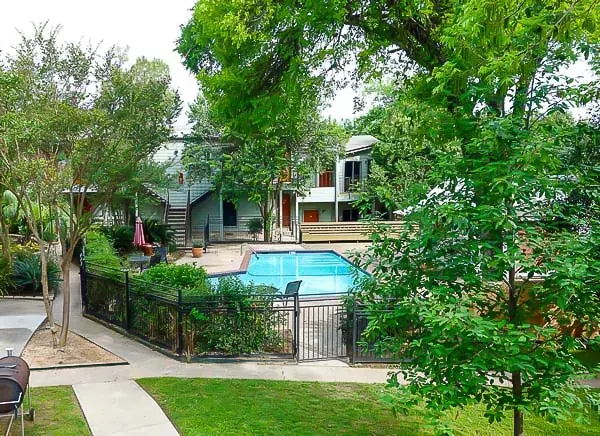
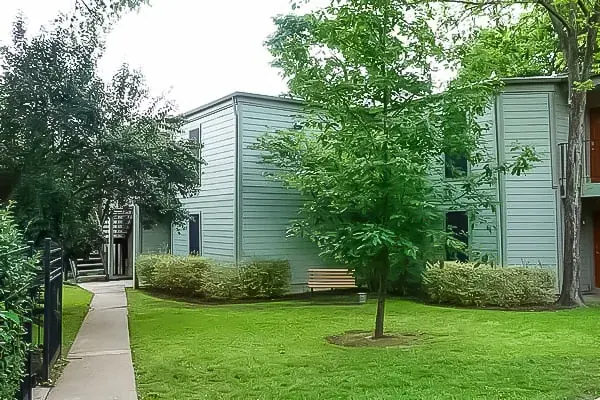
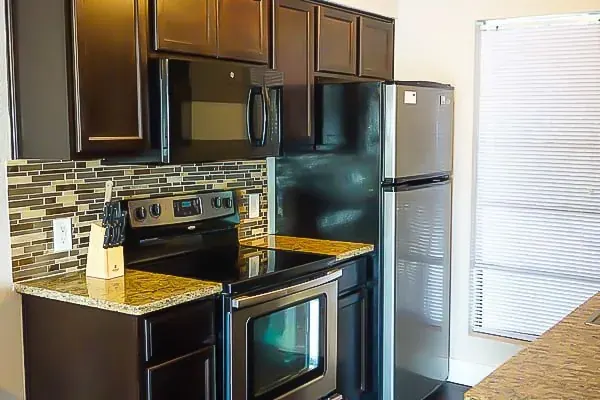
Inside Rustic Creek, our Austin flagship





When cravings spike
Cravings are time-limited, even when they feel endless. “God grant me the serenity” can interrupt the spiral long enough to use a coping skill. Pair the prayer with a simple routine: drink water, move your body, and contact support before you isolate.
Healthy coping strategies matter for the whole person, not only for substance use. The CDC includes journaling, time outdoors, and breathing or meditation among practical ways to manage stress. You can review ideas on the CDC’s page on healthy ways to cope with stress.
If you want more structured coping tools, these mindfulness practices for recovery can help you build steadier responses to triggers.
When conflict shows up in the house
Shared living can bring up old patterns: blaming, avoidance, people-pleasing, or explosive reactions. The prayer gives you a simple script:
- What can I accept here?
- What can I change in my own behavior?
- What is not mine to control?
In many homes, community expectations are written down to keep conflict from turning into chaos. If you need a clearer picture of what structure can look like, review these sober living community rules and how accountability supports safety.
When shame says you are “stuck”
Shame pulls you into global statements like “I always ruin everything.” Recovery focuses on repair: what happened, what you can learn, and what you will do differently. The Serenity Prayer supports that shift. It helps you accept the past without using it as an excuse to stop trying.
Daily practices that build “serenity to know the difference”
Discernment is not a trait you either have or do not have. It is a skill you train through repetition, especially when you are emotionally activated. The exercises below translate the prayer into daily behavior.
The circle-of-control check
Draw two circles. In the inner circle, write what you control: your choices, your honesty, your schedule, your recovery actions. In the outer circle, write what you do not control: other people, timing, outcomes, and the past. Read the prayer, then pick one inner-circle item to act on today.
The three-question reset
When your mind is racing, ask:
- What fact do I need to accept right now?
- What is one change I can make in the next 10 minutes?
- What would wisdom look like here if I want long-term sobriety?
This reset strengthens the “serenity to know the difference” muscle by forcing clarity before action.
A morning and night routine that fits sober living
Morning:
- Read the short version once.
- Choose one priority that supports sobriety today.
Night:
- Read it again.
- Name one thing you accepted and one thing you changed.
Over time, “give me the serenity to change the things” becomes less abstract and more lived. You start to notice patterns: where you avoid, where you over-control, and where you can practice healthier responses.
If prayer feels complicated: practical options without pressure
Sober living includes people from many beliefs, including people who have religious trauma, people who are agnostic, and people who are deeply faith-based. You do not have to force any language that makes you shut down.
If you are exploring what spirituality can mean without pressure, this article on spiritual awakening in sobriety offers a broader, recovery-focused perspective.
If the word “God” does not fit, you can keep the intent and adjust the wording. Some people say “Higher Power,” “Creator,” “Spirit,” or simply “Help me.” Others focus on the core request: help me accept, help me act, help me see clearly.
If you prefer a “Lord” phrasing, that is common too. You might say, “Lord grant me the serenity prayer,” or “Lord grant me the strength,” or “Lord give me serenity to accept.” The goal is not a perfect script. The goal is a calmer mind and a more responsible next step.
In a healthy recovery environment, no one should pressure you to adopt a belief system. What matters is that you have support, accountability, and a plan you will actually use.
When the Serenity Prayer is not enough
The Serenity Prayer is a tool, not a treatment plan. If you feel unsafe, are thinking about self-harm, or believe relapse is imminent, reach out for immediate support. Sober living staff, clinicians, and crisis services can help you stabilize and make a safer plan.
It also helps to remember a core science-based reality: addiction is treatable, and recovery is possible. The National Institute on Drug Abuse summarizes how treatment and recovery can work, including behavioral therapies, medications for some disorders, and ongoing supports. See NIDA’s overview of treatment and recovery.
If you need help finding treatment or local support options, SAMHSA’s National Helpline is free, confidential, and available 24/7.
If you are looking for structured housing and accountability, you can apply for sober living and consider whether a stable environment is the next right step for you.
Not medical advice. If this is an emergency, call local emergency services right now.
How Eudaimonia Recovery Homes Supports Serenity Prayer for Sober Living: God Grant Me the Serenity
When you use the serenity prayer for sober living, the words “God grant me the serenity” become most effective when they’re paired with consistent structure and real-life support. Eudaimonia Recovery Homes provides professionally managed, substance-free recovery housing designed to help people stabilize and build momentum after treatment or during early recovery. Living alongside others who are also working a program can make it easier to pause, reflect, and choose acceptance instead of reacting to stress, conflict, or cravings. Accountability through clear expectations and routine can reinforce the “courage to change the things I can” mindset by keeping daily choices grounded in responsibility.
A supportive community also helps you practice “serenity to know the difference” by focusing on what you can control, your actions, boundaries, and coping skills, rather than trying to manage outcomes or other people. Many residents find that prayer, mindfulness, and reflection work best when they have a stable home base and people they can check in with quickly. Eudaimonia’s housing options and structured approach can help you find a setting that fits your recovery goals, level of independence, and practical needs. With the right environment, the serenity prayer becomes more than a phrase. It becomes a daily decision tool that supports steady, sustainable sobriety.
Your Future Is Waiting
Tell us what you are looking for and admissions will walk you through the houses, the phases, and what a room actually costs.