
Published December 15, 2025
Key Takeaways
- Plan for structure when moving from rehab to sober living, because day-to-day independence increases quickly.
- Use 12-step support groups to add routine, community, and accountability during early sober living.
- Know meeting formats so you can choose between speaker, discussion, literature, and step meetings based on what you need.
- Work the steps at a pace that supports consistency, using meetings, reflection, and guidance as you go.
- Step 1 clarifies why honesty and help-seeking matter when cravings, triggers, or stress show up.
- Step 3 supports choosing recovery-focused actions over impulse, in a way that can be interpreted according to personal beliefs.
- Sponsors add accountability between meetings and can help with practical decisions in high-risk moments.
- Pair with clinical care when appropriate, since peer support does not replace therapy, medication support, or outpatient services.
- Compare program options (including 12-step and non-12-step approaches) and focus on what you can follow consistently.
- Escalate support early if relapse risk rises or safety concerns appear, using professional resources when needed.
- Use sober housing supports such as Eudaimonia Recovery Homes to reinforce routines, accountability, and access to recovery resources during the transition.
On This Page · 20 Sections
Leaving rehab is often a shift from a highly planned setting to a more open one. In treatment, days can be structured around groups, meals, and check-ins. In sober living, there is usually more independence, along with expectations that support a substance-free lifestyle. Many people add a 12 steps program during this stage because it offers routine, peer connection, and practical habits that can carry into long-term recovery.
This post explains how 12 steps addiction recovery approaches, especially Alcoholics Anonymous (AA) and other 12 step support groups, can fit into sober living. Some people describe the steps as “12 steps to recovery” tools they can reuse over time.
It also covers common questions people search for online, such as aa therapy, step meeting formats, and how to work the 12 steps of aa in day-to-day life.
Understanding the Rehab-to, Sober Living Transition
Rehab often limits access to alcohol and drugs, provides daily programming, and offers steady support. Sober living is typically less controlled. Residents may work, attend school, and handle errands, while also following house rules designed to protect sobriety.
For a detailed breakdown of structure, house expectations, and how sober living works day to day, see our guide on what sober living includes.
Research on sober living houses describes them as alcohol- and drug-free living environments that support abstinence, often by emphasizing involvement in 12-step groups and recovery-focused social support. Length of stay varies, and many people use sober living as a bridge while they build stability.
For a research overview of sober living houses and how they support abstinence and recovery-focused routines, see this peer-reviewed study on sober living houses.
A smoother transition usually includes both practical planning and recovery planning. Practical areas can include transportation, sleep, finances, and health care follow-up. Recovery areas often include outpatient care, a relapse-prevention plan, and regular meetings. If you want a step-by-step checklist for the move, read our guide on how to transition from rehab to sober living.
For a standardized description of recovery residences and how house rules and peer accountability are used, review NARR’s recovery residence standards.
Common Pressure Points in Early Sober Living
Early sober living can bring predictable stress. Common pressure points include unstructured time, contact with old triggers, and relationship changes. Instead of treating these pressures as personal failure, it can help to treat them as signals to increase structure and support.
Where the 12 Steps Fit in Sober Living
A 12 steps addiction approach is built around mutual help: people with lived experience support one another. Many people search “12 steps addiction” because they want a clear method after rehab. The 12 steps program is one option, and it often functions as a daily maintenance plan.
In sober living, the 12 steps recovery program can provide:
- regular meeting times that add routine
- a sponsor for one-on-one guidance
- step work for processing stress, guilt, or conflict.
This is why 12 step support groups are often part of aftercare planning.
12 Steps Addiction Recovery as Ongoing Community Support
Some people find the main benefit is social structure. Meetings can reduce isolation and make it easier to build a sober network in a new area. Over time, that network can become a practical safety net for high-risk moments, like anniversaries, holidays, or major life changes.
What to Expect at AA Meetings
AA meetings differ by location and format, but many follow similar patterns. Newcomers generally do not need to register or pay dues. People can attend and listen without sharing.
Meeting types often include speaker meetings, discussion meetings, literature meetings, and step meeting formats. A step meeting may focus on one step for the whole session, or it may work through a step over several weeks.
If you’re new to AA and want a clearer idea of how meetings usually work, review what to expect at your first AA meeting.
Open vs. Closed Meetings
Open meetings welcome anyone who wants to observe, including family members and professionals. Closed meetings are for people who want to stop drinking. If you are unsure which to attend, starting with an open meeting can make the first visit simpler.
Using an Alcoholics Anonymous Recovery App to Find Meetings
If you are searching for an alcoholics anonymous recovery app, one widely used meeting finder is Meeting Guide. It is free and lists meetings based on information from AA service entities. Many people also use local AA websites and online meeting directories.
Eudaimonia's Success Stories – Real People, Real Freedom
How to Work the 12 Steps of AA in Sober Living
People often ask how to work the 12 steps of aa because the steps can feel abstract at first. In practice, step work is usually a mix of meetings, written reflection, and conversations with a sponsor. Pace varies. Some people spend months on the early steps, while others move faster.
Rather than treating the steps as a checklist to finish, many people treat them as tools to repeat and refine. In sober living, that “repeat” part matters, because daily life brings new stressors and new choices.
Admitting First Step: What It Looks Like in Daily Life
In AA’s published wording, Step 1 states: “We admitted we were powerless over alcohol, that our lives had become unmanageable.”
For a deeper explanation and common questions people have early on, see our guide on how to work Step 1.
In sober living, admitting first step often shows up as actions, not just statements. It can mean following house rules even when they are inconvenient, asking for help before a lapse, and being honest about cravings or risky situations.




AA Third Step: A Practical Interpretation
In AA’s wording, Step 3 states: “Made a decision to turn our will and our lives over to the care of God as we understood Him.”
For some, that language is religious. For others, it is not. A practical reading is that you decide to follow a recovery plan, even when emotions push you toward old patterns. In sober living, this can look like calling a sponsor, going to a meeting instead of isolating, or choosing a safer routine when stress is high.
Sponsorship and Accountability Between Meetings
Sponsorship is a common feature of the alcoholics anonymous program and other 12-step groups. A sponsor is usually another member who helps a newcomer understand the steps, encourages regular meeting attendance, and shares how they apply the program. Sponsors are not meant to replace medical, legal, or mental health professionals.
In sober living, sponsors can be useful for day-to-day issues: handling conflict with housemates, preparing for a family event, or responding to a craving. It can also help to have a backup plan for times when a sponsor is unavailable, such as attending a meeting or calling another recovery contact.
AA Therapy, Alcoholics Anonymous Treatment, and Clinical Care
People sometimes use the phrases “aa therapy” or “alcoholics anonymous treatment.” It helps to separate what AA is from what treatment is. AA is peer support. Treatment is clinical care delivered by trained professionals.
Some treatment programs use a structured therapy approach called Twelve-Step Facilitation (TSF). TSF is designed to help people connect with 12-step mutual support and to increase participation in meetings and recovery activities. It is not the same thing as simply showing up at meetings.
A clinical review summarizing the evidence for AA and Twelve-Step Facilitation is available on PubMed.
A neutral way to think about it is “layers of support.” Peer support can help with connection and accountability. Therapy can help with mental health symptoms, trauma, and coping skills. Medical care can address withdrawal risk and co-occurring health needs.
For readers exploring clinical support alongside meetings and sober living, learn more about our intensive outpatient program (IOP).
Alcohol Addiction, 12 Steps, and Daily Routine
If you are searching “alcohol addiction 12 steps,” you are usually looking at abstinence-focused models like AA and related 12-step groups.
In sober living, the steps are often practiced through routine rather than big moments. A stable week may include work or school, outpatient appointments, meals, sleep, and a few meetings that anchor the schedule.
If you are returning to environments where alcohol is present, planning can reduce risk. Planning can include transportation, an exit option, and a person you will contact if cravings rise. That type of plan is practical, and it can support consistency.
12 Steps Recovery Program vs. 7 Step Program
Some people search for a 7 step program or a seven step program when comparing recovery approaches. Unlike the AA 12-step model, there is no single standardized “7-step” framework that is used across mutual-support groups. The label can refer to a specific method used by a clinic, a book, or a short educational model.
If you are comparing programs, it can help to focus on what the program actually provides:
- Does it include ongoing support, not only education?
- Does it fit your beliefs and communication style?
- Does it help you build a sober network?
- Does it point you toward clinical care when needed?
The number of steps is less important than whether the approach supports stability and reduces relapse risk.
When 12-Step Support May Not Be Enough
Twelve-step groups can be helpful, but they are not designed to meet every need. If someone has repeated relapse, severe depression or anxiety, or medical risks, more support may be appropriate.
Examples of signs that more help may be needed include ongoing withdrawal symptoms, suicidal thoughts, or mental health symptoms that disrupt sleep, work, or relationships. In those cases, contacting a licensed clinician, a primary care provider, or a treatment referral service can be a reasonable next step.
In the U.S., SAMHSA’s National Helpline (1-800-662-HELP) provides free, confidential referral support.
How Eudaimonia Recovery Homes Can Support the Transition
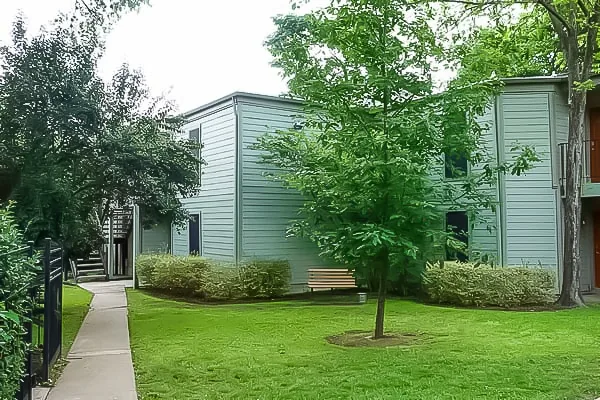
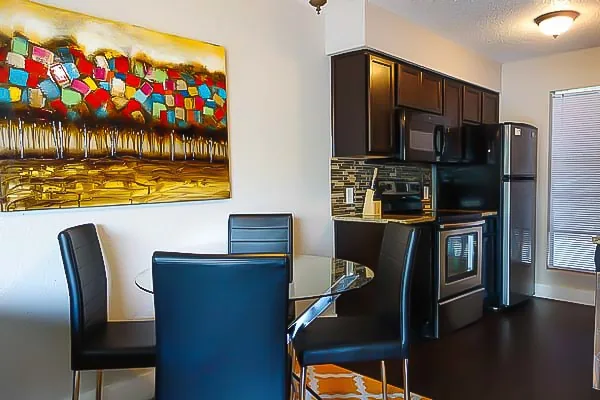
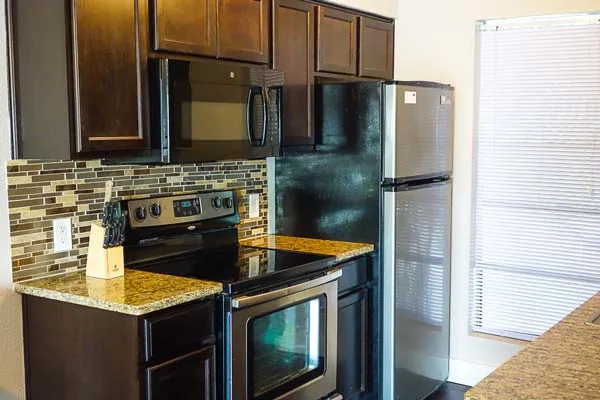
Moving from rehab to sober living can feel like a big change. Eudaimonia Recovery Homes can help by offering a structured, substance-free place to live while you rebuild daily routines. Their homes and apartments are in areas that are close to recovery meetings and everyday needs like stores and transit.
That setup can make it easier to get to a step meeting, work, or school without long gaps in your schedule. Residents also take part in an alcohol and drug screening program, which is meant to support a safe home for everyone.
If you want to use a 12 steps program, Eudaimonia says 12-step meetings are encouraged and not required, so plans can fit the person. They also note that sober living can be paired with therapy, monitoring, or an intensive outpatient program, which may add another layer of care after rehab. With house rules, peer support, and a clear routine, many people get a steadier bridge from treatment to more independent living.
Your Future Is Waiting
Tell us what you are looking for and admissions will walk you through the houses, the phases, and what a room actually costs.