Published October 18, 2017 · Updated July 27, 2026
On This Page · 9 Sections
Addiction is frequently referred to as a family disease because it affects the entire family unit, not just the person who is using drugs or alcohol. Relationships affected by addiction are inevitably damaged as a result, and most often, spouses, parents, children, and friends suffer the most.
How Can I Regain the Trust of My Loved Ones After Rehab When I've Broken Promises Before?
Rebuilding trust after addiction comes down to consistent action over time, not words, because promises have been broken before, what rebuilds trust now is showing change rather than announcing it. Focus on staying sober and reliable day after day, following through on small commitments, being honest even when it’s uncomfortable, taking genuine accountability for past harm without making excuses, and giving your loved ones space to feel what they feel. Making amends where appropriate, and respecting their pace, matters more than asking them to forgive on your timeline.
Trust returns slowly, and that’s normal, it’s earned back in small, repeated proofs that you’re different now. Be patient, stay consistent, and let your actions do the work. Support like therapy, family counseling, and continued recovery can help both you and your loved ones heal, but the foundation is steady, honest follow-through over the long term.
How Does Addiction Affect Relationships?
If you are in recovery from addiction, you are no doubt familiar with the harmful effects it can have on loved ones and friends and you may have unintentionally neglected and damaged these relationships in the past by doing one or more of the following things:
- Draining bank accounts to support your drug habit
- Lying to cover up your drug abuse
- Stealing a loved one’s money or valuables to support your addiction
- Acting out violently while under the influence of an addictive substance
- Expecting a loved one or friend to clean up your messes or bail you out of jail
- Being unfaithful to a spouse or partner
- Not being available for children or consistently parenting
All of these actions, among others, are severely harmful to relationships and may have even caused some damage that was beyond repair. It’s important to realize that you can’t just undo the damage that was done, but you can work to regain the trust of your loved ones after rehab.
Do Relationships Get Better After Rehab?
Unfortunately, relationships will not immediately improve once you get sober. However, it is completely possible to heal past hurts, repair broken relationships, and move forward in life with supportive friends and family members by your side. This process will take continual work and effort, but consistent positive and healthy relationships can go a long way to repair the damage that has been done.
Types of Relationships That May Need to Be Repaired After Addiction
Addiction and substance abuse can cause a lot of damage to relationships. Sometimes, relationships may be too far gone, but it is never too late to seek reconciliation. To repair broken relationships, people on both sides of the issue must be willing to do some work. It helps if family members and loved ones take the time to learn about the disease of addiction and work to understand it. The person in recovery must also be willing to accept responsibility for their behavior before any healing or growth can occur.
- Parents: Children often lie and steal from parents to fuel their addiction. This can leave parents feeling hurt and betrayed. Parents may also contribute financially to their children’s well-being, but when those financial gifts are used to fund an addiction, parents may feel like they unintentionally had a hand in making their child sick, which can be very painful. Even though many parents continue to support and financially provide for their children with substance use disorders, there usually comes a point where they have to set boundaries to protect their own emotional and physical health.
- Spouse or partner: Regaining the trust of a spouse or partner after addiction is very difficult and takes a lot of time, consistency, and patience. Since trust is the foundation of any marriage or romantic relationship, broken trust will be difficult to repair. Although it is not always possible to restore a marriage after addiction, many people successfully do and they move on to experience a happy and fruitful relationship.
- Friends: Friends of addicted loved ones are often some of the first people affected by the person’s substance abuse. They may knowingly or unknowingly contribute to the addictive behaviors and after the person goes to rehab, the friendship will need to be re-evaluated. In many instances, friendships do not stand the test of time when a person gets sober and their lifestyle changes so dramatically. However, some friendships change and blossom into strong and supportive relationships once the addicted person gets sober.
- Children: Young children may not realize that a parent’s disruptive behavior stems from drugs or alcohol, but that realization will come later in life. As this occurs, children may feel bitter toward parents or feel like they are untrustworthy due to many broken promises or abuse. Once a parent gets sober, they will need to prioritize honest communication to restore a healthy relationship with their children. The process will take time and older children may be hesitant to believe that the change is permanent at first. With consistency and patience, however, parents and children can have a good relationship in recovery.
Rebuilding Trust After Addiction: 7 Tips for Healing
Although some relationships may not be salvageable after addiction, many are. Earning the trust of a loved one after it has been broken is never easy, but there are several things you can do to rebuild that trust and pick up the broken pieces of your relationships as you recover from addiction and rebuild your life.
If you are nearing the end of a drug and alcohol rehab program or are considering enrolling in a Eudaimonia sober living program, you are on the right track. Here are several other ways you can begin the process of regaining the trust of your loved ones.
- Be patient.
While you’re in recovery, it’s vital that you maintain realistic expectations about how your family, friends, and loved ones will react to your sobriety. The process may be difficult for them, just as it is for you, but practicing patience will go a long way. Some of your loved ones may be less supportive than others about your recovery journey but just remember their healing process will be different than yours and it may take time for them to adjust to your new lifestyle and learn to trust that you really have changed.
- Enroll in a sober living program.
Nothing says “I’m serious about my recovery” more than committing to a long-term addiction treatment program. Most often this includes detox, inpatient or outpatient rehab, sober living, and aftercare. If your loved ones see that you are committed to your sobriety and your treatment program, they may also begin to have faith in your commitment to rebuilding a relationship with them. Although the decision to enroll in a transitional living home should be based on your own goals and intentions for your sobriety, doing so is also an outward sign of commitment and determination that your loved ones will certainly notice and appreciate.
- Involve loved ones in your recovery process.
At Eudaimonia, we firmly believe that loved ones should be involved in all stages of the recovery process if possible. This may include attending family support groups, removing all alcohol or addictive substances from the home to prepare for your arrival, or making time to meet with your program coordinator, therapist, or sober coach. Instead of shutting your family out of the process, regularly update them on how things are going for you, prioritize any time you can spend with them throughout your transitional housing program and be open and honest with them about your recovery programming. This will help break down barriers and improve communication. Additionally, research consistently shows that social support from friends and family members predicts positive outcomes in addiction recovery.1
- Keep your promises.
While you were struggling during your addiction, you probably weren’t the best at keeping your word. Broken promises can be extremely difficult to redeem, but they are not impossible to come back from. The Substance Abuse and Mental Health Services Administration’s working definition of recovery from substance abuse and mental illness is, “A process of change through which individuals improve their health and wellness, live a self-directed life, and strive to reach their full potential.”2 As you can see, there is nothing in that definition about being perfect. Your loved ones understand that you are not perfect and that you’ll always be flawed, but you can show them that you’re serious about rebuilding healthy relationships by honoring your word and taking responsibility for your actions when you don’t.
- Diligently maintain your new healthy lifestyle.
Instead of just telling your loved ones and friends that you are committed to your recovery, show them by consistently living out your new healthy lifestyle. Practice self-care by maintaining healthy habits like eating nutritious meals, meditating daily, exercising regularly, and making time to do things that bring you joy.
- Get rid of the harmful relationships in your life.
Maintaining your sobriety may require that you let go of some unhealthy relationships in your life. This may include friends that regularly use drugs and alcohol or people that encourage you to do so, loved ones who continually enable harmful drug abuse habits or people in your life that are not supportive of your recovery goals. Although it may be difficult to let go of some of these relationships, it is an essential part of maintaining a life in sobriety and will serve as yet another indicator of your commitment to your abstinence. A good place to start may be deleting phone numbers and any other contact information for those individuals from your phone.
- Practice healthy communication.
It’s human nature to blame others when our needs aren’t met or we don’t achieve our goals, but practicing open and healthy communication can help both you and your loved ones learn how to navigate conflict and daily life in a more productive way.3 Be open to sharing your struggles in recovery with them and practice actively listening when they share things with you.
Being compassionate and empathetic to their concerns and struggles will improve the communication process and encourage healing among loved ones and friends as you progress through your transitional living program.
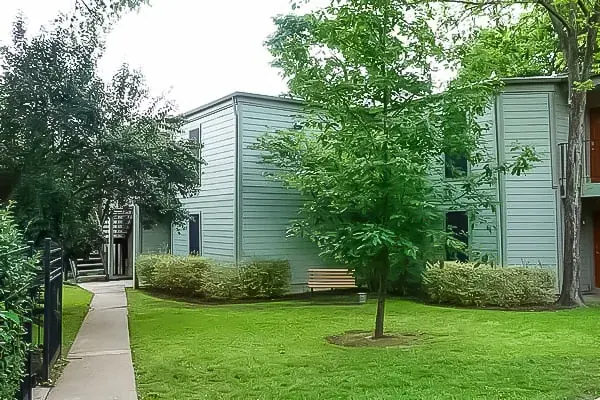
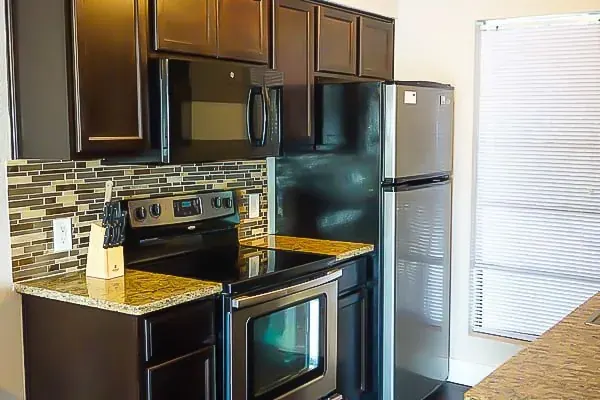
Inside Rustic Creek, our Austin flagship






How to Trust a Recovering Addict
If your loved one is recovering from a substance use disorder, you may have experienced a lot of hurt due to the relationship. However, if you want to repair the relationship, these tips may help.
- Remember that addiction is a chronic disease.
Understanding how the disease of addiction works is the first step to healing the relationship. Substance use disorders change the way the brain works and unfortunately, your loved one isn’t able to get sober with sheer willpower. Addiction recovery requires a balanced blend of individual behavioral therapy, family therapy, peer support, lifestyle changes, and treatment for any co-occurring disorders.
Understanding this process may help you let go of some of the bitterness you feel and see things from your loved one’s perspective. As the person in recovery takes responsibility for his or her past behavior, you may begin to find it easier to forgive and move forward as the two of you work to achieve a better, healthier relationship that is free from addiction.
- Express yourself honestly and directly. Don’t let things pile up.
It is completely normal to experience a wide range of emotions as your loved one undergoes the treatment process. For example, you may feel angry, surprised, or hurt as you uncover past secrets or behaviors. It’s important to express those feelings honestly and directly instead of letting things build up. Although you might be worried about potentially pushing your loved one back into substance abuse, being honest is key to rebuilding the relationship. Your loved one can handle it and will need to learn how to manage negative emotions in recovery, so trying to shield him or her from negative emotions will do more harm than good for both of you.
- Get help for yourself.
While your loved one is in treatment, a therapist or counselor can help you focus on your mental health and well-being. This is often necessary when loved ones are preoccupied with the well-being of their addicted loved one. A therapist or counselor can help you work through personal issues, such as curbing enabling behaviors, taking responsibility for your actions, effectively communicating your emotions, and processing emotional trauma caused by abuse related to the addiction.
Many people who are affected by a loved one’s addiction also struggle with feelings of anxiety, depression, low self-esteem, or have codependency issues. These things won’t go away on their own and may negatively affect your ability to repair the broken relationship you have with your loved one. Working with a therapist to address these issues will not only improve your quality of life, but it will also help you relate and communicate with your addicted loved one as you both pursue a healthy relationship.
- Give it time.
Repairing your relationship with your loved one will take time as you both learn how to communicate effectively and set healthy boundaries. Having realistic expectations about this process is helpful, as it’s not realistic to believe that years of deceit and harmful addictive behavior can be repaired in a short amount of time.
Once your loved one has committed to treatment and the alcohol and drugs are completely removed from the equation, the healing can begin. With the right treatment, support, and professional guidance, it is possible to re-establish trust with a loved one in recovery. Getting help from addiction treatment professionals and therapists can provide much-needed accountability and structure to facilitate the process.
Find Support For Addiction Recovery
If you’ve recently completed a drug and alcohol rehab program and are looking to take the next step in pursuing your recovery, a transitional housing program may be the best choice for you.
Eudaimonia sober living homes are designed to support individuals in all stages of recovery with structured living, drug and alcohol testing, recovery support programming, and comfortable, safe sober living homes in Austin, Houston and Colorado Springs.
Contact our admissions team today to learn more about our sober living houses and recovery support services.
References:
- https://www.ncbi.nlm.nih.gov/pmc/articles/PMC1852519/
- https://blog.samhsa.gov/2012/03/23/defintion-of-recovery-updated/#.WeT69DtrzIU
- https://www.psychologytoday.com/blog/the-traits-excellence/201706/its-not-my-fault?collection=1093781
Related Resources for Recovery and Rebuilding Relationships
Rebuilding trust is a journey that extends beyond early recovery. At Eudaimonia Recovery Homes, we provide the structured, supportive environment you need to demonstrate consistent sobriety and repair damaged relationships. Our sober living homes in Austin, TX, Colorado Springs, Houston, San Antonio, Philadelphia, and Baton Rouge offer the accountability and community that make lasting change possible.
- The Importance of Community for Young Adults in RecoveryDiscover how peer support strengthens your recovery foundation and builds the social skills needed to restore family connections.
- How to Set Healthy Boundaries in RecoveryLearn essential boundary-setting techniques that protect your sobriety while rebuilding trust with loved ones.
- The Importance of Behavioral Change in Sober LivingUnderstand why consistent behavioral change is the most powerful way to demonstrate your commitment to recovery.
- Life After Rehab: What to Expect in Sober LivingExplore the transition from treatment to sober living and how structured housing supports long-term relationship repair.
If you’re ready to take the next step in your recovery and begin rebuilding trust with your loved ones, contact Eudaimonia Recovery Homes today at (512) 240-6612. Our team is here to help you create the stable, accountable lifestyle that makes reconciliation possible.