
Published February 7, 2018 · Updated August 5, 2026
On This Page · 11 Sections
Table of contents
- The Connection Between Addiction and Spirituality
- What Is a Spiritual Awakening?
- Do I have to Believe in God?
- The 12-Step Program and Spiritual Transformation
You may hear many people in recovery talk about having a spiritual awakening, but what does that mean exactly? While bringing up spiritual matters may turn some people away from the idea of getting sober, it’s important to recognize that spirituality does not have to be intertwined with a belief in a particular God. Spirituality has a much broader meaning in recovery.
Everyone experiences addiction recovery in their own way, so having a spiritual awakening won’t look the same for each person either. Regardless, understanding what it means to have a spiritual awakening may help you dig deeper and learn more about what it truly means to live in recovery, long after rehab has ended.
The Connection Between Addiction and Spirituality
Addiction is a chronic, relapsing disease that physically changes the way the brain functions, so it’s no surprise that it affects us physically, psychologically, and spiritually.
The physical impact of addiction on our bodies is obvious. Lack of sleep, nutrition, and harmful toxins quickly take a physical toll as they attack our bodies. In active drug addiction, you may have felt great while doing drugs, but when the effects wore off, they probably left you feeling anxious, exhausted, worn down, and empty. These feelings probably contributed to your need for more drugs, leading you down an endless cycle of drug abuse and depression.
Spiritually, drug and alcohol addiction does the same thing. Your sense of self is completely lost in your addiction. You don’t allow yourself to truly feel and experience your emotions. You feel incomplete, invaluable, and you lack purpose. You are spiritually dead, as your one mission in life is to do drugs, get high, and feel good.
What Is a Spiritual Awakening?
A spiritual awakening is difficult to define with one word or phrase because it is different for everyone who experiences it, but there are some clear signs that you have had a personal and spiritual transformation in recovery.1 For example, you may portray some or all of the following characteristics:
- A clear attitude change – When you first started rehab, you were angry, defiant, uncooperative, and unwilling to change. Today, you are quick to admit when you are wrong, you calmly accept criticisms (both good and bad), and you are eager to share helpful advice with others. It is clear by your actions that your attitude has changed.
- Personality change – You’ve stopped labeling yourself as an addict and instead, you’ve embraced your humor, your unique musical abilities, and your ability to listen well. Your body language has morphed from stances that are closed off and rigid to ones that are open and relaxed.
- Improved outlook on life – Your perception of yourself and the world around you has completely changed. You recognize that you’ve received a second chance at life and you’re eager to make the most of it. You accept both the good and the bad things, knowing that you’ll be able to handle whatever life throws your way without relying on drugs and alcohol to keep you afloat.
- Increased ability to share and feel emotions – Before you got sober, you were unable to admit your feelings and emotions to yourself, let alone anyone else. In sobriety, you discovered the power of feeling, expressing, and sharing those emotions and how working through them improved the overall quality of your life.
- Overall improved well being – In your addiction, you felt numb, anxious, and depressed all the time. Now you feel alive, fulfilled, full of purpose, and energetic, despite what’s going on around you in the world.
If the person you were when you first entered drug rehab is completely different from the person you are now in sober living, you’ve experienced a personal and spiritual awakening. Often times this is a gradual process that requires you to face difficult emotions and truths about yourself. But now, as a sober individual in a transitional living program, you are empowered to share your personal journey through that process to help other people in recovery who have yet to experience their own spiritual awakening.
Do I have to Believe in God?
There is absolutely nothing that requires you to believe in God in order to experience a spiritual awakening. As you transition from rehab to sober living, and sober living to independent life, you’ll continue to build upon your relationship with your own higher power, whatever that may be. However, as you become more confident in your own sobriety, you won’t feel pressured to accept everyone else’s beliefs. Instead, you’ll be grounded in your own.
For example, some of your roommates at your sober living home may give God the credit for their own spiritual awakening while others may believe it was the power of nature or their belief in the ideals and values of family that allowed them to transform their lives.
There are many different forms a higher power may take in your life, including music, love, or the universe itself. But the most important thing is to recognize there is something bigger than yourself that gives you purpose, structure, and guidance in sobriety.2
The 12-Step Program and Spiritual Transformation
The last step in the 12-Step Program references spiritual change. It states, “Having had a spiritual awakening as the result of these steps, we tried to carry this message to alcoholics, and to practice these principles in all our affairs.”3
Regardless of whether you’re just starting rehab or you’ve been enrolled in a transitional housing program for several months, you can be sober and still be miserable. If you’re just going through the steps like a robot without experiencing any personal or spiritual change, it’s unlikely to last. Sobriety without a purpose will eventually lose its appeal and you may find yourself right back where you started.
Spiritual transformation fuels sustained sobriety because it gives life a whole new meaning. As stated above and in the Big Book, intensive work with other recovering addicts provides fellowship, purpose, and fulfillment.4
If you are struggling to maintain a lifestyle of sobriety, you may not have experienced a genuine personal and spiritual transformation. Sober living homes can provide camaraderie, accountability, and support to help you continue your sobriety journey and learn what it means to be changed and transformed as you live with other peers in recovery.
Call Eudaimonia Recovery Homes today to learn more about our sober living homes for men and women in Austin, Houston, and Colorado Springs.
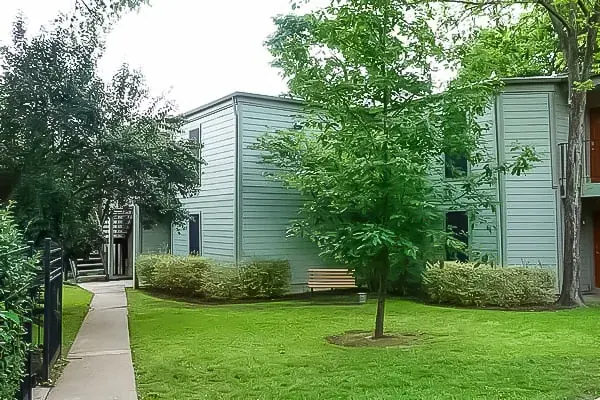
Inside Rustic Creek, our Austin flagship







What Is a Spiritual Awakening in Sobriety and How Do I Know If I'm Experiencing One?
A spiritual awakening in sobriety is a profound shift in your sense of purpose, connection, and meaning that often emerges as you move away from active addiction. It’s not necessarily religious. It can be a reconnection with your values, a feeling of being part of something larger than yourself, or a deep sense of gratitude and hope. Many people in recovery describe it as waking up to a life they thought they’d lost forever.
If you’re experiencing a spiritual awakening, you’ll likely notice several key signs emerging over weeks or months of sustained sobriety.
Signs You May Be Experiencing a Spiritual Awakening
- Increased sense of purpose. You find yourself asking bigger questions about who you are and what matters most. You may feel drawn toward helping others, pursuing meaningful work, or reconnecting with abandoned dreams.
- Deeper gratitude and perspective. Small things, a conversation, a sunrise, time with family, feel genuinely meaningful. You notice less resentment and more appreciation for where you are now.
- Emotional clarity and peace. The constant mental static of addiction quiets down. You can sit with your emotions without immediately reaching for a substance. Anxiety and shame begin to loosen their grip.
- Reconnection with others. You feel less isolated and more capable of genuine connection. Relationships become richer; you care more about how your actions affect people you love.
- Alignment with your values. Your daily choices start matching what you actually believe. There’s less internal conflict between who you want to be and how you’re living.
- A sense of being held or supported. Whether through faith, community, nature, or something you can’t quite name, you feel less alone. Many describe it as trust in a power greater than addiction.
- Acceptance of the past without being defined by it. You can acknowledge what addiction cost you without being crushed by regret. This opens space for genuine healing and forward movement.
- Curiosity instead of despair. Rather than “Why is this happening to me?” you find yourself asking “What’s possible now?” and “How can I grow?”
Why Spiritual Awakening Matters in Long-Term Sobriety
Research consistently shows that people who develop a sense of meaning, connection, and purpose in recovery are far less likely to relapse. A spiritual awakening doesn’t require religious belief, it’s about reconnecting with what makes life worth living beyond the temporary escape of a substance.
In a sober living home like those at Eudaimonia Recovery Homes, this awakening is supported through structure, community, accountability, and the daily practice of living honestly with others in the same journey. The peer support, shared house responsibilities, and commitment to growth create an environment where spiritual awakening often naturally unfolds.
How to Nurture Your Spiritual Awakening
- Stay in community. Whether it’s a 12-step group, a faith community, your sober living home, or all three, connection with others in recovery accelerates and deepens spiritual experience.
- Practice reflection. Journaling, meditation, prayer, or simply quiet time help you notice and honor what’s shifting inside.
- Act on your values. Service, helping someone else, volunteering, or simply showing up honestly in relationships, transforms spiritual awareness into lived reality.
- Be patient with the process. Spiritual awakening isn’t linear. Some days you’ll feel it clearly; others you’ll doubt. That’s normal. It deepens with time and sustained sobriety.
- Work with a counselor or recovery coach. Professional support helps you process what you’re experiencing and integrate it into a meaningful recovery plan.
Spiritual Awakening and Sober Living
If you’re in early recovery or considering a move to a structured sober living environment, know that many residents describe their time in sober living as the container in which their spiritual awakening took root. The routine, the community, the accountability, and the shared commitment to sobriety create space for something deeper to emerge, a sense that life is worth living again.
At Eudaimonia Recovery Homes in Austin, San Antonio, Houston, Colorado Springs, Philadelphia, and Baton Rouge, residents work together to build this kind of supportive, purposeful environment. If you’re seeking a place to anchor your recovery while your spiritual awakening unfolds, our team is ready to help. Call (713) 818-2361 to learn more about sober living options tailored to your needs.
Frequently Asked Questions About Spiritual Awakening in Sobriety
- Is a spiritual awakening the same as religion?
- No. While some people experience spiritual awakening through religion, others find it through nature, community, service, or a personal sense of meaning and purpose. Spirituality in recovery is about connection and alignment with what matters most to you, not dogma.
- When does a spiritual awakening typically happen?
- There’s no fixed timeline. For some, early signs appear in the first months of sobriety; for others, it builds gradually over years. It depends on your openness, your support system, and the work you’re doing on yourself.
- What if I don’t believe in God or a higher power?
- You don’t need to. Many people in recovery find spiritual awakening through community, nature, service to others, or simply the return of their own inner clarity and values. Spirituality isn’t mandatory; it’s optional and personal.
- Can I experience a spiritual awakening in a sober living home?
- Yes, in fact, sober living homes are often where spiritual awakening deepens. The structure, peer support, shared responsibility, and daily commitment to sobriety create an ideal environment for reconnecting with purpose and meaning.
- What if my spiritual awakening makes me feel emotional or vulnerable?
- That’s completely normal. Awakening often includes grief for what was lost, gratitude for what’s been regained, and vulnerability as you reconnect with your authentic self. This is part of healing. Talk about it with your community, counselor, or recovery peers.
- How do I know if what I’m experiencing is real or just a temporary mood?
- Real spiritual awakening is sustained and deepens over time. It shows up in how you make decisions, treat others, and show up for yourself. If you’re unsure, talk with someone you trust in recovery: a sponsor, counselor, or house manager at your sober living home.