

Published October 13, 2025 · Updated October 31, 2025
On This Page · 12 Sections
Sober Living
Philadelphia
A sober living house (also called a recovery home) is a drug- and alcohol-free living environment for people in early recovery. Residents share a structure of rules and mutual accountability, curfews, random testing, recovery meeting requirements, and gain time and space to stabilize daily life without the chaos of active use. While traditional halfway houses can be tied to the justice system, sober living houses are generally community-based and focus on recovery, relapse prevention, and the gradual return to work/school and independent living.
In Philadelphia, “recovery housing” also appears in DBHIDS and PA DDAP language; the city and state recognize the role these homes play between outpatient care and fully independent housing.
How Sober Living Fits Into Treatment and Independent Living
Sober living sits between treatment and independence. Many Philadelphians enter a recovery home while enrolled in outpatient or IOP (intensive outpatient) so they can focus on their recovery, practice relapse prevention, and rebuild daily life Routines (appointments, groceries, rent sharing, time management). The housing program structure, curfews, chores, meeting attendance, creates a sober living environment that supports long-term sobriety. This step helps individuals transition from the intensity of acute care to the realities of a stable living environment for individuals returning to work or school.
Standards, Licensure & Oversight in PA (DDAP, PARR & DBHIDS)
Pennsylvania’s Department of Drug and Alcohol Programs (DDAP) licenses recovery houses that accept government referrals or funding, building a safer statewide network. If a home receives state referrals or funding, it must be DDAP-licensed.
The Pennsylvania Alliance of Recovery Residences (PARR) is the state affiliate of NARR (National Alliance for Recovery Residences) and certifies homes to nationally recognized standards. PARR certification emphasizes ethical operations, safety, recovery supports, and quality.
Locally, DBHIDS’ Recovery House Initiative historically linked outpatient clients with stable sober living to improve outcomes, illustrating the city’s long-standing commitment (program roots date to 1995).
Why this matters when you choose a home: A DDAP-licensed or PARR-certified home signals structure, documentation, and accountability, key markers of quality.
House Types: Peer-Run, House-Managed & Level of Support
Philadelphia features a mix of peer-run and house-managed models:
Peer-run (e.g., Oxford House): Residents democratically govern the home, share expenses, and enforce sobriety. There is no house manager; members stay as long as they remain abstinent and follow rules.
House-managed / staffed: A resident manager or staff provides oversight, intakes, accountability, and sometimes programmatic supports (goal setting, referrals). Many local providers fall here.
Some homes align with NARR levels (1–4), ranging from purely peer-run to clinically managed residences; PARR certification maps to these standards. When interviewing homes, ask which level they follow and how supports are delivered.
Who Benefits Most (and When)
Sober living can be a fit if you:
Have completed detox/residential or are stepping down to outpatient or IOP.
Need structure and accountability for relapse prevention.
Want a living environment away from triggers while you rebuild routines (work, classes, self-care).
Prefer living with men and women in gender-specific or gender-inclusive settings, depending on the house’s rules.
Are committed to long-term sobriety and active recovery participation.
If you have unresolved acute medical/psychiatric needs, coordinate care first, then step down to sober living with a clinical recommendation.
Neighborhoods & Local Context (Transit, Meetings, Employment)
Philadelphia’s size and transit make neighborhood choice practical:
South Philadelphia: Convenient bus routes, neighborhood vibe; some structured living options are located here.
University City / West Philly: Access to jobs (universities, hospitals), transit, and meetings; some Oxford Houses have historically existed in this general area.
Center City / Adjacent: Fast access to employers, services, and transit hubs.
Northeast, Northwest, and River Wards: Balance affordability with commute; check proximity to meetings, grocery, pharmacy, and outpatient clinics.
Prioritize walkability, SEPTA access, and proximity to outpatient counseling and mutual-help meetings. (DBHIDS and BHSI can provide referral guidance and systems navigation.)
Rules, Expectations & Daily Life
Most Philadelphia sober living houses share core expectations:
Abstinence verified by testing; curfews; visitor policies.
Chores & shared responsibilities (kitchens, bathrooms, common areas).
Meetings & recovery activities weekly.
Employment/school search or productive daytime schedule.
Conflict resolution & accountability processes.
House meetings to review concerns and maintain a healthy environment.
Daily life is ordinary: and that’s the point: cooking, commuting, workouts, job applications, group trips to meetings, budgeting, and building long-term habits.
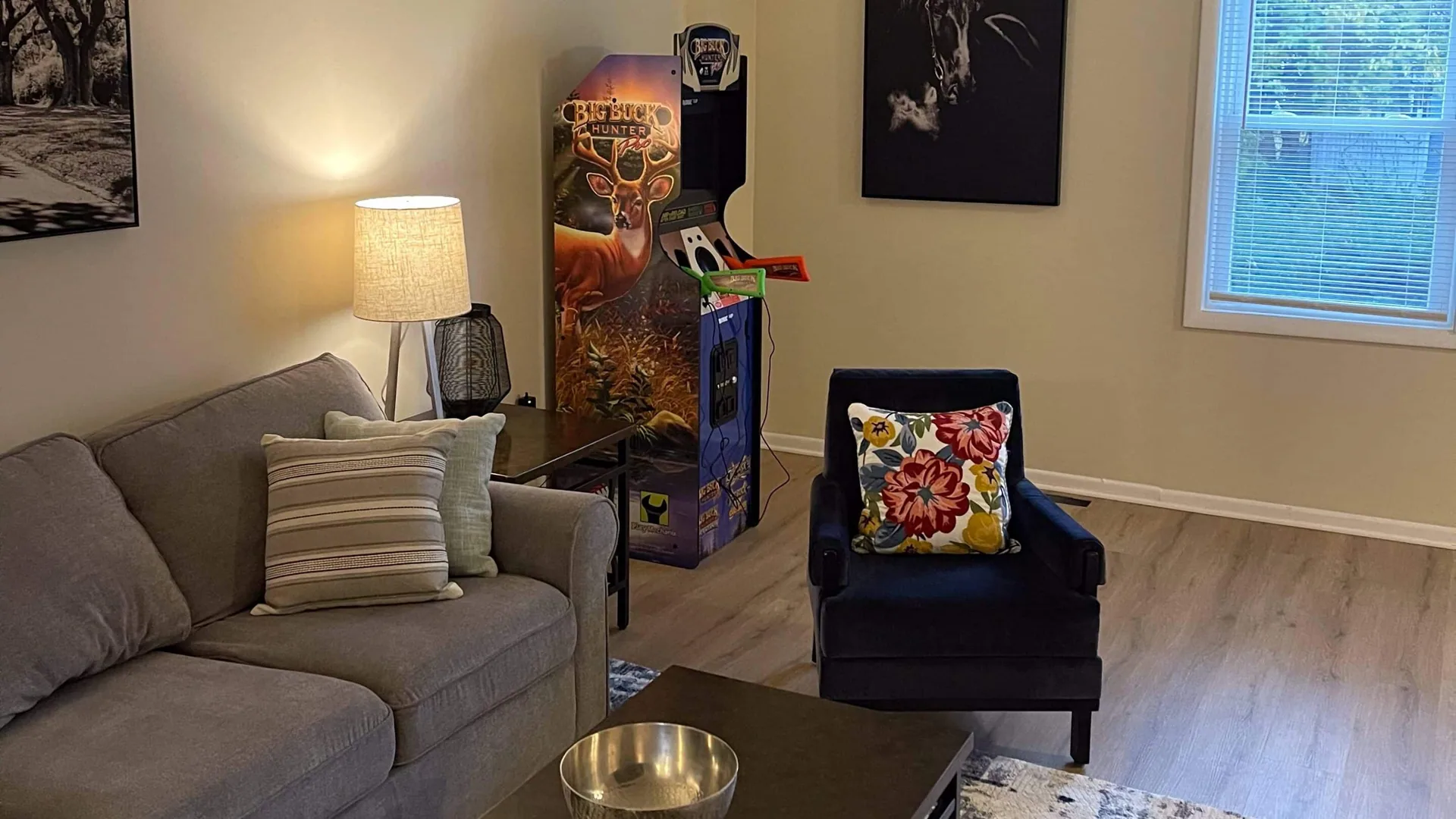
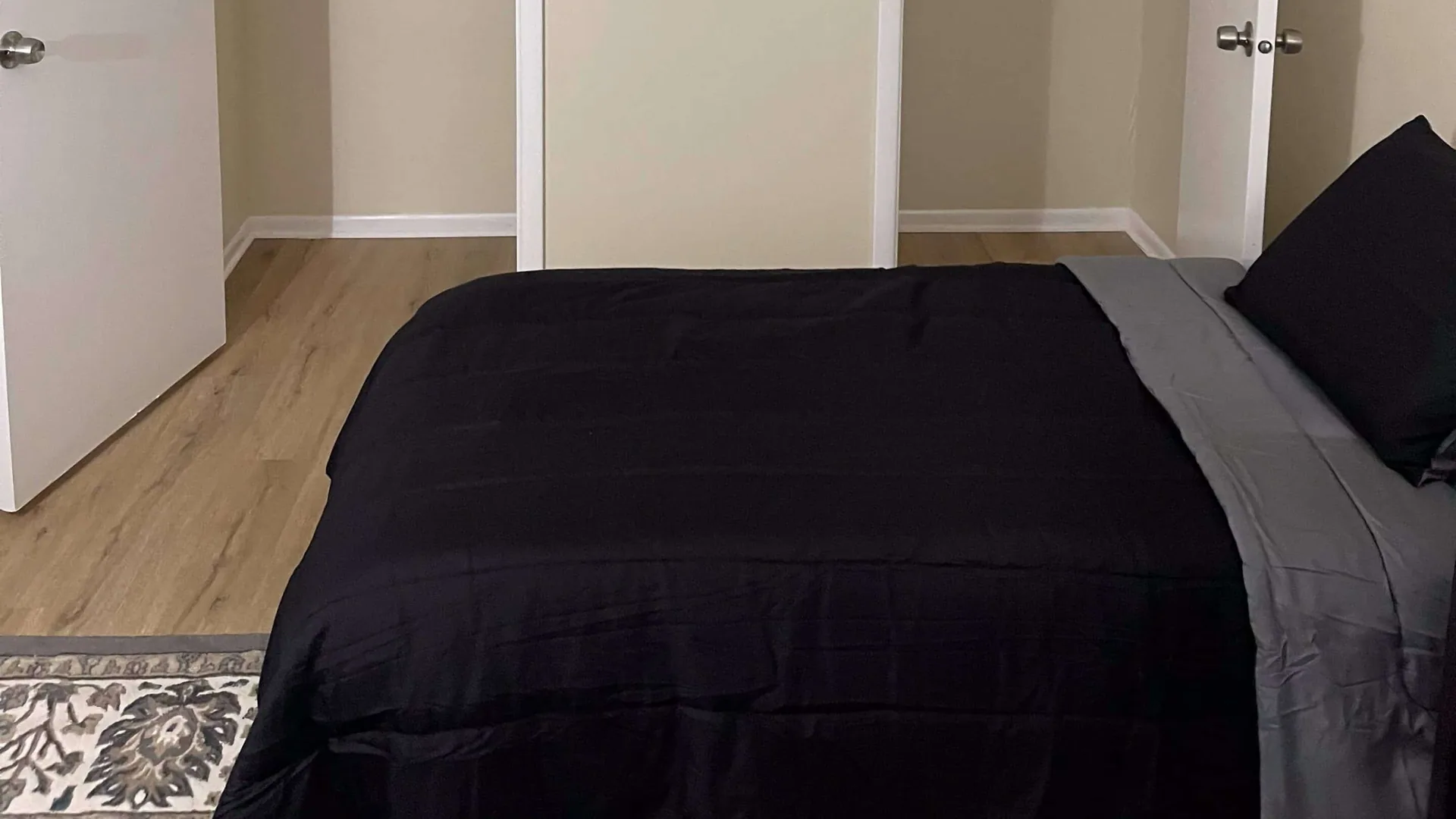
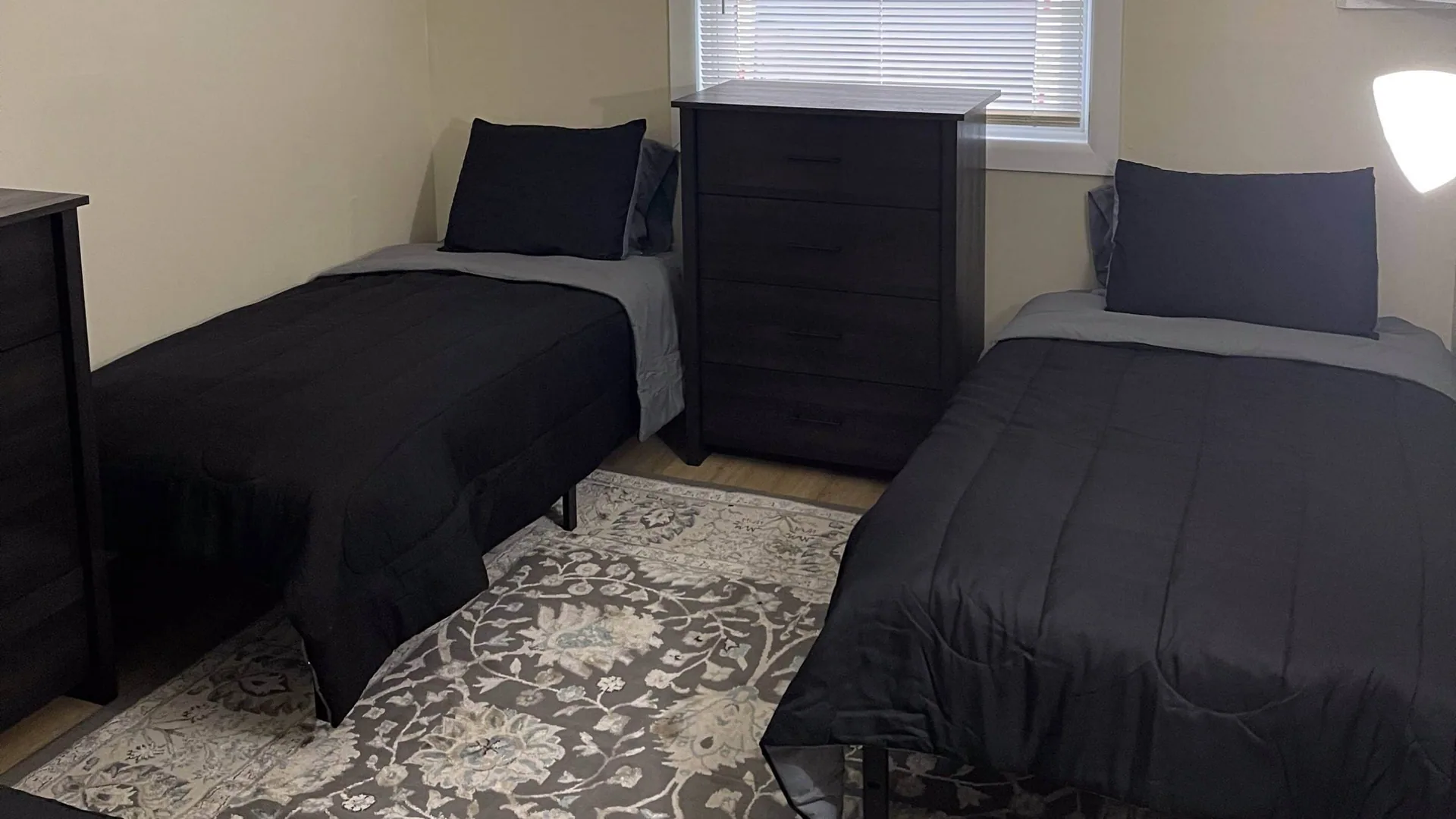
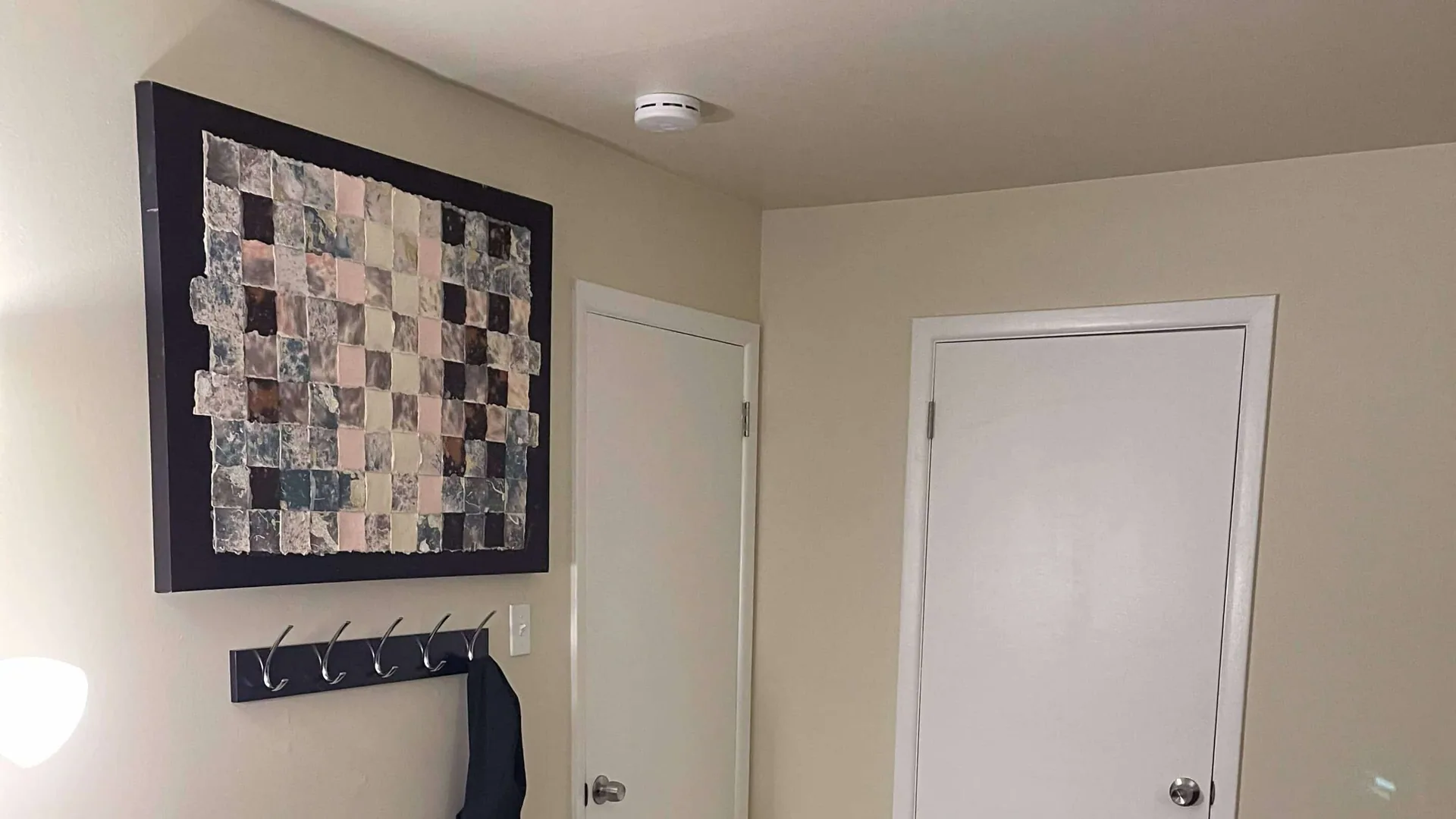
Inside the Philadelphia homes

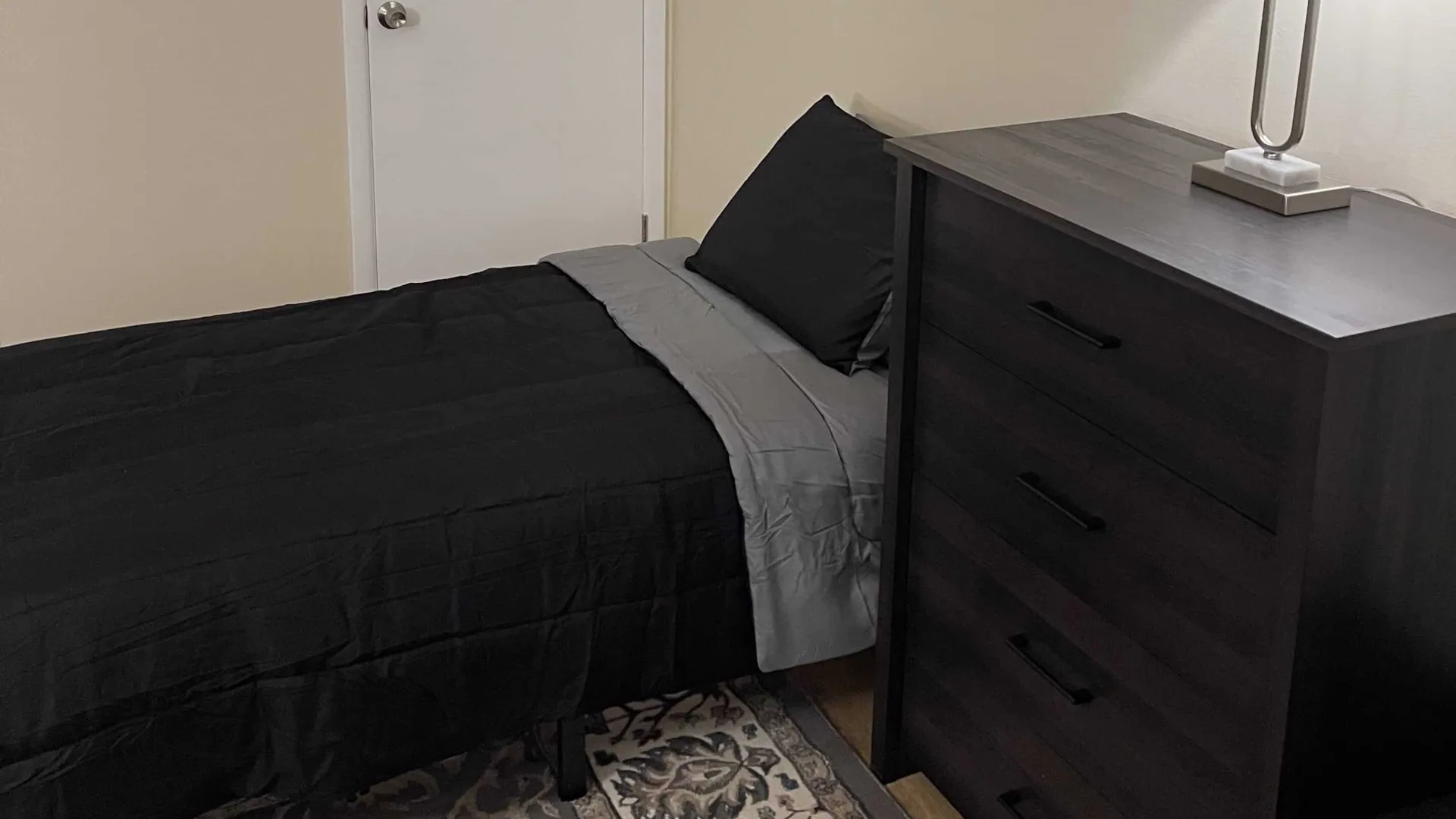
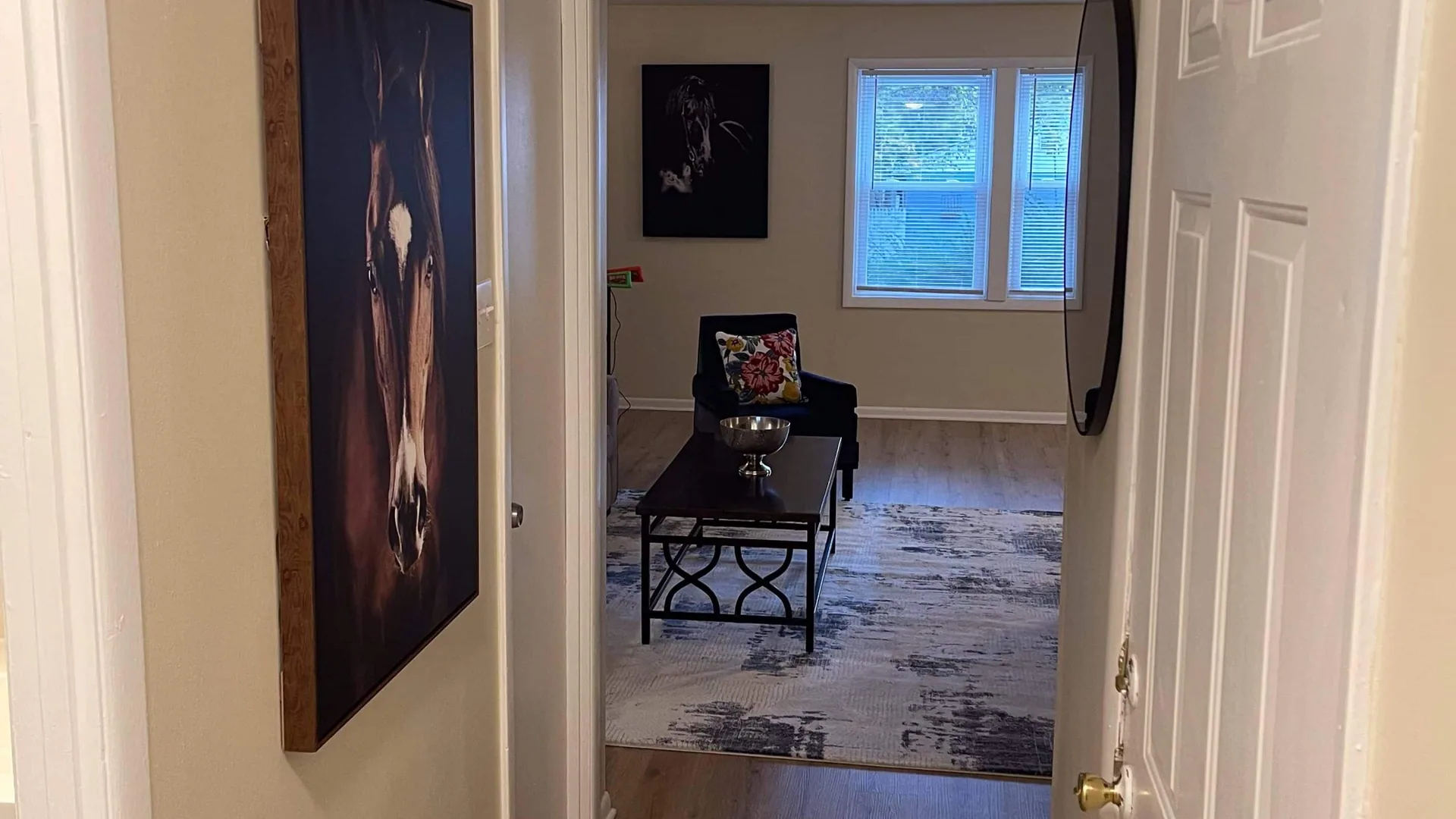
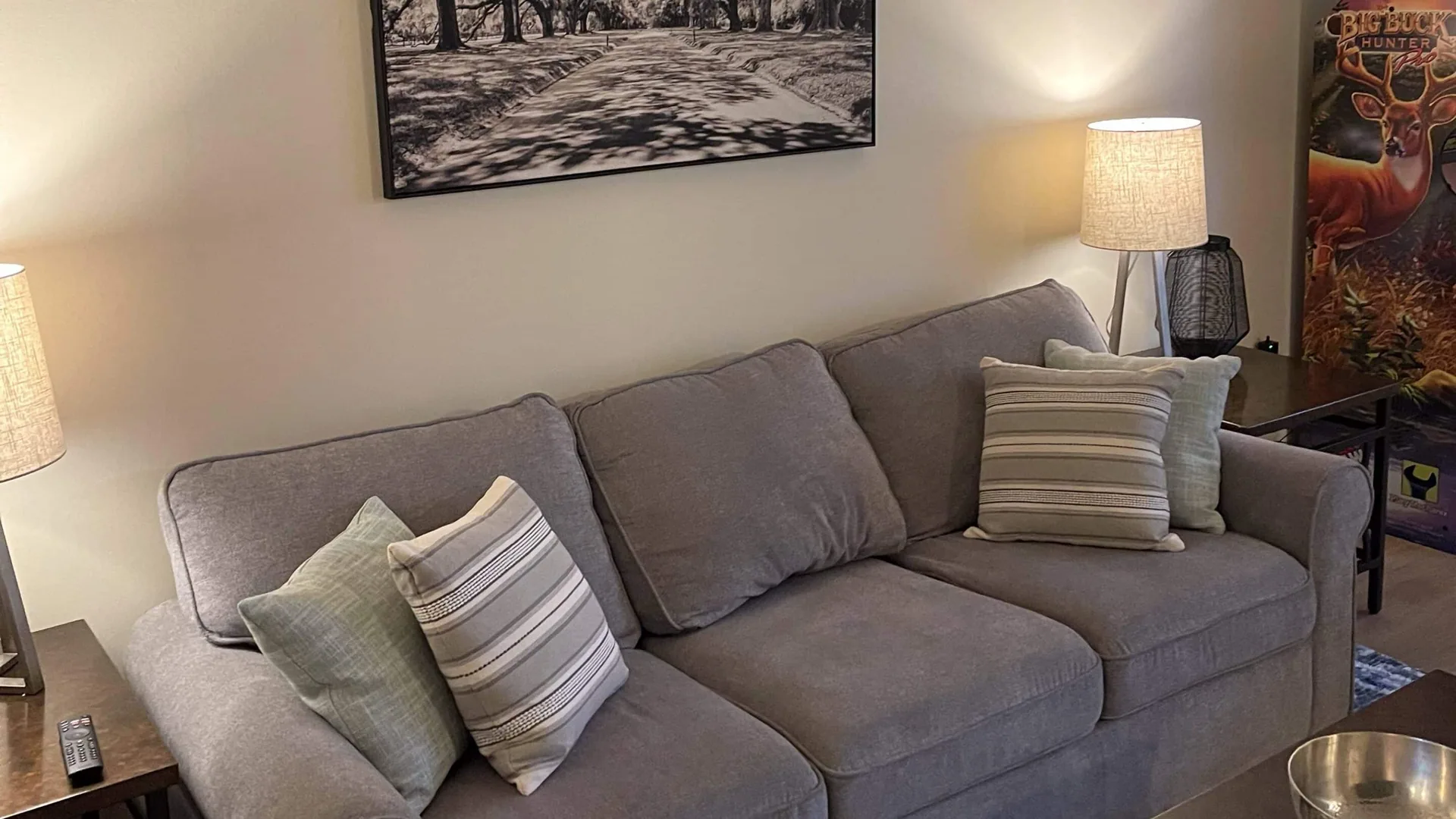


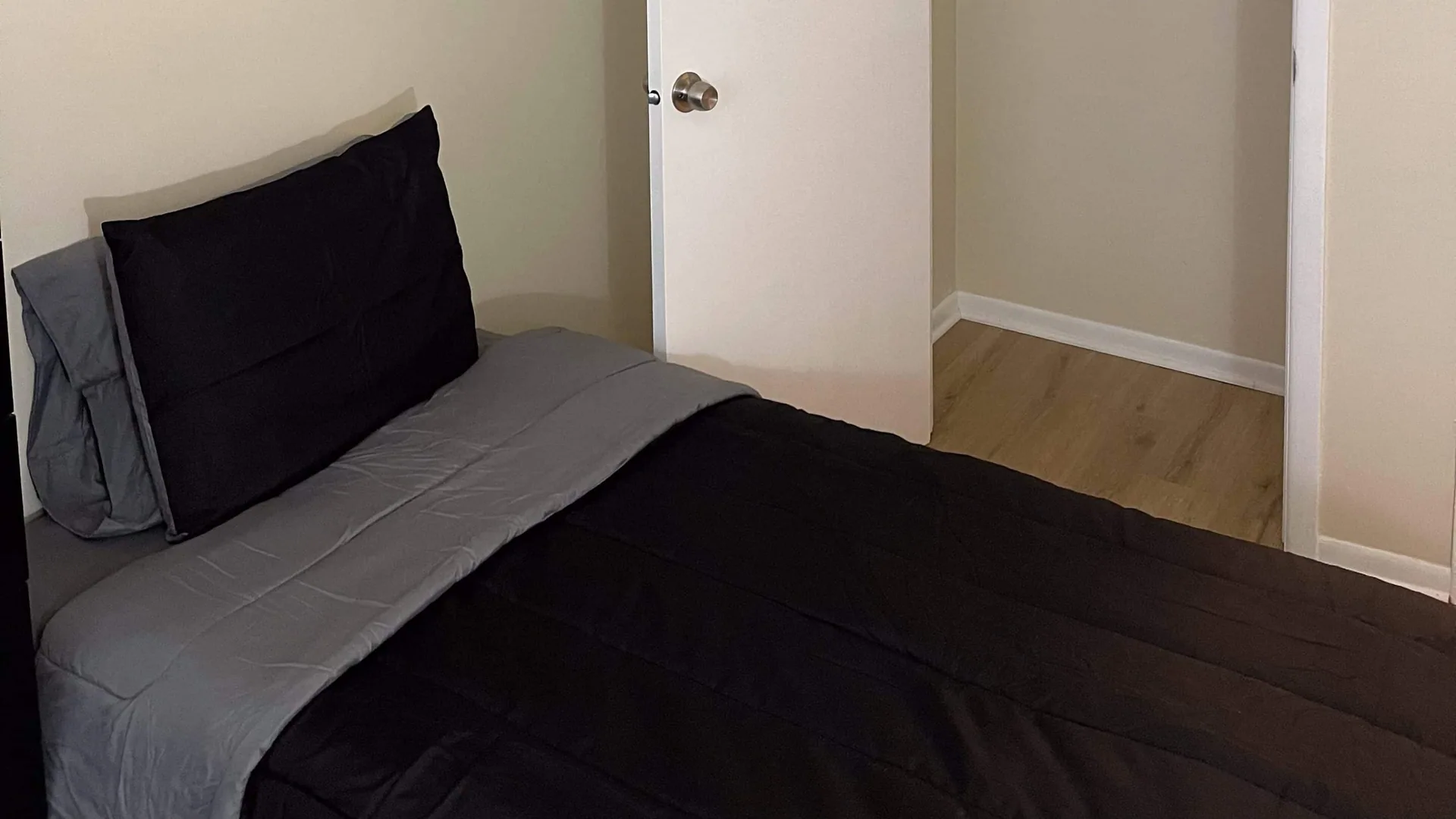


Costs, Funding & Insurance Pathways
Private-pay is common for rent and fees; exact amounts vary by neighborhood, amenities, and house model. If you need help, explore:
DBHIDS/BHSI for guidance and referrals (especially if uninsured).
DDAP resources and county supports tied to treatment participation.
Peer-run options (Oxford House) often publish real-time vacancies, which can help you find a spot fast; call for current weekly costs.
Some directories and providers publish pricing ranges; use them as a starting point and verify.
Insurance rarely covers “rent,” but treatment services (IOP, outpatient counseling, MAT) may be covered when you live in a sober home, ask the provider and your insurer.
Red Flags & How to Avoid Poor-Quality Homes
No written rules; vague curfews; inconsistent testing.
Overcrowding or unsafe conditions.
Financial exploitation or pressure to recruit residents.
Refusal to discuss standards, licensure, or certification.
No link to treatment, meetings, or recovery process supports.
Favor PARR-certified / DDAP-licensed (as applicable) or well-established peer-run homes with transparent governance.
Eudaimonia's Success Stories – Real People, Real Freedom
Step-By-Step: Getting In (Referrals, Waitlists, Timing)
Get a clinical recommendation from your current program (IOP/outpatient).
Call DBHIDS/BHSI if you’re uninsured/unsure; ask about recovery housing referrals.
Shortlist homes (PARR-certified, DDAP-licensed as relevant, or Oxford Houses).
Tour/interview and review rules, costs, and expectations.
Arrange move-in: deposit, first week’s rent, essentials.
Enroll/continue outpatient or IOP; set up a weekly schedule.
Plan for 90–180 days minimum stay; reassess quarterly with your counselor.
Your Next Step
If you’re ready to protect your progress and build a life you’re proud of, explore our Philadelphia sober living houses page for photos, availability, and details. Whether you’re just out of treatment or seeking a fresh start after a relapse, Eudaimonia provides the environment, tools, and community that make long-term recovery possible.
Frequently Asked Questions (FAQ)
What is a sober living house, and how is it different from a halfway house in Philadelphia?Sober living homes are community-based recovery residences focused on abstinence and accountability; halfway houses may be court-linked or time-limited. Philly offers both, but sober living emphasizes recovery routines and independent living progression.
Are Philadelphia sober living houses licensed or certified?Homes that accept state referrals/funding must be DDAP-licensed; PARR certifies homes to the NARR standard statewide. Ask for proof of licensure and/or certification.
How much does sober living cost in Philadelphia?Costs vary by neighborhood, model, and amenities. Oxford House-style homes and house-managed programs publish rates on request; check live vacancy boards and call operators. Treatment services (IOP/outpatient) are separate and may be covered by insurance.
Does insurance cover sober living in Pennsylvania?Insurance typically doesn’t pay rent, but it may cover treatment services while you live in a sober home. Ask your provider and insurer; DBHIDS/BHSI can guide uninsured Philadelphians.
How long can you stay in a sober living house?Policies vary. Peer-run options like Oxford House allow residents to stay as long as they remain abstinent, pay their share, and follow rules; house-managed programs may set recommended lengths (often 90–180+ days).
What rules should I expect in a Philly recovery home?Curfews, random testing, meeting attendance, chores, visitor policies, and a written relapse response plan are standard. Quality homes explain all rules before intake.
How do I find reputable sober living houses in Philadelphia?Start with DDAP-licensed or PARR-certified homes and established peer-run residences (e.g., Oxford House vacancies). Ask programs for referrals and tour in person.
Can I work or go to school while living in sober living?Yes: most homes expect a productive daytime schedule (job, school, or volunteering), which supports long-term sobriety and daily life structure.
Are there sober living houses for men and women in Philadelphia?Yes. Philadelphia has gender-specific and mixed-gender options. Confirm the home’s policy and culture to ensure a good fit.
Where can I get help if I’m uninsured or don’t know where to start?Contact DBHIDS and BHSI for navigation, eligibility, and referrals to treatment and recovery housing resources in the city.
Your Future Is Waiting
Tell us what you are looking for and admissions will walk you through the houses, the phases, and what a room actually costs.


