
Published June 26, 2026
On This Page · 13 Sections
Music plays a powerful role in addiction recovery by regulating emotions, reducing stress, and creating positive neural pathways that support long-term sobriety. You can use music as a recovery tool by building intentional playlists for different moods, attending live music events sober, playing an instrument, writing songs about your journey, or simply listening mindfully during challenging moments. In sober living environments, music becomes a healthy coping mechanism that replaces substance use, helps process difficult emotions, and strengthens the bonds within your recovery community.
Why Music Matters in Recovery Housing
Living in a sober living home means building a completely new life without substances. Music fills the space where addiction used to live. When you’re in early recovery at one of our homes in Austin, Houston, San Antonio, Colorado Springs, Philadelphia, or Baton Rouge, you’re learning to feel everything without numbing out. Music helps you sit with those feelings.
The structure of recovery housing gives you time and space to rediscover what you love. Many residents find that music they couldn’t enjoy while using becomes meaningful again. Others discover new genres that resonate with who they’re becoming in sobriety.
Music also creates natural opportunities for connection. Shared playlists, jam sessions in common areas, and conversations about favorite artists help build the accountability relationships that keep you sober. When you’re living with others in recovery, these small moments of connection matter enormously.
The Science Behind Music and Addiction Recovery
Your brain’s reward system was hijacked by substances. Music activates many of the same pleasure centers, but in a healthy way. Listening to music you love releases dopamine, the same neurotransmitter that drugs manipulated. This natural dopamine boost helps your brain remember that pleasure is possible without substances.
Music also reduces cortisol, the stress hormone that often triggers cravings. When you’re living in recovery housing and facing the daily challenges of rebuilding your life, stress management tools are essential. A twenty-minute listening session can measurably lower your stress levels and help you make better decisions.
Rhythm and repetition in music can regulate your nervous system. If you’re feeling anxious or agitated, slower-tempo music can actually slow your heart rate and breathing. Upbeat music can lift you out of depression or lethargy. You’re essentially using sound to tune your emotional state.
Practical Ways to Use Music as a Recovery Tool in Sober Living
Theory is one thing, but how do you actually incorporate music into your daily recovery? Here are methods that work for residents in our sober living homes across Texas, Colorado, Pennsylvania, and Louisiana.
Build Intentional Playlists
Create different playlists for different emotional needs. One for mornings when you need motivation. One for processing grief or anger. One for celebrating milestones. One for when cravings hit. The act of building these playlists is itself therapeutic because you’re thinking ahead about your emotional needs.
Many residents make a “first year sober” playlist that documents their journey. Each song represents a moment, a breakthrough, or a challenge overcome. Looking back at this playlist after six months or a year becomes a powerful reminder of how far you’ve come.
Learn an Instrument
You don’t need to be naturally talented. Learning guitar, piano, drums, or even harmonica gives you a healthy obsession to replace the unhealthy one. The focused attention required to practice an instrument is meditative. You’re fully present, not thinking about the past or worrying about the future.
Many sober living homes have residents at different skill levels. The guitarist who’s been playing for years can teach the complete beginner. This creates mentorship opportunities and strengthens community bonds. Teaching someone else is its own form of service work.
Write Your Own Songs or Lyrics
You don’t need musical training to write. Start with journaling your thoughts, then try arranging them into verses and a chorus. Writing about your addiction, your recovery, or the people you’ve hurt and want to make amends to helps you process experiences that feel too big for regular conversation.
Some residents in our Austin and South Austin homes have formed informal songwriting circles where they share works in progress. The vulnerability required to share something you’ve created builds the kind of authentic connection that supports long-term sobriety.
Attend Live Music Sober
If your substance use was tied to concerts, clubs, or festivals, reclaiming those spaces sober is powerful. Start small with coffee shop open mics or outdoor concerts in the park. Cities like Austin, Philadelphia, and Houston have robust live music scenes with plenty of sober-friendly options.
The experience of hearing live music without substances is often revelatory. You remember the words. You feel the emotions the artist intended. You’re present for the entire performance instead of blacking out. Many residents report that live music is actually better sober, even though they initially couldn’t imagine it.
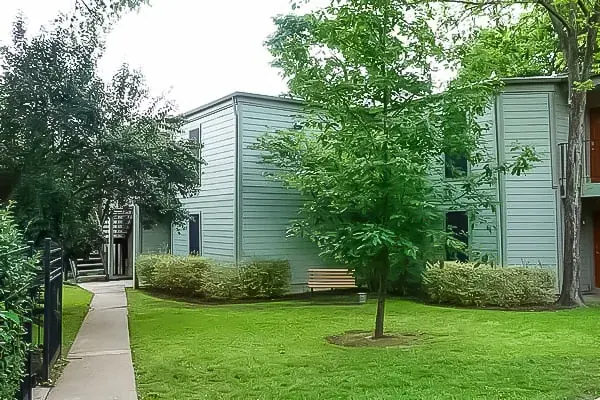
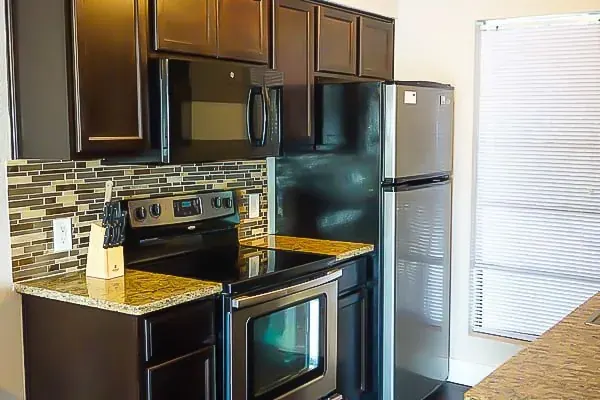
Inside Rustic Creek, our Austin flagship






Use Music for Emotional Regulation
When a craving hits, put on headphones and listen to three full songs before making any decisions. This fifteen-minute pause often gives the craving time to pass. Choose songs that ground you, remind you why you’re sober, or simply distract you until the moment of danger passes.
If you’re struggling with anger or resentment, sometimes you need to listen to angry music and move your body. Other times, you need to counterbalance that emotion with something calming. Over time, you’ll learn which approach works for which situations. This self-knowledge is a crucial recovery skill.
Music and the Recovery Community
Recovery isn’t a solo journey. Music brings people together in sober living homes in ways that feel natural and unforced. Someone plays guitar on the porch after dinner. Someone else joins in with vocals. Someone starts drumming on the table. These spontaneous moments build the sense of belonging that protects against relapse.
Group music activities create shared positive memories. When you’re early in recovery, you might feel like you don’t have many good memories that don’t involve substances. Creating new memories around music helps you build a positive history in sobriety.
Music also transcends differences. Your housemates might come from completely different backgrounds, but you can bond over a shared love of a particular artist or genre. These connections remind you that recovery is bigger than your individual story.
What to Avoid: Music That Triggers
Not all music supports recovery. Be honest about which songs or artists are tied to your using. If a certain album always played during your active addiction, listening to it in early recovery might trigger powerful cravings. Give yourself permission to skip those songs, at least for now.
Some genres glorify substance use in ways that aren’t helpful when you’re trying to stay sober. You might need to temporarily avoid music that makes drugs or alcohol sound appealing. This doesn’t mean you’re weak; it means you’re being smart about your triggers.
Over time, many residents find they can reclaim music that once felt dangerous. But there’s no rush. Your sobriety is more important than any song. Talk with your housemates or your support network about which music helps and which music hurts. Their experiences might give you insight into your own patterns.
Music as Part of Your Daily Recovery Routine
The structure of sober living helps you build healthy routines. Music can be woven into that structure. Maybe you listen to the same uplifting song every morning while making coffee. Maybe you play piano for thirty minutes before bed as part of your wind-down routine. Maybe you and your housemates have a Sunday tradition of sharing new music you discovered that week.
Consistency matters in recovery. When music becomes a dependable part of your day, it’s something stable you can count on. On hard days when everything feels uncertain, you still have those songs. They become anchors.
Residents in our Colorado Springs, Baton Rouge, and Philadelphia homes often mention music as one of the unexpected gifts of sobriety. They didn’t seek recovery to rediscover music, but music helped them stay in recovery. It became a tool they didn’t know they needed.
Moving Forward with Music in Your Recovery
Music won’t cure addiction, but it’s a powerful ally in long-term recovery. Whether you’re in the first weeks of sober living or you’ve been maintaining sobriety for years, music offers a way to process emotions, connect with others, and experience joy without substances.
Start where you are. If you loved music before addiction took over, reconnect with that love. If music was always background noise, try really listening for the first time. If you’ve never thought of yourself as musical, experiment anyway. Recovery is about discovering who you are without substances, and music can be part of that discovery.
The role music plays in your addiction recovery is ultimately personal. Some residents use it daily; others find it helpful in specific situations. There’s no right way to incorporate music as a recovery tool, only your way. Pay attention to what works, and keep doing that.
If you’re looking for a sober living environment that supports your whole recovery, including finding healthy outlets like music, Eudaimonia Recovery Homes offers structured, community-focused housing that helps you build a life you don’t want to escape from.
Ready to take the next step?
Eudaimonia Recovery Homes provides structured sober living and recovery support in Philadelphia, PA. Call (713) 818-2361 to speak with our team today.