Published July 13, 2022 · Updated June 17, 2025
On This Page · 8 Sections
Music is widely used for therapy for people with addiction. For many abusers in recovery, music therapy has been established to be a potent and well-liked alternative. The type of music played in the treatment ranges from classical to contemporary and from specific genres like heavy metal, rap, or country.
This musical kind of drug abuse rehabilitation uses three main sorts of initiatives:
Eclectic**Holistic**Integrated
- Eclectic means that different styles of music are used depending on what the client needs at the time.
- Holistic refers specifically to the use of live vocalists and instruments that help foster feelings such as joy and happiness.
- Integrated therapy, on the other hand, involves the use of computerized music. Technology can be used to play soothing music or complex rhythms in order to reach deeper emotions.
There are also various ways in which music therapy is conducted, with regard to how long it takes and the depth of treatment provided. The most common approach is a weekly hour-long session during which a unique mixture of songs is played that last no more than an hour.
Types of Music Therapies
The three primary types of music therapy are social, personal, and spiritual.
- Social therapy is not unlike music classes, –the goal of Drug Rehab Austin is to enhance the ability of a person to communicate with other people and make social skills more effective.
- Personal therapy involves playing music that has been selected by the client. This is done in order to provide support for individuals who are undergoing a painful experience while they try to work through their emotions in a healthy manner.
- Spiritual therapy is the idea that playing calming and perfect music helps people to connect with their higher selves. Music in this case helps bring clarity and understanding to some difficult issues or complicated decisions that need to be made by the individual.
Music therapy can be utilized in a ton of ways to treat narcolepsy. Music can be used to reduce pain, to help with stress and anxiety, as a sexual stimulant, and as a mood elevator. Adding music to the treatments may work better in some people than others; however, the bottom line is that music is an effective way of helping those with addiction achieve a better quality of life.
What are the Benefits?
Music therapy is beneficial for psychological, emotional, social, and physical health. According to the National Cancer Institute, music therapy can help cancer patients reduce stress levels and anxiety. Other reports showed that this form of therapy could also improve the condition of patients with other illnesses such as schizophrenia and dementia.
Here Is a Few of the Tactics that Music Therapists Frequently Employ:
1. Guided Imagery Music Therapy – this technique uses relaxing songs while patients envision themselves at an enjoyable place such as the beach or mountains; they are provided with intense imagery of the scenes they see in their minds’ eye.
2. Songwriting – this approach is sometimes used by music therapists to try to understand their patients’ inner feelings and thoughts. The therapist may ask a patient to write down his/her feelings in a song and then teach that song back to the patient while they are singing along with recorded music. This method allows them to express their emotions in words and music.
3. Music Therapy Interventions – a patient’s response to music therapy can vary depending on their age, personality, behavior, the type of disorder they have, or the setting where it is being done (e.g., hospital, nursing home, etc.). However, several treatments are effective for the majority of abusers.
4. Music Therapy Groups – these are groups composed of several people who have similar problems, such as those with Alzheimer’s disease or children with autism. In these groups, the members listen to music while they sing along using lyrics that describe how they are feeling or what they are experiencing at that moment. The members also help motivate each other by supporting and encouraging each other through singing or clapping during or after each session.
Get ready to become the finest version of yourself!
Eudaimonia Can Help Keep You on the Path to Recovery
At Eudaimonia Recovery Homes, we know the struggle of trying to achieve and maintain sobriety. However, long-term sobriety is possible for every person in recovery despite the unique challenges they may be facing. With sober living homes located in Houston and Austin, Texas, and Colorado Springs, CO, Eudaimonia can provide essential recovery support services to help you or a loved one achieve lifelong sobriety. Call us today at (713) 818-2361 or contact us online for more information.
Music is widely used for therapy for people with addiction. For many abusers in recovery, music therapy has been established to be a potent and well-liked alternative. The type of music played in the treatment ranges from classical to contemporary and from specific genres like heavy metal, rap, or country.
This musical kind of drug abuse rehabilitation uses three main sorts of initiatives:
Eclectic**Holistic**Integrated
- Eclectic means that different styles of music are used depending on what the client needs at the time.
- Holistic refers specifically to the use of live vocalists and instruments that help foster feelings such as joy and happiness.
- Integrated therapy, on the other hand, involves the use of computerized music. Technology can be used to play soothing music or complex rhythms in order to reach deeper emotions.
There are also various ways in which music therapy is conducted, with regard to how long it takes and the depth of treatment provided. The most common approach is a weekly hour-long session during which a unique mixture of songs is played that last no more than an hour.
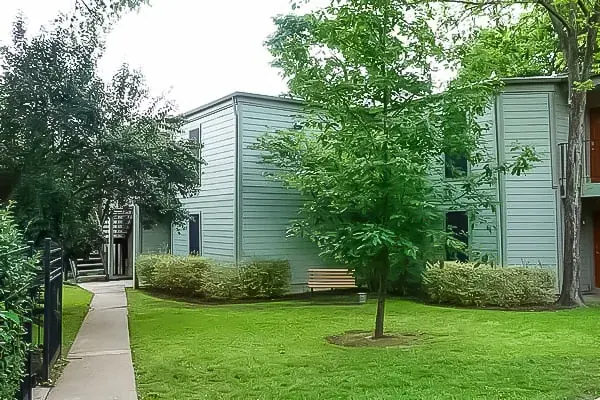
Inside Rustic Creek, our Austin flagship







Types of Music Therapies
The three primary types of music therapy are social, personal, and spiritual.
- Social therapy is not unlike music classes, –the goal of Drug Rehab Austin is to enhance the ability of a person to communicate with other people and make social skills more effective.
- Personal therapy involves playing music that has been selected by the client. This is done in order to provide support for individuals who are undergoing a painful experience while they try to work through their emotions in a healthy manner.
- Spiritual therapy is the idea that playing calming and perfect music helps people to connect with their higher selves. Music in this case helps bring clarity and understanding to some difficult issues or complicated decisions that need to be made by the individual.
Music therapy can be utilized in a ton of ways to treat narcolepsy. Music can be used to reduce pain, to help with stress and anxiety, as a sexual stimulant, and as a mood elevator. Adding music to the treatments may work better in some people than others; however, the bottom line is that music is an effective way of helping those with addiction achieve a better quality of life.
What are the Benefits?
Music therapy is beneficial for psychological, emotional, social, and physical health. According to the National Cancer Institute, music therapy can help cancer patients reduce stress levels and anxiety. Other reports showed that this form of therapy could also improve the condition of patients with other illnesses such as schizophrenia and dementia.
Here Is a Few of the Tactics that Music Therapists Frequently Employ:
1. Guided Imagery Music Therapy – this technique uses relaxing songs while patients envision themselves at an enjoyable place such as the beach or mountains; they are provided with intense imagery of the scenes they see in their minds’ eye.
2. Songwriting – this approach is sometimes used by music therapists to try to understand their patients’ inner feelings and thoughts. The therapist may ask a patient to write down his/her feelings in a song and then teach that song back to the patient while they are singing along with recorded music. This method allows them to express their emotions in words and music.
3. Music Therapy Interventions – a patient’s response to music therapy can vary depending on their age, personality, behavior, the type of disorder they have, or the setting where it is being done (e.g., hospital, nursing home, etc.). However, several treatments are effective for the majority of abusers.
4. Music Therapy Groups – these are groups composed of several people who have similar problems, such as those with Alzheimer’s disease or children with autism. In these groups, the members listen to music while they sing along using lyrics that describe how they are feeling or what they are experiencing at that moment. The members also help motivate each other by supporting and encouraging each other through singing or clapping during or after each session.
Get ready to become the finest version of yourself!
Eudaimonia Can Help Keep You on the Path to Recovery
At Eudaimonia Recovery Homes, we know the struggle of trying to achieve and maintain sobriety. However, long-term sobriety is possible for every person in recovery despite the unique challenges they may be facing. With sober living homes located in Houston and Austin, Texas, and Colorado Springs, CO, Eudaimonia can provide essential recovery support services to help you or a loved one achieve lifelong sobriety. Call us today at (713) 818-2361 or contact us online for more information.